Turn Your Pennsylvania Garden Into A Butterfly Magnet With These Nectar-Rich Plants
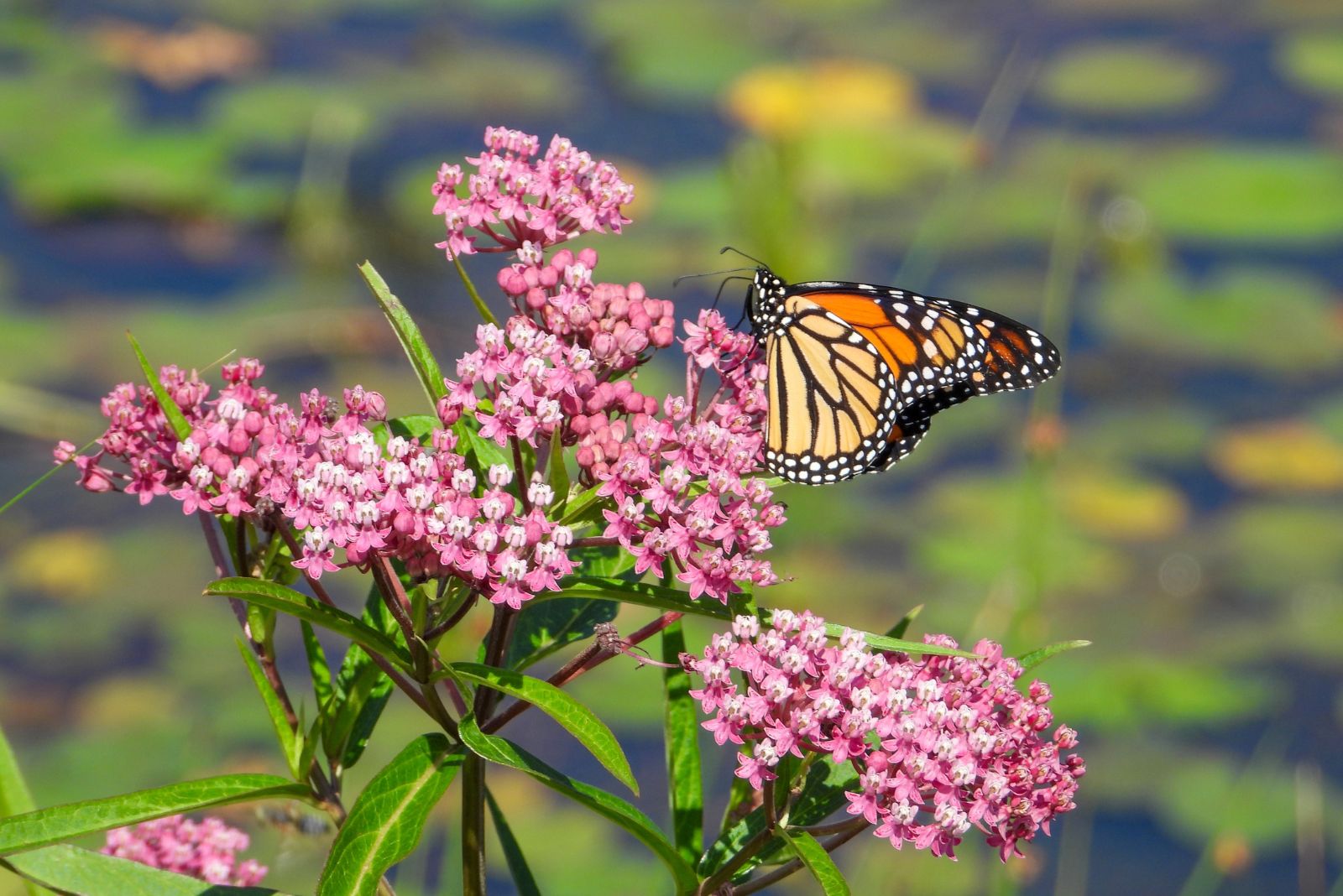
Want to turn your Pennsylvania garden into a butterfly magnet? These nectar-rich plants are your solution.
Butterflies are naturally drawn to flowers that provide steady nectar, bright color, and easy landing spots, and the right plant choices can make your garden far more inviting.
Many of these blooms thrive in Pennsylvania’s changing seasons, offering dependable growth along with vibrant beauty from spring through late summer.
As butterflies visit and feed, they bring movement, color, and life to your outdoor space while also supporting natural pollination. Even a few well chosen nectar rich plants can dramatically increase butterfly activity and create a more dynamic, lively garden.
With thoughtful planning and the right selections, your garden can become a colorful, fluttering haven that feels full of energy, natural beauty, and constant seasonal activity.
1. Purple Coneflower
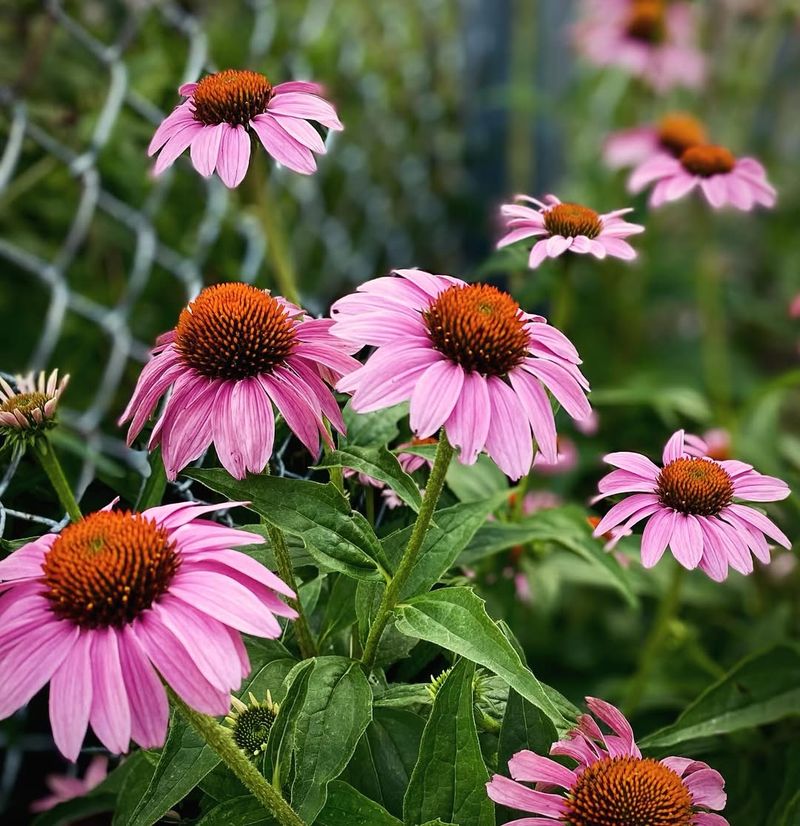
Monarchs, swallowtails, and fritillaries flock to purple coneflower like kids to an ice cream truck. This native prairie plant produces bold pink-purple blooms from June through September, giving butterflies months of reliable nectar.
The raised cone in the center acts like a landing platform, making it easy for butterflies to perch while they feed.
Pennsylvania gardeners love purple coneflower because it tolerates both drought and clay soil once established. Plant it in full sun where it gets at least six hours of direct light daily.
Space plants about 18 inches apart to allow good air circulation. The flowers grow two to four feet tall, creating eye-catching drifts when planted in groups of three or more.
Beyond attracting butterflies, purple coneflower seeds feed goldfinches and other songbirds in fall and winter. Leave the dried seed heads standing instead of cutting them back.
The plants self-seed readily, gradually expanding your butterfly buffet without extra effort. Deer usually avoid this plant, which is a bonus for Pennsylvania gardeners dealing with browsing wildlife.
Dividing clumps every three to four years keeps plants vigorous and blooming heavily. Spring or fall works well for division.
Water new transplants regularly for the first month, then let nature take over. This low-maintenance perennial rewards you with years of butterfly-attracting beauty across Pennsylvania’s diverse growing zones.
2. Blazing Star
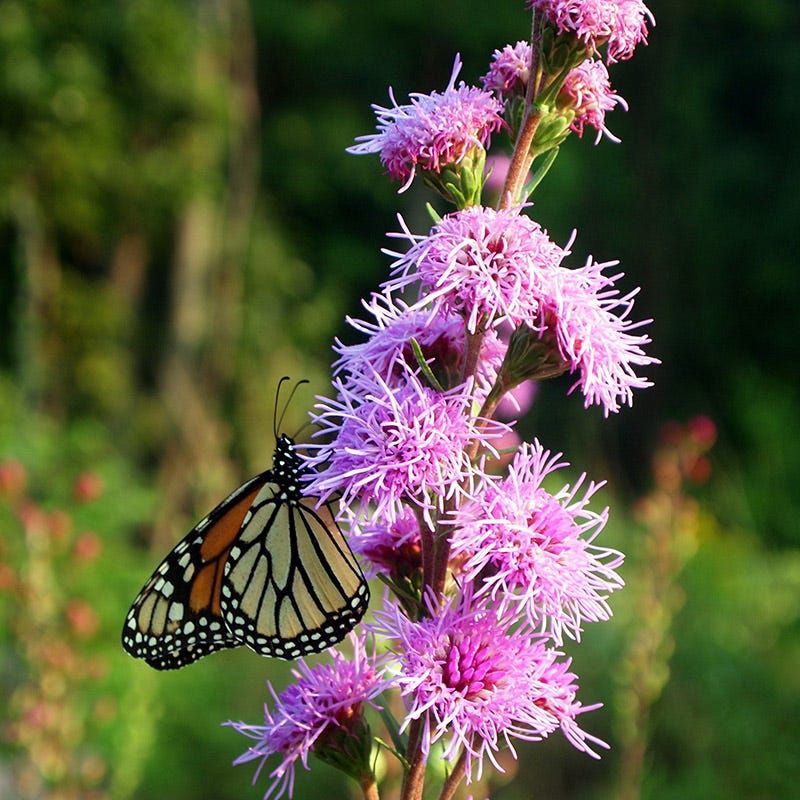
Blazing star sends up poker-straight spikes of fuzzy purple flowers that butterflies simply cannot resist. Unlike most flowers that bloom from bottom to top, blazing star opens from the top down, creating an unusual display from July through September.
Swallowtails, fritillaries, and skippers visit these spikes constantly throughout the day, making your Pennsylvania garden look like a butterfly airport.
This native plant grows from underground corms similar to bulbs. Plant corms in spring about four inches deep and eight inches apart in well-drained soil.
Full sun brings out the best flowering, though blazing star tolerates light shade in Pennsylvania’s hotter regions. The grass-like foliage stays tidy at the base while flower spikes reach two to four feet tall.
Blazing star works beautifully in both formal borders and naturalized meadow gardens. The vertical form contrasts nicely with rounded flowers like coneflowers and black-eyed Susans.
Cut flowers last over a week in vases, though you might prefer leaving them for the butterflies. Bumblebees also visit blazing star frequently, adding to your garden’s pollinator diversity.
Wet winter soil can rot the corms, so avoid planting in low spots where water collects. Otherwise, this tough native handles Pennsylvania winters without protection.
Clumps gradually expand but never become invasive. Goldfinches appreciate the seeds in fall, giving you another reason to let the spent flower spikes stand through winter months.
3. Bee Balm
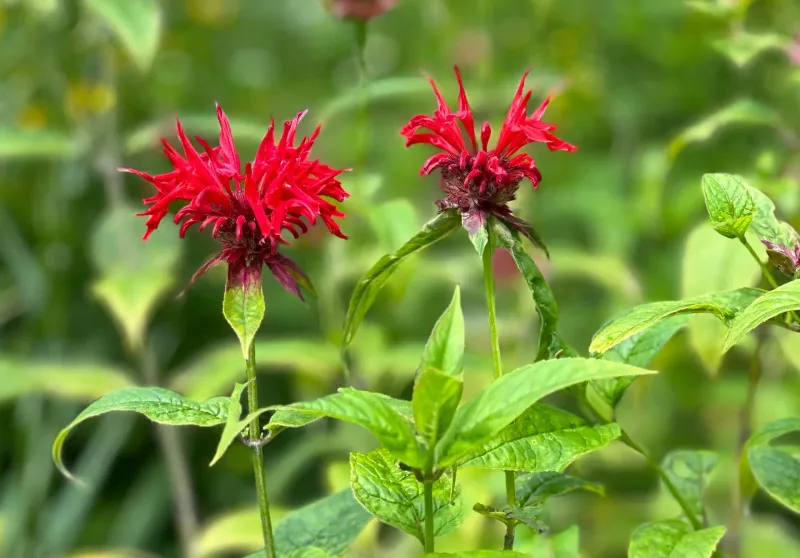
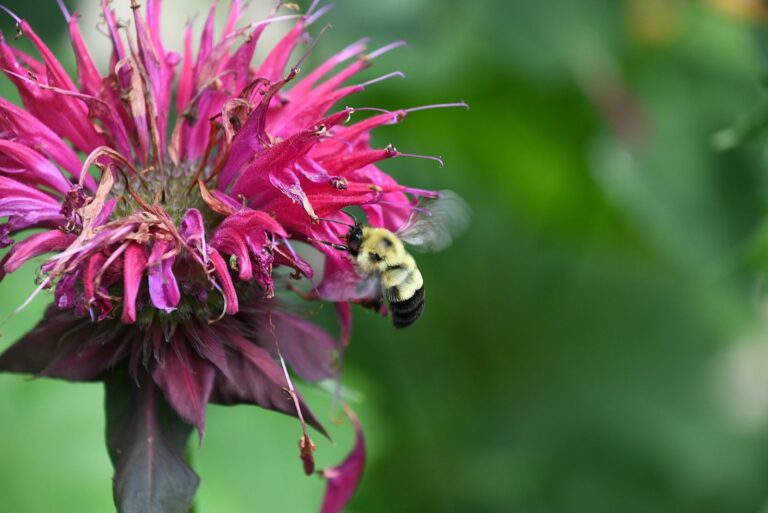
Hummingbirds and butterflies engage in friendly competition over bee balm’s tubular flowers. The shaggy blooms in red, pink, purple, or white appear from June through August, depending on the variety you choose.
Swallowtails have long enough tongues to reach the nectar deep inside each tube, while smaller butterflies work the outer florets.
Native to Pennsylvania woodlands and meadows, bee balm thrives in average garden soil with consistent moisture. Plant it where it receives morning sun and afternoon shade for best results.
Full sun works too, but you’ll need to water more frequently during dry spells. The aromatic foliage smells like Earl Grey tea when brushed, adding sensory interest beyond the visual appeal.
Bee balm spreads through underground runners, forming substantial clumps over time. This growth habit makes it excellent for filling spaces in informal gardens but potentially aggressive in tidy borders.
Divide clumps every two to three years to control spread and maintain vigor. Thinning out stems in spring improves air circulation and reduces powdery mildew, a common issue with older varieties.
Modern cultivars like ‘Jacob Cline’ and ‘Raspberry Wine’ offer better mildew resistance than older types. Space plants 18 to 24 inches apart when first planting.
Deadheading spent blooms encourages a second flush of flowers in late summer. Pennsylvania gardeners appreciate bee balm’s ability to brighten partially shaded areas where many nectar plants struggle to bloom well.
4. Black-Eyed Susan
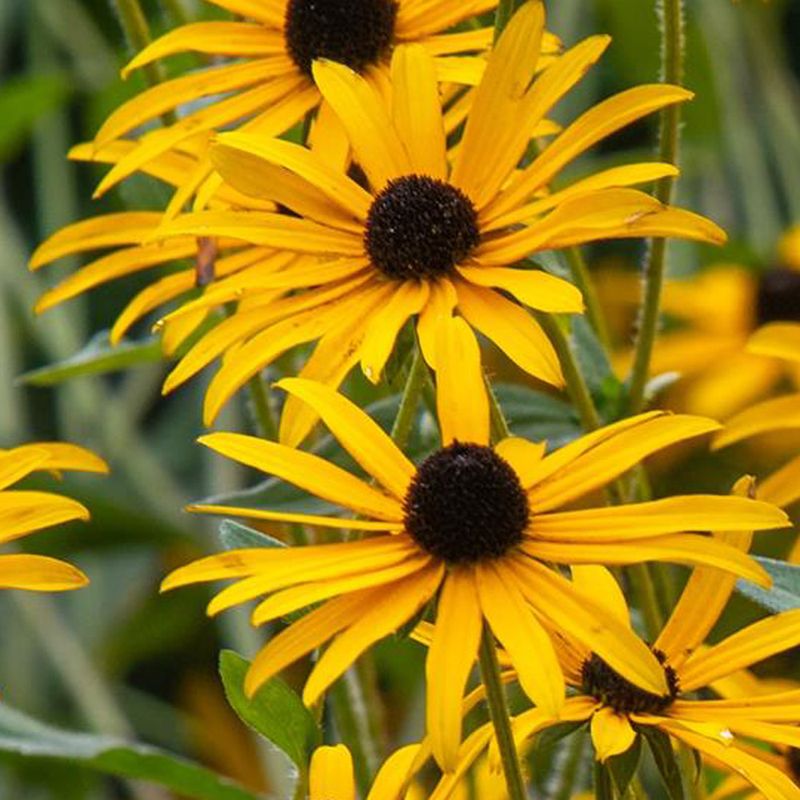
Golden petals surrounding chocolate-brown centers make black-eyed Susans instantly recognizable across Pennsylvania roadsides and gardens. These cheerful natives bloom from June through October, providing consistent nectar when butterflies need it most.
Painted ladies, crescents, and skippers visit the flowers regularly, often spending several minutes on a single bloom.
Black-eyed Susans adapt to almost any soil type Pennsylvania offers, from clay to sand. Full sun produces the most flowers, though plants tolerate light shade reasonably well.
Seeds germinate easily, making this an economical choice for filling large areas. Scatter seeds in fall or early spring, barely covering them with soil. Plants often bloom the first year from early spring sowings.
The hairy stems and leaves give black-eyed Susans a slightly rough texture that deer find unappealing. This natural deer resistance makes them valuable in Pennsylvania gardens where browsing pressure is high.
Plants self-seed freely, creating naturalized drifts over time. Pulling unwanted seedlings is easy if they pop up where you don’t want them.
Black-eyed Susans combine beautifully with purple coneflowers and blazing star, creating a classic prairie-style planting. The flowers attract butterflies while seeds feed goldfinches and sparrows from late summer through winter.
Cutting back plants in late fall keeps gardens tidy, but leaving seed heads provides winter food for birds. These tough biennials or short-lived perennials reseed reliably, ensuring continuous presence in your Pennsylvania butterfly garden.
5. Joe-Pye Weed
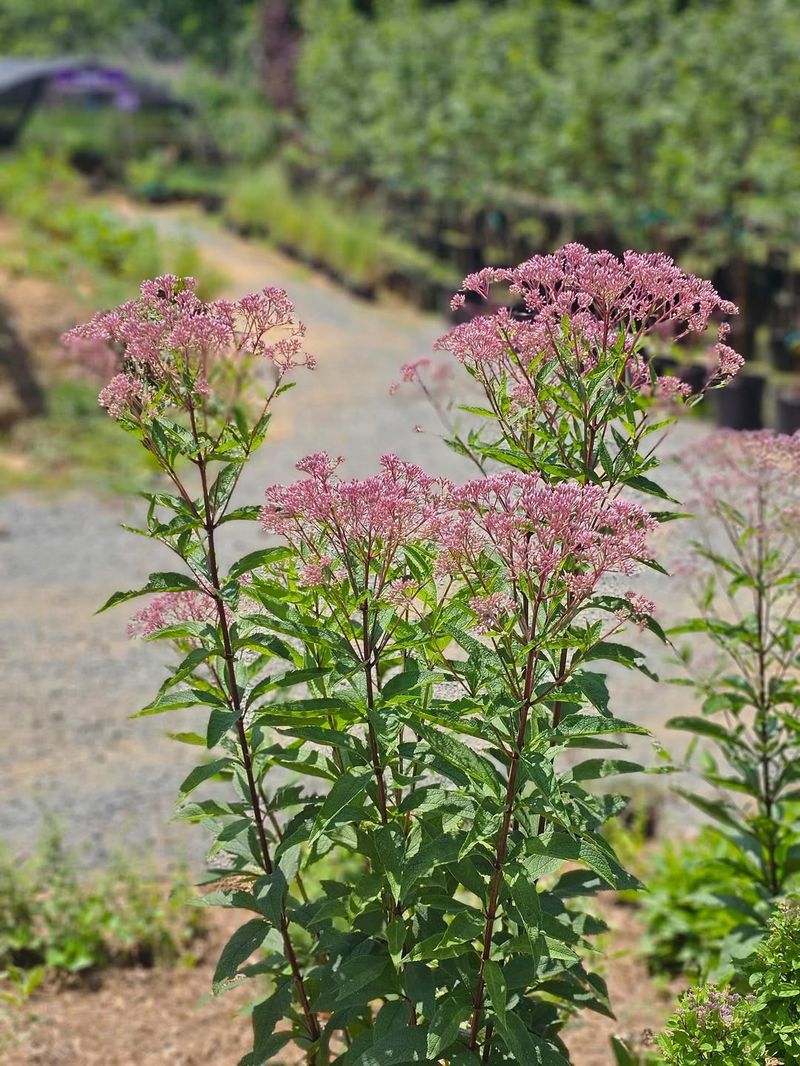
Standing six to eight feet tall, Joe-Pye weed creates a dramatic backdrop in Pennsylvania gardens while serving massive amounts of nectar to butterflies. The dusty pink-purple flower clusters can measure eight inches across, appearing from July through September.
Monarchs, swallowtails, and fritillaries cover these flower domes during peak bloom, sometimes with a dozen butterflies feeding simultaneously on one plant.
This native giant grows naturally in moist meadows and along Pennsylvania stream banks. Gardens with consistent moisture suit it perfectly, though established plants tolerate brief dry periods.
Full sun to light shade both work well. The sturdy stems rarely need staking despite the impressive height. Vanilla-scented foliage releases fragrance when leaves are crushed or brushed.
Joe-Pye weed works best toward the back of borders or as a living fence along property lines. The substantial size provides shelter for butterflies during windy days.
Pair it with shorter plants like coneflowers and bee balm in front for a layered butterfly garden. The coarse texture contrasts nicely with fine-textured ornamental grasses.
Plants spread slowly through short rhizomes, forming clumps that gradually expand without becoming invasive. Division every four to five years maintains vigor and provides new plants for other garden areas.
Cut stems back in late fall or leave them standing for winter interest and bird habitat. Pennsylvania gardeners with space for this substantial perennial gain a major butterfly magnet that performs reliably year after year with minimal care.
6. Milkweed
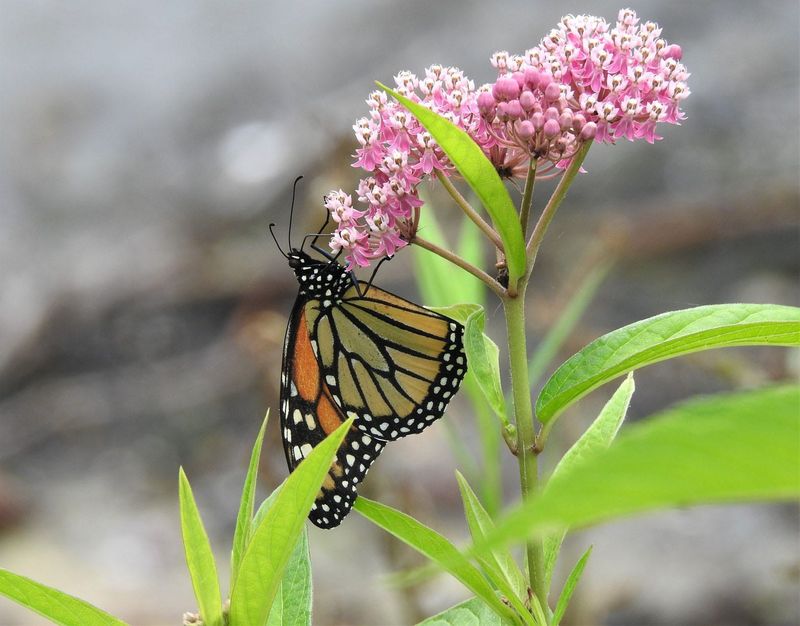
Monarch butterflies depend entirely on milkweed for their survival. Female monarchs lay eggs exclusively on milkweed leaves, and the caterpillars eat nothing else.
Adult monarchs also feed on milkweed nectar, along with many other butterfly species. Pennsylvania gardeners play a crucial role in monarch conservation by planting milkweed species native to the region.
Common milkweed produces fragrant pink flower clusters in June and July. Butterfly weed offers brilliant orange blooms from June through August and tolerates drier soil than other species.
Swamp milkweed thrives in moist areas with pink or white flowers appearing in mid-summer. All three species grow well across Pennsylvania and attract numerous butterfly species beyond monarchs.
Plant milkweed in full sun for best flowering and caterpillar health. Space plants 18 to 24 inches apart.
Seeds need cold stratification, so fall planting works well in Pennsylvania. Alternatively, refrigerate seeds for 30 days before spring planting. Young plants establish slowly but become quite vigorous once roots develop fully.
Milkweed spreads through underground rhizomes and seeds. Some species spread more aggressively than others, so research your chosen variety.
Butterfly weed stays more contained than common milkweed. Allow seed pods to mature and split naturally, or collect seeds for controlled planting elsewhere.
Pennsylvania’s monarch population benefits tremendously from increased milkweed plantings. Watching caterpillars grow and transform into chrysalises right in your garden provides educational opportunities and deep satisfaction for gardeners of all ages.
7. New England Aster
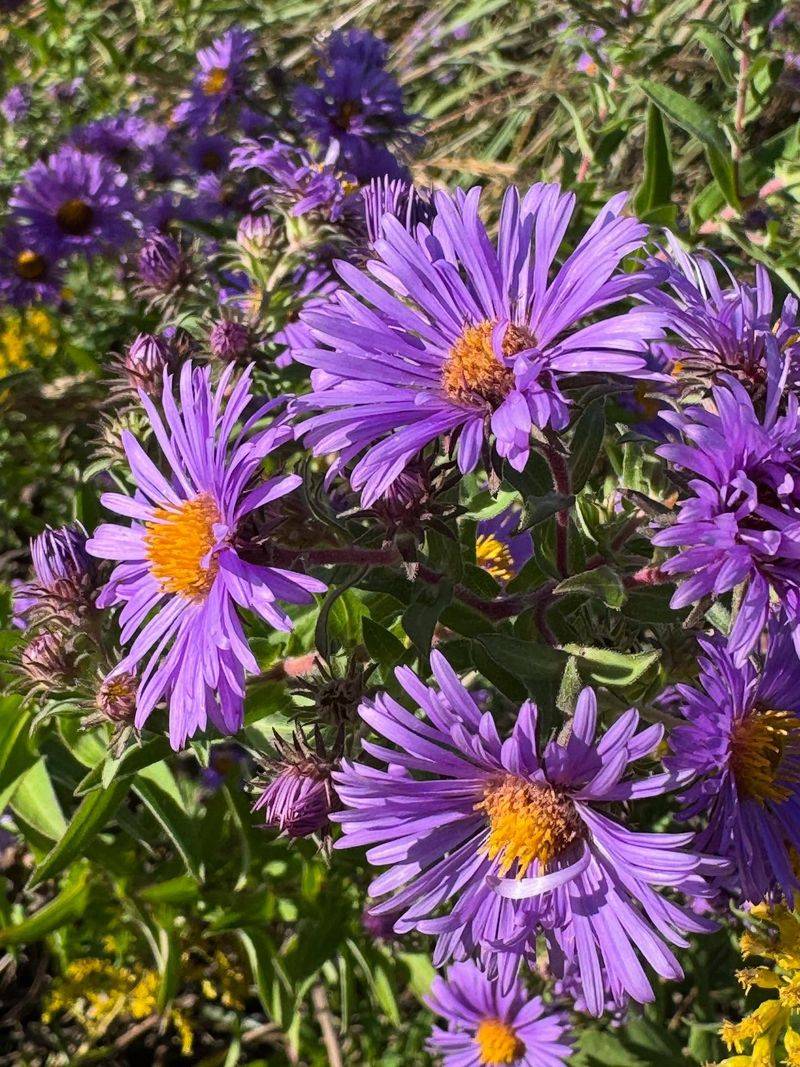
When most flowers have finished blooming, New England aster explodes with purple, pink, or white flowers from August through October. This late-season timing makes it especially valuable for migrating monarch butterflies fueling up for their journey to Mexico.
Pearl crescents, question marks, and red admirals also visit these abundant blooms throughout Pennsylvania’s fall season.
This native aster grows three to six feet tall depending on growing conditions and variety. Full sun and average soil produce compact, heavily flowering plants.
Rich soil or too much shade causes plants to grow tall and floppy, requiring staking. Pinching stems back by half in early June creates bushier plants with more flowers and stronger stems that stand without support.
New England aster tolerates clay soil better than many perennials, making it suitable for challenging Pennsylvania garden spots. Plants spread moderately through rhizomes, forming substantial clumps over several years.
Divide clumps every three to four years in spring to maintain vigor and control spread. The species self-seeds lightly, with seedlings appearing near parent plants.
Powdery mildew can affect lower leaves by late summer, though it rarely harms plant health or flowering. Improved air circulation through proper spacing and stem thinning reduces mildew issues.
Many newer cultivars offer better disease resistance. Pair New England aster with ornamental grasses, goldenrod, and sedum for a spectacular fall display.
Pennsylvania butterfly gardens benefit enormously from this reliable native that provides crucial late-season nectar when butterflies need it most for migration and winter preparation.