10 Types Of Indoor Plants That Act As Natural Lifestyle Therapy In Michigan Homes
A home starts to feel different once there’s something living and growing inside it. Not in a complicated way, just a few plants in the right spots that make a room feel calmer, a little softer, and easier to settle into at the end of the day.
It’s the kind of change you notice without trying.
Cold seasons, shorter daylight hours, and dry indoor air can make rooms feel a bit closed in over time. Adding the right indoor plants helps bring back a sense of balance, with gentle greenery, natural texture, and a steady presence that fits easily into daily life without adding extra work.
Some plants seem to do more than just sit on a shelf, and a few of them have a way of changing how a room feels almost right away, creating a space that feels warmer, calmer, and easier to spend time in.
1. Snake Plant That Handles Low Light And Busy Indoor Routines
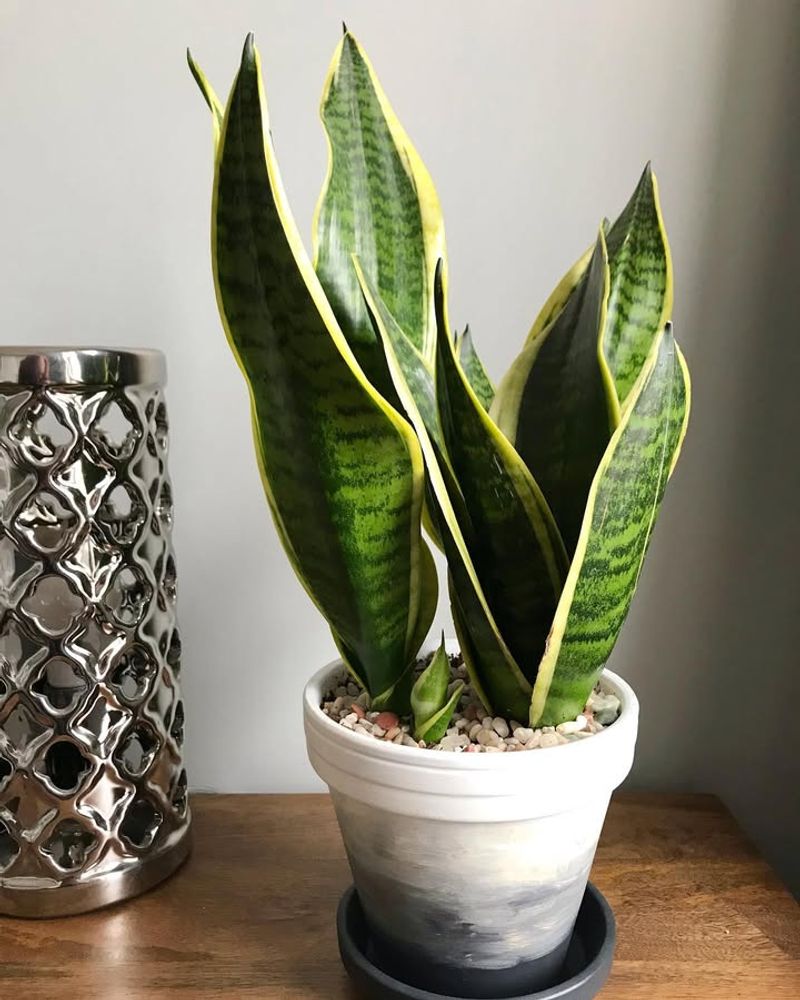
Tough as nails and easy to care for, the snake plant fits well into Michigan homes where indoor air can feel dry during winter months. Its upright, sword-like leaves with bold patterns add structure and visual interest without overwhelming a space.
This plant uses a form of photosynthesis that allows it to exchange gases at night, which is different from many common houseplants. While it contributes to a fresh indoor atmosphere, the effect on overall air quality depends on room size, ventilation, and the number of plants present.
Low maintenance makes it especially appealing. Snake plants store water in their thick leaves, so watering every two to three weeks is usually enough.
They also tolerate lower light conditions, which works well in rooms with limited sunlight during Michigan’s shorter days.
The sense of calm often comes from the plant’s steady, unfussy presence. Caring for something living, even one that asks for very little, can create a small daily routine that feels grounding.
New shoots may appear over time, offering a quiet reminder of growth and change. During long stretches of indoor living, especially in colder months, that simple connection to something natural can make a noticeable difference in how a space feels.
2. ZZ Plant That Stays Strong With Minimal Care
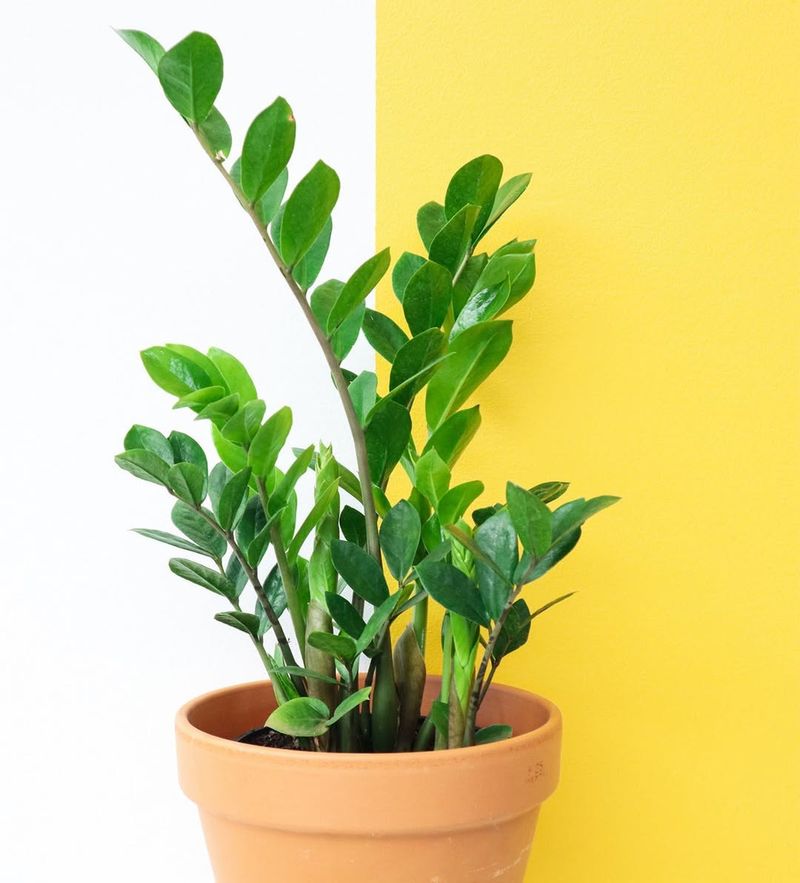
Shiny, waxy leaves reflect whatever light filters through Michigan’s often cloudy skies, giving the ZZ plant a consistently healthy appearance. Its glossy foliage helps brighten darker rooms, especially during extended overcast periods common across the region.
This plant stores water in thick underground rhizomes, allowing it to go for longer stretches without watering. That resilience suits busy households where care routines may not always be consistent.
While ZZ plants are often associated with improving indoor air, research suggests that their impact depends on factors such as plant quantity, room size, and airflow. They still contribute to a more comfortable environment by adding greenery and a sense of freshness to enclosed spaces.
The real appeal often lies in how forgiving the plant is. It tolerates low light, occasional missed watering, and general indoor conditions without showing signs of stress too quickly.
This reliability can make plant care feel less intimidating, especially for beginners. Instead of worrying about precise routines, you can focus on enjoying the presence of greenery.
Over time, the plant’s steady growth and polished appearance bring a sense of consistency to indoor spaces, which many people find calming during Michigan’s long indoor seasons.
3. Peace Lily That Adds Soft Blooms And Calm Indoors
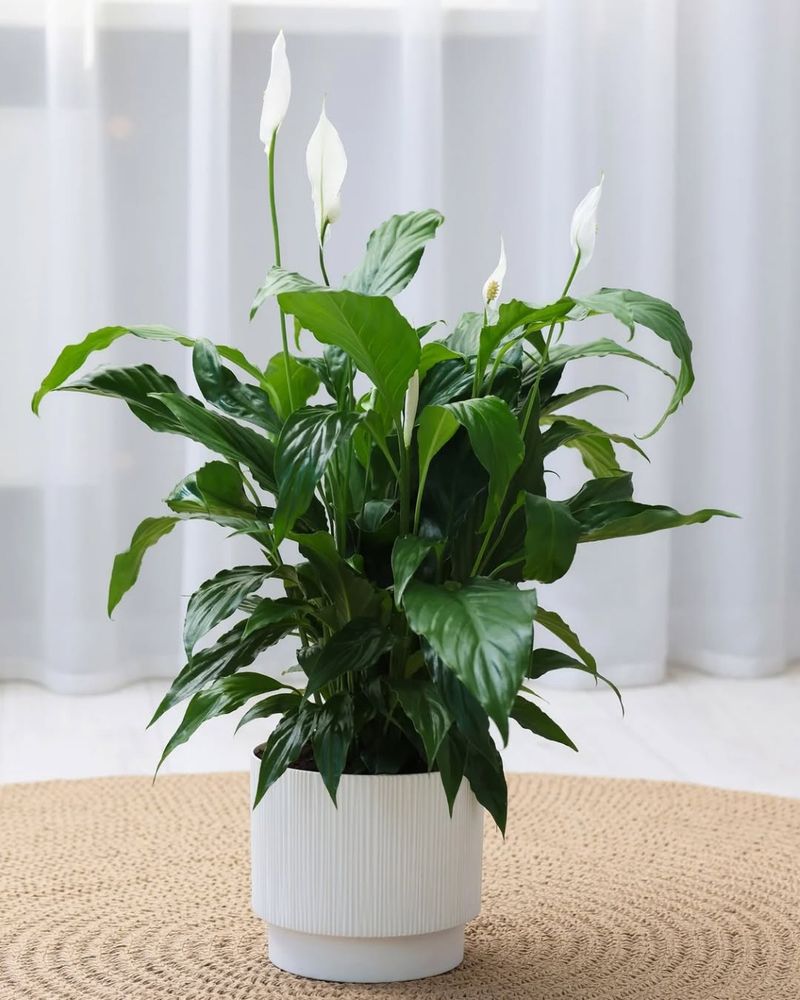
Elegant white blooms rise above deep green leaves, creating a soft visual contrast that feels calming in Michigan homes. Peace lilies are often chosen for their appearance, but they also bring a sense of routine and attentiveness to indoor spaces.
They tend to adapt well to typical indoor humidity levels, especially in rooms like bathrooms or kitchens where moisture is naturally higher. While they prefer slightly humid conditions, they can adjust to a range of environments with consistent care.
One of their most noticeable traits is how clearly they signal their needs. Leaves may droop when the plant is ready for water, then recover after watering.
This visible response helps build confidence, especially for those still learning plant care.
Peace lilies are frequently mentioned in discussions about indoor air quality. Their presence can contribute to a fresher-feeling space, although the extent of air-cleaning effects depends on factors like room size and ventilation.
The real benefit often comes from the atmosphere they help create. Soft blooms, steady growth, and simple care routines encourage a slower pace and more mindful attention.
During Michigan’s colder months, when time indoors increases, having a plant that responds and changes in small ways can bring a sense of balance and quiet interest to everyday life.
4. Spider Plant That Grows Easily And Feels Light And Lively
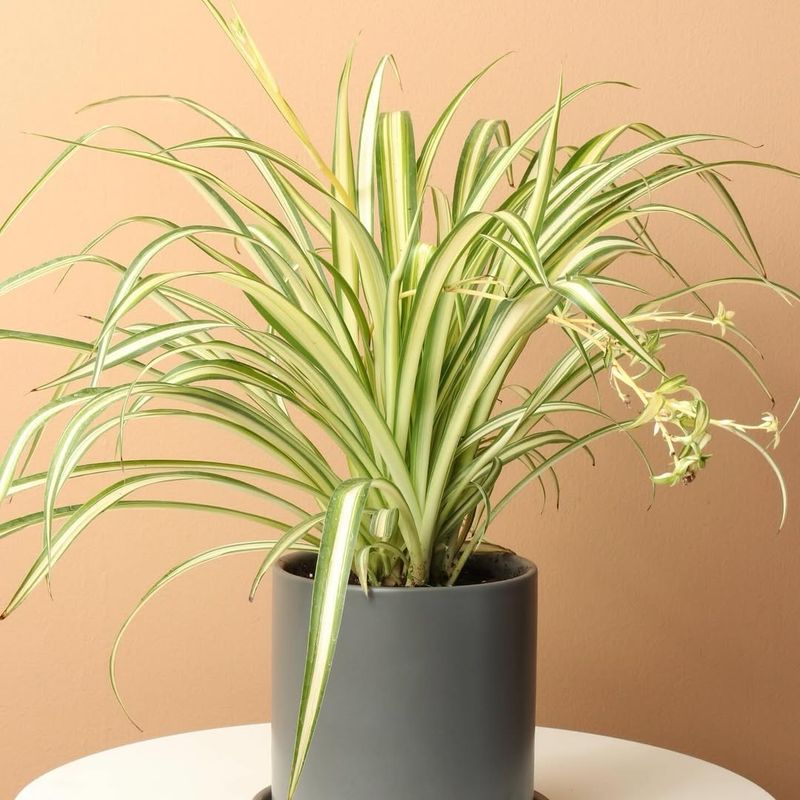
Have you ever noticed how some plants seem to bring a room to life on their own? Cascading babies dangle from arching leaves like natural ornaments, creating living sculptures that add movement and interest to otherwise still indoor spaces.
Spider plants produce these miniature versions of themselves generously, and watching them develop brings a steady sense of connection to natural growth cycles, even during Michigan’s colder months.
Adaptability defines this plant’s personality. It tolerates various light conditions, inconsistent watering, and the temperature fluctuations common in Michigan homes where drafty windows meet blasting furnaces.
That flexibility makes it ideal for first-time plant owners or anyone wanting greenery without demanding care requirements.
Propagating the babies offers a mindful activity that costs nothing but brings tremendous satisfaction. Snipping off a plantlet and rooting it in water lets you watch roots develop before your eyes.
Sharing these offspring with friends and neighbors builds community connections while spreading the therapeutic benefits of plant ownership throughout Michigan neighborhoods.
The air-cleaning properties focus particularly on formaldehyde and carbon monoxide, substances that can accumulate in tightly sealed homes. Having spider plants in multiple rooms creates a network of natural air filters.
Their cheerful, fountain-like growth habit lifts spirits visually while they work invisibly to improve your breathing environment.
5. Heartleaf Philodendron That Trails And Softens Any Room
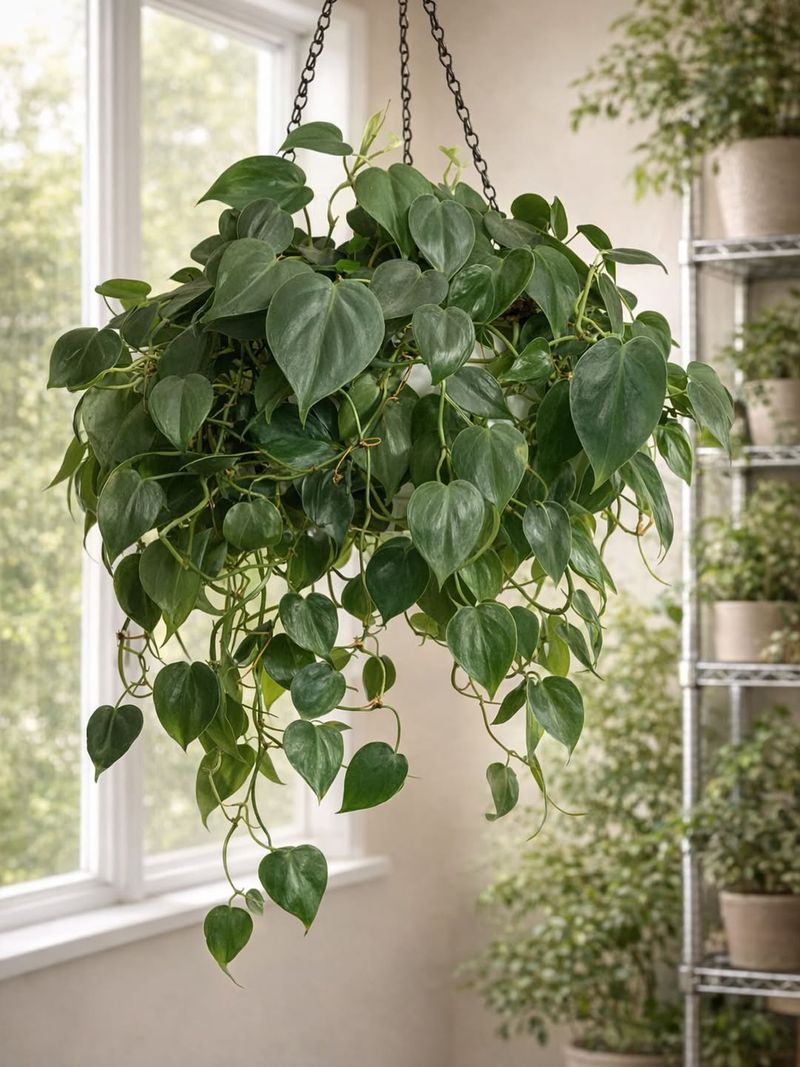
Heart-shaped leaves trail gracefully from shelves and hanging planters, softening hard edges in modern Michigan homes with organic curves. Each leaf truly resembles a valentine, creating subtle reminders of love and care throughout your living space.
The vining growth pattern adds dimension and life to otherwise flat walls or empty corners.
Fast growth provides visible progress that feels rewarding. You’ll notice new leaves unfurling regularly, especially during spring and summer when natural light increases even in Michigan’s northern latitude.
Watching something flourish under your care delivers mental health benefits that researchers link to reduced anxiety and improved mood.
Low-light tolerance makes heartleaf philodendrons perfect for interior rooms, hallways, or basement spaces where other plants might struggle. Michigan homes often feature floor plans with areas far from windows, and these adaptable plants bring greenery to those forgotten spaces.
They ask for little but give back generous growth and lush foliage.
The trailing vines create opportunities for creative display. Train them along curtain rods, up moss poles, or let them cascade freely for different visual effects.
This interactive aspect of plant care engages your creative side while providing hands-on activity that pulls attention away from screens and daily stressors.
6. Chinese Evergreen That Thrives In Low Light
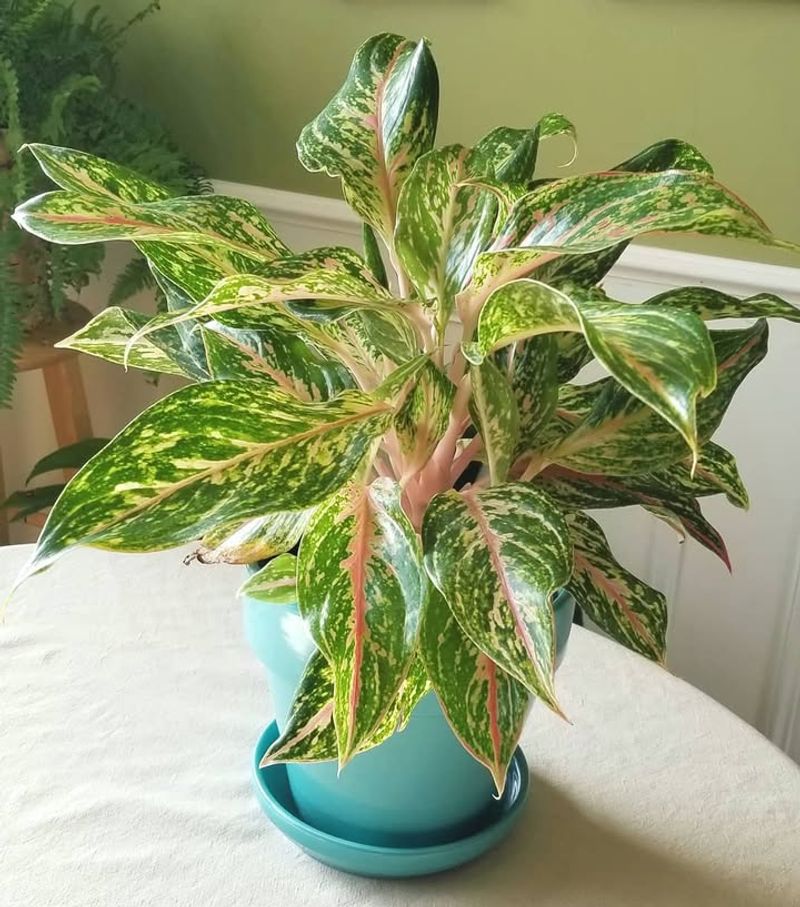
Stunning leaf patterns featuring silver, cream, pink, or red markings transform this plant into living artwork. Chinese evergreens bring color and visual interest to Michigan homes without requiring the intense light that flowering plants demand.
The variegated foliage provides year-round beauty that doesn’t depend on blooming cycles or seasonal changes.
Slow, steady growth means this plant won’t outgrow its space quickly or demand frequent repotting. That stability appeals to people seeking low-maintenance companions that provide consistent presence without constant intervention.
You can place a Chinese evergreen in a spot and enjoy it for years with minimal fuss.
Toxin removal capabilities include filtering benzene and formaldehyde from indoor air. Michigan homes with attached garages or new furniture benefit particularly from these air-purifying qualities.
Working quietly in the background, it can contribute to a more comfortable indoor environment while requiring little more than occasional watering and indirect light.
A sense of calm often comes from observing the intricate leaf patterns and noticing new growth as it appears. Chinese evergreens naturally invite a slower pace, encouraging attention to small details that can help ease everyday stress.
With a steady, understated presence, they help create peaceful corners in busy households throughout Detroit, Kalamazoo, and many other Michigan communities.
7. Cast Iron Plant That Stays Strong In Low Light Spaces
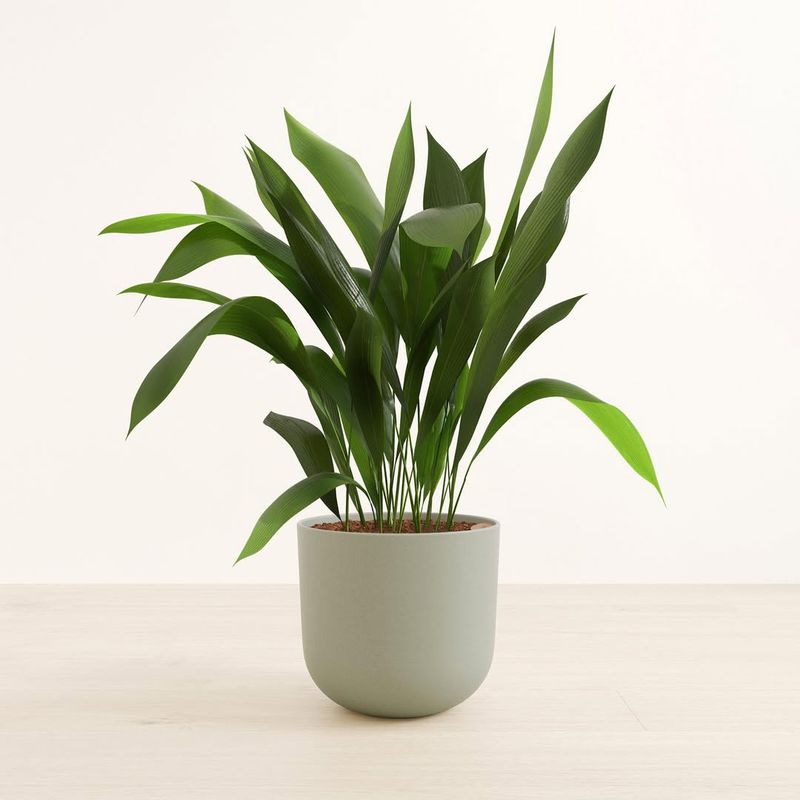
Even in homes where most houseplants struggle, this one tends to hold its own with very little attention. The cast iron plant earned its name honestly by surviving neglect, low light, and temperature extremes that would stress most houseplants.
For Michigan residents who travel frequently or simply lack a green thumb, this plant offers a reliable way to bring greenery indoors. It endures without complaint and still looks handsome.
Deep green, glossy leaves arch elegantly despite the plant’s tough reputation. The substantial foliage adds weight and presence to room corners or floor spaces where you need something substantial but don’t want to fuss with complicated care.
Cast iron plants ground a space visually while requiring minimal attention.
Cold tolerance exceeds most houseplants, making it suitable for drafty entryways or sunrooms that get chilly during Michigan winters. While you shouldn’t freeze it, the cast iron plant handles temperature drops better than tropical varieties.
This resilience means fewer worries about placement and more flexibility in decorating challenging spaces.
The psychological benefits stem from guaranteed success. When other plants might struggle or require constant attention, the cast iron plant simply persists and grows slowly but surely.
That reliability builds confidence and removes the performance anxiety some people feel about plant care, making the experience genuinely therapeutic rather than stressful.
8. Boston Fern That Brings Classic Texture Indoors
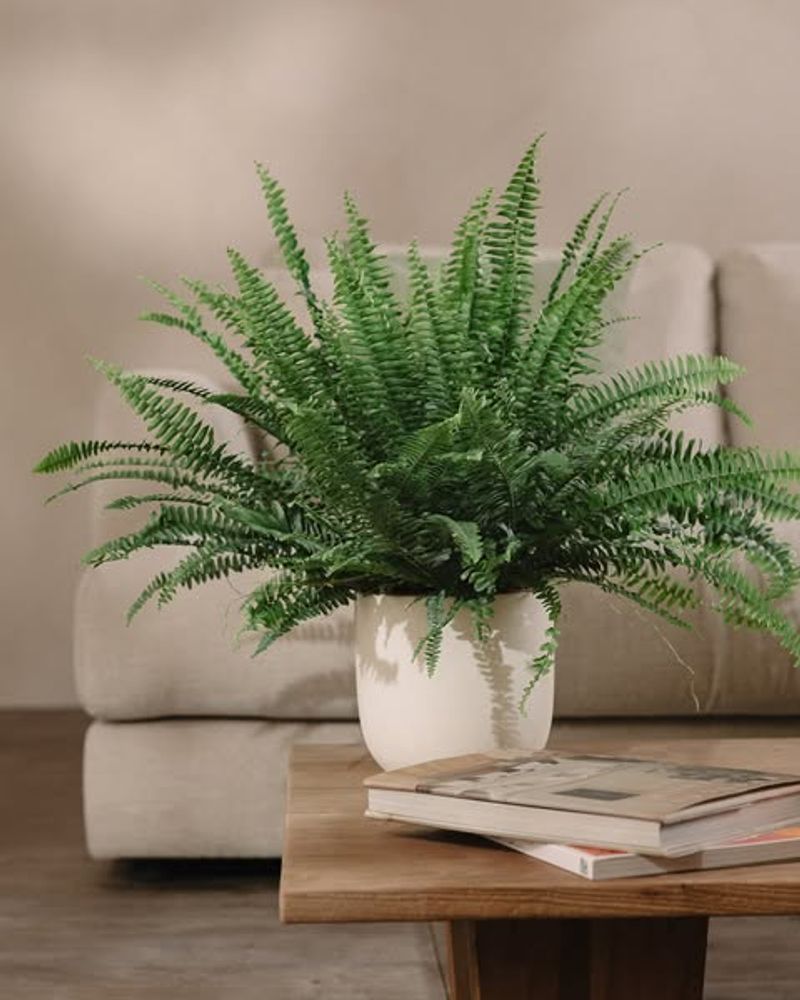
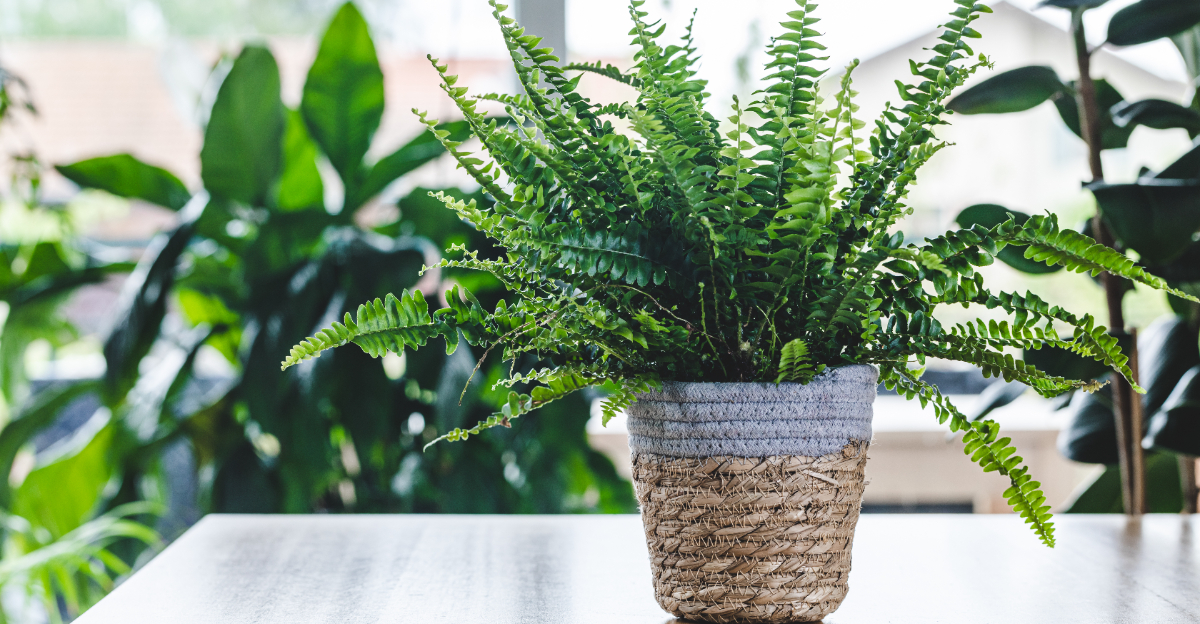
Feathery fronds create a soft, romantic atmosphere that contrasts beautifully with Michigan’s harsh winter landscape outside. Boston ferns bring a touch of forest floor magic indoors, their delicate appearance belying surprising toughness.
The lacy texture adds visual softness that balances harder architectural elements in modern homes.
Humidity appreciation makes Boston ferns happy companions in Michigan bathrooms or kitchens where moisture levels run higher. They actually help regulate humidity, releasing moisture into dry air during heating season while absorbing excess when conditions get too damp.
This natural balancing act benefits both plant and inhabitants.
Air purification focuses on removing formaldehyde and other volatile compounds while adding oxygen to your environment. The substantial leaf surface area of a mature Boston fern processes significant amounts of air, making it one of the more effective natural air filters.
Breathing cleaner air supports better sleep, clearer thinking, and overall wellness.
Caring for a Boston fern requires more attention than some other options, but that regular interaction provides structure and routine. Misting the fronds, checking soil moisture, and occasionally trimming brown tips become meditative practices.
The hands-on care creates stronger bonds between plant and person, deepening the therapeutic benefits through consistent, nurturing interaction.
9. English Ivy That Adds Movement And A Timeless Look
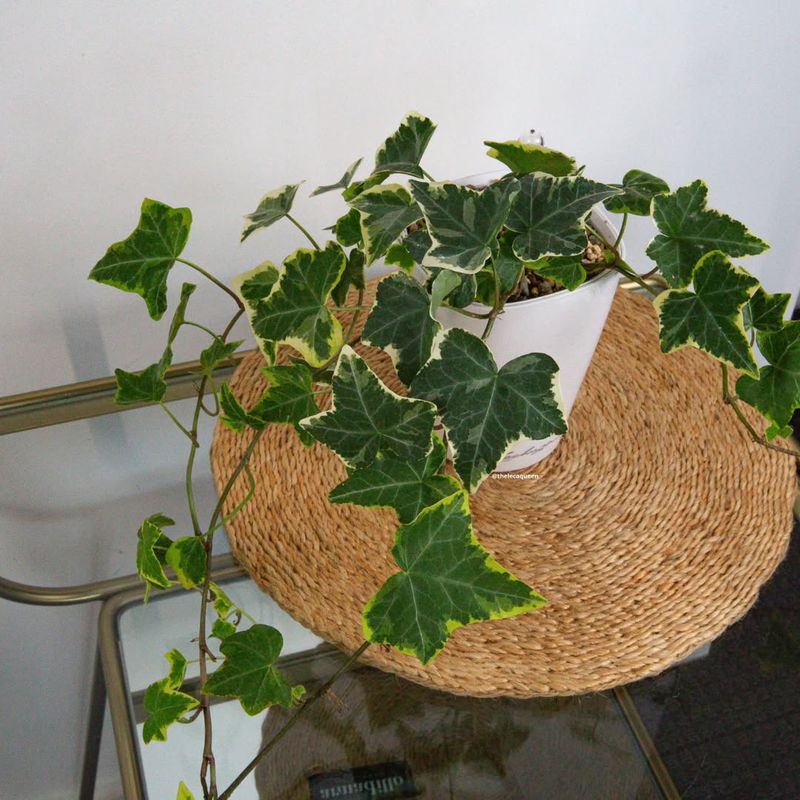
Some plants manage to look timeless while still fitting easily into everyday spaces, and this one does exactly that. Classic charm meets practical benefits in this versatile vine that adapts to various indoor conditions throughout Michigan homes.
English ivy brings old-world elegance whether trained up a trellis, cascading from a hanging basket, or climbing a moss pole. Its small, lobed leaves create dense coverage that adds privacy and visual interest to any space.
Mold spore reduction stands out among English ivy’s air-purifying talents. Research shows it can remove significant amounts of airborne mold particles within hours, making it valuable for Michigan basements or bathrooms prone to dampness.
This capability matters especially in older homes where moisture issues might lurk behind walls or in crawl spaces.
A preference for cooler temperatures can suit Michigan winters, especially in homes where heating is kept lower. English ivy generally does well in conditions around 50–70 degrees Fahrenheit, so slightly cooler rooms are usually not an issue.
This flexibility can make it a practical and comfortable choice for indoor spaces.
Its climbing habit also opens the door to creative shaping. Training vines along supports, trimming growth, or guiding them into different forms turns care into a hands-on activity.
Ongoing adjustments provide a steady sense of involvement without feeling demanding.
With a forgiving nature, small mistakes are unlikely to cause lasting problems, helping keep the experience relaxed and enjoyable rather than stressful.
10. Rubber Plant That Creates A Bold Indoor Presence
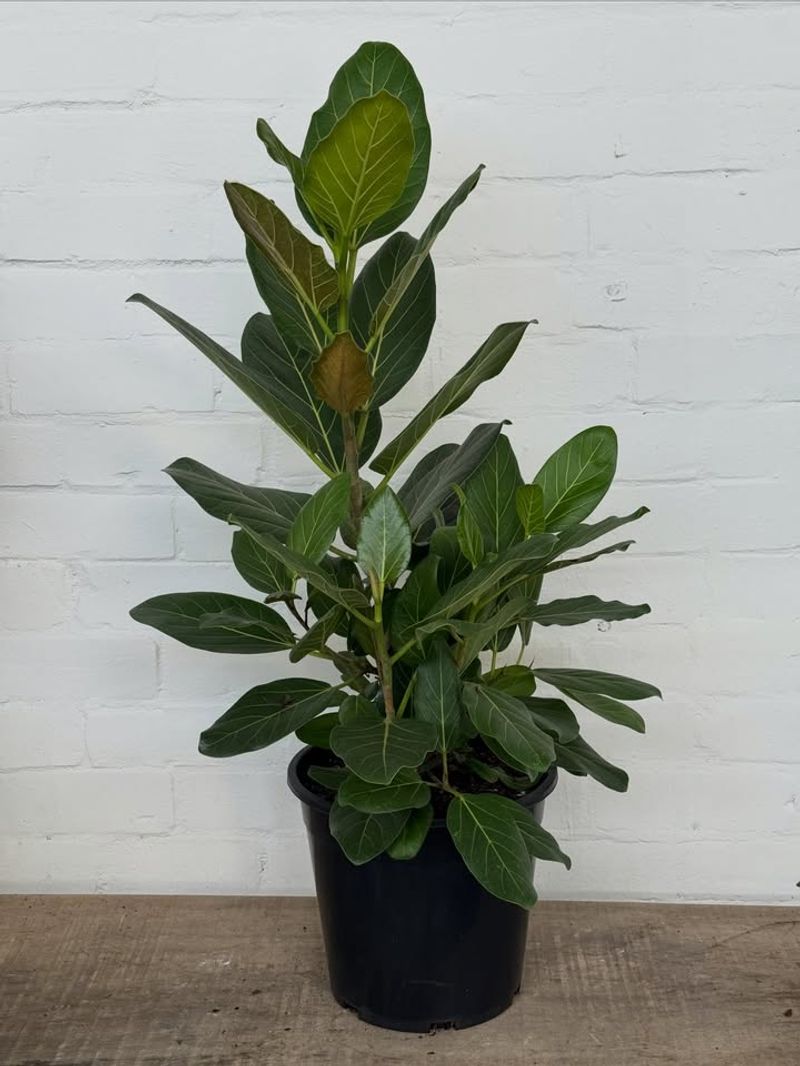
Looking to add something that stands out the moment you walk into a room? Bold, oversized leaves make dramatic statements in Michigan living rooms, offices, or bedrooms where you want eye-catching greenery.
Rubber plants command attention with their substantial presence and deep green, burgundy, or variegated foliage that looks almost artificial in its perfection. The large leaf surface area processes significant amounts of air while creating striking visual impact.
Upward growth habit means rubber plants work well in corners or beside furniture where floor space exists but horizontal spread would cause problems. They grow relatively quickly when happy, providing satisfaction as you watch them reach toward ceilings.
That vertical emphasis draws the eye upward, making rooms feel taller and more spacious.
Oxygen production happens at impressive rates thanks to those large leaves conducting photosynthesis efficiently. Having a rubber plant in your bedroom or home office in Michigan means fresher air where you spend significant time sleeping or working.
Improved air quality supports better concentration, deeper sleep, and overall health.
The care routine hits a sweet spot between too easy and too demanding. Rubber plants need attention but forgive occasional lapses, making them perfect for developing consistent plant care habits without overwhelming pressure.
Wiping dust from those big leaves becomes a meditative practice, and watching new leaves unfurl delivers reliable joy throughout Michigan’s long indoor season.