7 Types Of Indoor Plants You Need As Lifestyle Therapy In North Carolina
Soft green leaves, gentle growth, and a touch of nature indoors can completely transform how a home feels from the moment you walk in.
In North Carolina, indoor plants thrive thanks to the state’s balanced climate, making it easy to create a peaceful, refreshing space filled with natural beauty.
Whether your home sits in the cool mountains or along the warm coast, many houseplants adapt well and grow steadily with simple care. These living accents offer more than decoration, bringing a sense of calm, comfort, and quiet satisfaction to everyday life.
Tending to plants, watching new leaves unfold, and seeing steady growth can help ease tension after long days while adding warmth and character to your surroundings. North Carolina homes provide an ideal setting for these green companions to flourish.
With the right choices, indoor plants can enhance your living space, brighten your mood, and create a soothing atmosphere that feels welcoming year round.
1. I Can Forget It And It Still Thrives
Snake plants handle neglect better than most houseplants you will ever own. Their thick leaves store water for weeks, so missing a watering session will not harm them at all.
North Carolina humidity levels work perfectly for these tough plants since they adapt to both dry and moderately moist indoor air.
Bright indirect light helps them grow faster, but they tolerate dim corners without complaint. You can place one in a bathroom with minimal natural light or on a shelf away from windows.
The plant keeps its upright shape and stays attractive even when conditions are less than ideal.
Watering once every two to three weeks during warmer months works well for most indoor settings. In winter, you can stretch that to once a month since growth slows down naturally.
Always check that the soil has dried completely before adding more water to prevent root issues.
Snake plants grow slowly and rarely need repotting, which makes them perfect for apartment living. Their vertical leaves take up minimal space while adding greenery to any room.
You will appreciate how this plant fits into busy schedules without demanding constant attention or special care routines.
2. The One That Grows With Me
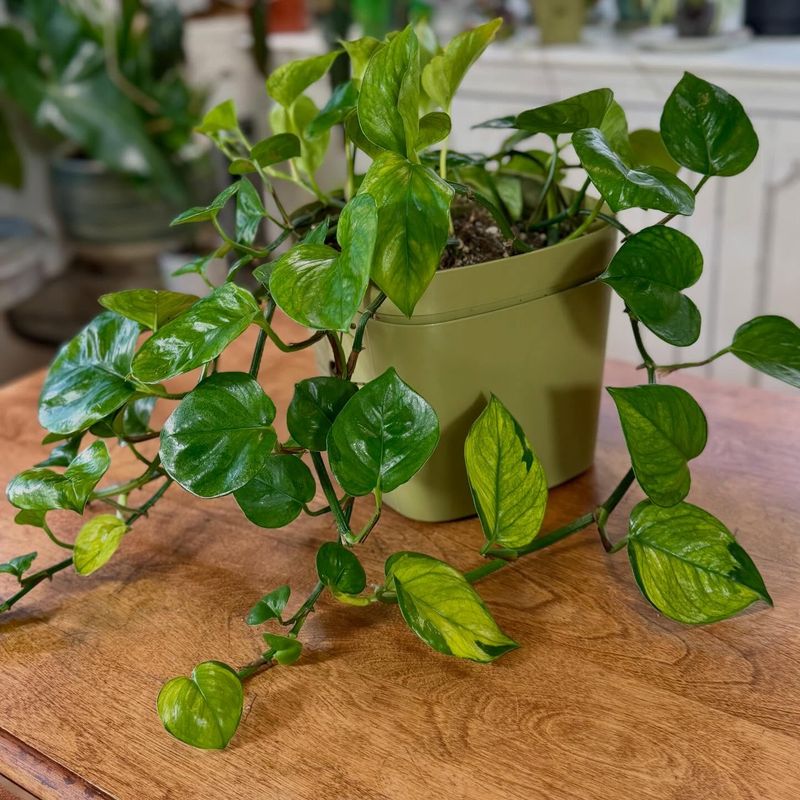
Pothos vines lengthen steadily throughout the year, giving you visible progress that feels rewarding to watch. Each new leaf unfurls as a lighter shade before maturing into deep green with golden variegation.
This gradual transformation creates a sense of connection between you and your plant as both of you move forward together.
Moderate indirect light suits pothos perfectly, though it adapts to brighter or slightly dimmer spots without trouble. North Carolina homes with east or west facing windows provide ideal conditions for steady growth.
The plant tolerates occasional low light periods, making it forgiving when you rearrange furniture or move to a new space.
Watering when the top inch of soil feels dry keeps pothos healthy and prevents overwatering problems. The leaves will droop slightly when thirsty, giving you a clear signal before any real stress occurs.
This responsive behavior helps beginners learn plant care timing without guesswork or complicated schedules.
You can train pothos to climb a moss pole or let it trail naturally from shelves and hangers. Pruning encourages bushier growth and gives you cuttings to propagate in water for more plants.
Watching roots develop on stem cuttings adds another layer of satisfaction to your indoor gardening experience.
3. The Calm Corner Companion
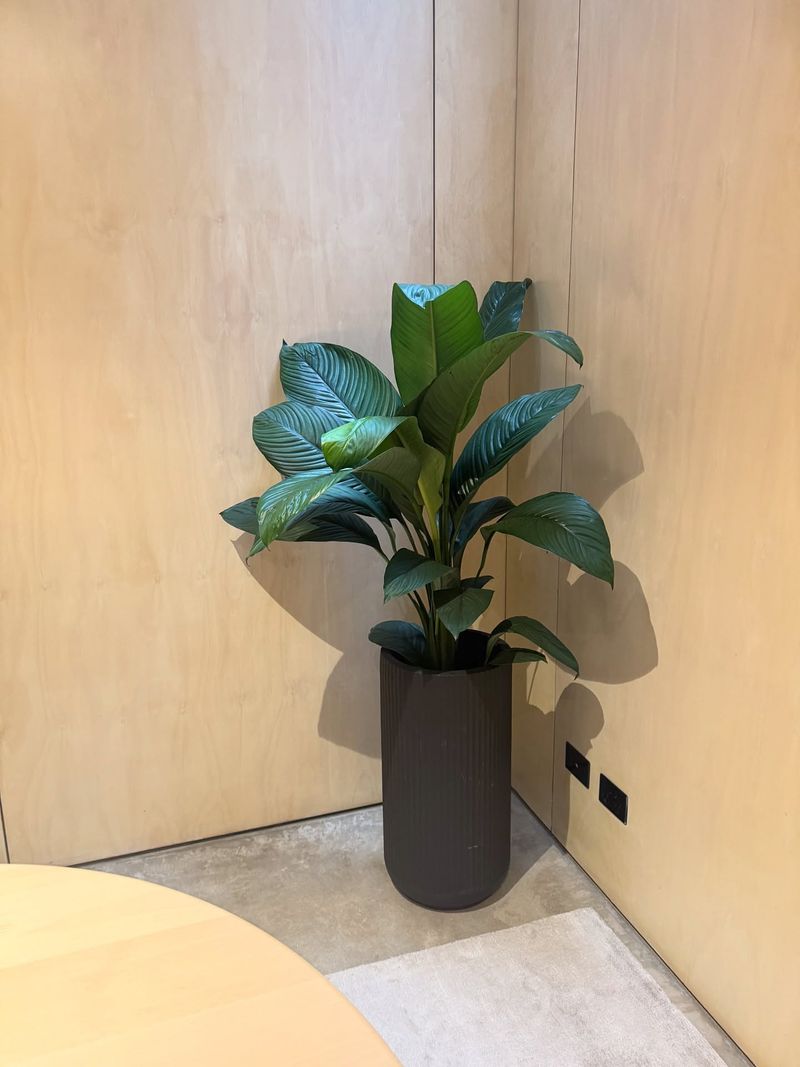
Peace lilies communicate their needs clearly, making them excellent plants for building confidence in plant care. When they need water, the leaves droop noticeably but perk up within hours after watering.
This dramatic response teaches you to read plant signals without causing lasting harm or stress to the plant itself.
Indirect light from north or east facing windows suits peace lilies well in North Carolina homes. They prefer slightly moist soil rather than completely dry conditions between waterings.
Consistent moisture without soggy soil keeps the roots healthy and supports the production of white spathes that resemble flowers.
The glossy leaves create a calming visual presence in living rooms or bedrooms where you want a peaceful atmosphere. Their compact growth habit fits neatly on plant stands or corner tables without sprawling or taking over space.
Peace lilies grow at a moderate pace, adding new leaves regularly while maintaining an elegant shape.
Room temperature water works best for watering, and the plant appreciates occasional misting in drier indoor air. Brown leaf tips sometimes appear from tap water minerals, but this cosmetic issue does not affect overall health.
You can trim affected tips with clean scissors to maintain the plant’s appearance while it continues growing steadily.
4. The Plant That Teaches Patience
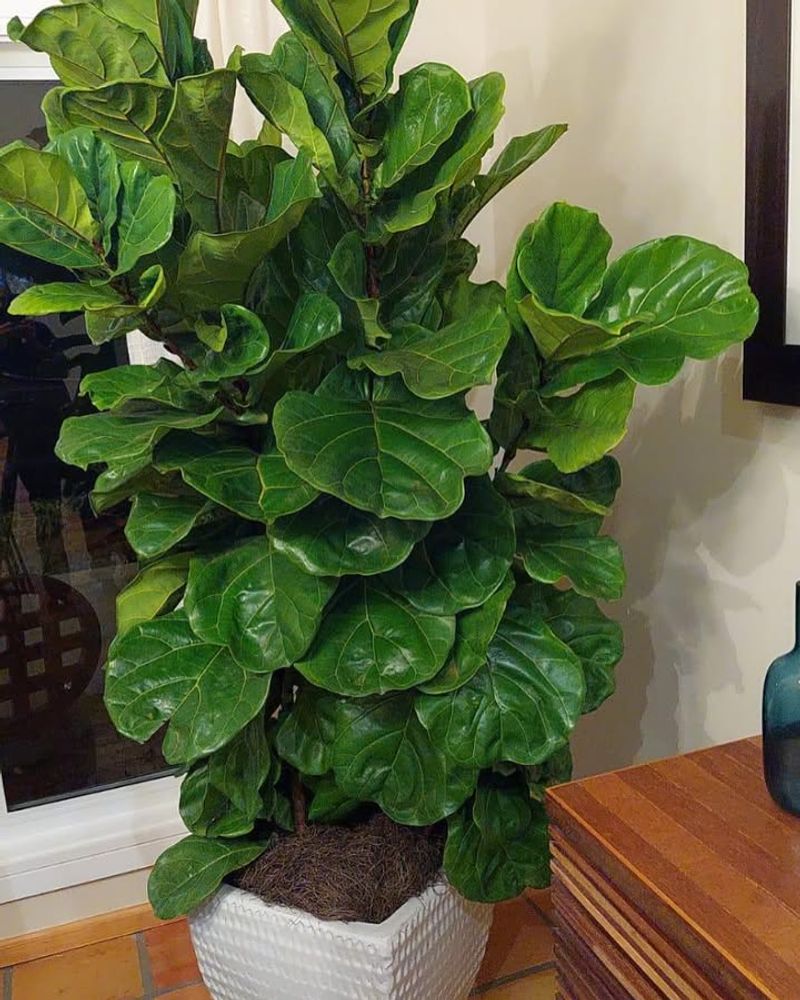
Fiddle leaf figs respond slowly to changes in their environment, teaching you the value of consistent care over time. Moving the plant to a new spot or adjusting watering frequency may not show immediate results.
This gradual response helps you develop patience and observation skills that benefit all your indoor gardening efforts.
Bright indirect light near south or west facing windows supports healthy growth in North Carolina homes. The large leaves need adequate light to maintain their deep green color and prevent lower leaf drop.
Rotating the pot quarterly ensures even light exposure and balanced growth on all sides.
Watering when the top two inches of soil feel dry prevents both overwatering and underwatering issues. Fiddle leaf figs prefer a regular schedule rather than erratic watering patterns that stress the roots.
Consistency matters more than perfection with this plant, so establishing a routine helps it thrive indoors.
New leaves emerge slowly from the top of the plant, starting as small buds that gradually unfold over weeks. Each leaf adds to the plant’s architectural presence and creates a stronger visual statement in your space.
Watching this steady upward growth reinforces the rewards of attentive care and patience in plant keeping.
5. The Low Light Lifesaver
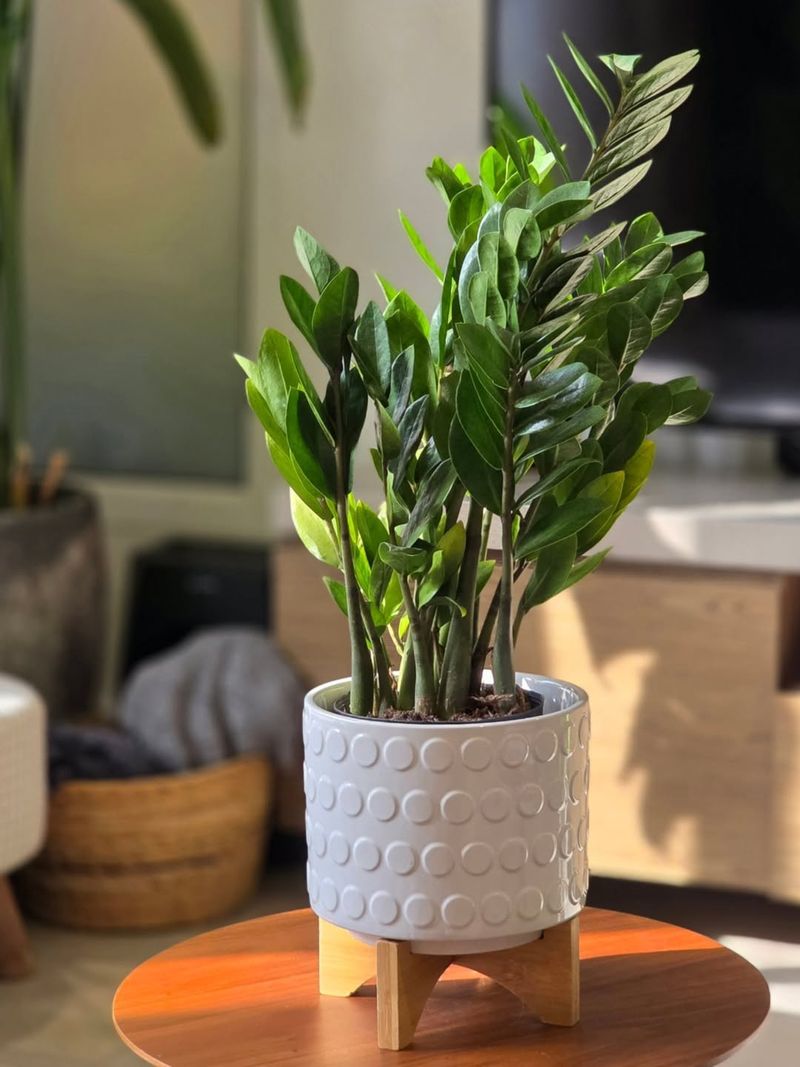
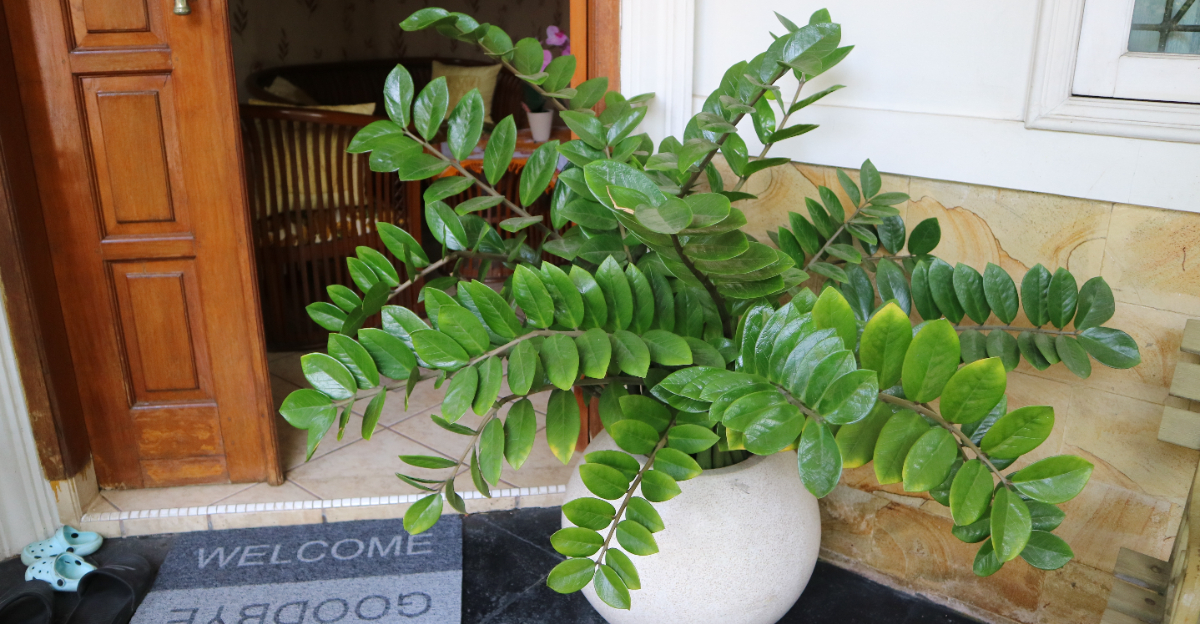
ZZ plants thrive in areas where most other houseplants would struggle to survive. Hallways, bathrooms, and north facing rooms in North Carolina homes become suitable growing spaces with this adaptable plant.
The thick rhizomes store water and nutrients, allowing the plant to maintain its appearance even in challenging conditions.
Watering every three to four weeks during active growth seasons prevents overwatering in low light situations. Less light means slower water uptake, so soil stays moist longer than in brighter locations.
Checking soil moisture before watering helps you avoid root rot while keeping the plant adequately hydrated.
The glossy leaves reflect available light, making dim spaces feel brighter and more welcoming. New growth emerges as upright stems covered in small leaflets that expand as they mature.
This architectural growth pattern creates visual interest without requiring bright windows or special lighting equipment.
ZZ plants grow slowly in low light, which means less frequent repotting and minimal maintenance overall. They tolerate temperature fluctuations common in North Carolina homes during seasonal transitions.
This resilience makes them reliable companions for anyone wanting greenery in challenging indoor spaces without complicated care requirements or constant attention.
6. The Small Space Success Story
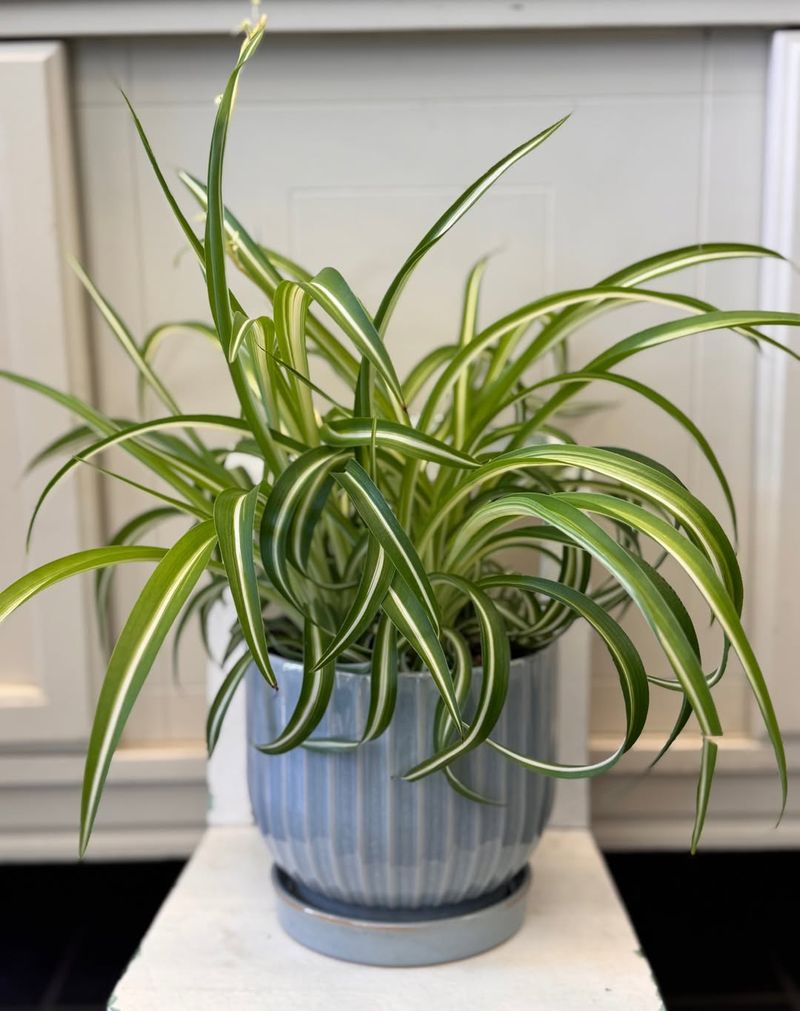
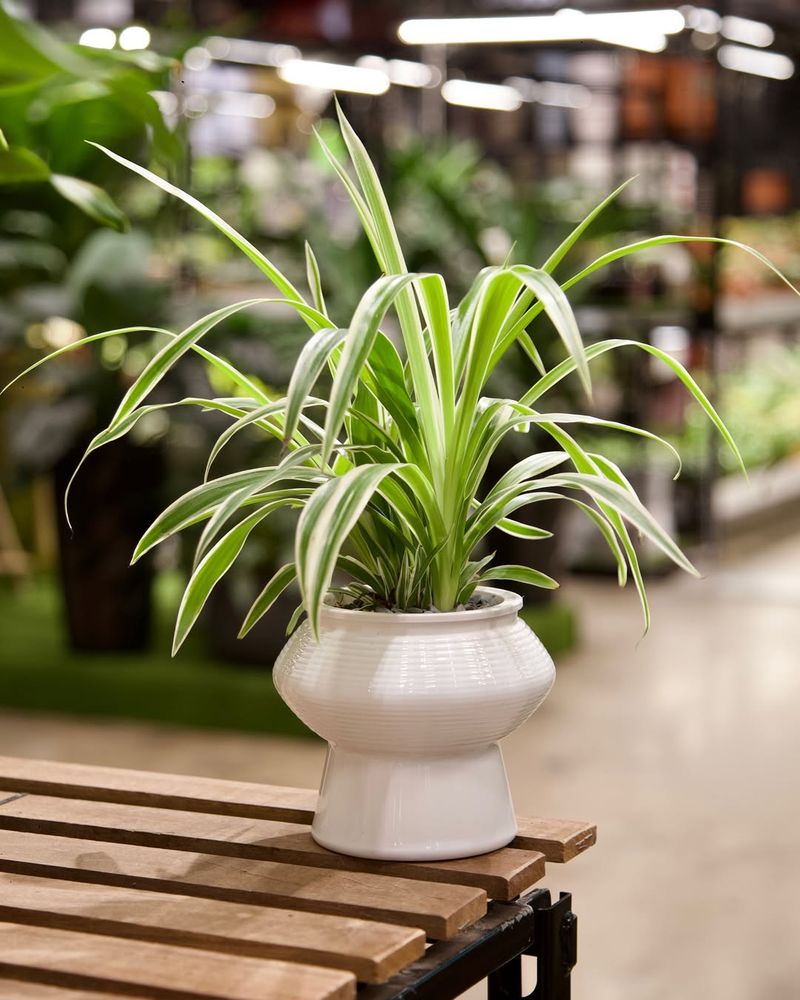
Spider plants adapt to various indoor light conditions, from bright indirect to moderate levels throughout North Carolina homes. Their arching leaves create a fountain like appearance that softens hard edges on furniture and shelves.
This graceful growth habit adds movement and life to small apartments or cozy rooms without overwhelming limited space.
Small offshoots called plantlets develop on long stems as the plant matures and receives adequate light. These miniature versions of the parent plant dangle charmingly and can be propagated easily in water or soil.
Watching plantlets develop roots gives you hands on experience with plant propagation without expensive equipment or complicated techniques.
Watering when the soil surface feels dry maintains healthy growth and prevents the leaf tips from browning. Spider plants tolerate occasional missed waterings better than constant overwatering that suffocates roots.
Their forgiving nature makes them excellent choices for learning proper watering habits and building confidence in plant care.
The variegated leaves bring brightness to any spot while requiring minimal floor space when hung from ceiling hooks. Spider plants grow quickly enough to show progress but not so fast that they become unmanageable.
You can divide mature plants to create multiple smaller ones, sharing them with friends or spreading greenery throughout your home.
7. The Quiet Steady Grower
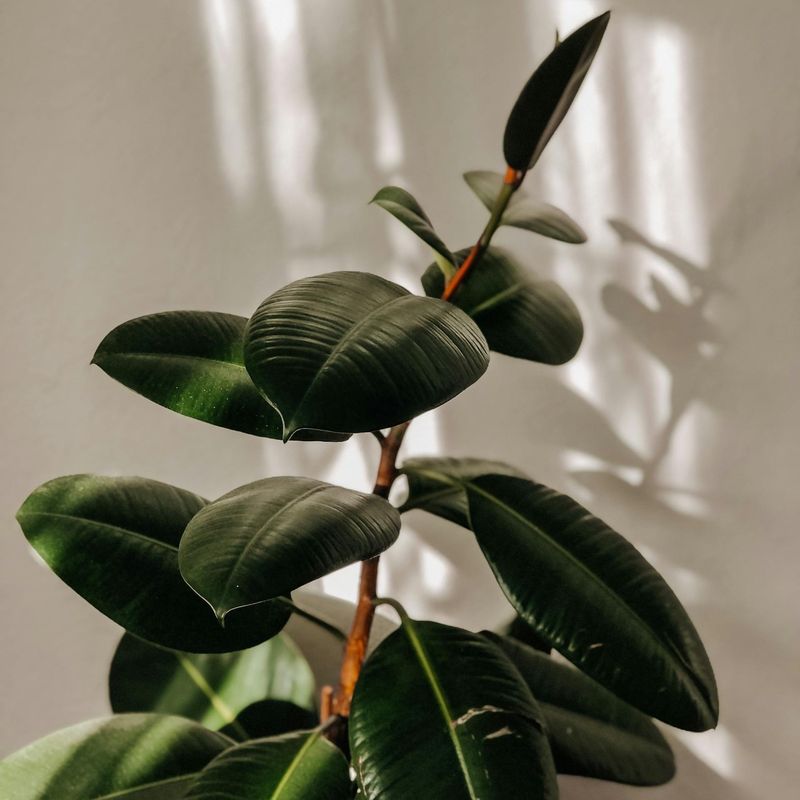
Rubber plants develop strong upright stems that create bold vertical lines in North Carolina interiors. Their large glossy leaves emerge rolled tight before unfurling into broad ovals that catch and reflect indoor light.
This steady growth pattern produces a substantial plant over time without rapid sprawling that requires constant pruning or management.
Bright indirect light from east or south facing windows supports consistent growth and leaf production. The plant tolerates moderate light levels but grows more slowly in dimmer conditions.
Positioning it where it receives several hours of filtered light daily encourages the best development and maintains deep leaf color.
Watering when the top inch of soil dries out prevents both drought stress and waterlogged roots. Rubber plants prefer evenly moist soil during active growth but tolerate slightly drier conditions in winter months.
Wiping dust from leaves monthly with a damp cloth keeps them shiny and helps the plant photosynthesize efficiently.
As rubber plants mature, they develop into striking focal points that anchor room designs with natural elegance. Their upright form works well in corners or beside furniture where spreading plants would interfere with traffic flow.
This reliable growth habit and attractive appearance make rubber plants worthwhile additions to any indoor plant collection focused on lasting beauty.