Understanding The Causes Behind Schefflera Leaf Drop, And How To Fix It
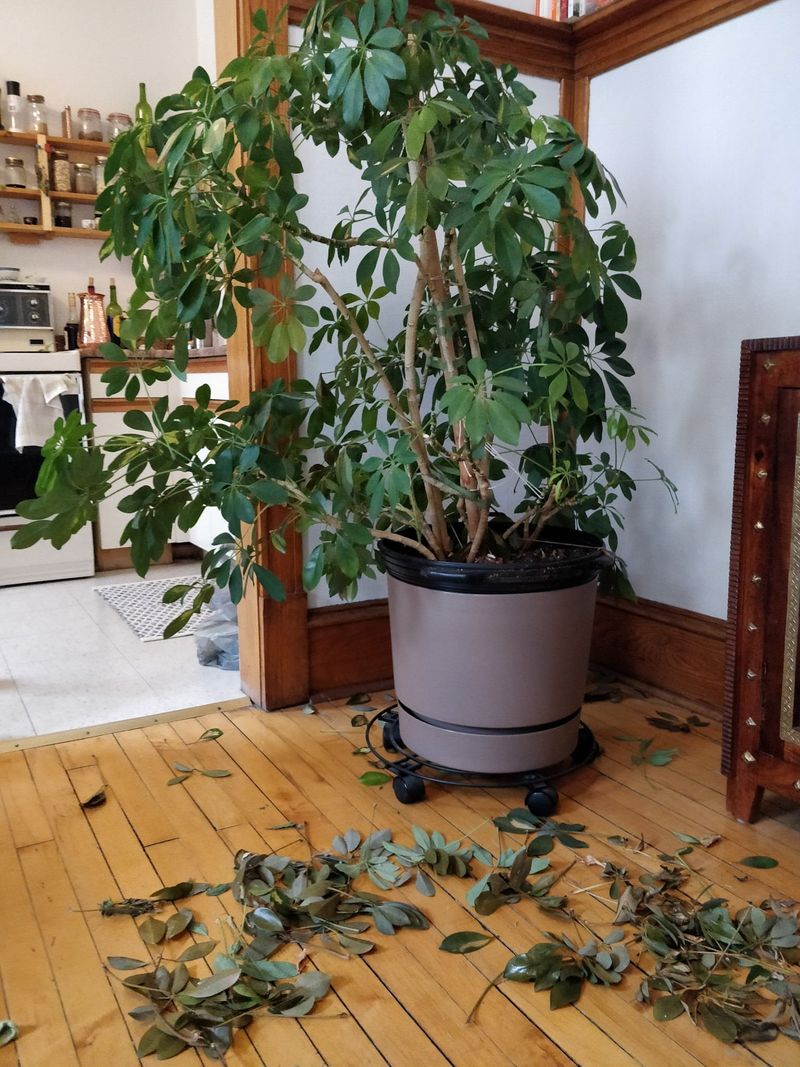
Your Schefflera dropped a dozen leaves overnight, and you’re standing there wondering what you did wrong. The truth is less dramatic than the mess on your floor suggests, and most causes trace back to a handful of predictable triggers.
These plants react fast to change. A shift in light, a skipped watering schedule, or a sudden draft from an open window can send leaves tumbling within days, and the plant often looks fine right up until it doesn’t.
Root health plays a bigger role than most people expect. Soggy soil suffocates roots quietly, and by the time leaves start falling, the damage has already been building for weeks.
Schefflera doesn’t hold grudges. Fix the trigger, and it starts pushing new leaves before you even finish reading this.
Overwatering Causes Root Stress And Leaf Drop
Soggy roots are silent troublemakers. Overwatering is the number one cause of Schefflera leaf drop, and most plant owners do not even realize they are doing it.
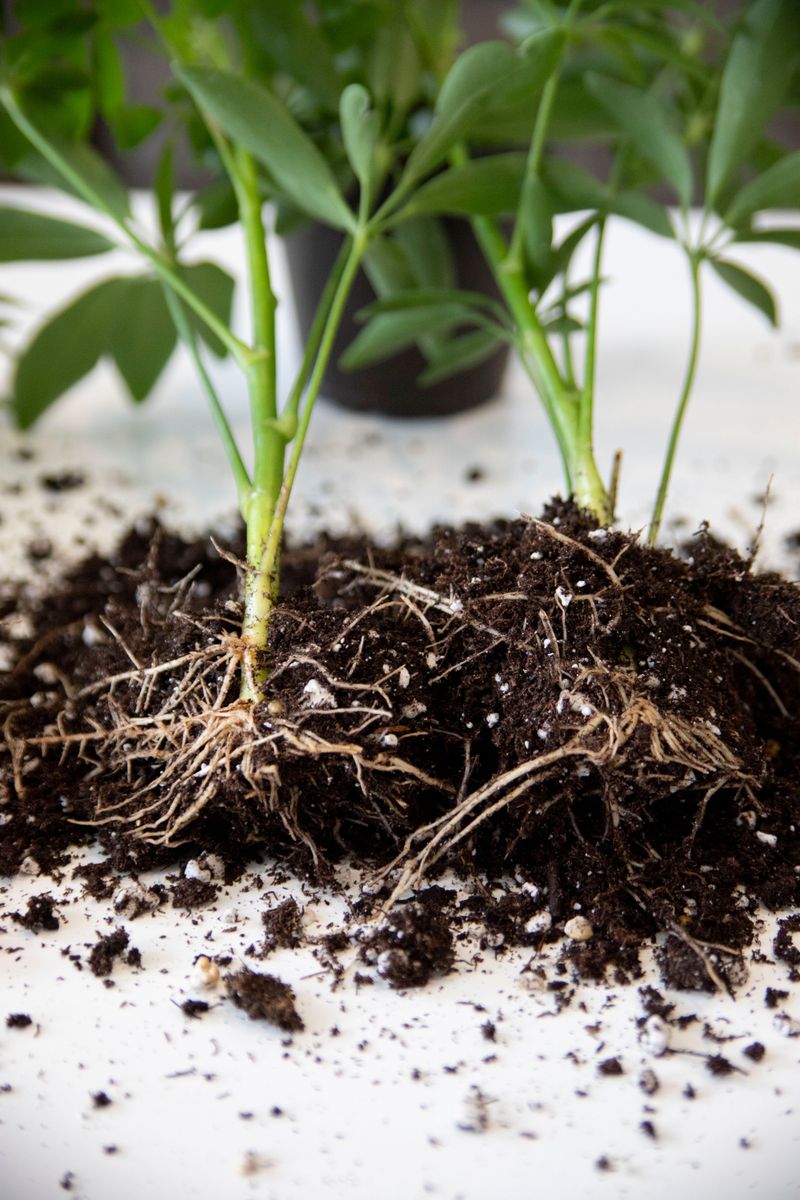
When roots sit in wet soil too long, they cannot breathe. Oxygen-starved roots start to rot, which cuts off the plant’s ability to absorb water and nutrients.
Here is the cruel irony: an overwatered Schefflera can look like it needs more water. Leaves turn yellow, droop, and fall, making you want to water again and making things worse.
Check the soil before each watering session. Stick your finger two inches deep into the pot and only water if the soil feels dry at that depth.
Good drainage is non-negotiable for this plant. Make sure your pot has drainage holes and that water flows freely out the bottom after each watering session.
If roots are mushy and brown, root rot has already started. Trim the damaged roots with clean scissors, let them dry briefly, and repot into fresh well-draining soil immediately.
A mix of potting soil, perlite, and a little bark works beautifully for Schefflera. This combo keeps moisture balanced without trapping too much water around the roots.
Watering schedules sound helpful but can actually backfire. Seasons change, humidity shifts, and your plant’s thirst changes too, so let the soil guide your watering decisions instead.
Underwatering Leads To Dry Curling Leaves
Bone-dry soil is a red flag. When a Schefflera does not get enough water, it starts dropping leaves as a survival strategy to reduce moisture loss.
Underwatered leaves look different from overwatered ones. They curl inward, turn crispy at the edges, and feel dry and papery rather than soft or mushy.
The plant is essentially tightening its belt. By shedding foliage, it conserves whatever little water remains in the stems and root system.
Lift the pot and feel its weight. A very light pot usually means the soil has dried out and your plant is running on empty.
When the soil pulls away from the pot’s edges, that is another clear sign of serious dehydration. At that point, a slow, deep watering session is exactly what the plant needs.
Bottom watering works wonders for severely dry Schefflera plants. Place the pot in a shallow tray of water for 30 minutes and let the roots soak it up naturally from below.
After a good drink, the plant should perk up within a day or two. New growth is a sign that the root system is healthy and recovering well.
Going forward, check the soil every five to seven days during warm months. Consistent attention prevents both extremes and keeps your Schefflera looking full and vibrant.
Low Light Triggers Leaf Loss Indoors
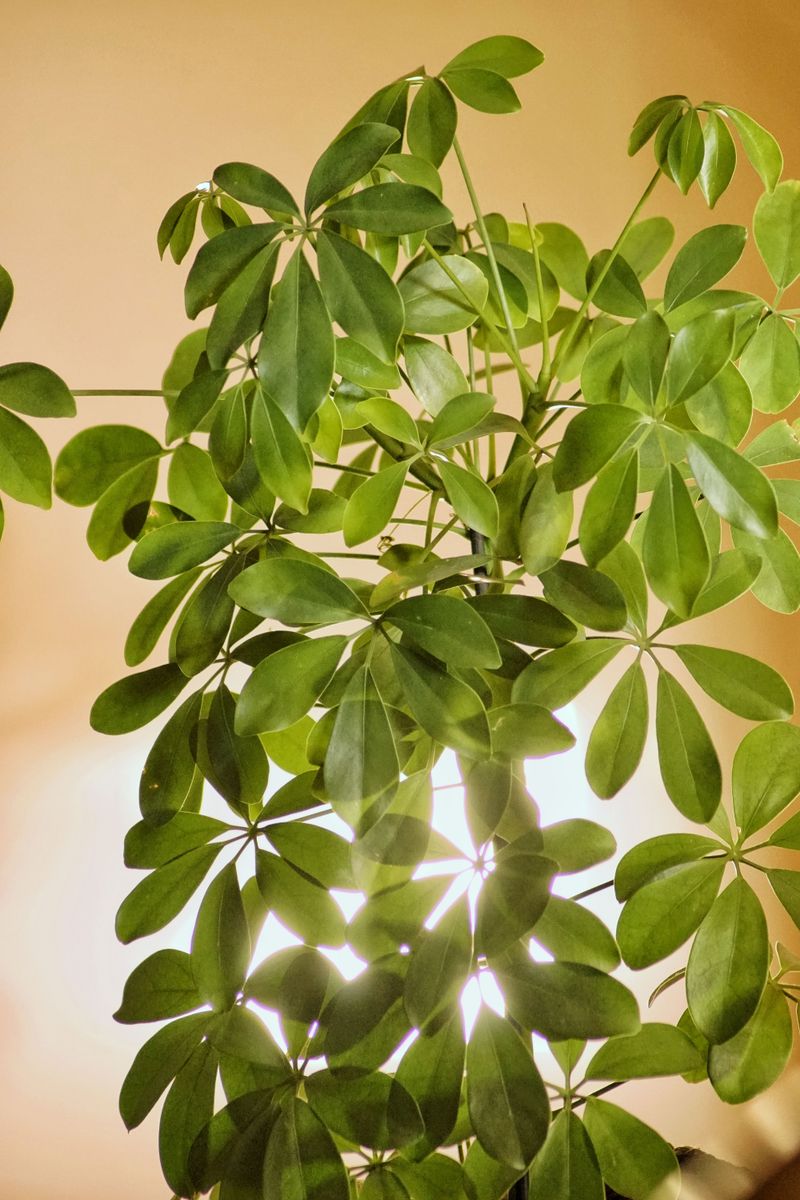
Darkness is not cozy for a Schefflera. These plants come from tropical forests where filtered sunlight is abundant, and low indoor light sends them into slow decline.
When light levels drop too low, the plant cannot photosynthesize efficiently. It sheds older or lower leaves first, essentially sacrificing some foliage to keep the rest alive.
Moving a Schefflera from a bright porch to a dim hallway can trigger leaf drop within weeks. The shift feels sudden, but the plant was struggling quietly the whole time.
Bright, indirect light is the sweet spot for this species. A spot near an east or west-facing window gives the right balance of warmth and gentle sun exposure.
South-facing windows work well in winter when light is scarce. Just add a sheer curtain during summer to prevent harsh rays from scorching the broad leaves.
Grow lights are a practical solution for rooms without good natural light. A full-spectrum LED light positioned 12 to 18 inches above the plant makes a noticeable difference.
Rotate the pot a quarter turn every two weeks so all sides get equal exposure. This simple habit prevents lopsided growth and keeps every branch healthy and productive.
Do not give up on a leggy, sparse-looking Schefflera too quickly. Move it closer to the light, and within a few weeks you may see new leaves pushing through the stems.
Sudden Temperature Changes Shock The Plant
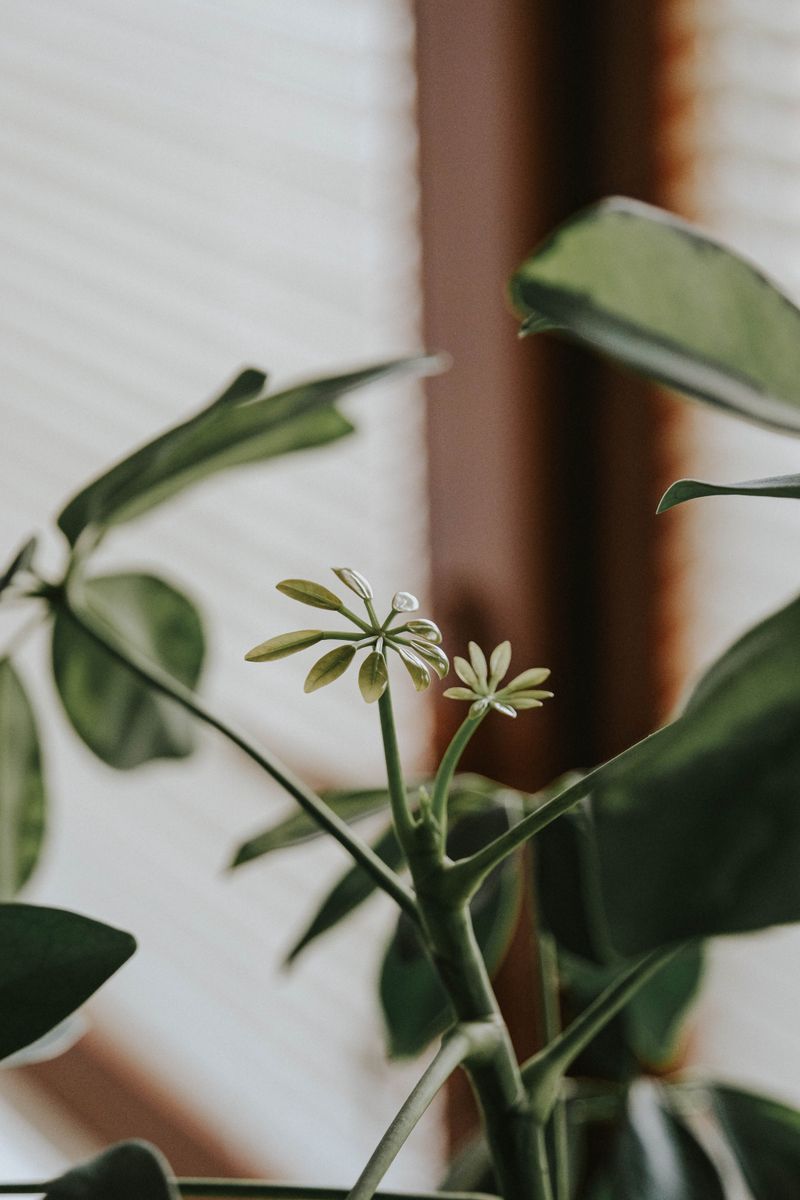
Plants feel temperature swings more than we do. A Schefflera sitting near a frequently opened door or drafty window can experience dramatic temperature shifts multiple times a day.
These tropical plants prefer steady temperatures between 60 and 80 degrees Fahrenheit. Anything outside that range for extended periods puts the plant under serious physiological stress.
When temperatures drop suddenly, the plant’s cellular processes slow down fast. Leaves lose their grip on branches and fall as the plant struggles to regulate itself.
Fall and winter are the most dangerous seasons for temperature-related leaf drop. Heating systems cycle on and off, creating invisible waves of hot and cold air that stress foliage.
Moving your plant even a few feet away from an exterior wall can help. Interior walls hold more consistent temperatures and protect against the chill that seeps through glass or drywall.
A digital thermometer placed near your plant tells you the real temperature story. Many plant owners are surprised to find their plant’s corner is 10 degrees colder than the rest of the room.
Night temperatures are especially important to monitor during winter months. If your home drops below 55 degrees at night, your Schefflera will let you know with a shower of fallen leaves.
Stable conditions are the goal, not perfect conditions. Small, consistent temperatures beat wide daily swings for this sensitive tropical plant.
Cold Drafts And Air Vents Stress Foliage
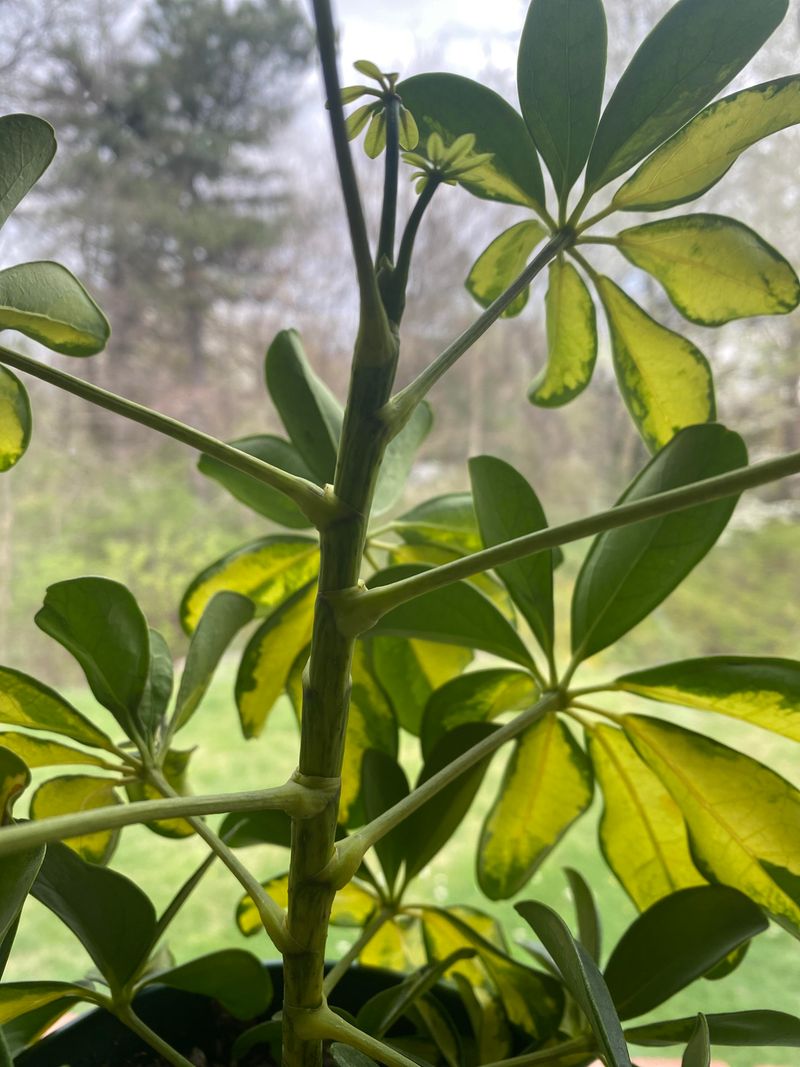
Air vents are an invisible hazard for houseplants. Bursts of hot or cold forced air from HVAC systems dry out Schefflera leaves faster than almost anything else indoors.
Cold drafts from windows or doors are equally damaging. They create pockets of chilly air that settle around the plant and trigger rapid, unexplained leaf drop.
The leaves do not always look cold-damaged at first. They may simply yellow and fall, making owners suspect watering problems when air exposure is actually the culprit.
Check the area around your Schefflera on a windy day. Hold your hand near the base of the plant and feel for any moving air coming from vents, gaps, or windows.
Relocating the plant even two or three feet can solve the problem entirely. Scheffleras thrive in still, warm air that mimics the calm humidity of a tropical environment.
If moving the plant is not possible, use a draft stopper on nearby doors or add weatherstripping to leaky window frames. These small fixes make a big difference in plant comfort.
Humidity matters here too, because forced air systems dry out indoor air significantly. A small humidifier nearby or a pebble tray filled with water boosts moisture levels around the plant.
Once you remove the source of the draft, give the plant two to three weeks to settle. Consistency in its environment is the fastest path back to full, healthy foliage.
Pest Infestations Weaken Leaf Health
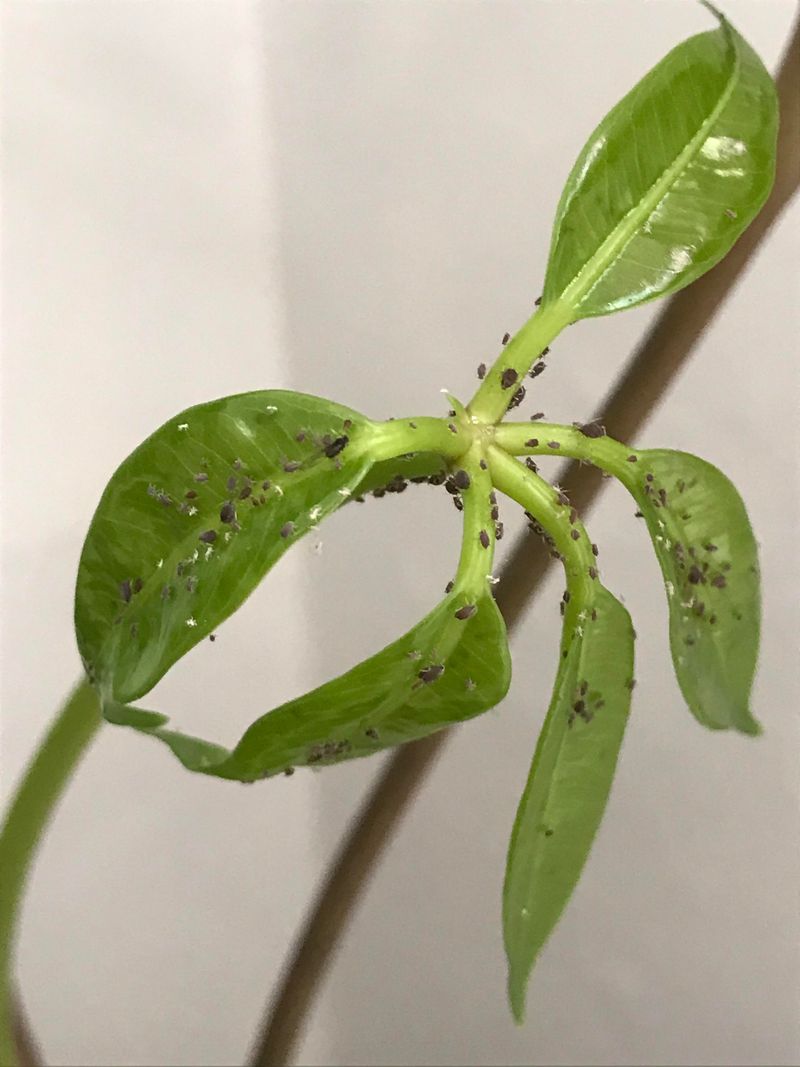
Tiny bugs cause enormous damage. Pests like spider mites, scale insects, and mealybugs commonly target Schefflera and drain the plant’s energy from the inside out.
Spider mites love dry indoor conditions and can spread across an entire plant before you notice them. Look for fine webbing on leaf undersides and stippled, pale-looking foliage as early warning signs.
Mealybugs look like small white cotton clusters tucked into stem joints. They suck sap from the plant continuously, weakening it to the point where leaves start dropping in large numbers.
Scale insects are sneaky because they look like harmless brown bumps on stems. Press one with your fingernail and if it smears, that is a live pest feeding on your plant.
Catching an infestation early is the key to a quick recovery. Inspect your Schefflera once a week by flipping over a few leaves and checking stem joints carefully.
Neem oil spray is one of the most effective organic treatments for most common pests. Mix it with water and a drop of dish soap, then apply it thoroughly every seven days.
Wiping leaves down with a damp cloth removes pests physically and also cleans dust that blocks light absorption. Make this a monthly habit to prevent future infestations from taking hold.
Quarantine any new plants for two weeks before placing them near your Schefflera. Most pest problems in indoor gardens start with one infected newcomer spreading trouble quickly.
Nutrient Deficiencies Show Up As Leaf Drop
Plants get hungry just like we do. A Schefflera that has been in the same pot for years is likely running low on the nutrients it needs to stay lush and strong.
Nitrogen deficiency is the most common culprit behind yellowing and leaf loss. Without enough nitrogen, the plant cannot produce chlorophyll, and older leaves turn pale before dropping off.
Iron deficiency shows up differently, with leaves turning yellow while the veins stay green. This condition is called chlorosis, and it often appears in plants grown in soil with the wrong pH.
Soil becomes depleted over time as the plant feeds and as water flushes nutrients out through the drainage holes. Repotting every two years refreshes the nutrient supply significantly.
A balanced liquid fertilizer applied monthly during spring and summer gives your Schefflera a reliable nutritional boost. Look for a formula labeled 20-20-20 or something similar for balanced feeding.
Do not fertilize in fall or winter when the plant’s growth naturally slows down. Feeding during dormancy can cause salt buildup in the soil and actually harm the root system.
Flush the soil with plain water every few months to clear accumulated mineral salts. Run water slowly through the pot for several minutes and let it drain completely before stopping.
A well-fed Schefflera rewards you with bold, glossy leaves and steady new growth. Consistent nutrition is one of the easiest ways to prevent future leaf drop from returning.
Simple Fixes To Restore A Healthy Schefflera
Most Scheffleras bounce back beautifully. Once you identify the cause of Schefflera leaf drop, the fixes are usually simple and produce visible results within weeks.
Start by moving your plant to a brighter spot with consistent temperatures. That single change solves several problems at once, including light stress, temperature shock, and draft exposure.
Adjust your watering routine based on soil feel rather than a set schedule. This one habit prevents both overwatering and underwatering, the two most common causes of leaf loss.
Inspect your plant weekly for pests by checking leaf undersides and stem joints. Early detection means faster treatment and far less damage to the overall plant structure.
Fertilize monthly during the growing season with a balanced liquid formula. Skipping this step leaves your plant without the fuel it needs to produce and hold onto its leaves.
Repot your Schefflera every two years into fresh, well-draining soil with a slightly larger container. Fresh soil resets the nutrient clock and gives roots more room to grow strong.
Wipe leaves with a damp cloth every few weeks to remove dust and check plant health at the same time. Clean leaves absorb more light and stay healthier longer with minimal effort.
Patience is part of the process when restoring a stressed Schefflera. Stick with these consistent habits and your plant will reward you with the full, vibrant canopy it’s capable of.