7 Unexpected Places To Keep Humidity-Loving Houseplants In North Carolina
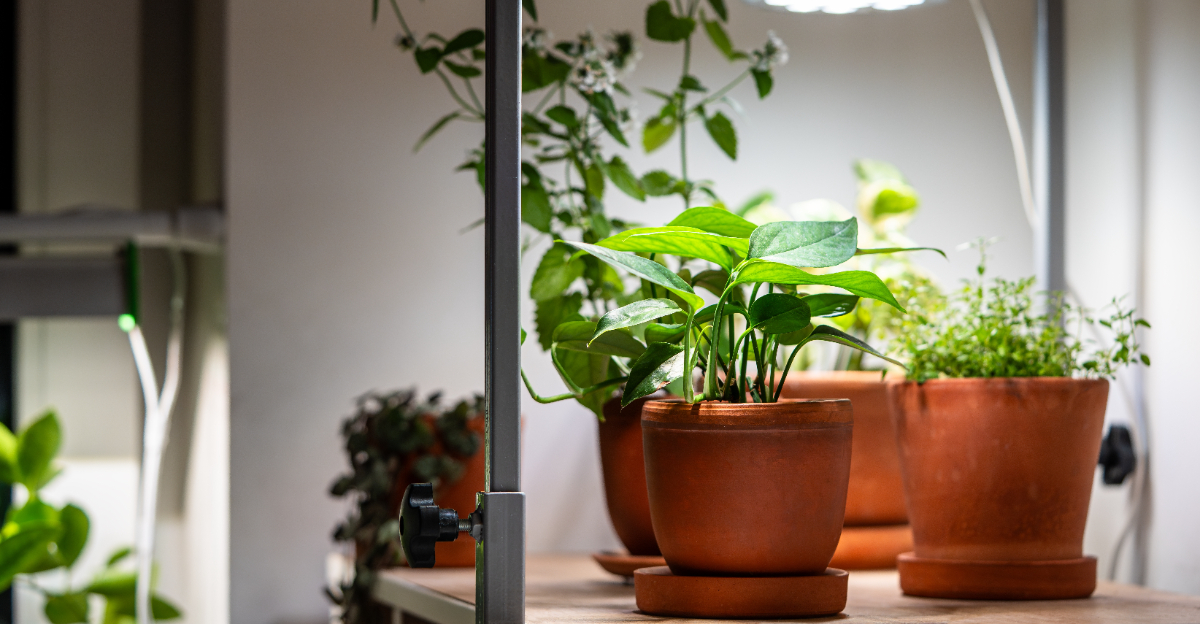
Lush, vibrant greenery can transform a home into a refreshing indoor retreat, especially when the right plants are placed in the perfect environment.
In North Carolina, where natural humidity and warm conditions often mirror tropical climates, certain houseplants flourish in locations many people overlook.
Instead of relying on the typical sunny windowsill, these moisture loving plants thrive in spaces where warmth and gentle humidity naturally gather.
Bathrooms, kitchens, and other cozy corners can create ideal conditions that encourage fuller leaves, richer color, and steady growth throughout the year.
North Carolina homes offer unique opportunities to support these plants without complicated care routines, simply by choosing smarter placement.
With a little creativity, you can turn unexpected areas of your home into thriving green spaces that feel lively and refreshing.
Discover how a few surprising spots can help your humidity loving houseplants in North Carolina grow stronger, healthier, and more beautiful than ever.
1. Above The Kitchen Sink
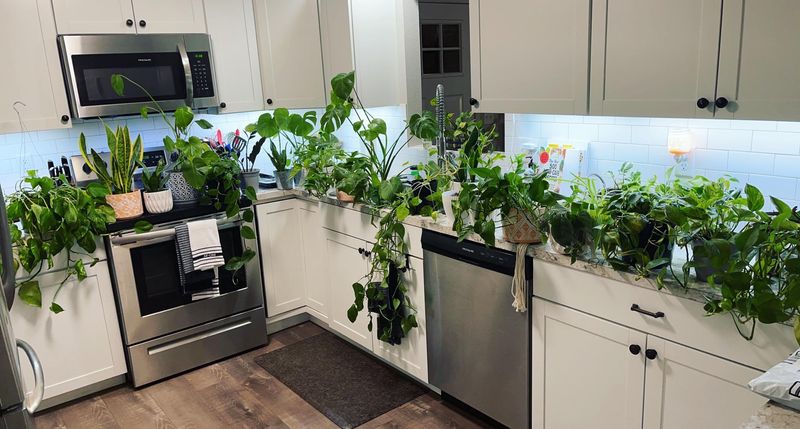
The space above your kitchen sink may seem ordinary at first, yet in many North Carolina homes it quietly becomes one of the most supportive environments for humidity loving houseplants.
Each time warm water flows and dishes are washed, gentle steam rises and lingers in the air, forming a soft pocket of moisture that tropical plants truly appreciate.
Instead of sitting in dry indoor air, trailing pothos, heartleaf philodendrons, and compact ferns soak in this steady humidity while also benefiting from reflected daylight coming through nearby windows.
Kitchens across North Carolina often provide bright yet indirect light, which keeps foliage vibrant without overwhelming delicate leaves.
Installing a sturdy floating shelf transforms this overlooked vertical space into a lively, refreshing green feature that adds personality to the room.
Using pots with proper drainage trays protects surfaces while supporting healthy root systems.
Rotating plants occasionally helps maintain even growth and prevents leaning toward the light.
Over time, this simple, often unused space evolves into a thriving corner where warmth, moisture, and everyday kitchen activity work together to support steady, lush plant growth that feels natural and effortless.
2. Near The Washing Machine
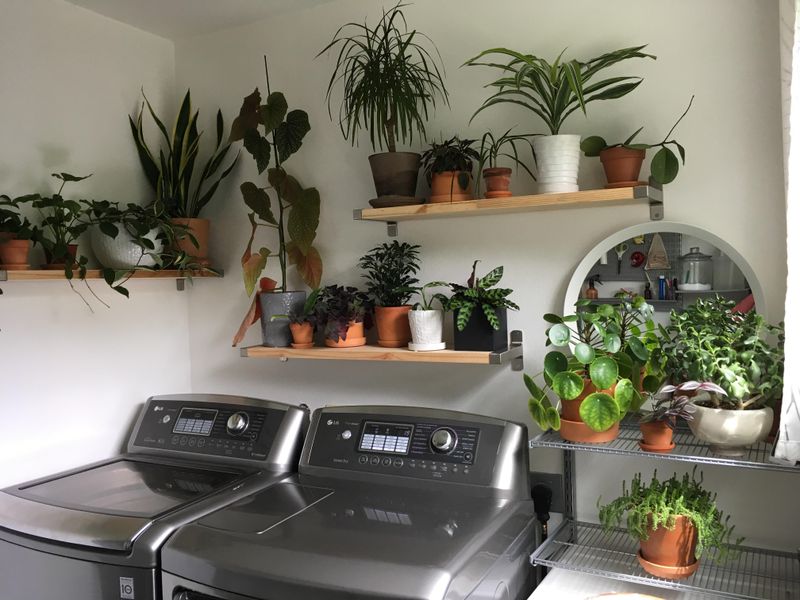
The area around your washing machine produces more warmth and humidity than most people realize, making it an unexpectedly ideal location for tropical houseplants.
During each wash cycle, soft moisture rises into the surrounding air and settles gently, creating a humid environment similar to the climates many plants naturally prefer.
In North Carolina homes, laundry spaces are often tucked away, offering lower light conditions that shade tolerant plants like Boston ferns and peace lilies enjoy.
If the room feels dim, a compact grow light can easily provide extra brightness, helping foliage remain rich and full.
Placing plants on a stable shelf keeps them safe from vibration while also protecting them from detergent spills or accidental splashes.
The steady humidity prevents leaves from drying, encouraging smooth texture and consistent growth over time.
With regular laundry routines common in North Carolina households, this environment maintains surprisingly stable moisture levels throughout the week.
What begins as a simple, functional corner can slowly transform into a calm, refreshing plant zone that softens the space, adds greenery, and creates a balanced atmosphere where plants grow comfortably and naturally.
3. Bathroom Window Ledge
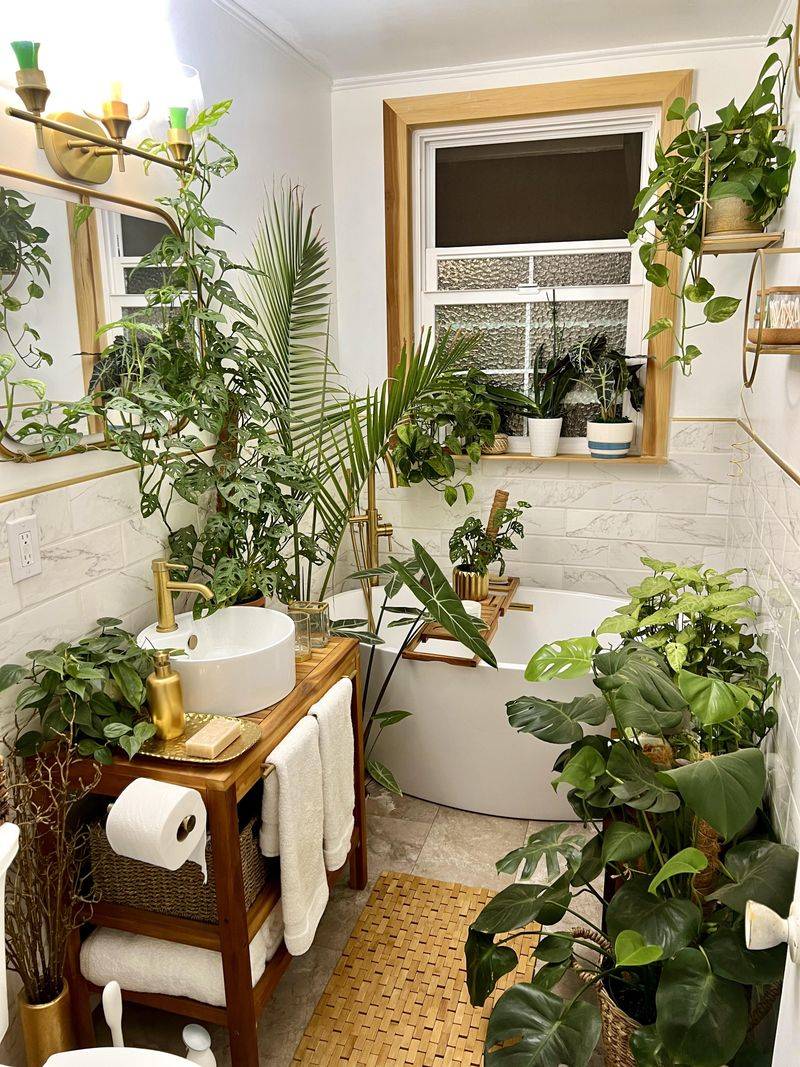
A bathroom window ledge naturally becomes one of the most humidity rich locations inside many North Carolina homes.
After warm showers, gentle steam fills the air and lingers long enough to create a soft, tropical feeling environment several times a day.
This steady rise in moisture provides ideal conditions for orchids, air plants, and begonias, allowing them to thrive without requiring additional humidifiers.
Many North Carolina bathrooms feature frosted or textured windows that allow filtered daylight to pass through, offering brightness without exposing delicate leaves to harsh sunlight.
This combination of soft light and elevated humidity helps foliage remain glossy, vibrant, and healthy over time.
Cracking the window occasionally introduces fresh air circulation, keeping the space comfortable while preventing still, heavy moisture.
Lightly wiping excess condensation while preserving gentle humidity maintains a balanced atmosphere plants appreciate.
Over time, this small ledge becomes more than decorative.
It develops into a peaceful green accent that enhances your daily routine, adding freshness and calm while reflecting the naturally warm, moisture rich climate many North Carolina residents experience throughout much of the year.
4. Beside The Fish Tank
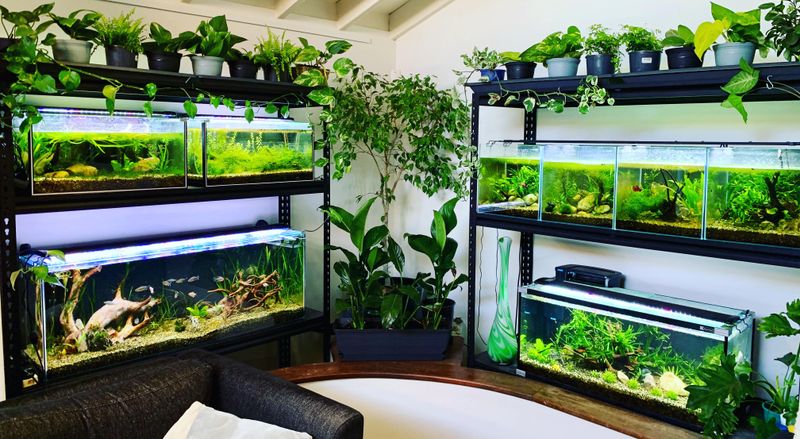
Placing houseplants beside a fish tank creates a naturally balanced environment where steady moisture and warmth quietly support healthy plant growth.
Aquariums continuously release small amounts of water vapor into the surrounding air, forming a stable microclimate that humidity loving plants truly enjoy.
In North Carolina homes, where indoor air conditions can shift between seasons, this consistent moisture provides dependable support for tropical greenery.
Calatheas, spider plants, and prayer plants respond beautifully, often producing smoother leaves, deeper color, and more relaxed growth when positioned near the tank.
The gentle warmth from aquarium lights and equipment keeps nearby air comfortable, especially during cooler months in North Carolina.
Careful placement ensures plants receive humidity without blocking tank light or interfering with routine cleaning.
Occasional water movement refreshes the surrounding air and delivers subtle bursts of moisture that plants naturally absorb.
The visual pairing of lush greenery and softly illuminated water creates a calming, layered display that feels peaceful and balanced.
This simple arrangement transforms an already interesting feature into a vibrant indoor ecosystem that enhances both your aquarium and your living space in a natural, harmonious way.
5. Enclosed Porch Or Sunroom
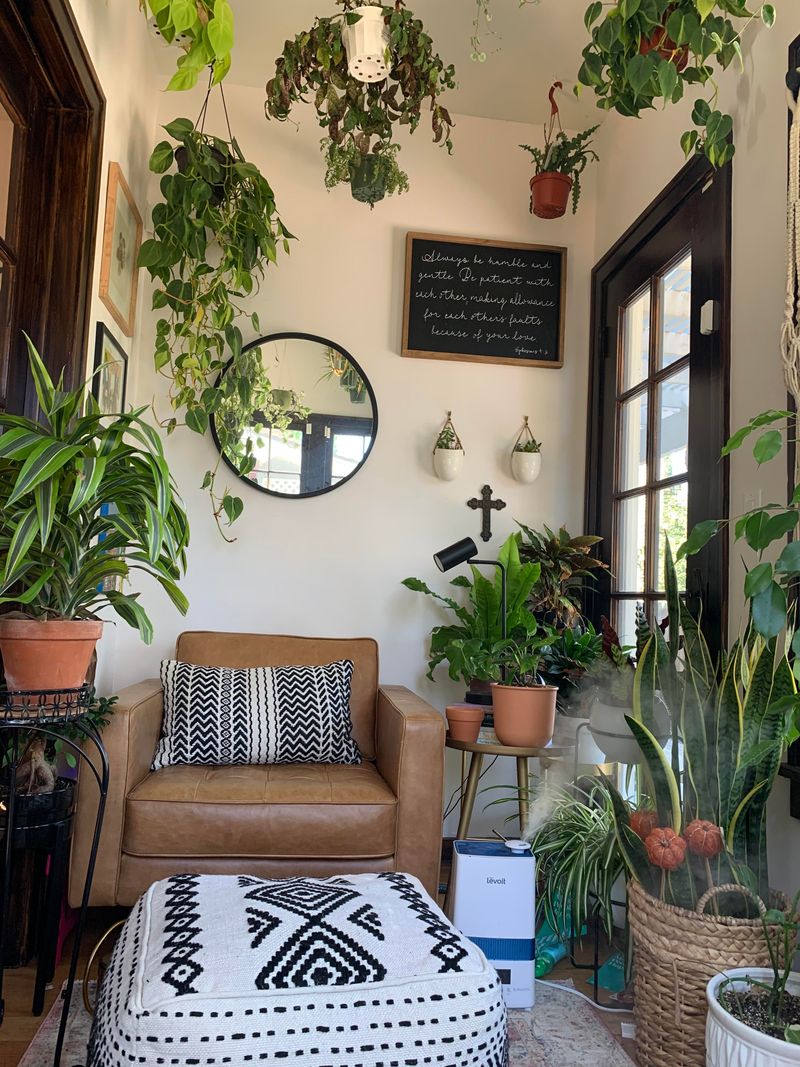
An enclosed porch or sunroom in North Carolina often feels surprisingly similar to a greenhouse, especially during warmer months when natural humidity gently lingers in the air.
These bright transitional spaces capture warmth, light, and moisture throughout the day, creating an inviting environment for larger tropical houseplants to flourish.
Monstera, bird of paradise, and rubber plants stretch comfortably, their broad leaves responding to the steady humidity with strong, vibrant growth.
Morning condensation and gentle day to night temperature shifts subtly increase moisture levels without requiring extra equipment.
Screened windows allow fresh air to circulate while maintaining a comfortable, humid atmosphere that plants appreciate.
Grouping several plants together further enhances this environment, as natural transpiration slowly enriches the surrounding air.
In many North Carolina homes, sunrooms become peaceful plant retreats where greenery thrives naturally.
Over time, the space transforms into a lush indoor garden filled with texture, depth, and life, offering a calm, refreshing escape while reflecting the warm, plant friendly climate that defines much of North Carolina throughout the year.
6. Basement With Dehumidifier
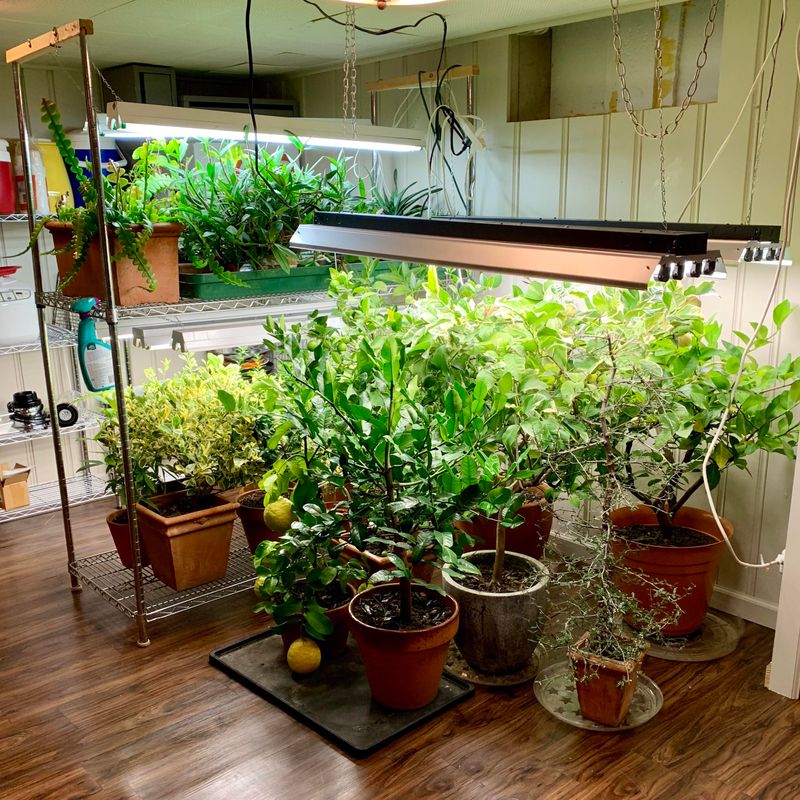
A basement may not be the first place that comes to mind for houseplants, yet in many North Carolina homes it naturally maintains gentle moisture that tropical plants appreciate.
The slightly cooler temperature below ground often slows evaporation, allowing humidity to remain steady and comfortable for foliage that prefers a consistent environment.
When balanced carefully, this space can support reliable, healthy growth throughout the entire year without dramatic fluctuations.
Ferns, anthuriums, and Chinese evergreens adapt especially well, responding to the calm air and moderate humidity with lush leaves and steady development.
Using a dehumidifier helps regulate excess moisture while still maintaining a range that keeps plants comfortable rather than overly damp.
Since natural sunlight may be limited, full spectrum grow lights provide dependable brightness that supports photosynthesis and encourages vibrant color.
Elevating pots slightly improves airflow and protects roots from sitting in excess moisture.
Checking soil and leaf condition regularly allows you to adjust watering as seasonal humidity shifts across North Carolina.
Over time, this quiet, often overlooked level of the home can evolve into a peaceful indoor garden filled with layered greenery, soft texture, and natural beauty, creating a stable environment where humidity loving plants continue to grow comfortably through every season.
7. Kitchen Island Display
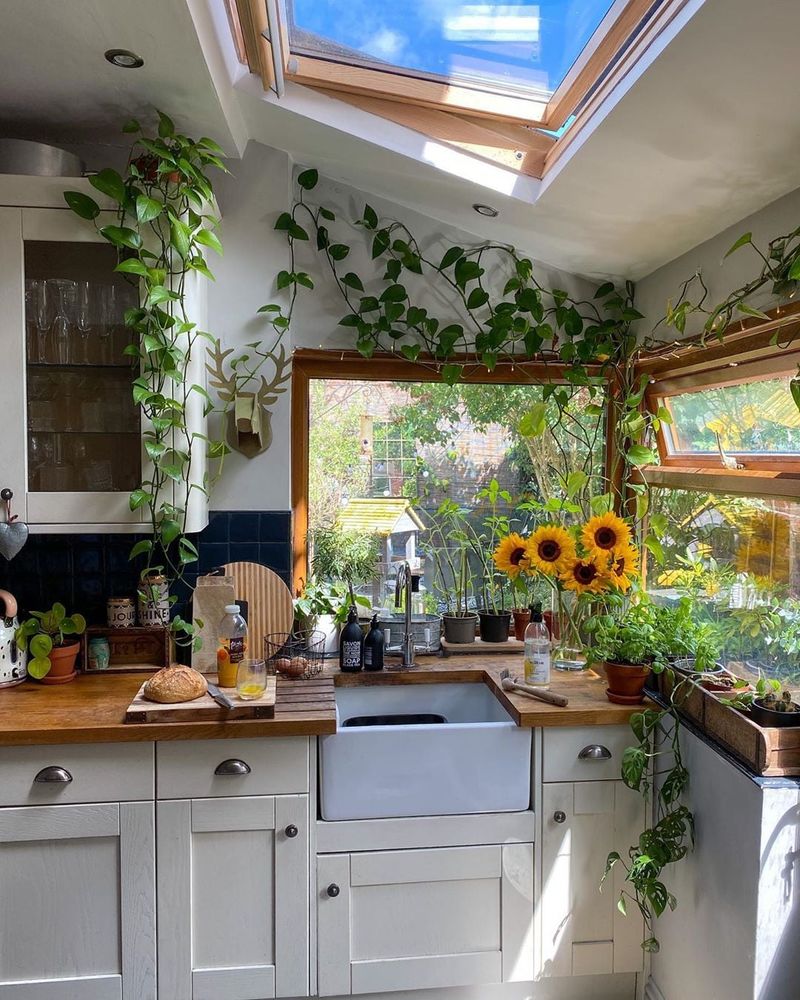
The kitchen island often sits at the center of daily activity, and with regular cooking comes gentle steam and warmth that naturally raise humidity levels.
In many North Carolina homes where home cooking is part of everyday life, this consistent moisture creates a surprisingly supportive environment for compact tropical houseplants.
Every simmering pot and freshly brewed cup of coffee adds a subtle boost of humidity to the surrounding air, creating conditions that moisture loving plants quietly appreciate.
African violets, petite ferns, and baby rubber plants thrive in this softly humid setting while adding a refreshing touch of greenery to the heart of the home.
Their rich leaves contrast beautifully against stone or wood countertops, bringing life and texture into a space that already feels warm and welcoming.
Choosing decorative pots with proper drainage helps protect surfaces while keeping roots healthy and balanced.
Wiping leaves occasionally removes light cooking residue so plants can breathe and maintain their natural shine.
Positioning plants where they receive indirect light from nearby windows supports steady, even growth without overwhelming delicate foliage.
Over time, this lively yet cozy space becomes more than decorative.
It transforms into a vibrant focal point where warmth, moisture, conversation, and daily routines blend together, creating a naturally supportive environment that reflects the relaxed, plant friendly atmosphere found throughout many North Carolina homes.