Unique Bird Attracting Grasses That Turn California Yards Into Wildlife Havens
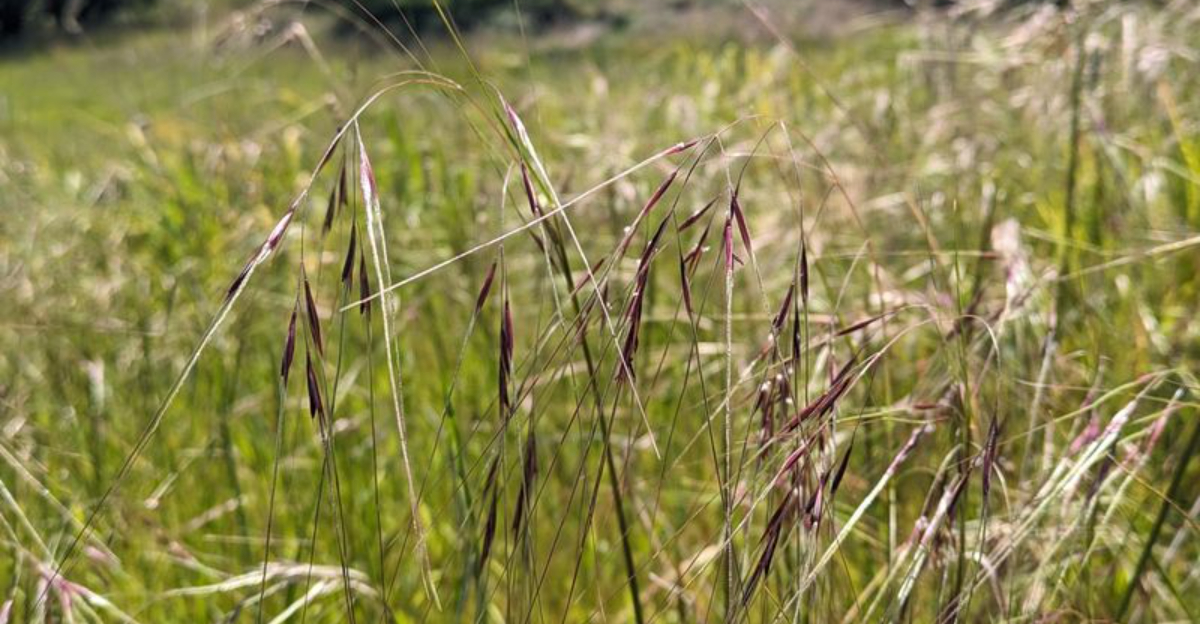
California homeowners are discovering that one of the best ways to attract birds isn’t with feeders—but with grasses.
Certain native and ornamental grasses provide seeds, shelter, and nesting material that birds rely on throughout the year.
Unlike flashy flowers that bloom briefly, grasses work quietly and consistently.
Their seed heads feed birds in fall and winter, while dense growth offers protection from predators and weather.
Many also support insects, creating a natural food chain birds depend on.
These grasses thrive in California’s climate with minimal water and care, making them ideal for wildlife-friendly landscapes.
When planted thoughtfully, they transform yards into havens where birds don’t just visit—they stay.
California Fescue (Festuca Californica)
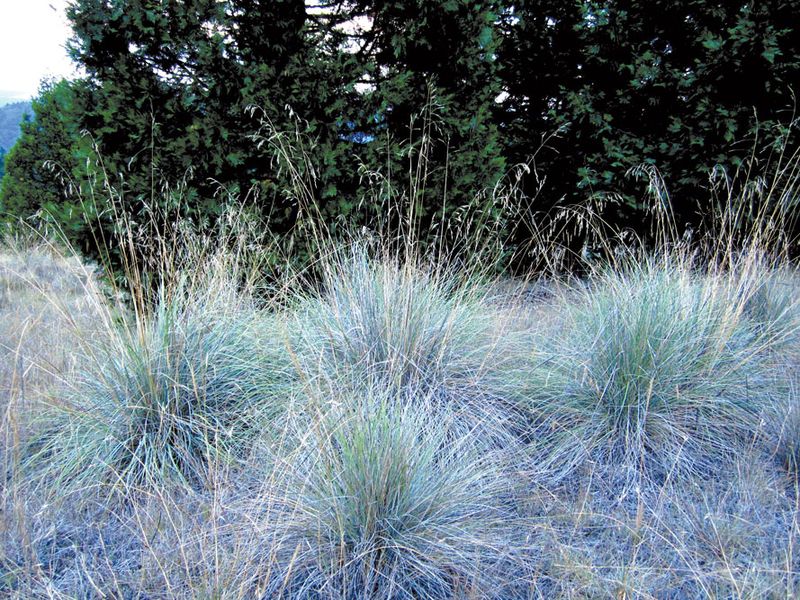
California fescue forms thick, lush clumps that create a safe haven for ground-feeding birds like towhees, sparrows, and juncos.
These birds love to scratch through the dense foliage searching for insects, seeds, and other tasty morsels hidden beneath the blades.
The grass stays green longer than many other natives, providing reliable cover even during drier months.
When spring arrives, birds gather soft fescue leaves and stems to weave into their nests.
The flexible, fine-textured blades make perfect cushioning for eggs and hatchlings.
Later in the season, California fescue produces seeds that attract finches and other seed-loving species.
This grass thrives in partial shade and tolerates a variety of soil types, making it adaptable to different yard conditions.
It grows about one to three feet tall and spreads slowly, forming attractive mounds that blend beautifully with other native plants.
California fescue needs minimal watering once established, making it an eco-friendly choice for water-conscious gardeners.
Its quiet presence may not grab attention like showy flowers, but it serves as a dependable backbone for any wildlife-friendly landscape.
Birds return year after year to yards where this grass grows, knowing they can find food, shelter, and nesting materials all in one spot.
Deer Grass (Muhlenbergia Rigens)
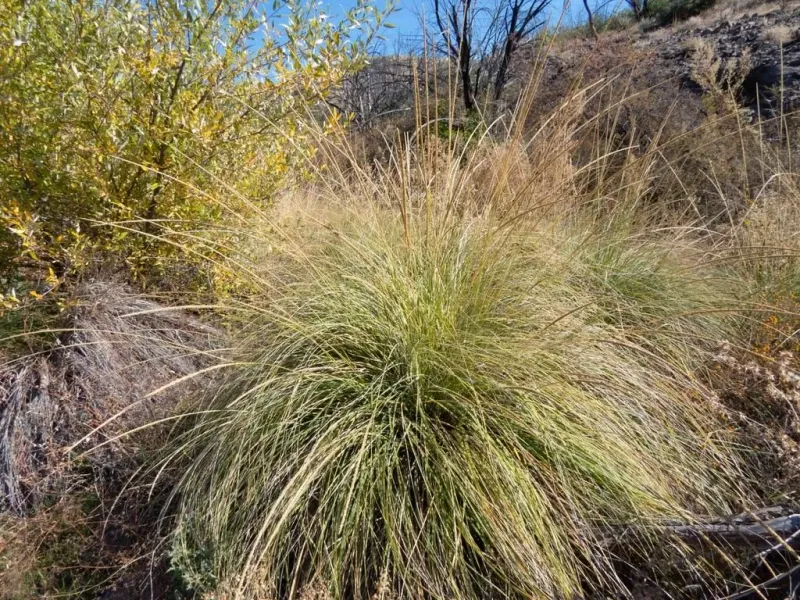
Deer grass stands tall and proud, creating dramatic fountain-shaped clumps that reach up to four feet high.
Birds appreciate the dense structure this grass provides, using it as shelter from predators and harsh weather.
Wrens, sparrows, and warblers often dart in and out of deer grass clusters, finding safety within the arching blades.
The grass produces delicate, feathery seed heads that sway gracefully in the breeze and attract seed-eating birds throughout fall and winter.
Beyond seeds, deer grass supports a healthy insect population that birds depend on for protein-rich meals.
Beetles, grasshoppers, and other bugs thrive among the foliage, drawing insect-eating birds like flycatchers and warblers.
When nesting season begins, birds pluck strands of deer grass to line their nests, appreciating the strong yet flexible fibers.
This California native thrives in full sun and requires very little water once its roots establish.
Deer grass tolerates poor soil and even clay, making it suitable for challenging garden spots where other plants struggle.
Its upright growth habit works well along pathways, garden borders, or as a natural screen.
Gardeners love how deer grass adds vertical interest and movement to landscapes while demanding almost no maintenance.
For birds, it offers everything they need in one reliable, beautiful package.
Purple Needlegrass (Stipa Pulchra)
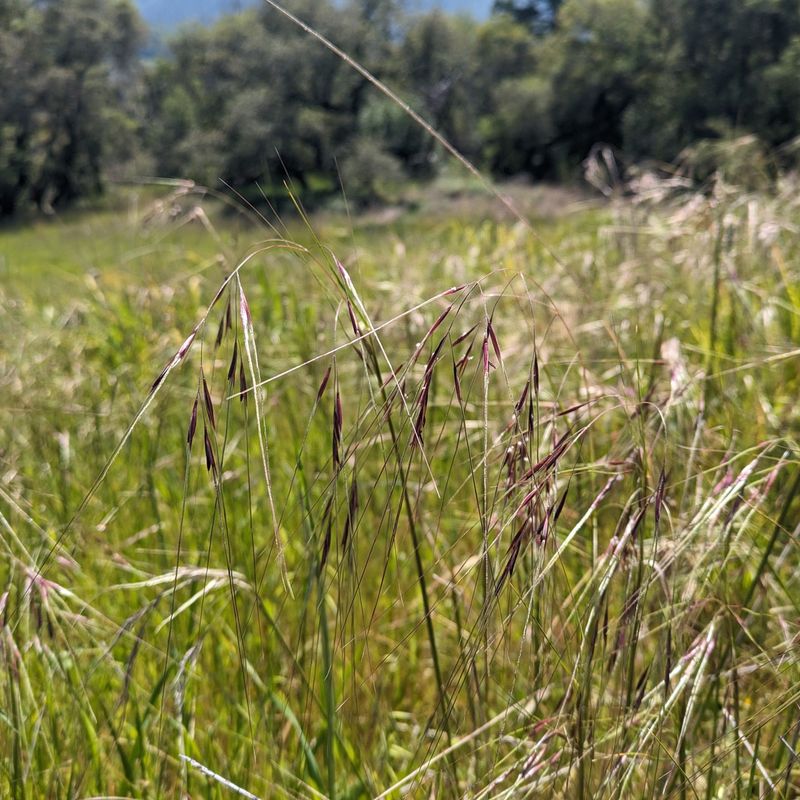
Purple needlegrass holds the honor of being California’s official state grass, and for good reason.
This elegant native once covered vast stretches of California’s grasslands, feeding countless birds and wildlife.
The grass produces abundant seeds with distinctive awns that goldfinches, sparrows, and juncos eagerly consume.
These seeds ripen in late spring and early summer, providing crucial nutrition when birds are raising their young.
Purple needlegrass also supports a diverse insect community, including native bees, butterflies, and beetles.
Insect-eating birds like phoebes and bluebirds patrol purple needlegrass patches, snapping up bugs among the fine, airy stems.
The grass grows in graceful bunches that reach two to three feet tall, with purple-tinged seed heads that shimmer in sunlight.
It thrives in full sun and well-drained soil, tolerating California’s dry summers without supplemental watering once established.
Purple needlegrass goes dormant in late summer, turning golden and adding warm tones to the landscape.
Even in dormancy, the grass continues to provide seeds and shelter for birds.
Planting purple needlegrass helps restore California’s natural heritage while creating habitat for native bird species.
Gardeners appreciate how this grass blends beautifully with wildflowers and other natives, creating meadow-like settings that feel both wild and welcoming.
Blue Grama (Bouteloua Gracilis)
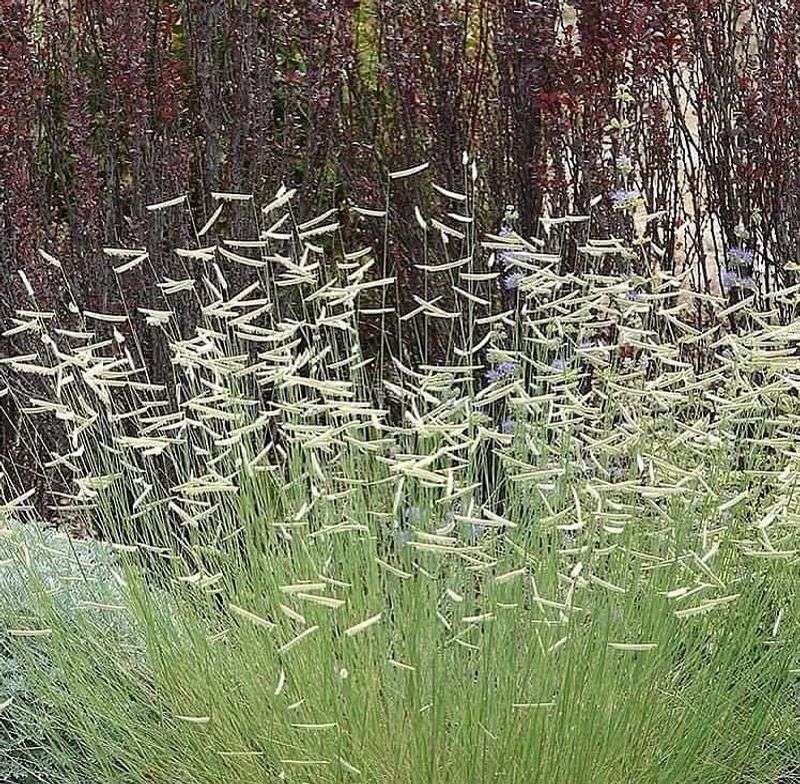
Blue grama grass produces some of the most distinctive seed heads you’ll ever see, shaped like tiny combs or eyelashes perched atop slender stems.
These quirky seed heads aren’t just attractive to gardeners—birds find them irresistible too.
Finches, sparrows, and towhees visit blue grama patches regularly to harvest the nutritious seeds throughout fall and winter.
The grass grows low to the ground, forming neat tufts that rarely exceed one foot in height.
This compact growth habit creates safe foraging space where birds can easily spot approaching predators while they feed.
Ground-feeding species feel comfortable moving through blue grama’s open structure, pecking at seeds and insects without feeling trapped.
Blue grama tolerates drought exceptionally well, making it perfect for California’s water-scarce conditions.
Once established, it survives on rainfall alone in many regions, turning golden during dry periods but greening up quickly after rain.
The grass thrives in full sun and adapts to various soil types, including clay and sandy soils.
Blue grama works beautifully as a lawn alternative, requiring no mowing and far less water than traditional turf.
Birds appreciate yards where blue grama replaces thirsty lawns, finding abundant food and habitat in these naturalized spaces.
This tough little grass proves that big wildlife benefits can come in small, unassuming packages.
Tufted Hairgrass (Deschampsia Cespitosa)
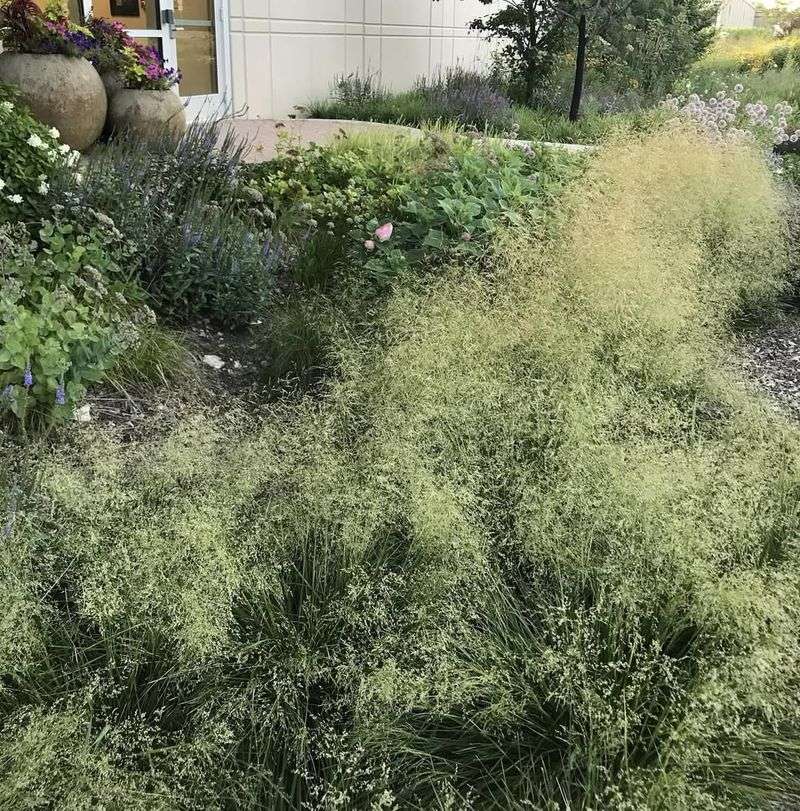
Tufted hairgrass brings a soft, romantic quality to gardens with its delicate, cloud-like seed heads that float above the foliage.
Birds find these airy plumes both beautiful and useful, gathering the fine strands for nesting material in spring.
Chickadees, bushtits, and hummingbirds all appreciate tufted hairgrass for its nest-building potential.
The grass forms dense tussocks that provide excellent cover for ground-feeding birds in partially shaded or cooler areas of California gardens.
Unlike many grasses that demand full sun, tufted hairgrass tolerates shade and even thrives in spots that receive morning sun and afternoon protection.
This adaptability makes it valuable for creating bird habitat in areas where other grasses struggle.
Insects love tufted hairgrass too, and where insects gather, insect-eating birds follow.
Warblers, wrens, and flycatchers hunt among the graceful stems, finding plenty of protein-rich meals.
The grass stays green longer than many natives, especially when grown in cooler microclimates or given occasional summer water.
Tufted hairgrass grows one to three feet tall and spreads slowly, creating attractive clumps that soften garden edges.
It tolerates clay soil and seasonal moisture, making it suitable for areas that stay damp in winter.
Gardeners appreciate how tufted hairgrass adds texture and movement to shaded borders while supporting bird populations year-round.
Giant Wildrye (Leymus Condensatus)
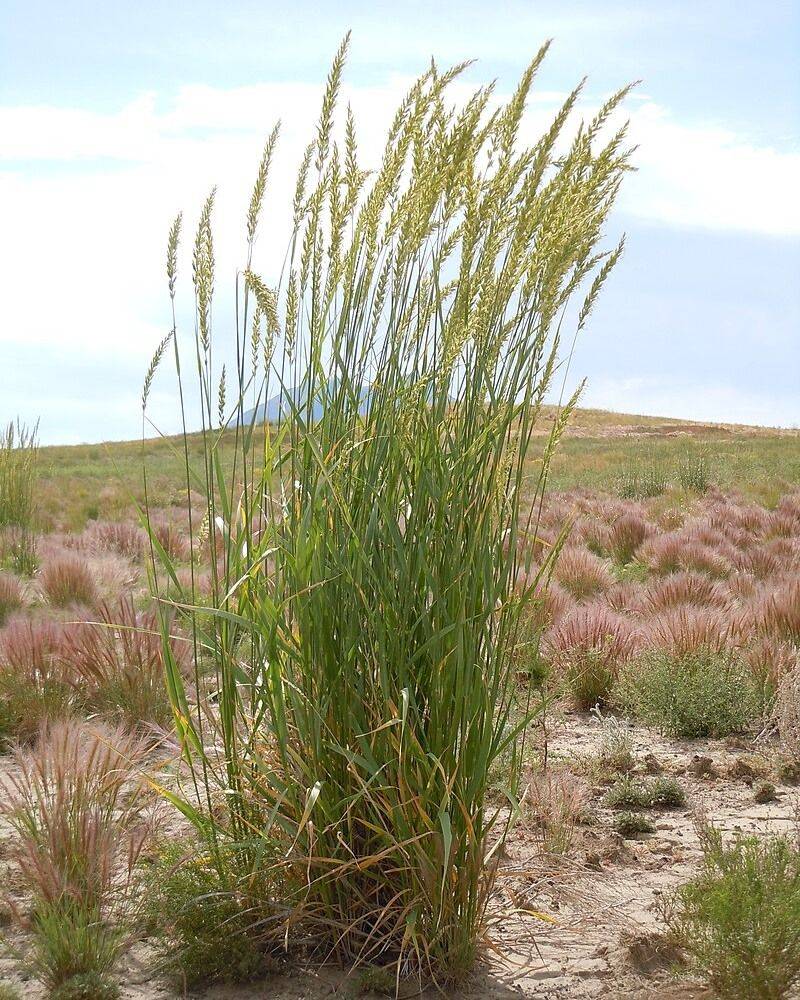
Giant wildrye lives up to its name, growing six to eight feet tall and creating impressive vertical screens in California landscapes.
This towering grass forms shelter corridors that birds use as highways through the yard, moving safely from one area to another.
Larger birds like mockingbirds, thrashers, and scrub jays appreciate the substantial cover giant wildrye provides.
The grass produces seed heads in summer that feed birds well into fall and winter, offering reliable nutrition when other food sources dwindle.
Giant wildrye’s robust stems block wind and create protected microclimates where smaller birds can forage comfortably even on breezy days.
The grass grows in large, spreading clumps that establish quickly and fill space beautifully.
Its blue-gray foliage adds cool tones to gardens and contrasts nicely with green-leaved plants.
Giant wildrye thrives in full sun and tolerates drought, heat, and poor soil once established.
It needs no supplemental water in most California climates after the first year, making it exceptionally low-maintenance.
Gardeners often plant giant wildrye along fence lines, property borders, or as natural screens to create privacy while supporting wildlife.
Birds nest within the protective cover of mature clumps, raising their young safely hidden from predators.
This native grass proves that creating bird habitat doesn’t require sacrificing aesthetics—giant wildrye delivers both beauty and function in abundance.
Nassella (Needlegrass Species)
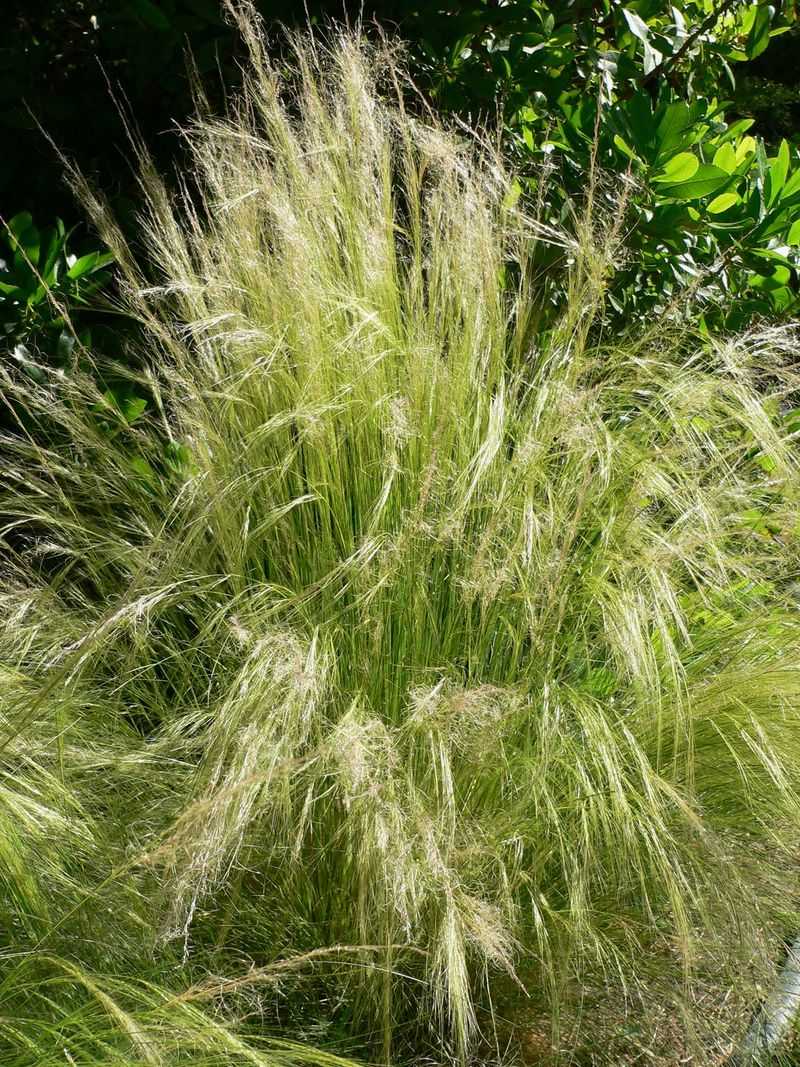
Nassella needlegrasses represent a group of California natives that offer birds tremendous value in minimal-water landscapes.
These graceful grasses produce seeds with distinctive awns that birds find easy to harvest and highly nutritious.
Finches, sparrows, and towhees visit Nassella patches regularly, stripping seeds from the nodding seed heads throughout the season.
Different Nassella species bloom at slightly different times, extending the seed availability period and supporting birds across multiple months.
The fine-textured foliage creates excellent nesting material that birds gather enthusiastically when building their homes.
Nassella grasses also support diverse insect populations that provide protein for insect-eating birds and their growing chicks.
These grasses grow in attractive bunches ranging from one to three feet tall, depending on the species.
Their delicate appearance belies their toughness—Nassella grasses tolerate drought, poor soil, and neglect once established.
They thrive in full sun and require no summer watering in most California regions, making them ideal for sustainable landscapes.
Nassella grasses turn golden in late summer, adding warm, glowing tones to gardens that complement fall colors beautifully.
Even in dormancy, they continue providing seeds and shelter for birds throughout winter.
Planting a mix of Nassella species creates a naturalized meadow effect that feels wild and welcoming while supporting abundant bird life year-round.