9 Unique Houseplants That Bring Big Impact To Washington Homes
Washington homes can feel dull and heavy indoors when gray days stretch on, and that’s usually when people realize their space needs more than just another safe, forgettable plant.
The right houseplant can change the mood of an entire room the moment you walk in, even when light is low and the weather outside refuses to cooperate.
This is where unique plants matter, because ordinary greenery fades into the background instead of making a statement.
Washington’s indoor conditions quietly eliminate a lot of bold-looking plants that thrive elsewhere, which is why so many dramatic choices disappoint after a few months.
Plants that truly work here combine visual impact with the ability to handle cooler rooms, softer light, and steady humidity without falling apart.
A single standout plant can replace multiple decorations by adding texture, contrast, and presence all on its own.
These are the kinds of plants guests notice, comment on, and remember long after they leave.
Once you see which houseplants actually deliver that impact in Washington homes, basic choices suddenly feel impossible to go back to.
1. Fiddle Leaf Fig
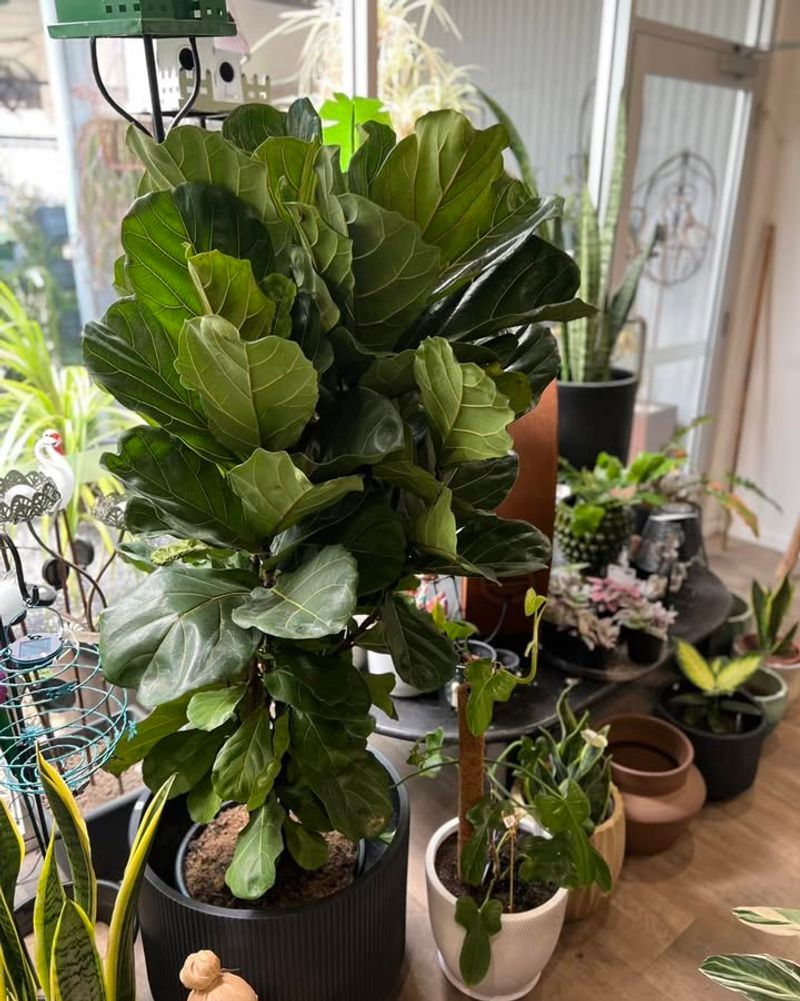
Many plant lovers across Washington recognize this beauty for its large, violin-shaped leaves that create instant drama in any room. Its tall stature makes it a natural focal point, whether placed near a window or tucked into a bright corner.
You can watch it grow from a small sapling into a striking tree that commands attention without saying a word.
Bright, indirect light works best for this plant, so positioning it a few feet from a south-facing window will keep those leaves looking crisp and green. Too much direct sun can scorch the foliage, while too little light may cause the lower leaves to drop.
Watering should be consistent but not excessive—let the top inch of soil dry out before giving it another drink.
Humidity matters more than you might think, especially during Washington’s drier indoor months when heaters run constantly. Misting the leaves occasionally or placing a humidifier nearby can prevent brown edges and keep the plant thriving.
Dust can also block light absorption, so wiping down those big leaves with a damp cloth every few weeks is a smart move.
Fiddle leaf figs prefer stable conditions, so avoid moving them around too much once they settle into a spot they like. Sudden changes in temperature or light can stress the plant and lead to leaf drop.
Patience pays off with this one, as it may take time to adjust to your home environment.
Fertilizing during the growing season helps support new leaf production and keeps the plant looking lush. Use a balanced liquid fertilizer diluted to half strength every few weeks from spring through early fall.
During winter, cut back on feeding since growth naturally slows down.
Root rot is a common issue if the soil stays too wet, so make sure your pot has drainage holes and the soil mix is well-draining.
2. Monstera Deliciosa
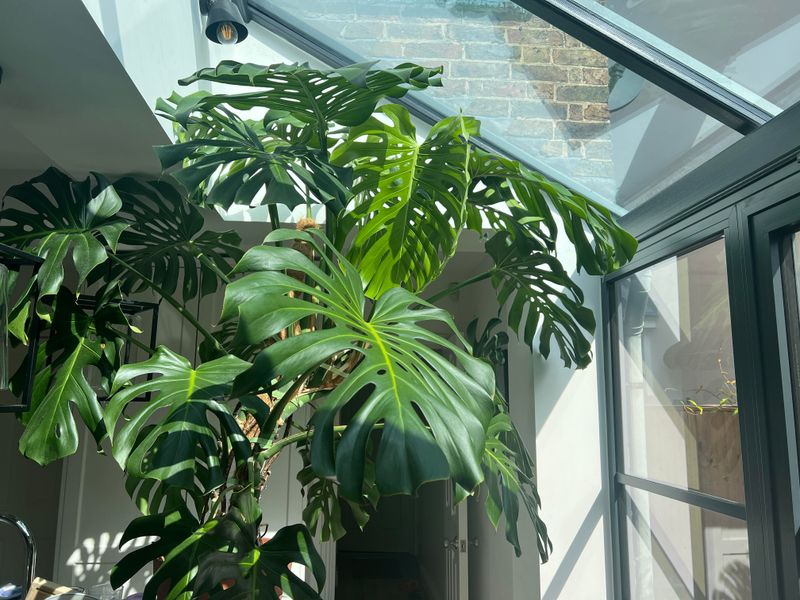
Bold splits and holes in the leaves give this tropical plant a look that feels both wild and sophisticated at the same time. Often called the Swiss cheese plant, it grows quickly under the right conditions and can fill a corner with lush greenery in no time.
Washington homeowners love how it adds a jungle vibe without requiring a greenhouse or tons of maintenance.
Indirect light suits this plant perfectly, though it can handle lower light levels better than many other large-leafed varieties. Placing it near an east or west-facing window gives it enough brightness to encourage those signature leaf splits.
Too much shade may slow growth and result in smaller, less dramatic foliage.
Watering once a week usually does the trick, but always check the soil first to avoid overwatering. The top two inches should feel dry before you water again, and any excess should drain freely from the pot.
Soggy roots lead to yellowing leaves and other issues that are easy to prevent with a little attention.
This plant enjoys climbing, so adding a moss pole or trellis gives it something to latch onto as it grows taller. The aerial roots will naturally grip the support, creating a more upright and structured appearance.
Without support, it tends to sprawl, which can also look great if you have the space for it.
Humidity isn’t as critical as with some other tropical plants, but a bit of extra moisture in the air keeps the leaves looking their best. Grouping it with other plants or placing it on a pebble tray with water can boost humidity levels naturally.
Occasional misting doesn’t hurt, especially during winter when indoor air gets dry.
3. Rubber Plant
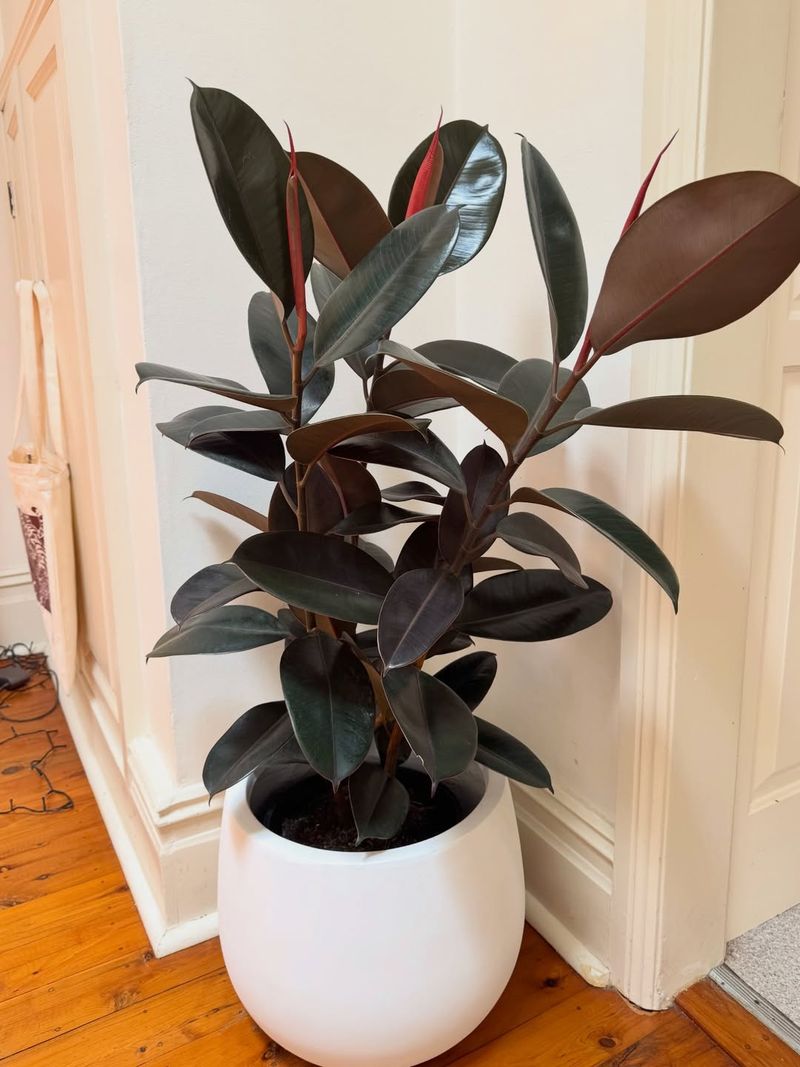
Glossy, dark green leaves reflect light beautifully, making this plant a polished addition to any Washington home. Its upright growth habit and thick, waxy foliage create a sense of structure and elegance that works in both modern and classic interiors.
You can find varieties with burgundy or variegated leaves if you want something a little different from the traditional green.
Bright, indirect light keeps the rubber plant growing steadily and maintains the rich color of its leaves. It can tolerate some direct morning sun, but harsh afternoon rays may cause leaf burn.
Lower light slows growth but won’t harm the plant, making it adaptable to different rooms in your home.
Watering should be moderate, allowing the top layer of soil to dry out between sessions. Overwatering is one of the most common mistakes, leading to root rot and yellowing leaves.
During winter, reduce watering frequency since the plant’s growth slows and it uses less moisture.
Dust accumulates quickly on those broad, shiny leaves, so wiping them down with a damp cloth every couple of weeks keeps them looking fresh and helps the plant absorb more light. Some people like to use a leaf shine product, but plain water works just as well and avoids any buildup.
Clean leaves also make it easier to spot pests or other issues early.
Humidity isn’t a major concern for rubber plants, but they appreciate a bit of extra moisture in the air during dry months. Placing the pot on a tray of pebbles and water or misting occasionally can help, though it’s not essential.
They’re more forgiving than many tropical plants when it comes to indoor conditions.
Fertilizing once a month during the growing season supports healthy new growth and keeps the leaves vibrant. A balanced liquid fertilizer diluted to half strength is ideal and won’t overwhelm the roots.
Skip fertilizing in fall and winter when the plant naturally rests.
4. Bird Of Paradise
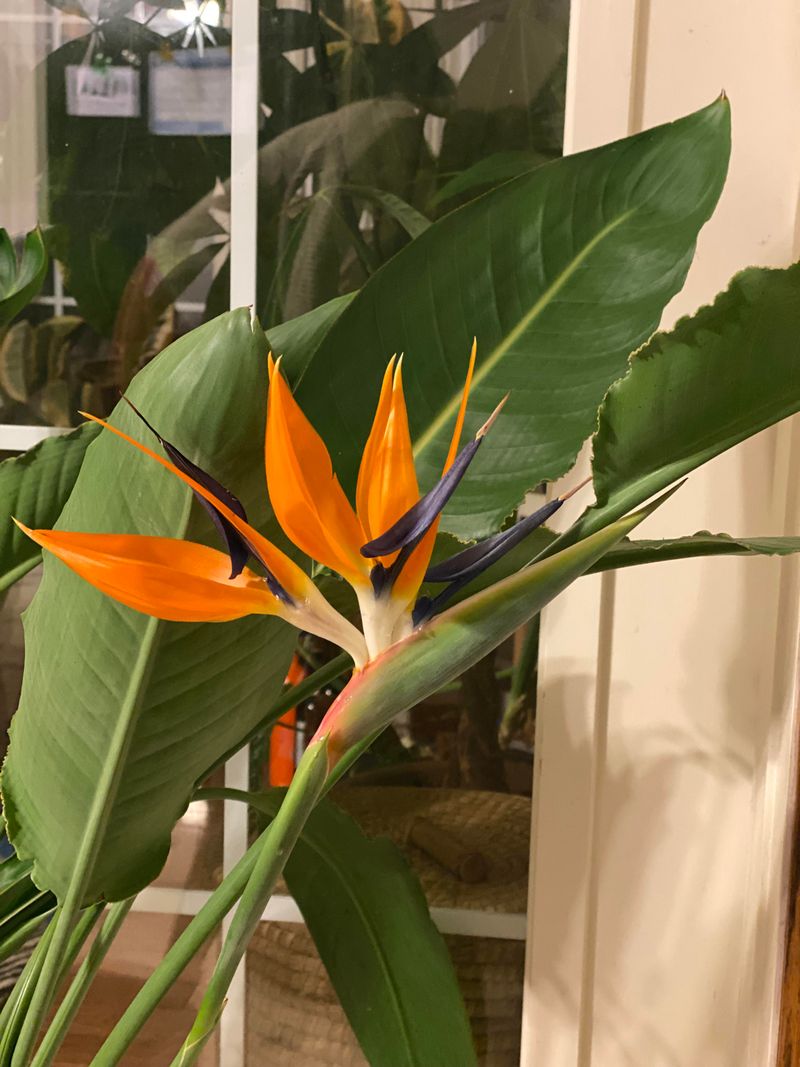
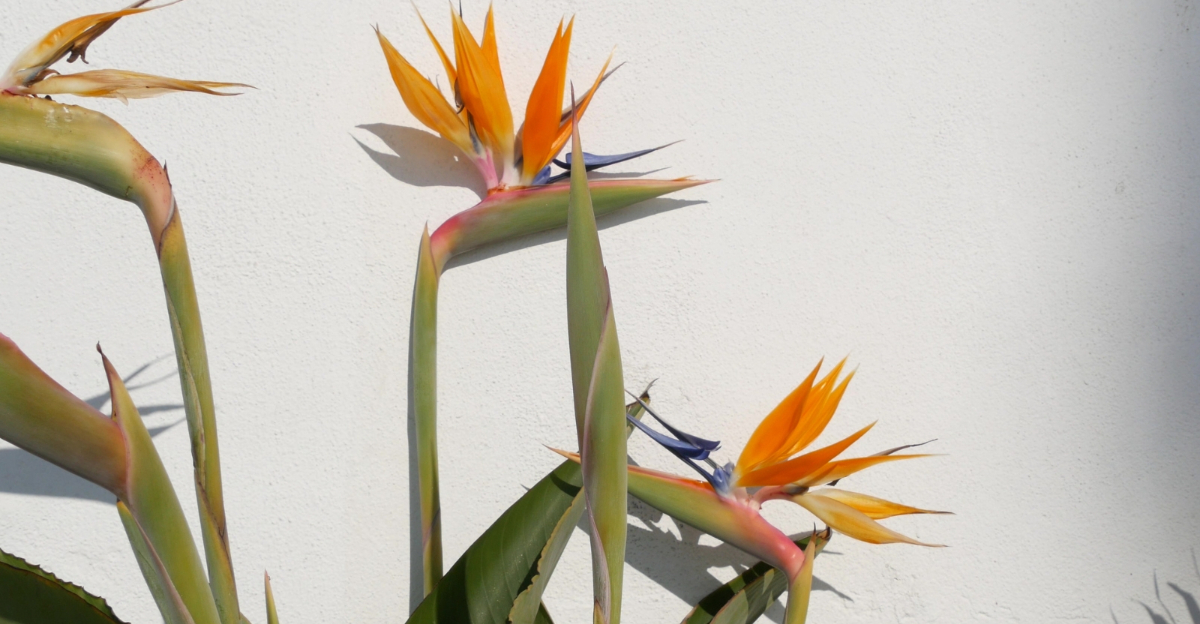
Tropical vibes flood into your Washington home the moment you bring in this plant with its large, banana-like leaves and dramatic height. It grows with confidence, reaching upward and outward to create a bold statement that few other houseplants can match.
Even without flowers indoors, the foliage alone is enough to turn heads and spark conversations.
Bright light is essential for this plant to thrive, so placing it near a sunny window gives it the energy it needs to produce those impressive leaves. South or west-facing windows work best, and a few hours of direct sun won’t hurt.
In lower light, growth slows significantly, and the leaves may become smaller and less vibrant.
Watering needs to be consistent but not excessive, as the plant prefers soil that stays slightly moist but never waterlogged. During the growing season, water when the top inch of soil feels dry.
In winter, reduce watering since the plant’s growth slows and it requires less moisture.
Humidity plays a bigger role with bird of paradise than with some other houseplants, especially during Washington’s dry indoor months. Misting the leaves regularly or using a humidifier nearby helps prevent brown edges and keeps the foliage looking lush.
Grouping it with other plants also creates a more humid microclimate.
Fertilizing every two weeks during spring and summer supports vigorous growth and helps the plant reach its full potential. Use a balanced liquid fertilizer at half strength to avoid overfeeding.
Cut back on fertilizing in fall and winter when the plant naturally rests.
5. Snake Plant
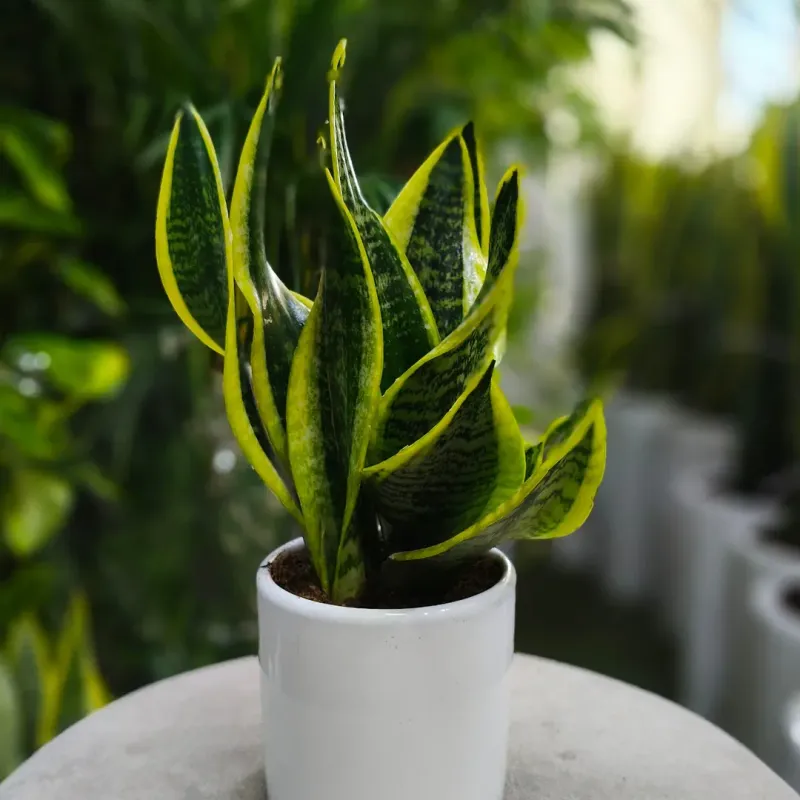
Striking upright leaves with bold patterns make this one of the most recognizable houseplants around, and it thrives on neglect better than almost any other variety. Washington homeowners appreciate how forgiving it is, especially when life gets busy and watering schedules slip.
Its architectural form adds structure to any room, whether placed on a desk, shelf, or floor.
Light requirements are incredibly flexible, as this plant tolerates everything from bright indirect light to low-light corners. It grows faster in brighter conditions but survives just fine in spots where other plants would struggle.
This adaptability makes it perfect for rooms with limited natural light or spaces far from windows.
Watering should be infrequent, as snake plants are prone to root rot if the soil stays too wet. Allow the soil to dry out completely between waterings, and during winter, you can water even less.
Overwatering is the biggest mistake people make with this plant, so when in doubt, wait a few extra days.
Humidity doesn’t matter much to snake plants, which makes them ideal for Washington homes where indoor air can get dry. They don’t need misting or any special attention to thrive in average household conditions.
This low-maintenance nature makes them perfect for beginners or anyone who travels frequently.
Fertilizing is optional but can encourage faster growth if you want the plant to fill out more quickly. A diluted, balanced fertilizer once or twice during the growing season is plenty.
Too much fertilizer can actually harm the plant, so less is definitely more with this variety.
Propagation is simple and rewarding, as you can grow new plants from leaf cuttings or by dividing the root ball. Leaf cuttings take longer but are fun to watch as they develop roots and new shoots.
Dividing the plant during repotting gives you instant new plants to share or place in other rooms.
6. ZZ Plant
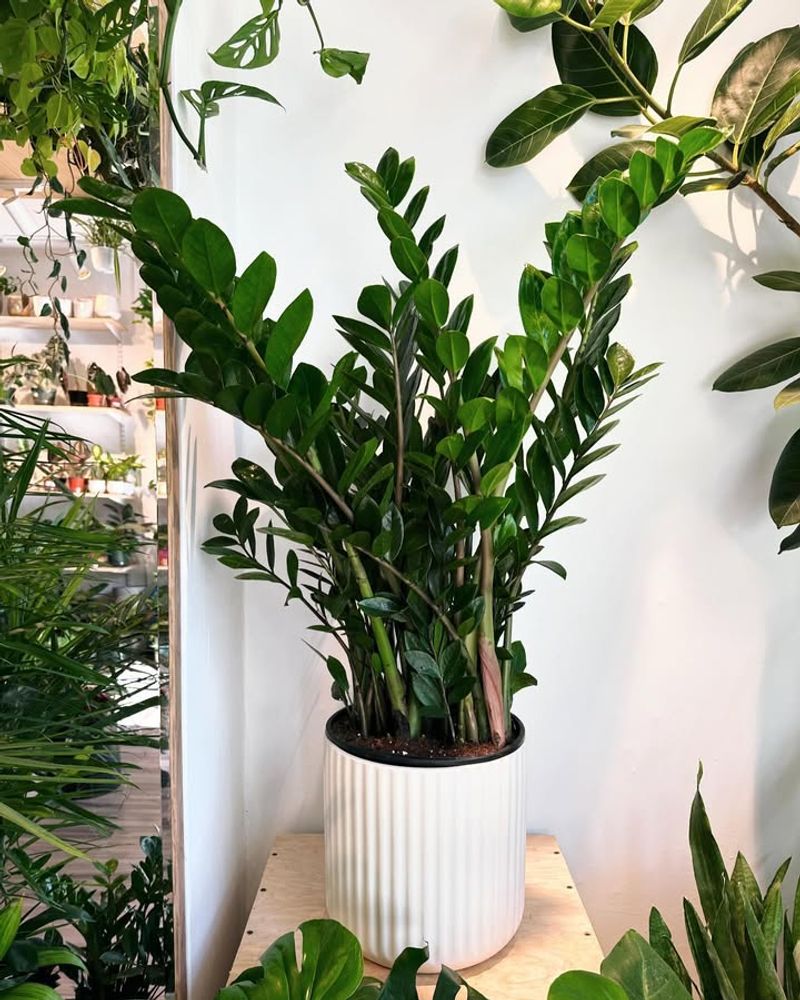
Shiny, dark green leaves grow in graceful arching stems that add a touch of elegance to any Washington home. This plant has a reputation for being nearly indestructible, thriving in conditions that would challenge most other houseplants.
Its thick, waxy foliage and sturdy structure make it a reliable choice for anyone wanting greenery without constant attention.
Light flexibility is one of the ZZ plant’s best features, as it grows well in everything from bright indirect light to low-light corners. It adapts to different lighting conditions without complaint, though growth is faster in brighter spots.
This makes it ideal for offices, hallways, or rooms with limited natural light.
Watering should be minimal, as the plant stores moisture in its thick rhizomes and can go weeks without a drink. Allow the soil to dry out completely between waterings, and reduce frequency even more during winter.
Overwatering is the quickest way to harm this plant, so it’s better to underwater than overdo it.
Humidity isn’t a concern at all, which makes the ZZ plant perfect for Washington homes where indoor air can be dry during colder months. It doesn’t need misting, humidifiers, or any special care to stay healthy.
This low-maintenance nature makes it a top choice for beginners or anyone with a busy lifestyle.
7. Peace Lily
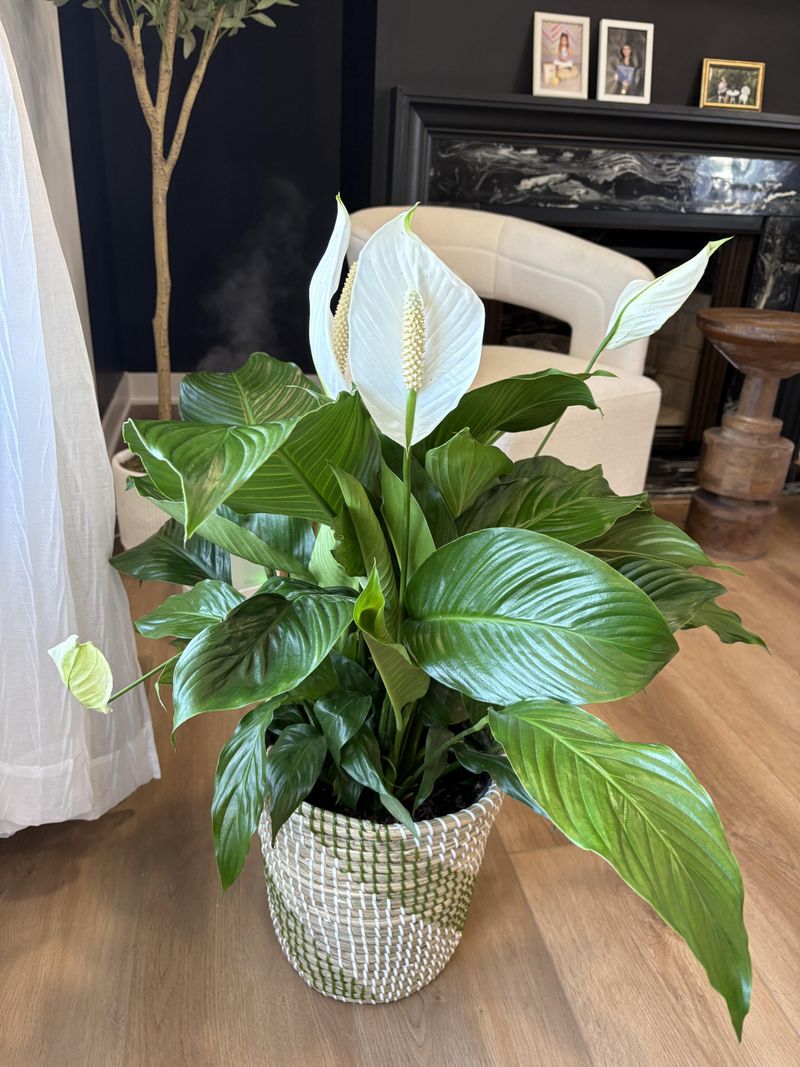
Elegant white blooms rise above deep green foliage, creating a sense of calm and beauty that feels right at home in Washington interiors. This plant is known for its air-purifying qualities, making it both attractive and functional in any room.
Even when not in bloom, the lush leaves provide plenty of visual interest and a touch of nature.
Moderate to low light suits the peace lily perfectly, and it actually prefers shadier spots compared to many other flowering houseplants. Placing it a few feet from a window or in a room with indirect light keeps it happy and encourages blooming.
Too much direct sun can scorch the leaves, so avoid placing it in harsh light.
Watering is straightforward, as the plant will droop slightly when it needs a drink, making it easy to tell when it’s thirsty. Water thoroughly when the top inch of soil feels dry, and the plant will perk back up within hours.
This visual cue makes it nearly impossible to forget about watering, which is helpful for busy households.
Humidity is appreciated but not essential, though a bit of extra moisture in the air helps the leaves stay glossy and prevents brown tips. Placing the pot on a pebble tray with water or misting occasionally can boost humidity levels.
Grouping it with other plants also creates a more humid environment naturally.
Fertilizing once a month during the growing season supports healthy blooms and keeps the foliage looking vibrant. A balanced liquid fertilizer diluted to half strength works well and won’t overwhelm the roots.
Cut back on feeding in fall and winter when the plant’s growth naturally slows.
8. Calathea
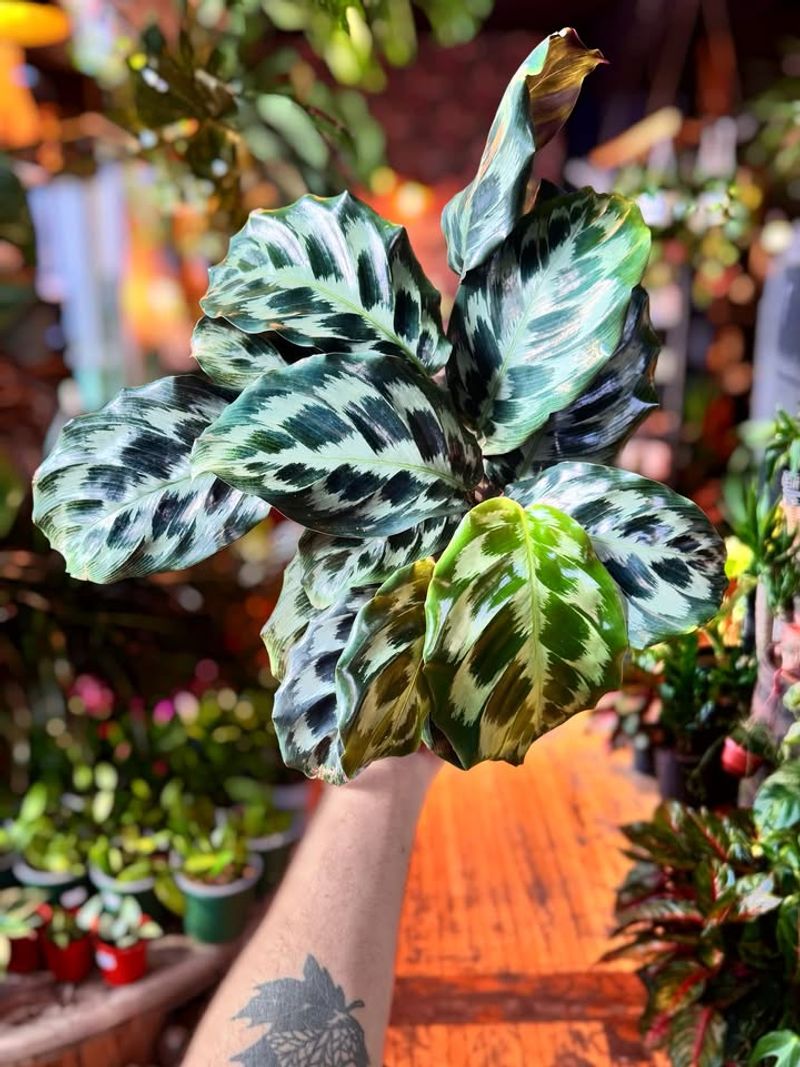
Intricate patterns and vibrant colors on the leaves make this plant a living work of art that stands out in any Washington home. Each variety offers a unique design, from bold stripes to delicate spots, giving you plenty of options to match your style.
The leaves also move throughout the day, folding up at night and opening again in the morning, which adds an element of surprise and life.
Indirect light is essential for calatheas, as direct sun can fade the beautiful patterns and scorch the delicate leaves. Placing the plant near an east or north-facing window provides gentle light without the intensity of afternoon rays.
Lower light can work, but growth may slow and the colors may become less vibrant.
Watering needs to be consistent, as calatheas prefer soil that stays slightly moist but never waterlogged. Use filtered or distilled water if possible, as these plants are sensitive to chemicals in tap water that can cause brown edges.
Watering when the top inch of soil feels dry keeps the plant happy and healthy.
Humidity is crucial for calatheas, as they come from tropical environments and struggle in dry indoor air. Placing the pot on a pebble tray with water, using a humidifier, or misting regularly helps maintain the moisture levels they need.
Grouping them with other plants also creates a more humid microclimate.
Fertilizing every few weeks during the growing season supports healthy foliage and vibrant colors. Use a diluted, balanced fertilizer at quarter strength to avoid overfeeding, as calatheas are sensitive to too many nutrients.
Cut back on fertilizing in fall and winter when growth naturally slows.
9. Chinese Evergreen
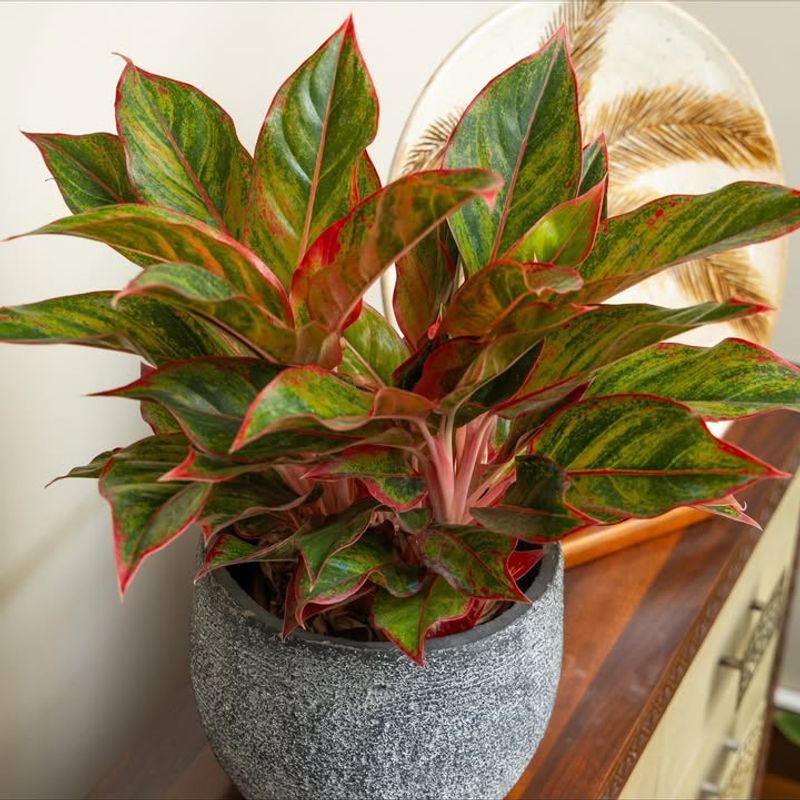
Colorful foliage in shades of green, silver, pink, and red brings a pop of brightness to any Washington home, even in low-light conditions. This plant is one of the easiest to care for, thriving on minimal attention and forgiving occasional neglect.
Its compact growth habit makes it perfect for desks, shelves, or small spaces where you want a touch of greenery without taking up too much room.
Low to moderate light suits the Chinese evergreen perfectly, and it actually prefers shadier spots compared to many other colorful houseplants. Placing it away from direct sun prevents leaf burn and keeps the colors vibrant.
Brighter light can enhance the colors, but it’s not necessary for the plant to thrive.
Watering should be moderate, allowing the top inch or two of soil to dry out between sessions. Overwatering is one of the few ways to harm this plant, so it’s better to err on the side of underwatering.
During winter, reduce watering frequency as the plant’s growth slows and it uses less moisture.
Humidity isn’t a major concern for Chinese evergreens, though they appreciate a bit of extra moisture in the air during dry months. Occasional misting or placing the pot on a pebble tray with water can help, but it’s not essential.
They adapt well to average household conditions without special care.
Fertilizing once a month during the growing season supports healthy growth and keeps the foliage looking vibrant. A balanced liquid fertilizer diluted to half strength works well and won’t overwhelm the roots.
Skip fertilizing in fall and winter when the plant naturally rests.
Pruning involves removing yellowing or damaged leaves to keep the plant looking tidy and encourage new growth. Simply cut the leaf stem close to the base with clean scissors.
This also improves air circulation and reduces the risk of pests or disease.