10 Unique Houseplants That Make Beautiful Statement Pieces In Massachusetts Homes
Decorating a Massachusetts home with houseplants is more than adding a splash of green. The right statement plant can completely change how a room feels.
One bold plant can transform your entire space. From dramatic leaves to unusual shapes and textures, unique houseplants bring personality and style that basic plants often can’t match.
Turn empty corners into eye-catching focal points. These standout plants also create a warm, inviting atmosphere while adding natural beauty to your home.
Make your home feel fresh, modern, and full of life. Let your plants do the decorating for you.
With the right choices and placement, houseplants can become living art that reflects your personal style and fits perfectly into Massachusetts living spaces. Whether you live in a small apartment or a large home, the right plant can make a powerful visual impact.
1. Fiddle Leaf Fig
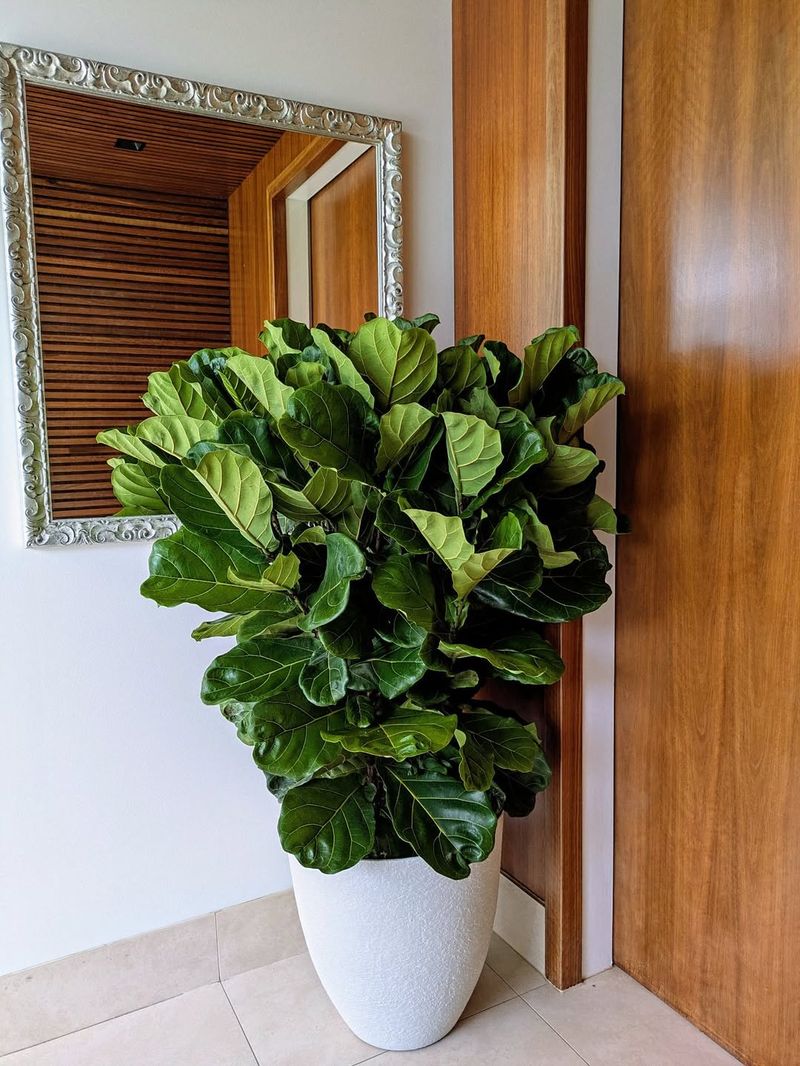
Walking into a room with a towering Fiddle Leaf Fig feels like stepping into a high-end design magazine. This stunning plant features enormous, violin-shaped leaves that can grow up to fifteen inches long, creating an architectural presence that commands attention in any Massachusetts home.
The deep green foliage with prominent veining adds texture and dimension to living rooms, entryways, or home offices where you want to make a lasting impression.
These tropical beauties prefer bright, indirect light and consistent watering schedules, making them surprisingly manageable once you understand their needs.
Massachusetts homeowners should place them near east or west-facing windows where they receive plenty of filtered sunlight throughout the day.
The key to success involves rotating the plant regularly to ensure even growth and avoiding sudden temperature changes common in New England homes during winter months.
Fiddle Leaf Figs grow relatively quickly when happy, potentially reaching six to ten feet indoors with proper care. They appreciate humidity levels between forty and sixty percent, which can be challenging during Massachusetts winters when heating systems dry out indoor air.
Regular misting or placing a humidifier nearby helps maintain the moisture these plants crave while preventing brown edges on those gorgeous leaves that make them such showstoppers in any setting.
2. Monstera Deliciosa
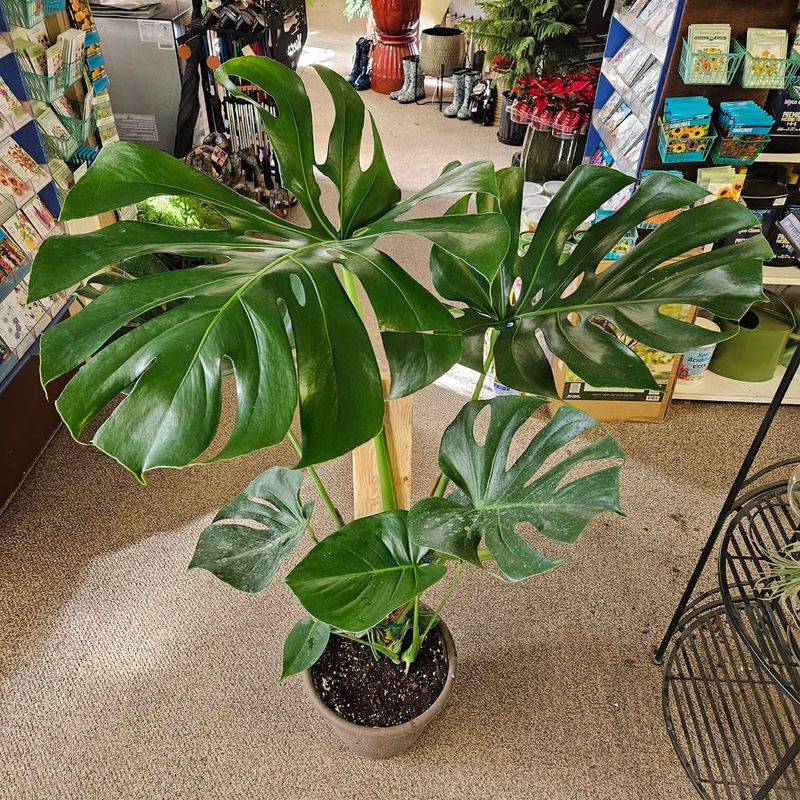
Few plants create drama quite like the Monstera Deliciosa with its massive, split leaves that look like nature carved them with artistic precision.
Boston and Worcester residents have fallen in love with this Swiss Cheese Plant, as its commonly called, for bringing tropical vibes into their homes year-round.
The fenestrations, or natural holes in the leaves, develop as the plant matures, making each leaf a unique work of living art that evolves over time.
This climbing plant naturally grows upward in its native rainforest environment, so providing a moss pole or trellis helps it reach its full potential indoors.
Massachusetts homes with medium to bright indirect light provide ideal conditions for Monsteras to thrive and produce those signature split leaves everyone admires.
The plant tolerates lower light conditions but grows more slowly and may produce smaller, less fenestrated leaves in dimmer spaces.
Watering needs remain moderate, with the soil requiring drying out between waterings to prevent root issues that plague overwatered specimens. The Monstera adapts well to typical Massachusetts indoor temperatures between sixty-five and eighty-five degrees Fahrenheit.
Wiping down the large leaves monthly removes dust and helps the plant photosynthesize efficiently while maintaining that glossy, healthy appearance that makes Monsteras such popular choices for statement plant displays throughout New England homes.
3. Bird Of Paradise
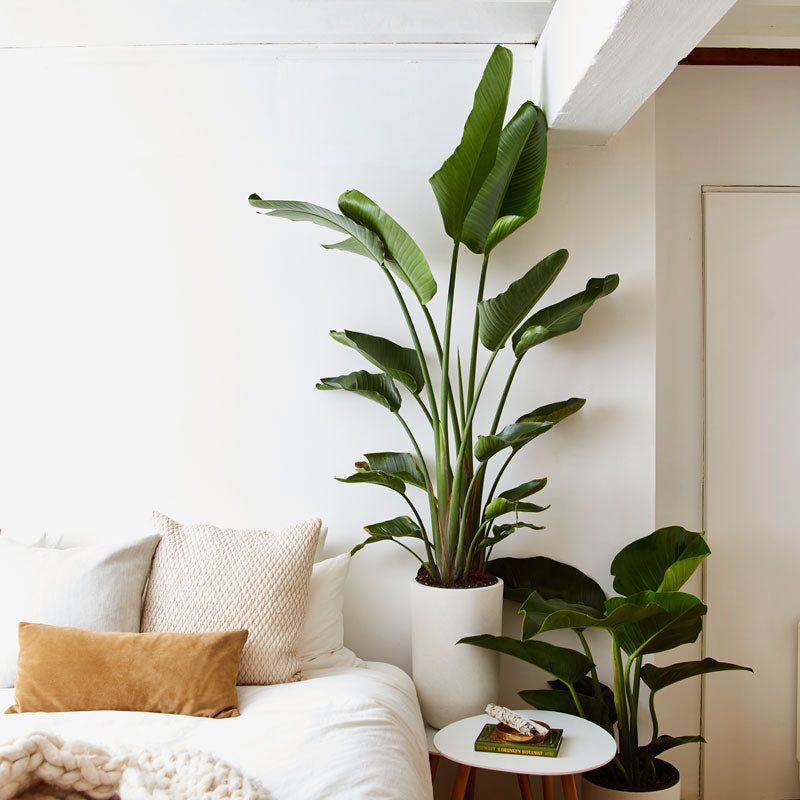
Imagine bringing the exotic beauty of tropical gardens right into your Massachusetts living room with a Bird of Paradise. These magnificent plants produce large, paddle-shaped leaves that fan out gracefully, creating an instant vacation atmosphere even during those long New England winters.
The foliage alone makes a stunning statement, though mature plants may occasionally produce spectacular orange and blue flowers that resemble colorful birds in flight when given optimal conditions.
Bright light becomes essential for Bird of Paradise plants, so positioning them near south-facing windows in Massachusetts homes gives them the best chance to flourish. These sun-lovers can handle several hours of direct sunlight daily, unlike many other houseplants that prefer filtered light.
The more light they receive, the better their growth and the higher the chances of seeing those incredible blooms that give the plant its memorable name.
These plants grow quite large, often reaching five to six feet tall indoors, so they need space to spread their impressive foliage.
Regular watering during the growing season keeps them happy, though they tolerate slightly drier conditions during winter months when growth naturally slows.
Massachusetts homeowners appreciate how Bird of Paradise plants create focal points in rooms with high ceilings, filling vertical space with lush greenery that transforms ordinary corners into extraordinary tropical retreats worth showing off to guests.
4. Rubber Plant
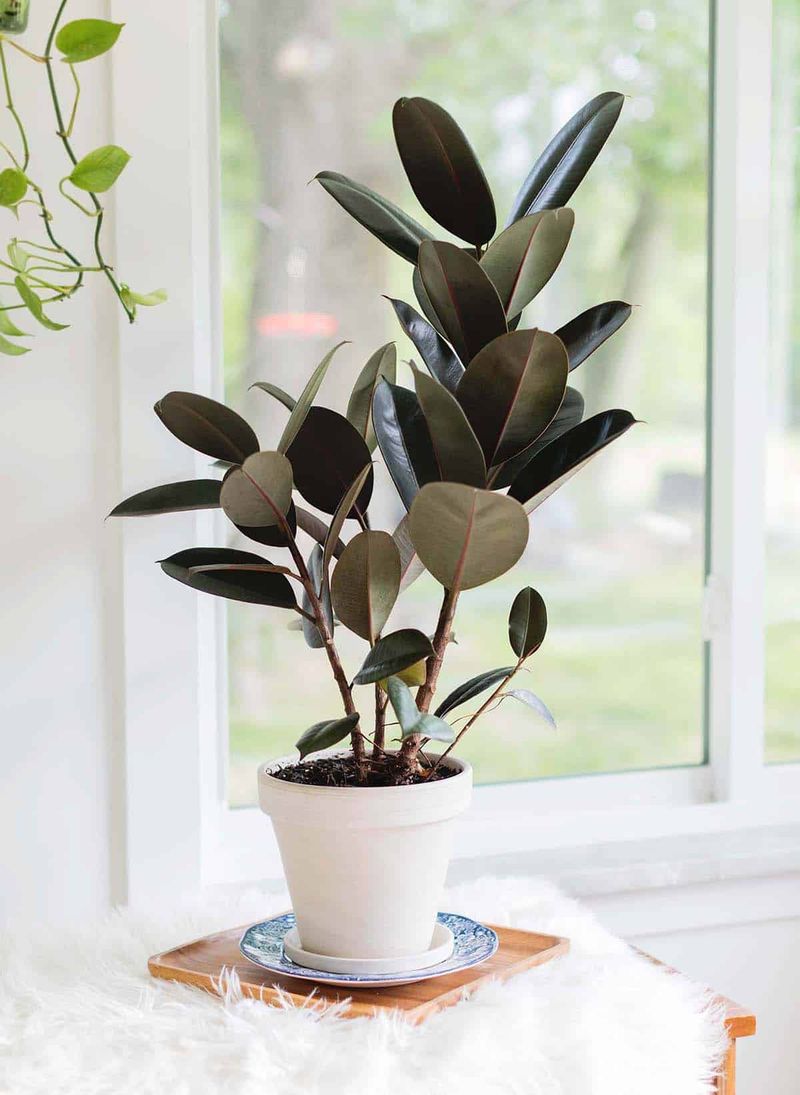
Bold, glossy leaves in deep burgundy or variegated patterns make Rubber Plants irresistible choices for Massachusetts homeowners seeking low-maintenance statement pieces.
Originally from Southeast Asia, these sturdy plants adapt remarkably well to indoor conditions throughout New England, tolerating occasional neglect better than many finicky houseplants.
The thick, waxy leaves reflect light beautifully, adding depth and shine to any room while requiring minimal fussing to maintain their stunning appearance.
Rubber Plants grow upright naturally, creating vertical interest that works perfectly in corners or beside furniture pieces in Springfield and Cambridge homes.
They appreciate bright, indirect light but tolerate medium light conditions without complaint, making them versatile options for various room orientations.
The variegated varieties with cream and pink markings need slightly more light to maintain their colorful patterns, while solid green types adapt to slightly dimmer conditions.
Watering needs remain straightforward, with the plant preferring to dry out partially between waterings rather than sitting in constantly moist soil. These plants grow relatively quickly when happy, potentially adding several inches of height each growing season.
Pruning controls their size and encourages bushier growth if you prefer a fuller appearance.
Massachusetts residents love how Rubber Plants handle the dry indoor air during heating season better than tropical varieties, maintaining their glossy foliage without constant misting or complicated humidity requirements that challenge busy plant owners.
5. Alocasia Polly
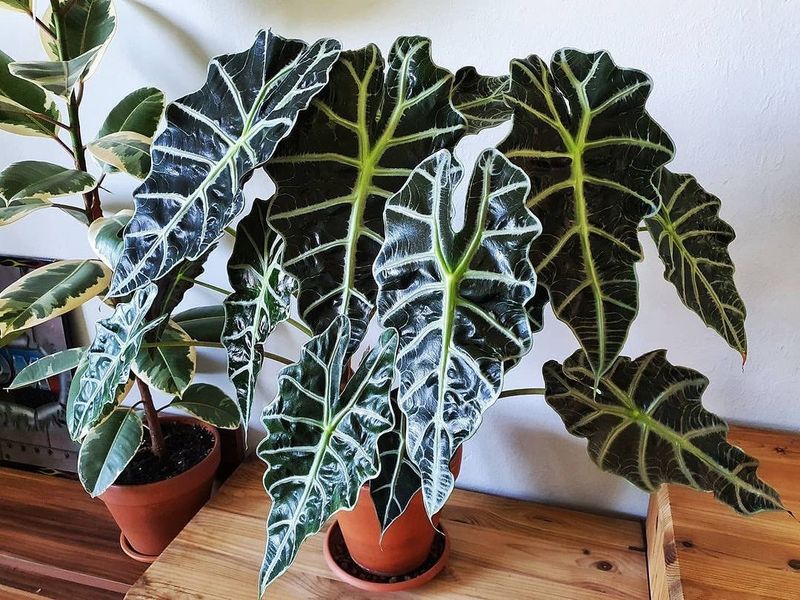
Dark, arrow-shaped leaves with striking white veins create an almost otherworldly appearance that makes Alocasia Polly an unforgettable statement plant.
Also known as African Mask Plant, this compact beauty packs maximum visual impact into a relatively small footprint, perfect for Massachusetts apartments or homes with limited floor space.
Each leaf emerges tightly rolled before unfurling into its dramatic final form, providing ongoing interest as new growth appears throughout the growing season.
Bright, indirect light suits Alocasia Polly best, though direct afternoon sun can scorch those beautiful leaves in Boston and Northampton homes. These plants hail from tropical regions, so they appreciate higher humidity levels that can be challenging during Massachusetts winters.
Grouping them with other plants, using pebble trays filled with water, or running a nearby humidifier helps maintain the moisture levels that keep leaves looking their best without brown edges or crispy tips.
The soil should remain consistently moist but never waterlogged, as Alocasias are sensitive to both overwatering and underwatering extremes.
They enter a dormant period if temperatures drop too low or conditions become unfavorable, sometimes dropping leaves before regrowing in spring.
Massachusetts plant enthusiasts appreciate how Alocasia Polly creates bold focal points on plant stands, shelves, or side tables where its unique foliage can be admired up close, bringing an artistic, sculptural element to interior spaces that never fails to impress visitors.
6. Majesty Palm
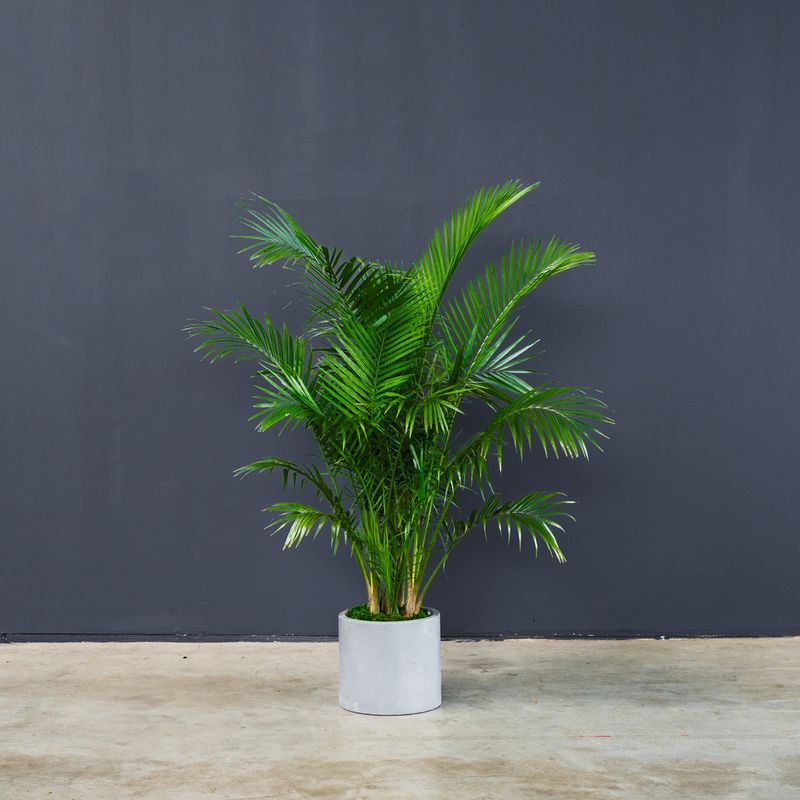
Graceful, arching fronds transport you to tropical beaches without leaving your Massachusetts home when you add a Majesty Palm to your space.
These elegant palms feature feathery, bright green fronds that cascade beautifully, softening room corners and adding movement as air circulates around them.
The vertical growth habit combined with the delicate foliage texture creates a sophisticated look that complements both modern and traditional New England interior design styles perfectly.
Bright, indirect light keeps Majesty Palms thriving indoors, though they appreciate some morning sun if available in your Massachusetts home. These palms need consistently moist soil during the growing season, making them thirstier than many other houseplants on this list.
Allowing the soil to dry out completely causes frond tips to brown, while overwatering leads to root problems, so finding the right balance becomes important for long-term success with these beauties.
Humidity plays a crucial role in keeping Majesty Palms looking their best, especially during dry Massachusetts winters when heating systems remove moisture from indoor air. Regular misting, humidifiers, or grouping with other plants helps maintain the tropical conditions these palms prefer.
They grow relatively slowly indoors, eventually reaching four to six feet tall, making them manageable statement pieces for living rooms or bedrooms.
Massachusetts homeowners find that placing Majesty Palms in bright bathrooms provides natural humidity that keeps fronds green and healthy while creating spa-like atmospheres worth relaxing in daily.
7. Dracaena Marginata
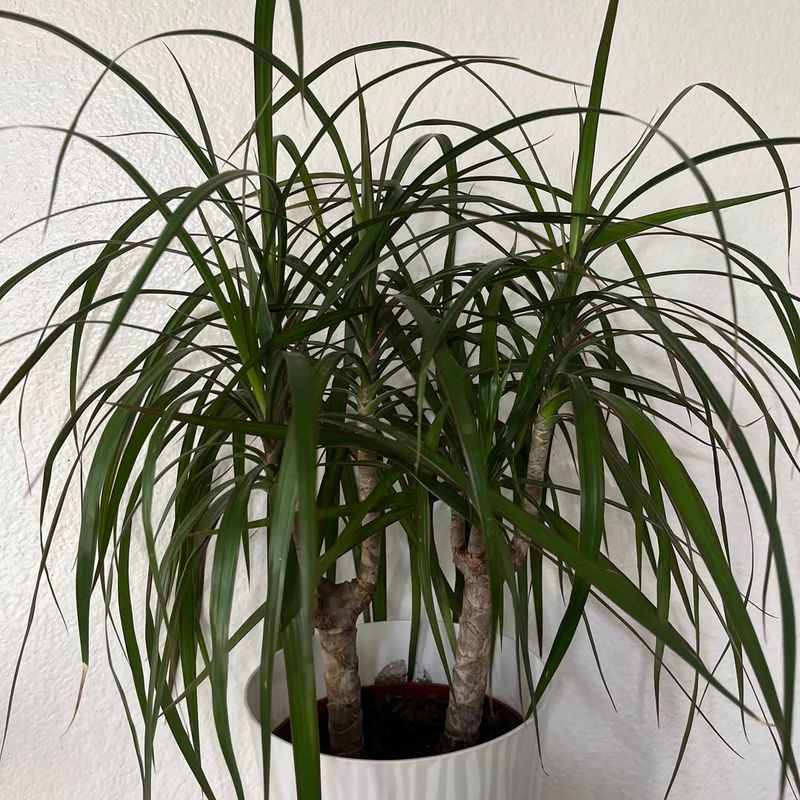
Slender, spiky leaves edged in red or pink create a modern, architectural look that makes Dracaena Marginata perfect for contemporary Massachusetts homes.
Sometimes called Dragon Tree, this Madagascar native features thin trunks that twist and curve as they grow, adding sculptural interest even beyond the striking foliage.
The plant naturally grows upright, making excellent use of vertical space in apartments or rooms where floor space comes at a premium throughout Boston, Worcester, and surrounding communities.
Low to medium light conditions suit Dracaena Marginata well, making it adaptable to various room orientations in Massachusetts homes. The plant tolerates some neglect better than many houseplants, bouncing back from occasional missed waterings without major complaints.
Variegated varieties with brighter pink edges need slightly more light to maintain their colorful markings, while solid green types adapt to lower light situations more readily.
Watering needs remain moderate, with the plant preferring to dry out partially between waterings rather than staying constantly moist. These slow growers eventually reach six to eight feet tall indoors, though growth remains manageable over several years.
Dracaena Marginata handles typical Massachusetts indoor temperatures well and tolerates dry air better than tropical plants requiring constant humidity.
The spiky, colorful foliage creates wonderful contrast when paired with broader-leaved plants, making it a favorite among New England plant collectors building diverse indoor gardens that showcase different textures and forms throughout their living spaces.
8. Philodendron Xanadu
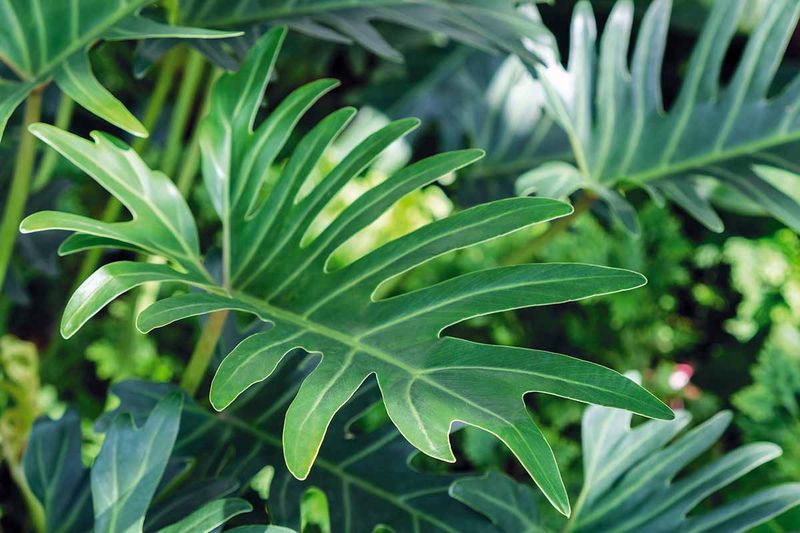
Deeply lobed, glossy leaves create a lush, tropical appearance that makes Philodendron Xanadu an outstanding choice for Massachusetts homeowners wanting full, bushy statement plants.
Unlike climbing philodendrons, this self-heading variety grows outward rather than upward, forming a compact mound of foliage that fills spaces beautifully.
The leaves emerge light green before darkening to a rich, glossy finish that catches light from every angle, adding dimension to rooms throughout the changing New England seasons.
Medium to bright indirect light keeps Philodendron Xanadu happy and growing steadily in Massachusetts homes. This adaptable plant tolerates lower light conditions better than many statement plants, though growth slows and leaves may become slightly smaller in dimmer spaces.
The compact growth habit makes it perfect for filling floor space in corners, beside furniture, or in entryways where you want immediate visual impact without overwhelming the area.
Watering requirements remain moderate, with the plant preferring soil that dries slightly between waterings but never becomes bone dry. Philodendron Xanadu handles typical Massachusetts indoor temperatures easily and tolerates the dry air during heating season better than many tropical plants.
The plant rarely needs pruning since it maintains a naturally tidy shape, making it wonderfully low-maintenance for busy homeowners.
Massachusetts residents appreciate how this philodendron creates instant jungle vibes without the climbing vines that require constant training or support structures, offering all the tropical beauty with half the maintenance effort required by other dramatic houseplants.
9. Calathea Orbifolia
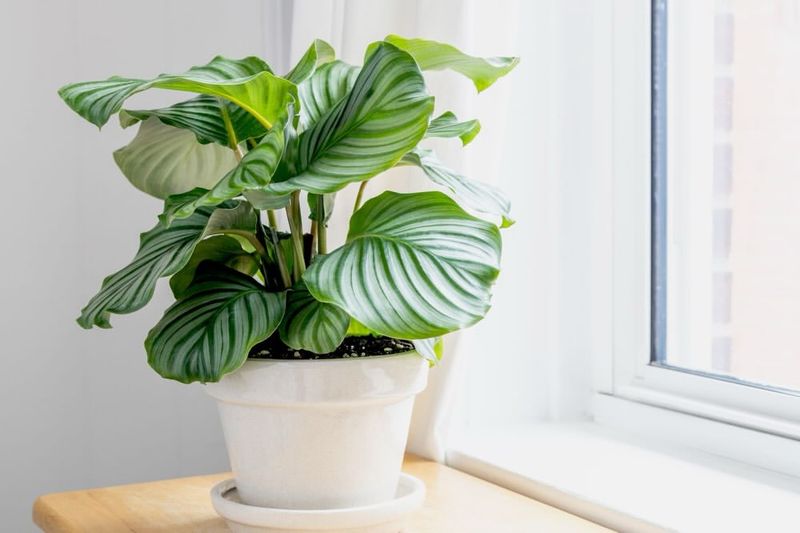
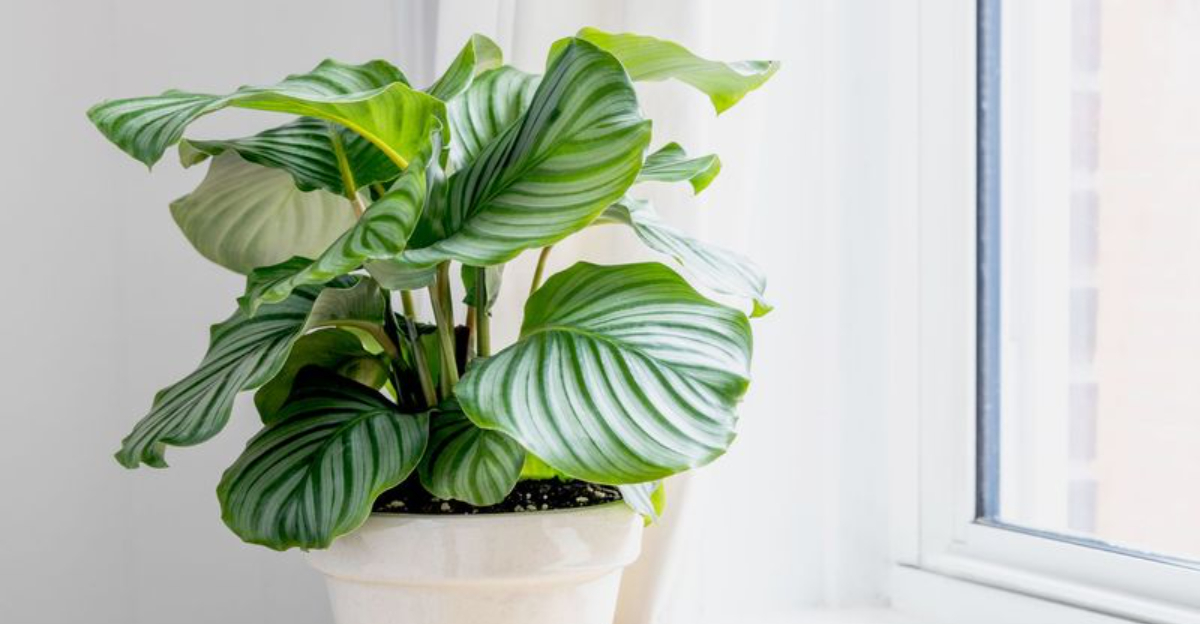
Stunning silver-green stripes painted across large, rounded leaves make Calathea Orbifolia one of the most eye-catching houseplants available to Massachusetts plant lovers.
Each leaf displays bold, symmetrical bands that look hand-painted by nature, creating living artwork that changes subtly as light shifts throughout the day.
The leaves move slightly, folding upward at night and opening during the day, adding an element of gentle motion that brings rooms to life in unexpected ways.
Medium, indirect light works best for Calathea Orbifolia, as direct sun fades the beautiful leaf patterns while too little light slows growth considerably.
These South American natives appreciate high humidity, making them slightly more challenging than some houseplants on this list but absolutely worth the extra effort for Massachusetts homeowners committed to creating stunning plant displays.
Bathrooms with good natural light often provide ideal conditions, combining the brightness and humidity these beauties crave.
Consistent moisture keeps Calatheas happy, though waterlogged soil causes problems quickly, so well-draining potting mix becomes essential for success. They prefer filtered or distilled water when possible, as chemicals in tap water sometimes cause leaf edges to brown in sensitive specimens.
The plant grows to about two feet tall and wide, creating a substantial presence without overwhelming smaller Massachusetts living spaces.
Plant enthusiasts throughout New England consider Calathea Orbifolia a rewarding challenge that delivers unmatched beauty when given the attention it deserves, transforming ordinary rooms into extraordinary botanical showcases.
10. ZZ Plant
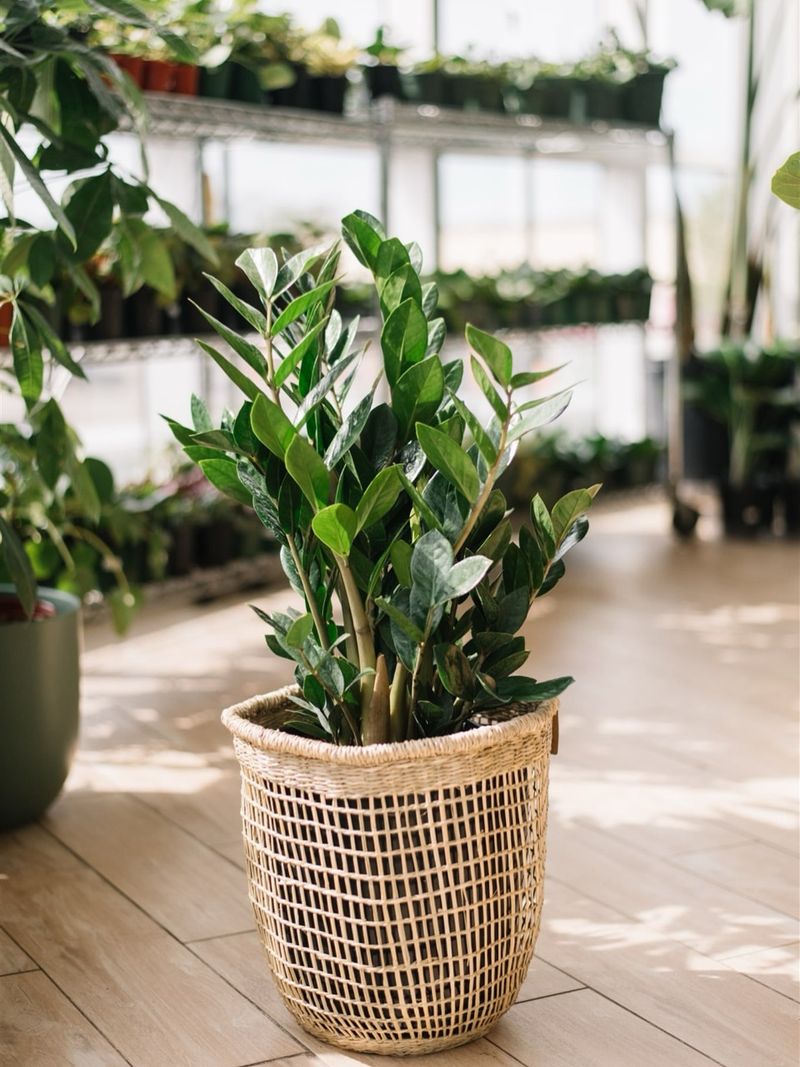
Glossy, dark green leaflets arranged along upright stems give ZZ Plants an almost artificial appearance that makes people do double-takes in Massachusetts homes.
This African native handles neglect better than nearly any other statement plant, bouncing back from forgotten waterings and low light conditions that would trouble more demanding specimens.
The thick, succulent-like stems store water efficiently, allowing the plant to survive extended dry periods that occur when life gets busy or travel takes you away from home.
Low to bright indirect light suits ZZ Plants perfectly, making them incredibly versatile for any room orientation throughout Boston, Cambridge, and beyond. They grow slowly but steadily, eventually reaching two to three feet tall with a bushy, upright form that fills floor space beautifully.
The waxy leaves naturally repel dust, maintaining their shine with minimal cleaning compared to other large-leaved houseplants that require regular wiping.
Watering needs remain minimal, with the plant preferring to dry out completely between waterings rather than receiving frequent drinks. Overwatering causes more problems than underwatering with ZZ Plants, so erring on the dry side keeps them healthy and happy.
They tolerate the dry air in Massachusetts homes during winter heating season without complaint, never developing brown leaf tips or requiring humidity adjustments.
The architectural form and bulletproof nature make ZZ Plants perfect for beginning plant parents or anyone wanting maximum visual impact with minimum maintenance effort, proving that statement plants can be both beautiful and forgiving in equal measure.