11 Unique Houseplants Turning California Homes Into Showstoppers
California homes have a way of setting the stage for bold interiors, and the right houseplants can completely change how a space feels the moment someone walks in.
Sunlight shifts, open layouts, and indoor–outdoor living push plant choices beyond basic greenery and into statement territory.
Many people fill rooms with safe plants, then wonder why the space still feels flat or unfinished.
Unique houseplants create impact through shape, scale, and texture rather than relying on flowers or constant maintenance.
California light allows dramatic foliage, sculptural growth, and strong contrast to shine in a way other regions rarely support.
One striking plant can anchor an entire room and replace multiple decorative elements at once. The visual effect feels intentional instead of cluttered.
Homes across the state are leaning into plants that feel architectural, unexpected, and confident.
These plants draw attention without overwhelming the space or fighting the surrounding design.
When chosen well, they turn everyday California interiors into spaces people stop, notice, and remember.
1. Monstera Deliciosa
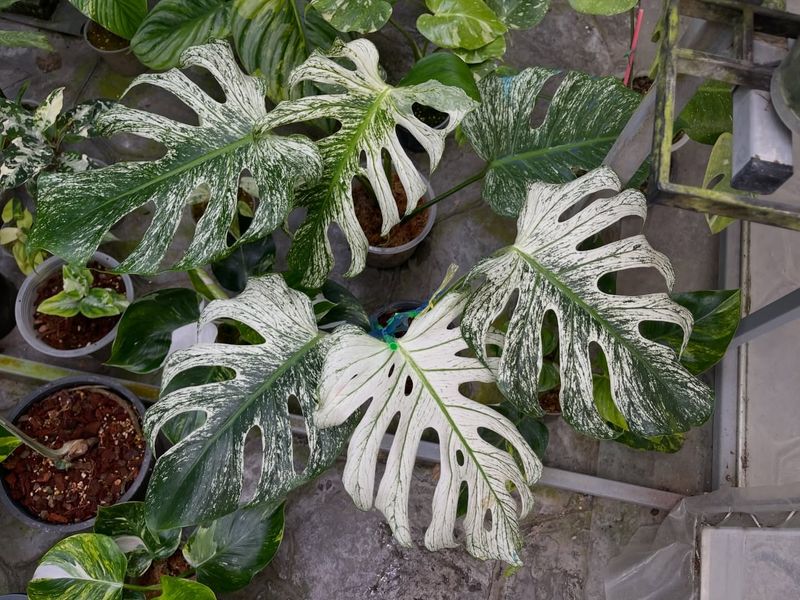
Large, dramatic foliage brings tropical vibes straight into your living room without requiring a plane ticket.
Each leaf develops natural splits and holes as the plant matures, creating artwork that changes over time.
California homeowners love how this plant fills empty corners with personality and style.
The glossy green leaves catch sunlight beautifully, casting interesting shadows on walls throughout the day.
Growth happens relatively quickly when conditions are right, rewarding your care with fresh leaves every few weeks.
Bright, indirect light works best, though it adapts well to various indoor environments across the state.
Watering needs are moderate, making it forgiving for busy schedules or weekend trips.
Let the top few inches of soil dry out between waterings to prevent root issues.
Support stakes or moss poles encourage upward growth, which mimics how the plant climbs trees in its native habitat.
This vertical habit saves floor space while maximizing visual impact.
Dust accumulates on those big leaves, so wiping them down monthly keeps them looking their best.
Clean foliage also helps the plant breathe and photosynthesize more efficiently.
Pet owners should know the plant contains compounds that can irritate curious cats or dogs. Placing it on a high shelf or in a room pets don’t access solves this concern.
Many California plant enthusiasts start with one Monstera and end up propagating cuttings to share with friends. The plant’s easy propagation makes it a generous gift that keeps on growing.
2. Fiddle Leaf Fig
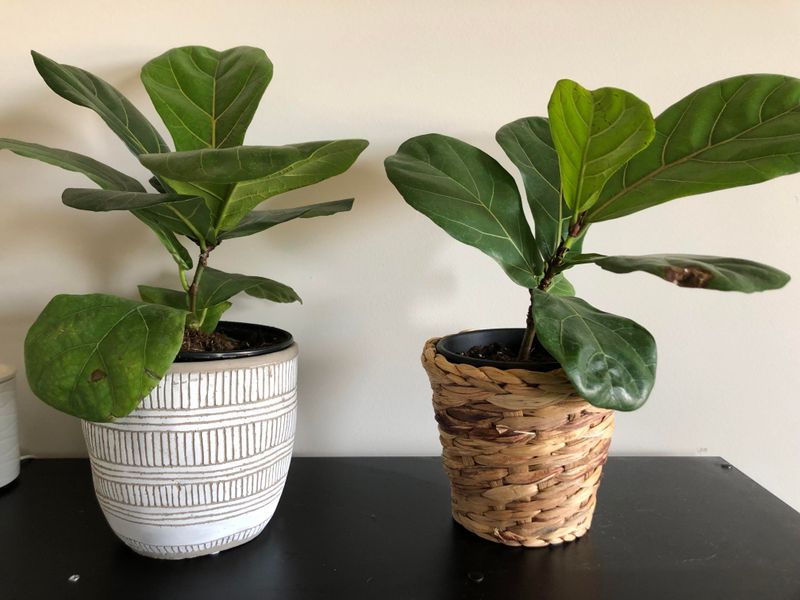
Sculptural branches topped with violin-shaped leaves create an instant focal point that interior designers across California adore.
Placement near east or west-facing windows provides ideal lighting conditions for steady growth.
Too much direct sun can scorch those beautiful leaves, while too little causes them to drop.
Consistency matters more than anything when caring for this somewhat finicky favorite.
Sudden changes in light, temperature, or watering schedule can trigger leaf loss that takes months to recover from.
Many California plant parents find success by establishing a strict watering routine based on soil moisture levels. Sticking your finger two inches into the soil helps you decide whether it’s time to water.
Rotating the pot a quarter turn every week promotes even growth and prevents the plant from leaning toward the light source.
This simple habit keeps the silhouette balanced and attractive. Fertilizing during spring and summer supports new leaf production, though overdoing it causes more harm than good.
A diluted liquid fertilizer once a month during the growing season is plenty.
California’s mild climate means these plants can sometimes spend time outdoors in shaded patios during warm months.
Gradual acclimation prevents shock from the environment change.
Wiping leaves with a damp cloth removes dust and helps prevent pest infestations like spider mites.
Regular inspection catches problems early when they’re easiest to address.
3. Bird Of Paradise
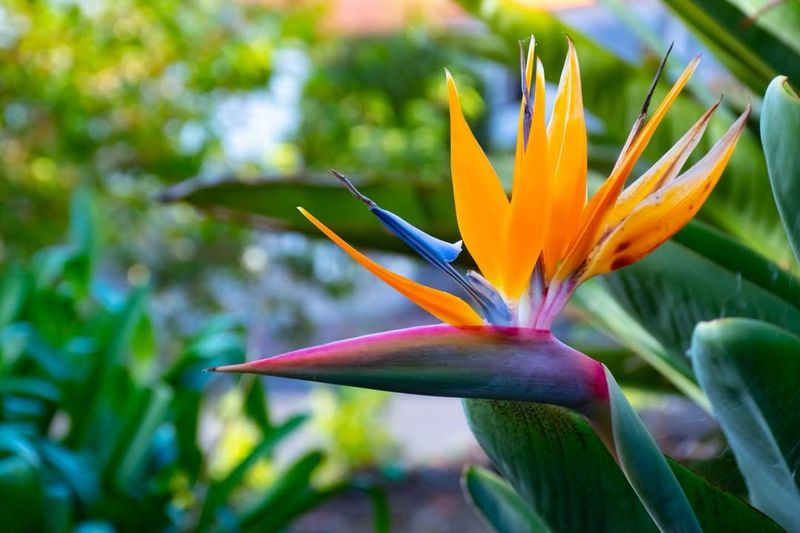
Massive paddle-shaped leaves fan out like a tropical paradise right in your California home.
Bright light is essential for keeping those leaves looking vibrant and encouraging the plant to reach its full potential.
South-facing windows or sunrooms provide the intensity this sun-lover craves.
Height can reach impressive levels indoors, sometimes growing six feet or taller with proper care.
Plan for adequate ceiling clearance when choosing where to position your specimen.
Regular watering during the growing season keeps the soil consistently moist but never waterlogged. California’s dry air means checking soil moisture more frequently than in humid climates.
New leaves emerge tightly rolled and unfurl over several days, creating an exciting process to watch.
Each new leaf adds to the plant’s dramatic silhouette and lush appearance.
Splitting along the leaf edges is natural and actually helps the plant withstand strong winds in its native environment. Don’t worry if you notice this happening to your indoor plant.
Fertilizing every two weeks during spring and summer fuels that vigorous growth California plant enthusiasts love. Use a balanced liquid fertilizer diluted to half strength.
Humidity levels around 60 percent keep leaves looking pristine without brown edges. Grouping plants together or using a humidifier helps achieve this in drier California homes.
4. Rubber Plant
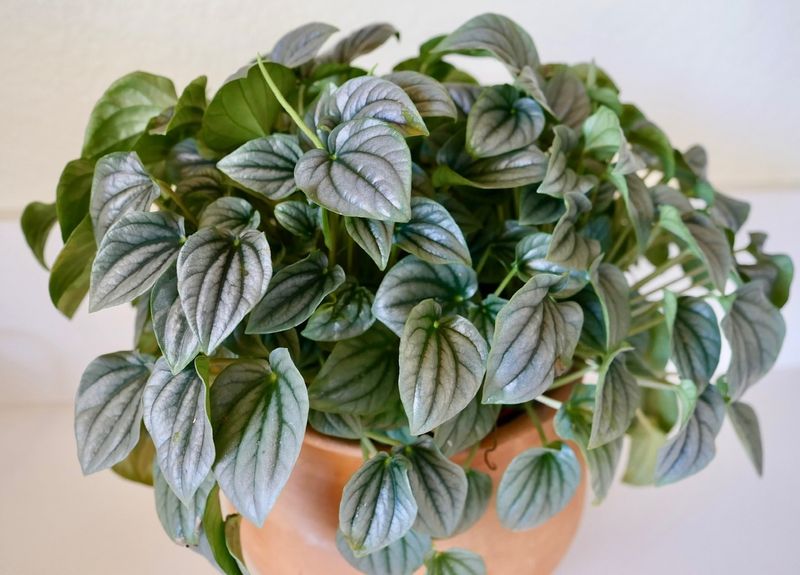
Glossy, deep green leaves reflect light beautifully, adding sophistication to any California interior. Some varieties feature burgundy or variegated foliage that introduces color without flowers.
Low maintenance requirements make this plant perfect for busy California homeowners who want style without constant fussing.
It tolerates a range of lighting conditions, though bright indirect light produces the best growth.
Watering once the top inch of soil dries out prevents both overwatering and underwatering issues.
This plant clearly communicates its needs by drooping slightly when thirsty.
Pruning controls height and encourages bushier growth, allowing you to shape the plant to fit your space. Clean cuts with sharp scissors prevent damage and promote quick healing.
Leaf wiping removes dust that accumulates on those large, smooth surfaces.
This simple maintenance task keeps the plant looking polished and enhances its natural shine.
California’s mild temperatures suit this plant perfectly year-round, eliminating concerns about cold drafts or heat stress. It adapts well to typical indoor temperature ranges found throughout the state.
Root-bound plants benefit from repotting every two to three years, though they’re fairly tolerant of snug containers. Fresh soil provides renewed nutrients for continued growth.
Propagation from stem cuttings is straightforward, allowing you to multiply your collection or share with friends. Rooting in water lets you watch root development before planting.
5. Staghorn Fern
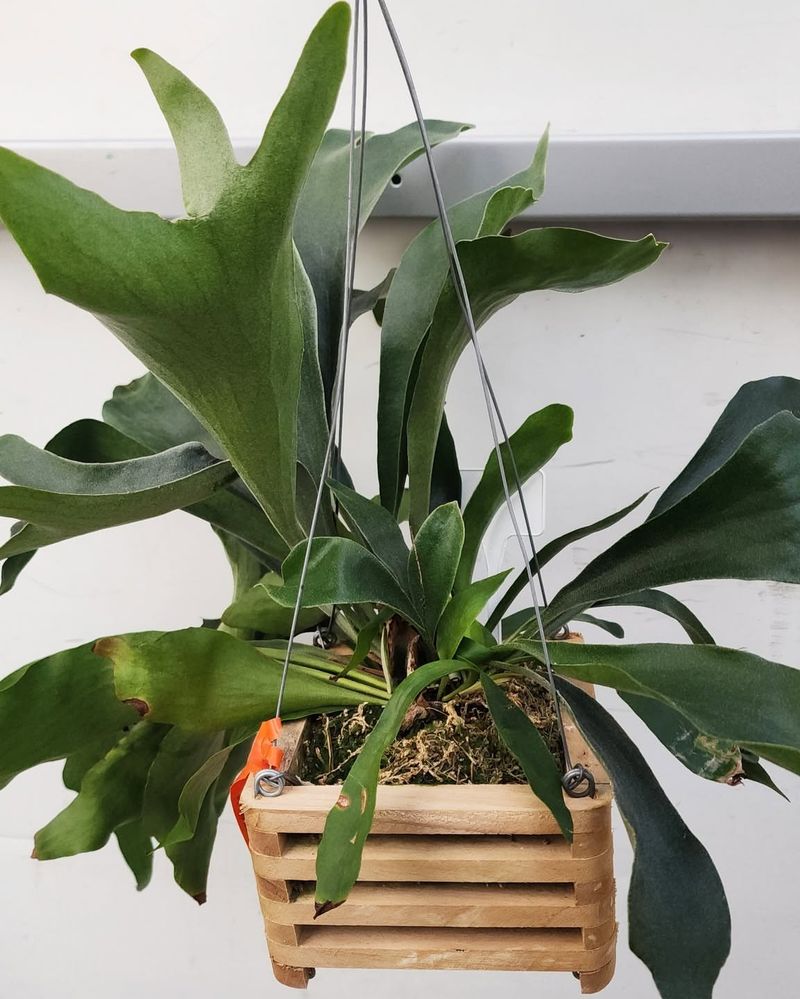
Mounted on wood or displayed in hanging baskets, this unique fern resembles antlers sprouting from your wall. California homes with bohemian or nature-inspired decor find this plant particularly appealing.
Epiphytic growth habits mean it doesn’t need traditional soil, instead drawing moisture and nutrients from the air and its mounting medium.
This unusual characteristic sets it apart from typical potted plants.
Watering involves soaking the entire mount in water for ten to twenty minutes, then allowing it to drain completely.
California’s dry climate may require weekly soaking during warmer months.
Bright, indirect light mimics the dappled sunlight it would receive growing on tree branches in nature. Avoid direct sun, which can scorch the delicate fronds.
Two types of fronds serve different purposes on the same plant.
Shield fronds grow flat against the mounting surface, while antler fronds extend outward for that distinctive look.
Brown shield fronds are normal and shouldn’t be removed, as they protect roots and help the plant absorb nutrients. Letting them remain supports overall plant health.
Humidity levels above 50 percent keep fronds looking lush and prevent browning tips. Bathrooms with windows make ideal locations in California homes.
Fertilizing monthly during the growing season with diluted liquid fertilizer supports robust frond development. Spray or soak the fertilizer solution directly onto the plant.
Pups, or baby ferns, occasionally form at the base and can be separated once they’re several inches across. This natural propagation method helps expand your collection.
6. Philodendron Birkin
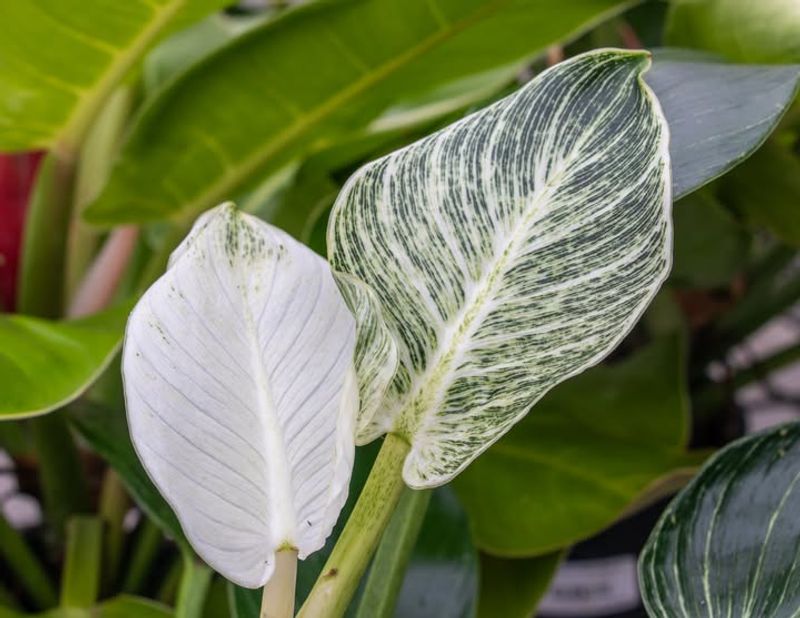
Creamy white pinstripes accent deep green leaves, creating a striking pattern that looks hand-painted.
Medium to bright indirect light maintains those gorgeous variegated markings without causing leaf burn. Too little light can cause the plant to revert to solid green leaves over time.
Compact growth habit means it won’t outgrow its space quickly, making it ideal for apartments or smaller California dwellings.
Mature plants typically reach twelve to twenty inches tall.
Watering when the top two inches of soil dry out strikes the right balance for healthy root development. Consistent moisture without sogginess keeps leaves perky and vibrant.
Well-draining potting mix prevents water from pooling around roots, which can lead to rot.
Adding perlite to standard houseplant soil improves drainage effectively.
Each new leaf unfurls with anticipation, as the variegation pattern varies slightly from leaf to leaf.
This natural variation adds to the plant’s charm and uniqueness.
California’s indoor temperatures suit this tropical plant perfectly, requiring no special heating or cooling adjustments. It thrives in the same comfortable range humans prefer.
Fertilizing every four to six weeks during spring and summer supports steady growth and vibrant coloration. A balanced houseplant fertilizer at half strength works well.
Occasional leaf cleaning with a soft, damp cloth removes dust and keeps the variegation looking crisp. This quick task takes just minutes but makes a noticeable difference.
7. Alocasia Polly
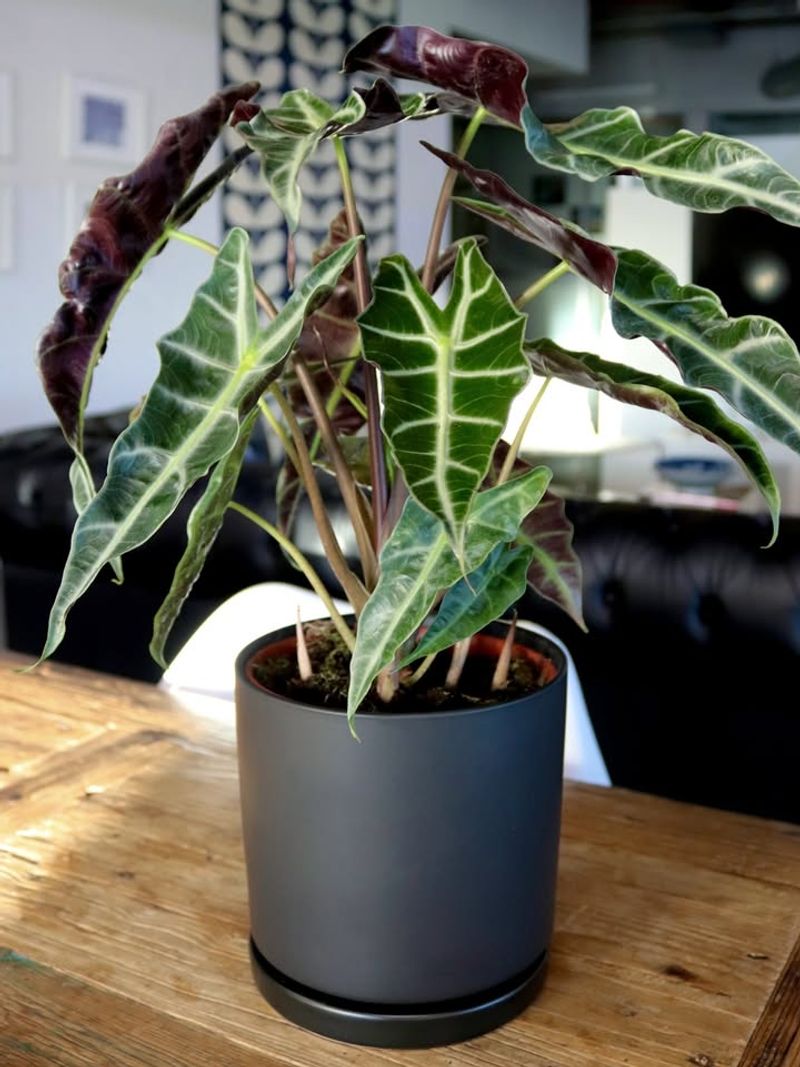
Arrow-shaped leaves with striking white veins create dramatic contrast that commands attention in any California room.
Bright, indirect light brings out the most vibrant coloring in those distinctive veins.
Direct sun can fade the deep green background or cause unsightly brown spots.
Watering requires attention to soil moisture levels, as this plant prefers consistent dampness without sitting in water. California’s climate variations mean adjusting watering frequency seasonally.
High humidity levels make a significant difference in keeping leaves looking pristine without crispy edges. Placing the pot on a pebble tray filled with water increases ambient moisture around the plant.
Dormancy periods may occur during winter when growth slows and some leaves yellow naturally.
Reducing water during this time prevents root issues while the plant rests.
New leaves emerge tightly rolled and gradually unfurl to reveal their full beauty over several days.
Watching this process never gets old for California plant enthusiasts.
Well-draining soil mixed with perlite or orchid bark prevents the waterlogged conditions this plant dislikes. Good drainage protects roots while maintaining necessary moisture.
Fertilizing every two weeks during active growth supports healthy leaf production and intense coloration. Use a diluted liquid fertilizer formulated for foliage plants.
Rotating the pot regularly ensures all sides receive equal light exposure, promoting balanced growth.
This habit prevents lopsided development that can look awkward.
8. Calathea Orbifolia
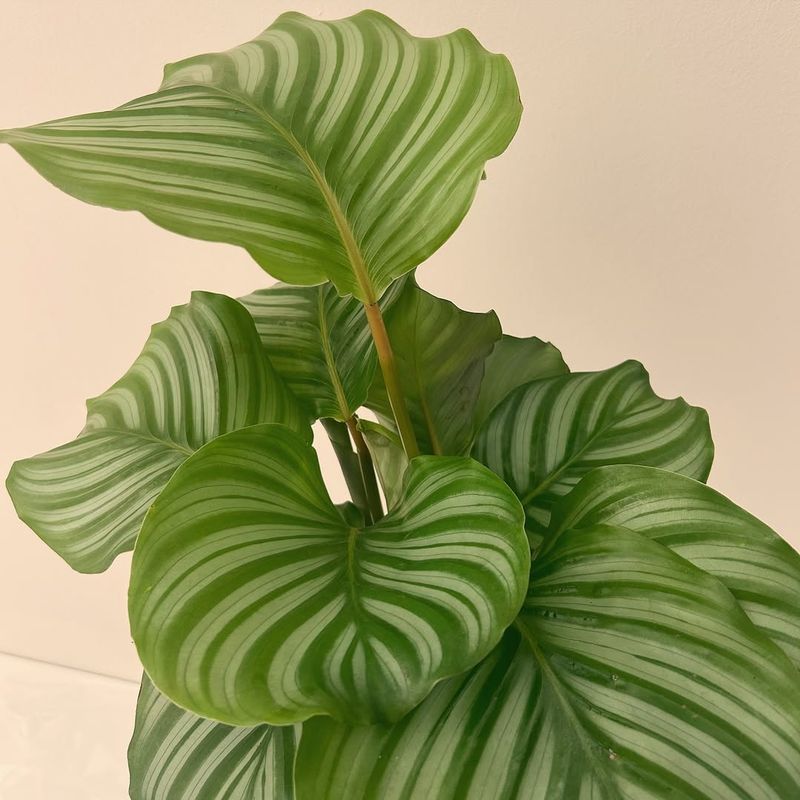
Wide, rounded leaves feature silvery stripes that shimmer in changing light, creating a mesmerizing effect. This plant brings a sense of calm elegance to California interiors with its soft, sophisticated coloring.
Medium indirect light preserves those delicate markings without causing fade or burn.
Morning sun from an east-facing window works particularly well in California homes.
Humidity requirements are higher than average, making bathrooms or kitchens with good natural light ideal locations.
Dry air causes leaf edges to brown and curl, detracting from the plant’s beauty.
Watering with filtered or distilled water prevents brown spots caused by chemicals commonly found in tap water.
California’s hard water in many areas makes this consideration especially important.
Soil should remain consistently moist but never soggy, requiring more frequent watering than many other houseplants.
Checking moisture daily helps you develop the right routine.
Leaves fold upward at night and reopen in the morning, a fascinating movement called nyctinasty.
This daily rhythm adds an interactive element that California plant lovers find enchanting.
Temperature stability matters, as drafts from air conditioning or heating vents can stress the plant. Positioning away from vents maintains the consistent warmth this tropical plant prefers.
Fertilizing monthly during the growing season with a diluted, balanced fertilizer supports healthy leaf development.
Avoid over-fertilizing, which can cause leaf tip burn.
Repotting every year or two refreshes the soil and gives roots room to expand. Spring is the ideal time for this task in California homes.
9. Ponytail Palm
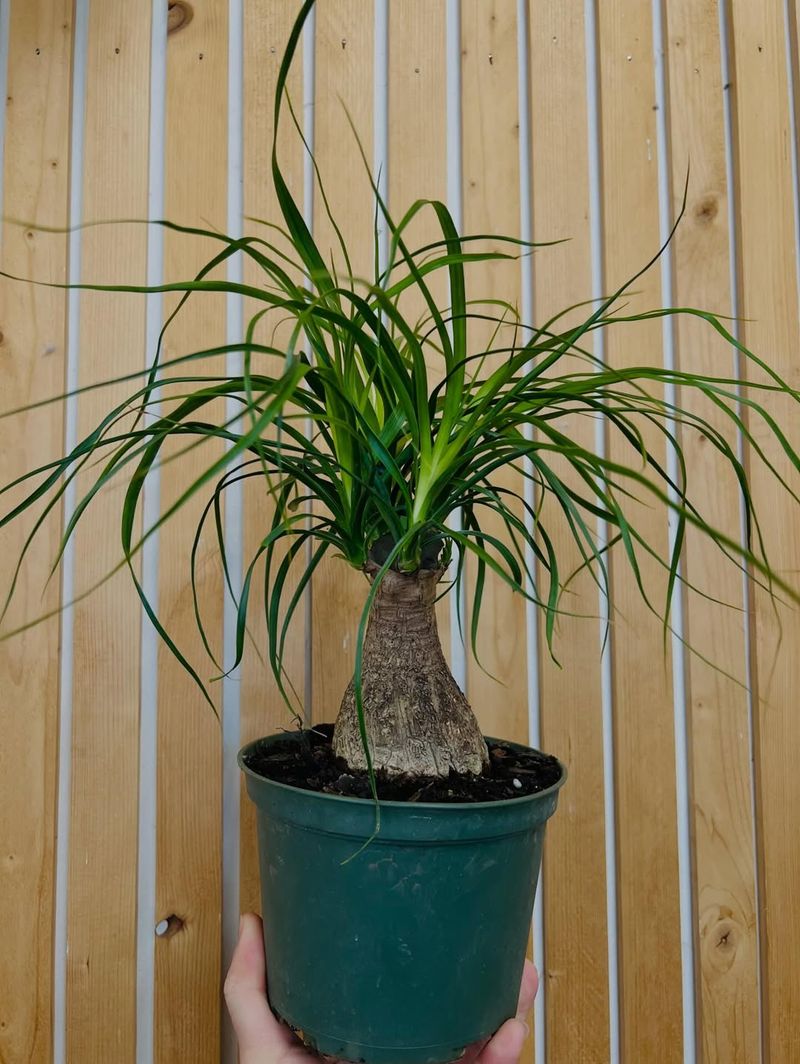
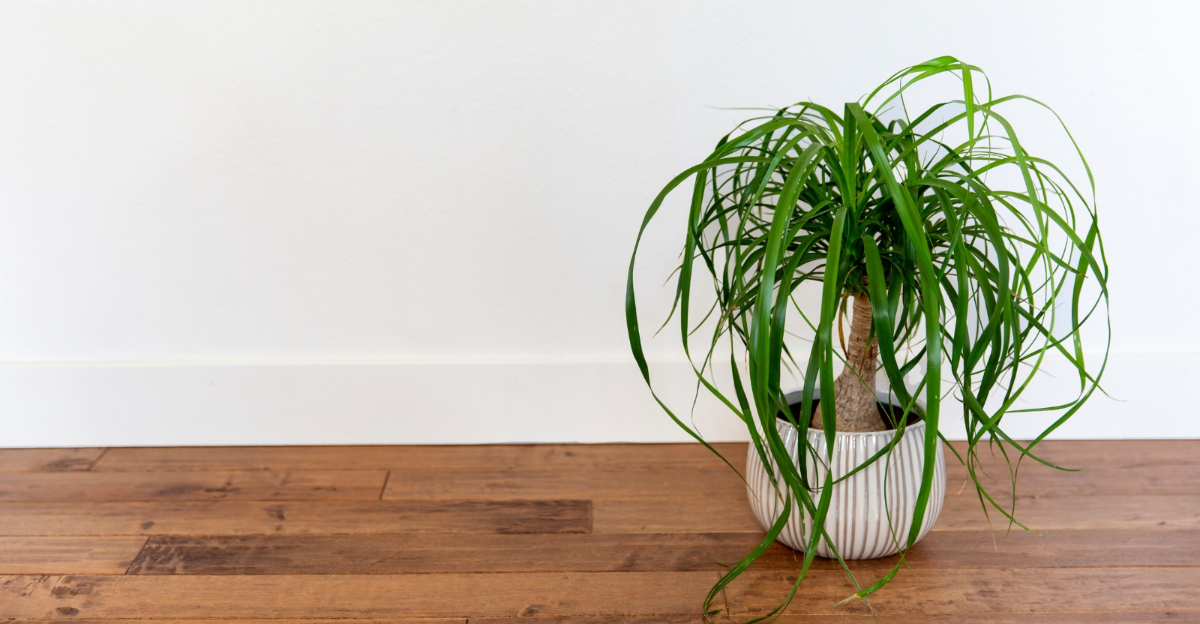
A bulbous trunk stores water, topped with cascading grass-like leaves that create a whimsical fountain effect.
Drought tolerance makes it perfect for forgetful waterers or frequent travelers exploring California’s many attractions.
The swollen base acts as a reservoir, allowing the plant to survive extended dry periods.
Bright light, including some direct sun, keeps growth compact and encourages that characteristic full crown of leaves.
South or west-facing windows provide ideal conditions throughout the state.
Watering deeply but infrequently mimics the plant’s native desert environment.
Allow soil to dry completely between waterings, which might mean watering only every two to three weeks in California homes.
Well-draining cactus or succulent soil prevents the root rot that would occur in moisture-retentive mixes. Adding extra pumice or sand improves drainage even further.
Slow growth means this plant won’t quickly outgrow its designated spot, maintaining its size for years.
This stability makes space planning easier in California interiors.
Minimal fertilizing requirements mean feeding once or twice during the growing season is sufficient.
Too much fertilizer can actually harm this low-nutrient-adapted plant.
Leaf tips may brown naturally as older foliage ages, and trimming these with scissors keeps the plant looking tidy. This minimal grooming takes just moments.
10. Chinese Money Plant
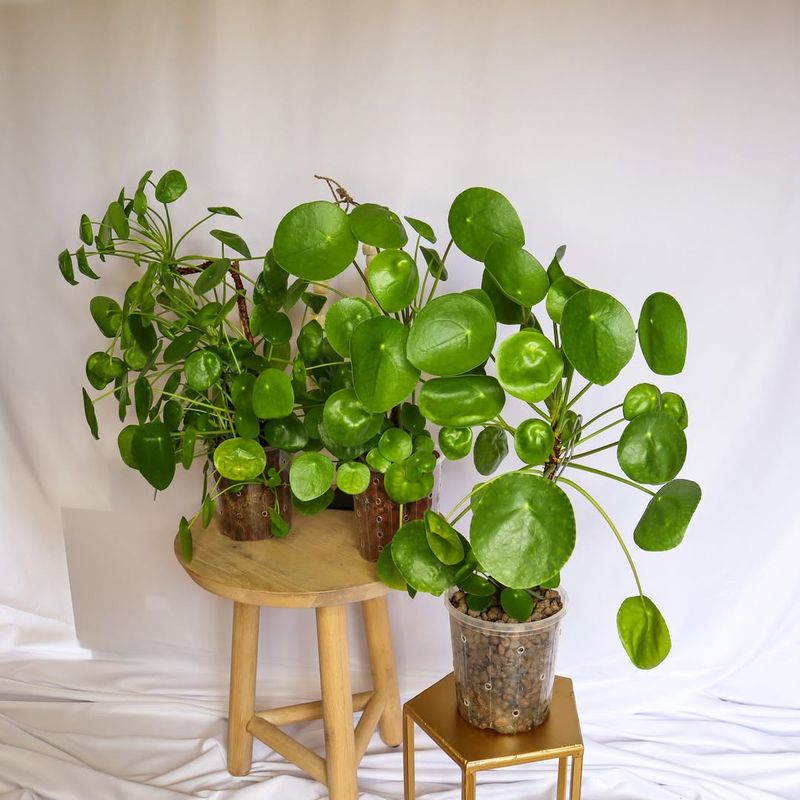
Perfectly round, coin-shaped leaves on delicate stems create a charming, almost cartoonish appearance.
Bright, indirect light keeps growth full and prevents the plant from stretching toward the light source. Rotating the pot regularly promotes even development on all sides.
Watering when the top inch of soil dries out maintains healthy roots without risking overwatering.
This plant communicates its needs by drooping slightly when thirsty, then perking up after watering.
Well-draining potting mix prevents water from sitting around roots, which can cause rot.
Standard houseplant soil works well, or you can add perlite for extra drainage security.
Plantlets, or pups, frequently appear around the base of the mother plant.
These babies can be separated and potted individually, making it easy to share with friends across California.
Fertilizing monthly during spring and summer supports steady growth and vibrant leaf color.
A balanced liquid fertilizer diluted to half strength provides adequate nutrition.
Leaf cleaning with a soft cloth removes dust that can accumulate on those flat, circular surfaces.
Clean leaves photosynthesize more efficiently and look more attractive.
California’s moderate indoor temperatures suit this plant perfectly, requiring no special environmental adjustments. It thrives in the comfortable conditions humans prefer.
11. Snake Plant
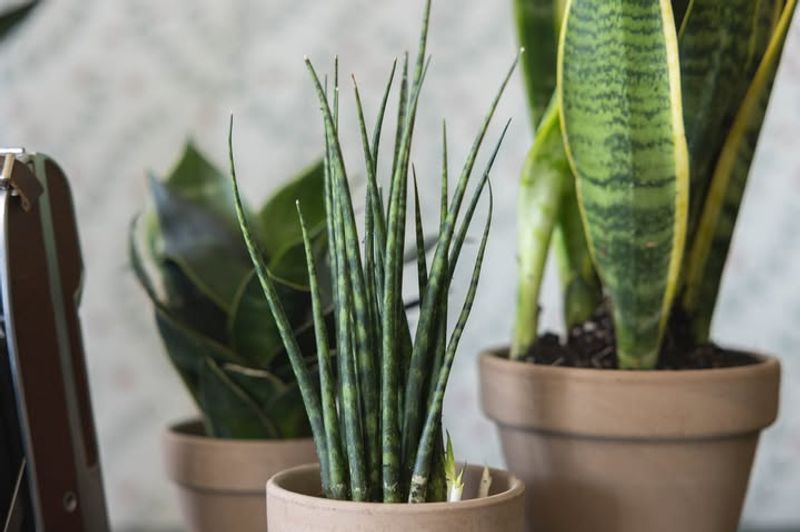
Tall, upright leaves with striking patterns stand like architectural sculptures in California homes.
Extreme low-maintenance requirements make it perfect for beginners or anyone who travels frequently around California.
It tolerates neglect better than almost any other houseplant.
Low to bright indirect light all work fine, though growth occurs faster in brighter conditions.
This adaptability means you can place it almost anywhere in your California home.
Infrequent watering is key, as this succulent-like plant stores moisture in its thick leaves.
Watering every two to three weeks, or even monthly in winter, prevents the root rot that would result from overwatering.
Varieties range from solid green to variegated patterns with yellow edges or silvery markings.
California plant enthusiasts can choose the version that best matches their interior style.
Propagation through leaf cuttings or division makes it easy to expand your collection or share with friends. A single leaf section can produce a whole new plant over several months.
Fertilizing once or twice yearly is sufficient, as this plant adapted to survive in nutrient-poor conditions. Over-fertilizing causes more problems than benefits.