Use These Tricks For More Bottlebrush Tree Blooms In California
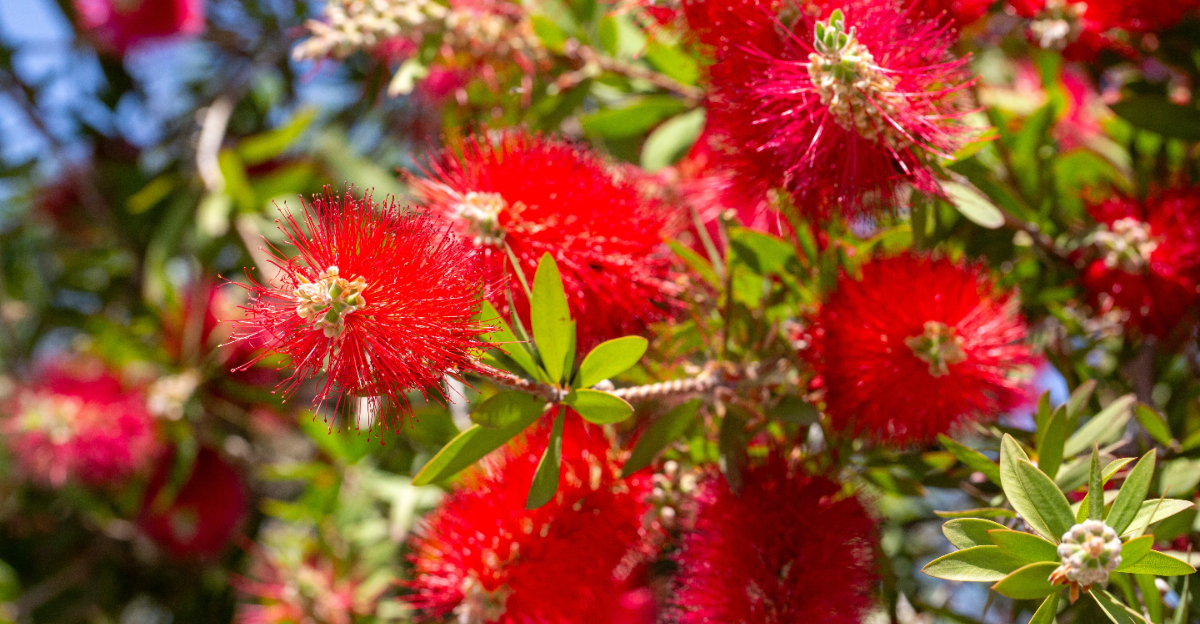
Bottlebrush trees already look like they were designed by someone who wanted hummingbirds to lose their minds.
Those fuzzy red blooms are bold, cheerful, and impossible to ignore, but getting more of them in a California yard takes a little strategy.
Sunshine is the big one, since these trees bloom best when they get plenty of direct light. Smart pruning matters too, because cutting at the wrong time can remove the next round of flowers before they ever get a chance to show off.
Add deep but not constant watering, well-drained soil, and a light hand with fertilizer, and the whole tree can shift into bloom mode instead of leafy overgrowth mode.
A stressed or shaded bottlebrush may still survive, but a well-placed, well-timed one puts on the kind of floral fireworks that make the whole yard feel brighter.
1. Prune After Blooming
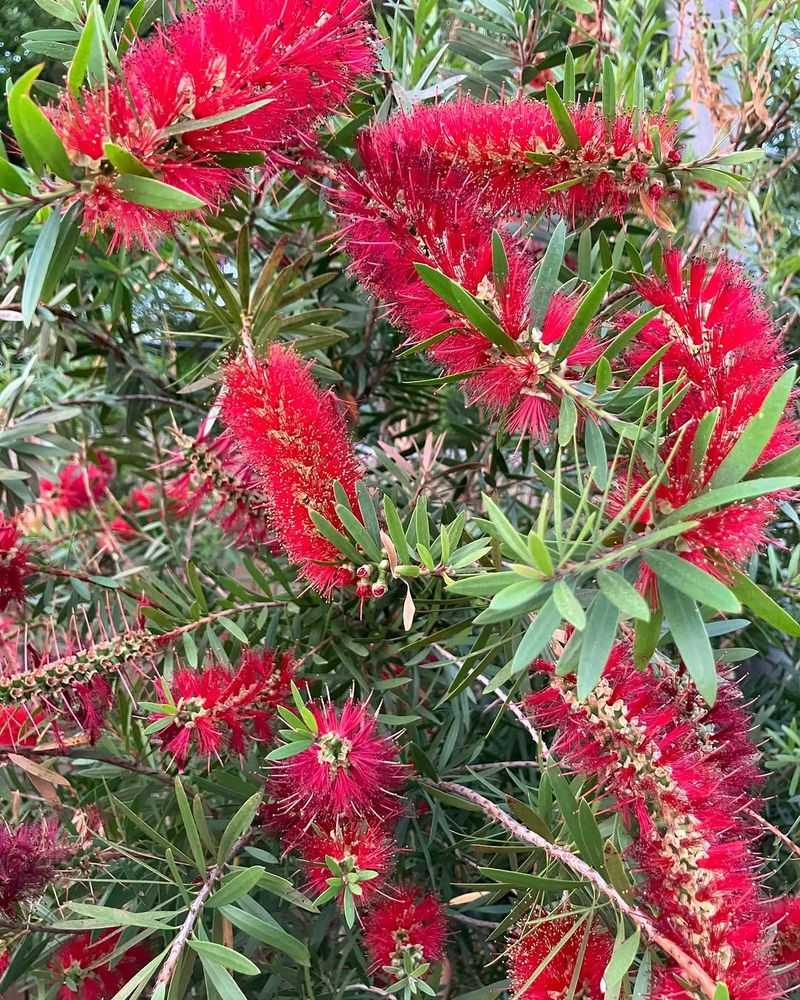
Timing is everything when it comes to getting more blooms from your bottlebrush tree. One of the best-kept secrets among California gardeners is simple: prune right after the flowers fade.
When you do this, you give the tree a clear signal to start pushing out new growth, and that new growth is exactly where the next round of blooms will form.
Bottlebrush trees bloom on new wood. That means the fresh branches that grow after you prune are the ones that will carry your next set of flowers.
If you skip pruning or wait too long, the tree puts its energy into old, woody growth instead of producing new flower-bearing stems.
In California, the timing works out well because the climate allows for a long growing season. After the main spring bloom fades, grab your pruning shears and get to work.
You do not need to do anything dramatic. Just a light trim right after blooming can set off a chain reaction of new growth and new blooms.
It is one of those small steps that pays off in a big, colorful way throughout the rest of the season.
2. Cut Spent Flowers
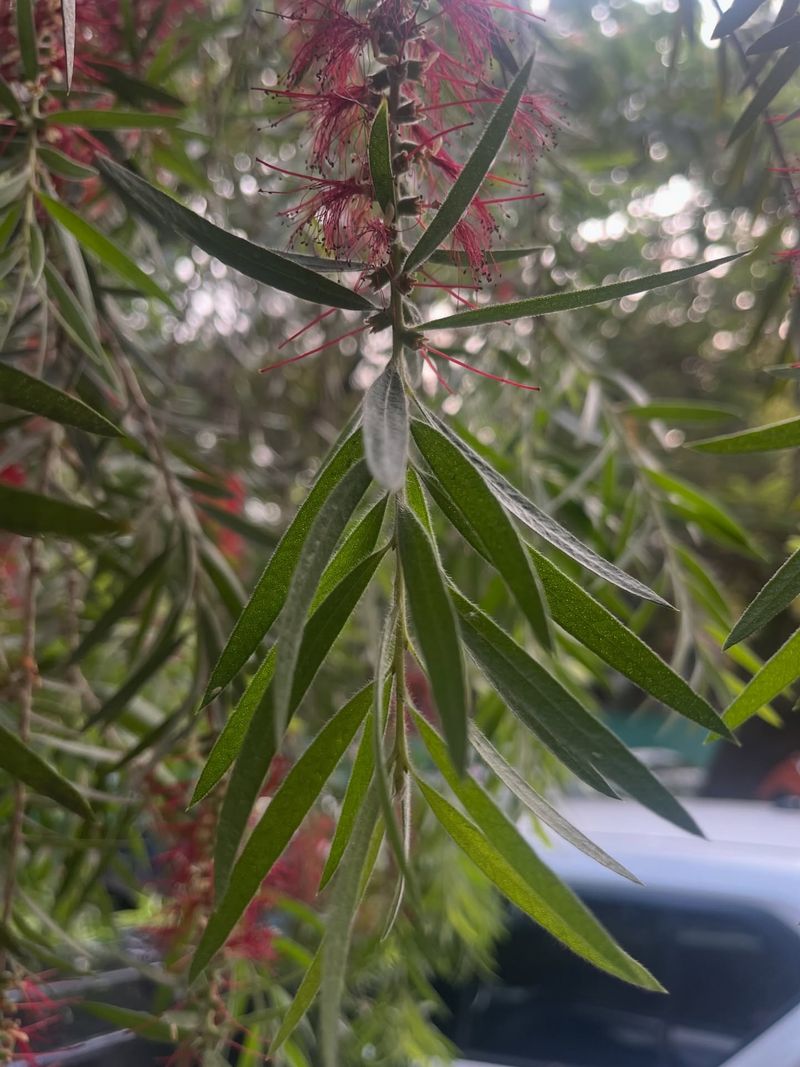
Those fuzzy, faded flower spikes might not look like much after they are done blooming, but leaving them on the tree is actually holding your bottlebrush back. Cutting spent flowers is one of the easiest and most rewarding things you can do to encourage more blooms.
Think of it like telling the tree, hey, your job is not done yet.
When a bottlebrush flower fades, the tree starts putting energy into forming seed pods. Once the tree goes into seed production mode, it slows down on making new flowers.
By snipping off those spent blooms before seed pods form, you redirect all that energy back into producing fresh flowers instead.
In California, where the growing season stretches long and warm, this trick can give you multiple bloom cycles in a single year. Use a clean, sharp pair of pruning shears and cut just below the spent flower spike, right above a set of healthy leaves.
Do this consistently throughout the season and you will notice a real difference. It is a quick task that takes just a few minutes per tree, but the payoff in color and fullness is absolutely worth it.
Your California Garden Changes Every Week. Your Plan Should Too.
Gardening in California changes quickly throughout the season. Every Friday you’ll receive a simple weekly plan showing exactly what to plant, prune, fertilize, harvest, and protect so you never miss the right timing.
3. Avoid Late Pruning
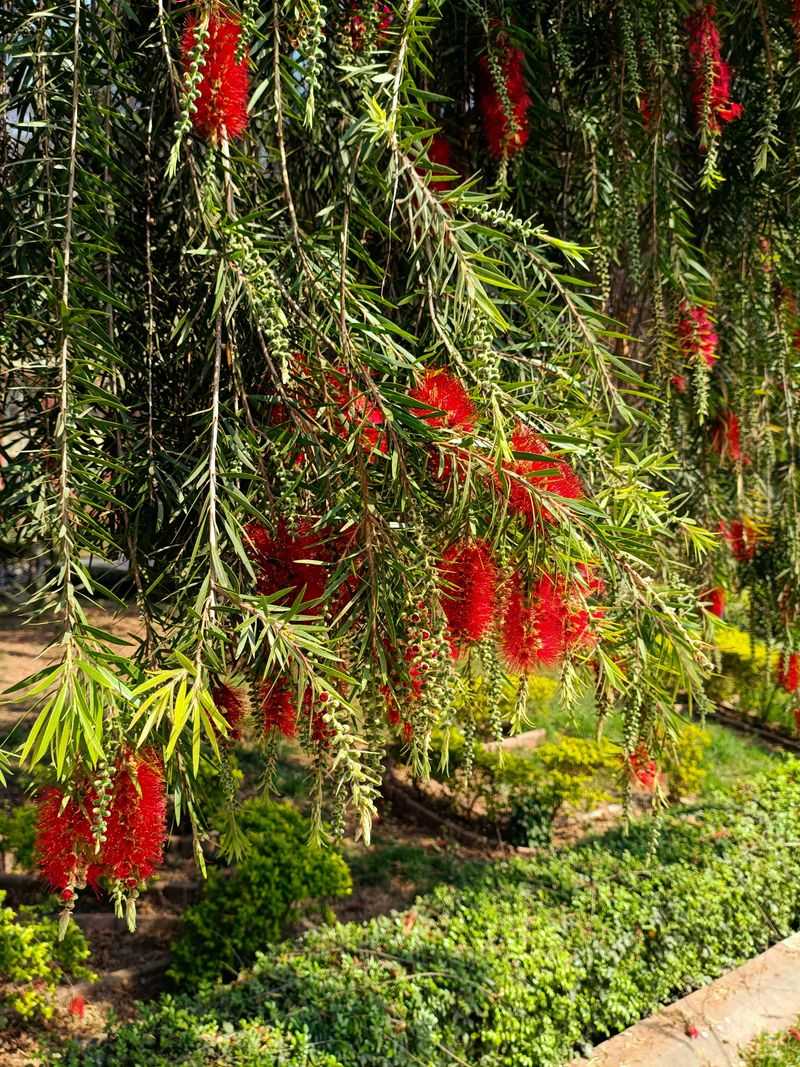
Here is something that surprises a lot of California gardeners: pruning at the wrong time of year can actually reduce your bottlebrush blooms instead of boosting them. Late-season pruning is one of the most common mistakes people make, and it can set your tree back significantly.
Once you understand why, it is easy to avoid.
Bottlebrush trees start forming their flower buds in late summer and early fall. If you prune during this window, you end up cutting off the buds before they ever get a chance to open.
That means fewer blooms when spring rolls around, and all your hard work goes to waste without you even realizing what happened.
The general rule for California gardeners is to finish any major pruning by midsummer at the latest. This gives the tree plenty of time to recover and set new buds before the cooler months arrive.
If you notice the tree needs some cleanup in late fall or winter, stick to removing only dead or damaged branches. Save the real shaping and trimming for right after the blooms fade in spring or early summer.
A little patience with your timing goes a long way toward a spectacular display next season.
4. Shape Lightly
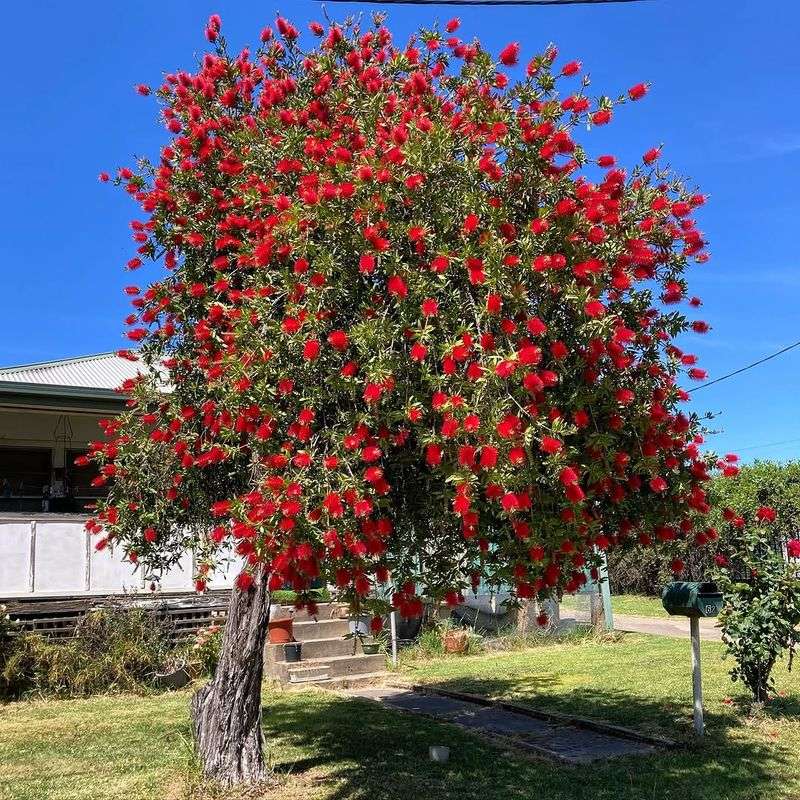
Light shaping is the sweet spot for bottlebrush trees, especially in California where these plants thrive in warm, sun-drenched conditions. You do not need to go heavy-handed to get results.
A gentle, thoughtful trim is all it takes to keep the tree looking tidy and to encourage a fuller, more floriferous shape over time.
When you shape lightly, you are working with the tree rather than against it. Focus on trimming back any branches that are crossing, rubbing, or growing in awkward directions.
Remove a little length from the outer edges to encourage bushier, denser growth. This approach helps the tree develop a nice, rounded canopy that is covered in blooms when the season arrives.
Think of it like a haircut rather than a renovation. You are just cleaning things up and nudging the tree in a good direction.
California gardeners who shape their bottlebrush trees lightly and consistently tend to end up with healthier, more floriferous plants than those who let the tree go for years and then try to make up for it with aggressive cuts. Little and often is the winning approach here, and your tree will show its appreciation with a stunning show of color.
5. Skip Hard Shearing
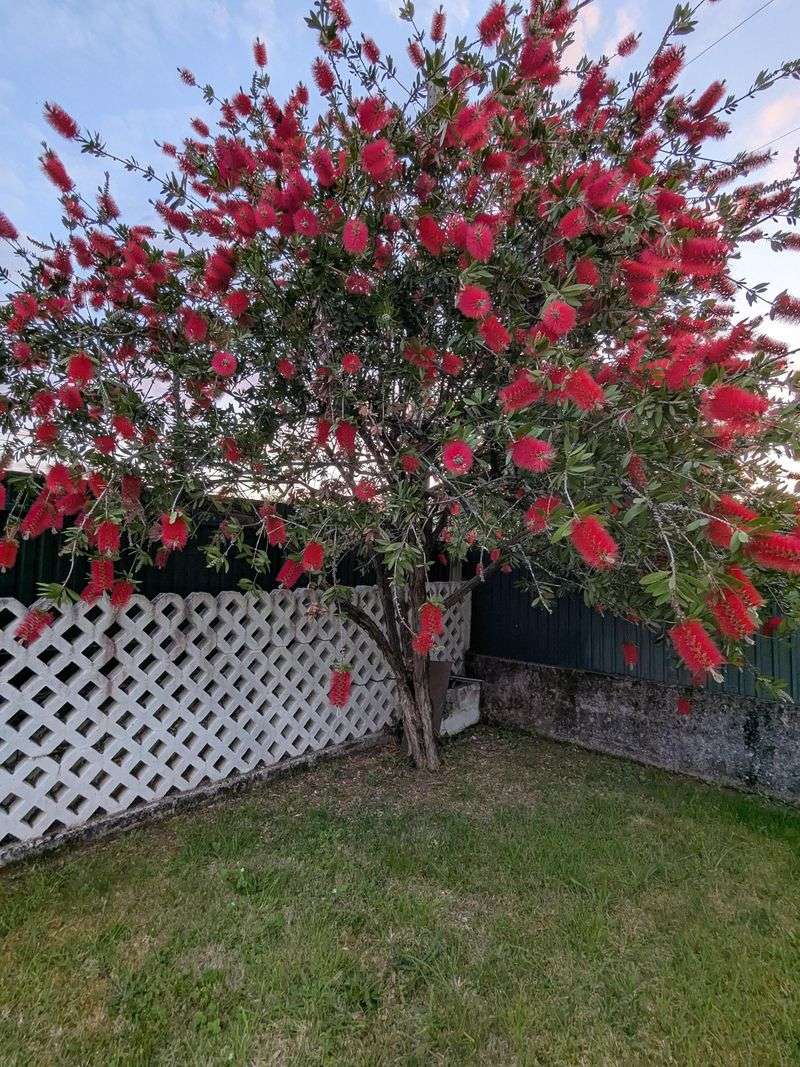
Grab your hedge trimmer and step away from the bottlebrush. Hard shearing is one of the fastest ways to reduce blooms on these beautiful California trees, and it is a habit worth breaking as soon as possible.
Many people treat bottlebrush like a formal hedge, cutting it into a tight box or ball shape, but that approach actually works against the tree’s natural blooming cycle.
When you shear hard, you cut off not just old growth but also the new tips where flower buds are developing. The result is a dense wall of leafy growth with very few flowers poking through.
The tree looks neat, sure, but it loses the wild, colorful charm that makes bottlebrush so popular across California landscapes in the first place.
Instead of shearing, reach in with hand pruners and make individual cuts. This selective approach removes what needs to go while leaving the flower-bearing tips intact.
It takes a bit more time than running a hedge trimmer along the surface, but the difference in bloom production is dramatic. California gardeners who switch from hard shearing to hand pruning often report seeing twice as many blooms within a single season.
Your bottlebrush will look more natural and bloom far more freely as a result.
6. Water Deeply After
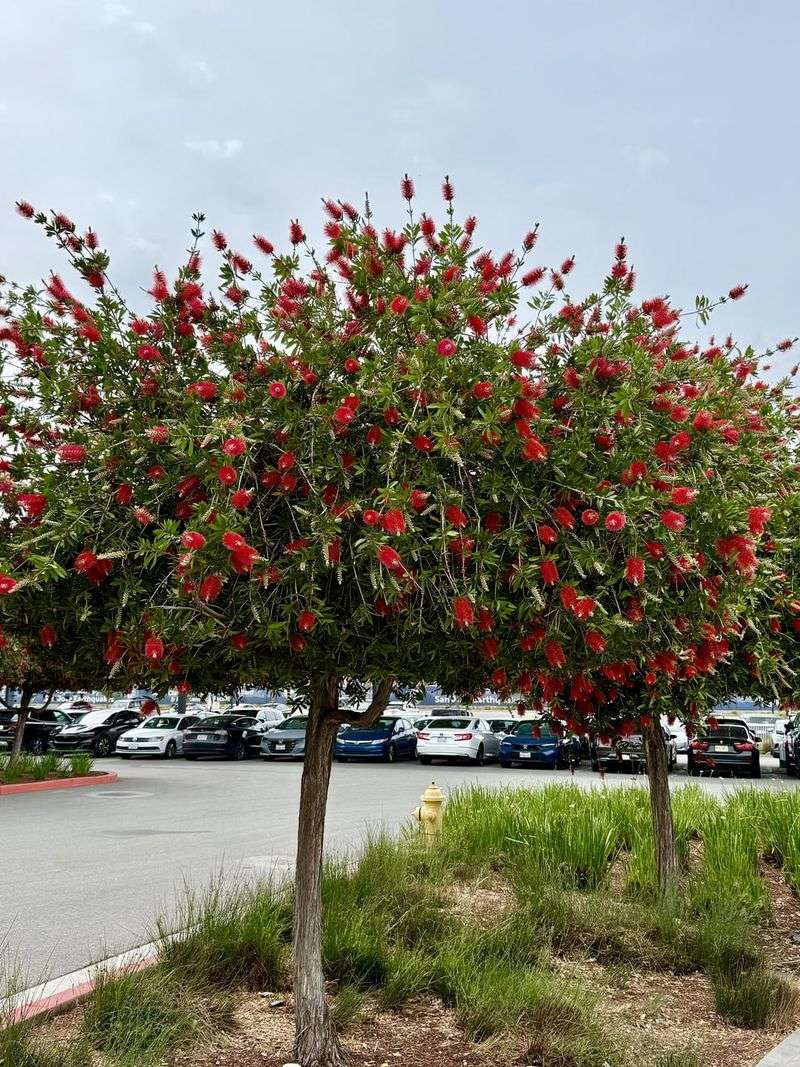
After you prune your bottlebrush tree, giving it a good deep watering is one of the smartest things you can do to support new growth and future blooms. Pruning puts a little stress on any plant, and water is one of the best ways to help the tree bounce back quickly and channel its energy into producing fresh, flower-bearing branches.
Deep watering means letting the water soak slowly into the soil rather than just wetting the surface. You want the moisture to reach the roots, which can extend quite far down in California’s often dry and sandy soils.
A slow soak for 20 to 30 minutes works much better than a quick splash from the hose. Doing this once or twice a week after pruning gives the tree everything it needs to push out new growth fast.
Bottlebrush trees are drought-tolerant once established, but they still respond well to extra moisture right after pruning, especially during California’s hot summer months. Think of it as giving the tree a good drink to kick off its recovery.
Once you see new green tips starting to emerge, you can ease back on the watering and let the tree settle into its normal routine. Healthy hydration leads directly to healthier blooms.
7. Feed For Reblooming
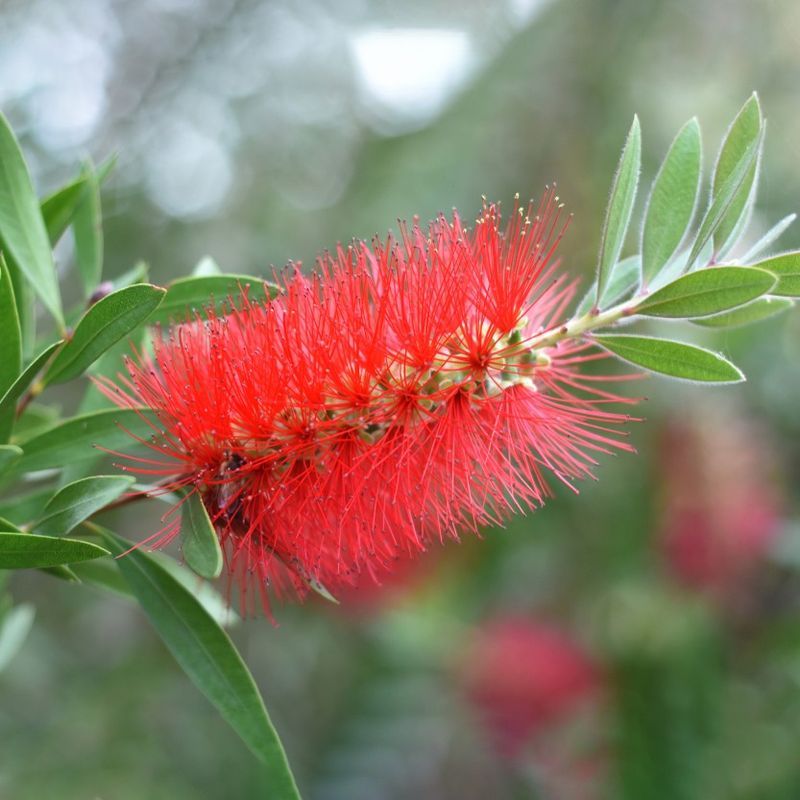
Want to push your bottlebrush tree into full reblooming mode? Feed it.
A well-timed dose of the right fertilizer can make a noticeable difference in how many blooms your tree produces, especially after pruning. California’s warm climate gives bottlebrush trees a long active growing season, which means they have the energy to rebloom several times if they have the nutrients to support it.
Look for a fertilizer that is lower in nitrogen and higher in phosphorus. Nitrogen pushes leafy green growth, which is great for lawns but not ideal when you want flowers.
Phosphorus, on the other hand, supports root development and flower production. A balanced bloom-boosting fertilizer applied in late winter or early spring, and again after the first flush of blooms fades, can give your tree the fuel it needs to keep flowering.
Sprinkle the fertilizer around the drip line of the tree, which is the outer edge of the canopy, and water it in well. Avoid piling fertilizer right up against the trunk.
Do not over-fertilize either, because too much can actually work against you. Once or twice a season is usually plenty for California bottlebrush trees.
Pair feeding with smart pruning and you will have one of the most colorful trees on the block.