Valentine’s Day Flower Tips For Oregon: Choose 10 Blooms That Last Longer
Valentine’s Day flowers should do more than look good for one night. They should last, stay fresh, and keep their color for days.
If you’ve ever watched a bouquet wilt too fast, you know how disappointing that can be.
Living in Oregon adds its own challenges. Cool temperatures, rain, and indoor heating can all affect how flowers hold up.
Over the years, I’ve learned that choosing the right blooms makes a huge difference. Some flowers fade quickly. Others stay beautiful much longer with very little effort.
You might be buying flowers for someone special or picking up a small bouquet for yourself. In both cases, smart choices matter.
Picking longer-lasting blooms saves money and keeps your space looking bright.
1. Ranunculus
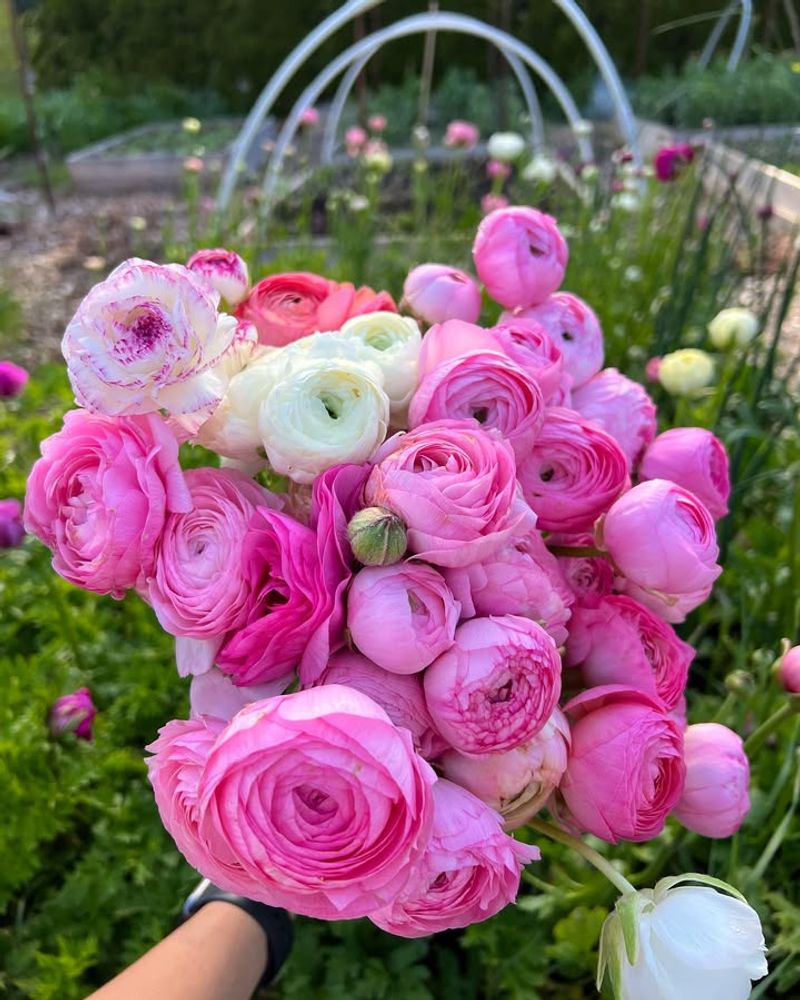
A friend once asked why her Valentine’s bouquet looked so elegant, and I pointed straight to the ranunculus nestled among the greenery. These blooms resemble a mix between roses and peonies, with layered, paper-thin petals forming soft, rounded shapes.
They come in buttery yellows, blush pinks, coral tones, and creamy whites that instantly elevate any arrangement.
Ranunculus tend to perform well in cooler indoor temperatures. With good care, they usually last around seven to ten days in a vase.
When you bring them home, recut stems under running water and place them in a clean vase with fresh water and flower food. Change the water every couple of days and keep them in a cool location away from direct sun.
Their stems are delicate, so handle them gently when trimming. They drink a surprising amount of water, so check the vase daily and refill as needed.
Late winter ranunculus are sometimes available from regional growers, which means Oregon shoppers may find especially fresh stems at florists and markets. Their romantic texture and respectable vase life make them a standout Valentine’s option.
2. Roses
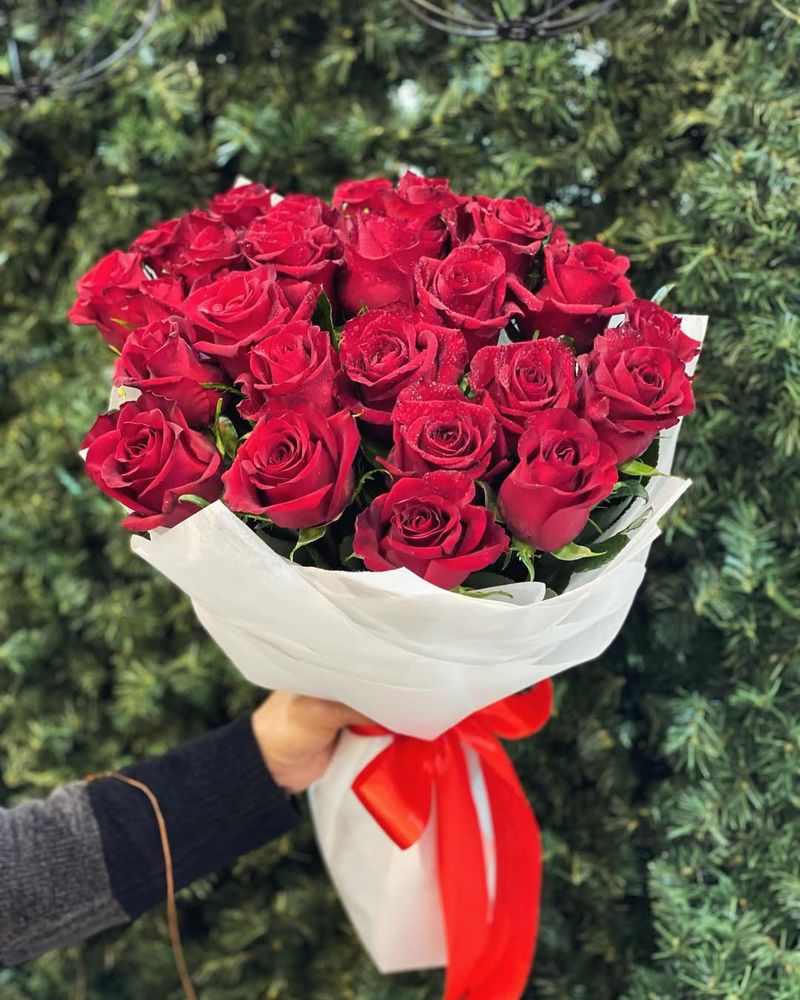
Picture yourself standing in a Portland flower shop on a chilly February afternoon, scanning rows of roses in every shade imaginable. You reach for a stem, and the florist smiles knowingly, roses remain a Valentine’s favorite for good reason.
They aren’t just romantic. When you choose fresh, tight buds and care for them properly, roses often last about seven to ten days, and sometimes longer under ideal conditions.
Many Oregon florists carry freshly delivered roses during Valentine’s season. Look for stems with firm petals that haven’t fully opened yet.
Tight buds tend to open gradually, giving you several days of changing color and shape.
To help roses last, trim stems at a sharp angle every couple of days and replace the water regularly. Remove any leaves that fall below the waterline, since decaying foliage encourages bacteria.
Roses last longest in cooler rooms away from heaters and direct sunlight, which is easy to manage in Oregon homes during winter.
Flower food works best, but if you don’t have any, keeping water clean and refreshed is the most important step. With basic care, your Valentine’s roses can stay attractive well beyond the holiday itself.
3. Tulips
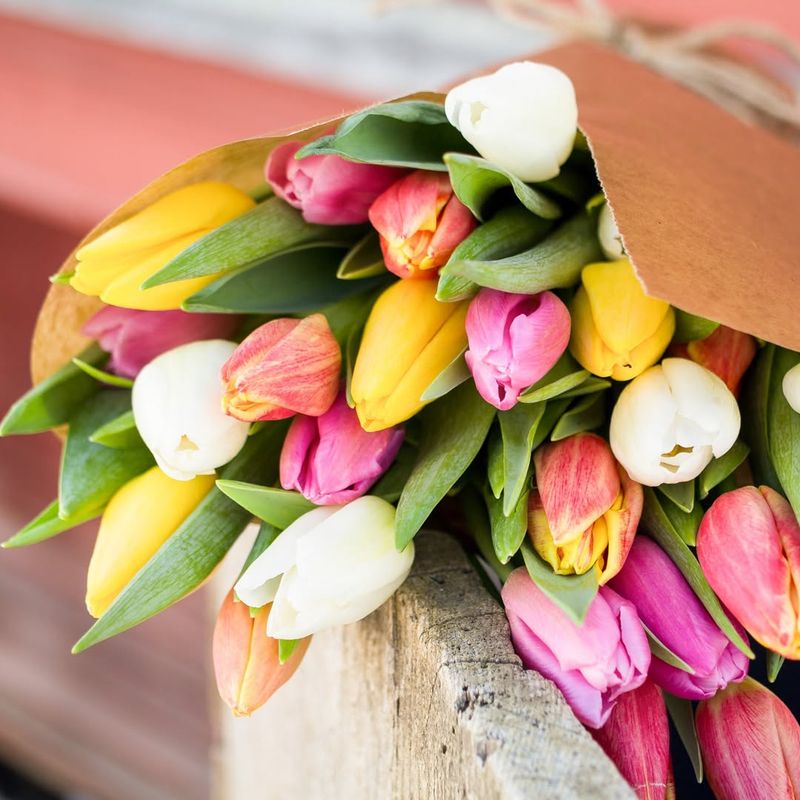
Step into any Oregon flower shop in February and you’ll see buckets filled with tulips in nearly every color imaginable. They’re cheerful, elegant, and surprisingly resilient when handled properly.
Tulips typically last about five to seven days, though cooler indoor temperatures and frequent water changes can extend that window slightly.
Tulips prefer cold water and cooler rooms. Trim stems straight across rather than at an angle and place them in a clean vase with shallow water.
They continue growing after being cut, which gives them their signature graceful curves.
Tulips naturally bend toward light. If you want straighter stems, loosely wrap the bouquet in paper for a few hours after trimming.
If you enjoy the artistic curves, simply let them move naturally.
Many Oregon growers produce tulips locally, so you may find stems that were cut very recently. Their fresh appearance and easy care make tulips a lively Valentine’s choice that feels bright and seasonal.
4. Carnations
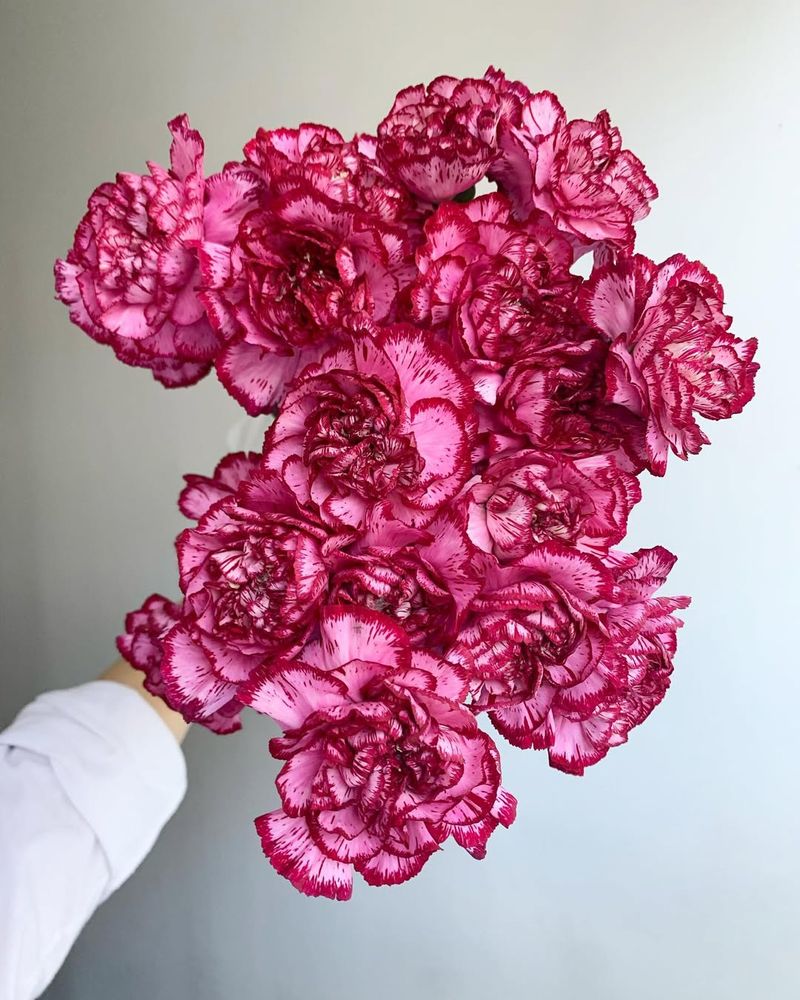
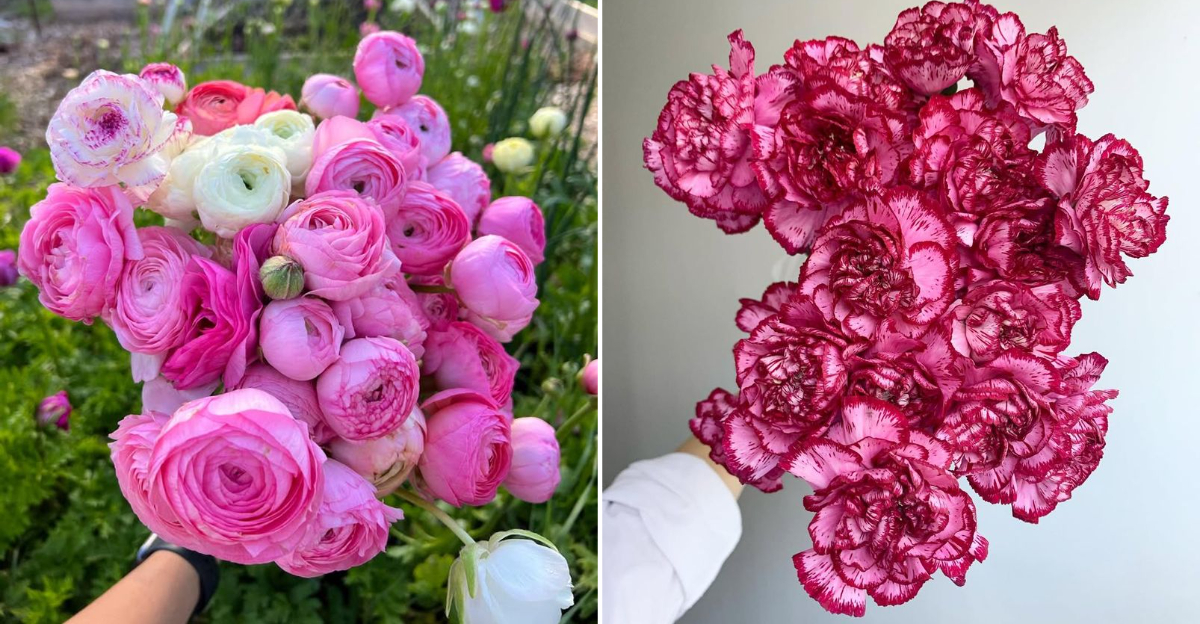
Carnations sometimes get labeled as budget flowers, but their performance tells a different story. With proper care, carnations often last two weeks or longer in a vase, making them one of the most dependable cut flowers available.
They come in a wide range of colors, including deep reds, soft pinks, whites, and patterned varieties that add interest to mixed bouquets.
Florists value carnations for their sturdy stems and ruffled petals, which hold up well in arrangements. At home, remove any leaves below the waterline and trim stems at an angle.
Use room-temperature water and refresh it every few days. Carnations tolerate different room temperatures but last longest in cooler areas away from direct sunlight.
If you’re building a Valentine’s bouquet on a budget or want flowers that stay presentable for a long stretch, carnations are a practical and attractive option that often outperform expectations.
5. Chrysanthemums
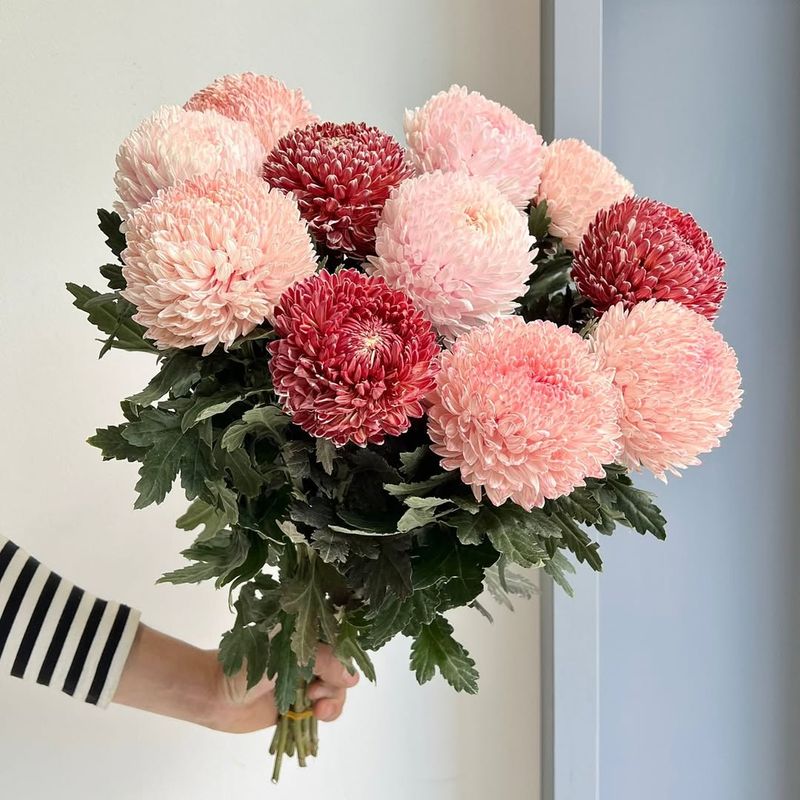
Chrysanthemums, commonly called mums, aren’t just for fall décor. They’re also excellent Valentine’s flowers when longevity is a priority.
With regular care, mums often last two weeks or more in a vase.
They come in many shapes and colors, from daisy-style blooms to pompom forms and spider varieties, offering plenty of design flexibility.
When you bring mums home, remove any submerged foliage and trim stems at an angle. Change water every few days and re-trim stems to keep water uptake strong.
Place arrangements in cool locations away from ripening fruit, which releases ethylene gas that shortens flower life.
Mums are widely available through Oregon florists year-round. Their bold appearance and long-lasting nature make them a reliable anchor flower for Valentine’s arrangements.
6. Alstroemeria
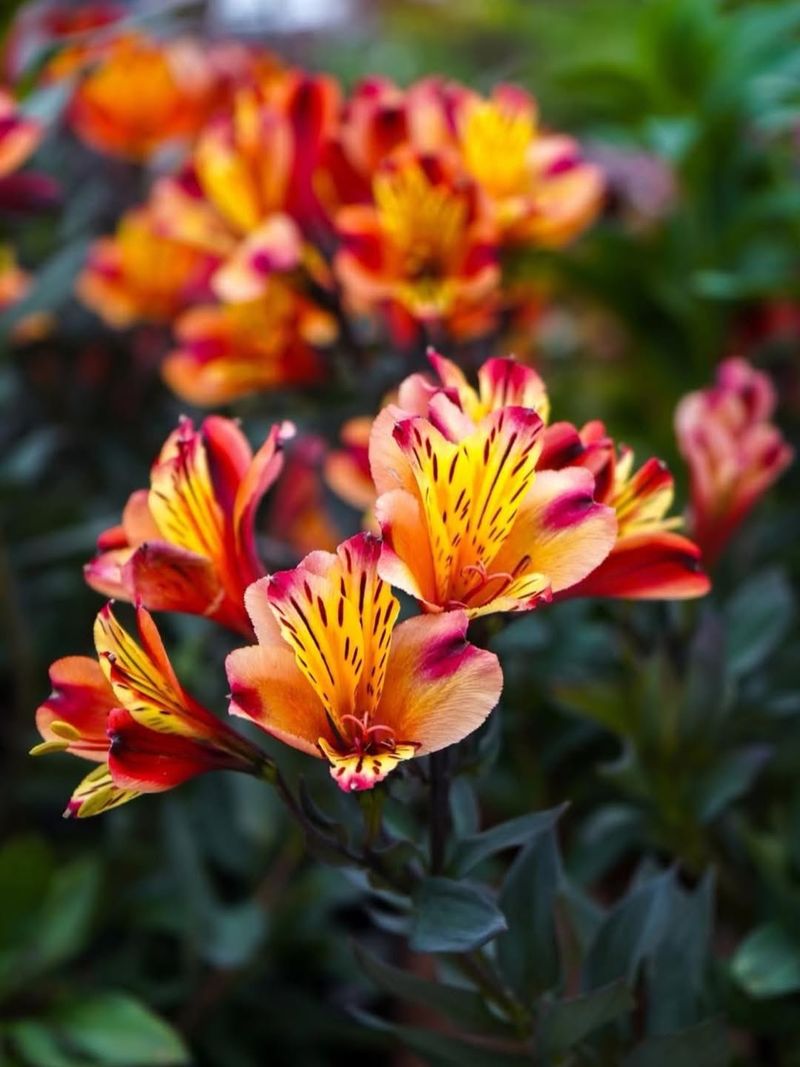
These flowers are well known for their strong vase performance and steady bloom cycle.
With proper care, alstroemeria commonly last ten to fourteen days and sometimes longer, depending on freshness and room conditions. Their trumpet-shaped blooms feature delicate streaks and spotted patterns on the petals, giving them a playful yet elegant look.
They come in nearly every color imaginable, making them easy to match with Valentine’s color palettes.
Alstroemeria stems are thick and sturdy and usually carry multiple buds. As older blooms fade, new ones open, which helps the bouquet stay visually full and lively.
When you bring them home, trim stems at an angle and place them in clean water with flower food. Remove any leaves that sit below the waterline and change the water every few days.
While they tolerate a range of temperatures, alstroemeria tend to last longer in cooler rooms away from heat sources.
Many Oregon florists stock alstroemeria year-round because of their reliability and value. Their long-lasting nature and continuous blooming habit make them an excellent choice when you want flowers that look good well beyond Valentine’s Day.
7. Orchids
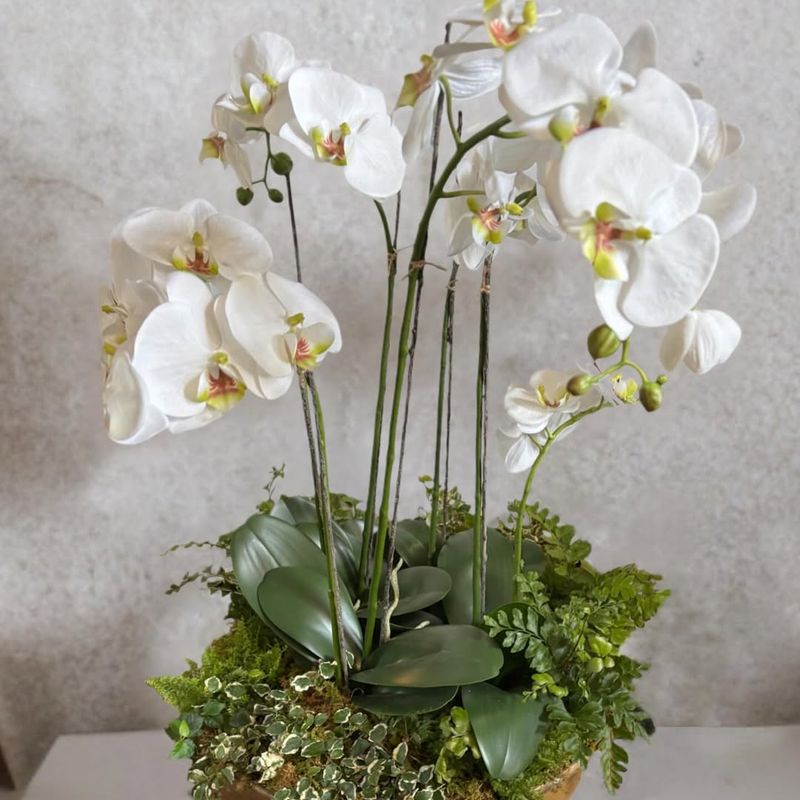
Orchids bring elegance, structure, and impressive longevity to Valentine’s arrangements. Cut orchid stems often last one to three weeks with good care, while potted orchids can remain in bloom for many weeks and sometimes months depending on variety and growing conditions.
Their exotic appearance adds a luxurious feel to bouquets. Popular Valentine’s options include classic white phalaenopsis, richly colored dendrobiums, and bold cymbidiums with thick petals that hold up well indoors.
For cut orchids, trim stems at an angle and place them in clean, room-temperature water. Change the water every few days and avoid placing them near drafts, heaters, or sunny windows.
Orchids are sensitive to temperature swings, so keeping them in a stable environment helps preserve blooms longer.
If you choose a potted orchid instead, water sparingly and place it in bright, indirect light. Avoid overwatering, as soggy roots shorten bloom life.
Many people enjoy potted orchids because they continue to provide beauty long after the holiday and may rebloom again later in the year.
Oregon florists and nurseries carry a wide selection of orchids throughout winter. Their lasting blooms and refined appearance make orchids a thoughtful Valentine’s gift that feels special and long-lasting.
8. Statice
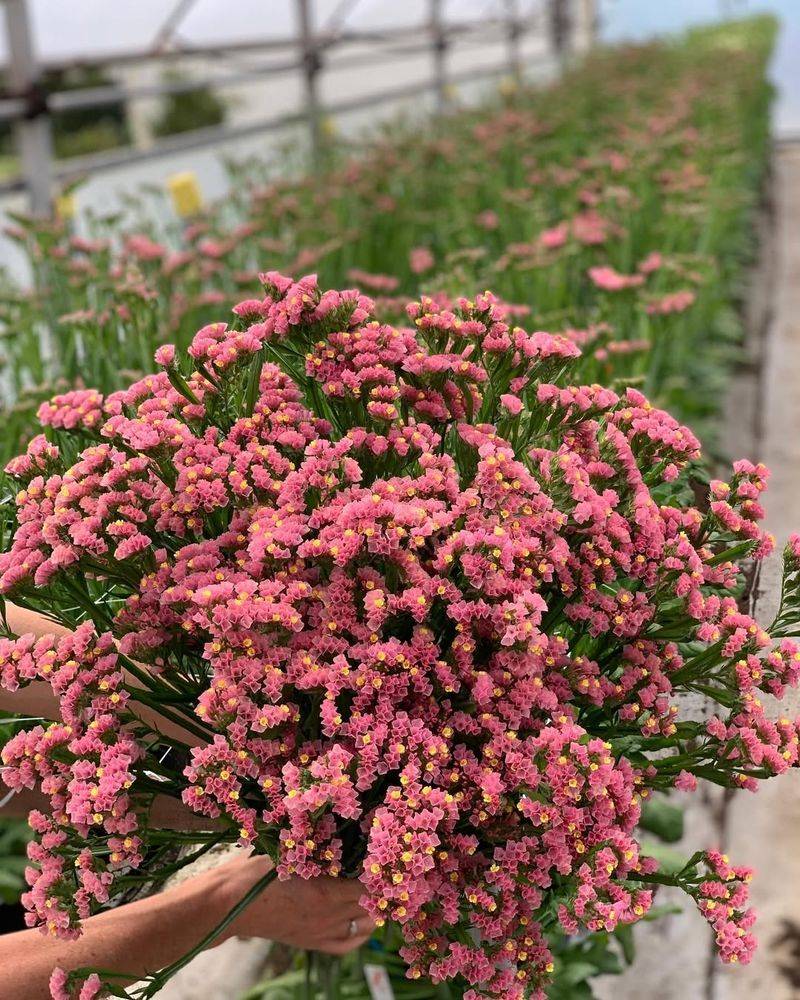
This may not be the first flower people think of for Valentine’s Day, but it offers one of the most versatile display options available. Fresh statice typically lasts about one to two weeks in water and can be dried afterward for extended decorative use.
Its papery texture adds lightness and softness to bouquets while providing volume and structure. Colors range from lavender and purple to pale pink, white, and soft yellow, allowing it to complement nearly any arrangement style.
Oregon florists often use statice as a filler flower, but it can also stand on its own in minimalist arrangements. When you bring it home, trim stems at an angle and place them in clean water.
Statice doesn’t require heavy watering but benefits from regular water changes to keep stems fresh.
Keep arrangements in cool, dry rooms away from direct heat. If you want to preserve your bouquet after Valentine’s Day, hang statice upside down in a dark, dry location for one to two weeks.
Once dried, it keeps its shape and color remarkably well.
Statice offers both short-term beauty and long-term keepsake potential, making it a smart choice for anyone who wants flowers that last beyond the holiday itself.
9. Lisianthus
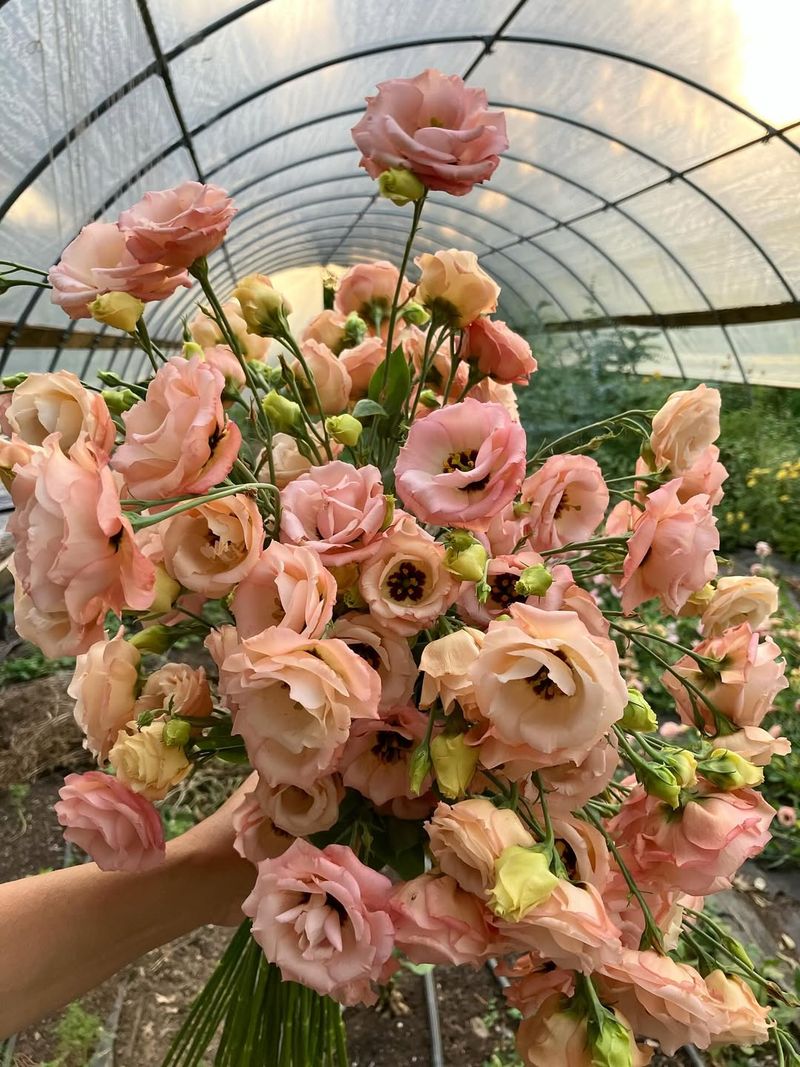
People frequently ask what it is because it resembles roses, peonies, and poppies all at once. Soft, layered petals unfold gradually in shades of white, cream, blush pink, lavender, and bicolor varieties.
With proper care, lisianthus typically lasts seven to ten days in a vase and sometimes longer depending on freshness. Each stem carries multiple buds, so the display continues evolving as new blooms open while older ones fade.
Oregon florists favor lisianthus because of its garden-style appearance and graceful structure. When you bring them home, recut stems at an angle and place them in a clean vase with fresh water and flower food.
Remove any leaves below the waterline to reduce bacteria buildup.
Change water every couple of days and give stems a fresh trim each time. Lisianthus prefer cooler temperatures and perform best away from heaters and sunny windows.
Oregon’s winter indoor climate often provides favorable conditions for slow, steady bloom opening.
Some growers in the Willamette Valley produce lisianthus locally, meaning especially fresh stems may be available. Their romantic look and reliable vase life make lisianthus a refined Valentine’s bouquet choice.
10. Gerbera Daisies
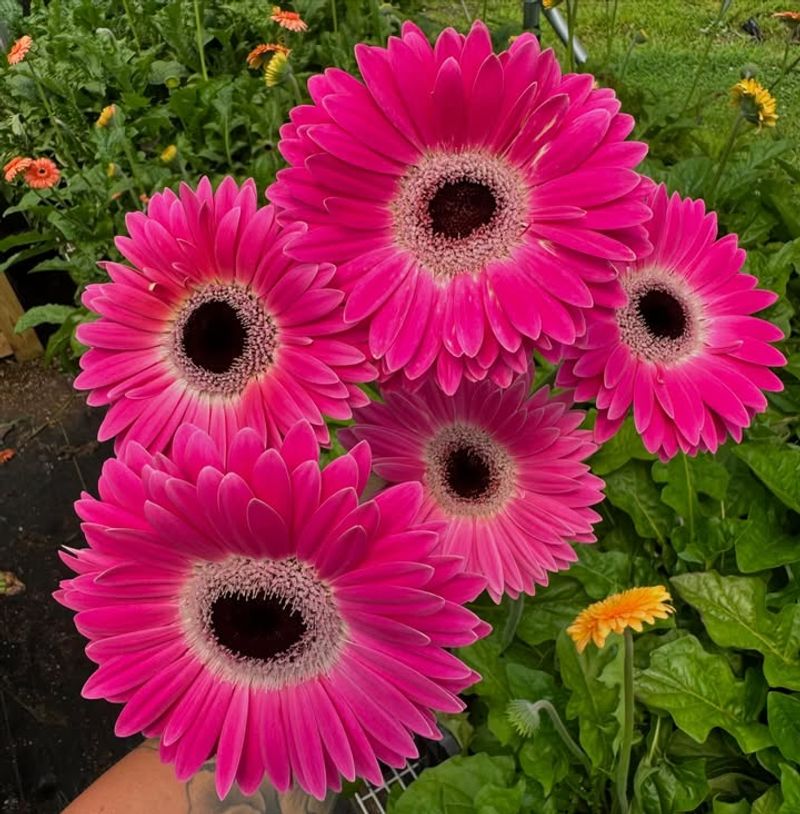
These flowers bring bold color and cheerful personality to Valentine’s bouquets. Their large, open faces and vibrant shades create instant visual impact.
With good care, gerberas usually last about seven to ten days in a vase.
They’re available in nearly every color imaginable, including deep red, coral, hot pink, orange, yellow, and soft pastel tones. Oregon florists stock them year-round because they pair well with many other flowers and stand out even in simple arrangements.
When you bring gerberas home, trim stems at an angle and place them in clean, shallow water. Because their stems are hollow, too much water can encourage rot.
Change water every couple of days and rinse the vase to keep bacteria low.
Gerbera stems can soften and bend as blooms grow heavier. Some people gently support stems with floral wire or clear straws to help keep them upright and well-shaped.
Place arrangements in cool rooms away from direct sunlight and heating vents. With regular maintenance and fresh water, gerbera daisies stay bright and lively throughout Valentine’s week and beyond, making them a playful and colorful gift option.