Vegetable Starts That Set Your Georgia Garden Up For Success This Month
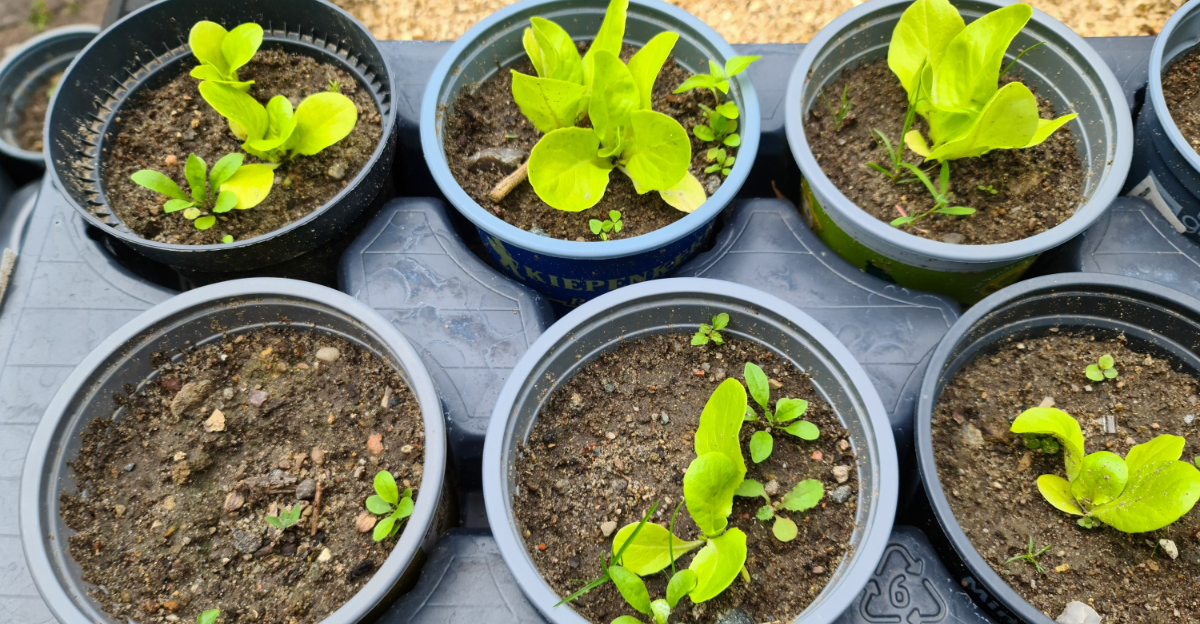
Planting decisions made this month quietly shape how a Georgia vegetable garden performs later on, but that’s easy to overlook. In late winter and early spring, these vegetable starts give Georgia gardens a strong head start.
The garden still feels calm, and nothing seems urgent, which makes it tempting to wait.
This is the point where vegetable starts can make a real difference. Conditions are steady enough for young plants to settle in without stress, yet early enough to support strong root development.
In Georgia, that early stability often leads to healthier growth and fewer problems as the season picks up speed.
Choosing the right vegetable starts now isn’t about rushing or planting everything at once. It’s about setting the garden on a smoother path.
With well-timed starts in place, growth stays more consistent, harvests arrive more evenly, and the entire season feels easier to manage from the beginning.
1. Lettuce
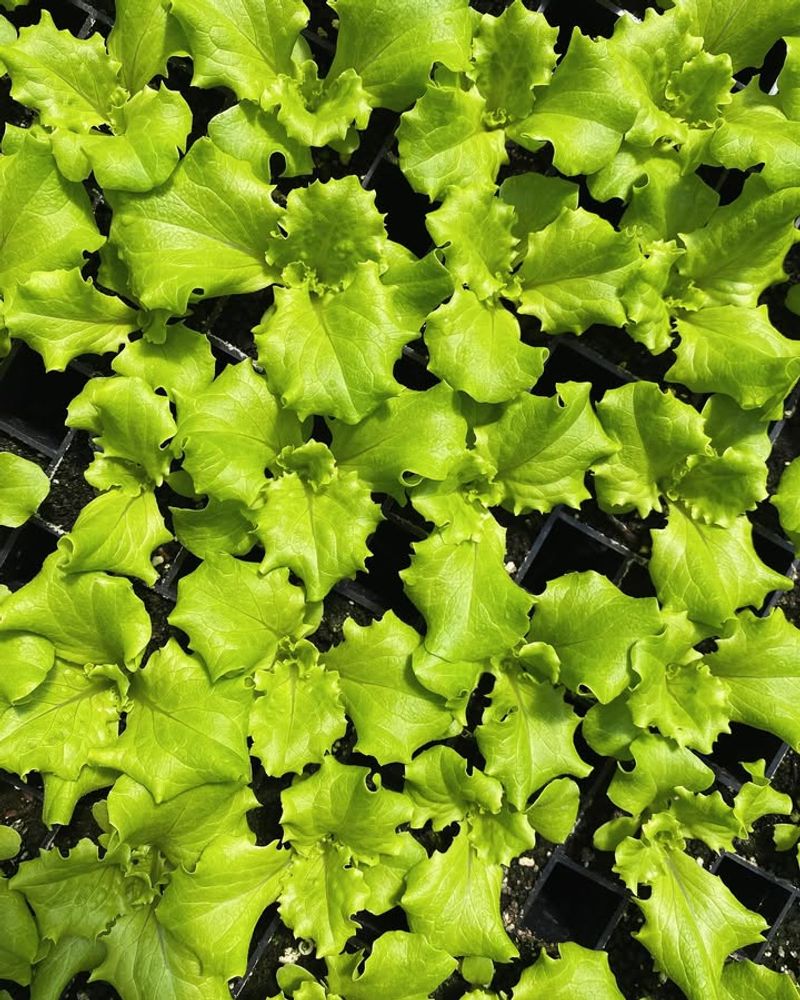
Crisp, fresh lettuce from your own backyard tastes nothing like the wilted stuff from grocery store shelves.
Georgia’s cool weather right now gives lettuce exactly what it needs to develop tender leaves without turning bitter.
You can choose from dozens of varieties including butterhead, romaine, and loose-leaf types that all do wonderfully in Georgia gardens.
Plant your lettuce starts about 6 to 8 inches apart in rows, making sure they get plenty of morning sunshine. The soil should stay consistently moist but never waterlogged, so check it regularly with your finger.
Most lettuce varieties will be ready to harvest in just 30 to 45 days after transplanting.
Georgia gardeners can succession plant lettuce every two weeks to keep fresh salad greens coming all season long.
Watch out for afternoon heat as temperatures climb later in spring. A bit of shade cloth can extend your harvest when things warm up.
Lettuce grows fast and rewards you quickly, making it perfect for beginning gardeners or impatient kids who want to see results. The shallow roots mean you can even grow lettuce successfully in containers on Georgia patios and balconies.
Lettuce does best in loose, well-draining soil that holds moisture without staying soggy, which helps roots stay cool as Georgia temperatures slowly rise.
Instead of harvesting the entire plant at once, pick outer leaves as needed to encourage steady regrowth and stretch your lettuce harvest well into late spring.
2. Spinach
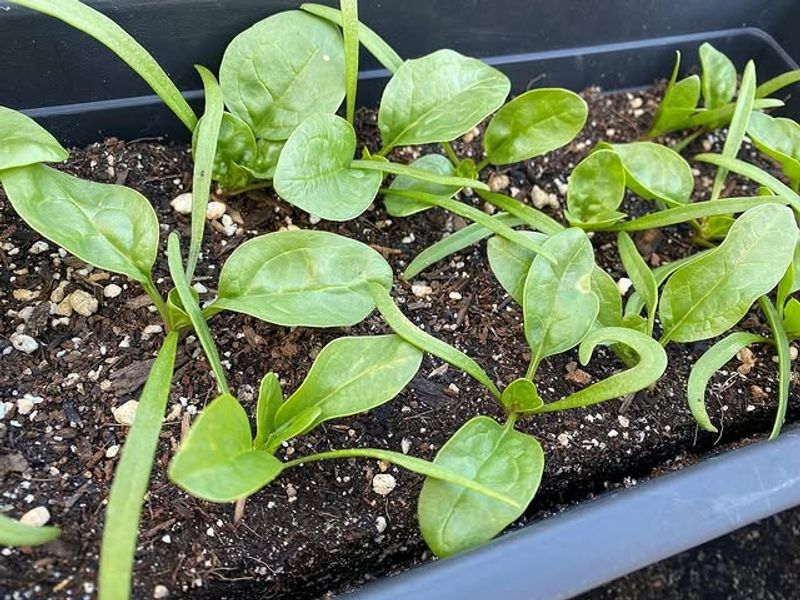
Packed with iron and vitamins, spinach becomes a nutritional powerhouse in your Georgia garden this month.
Cold-hardy and fast-growing, spinach actually prefers the cooler temperatures we’re experiencing right now across the state.
Space your transplants about 4 to 6 inches apart to give each plant room to develop its full rosette of leaves. Spinach roots appreciate rich, well-draining soil amended with compost or aged manure.
Water consistently to keep the soil evenly moist, especially during any dry spells Georgia might experience.
Your spinach will be ready to start harvesting in as little as 35 to 45 days from transplanting.
Pick outer leaves first and let the center continue growing for continuous harvest throughout the season.
Georgia’s spring weather suits spinach perfectly until temperatures consistently reach the upper 70s. Plant in a spot that gets full sun during winter months but will have some afternoon shade as spring progresses.
Spinach makes an excellent companion plant for other cool-season vegetables in your Georgia garden beds.
Fresh spinach from your garden has a sweet, mild flavor that even picky eaters often enjoy.
As days lengthen in Georgia, keep an eye on moisture levels and mulch lightly around plants to help the soil stay cool and prevent rapid drying. Once temperatures begin climbing, harvesting regularly becomes even more important, since mature leaves left too long can trigger bolting and shorten the spinach season.
3. Kale
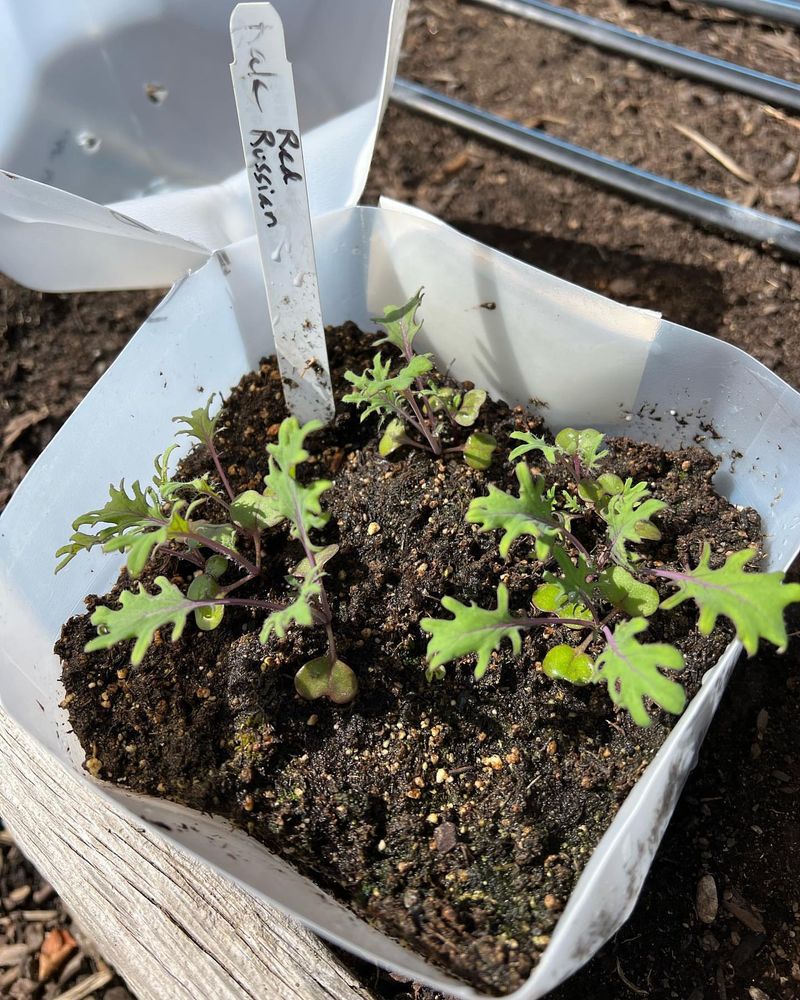
Trendy superfood kale grows incredibly well in Georgia gardens when you get it started this month.
This tough, cold-tolerant green actually tastes sweeter after experiencing a light frost.
Kale transplants should go into your garden about 12 to 18 inches apart because they grow into substantial plants.
Choose a sunny spot with good drainage, though kale tolerates partial shade better than many vegetables. Georgia gardeners can grow curly kale, lacinato (dinosaur) kale, or colorful ornamental varieties that look beautiful and taste delicious.
Keep the soil consistently moist and add mulch around plants to conserve water and suppress weeds. You’ll start harvesting tender baby leaves in about 30 days, or wait 50 to 65 days for full-sized leaves.
Always pick from the bottom of the plant first, allowing the top to keep producing new growth.
Kale stands up to Georgia’s occasional temperature swings better than more delicate greens.
It continues producing through early summer in many parts of the state if you provide some afternoon shade. As spring progresses in Georgia, consistent harvesting helps prevent plants from becoming tough and encourages steady leaf production instead of tall, woody growth.
Once warmer weather settles in, providing light afternoon shade and extra water can significantly extend how long kale remains productive before heat stress slows it down.
4. Collard Greens
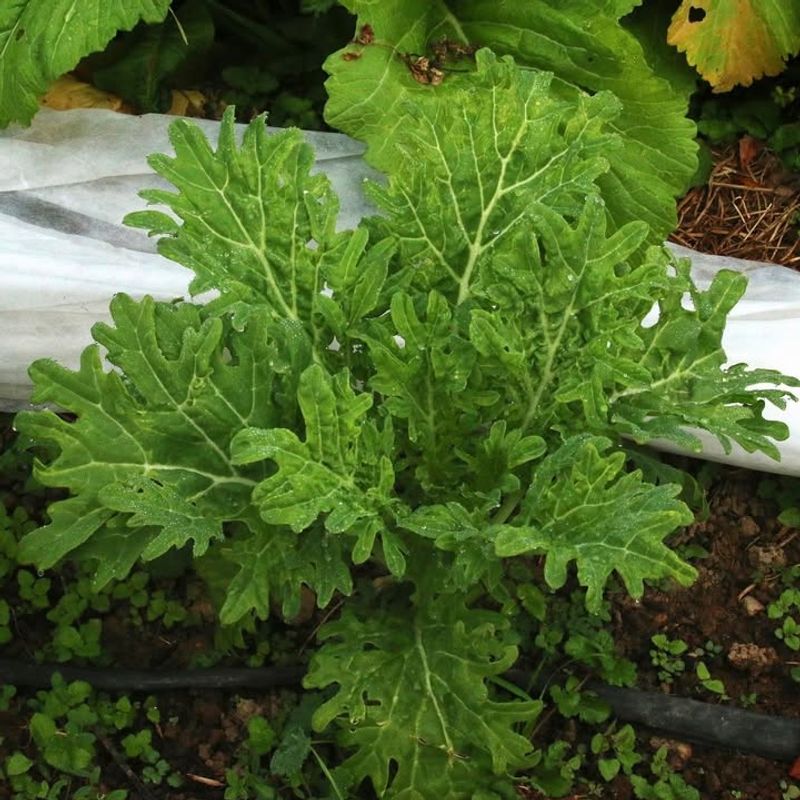
No Georgia garden feels complete without collard greens, a beloved Southern staple that thrives in our climate.
These traditional greens handle cold weather like champions and actually develop better flavor when temperatures stay cool.
Set transplants 18 to 24 inches apart because collards grow into large, productive plants over the season. Georgia’s clay soil works fine for collards as long as you mix in organic matter to improve drainage.
Water deeply but less frequently to encourage strong root development in your collard plants.
Harvest can begin when leaves reach usable size, usually around 60 to 80 days after transplanting. Many Georgia families prefer the younger, more tender leaves for cooking, but older leaves work great too.
Collards keep producing new leaves from the center as you harvest outer ones throughout the growing season. These greens rarely have serious pest problems when planted during cooler months across Georgia.
Traditional varieties like Georgia Southern and Vates perform especially well in our state’s conditions.
Collards store well in the refrigerator and freeze beautifully for enjoying your Georgia harvest year-round. As spring temperatures slowly rise across Georgia, adding a layer of mulch helps the soil hold moisture longer and keeps roots from heating up too quickly.
Consistent harvesting also keeps plants productive, since collards that are picked regularly tend to push out fresh, tender leaves instead of slowing down or getting tough.
5. Swiss Chard
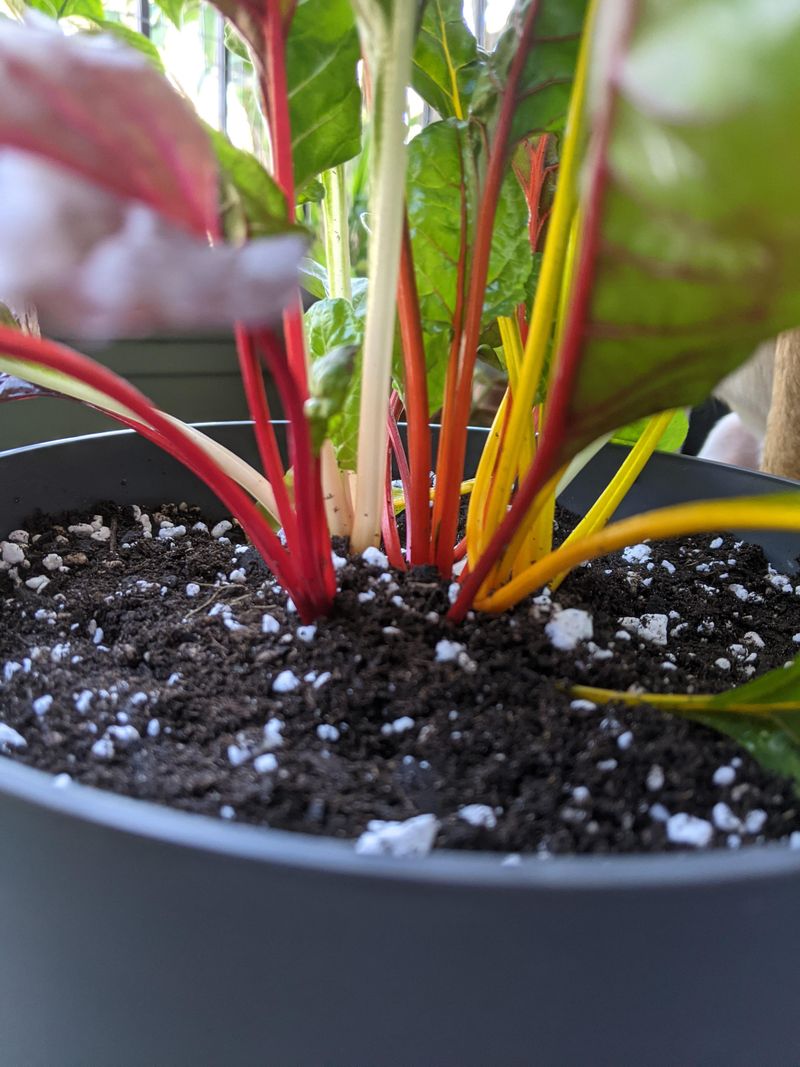
Gorgeous rainbow-stemmed Swiss chard brings both beauty and nutrition to Georgia vegetable gardens this season.
This underrated green tolerates a wider temperature range than most leafy vegetables, making it perfect for unpredictable Georgia springs.
Plant chard starts 6 to 12 inches apart depending on whether you want baby greens or full-sized plants. Both the colorful stems and the dark green leaves are edible and delicious when cooked or eaten raw.
Chard grows well in full sun but appreciates some afternoon shade as Georgia temperatures climb in late spring.
The soil should be rich and well-draining, so work in compost before planting your transplants. You can start harvesting outer leaves in as little as 30 days, or wait for larger leaves around 50 to 60 days.
Swiss chard keeps producing prolifically throughout the season if you harvest regularly and keep plants watered.
Varieties with red, yellow, orange, and pink stems make your Georgia garden beds look as good as they taste.
This versatile vegetable works wonderfully in everything from salads to soups to sautés. Chard rarely suffers from serious pest issues in Georgia gardens during the cooler months.
Daytime temperatures in Georgia increase steadily, so consistent watering and a light layer of mulch help prevent stress and keep leaves tender instead of tough.
Regular harvesting encourages steady new growth, allowing Swiss chard to stay productive well beyond the early part of the season.
6. Broccoli
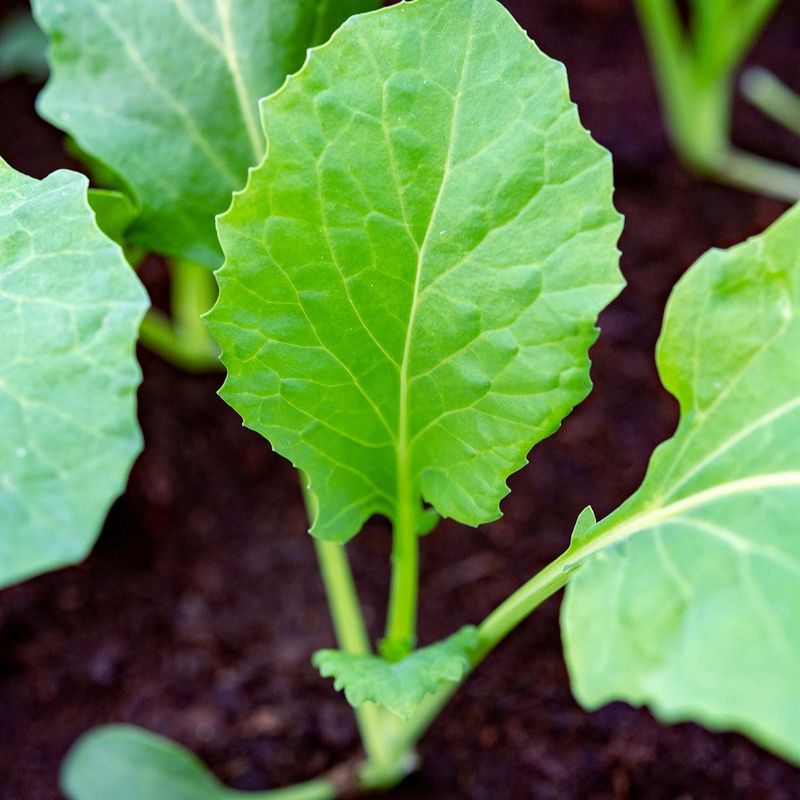
Homegrown broccoli tastes remarkably better than store-bought heads and grows beautifully in Georgia’s current weather.
Getting broccoli transplants in the ground this month gives them time to develop before hot weather arrives.
Space plants 18 to 24 inches apart in rows to accommodate their eventual size and allow good air circulation. Broccoli needs consistent moisture and rich soil, so water regularly and feed with balanced fertilizer every few weeks.
Georgia gardeners should choose varieties specifically bred for spring planting to get the best results.
The main head forms first, usually 55 to 75 days after transplanting, depending on the variety you selected.
After cutting the central head, side shoots will continue developing smaller heads for several more weeks. Watch for cabbage worms, which sometimes bother broccoli in Georgia gardens, and remove them by hand if needed.
Broccoli prefers full sun and cool temperatures, making this month ideal for transplanting across the state. The heads should be harvested while the buds are still tight and before any yellow flowers appear.
Fresh broccoli from your Georgia garden provides excellent nutrition and incredible flavor for your family.
7. Cabbage
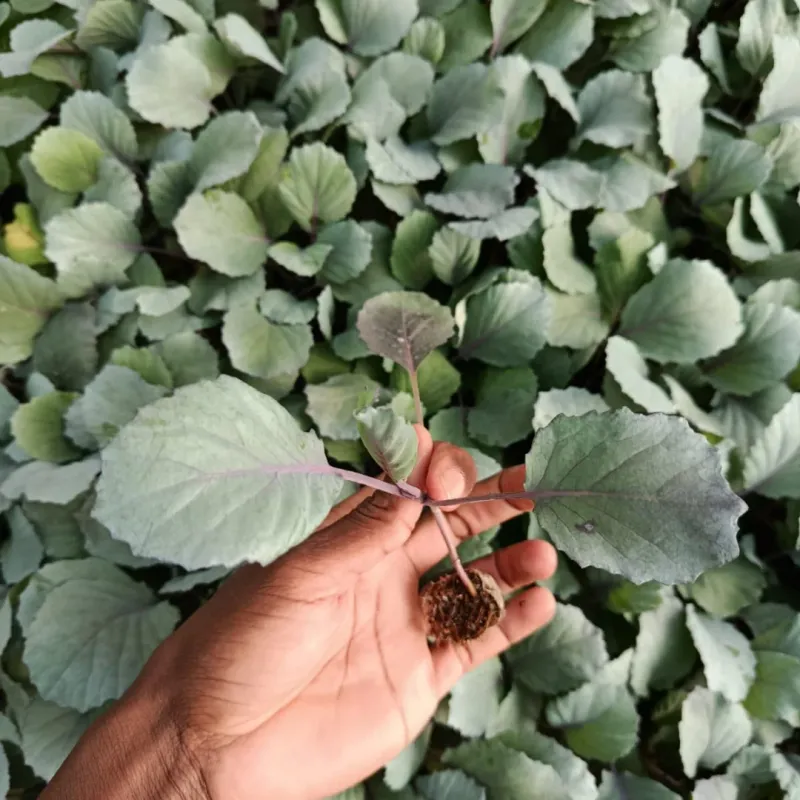
Sturdy cabbage plants transform into satisfying heads perfect for coleslaw, sauerkraut, or stir-fries in Georgia gardens.
Cool weather suits cabbage perfectly, and transplanting this month positions your crop for excellent development. Set transplants 12 to 18 inches apart, giving each plant enough space to form a nice, tight head.
Cabbage grows best in full sun with rich, slightly acidic soil that drains well after Georgia’s occasional heavy rains. Keep soil consistently moist because uneven watering can cause heads to split as they mature.
You can choose from green, red, or savoy varieties that all perform well across different parts of Georgia.
Most cabbage varieties need 60 to 90 days from transplanting to produce harvestable heads.
Early varieties mature faster and work well for Georgia gardeners who want to beat the summer heat. The outer leaves protect developing heads, so don’t remove them unless they become damaged or diseased.
Harvest when heads feel firm and solid, cutting at the base with a sharp knife. Some varieties can be stored for months in cool conditions, extending your Georgia harvest well beyond the growing season.
8. Onions (Sets Or Transplants)
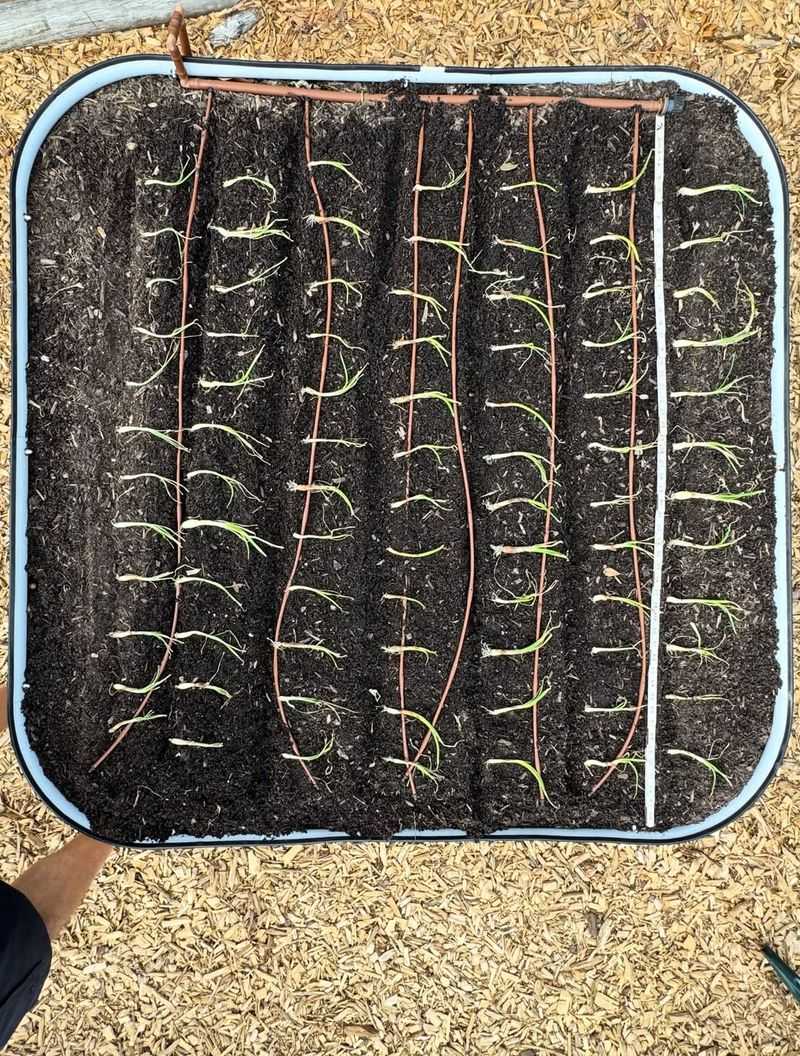
Every Georgia garden benefits from fresh onions, whether you’re growing them from sets or transplants this month. Onions need a long growing season, so getting them established now ensures a good harvest before summer arrives.
Plant sets or transplants about 4 to 6 inches apart in rows, pushing them just deep enough to anchor in the soil.
Choose short-day varieties specifically recommended for Georgia’s latitude to get properly formed bulbs.
Vidalia onions, Georgia’s famous sweet onions, grow best in the southeastern part of the state with the right soil conditions. Onions have shallow roots and need consistent moisture, especially as bulbs begin sizing up in spring.
Keep weeds controlled around onion plants because they compete heavily for nutrients and water.
You can harvest green onions anytime, or wait 90 to 120 days for full-sized bulb onions. The tops will begin falling over naturally when bulbs are ready for harvest across Georgia gardens.
Pull onions and let them cure in a dry, shaded spot for a week before storing. Properly cured onions from your Georgia garden will keep for months in a cool, dry location.
9. Peas
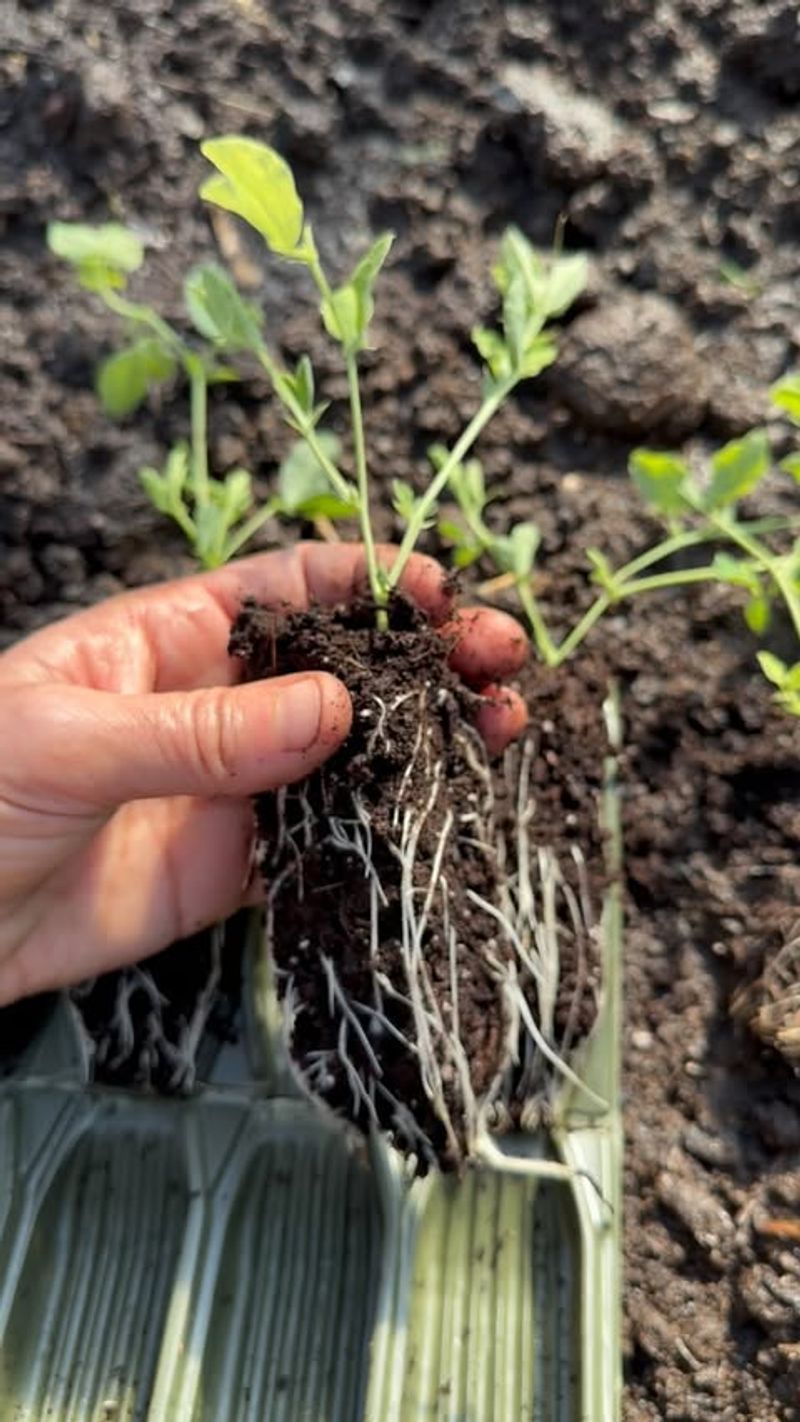
Sweet, tender peas fresh from the vine taste like spring itself in Georgia gardens.
While many gardeners direct-seed peas, transplants give you a head start and more reliable germination.
Space pea transplants about 2 to 3 inches apart along a trellis, fence, or other support structure.
Georgia gardeners can choose between shelling peas, snap peas, or snow peas depending on personal preference. Peas fix nitrogen in the soil, actually improving your garden bed for whatever you plant next season.
These cool-season vegetables need full sun and well-draining soil to produce their best crop. Water consistently but avoid overhead watering, which can encourage fungal problems in humid Georgia conditions.
Most pea varieties will be ready to harvest 55 to 70 days after transplanting into your garden. Pick pods regularly to encourage continued production and prevent plants from shutting down.
Peas stop producing when temperatures consistently reach the 70s and 80s across Georgia.
The vines can be turned into the soil after harvest, adding valuable organic matter and nitrogen to your garden beds. Kids especially love harvesting and eating fresh peas straight from Georgia garden vines.
Once warmer weather settles across Georgia, harvesting frequently becomes essential since full pods left too long signal plants to slow production.
Providing afternoon shade and steady moisture can help pea vines stay productive a bit longer before heat finally brings the season to an end.