5 Vegetables Arizona Gardeners Can Sow In March And 3 That Are Too Early To Start
March is when many Arizona gardeners start feeling the pull to plant everything at once. The days are warming up, garden beds are ready, and it suddenly feels like the growing season is fully underway.
It is a great moment to start sowing certain vegetables, especially ones that handle mild spring conditions well.
At the same time, not every crop is ready to go into the ground yet. Some vegetables germinate quickly in March and take off as temperatures climb, while others struggle if they are started too soon and prefer warmer soil.
That difference in timing can affect how well plants grow and how productive they become later in the season.
Choosing the right vegetables to sow now and holding off on a few others can help the garden stay on track as spring moves forward across Arizona.
1. Bush Beans Germinate Fast Once Arizona Soil Warms
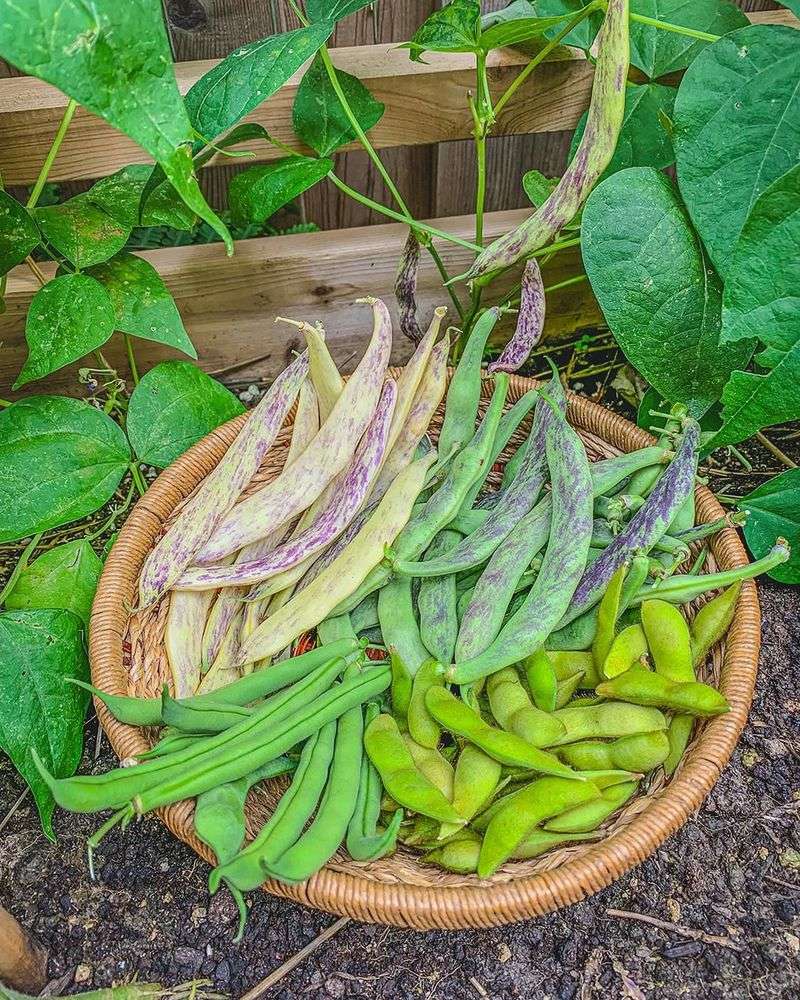
Planting bush beans in Arizona during March is one of those moves that just makes sense. Soil temperatures across much of the state hit the 60°F range by mid-March, and bush beans need exactly that kind of warmth to sprout reliably.
Push seeds in too early when the ground is still cold, and they just sit there rotting instead of germinating.
Sow seeds about one inch deep and space them three to four inches apart in rows. Bush beans do not need trellises or support structures, which makes them a solid choice for beginner gardeners across Arizona.
Direct sowing is the way to go here since beans strongly dislike having their roots disturbed during transplanting.
Water consistently after planting, but avoid soaking the soil. In Arizona’s dry spring air, the top layer of soil dries out fast, which can stall germination if you are not paying attention.
A light layer of mulch over the seed row helps hold moisture without smothering the seeds.
Expect germination within seven to ten days once conditions are right. Bush beans typically produce a harvest in about 50 to 60 days, which means you could be picking beans well before Arizona’s brutal summer heat arrives.
Plan to succession sow every two weeks through early April to extend your harvest window comfortably.
2. Sweet Corn Starts Strong In Arizona’s Early Spring Sun
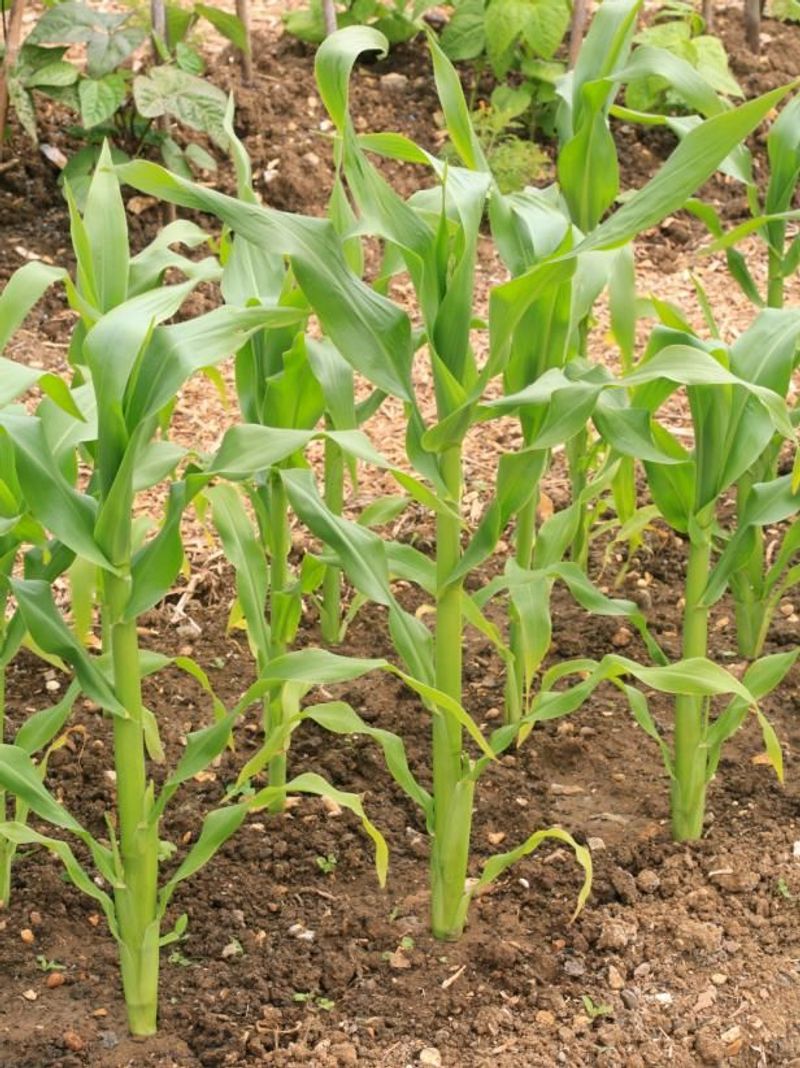
Sweet corn and Arizona’s March sunshine are a surprisingly good match. Soil temperatures in lower elevation areas like the Phoenix Valley regularly reach 60°F or above by early to mid-March, giving corn seeds the warmth they need to germinate without delay.
Corn planted at the right time in Arizona can be harvested before the peak summer heat makes gardening feel unbearable.
Plant seeds one inch deep and space them about nine to twelve inches apart. Corn is wind-pollinated, so planting in blocks of at least four rows rather than a single long row dramatically improves pollination and ear fill.
A lonely single row of corn in an Arizona garden is going to give you disappointing, poorly filled cobs.
Consistent moisture matters more than most people realize with corn. In Arizona’s low humidity and strong spring winds, soil dries out surprisingly fast.
Drip irrigation works well here since it delivers water directly to the root zone without wetting the leaves unnecessarily.
Side-dress your corn with a nitrogen-rich fertilizer when plants reach knee height. Corn is a heavy feeder and the sandy soils common across much of Arizona do not hold nutrients well.
With proper care, you can expect ears ready for harvest in roughly 70 to 90 days, landing you a sweet corn harvest before temperatures push past 100°F.
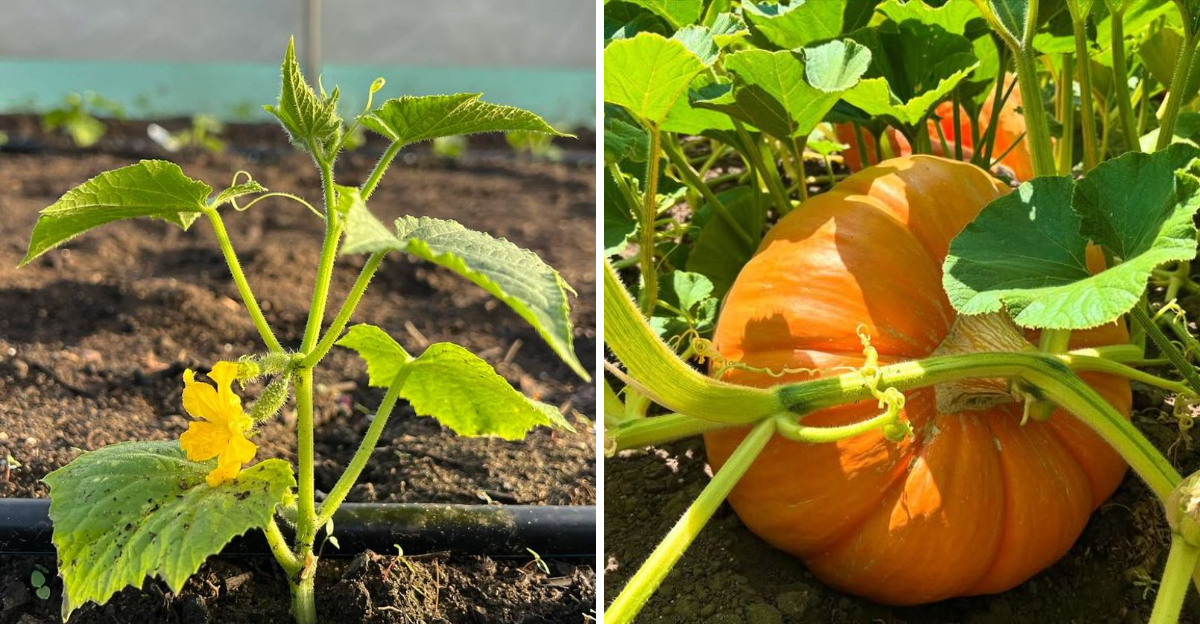
3. Cucumbers Grow Quickly As Temperatures Begin Climbing
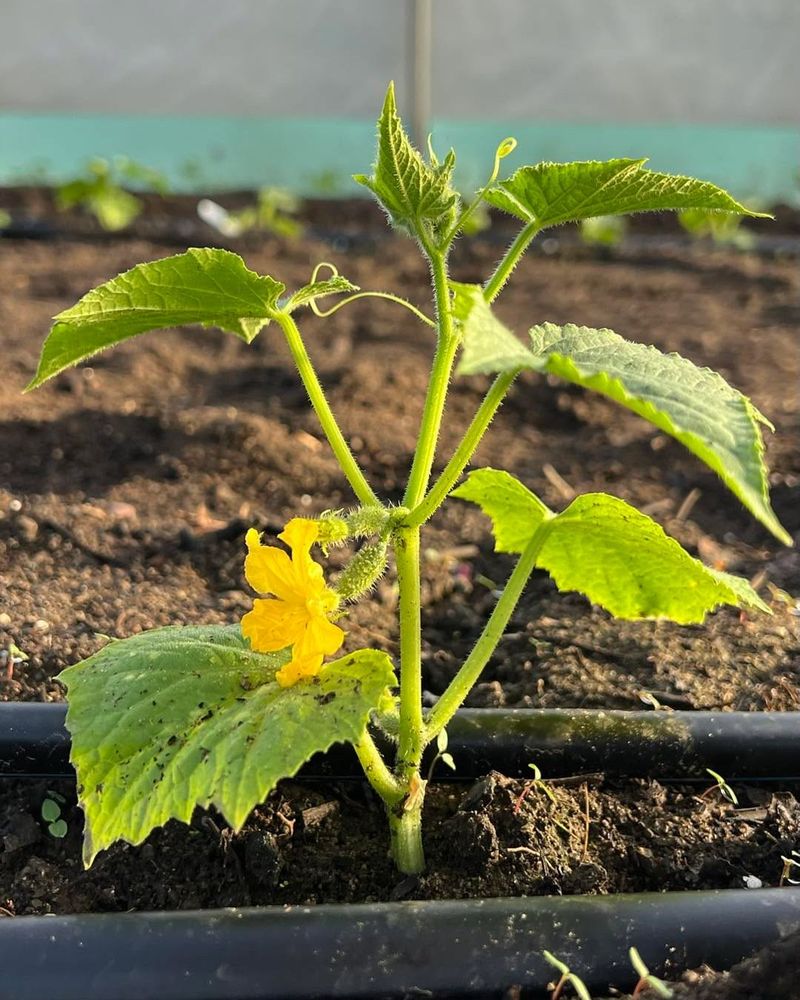
Cucumbers are eager growers, and Arizona’s warming March temperatures suit them well. Seeds germinate best when soil hits at least 65°F, which happens quickly across most of Arizona’s lower elevations as March progresses.
Getting cucumbers in the ground at the right moment gives them time to establish before the truly punishing heat of late spring and early summer arrives.
Direct sow seeds about half an inch to one inch deep. If you are planting a vining variety, set up your trellis before sowing so you are not disturbing roots later.
Bush-type cucumbers work well in smaller Arizona gardens where space is limited, and they still produce a solid harvest without needing vertical support.
Cucumbers are thirsty plants, and Arizona’s dry air pulls moisture from both leaves and soil faster than most gardeners expect. Deep, infrequent watering encourages roots to reach deeper into the soil where moisture stays more stable.
Shallow daily watering in Arizona’s climate tends to produce weak, shallow-rooted plants that struggle once temperatures spike.
Watch for powdery mildew as the season progresses, especially if plants experience temperature swings between cool nights and warm days in early spring. Good air circulation between plants reduces the risk significantly.
Harvest cucumbers frequently once they start producing, since leaving overripe fruit on the vine signals the plant to slow down production in the heat.
4. Summer Squash Takes Off In Warm March Soil
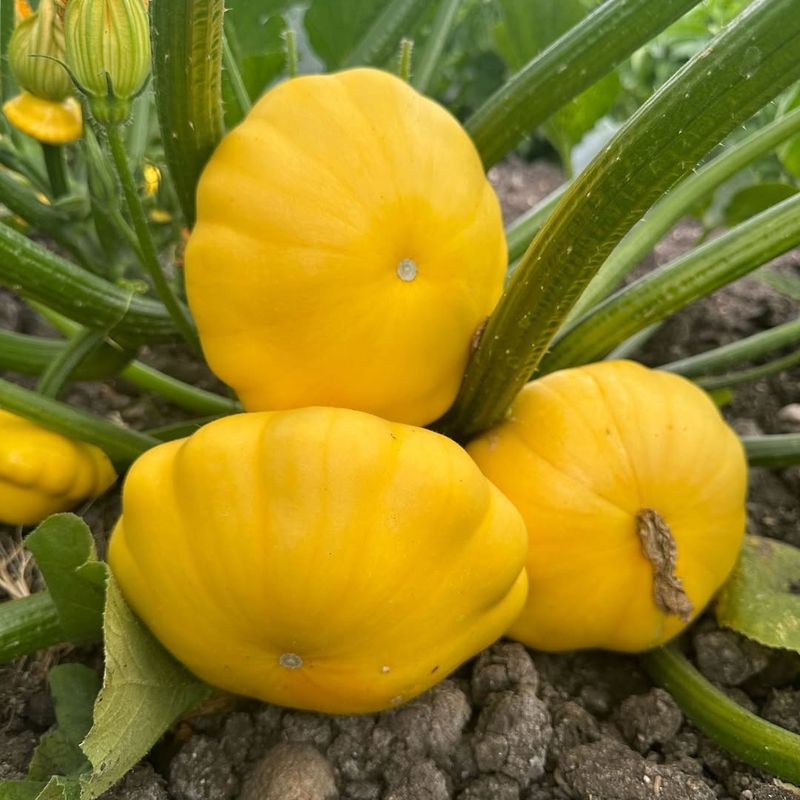
Few vegetables reward Arizona gardeners with speed and abundance quite like summer squash in March. Once soil temps cross the 60°F mark, squash seeds crack open fast and plants seem to double in size almost overnight.
Zucchini, yellow crookneck, and pattypan varieties all perform well when started directly in the ground during mid to late March across most of Arizona.
Sow seeds about one inch deep and give each plant plenty of room, at least 24 to 36 inches between plants. Crowding summer squash is a common mistake that leads to poor airflow, which invites disease in Arizona’s warm spring conditions.
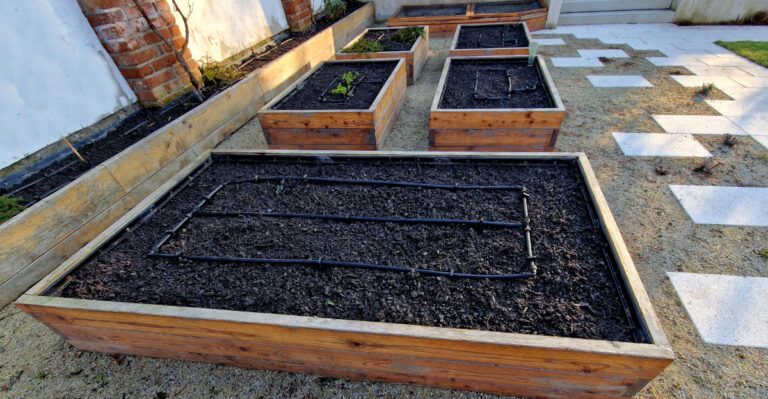
Raised beds work particularly well for squash in Arizona because they warm up faster and drain more efficiently than flat garden beds in clay-heavy soils.
Squash plants are heavy drinkers, especially as they size up and start producing fruit. In Arizona, watering at the base of the plant rather than overhead keeps the large leaves dry and reduces fungal issues.
Mulching around the base also helps the soil retain moisture between watering sessions.
Pollination is something to pay attention to early in the season.
Squash produces separate male and female flowers, and if pollinators are scarce in your Arizona garden, hand pollination using a small brush takes just a few seconds and dramatically improves fruit set.
Expect your first harvest roughly 45 to 55 days after sowing.
5. Armenian Cucumbers Handle Arizona Heat Very Well
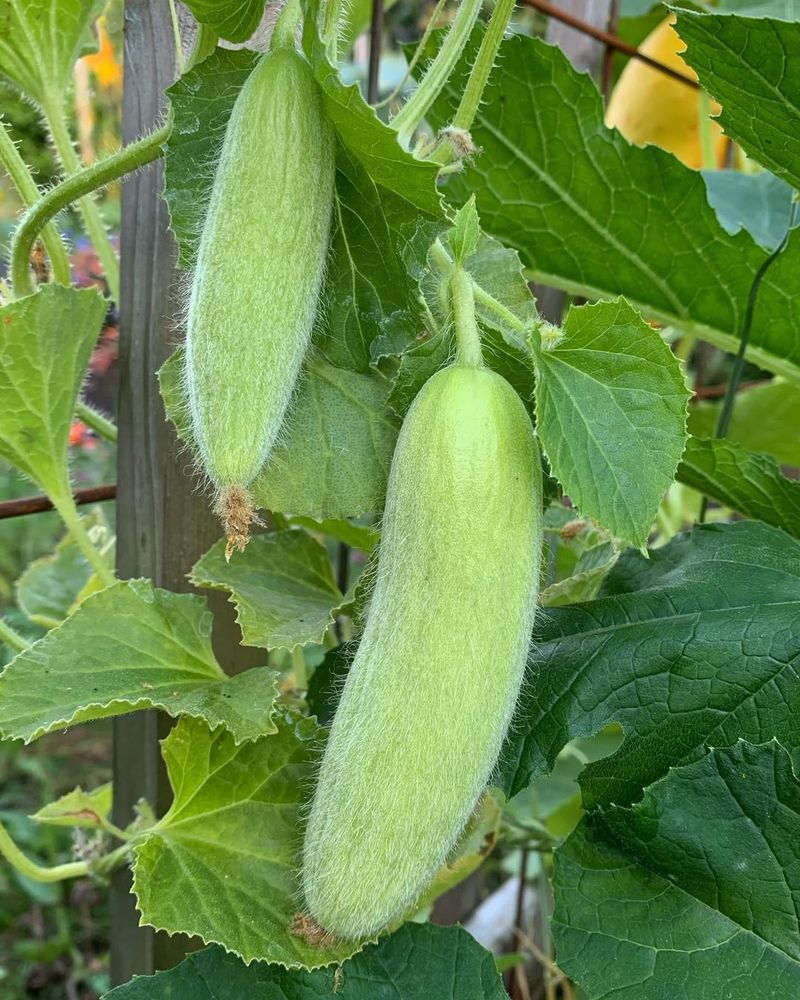
Armenian cucumbers are not actually cucumbers in the botanical sense, but Arizona gardeners treat them like one and they absolutely thrive in this climate.
Technically a type of muskmelon, Armenian cucumbers produce long, pale green, ribbed fruits that taste mild and refreshing.
Planting them in March gives them a strong head start before Arizona’s summer temperatures push into triple digits.
Sow seeds directly in the garden about one inch deep once soil temperatures are consistently above 65°F. These plants are vigorous climbers, so a sturdy trellis is not optional in an Arizona garden where space matters.
Training the vines upward also improves airflow and keeps fruit off the soil, which prevents rot during the hotter months.
One reason Arizona gardeners keep coming back to Armenian cucumbers is their heat tolerance.
Standard cucumber varieties often struggle and turn bitter when temperatures spike, but Armenian cucumbers keep producing through conditions that would shut down regular cucumber plants.
Consistent watering is still important, but they handle short dry spells better than most vining vegetables.
Harvest fruits when they are 12 to 18 inches long for the best flavor and texture. Waiting too long results in seedy, tough fruits that lose that mild, crisp quality.
Picked regularly, these plants stay productive well into the Arizona summer, giving you fresh garden produce long after other crops have finished for the season.
6. Pumpkins Need Warmer Soil And A Later Start
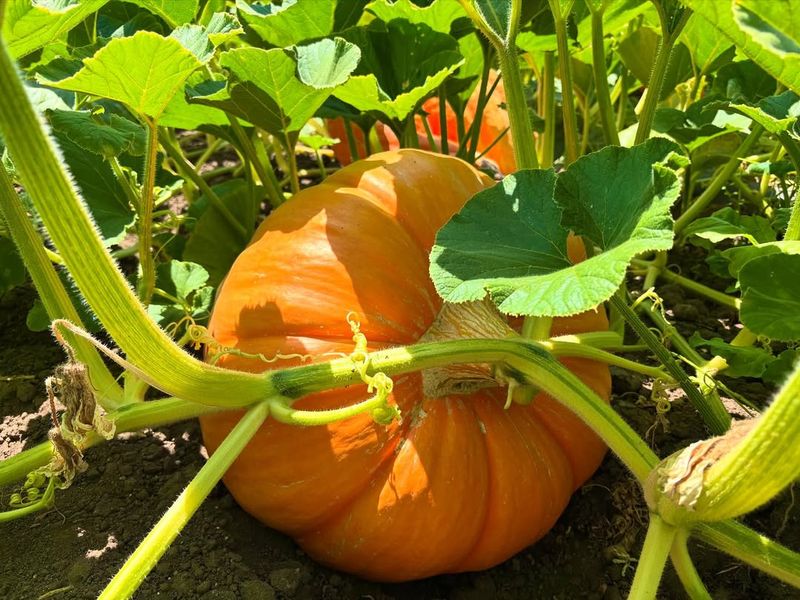
Pumpkins are tempting to plant in March, especially when nurseries start stocking seed packets and the weather feels perfect. Resist that urge if you garden in Arizona.
Pumpkins need soil temperatures of at least 70°F to germinate well, and in most parts of Arizona, March soil simply is not there yet. Planting too early means seeds sit in cold, damp soil and struggle to sprout cleanly.
There is also a timing problem that goes beyond germination. Pumpkins take 90 to 120 days to mature depending on the variety.
If you plant in March, your pumpkins will be ripening right in the heart of Arizona’s brutal summer heat, which stresses the vines and damages developing fruit. A late April or early May planting actually works better for most Arizona gardeners.
Waiting gives you better germination rates, healthier plants, and fruit that develops during slightly more manageable temperatures in the fall.
Arizona’s fall weather is genuinely pleasant, and pumpkins finishing out their growth cycle in September and October produce much better results than those baking in July heat.
If you are targeting Halloween pumpkins, count backward from late October and plan your planting date accordingly. Most standard pumpkin varieties planted in Arizona around late April to early May hit full maturity right on schedule.
Patience in March pays off with a far more satisfying pumpkin harvest later in the year.
7. Winter Squash Performs Better When Planted Later In Spring
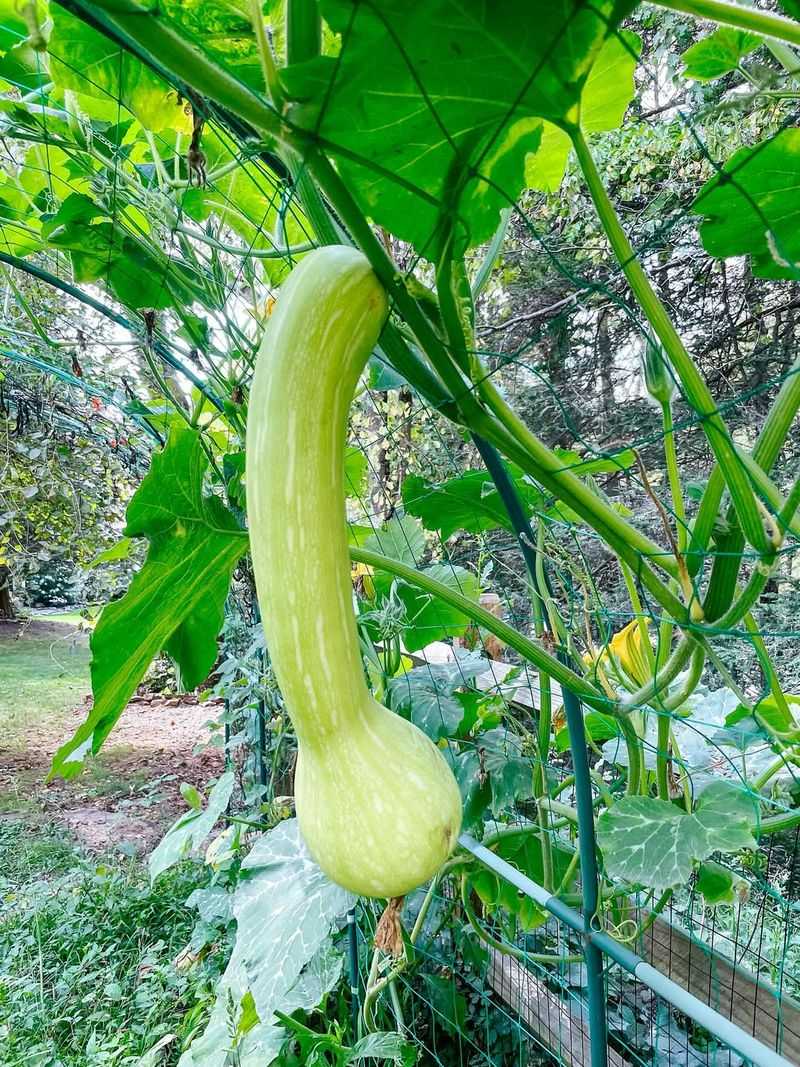
Winter squash varieties like butternut, acorn, and spaghetti squash are not what you want to rush into the ground in March in Arizona. Unlike summer squash, these types need a longer growing season and prefer soil that has genuinely warmed up.
March soil in many parts of Arizona, particularly at higher elevations, still runs too cool for reliable winter squash germination.
Planting winter squash too early in Arizona also sets up a timing mismatch. These varieties take 80 to 110 days to reach full maturity, and if you start them in March, the fruit will be developing and trying to cure during the peak of Arizona’s summer heat.
That kind of heat stress affects both fruit quality and vine health in ways that are hard to recover from.
Late April is generally the sweet spot for most Arizona gardeners when it comes to winter squash. Soil is warm, days are long, and the vines have enough time to mature before the heat becomes truly extreme.
At higher Arizona elevations like Prescott or Flagstaff, waiting until May makes even more sense.
Winter squash also needs a lot of space, so planning your garden layout before planting saves headaches later. Vines can spread six feet or more in every direction.
Giving them room to run and ensuring consistent deep watering through the growing season are the two most important factors for a solid winter squash harvest in Arizona.
8. Okra Prefers Much Hotter Soil Than March Usually Provides
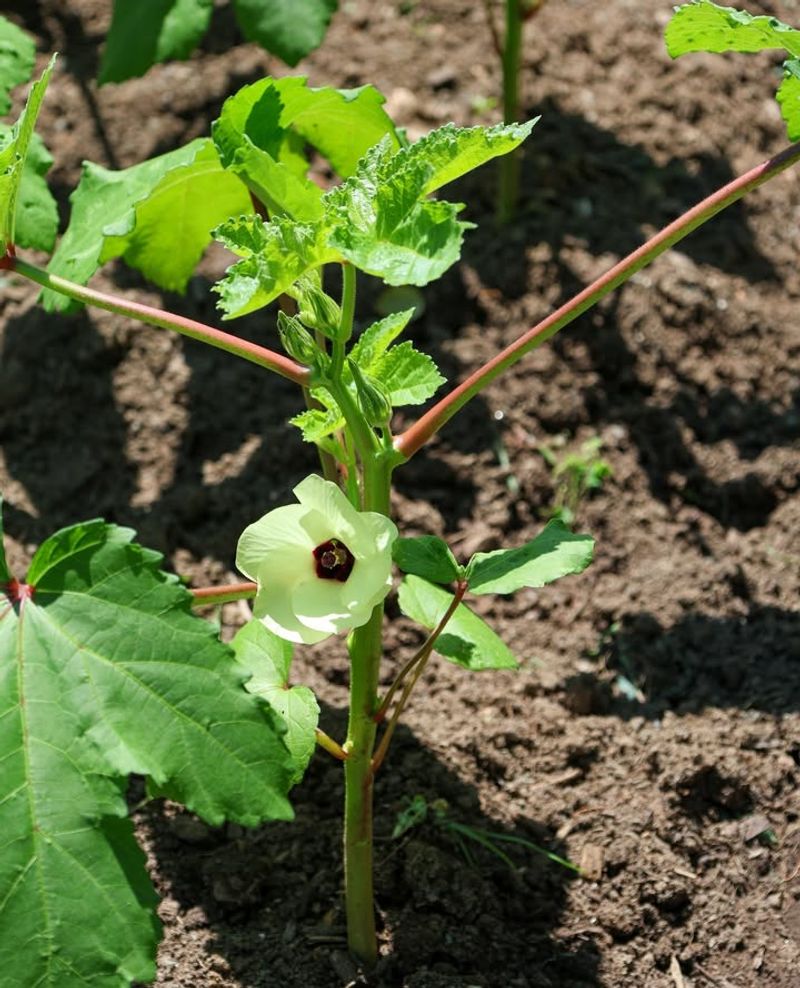
Okra is one of those vegetables that seems like a natural fit for Arizona given how much the state resembles the hot, humid South where okra thrives.
But here is the catch: okra needs soil temperatures of at least 65°F to 70°F for decent germination, and it really takes off when soil hits 75°F or above.
March soil in Arizona rarely delivers that kind of warmth, especially in the first half of the month.
Seeds planted in cold March soil tend to germinate slowly and unevenly, and the seedlings that do emerge often stall out rather than growing with any kind of vigor.
Okra planted in late April or May in Arizona jumps out of the ground fast and grows aggressively once the soil is genuinely warm.
That delayed start actually results in earlier harvests than a struggling March planting would produce.
Arizona’s late spring and early summer conditions are honestly ideal for okra. High heat, intense sun, and low humidity suit okra well once it is established and actively growing.
Patience in March means much stronger plants and a more reliable harvest by midsummer.
When you do plant, soak okra seeds overnight to soften the tough seed coat and speed up germination. Plant seeds one inch deep and space plants about 18 inches apart.
In Arizona’s intense summer heat, okra can grow surprisingly tall, sometimes reaching five to six feet, so give it room to develop fully without crowding neighboring crops.