10 Vegetables Georgia Homeowners Can Plant Once And Harvest Forever
Georgia homeowners are always looking for ways to get more out of their gardens, and vegetables that keep on giving are stealing the spotlight.
The idea of planting once and harvesting year after year feels like striking gold, especially in a climate that supports long growing seasons.
These dependable plants turn garden beds into long term investments instead of seasonal projects.
Perennial vegetables know how to pull their weight.
Once established, they come back each year with little fuss, saving time, money, and effort.
Georgia’s mild winters and warm summers give these plants a strong advantage, allowing roots to settle in deep and grow stronger over time.
While annual crops demand constant replanting, perennials quietly handle business in the background.
Beyond convenience, these vegetables bring peace of mind.
They fill in gaps when other crops fail and offer reliable harvests when weather throws a curveball.
Like money in the bank, they provide steady returns with minimal upkeep.
For busy homeowners or anyone tired of starting from scratch each spring, these plants are a breath of fresh air.
With the right choices, Georgia gardens can deliver fresh food year after year, proving that sometimes the smartest move is planting once and letting nature do the rest.
1. Asparagus
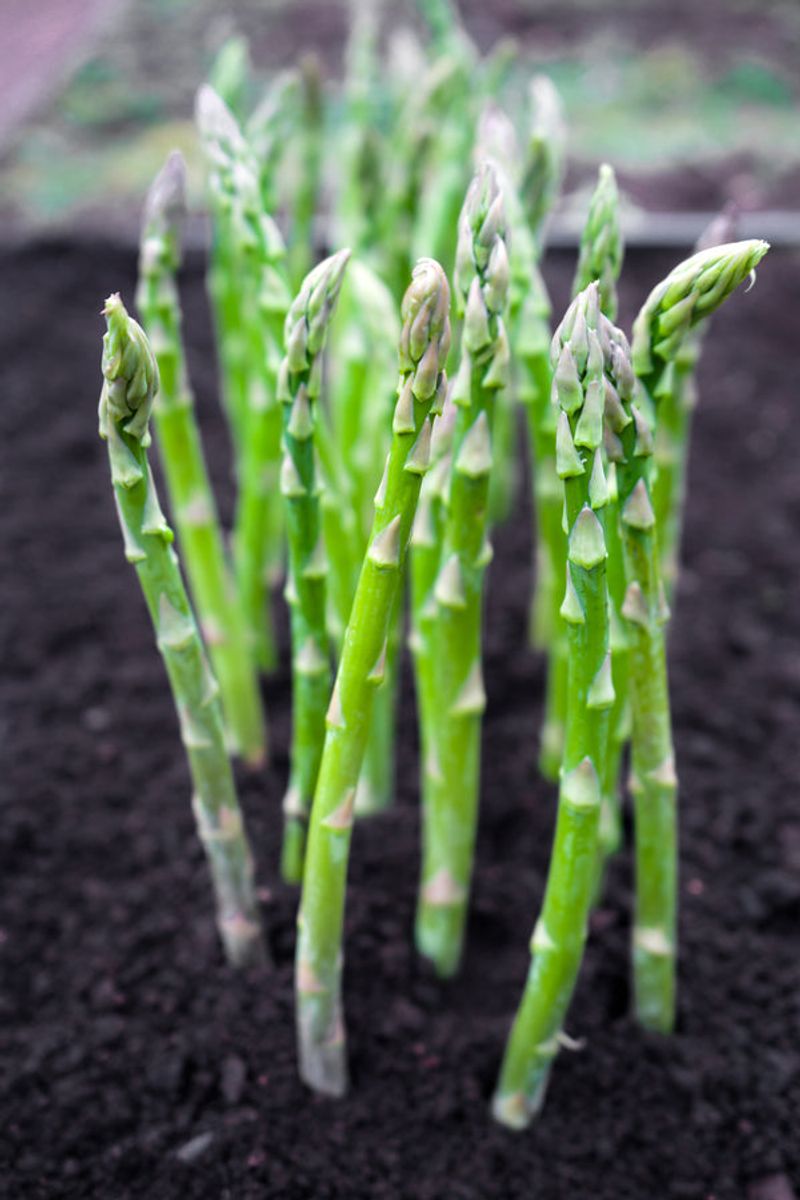
Asparagus crowns planted in your Georgia garden can produce delicious spears for 15 to 20 years or even longer with proper care.
Once established, this perennial vegetable requires minimal maintenance and rewards you with tender shoots each spring.
The key to success is patience during the first couple of years when you should resist harvesting to let the plants develop strong root systems.
Georgia’s mild winters provide the cold period asparagus needs to go dormant, while the warm springs trigger vigorous growth.
Plant crowns in well-drained soil with plenty of organic matter, and choose a sunny spot where they won’t be disturbed.
Space them about 18 inches apart in trenches roughly 6 to 8 inches deep.
After the third year, you can harvest spears for six to eight weeks each spring when they reach 6 to 8 inches tall.
Cut or snap them at ground level, and new ones will keep emerging throughout the season.
Once harvest ends, let the remaining spears grow into tall, feathery ferns that feed the roots for next year’s crop.
Feed your asparagus bed with compost each fall and keep weeds under control.
With this simple care routine, your asparagus patch will become a reliable source of fresh vegetables for decades in your Georgia landscape.
2. Jerusalem Artichokes
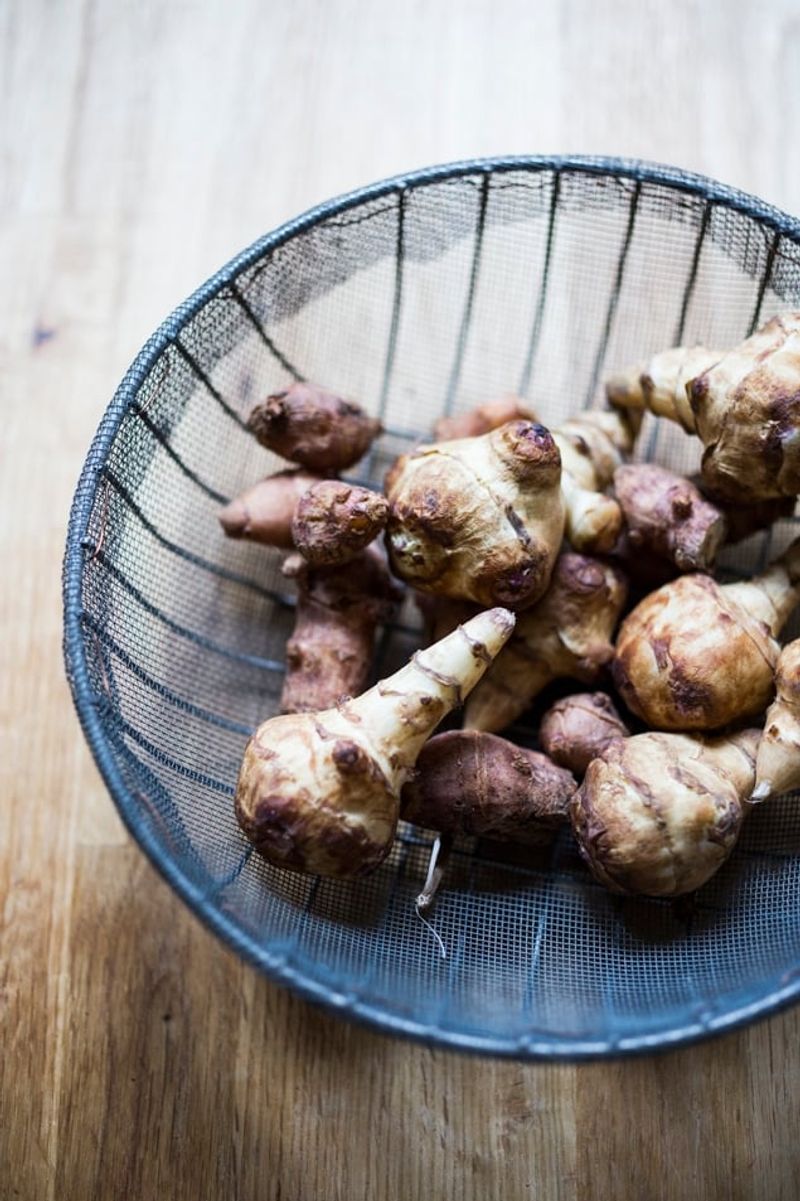
Also called sunchokes, Jerusalem artichokes are sunflower relatives that produce crunchy, nutty-flavored tubers underground.
These vigorous perennials thrive in Georgia’s climate and can spread enthusiastically if given the chance.
Plant a few tubers in spring, and they’ll multiply into a substantial patch that provides harvests every fall and winter.
Sunchokes grow tall, sometimes reaching 10 feet, with bright yellow flowers that attract pollinators to your Georgia garden.
They tolerate poor soil and drought once established, making them perfect for low-maintenance gardening.
The plants store energy in their tubers, which you can harvest after the first frost when their flavor becomes sweeter.
One important consideration is controlling their spread since they can become invasive in ideal conditions.
Plant them in a designated area or use barriers to contain the roots.
Harvest tubers as needed throughout winter, leaving some in the ground to regrow the following spring.
The knobby tubers can be eaten raw in salads, roasted like potatoes, or pureed into soups.
They contain inulin, a prebiotic fiber that supports digestive health.
Georgia gardeners appreciate how reliably these perennials produce food with virtually no effort beyond the initial planting and occasional harvesting.
3. Rhubarb
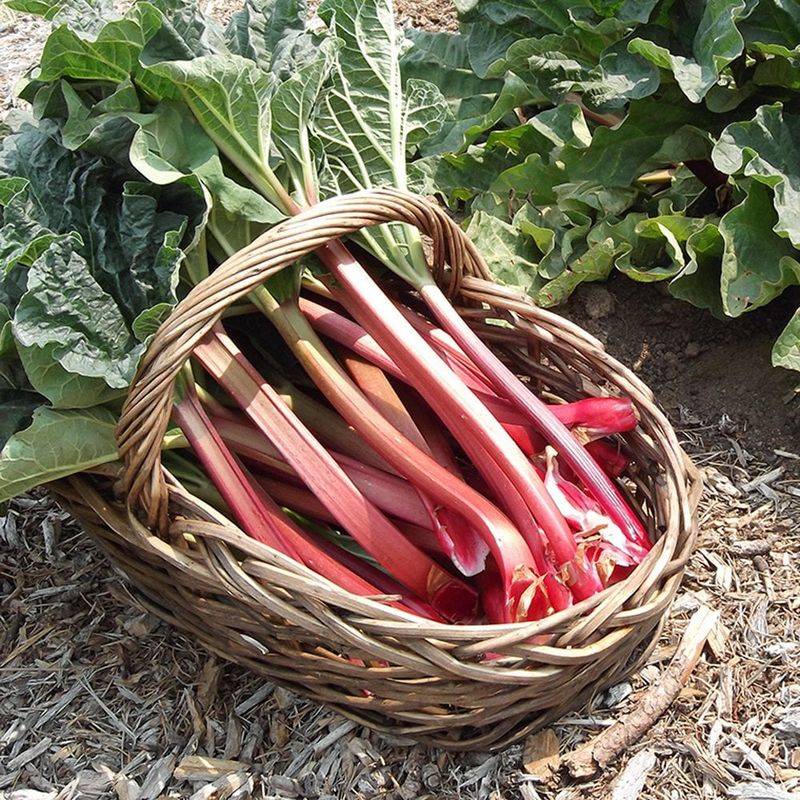
While traditionally considered a northern crop, certain rhubarb varieties can succeed in Georgia’s upper regions where winters provide adequate chilling hours.
This tart perennial vegetable produces thick, colorful stalks perfect for pies, jams, and desserts.
Plant rhubarb crowns in a partially shaded location with rich, well-drained soil amended with plenty of compost.
Georgia gardeners in zones 7a and 7b have the best success with heat-tolerant varieties like Victoria or Crimson Red.
The plants need cold winter temperatures to go dormant and produce well the following spring.
Choose the coolest spot in your yard, perhaps on the north side of your house, to give rhubarb the best chance.
During the first year, resist the temptation to harvest stalks so the plant can establish strong roots.
Starting in year two, you can harvest stalks from spring through early summer by grasping them near the base and pulling with a twisting motion.
Never remove more than half the stalks at once to keep the plant healthy and productive.
Rhubarb leaves contain oxalic acid and should never be eaten, but the stalks are wonderfully tart when cooked with sugar.
Provide consistent moisture during Georgia’s hot summers and mulch heavily to keep roots cool.
With proper care and the right variety, your rhubarb can produce for 8 to 15 years.
4. Walking Onions
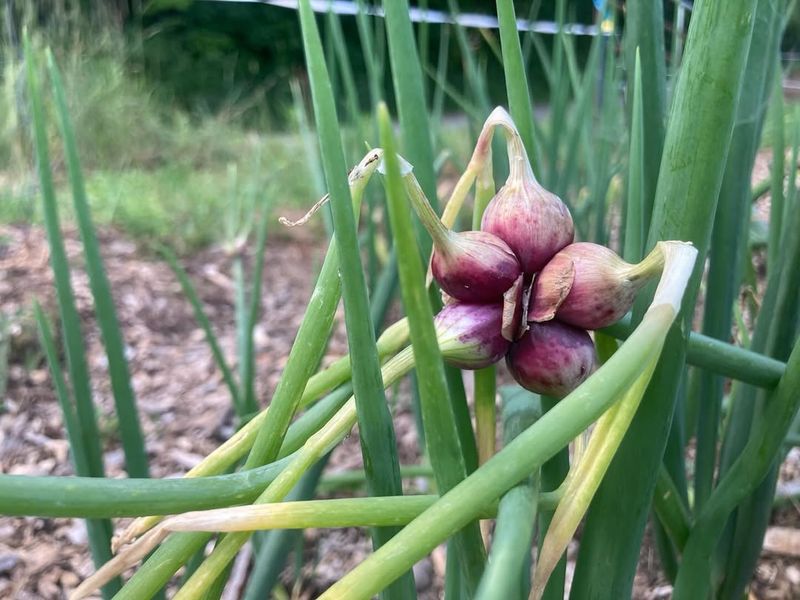
Walking onions earn their quirky name from their unusual growth habit where bulblets form at the top of stems, eventually bend down, and plant themselves nearby.
Also called Egyptian onions or tree onions, these fascinating perennials spread slowly across your Georgia garden without any help from you.
Both the underground bulbs and the top bulblets are edible, offering multiple harvests from a single planting.
These hardy alliums thrive throughout Georgia’s climate zones and tolerate both heat and cold remarkably well.
Plant bulbs or bulblets in fall or early spring about 4 inches apart in well-drained soil.
They’ll quickly establish and begin producing green shoots you can harvest like scallions throughout the growing season.
The real magic happens in summer when tall stems shoot up bearing clusters of small bulblets instead of flowers.
As these bulblets mature, their weight causes the stems to arch over and touch the ground, where they root and start new plants.
This natural propagation method means your onion patch literally walks across the garden over time.
Harvest the underground bulbs anytime, though they’re smaller and more pungent than regular onions.
The top bulblets make excellent pickles or can be used fresh in cooking.
Georgia homeowners love how these self-sufficient onions require almost no care while providing continuous harvests and entertainment.
5. Sorrel
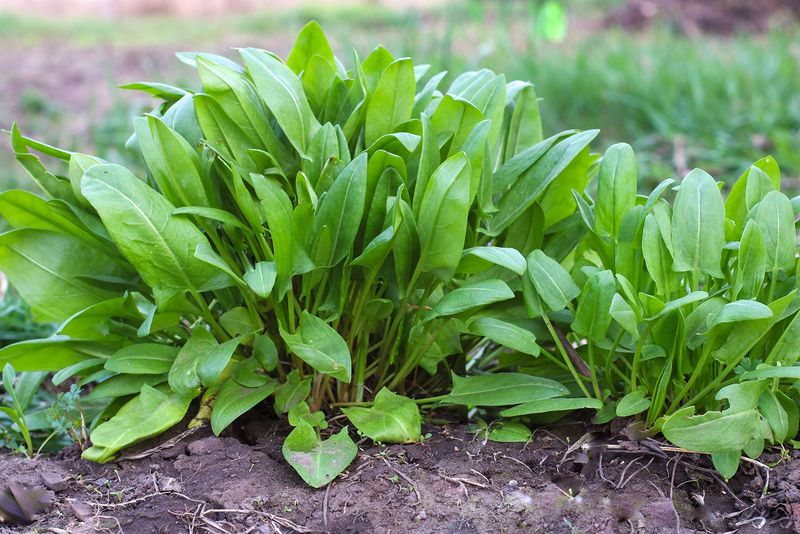
French sorrel brings a bright, lemony flavor to salads and soups while requiring virtually no maintenance in Georgia gardens.
This leafy perennial resembles spinach but packs a tangy punch thanks to its oxalic acid content.
Plant seeds or divisions once, and you’ll have fresh sorrel leaves to harvest from early spring through fall for many years.
Sorrel tolerates Georgia’s heat better than many leafy greens, though it appreciates some afternoon shade during the hottest months.
The plants form attractive clumps of arrow-shaped leaves that you can begin harvesting when they reach 4 to 6 inches long.
Simply snip outer leaves as needed, and the plant will continue producing new growth from the center.
In Georgia’s climate, sorrel often stays semi-evergreen through mild winters, providing fresh greens when little else is growing.
The plants occasionally send up flower stalks, which you should remove to encourage more leaf production.
Divide established clumps every few years to maintain vigor and share with fellow gardeners.
Young, tender leaves have the best flavor and are less acidic than older foliage.
Add them raw to salads for a citrusy kick, or cook them into creamy soups and sauces.
Sorrel pairs beautifully with fish and eggs, and many Georgia cooks use it to brighten heavy dishes with its refreshing tartness and vibrant green color.
6. Horseradish
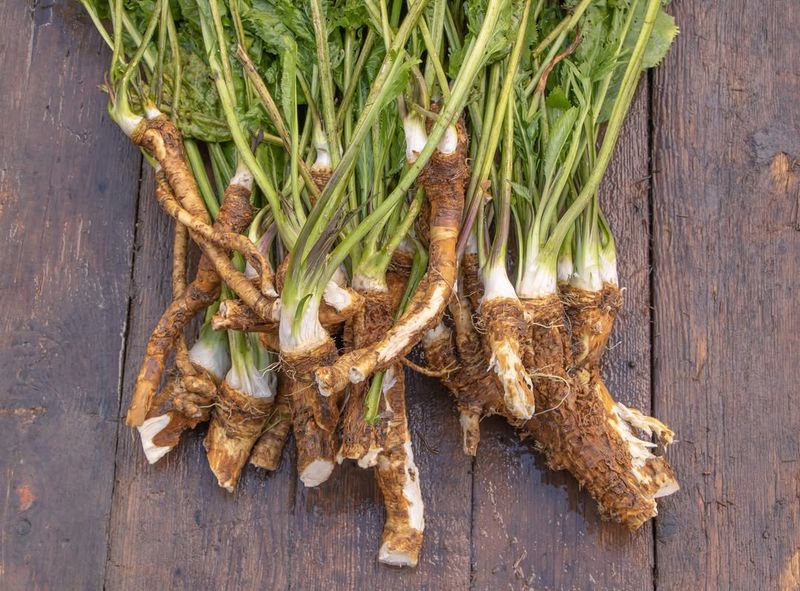
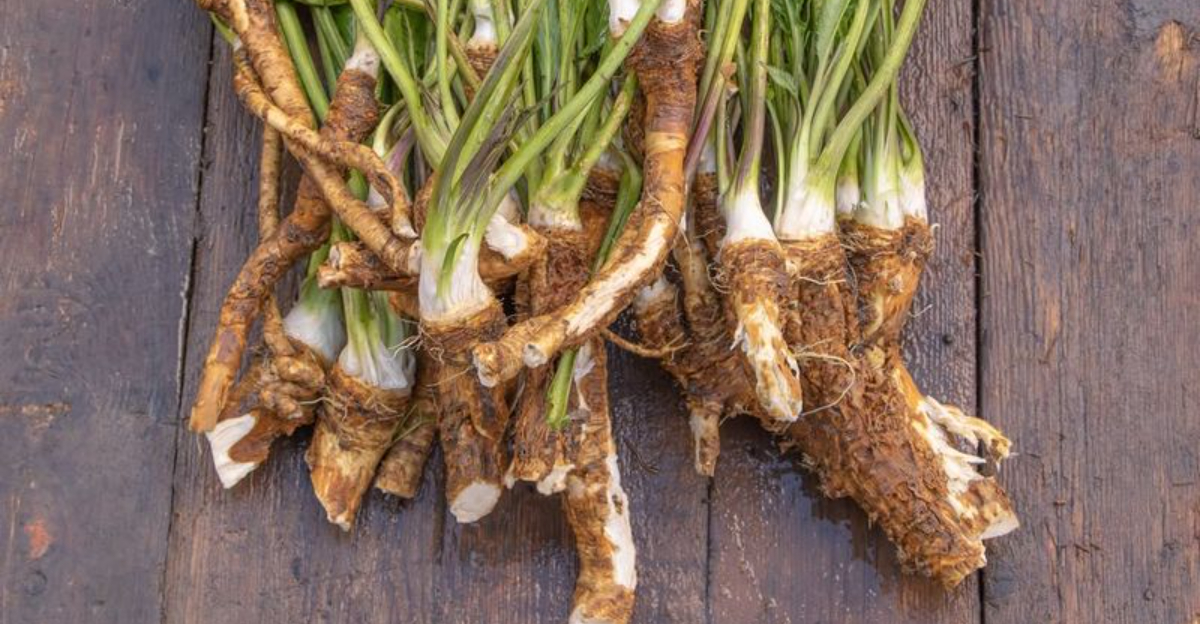
Horseradish roots pack serious heat and flavor that store-bought versions can’t match, and this tough perennial thrives throughout Georgia with minimal care.
Plant root cuttings in early spring, and within months you’ll have established plants that return reliably year after year.
The large, coarse leaves grow vigorously in Georgia’s climate, shading out weeds and marking where the valuable roots grow underground.
Choose a permanent location since horseradish can be difficult to remove once established, with even small root pieces regenerating into new plants.
Many Georgia gardeners plant horseradish in large containers or designated beds to control its enthusiastic spreading.
The plants prefer full sun but tolerate partial shade, and they’re not fussy about soil as long as drainage is adequate.
Harvest roots in late fall after frost has sweetened their flavor, or wait until early spring before new growth begins.
Carefully excavate around the main root, removing side roots for replanting or sharing while taking the thick central root for your kitchen.
Freshly grated horseradish is incredibly pungent, so prepare it in a well-ventilated area or outdoors.
The heat comes from compounds released when cells are crushed, creating that characteristic sinus-clearing sensation.
Mix grated horseradish with vinegar immediately to preserve its potency, or combine it with beets for a colorful condiment.
Georgia gardeners appreciate having this powerful flavoring growing right in their yards.
7. Globe Artichokes
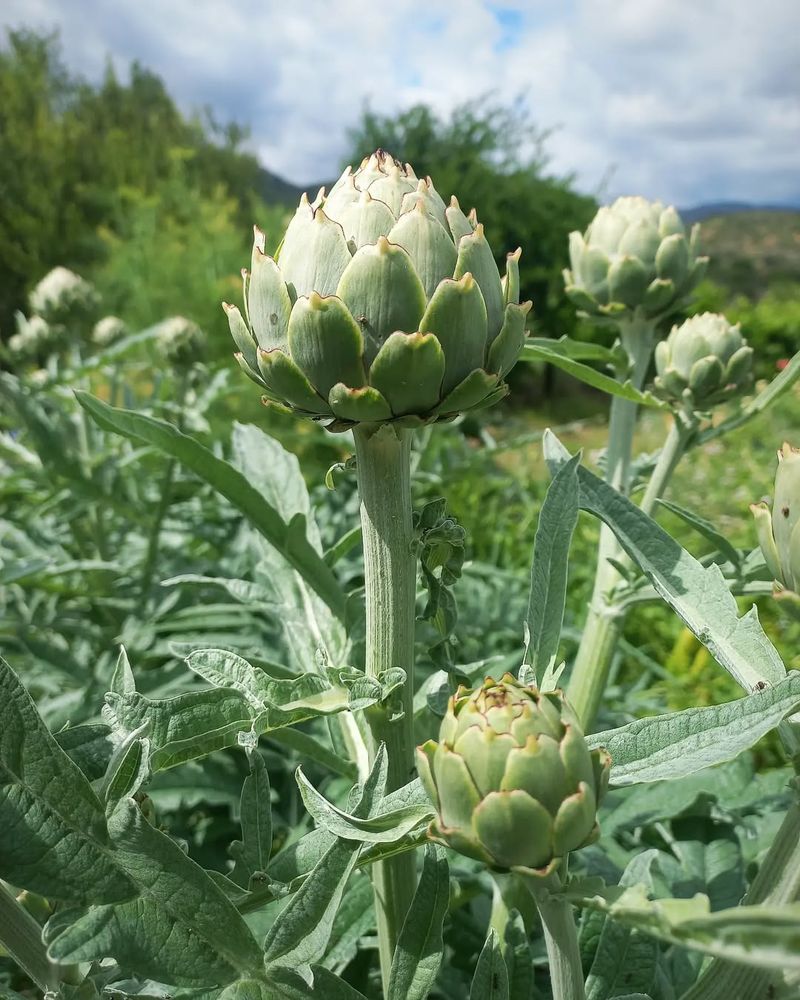
Globe artichokes might seem like exotic vegetables, but they grow surprisingly well in Georgia’s coastal and southern regions where winters stay mild.
These striking perennials produce architectural plants with silvery foliage and impressive flower buds that become the artichokes we eat.
Plant root divisions or started plants in fall, and they’ll establish through winter for spring harvests.
Georgia gardeners in zones 8 and 9 have the best success, though gardeners further north can try growing them as annuals or protecting them through winter.
The plants need well-drained soil enriched with compost and a location that receives full sun.
Space them 3 to 4 feet apart since mature plants become quite large and bushy.
Harvest the flower buds when they’re still tight and firm, before the scales begin to open.
Cut them with a few inches of stem attached, and more buds will often develop for additional harvests.
If you leave a few buds unharvested, they’ll open into spectacular purple thistle-like flowers that attract beneficial insects to your Georgia garden.
Artichoke plants can produce for several years in favorable Georgia locations, going dormant in summer heat and regrowing when cooler weather returns.
Cut back dry foliage and mulch around the crown for winter protection.
The edible flower buds are delicious steamed and served with melted butter or lemon aioli for an elegant homegrown treat.
8. Perennial Kale

Unlike annual kale that needs replanting each year, perennial varieties like Daubenton kale keep producing nutritious leaves year-round in Georgia’s mild climate.
These non-flowering types grow as bushy plants that you can harvest from continuously without the plant bolting to seed.
Start with cuttings or small plants, and within weeks you’ll have established bushes providing fresh greens.
Perennial kale handles Georgia’s summer heat better than annual types while also tolerating winter cold down to the low teens.
The plants grow 2 to 3 feet tall and wide, forming attractive mounds of blue-green foliage.
Harvest individual leaves as needed, starting with the outer ones and allowing the center to continue growing.
These kale varieties rarely flower, putting their energy into leaf production instead of seeds.
This characteristic makes them ideal for Georgia gardeners who want reliable greens without worrying about plants becoming bitter or tough when temperatures rise.
The leaves have a milder, sweeter flavor than many annual kale varieties.
Propagate perennial kale easily by taking stem cuttings and rooting them in water or moist soil.
This allows you to expand your patch or share with neighbors without buying new plants.
Provide consistent moisture and occasional feeding with compost, and your perennial kale will supply nutritious leaves for salads, smoothies, and cooked dishes throughout the year in your Georgia garden.
9. Chives
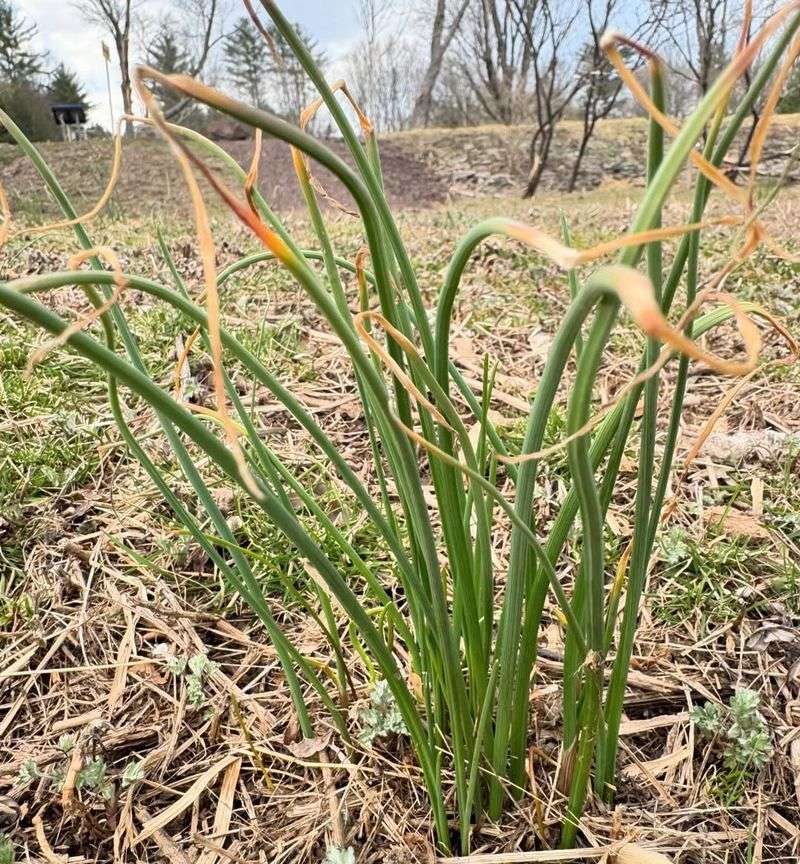
Chives are one of the easiest perennial herbs to grow in Georgia, returning faithfully each spring with fresh, onion-flavored leaves and pretty purple flowers.
Plant divisions or seeds once, and you’ll have chives for life with almost no effort required.
These hardy alliums tolerate neglect, poor soil, and Georgia’s temperature extremes while still producing abundantly.
The grass-like leaves emerge early in spring, often before most other plants have woken up from winter dormancy.
Snip leaves at the base as needed for cooking, and they’ll quickly regrow for continuous harvests.
Chives work beautifully as edging plants along garden paths or borders, serving both ornamental and culinary purposes in Georgia landscapes.
In late spring, chives produce globe-shaped purple flowers that are not only beautiful but also edible with a mild onion flavor.
These blooms attract beneficial pollinators and can be separated into individual florets to garnish salads and soups.
Deadhead spent flowers to encourage more leaf production, or let some go to seed for self-sowing around your garden.
Divide established clumps every few years to maintain vigor and prevent overcrowding.
Chives grow well in containers, making them perfect for Georgia homeowners with limited space or those who want herbs close to the kitchen door.
Both the leaves and flowers add fresh, bright flavor to eggs, potatoes, dips, and countless other dishes throughout the growing season and beyond.
10. Sweet Potatoes
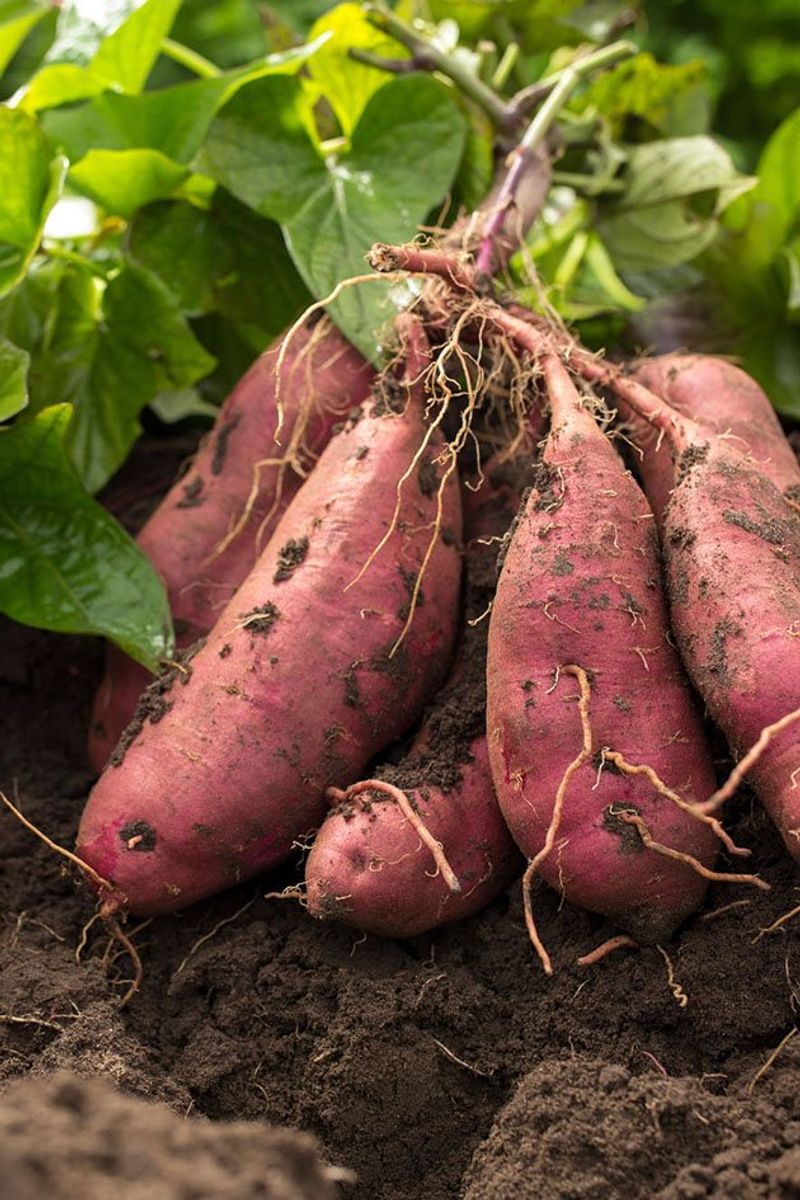
Sweet potatoes often surprise Georgia gardeners by returning as perennials in zones 8 and 9 where the ground doesn’t freeze deeply.
While most people grow them as annuals, leaving some tubers in the ground over winter can result in new plants sprouting the following spring.
The vigorous vines spread enthusiastically across Georgia gardens, covering ground while producing nutritious tubers underground.
Plant slips or sprouted tubers after the last frost when soil has warmed thoroughly.
Sweet potatoes love Georgia’s long, hot summers and need at least 100 days to produce good-sized tubers.
They tolerate poor soil and drought once established, though consistent moisture produces better yields.
In coastal and southern Georgia, mulch heavily over the root zone in late fall to protect tubers from occasional freezes.
Come spring, new shoots often emerge from overwintered roots, giving you a head start on the season.
This perennial behavior works best with traditional orange varieties rather than some modern hybrids.
Harvest tubers carefully in fall, taking what you need while leaving some in the ground to overwinter and regrow.
The leaves and tender vine tips are also edible and nutritious, popular in many cuisines.
Sweet potato vines make attractive ornamental groundcovers too, with some varieties featuring purple or variegated foliage that adds color to Georgia landscapes while producing food beneath the surface.