12 Vegetables Ohio Gardeners Can Grow Once And Harvest For Years
Ohio gardeners often dream of planting vegetables once and enjoying fresh harvests year after year without replanting every single growing season.
Perennial vegetables offer exactly that kind of convenience, returning reliably each spring with minimal effort required from busy home gardeners.
These hardy plants thrive in Ohio’s climate, providing nutritious food while saving time, money, and energy over many productive years.
Discovering which perennial vegetables work best in Ohio can transform your garden into a sustainable source of delicious homegrown produce.
1. Asparagus
Asparagus crowns planted in Ohio soil can produce tender spears for twenty years or more with proper care and attention.
This perennial vegetable thrives in Ohio’s climate, especially when planted in well-drained soil enriched with plenty of organic matter.
Gardeners should wait patiently through the first two years, allowing the crowns to establish strong root systems before harvesting.
Once established, asparagus sends up delicious spears each spring, rewarding patience with abundant harvests that last several weeks long.
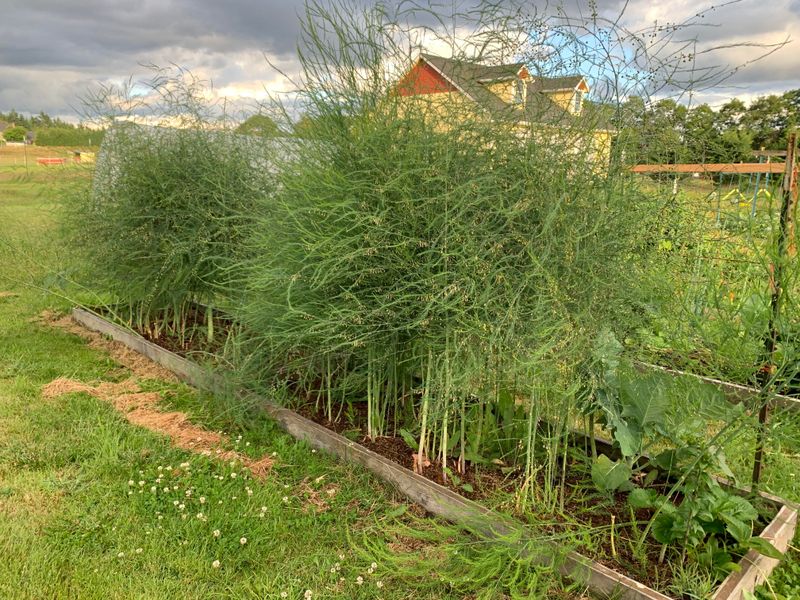
The fern-like foliage that grows after harvest feeds the roots, storing energy for next year’s production and ensuring continued vigor.
Ohio gardeners find asparagus remarkably low-maintenance once established, requiring only annual mulching, occasional weeding, and a light fertilizer application.
Male plants produce more spears than female plants, making them a popular choice for maximizing yields in home gardens.
Planting asparagus in raised beds or dedicated garden areas prevents accidental disturbance and allows roots to spread freely underground.
This vegetable rewards early spring gardeners with fresh, flavorful spears long before most annual crops are even planted outside.
2. Rhubarb
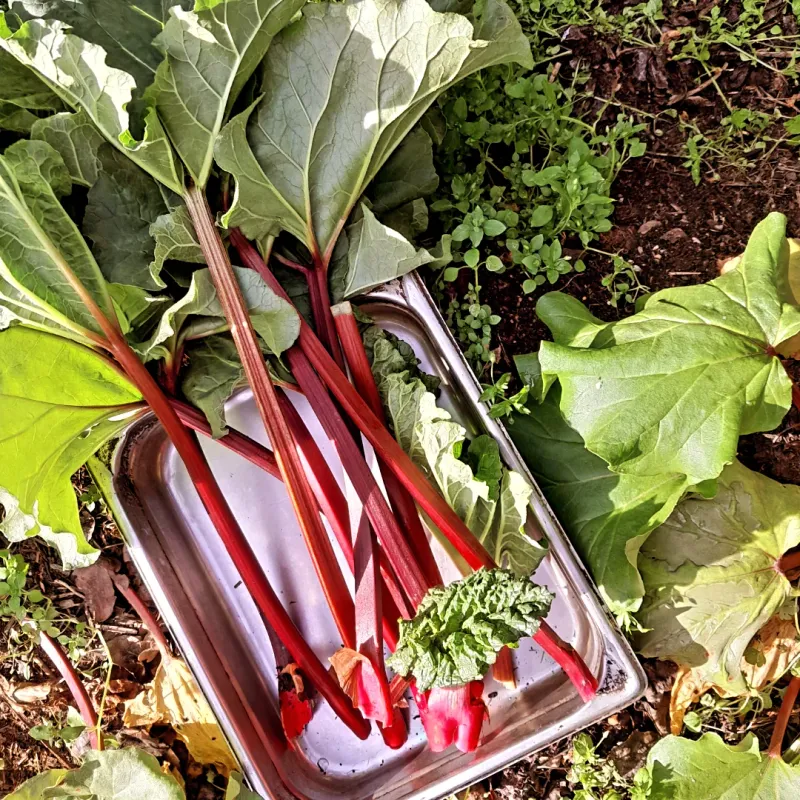
Rhubarb thrives in Ohio’s cool springs and tolerates the state’s variable weather patterns, making it an ideal perennial choice.
Gardeners plant rhubarb crowns in early spring or fall, placing them in sunny spots with rich, moisture-retentive soil.
The first year focuses on root establishment, so resist the temptation to harvest any stalks during this important period.
Starting in the second year, you can begin harvesting tart, tangy stalks for pies, jams, and other delicious culinary creations.
Only the stalks are edible; the leaves contain oxalic acid and should never be consumed or fed to animals.
Ohio’s cold winters actually benefit rhubarb, as the plant requires a period of dormancy to produce vigorous spring growth.
Mulching around the base helps retain moisture and suppresses weeds, reducing maintenance time throughout the growing season significantly.
Dividing large clumps every five to seven years rejuvenates plants and provides new crowns to expand your rhubarb patch.
This vegetable produces reliably for decades when given adequate space, water, and an annual application of compost.
3. Horseradish
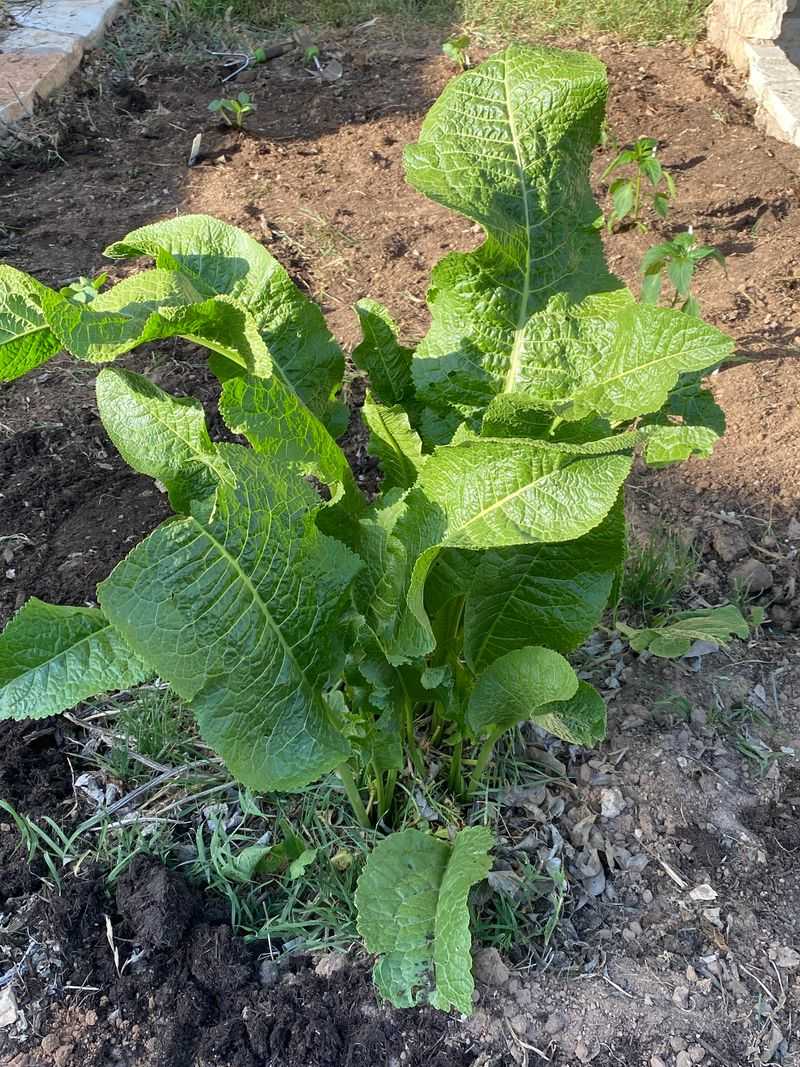
Horseradish roots grow vigorously in Ohio gardens, providing pungent, spicy flavor for sauces and condiments year after year.
Plant horseradish root cuttings in spring, choosing a location where the plant can spread without interfering with other crops.
This perennial grows enthusiastically, sometimes becoming invasive if not managed properly, so consider planting in containers or designated areas.
Ohio’s soil and climate suit horseradish perfectly, allowing roots to grow thick and flavorful throughout the growing season.
Harvest roots in fall after frost, which enhances their spicy bite and improves flavor for culinary use significantly.
Leave some roots in the ground to ensure continued growth the following year, or replant pieces to maintain your patch.
Fresh horseradish tastes far superior to store-bought versions, offering a sharp, clean heat that elevates many dishes beautifully.
The large leaves provide visual interest in the garden, though they aren’t typically eaten and mainly serve to nourish roots.
Horseradish requires minimal care once established, tolerating neglect better than many other vegetables and thriving in various soil types.
4. Jerusalem Artichoke
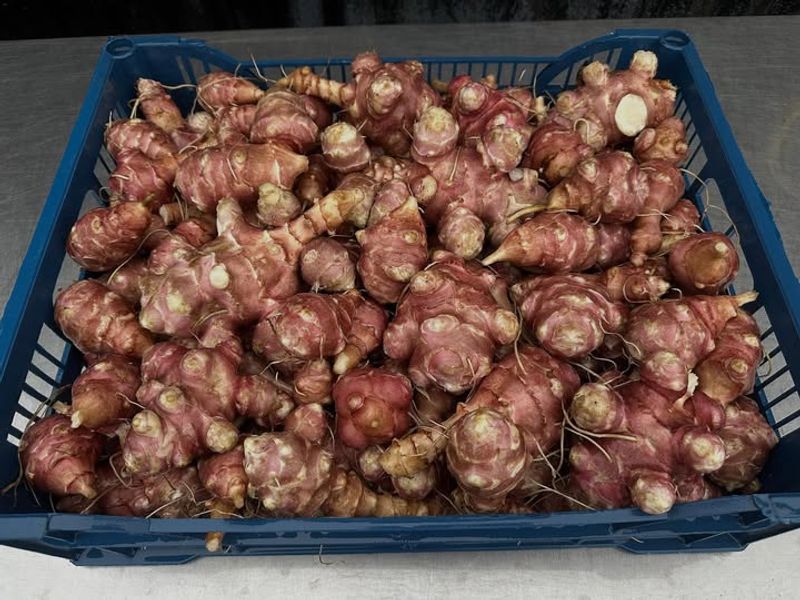
Jerusalem artichokes, also called sunchokes, produce edible tubers underground while displaying cheerful yellow flowers above ground in late summer.
These hardy perennials grow enthusiastically in Ohio, often reaching heights of six to ten feet with minimal care required.
Plant tubers in spring, spacing them generously to accommodate their vigorous spreading habit and tall growth throughout the season.
The tubers taste nutty and slightly sweet, resembling water chestnuts in texture when eaten raw or cooked in various dishes.
Ohio gardeners appreciate how sunchokes tolerate poor soil and dry conditions, thriving where other vegetables might struggle or fail.
Harvest tubers after frost in fall or early spring before new growth begins, leaving some in the ground for regeneration.
Be mindful that Jerusalem artichokes spread readily and can become difficult to remove once established in garden beds.
Planting them in contained areas or dedicated perennial sections prevents unwanted spreading and keeps the garden organized and manageable.
The tall stalks provide excellent privacy screening during summer months, serving dual purposes in landscape design.
5. Walking Onions

Walking onions earn their quirky name by producing bulblets at the top of their stems, which eventually bend down and replant themselves.
This self-propagating perennial provides Ohio gardeners with continuous onion harvests without replanting, as the plant literally walks across the garden.
Both the underground bulbs and the aerial bulblets are edible, offering mild onion flavor for cooking and fresh eating.
The green shoots can be harvested like scallions throughout the growing season, providing fresh flavor for salads and other dishes.
Walking onions tolerate Ohio’s winters exceptionally well, remaining productive even during cold snaps and returning reliably each spring.
Plant bulbs or bulblets in fall or early spring, spacing them about six inches apart in well-drained soil.
The unusual growth habit fascinates children and adults alike, making walking onions a conversation starter in any home garden.
These onions require almost no maintenance once established, thriving on neglect and spreading gradually to form expanding clumps.
Their hardiness and unique appearance make them an excellent addition to perennial vegetable gardens throughout Ohio.
6. Sorrel

Sorrel leaves offer a bright, lemony tang that adds refreshing flavor to salads, soups, and sauces throughout the growing season.
This perennial leafy green thrives in Ohio gardens, preferring partial shade and moist soil for optimal growth and flavor.
Plant sorrel from seeds or divisions in spring, and it will return faithfully year after year with minimal attention.
The leaves grow rapidly in cool weather, providing one of the earliest harvests in spring when fresh greens are scarce.
French sorrel varieties produce tender, less acidic leaves compared to common sorrel, appealing to those who prefer milder flavors.
Regular harvesting encourages new leaf production and prevents the plant from flowering, which can make leaves tougher and more bitter.
Ohio’s climate suits sorrel perfectly, as the plant tolerates both spring frosts and summer heat reasonably well when properly watered.
Dividing clumps every few years keeps plants vigorous and productive, while also providing new plants to share with friends.
Sorrel’s bright flavor and easy care make it a worthwhile addition to any perennial vegetable garden in Ohio.
7. Lovage
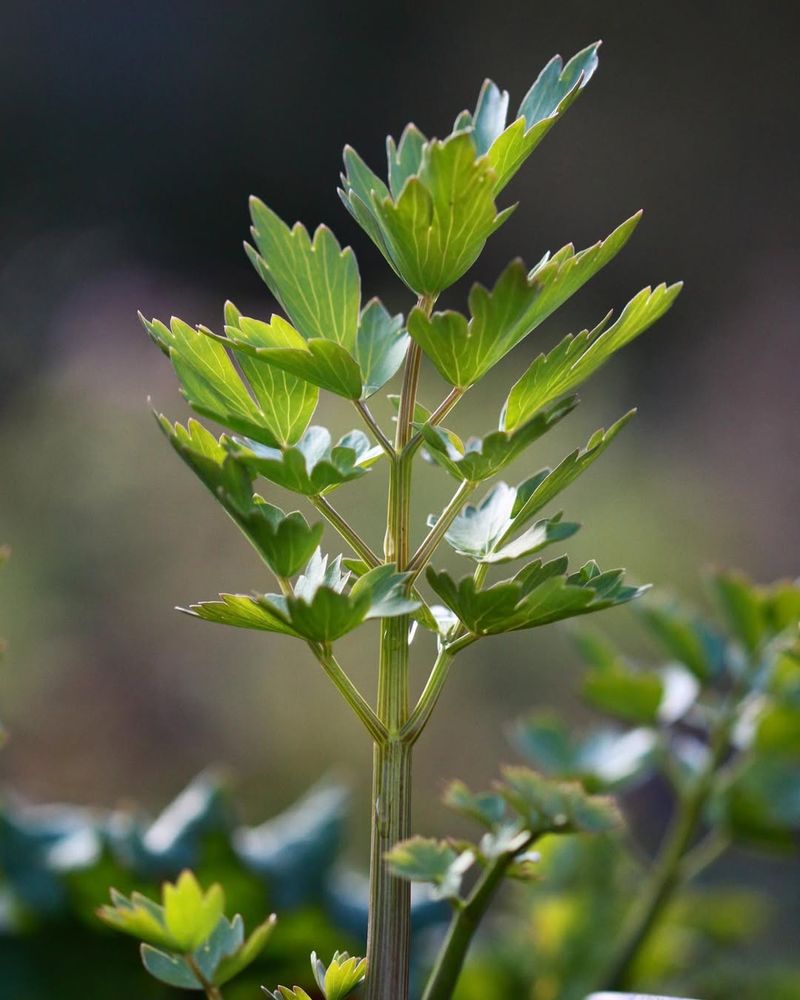
Lovage tastes remarkably similar to celery but grows as a hardy perennial that returns year after year in Ohio gardens.
The plant reaches impressive heights of five to six feet, producing abundant leaves, stems, and seeds that all offer culinary value.
Plant lovage in a permanent location with rich soil and full sun to partial shade for best results.
Young leaves and stems can be harvested throughout the growing season, adding intense celery flavor to soups, stews, and stocks.
The hollow stems can even be candied or used as edible drinking straws for creative culinary presentations and fun.
Lovage tolerates Ohio’s winters without protection, going dormant and returning with vigorous growth each spring as temperatures warm.
The seeds, which ripen in late summer, can be used as a seasoning similar to celery seed in recipes.
This perennial requires little maintenance beyond occasional watering during dry spells and benefits from annual compost applications around the base.
One mature lovage plant produces enough foliage to supply an entire family’s needs, making it highly productive and space-efficient.
8. Garlic Chives

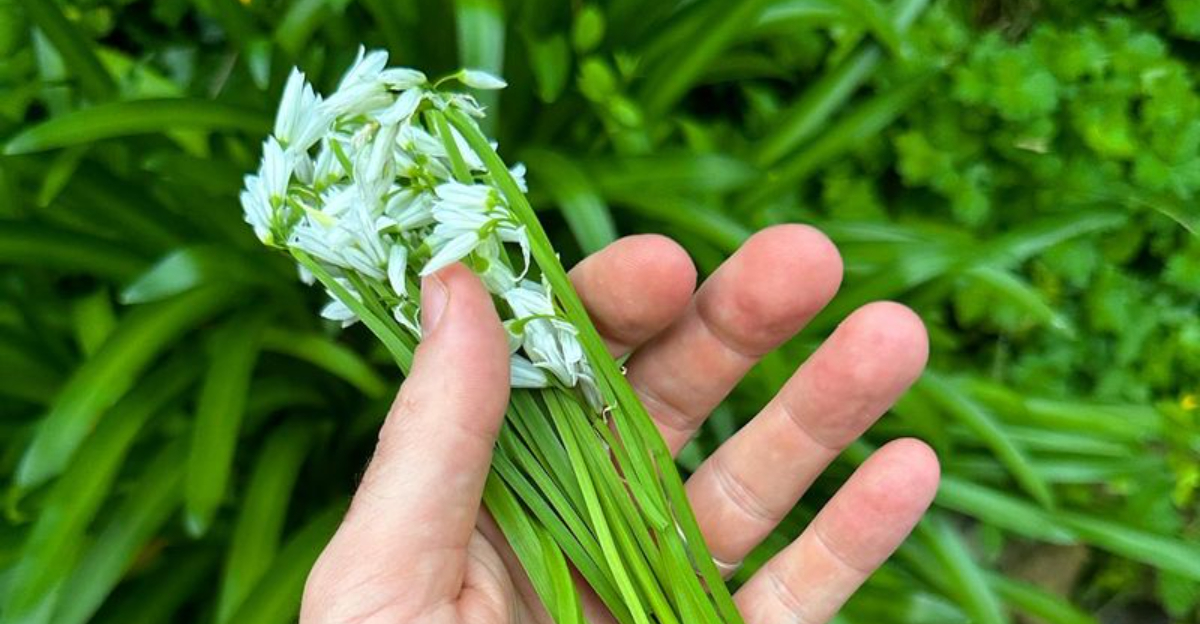
Garlic chives combine the best qualities of garlic and chives, offering flat leaves with a mild garlic flavor and lovely white flowers in late summer.
These perennials grow reliably in Ohio, tolerating a wide range of soil conditions and requiring minimal care once established.
Plant garlic chives from seeds or divisions, and they’ll form attractive clumps that expand gradually over the years.
Both the leaves and flowers are edible, adding mild garlic flavor and visual appeal to salads, stir-fries, and garnishes.
Unlike common chives, garlic chives have flat rather than hollow leaves, making them easier to chop and incorporate into dishes.
The white flowers attract beneficial pollinators to the garden, supporting overall garden health and biodiversity throughout the growing season.
Ohio gardeners appreciate how garlic chives remain productive even during hot summer weather when many herbs become stressed or bitter.
Cutting back flower stalks before seeds form prevents excessive self-seeding and keeps the plant producing tender new leaves continuously.
Garlic chives tolerate light shade, making them useful for planting under fruit trees or in partially shaded garden areas.
9. Good King Henry
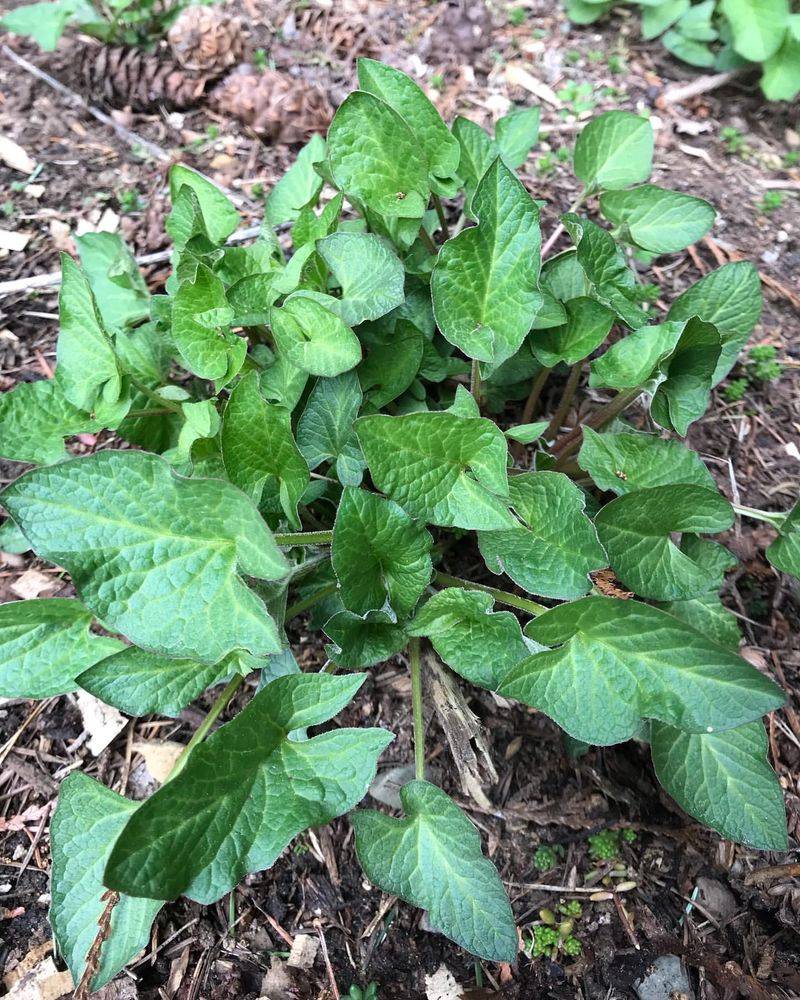
Good King Henry, an old-fashioned perennial vegetable, produces edible leaves, shoots, and flower buds throughout the growing season.
This hardy plant thrives in Ohio gardens, tolerating partial shade and a variety of soil types with remarkable adaptability.
The young leaves taste similar to spinach and can be cooked or eaten raw in salads when harvested young.
Emerging shoots in early spring can be prepared like asparagus, offering another delicious way to enjoy this versatile perennial.
The flower buds, when steamed, resemble broccoli in flavor and provide yet another edible harvest from a single plant.
Good King Henry was a common vegetable in European gardens centuries ago but has become relatively rare in modern times.
Ohio gardeners interested in heirloom and unusual vegetables find this perennial fascinating and productive once it becomes established.
The plant requires little maintenance beyond occasional watering and benefits from a spring application of compost or balanced fertilizer.
Good King Henry self-seeds moderately, allowing it to naturalize in suitable locations without becoming invasive or problematic in the garden.
10. Sea Kale
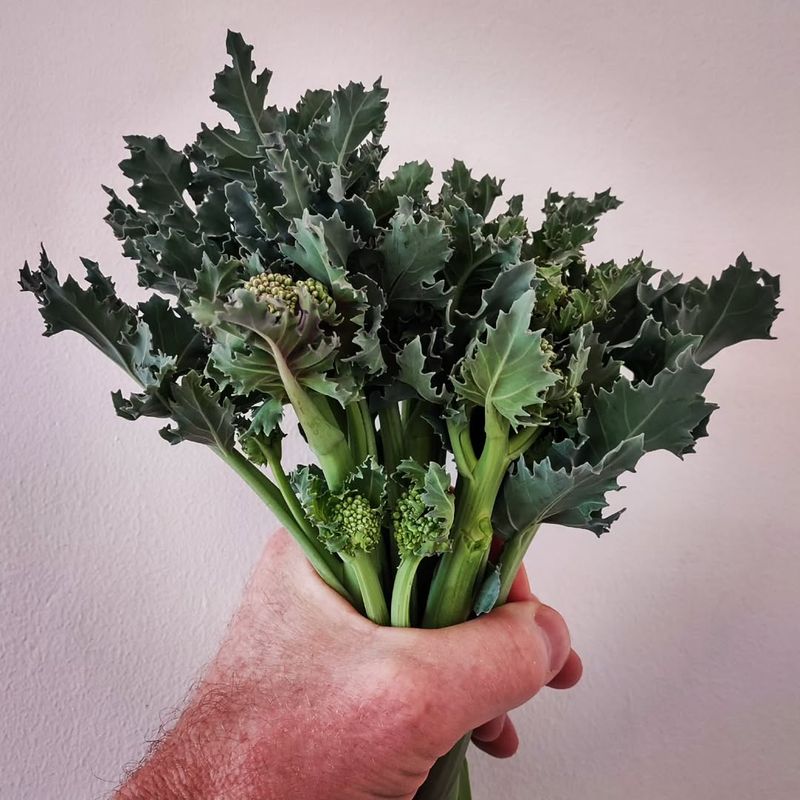
Sea kale produces beautiful blue-green foliage and edible shoots that blanch to create a delicate, asparagus-like vegetable in spring.
This ornamental perennial thrives in Ohio gardens when planted in well-drained soil with plenty of organic matter incorporated deeply.
The plant requires patience, taking two to three years to establish before producing harvestable shoots in meaningful quantities.
Blanching the shoots by covering them with pots or mulch in early spring creates tender, pale stems with superior flavor.
The young leaves can also be eaten when cooked, though they become tough and bitter as they mature later.
Sea kale’s attractive appearance makes it suitable for ornamental borders as well as vegetable gardens, serving dual purposes beautifully.
Ohio’s climate suits this perennial well, though plants appreciate protection from harsh winter winds and benefit from mulching in fall.
The white flowers that appear in late spring attract pollinators and add visual interest, though removing them directs energy to root development.
Sea kale represents an investment in future harvests, rewarding patient gardeners with unique vegetables for many years.
11. Turkish Rocket
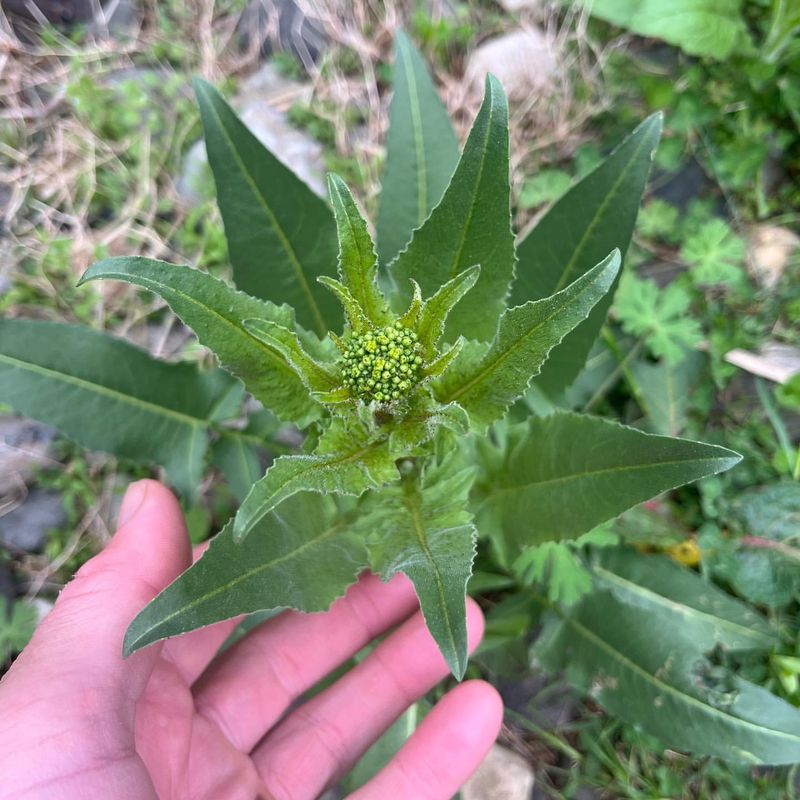
Turkish rocket offers a perennial alternative to annual arugula, providing spicy, peppery leaves year after year in Ohio gardens.
This hardy perennial produces leaves that taste similar to arugula but with a slightly milder, nuttier flavor that many people prefer.
Plant Turkish rocket in spring or fall, choosing a location with partial shade to prevent leaves from becoming too spicy.
The plant tolerates Ohio’s winters remarkably well, often remaining semi-evergreen and providing fresh greens during mild winter periods.
Regular harvesting of outer leaves encourages continuous production and keeps the plant compact rather than allowing it to become leggy.
Turkish rocket produces yellow flowers in spring, which are also edible and add a peppery kick to salads and garnishes.
Unlike annual arugula, which bolts quickly in hot weather, Turkish rocket remains productive throughout summer with adequate moisture.
The plant spreads gradually through underground runners, forming expanding patches that can be divided to create new plants or control spread.
Ohio gardeners value Turkish rocket for its cold hardiness, long harvest season, and low-maintenance nature in perennial vegetable gardens.
12. Watercress
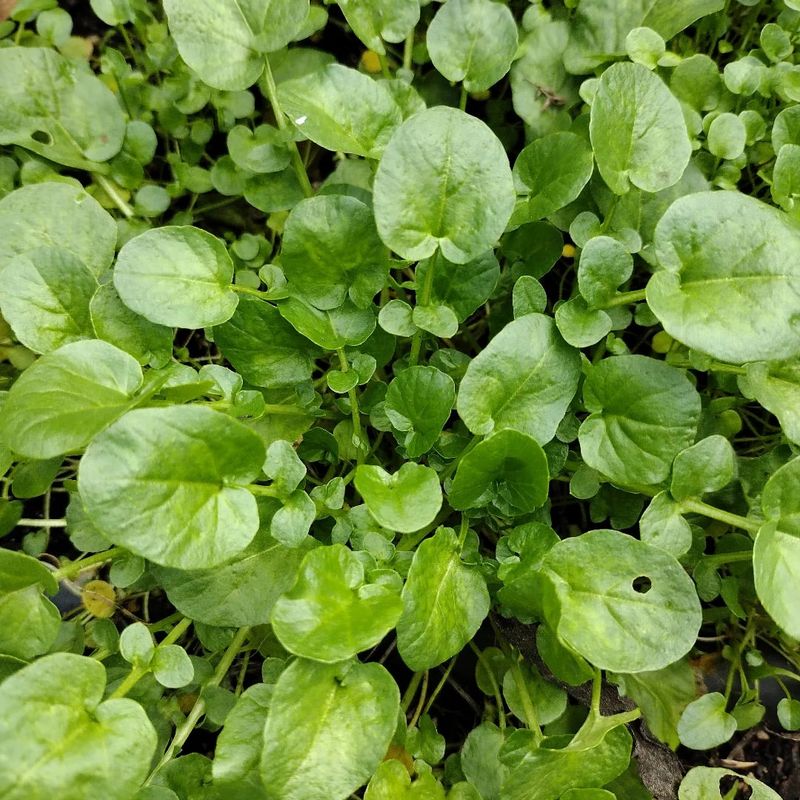
Watercress thrives in Ohio’s climate when provided with consistently moist soil or shallow water, offering peppery leaves year-round in mild climates.
This perennial green grows naturally along streams and springs but adapts well to garden conditions with adequate moisture and partial shade.
Plant watercress cuttings or seeds near water features, in containers with drainage holes sitting in water trays, or in consistently damp soil.
The crisp, peppery leaves add zesty flavor to salads, sandwiches, and soups, while also providing impressive nutritional benefits and vitamins.
Watercress produces white flowers in spring, which signal that leaves may become more pungent and slightly tougher in texture.
Regular harvesting and pinching back flowering stems keeps plants producing tender new growth throughout the growing season continuously.
In Ohio, watercress may survive mild winters, especially when growing in spring-fed water sources that don’t freeze completely solid.
Container-grown watercress can be moved indoors or to protected locations during harsh winter weather for continued harvests year-round.
This perennial offers unique growing requirements but rewards dedicated gardeners with fresh, flavorful greens that are expensive in stores.