10 Vegetables Oregon Beginner Gardeners Can Easily Grow In Raised Beds
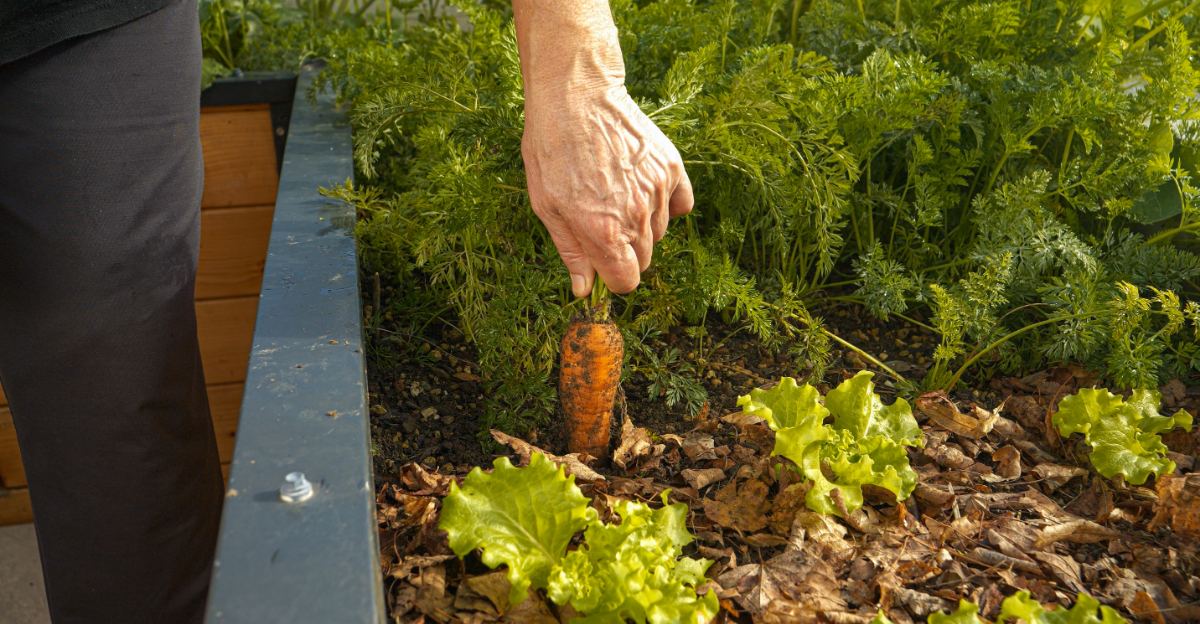
There’s something satisfying about filling a raised bed for the first time. The soil feels loose and ready, the layout is easy to manage, and it brings back that sense of starting fresh after a long winter.
Many Oregon gardeners remember those first seasons when every plant felt like an experiment.
Raised beds make things more predictable, especially with Oregon’s mix of cool springs and dry summers. They warm up faster than in-ground soil and drain better after heavy rain, which gives beginners a bit more control.
Choosing the right vegetables can make that first experience far less stressful.
Some crops settle in quickly and grow without much trouble, and once you see how they respond, it becomes easier to plan what goes into the next bed.
1. Lettuce Growing Fast With Crisp Fresh Leaves
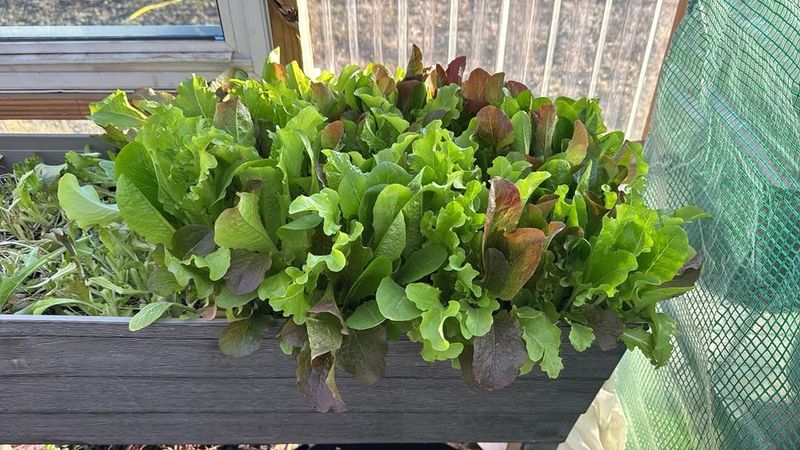
If there is one vegetable that practically begs to grow in Oregon’s cool, cloudy spring weather, it is lettuce. This leafy green loves mild temperatures and actually struggles when things get too hot, which means Oregon’s long, gentle springs are practically perfect for it.
You can often start sowing seeds directly into your raised bed in early spring in the Willamette Valley, depending on soil conditions and weather.
Lettuce grows quickly, and you can begin harvesting outer leaves in as little as 30 days after planting. Try growing a mix of varieties like butterhead, romaine, and loose-leaf types to keep things interesting and give yourself a colorful salad bowl.
Spacing seeds about six inches apart gives each plant enough room to fill out nicely.
One of the best things about lettuce in raised beds is that you can practice “cut and come again” harvesting, where you snip leaves from the outside and the plant keeps producing. Keep the soil consistently moist and add a light layer of mulch to hold in moisture.
As temperatures climb in summer, plant lettuce in a spot that gets afternoon shade to extend your harvest season well into June.
2. Spinach Thriving In Cool Oregon Conditions
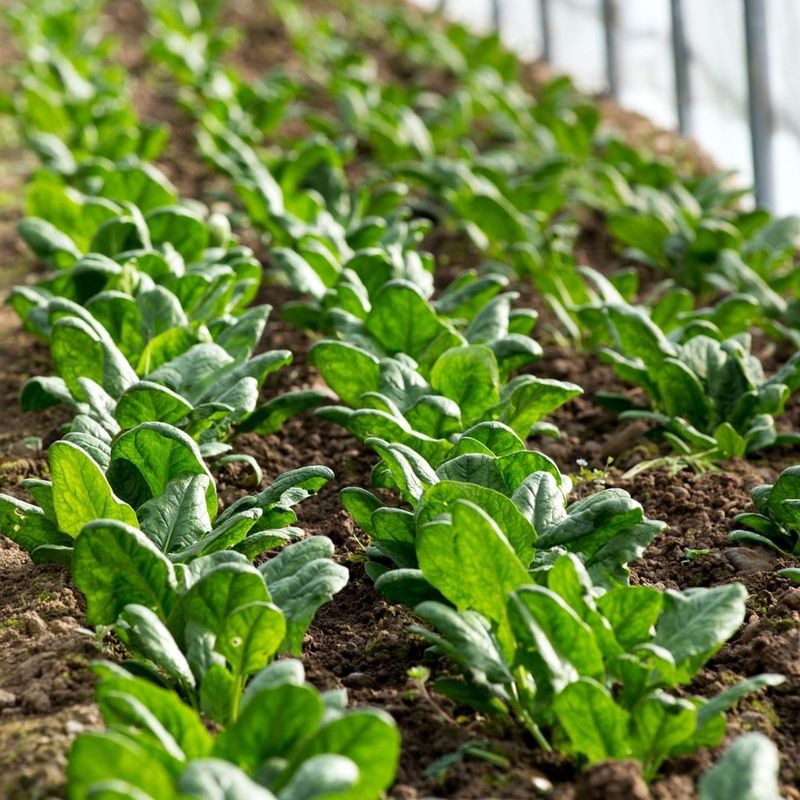
One of the vegetables that makes beginner gardeners feel like pros is spinach. It is cold-hardy, fast-growing, and thrives in exactly the kind of cool, damp weather that Oregon delivers so reliably each spring and fall.
In fact, spinach can handle light frosts, which means you can get it in the ground earlier than most other vegetables.
Plant spinach seeds about half an inch deep and two to three inches apart in your raised bed. Oregon gardeners in the Portland area or along the coast can often start sowing seeds in February and then again in late August for a fall crop.
The loose, well-amended soil of a raised bed is ideal because spinach roots need good drainage to stay healthy.
Harvest spinach leaves when they reach about three to four inches long for the best flavor. Baby spinach is tender and mild, while larger leaves have a slightly earthier taste that works great in cooked dishes.
Water your spinach regularly but avoid overwatering, as soggy soil can cause issues. Adding compost to your raised bed before planting gives spinach the nutrients it needs to grow thick, dark, and delicious all season long.
3. Radishes Ready To Harvest In Just Weeks
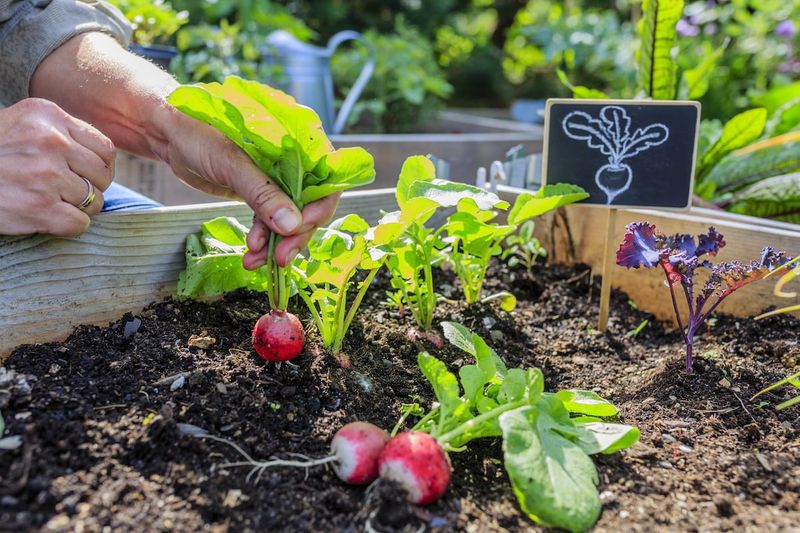
Want to see results fast? Radishes are your answer.
These little root vegetables are famous for maturing in just 20 to 30 days, making them one of the most satisfying crops for anyone new to gardening. Planting a row of radishes and pulling up a crunchy, bright red vegetable less than a month later is the kind of win that keeps beginner gardeners coming back for more.
In Oregon, radishes can be sown directly into raised beds starting in early March. The cool, moist conditions that define Oregon springs are practically tailor-made for radish production.
Sow seeds about half an inch deep and one inch apart, then thin them to two inches once they sprout. Raised beds make thinning easy because the soil stays loose and workable all season.
Radishes also work great as a companion plant, helping to break up soil for neighboring vegetables and even attracting certain beneficial insects. Try succession planting every two weeks to enjoy a steady supply from spring through early summer.
When the heat of July arrives, take a break and start again in late August for a fall harvest. Cherry Belle and French Breakfast are two popular varieties that do especially well in Oregon’s climate.
4. Carrots Growing Straight In Loose Raised Bed Soil
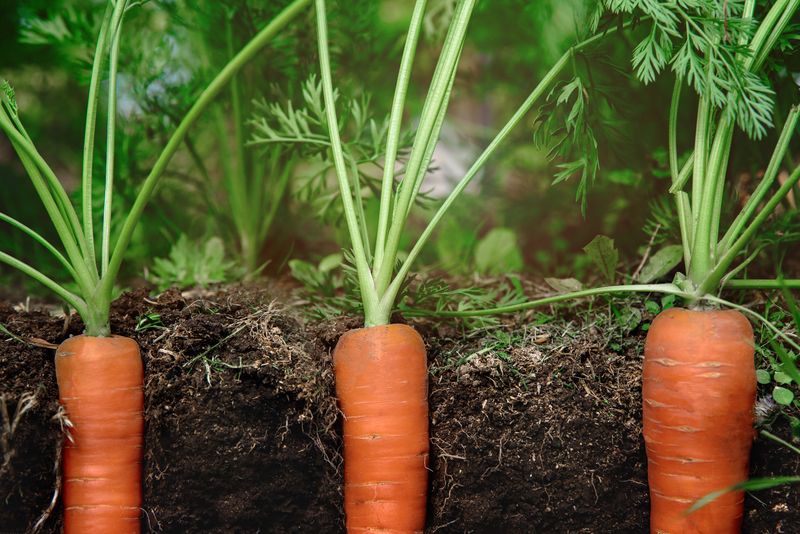
A reputation for being tricky often follows carrots, but raised beds actually solve most of the problems people run into when growing them in the ground. The number one reason carrots fail is compacted or rocky soil that forces the roots to fork or stunt.
In a raised bed filled with loose, well-draining soil, carrots can grow straight and sweet without any trouble at all.
Oregon’s mild climate is a great match for carrots, which prefer cooler soil temperatures for germination. Sow seeds directly into your raised bed starting in April, pressing them lightly into the surface and keeping the soil consistently moist until they sprout.
Germination can take up to two weeks, so be patient and do not let the bed dry out during that time.
Choose shorter varieties like Danvers 126 or Chantenay if your raised bed is less than 12 inches deep, as these types do not need as much root space. Thin seedlings to about two inches apart once they reach an inch tall.
Carrots left in the ground after a light frost actually taste sweeter because the cold converts some of their starch to sugar. Oregon fall frosts make late-season carrots an especially delicious treat worth waiting for.
5. Green Onions Offering Quick Fresh Flavor
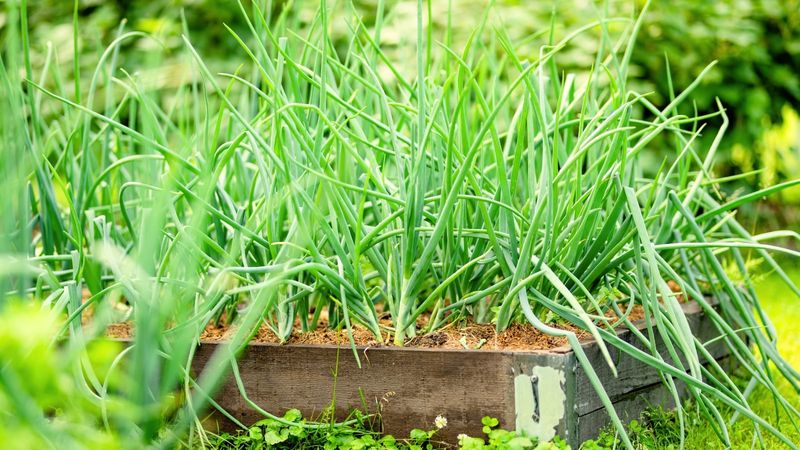
Also called scallions, green onions are one of the most underrated vegetables you can grow in a raised bed. They take up almost no space, they grow quickly, and you can start snipping them for use in the kitchen within just a few weeks of planting.
For Oregon beginner gardeners looking to maximize their raised bed space, green onions are a smart and practical choice.
You can grow green onions from seeds or from sets, which are small bulbs that establish even faster. Plant them about half an inch deep and one inch apart in rows.
They thrive in Oregon’s cool spring weather and can be planted as early as March in most parts of the state. Their slender roots do not need a lot of depth, so they work perfectly even in shallower raised beds.
One fun trick is to save the root ends of store-bought green onions and stick them into your raised bed soil. They can regrow for a short period and provide a few additional harvests, though regrowth may slow over time.
Green onions pair well with almost every other vegetable in the garden and can be tucked into small gaps between larger plants. Harvest them when the stalks are about six to eight inches tall for the freshest, mildest flavor.
6. Peas Climbing Early With Sweet Pods
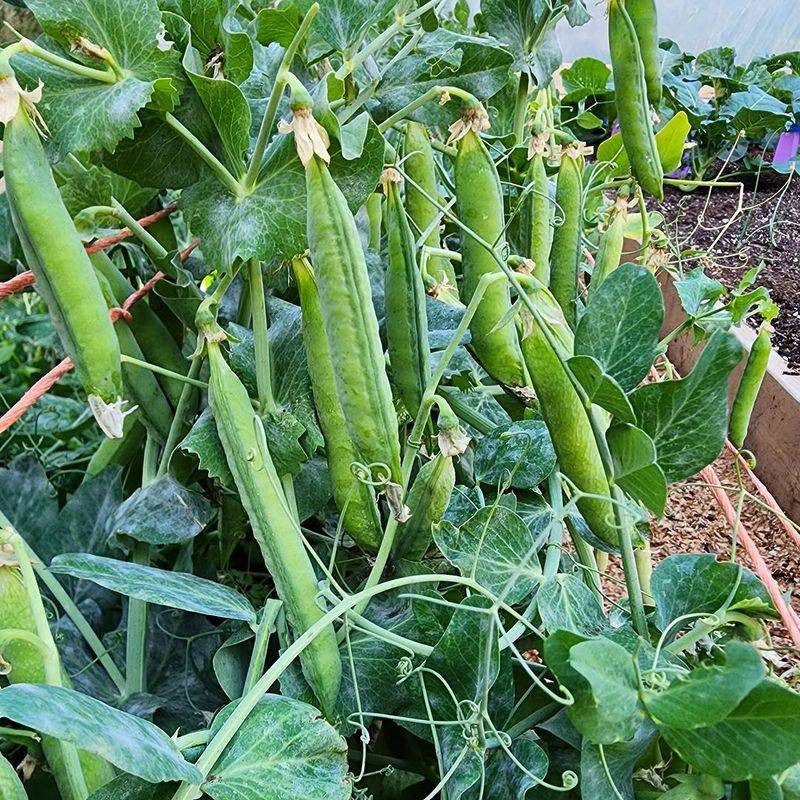
Few things beat the joy of picking a fresh pea pod straight off the vine and eating it right there in the garden. Peas are a beloved spring crop in Oregon, and they thrive in the cool, moist conditions that the Pacific Northwest delivers so generously from March through June.
Unlike many vegetables that need warm soil to get going, peas prefer cool conditions and are often planted in early spring in many parts of Oregon, depending on soil readiness.
Sow pea seeds about one inch deep and two inches apart directly into your raised bed. Because peas are climbers, set up a simple trellis or some bamboo stakes at planting time so the vines have something to grab onto as they grow.
Sugar snap peas and snow peas are both excellent choices for beginners because they are productive, easy to manage, and delicious eaten fresh.
Peas fix nitrogen in the soil, which means they actually improve your raised bed for the next crop you plant after them. Water them at the base to reduce the chance of mildew on the leaves, which can be an issue in Oregon’s damp spring air.
Once daytime temperatures consistently hit the high 70s, pea plants will slow down, so harvest frequently and enjoy them while the cool weather lasts.
7. Bush Beans Producing Steady Summer Harvests
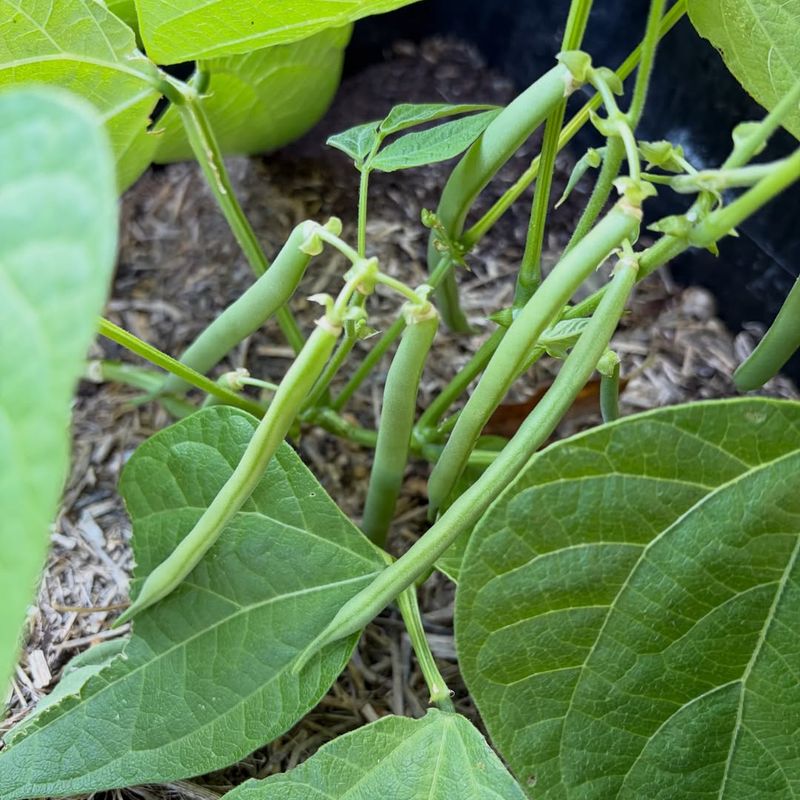
Once the warm days of summer arrive in Oregon, bush beans become one of the easiest and most productive vegetables you can grow in a raised bed. Unlike pole beans, bush beans do not need a trellis or any kind of support structure.
They grow into compact, bushy plants that stay tidy in a raised bed and can produce a good harvest within a relatively short window of time.
Wait until after Oregon’s last frost date, typically mid-April to mid-May depending on your region, before planting bush bean seeds. Sow them about one inch deep and three to four inches apart directly into your raised bed.
They germinate quickly in warm soil and go from seed to harvest in about 50 to 60 days. Provider and Blue Lake are two reliable varieties that perform well across much of Oregon.
Bush beans do not need much fertilizer, especially if your raised bed already has good compost mixed in. Too much nitrogen will give you lots of leafy growth but fewer beans.
Water consistently, especially when plants are flowering, to encourage a good crop. Harvest beans when they are slim and tender, before the seeds inside start to bulge.
Regular picking actually encourages the plant to keep producing, so check your raised bed every couple of days.
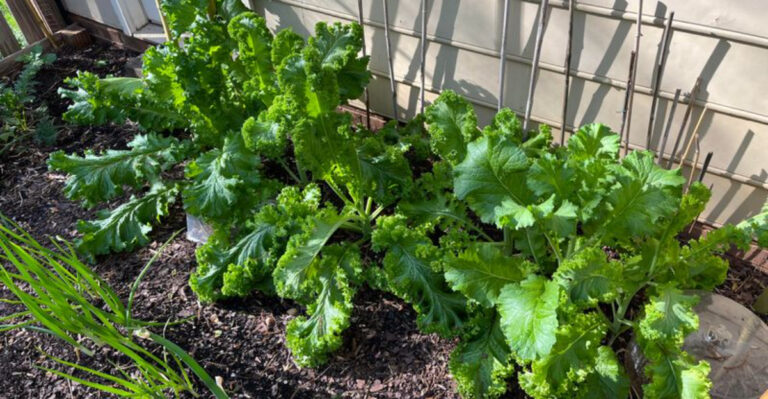
8. Kale Holding Strong Through Cool Weather
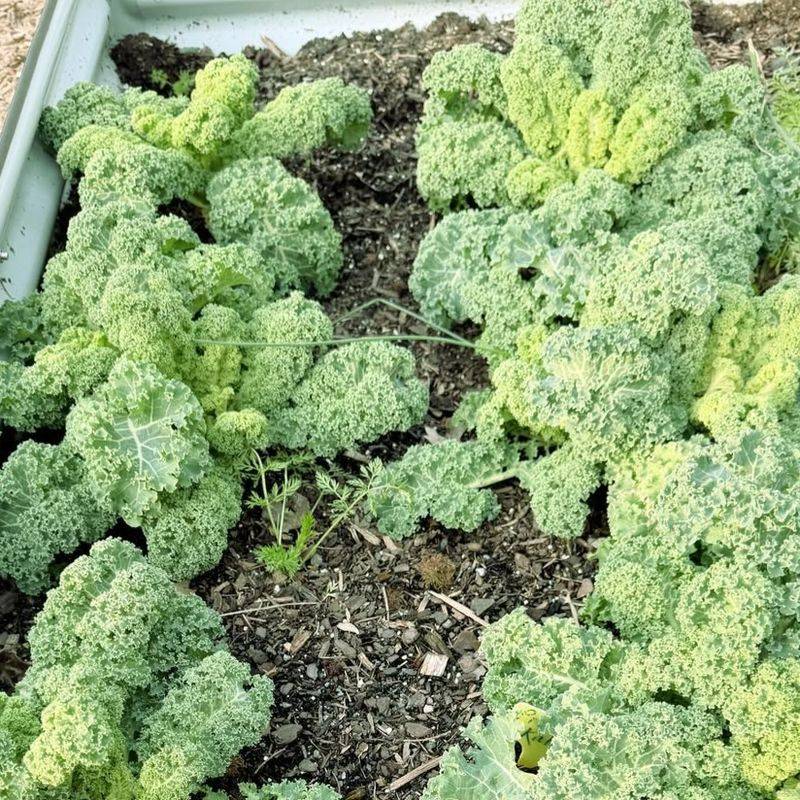
Something of a superstar in the vegetable world, kale is a crop Oregon gardeners have every reason to embrace. This hardy green often develops a milder, slightly sweeter flavor after a frost, as cold temperatures can influence sugar levels in the leaves.
In Oregon, where cool weather stretches from fall well into spring, kale can be harvested for months on end without much fuss at all.
Start kale seeds indoors about six weeks before your last frost date, or direct sow into your raised bed in early spring or late summer. Transplant seedlings about 12 to 18 inches apart to give each plant plenty of room to spread out.
Lacinato kale, also called dinosaur kale, and Red Russian kale are two beginner-friendly varieties that handle Oregon’s wet winters especially well.
Kale is a heavy feeder, so mix plenty of compost into your raised bed before planting and consider adding a balanced fertilizer partway through the season. Water regularly and watch for cabbage worms, which are one of the few pests that love kale as much as people do.
Covering your raised bed with a lightweight row cover can protect plants without blocking light. Harvest outer leaves first to keep the plant producing all season long.
9. Swiss Chard Adding Color And Long Harvests
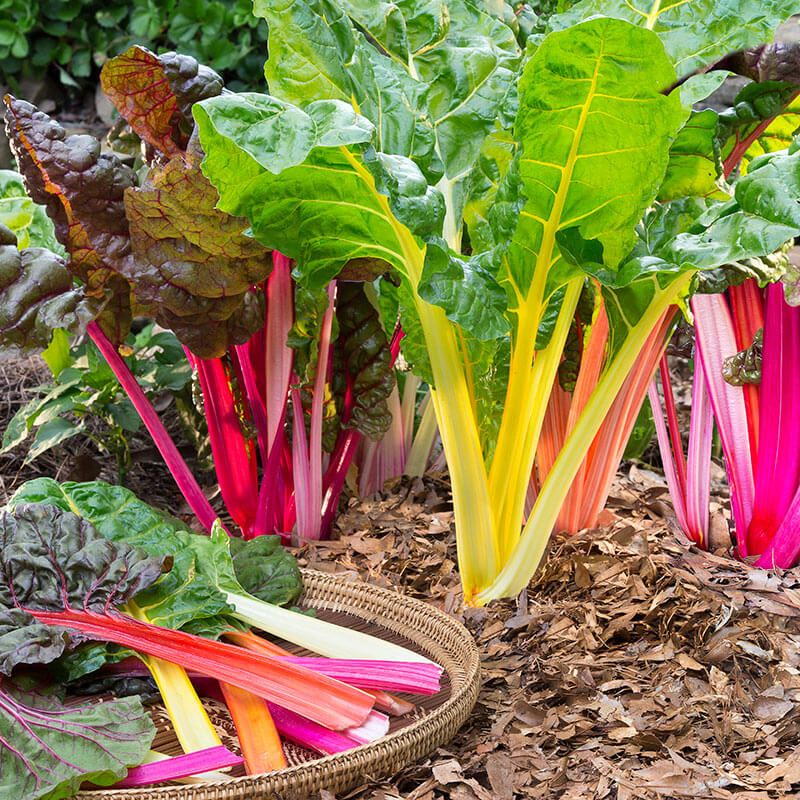
With stems that come in shades of red, orange, yellow, and white, a row of Swiss chard looks almost too pretty to eat. Fortunately, it tastes just as good as it looks, with tender leaves that work well in salads, stir-fries, and soups.
One of the best things about Swiss chard for Oregon beginner gardeners is its incredible adaptability. It tolerates both cool spring weather and the warmer temperatures of summer without bolting the way lettuce or spinach might.
Plant seeds about half an inch deep and six inches apart in your raised bed, starting in early spring. In Oregon’s mild climate, Swiss chard can sometimes continue growing into late fall with some protection, depending on weather conditions.
Swiss chard grows large, so make sure to give it enough space in your raised bed so it does not crowd out neighboring plants. Harvest outer stalks when they reach eight to ten inches tall, leaving the center of the plant intact to keep producing.
Rainbow Chard seed mixes are widely available and give you a beautiful variety of colors in a single planting. Water consistently and add compost mid-season to keep plants healthy and productive through Oregon’s long growing season.
10. Beets Giving You Roots And Greens Together
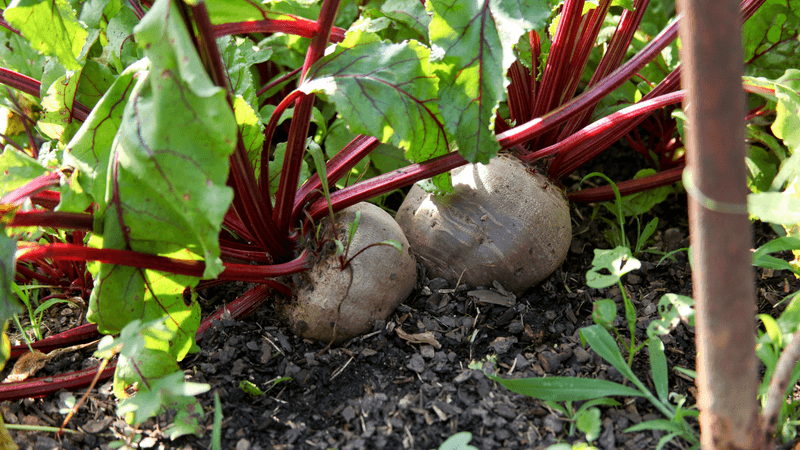
A two-for-one vegetable that not enough beginner gardeners take advantage of is beets. You get the sweet, earthy root to roast or pickle, and the leafy green tops are completely edible too, tasting similar to Swiss chard.
In Oregon, where the cool climate suits beets perfectly, you can grow them in spring and again in late summer for a fall harvest that extends well into the rainy season.
Sow beet seeds directly into your raised bed about half an inch deep and two inches apart, starting in March or April. Beet seeds are actually clusters of multiple seeds, so expect several seedlings to sprout from each one.
Thin them to about three to four inches apart once they reach a few inches tall to give each beet enough room to develop a full-sized root underground.
Raised beds are ideal for beets because the loose, deep soil allows roots to expand without resistance. Detroit Dark Red and Chioggia are two popular varieties that perform reliably across Oregon’s diverse growing regions.
Keep the soil evenly moist throughout the season, as inconsistent watering can cause beets to crack or become tough. Harvest beets when they are about two to three inches in diameter for the best texture and sweetest flavor straight from your Oregon raised bed.