10 Vegetables Pennsylvania Yards Handle Without Trouble
Growing your own vegetables always sounds simple at first. A few seed packets, a sunny patch of yard, and visions of fresh salads all summer long.
Then reality sets in. Some plants thrive, others struggle, and you start wondering what you missed.
Where you live makes a bigger difference than most people realize. Pennsylvania brings cool springs, warm summers, and soil that can range from rich garden loam to heavy clay.
Choosing vegetables that match those conditions saves time, money, and frustration. When you plant crops that already agree with the local climate, the garden feels far less like a gamble.
If you’re tired of guessing and hoping for the best, there are a handful of vegetables that consistently do well here.
And no, this list doesn’t include anything that needs a greenhouse, a miracle fertilizer, or a lucky charm from your neighbor.
1. Green Beans That Keep Producing All Summer
Bush beans deserve their reputation as one of the most reliable vegetables for Pennsylvania gardens. Plant the seeds after the last spring frost when soil temperatures reach at least 60 degrees, and they’ll reward you with steady harvests for weeks.
Most Pennsylvania gardeners can safely plant around mid-May, though southern counties might start earlier and northern areas wait until late May.
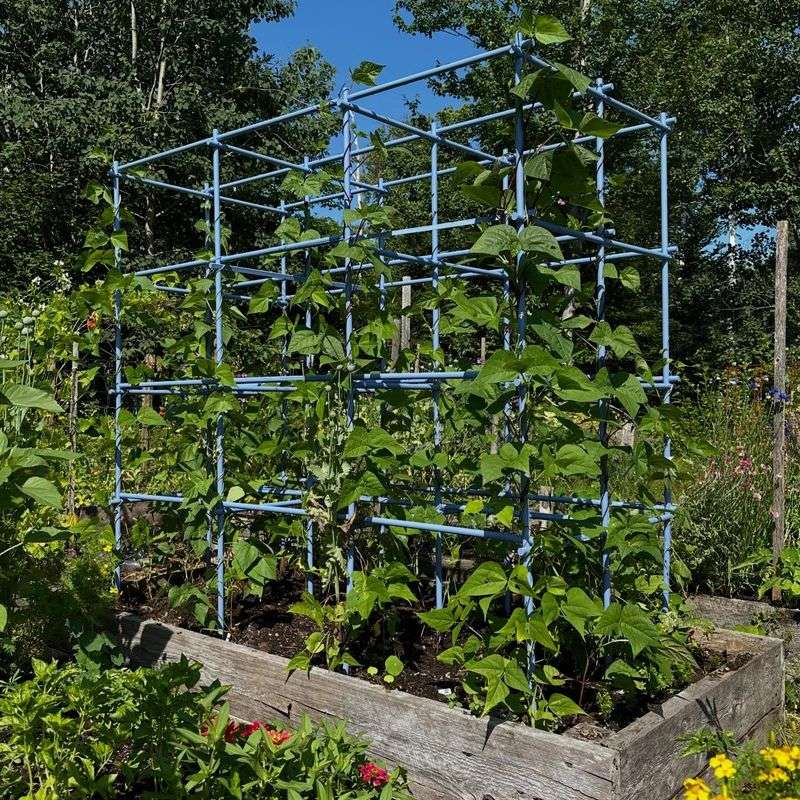
These plants don’t require staking or complicated support systems like their pole bean cousins. They grow compact and sturdy, reaching about two feet tall and staying put.
Provider and Contender varieties handle Pennsylvania’s summer heat well while producing tender, flavorful beans. Plant seeds one inch deep and three inches apart in rows spaced about two feet apart.
The magic happens when you pick regularly. Harvest beans while they’re still slender and snap easily, before the seeds inside bulge noticeably.
Picking every two or three days encourages the plants to keep flowering and setting new pods. Many Pennsylvania gardeners get six to eight weeks of production from a single planting.
The plants tolerate brief dry spells better than many vegetables, though consistent moisture produces the best yields and prevents tough, stringy beans.
2. Tomatoes That Love Pennsylvania Sunshine
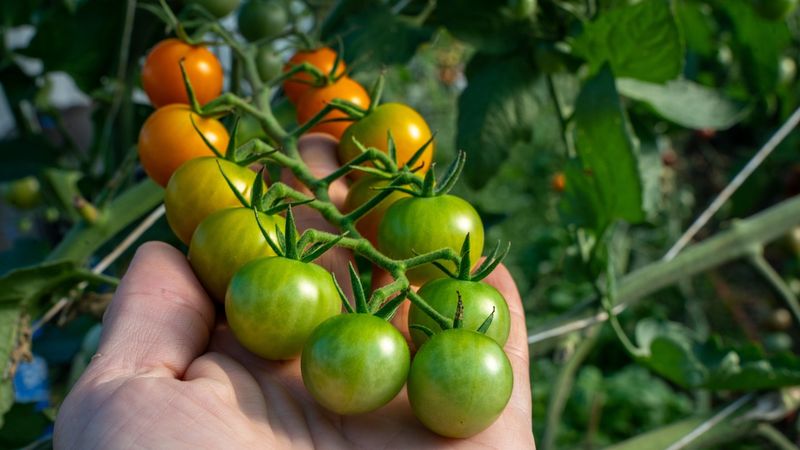
Nothing beats the flavor of a sun-warmed tomato picked fresh from your Pennsylvania garden. These heat-loving plants thrive during the state’s warm summers, turning sunshine and water into juicy, flavorful fruit.
Starting with transplants rather than seeds gives you a major head start, letting you plant out in late May after frost danger passes completely.
Pennsylvania’s growing season provides enough time for most tomato varieties to mature and produce heavily. Early Girl and Celebrity varieties work reliably across the state, while beefsteak types like Big Beef need the longer, warmer seasons found in southern Pennsylvania counties.
Choose a spot that gets at least six to eight hours of direct sunlight daily. Tomatoes planted in partly shaded areas grow tall and leafy but produce fewer fruits.
Staking or caging plants keeps fruits off the ground and makes harvesting easier. Push stakes or cages into the soil at planting time to avoid damaging roots later.
Water deeply once or twice weekly rather than sprinkling lightly every day, which encourages strong root systems. Pennsylvania’s summer humidity can encourage fungal problems, so water at soil level rather than overhead, and space plants adequately for air circulation.
Mulching around plants helps maintain even soil moisture and reduces weeds.
3. Radishes That Sprout Fast And Beat The Spring Chill
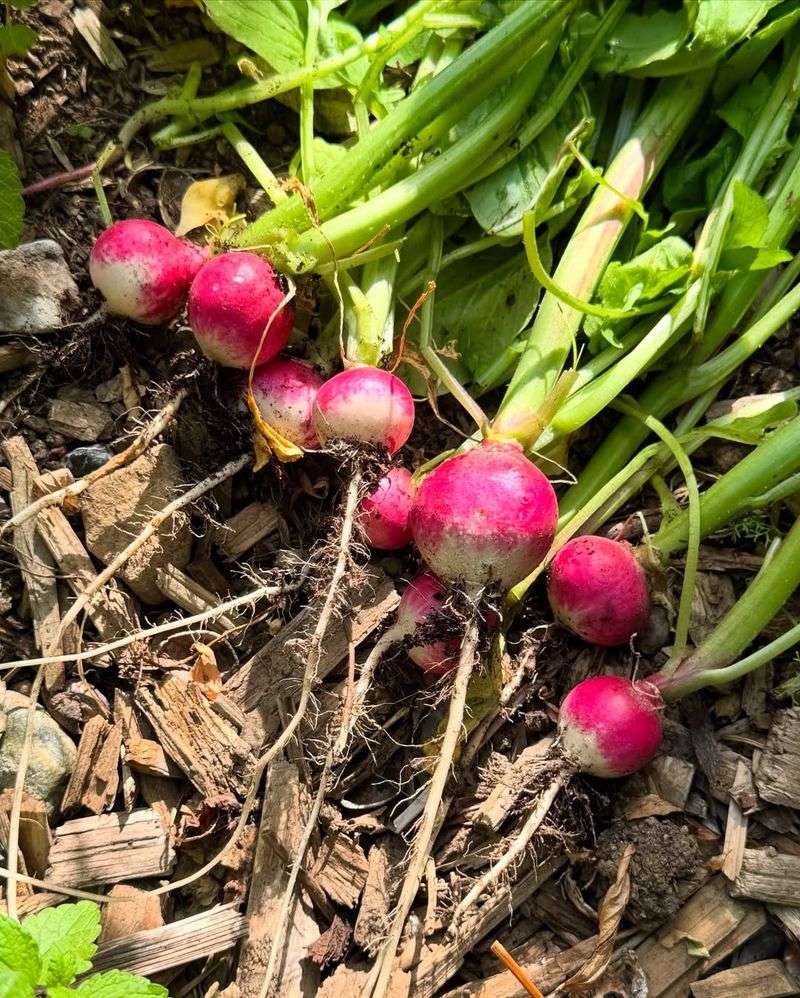
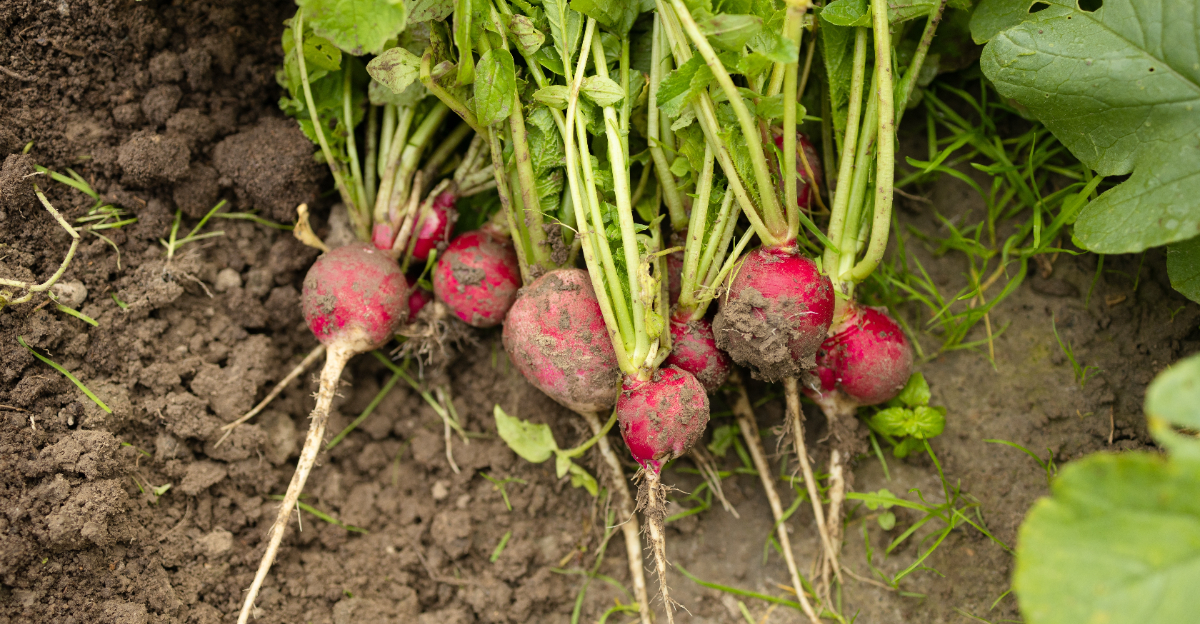
Want a vegetable that grows fast enough to keep new gardeners excited? Radishes pop up so quickly that kids often choose them for their first gardening projects.
Within three to four weeks of planting seeds directly in Pennsylvania soil, you’ll be pulling crisp, peppery roots ready for salads or snacking. They handle the cool temperatures of early spring beautifully, actually preferring those conditions over hot summer weather.
Pennsylvania gardeners can start planting radishes as soon as the ground thaws enough to work, usually late March or early April depending on your specific location. The seeds don’t mind a light frost, and the plants develop best when temperatures stay between 50 and 65 degrees.
Plant them about half an inch deep and one inch apart in rows, then thin seedlings to give each radish room to form its bulb.
The fast growth means you can plant new batches every two weeks throughout spring for continuous harvests. Cherry Belle and French Breakfast varieties work especially well across Pennsylvania.
Sandy or loose soil helps radishes develop their characteristic round or oblong shapes without resistance. Mix in some compost before planting, keep the soil moist but not waterlogged, and you’ll have crunchy radishes before most other vegetables even get started.
4. Cucumbers That Climb And Fill Your Harvest Basket
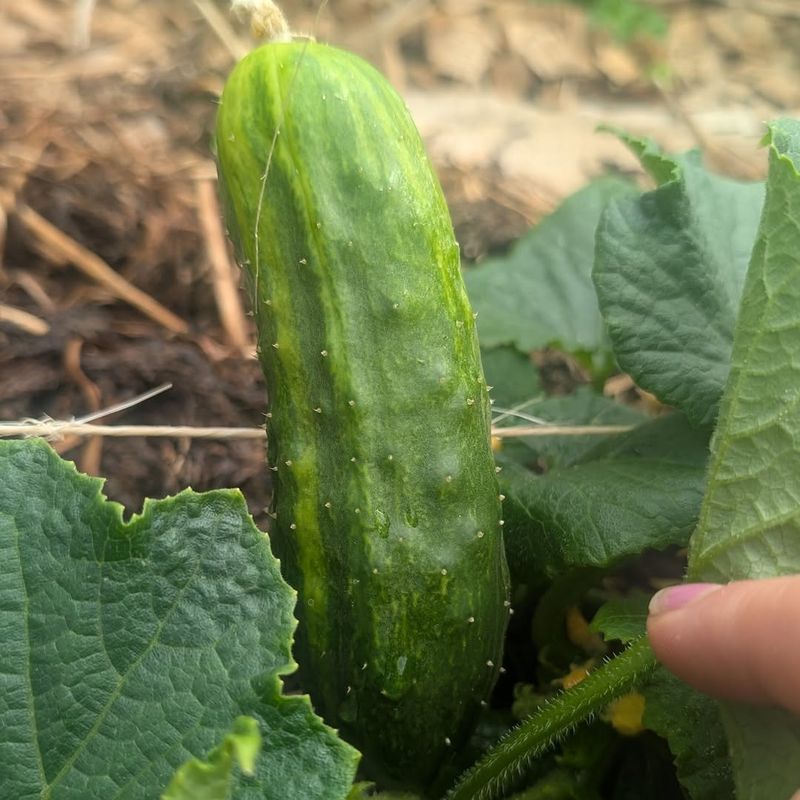
Cucumbers produce abundantly in Pennsylvania gardens when given warm soil and something to climb. These vining plants appreciate vertical support, which saves garden space and keeps fruits clean and straight.
Wait until soil temperatures reach 70 degrees before planting seeds or transplants, typically late May across most Pennsylvania locations.
Straight Eight and Marketmore varieties grow reliably throughout Pennsylvania, producing classic slicing cucumbers perfect for salads. For pickling, try National Pickling or Boston Pickling varieties.
Plant seeds one inch deep in hills of three or four seeds, spacing hills about three feet apart. Once seedlings emerge and develop true leaves, thin to the two strongest plants per hill.
Setting up a trellis or fence for cucumbers to climb makes harvesting much easier and improves air circulation around leaves. The plants send out tendrils that naturally grab and climb whatever support you provide.
Consistent watering keeps cucumbers producing and prevents the bitter flavor that develops when plants get stressed by drought. Pennsylvania’s summer heat suits cucumbers perfectly, and they’ll produce heavily from mid-July through September.
Pick cucumbers while they’re still medium-sized and the skin feels firm. Leaving overripe fruits on the vine signals plants to stop producing new ones.
5. Zucchini That Grows Faster Than You Expect
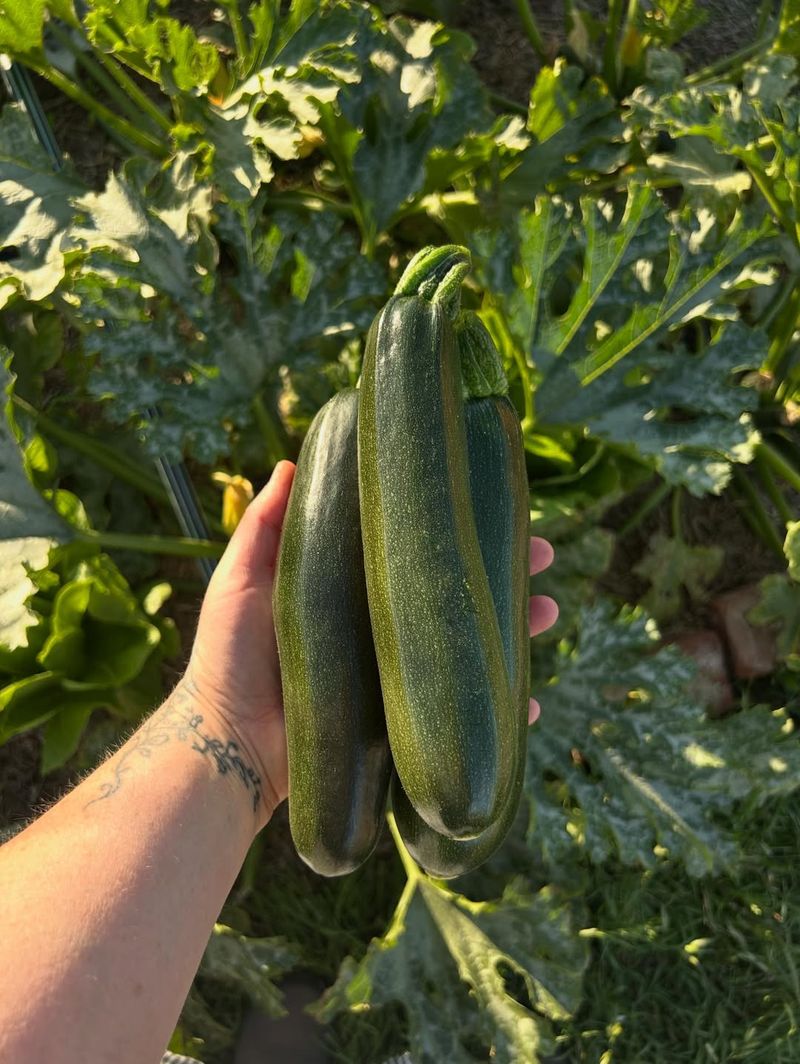
Pennsylvania gardeners joke about leaving extra zucchini on neighbors’ porches because these prolific plants produce more than most families can use. Just two or three plants often provide enough zucchini for fresh eating, baking, and sharing.
The plants grow quickly once warm weather arrives, developing large leaves that shade out weeds and creating an impressive presence in the garden.
Plant zucchini seeds or transplants after the last frost when soil feels warm to the touch. Black Beauty and Costata Romanesco varieties both perform well across Pennsylvania.
Space plants about three feet apart in all directions, as they spread wider than many gardeners expect. The large leaves need room to expand without crowding neighboring plants.
Zucchini flowers appear in two types: male flowers on long stems and female flowers with tiny zucchini at their base. Both types need to be present for pollination and fruit development.
Bees and other insects handle pollination naturally in Pennsylvania gardens. Harvest zucchini when they’re six to eight inches long for the best flavor and texture.
Larger fruits develop tougher skin and bigger seeds. Check plants every other day during peak production, as zucchini can seemingly double in size overnight.
Regular picking encourages continuous flower and fruit production throughout Pennsylvania’s growing season.
6. Summer Squash That Delivers Steady Warm-Weather Picks
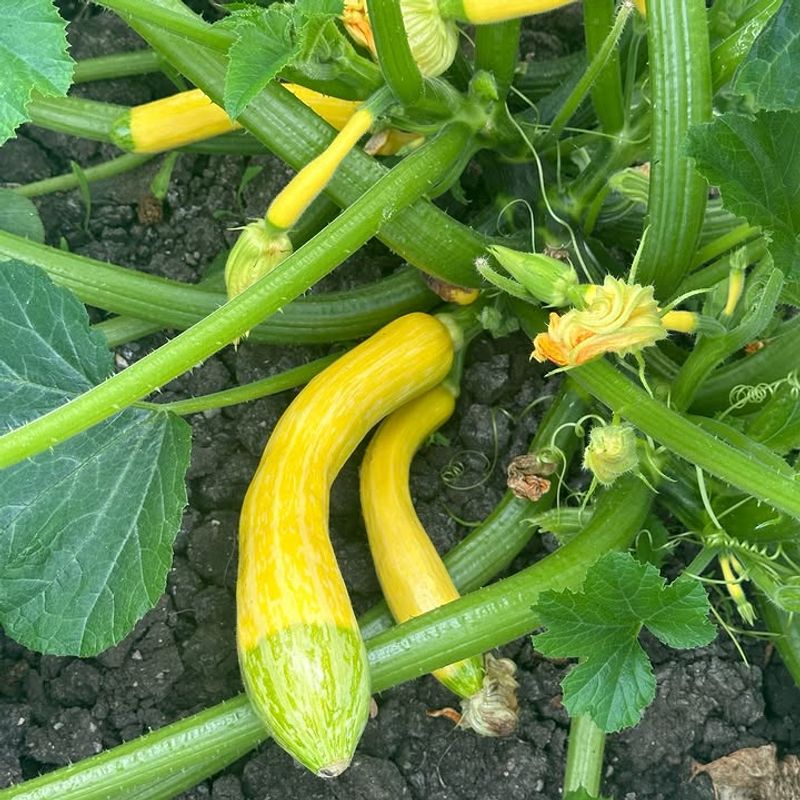
Yellow summer squash grows with the same enthusiasm as zucchini but offers different shapes and slightly sweeter flavor. Crookneck and straightneck varieties both thrive in Pennsylvania’s summer heat, producing curved or straight yellow fruits that add color and variety to meals.
These plants handle the same conditions that suit zucchini, making them equally reliable for Pennsylvania gardeners.
Early Prolific Straightneck produces smooth, yellow fruits on compact plants that fit well in smaller Pennsylvania gardens. Sow seeds directly in the garden after the last frost, planting them one inch deep in groups of three or four.
Thin to the strongest two plants once seedlings develop their first true leaves. Space planting groups about three feet apart to accommodate the spreading growth habit.
Summer squash plants produce male and female flowers just like zucchini, relying on Pennsylvania’s native bees for pollination. The plants begin flowering about six weeks after planting and continue producing until fall frost arrives.
Harvest fruits when they’re four to six inches long and the skin still feels tender enough to pierce easily with your fingernail. Picking regularly prevents fruits from becoming oversized and seedy while encouraging plants to keep flowering.
Pennsylvania’s warm, humid summers provide ideal conditions for summer squash, and plants rarely need special attention beyond consistent watering and occasional weeding.
7. Leaf Lettuce And Salad Greens For Quick Fresh Bowls
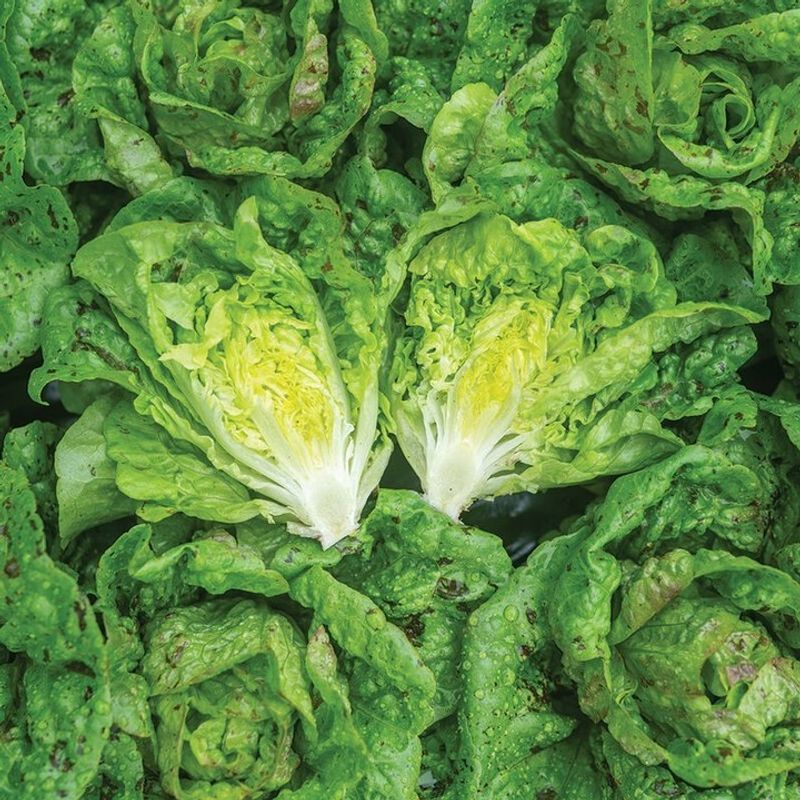
Cool spring mornings and crisp fall afternoons create ideal conditions for growing salad greens in Pennsylvania gardens. Fresh salad greens grow remarkably well in Pennsylvania’s cool spring and fall weather, offering quick harvests and continuous production.
Leaf lettuce reaches picking size in just four to six weeks from seed, much faster than head lettuce varieties. Red and green leaf varieties add color to gardens and salad bowls while tolerating Pennsylvania’s variable spring temperatures.
Start planting lettuce as soon as you can work Pennsylvania soil in early spring, usually late March or early April. The seeds germinate in cool soil and the plants actually prefer temperatures between 45 and 65 degrees.
Scatter seeds thinly in rows or broadcast them across a bed, then cover lightly with soil. Keep the soil moist until seedlings emerge, which usually takes seven to ten days.
Harvest lettuce by picking outer leaves while letting the center continue growing, or cut entire plants about an inch above soil level for a full harvest. Many varieties will regrow from these cuts, providing second and sometimes third harvests.
Plant new batches every two weeks throughout spring for continuous salads. When summer heat arrives in Pennsylvania, lettuce often becomes bitter and bolts to seed.
Resume planting in late August for fall harvests that continue until hard frost. Arugula, spinach, and mesclun mixes grow equally well alongside lettuce in Pennsylvania gardens.
8. Snap Peas That Thrive In Cool Early Weather
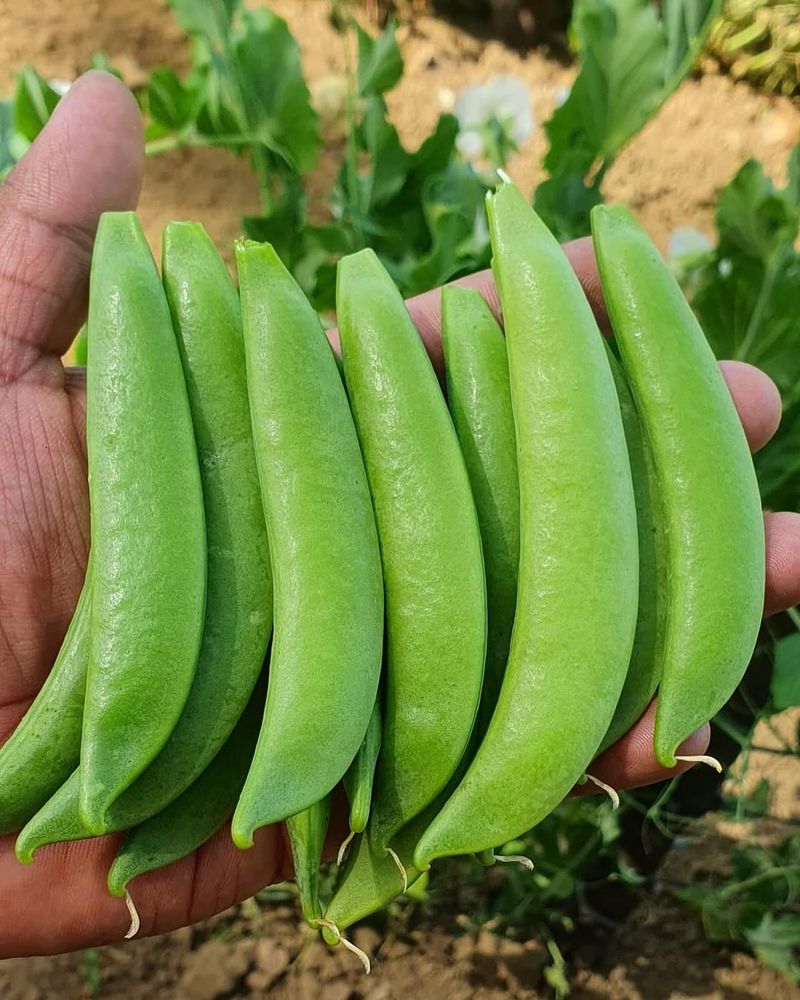
Enjoy the sweet crunch of sugar snap peas in Pennsylvania gardens during the cool weeks of spring when few other vegetables are ready to harvest. Sugar snap peas bring sweet crunch to Pennsylvania gardens during the cool weeks of spring when few other vegetables are ready to harvest.
These climbing plants produce edible pods with tender peas inside, perfect for snacking raw or adding to stir-fries. Unlike shelling peas that require tedious work to extract the peas, snap peas get eaten pod and all.
Plant pea seeds in Pennsylvania gardens as early as late March in southern counties or mid-April further north. The seeds and seedlings tolerate light frosts without damage, actually preferring cool growing conditions.
Sugar Ann and Sugar Snap varieties grow reliably across Pennsylvania, producing abundant pods on vines that reach four to six feet tall. Provide a trellis, fence, or string support for the tendrils to grab.
Pea plants fix nitrogen from the air into the soil, actually improving garden fertility for crops planted later in the same spot. They don’t need nitrogen fertilizer and often struggle if over-fertilized.
Water regularly during dry spells, especially when plants are flowering and setting pods. Harvest snap peas when pods feel plump but before peas inside grow so large they bulge noticeably.
The pods should still snap crisply when bent. Pennsylvania’s spring weather provides ideal conditions, but production slows when summer heat arrives.
Many gardeners plant a second crop in August for fall harvests.
9. Swiss Chard That Handles Heat And Keeps Going
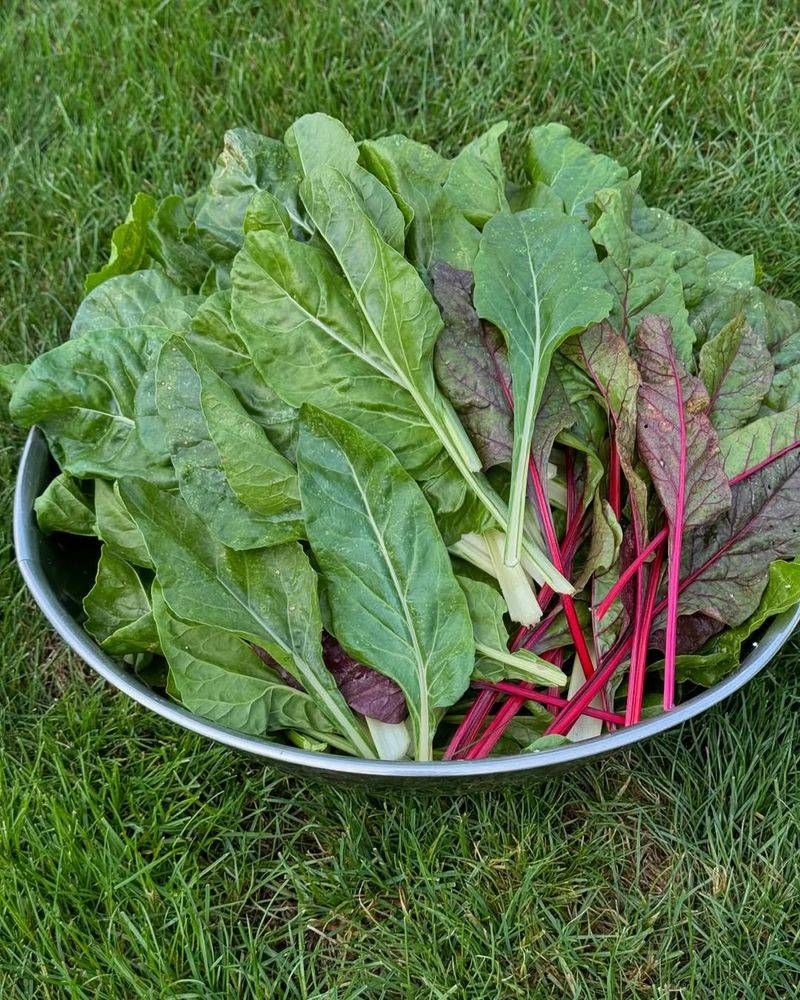
Swiss chard deserves more attention from Pennsylvania gardeners who want a reliable leafy green that produces from spring through fall. The colorful stems in shades of red, yellow, orange, and white make chard as ornamental as it is edible.
Unlike lettuce and spinach that struggle in summer heat, chard keeps growing steadily through Pennsylvania’s hottest months.
Bright Lights is a popular variety offering rainbow-colored stems, while Fordhook Giant produces white stems and dark green leaves. Plant seeds directly in Pennsylvania gardens after the last spring frost, spacing them about six inches apart in rows.
The seeds are actually clusters of several seeds, so expect multiple seedlings to emerge from each planted spot. Thin these to the single strongest plant.
Harvest chard by cutting outer leaves at the base while leaving the center growing point intact. The plant continues producing new leaves from the center throughout the growing season.
Young leaves work well raw in salads, while larger leaves are better cooked like spinach. Both the leaves and stems are edible, though some cooks prefer to remove the thick stem portions.
Chard tolerates Pennsylvania’s summer heat and humidity better than most greens, rarely becoming bitter or bolting to seed. The plants also handle light fall frosts, often producing until Thanksgiving or later in Pennsylvania gardens.
10. Kale That Stands Strong Through Cool Nights
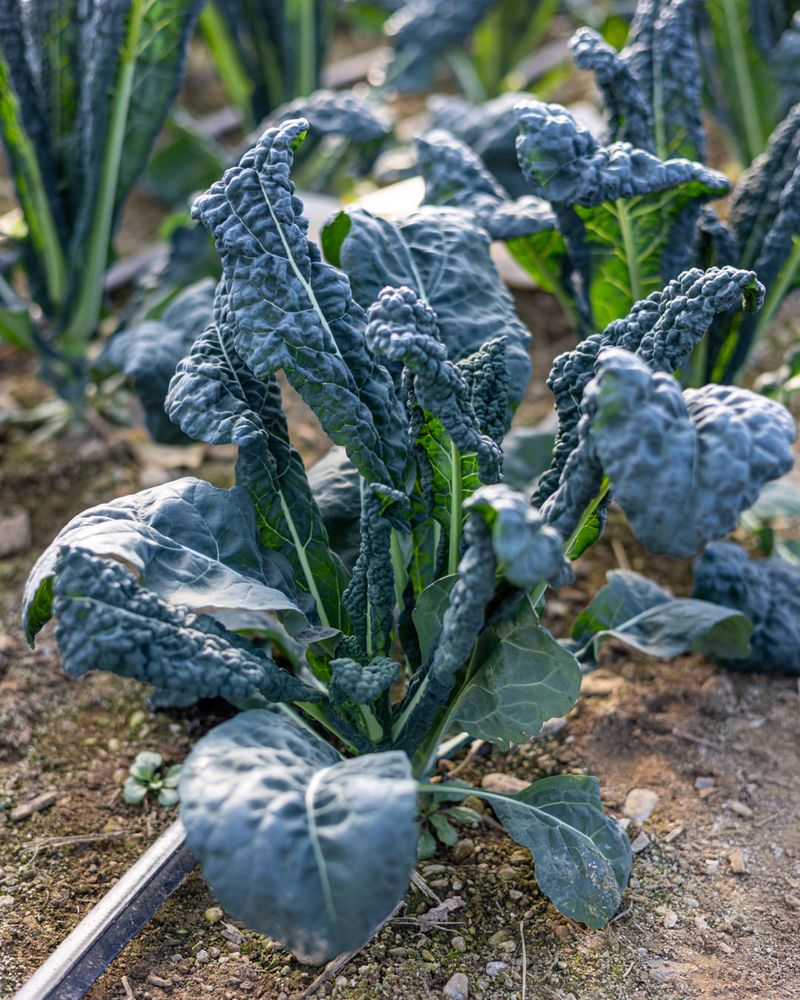
Looking for a leafy green that can handle Pennsylvania’s cool nights without slowing down? Kale has become increasingly popular among Pennsylvania gardeners who appreciate its cold tolerance and nutritional value.
This hardy green actually improves in flavor after exposure to light frost, making it perfect for Pennsylvania’s fall gardens. The plants stand upright and sturdy, continuing to produce even when other vegetables have finished for the season.
Curly varieties like Winterbor and flat-leafed types like Lacinato both grow successfully across Pennsylvania. Start seeds indoors in early spring for transplanting, or direct seed in the garden from April through August.
Fall plantings often produce the best-tasting kale since cool weather sweetens the leaves. Space plants about eighteen inches apart to allow for their mature size.
Harvest kale by picking lower leaves first while letting the top continue growing. The plant keeps producing new leaves from its growing tip throughout the season.
Young leaves taste milder and work well raw in salads, while larger leaves are better cooked or added to smoothies. Kale plants in Pennsylvania gardens often survive winter and resume growing in early spring before finally going to seed.
The plants tolerate both heat and cold better than most vegetables, though they produce most abundantly during Pennsylvania’s spring and fall seasons. Many gardeners consider kale nearly indestructible, making it ideal for beginning gardeners building confidence.