8 Vegetables That Are Easy To Start In Containers This March In Arizona
March is a great moment to start vegetables in containers across Arizona. The weather is still comfortable, the soil warms quickly in pots, and many crops get a smoother start before the intense heat of late spring arrives.
For gardeners working with patios, balconies, or small yards, containers can turn even a tiny area into a productive growing spot. A few well-placed pots can hold vegetables that grow quickly and do surprisingly well in Arizona’s spring conditions.
Starting the right vegetables now helps them establish while temperatures are still mild. Roots settle in faster, plants begin growing steadily, and harvesting often comes earlier than many people expect.
Containers also make gardening easier to manage. They warm faster than garden beds, drain well, and can be moved when the sun becomes too intense later in the season.
A handful of vegetables are especially easy to start this time of year and can grow reliably in containers throughout Arizona’s early spring.
1. Spinach Handles Mild Spring Temperatures Well
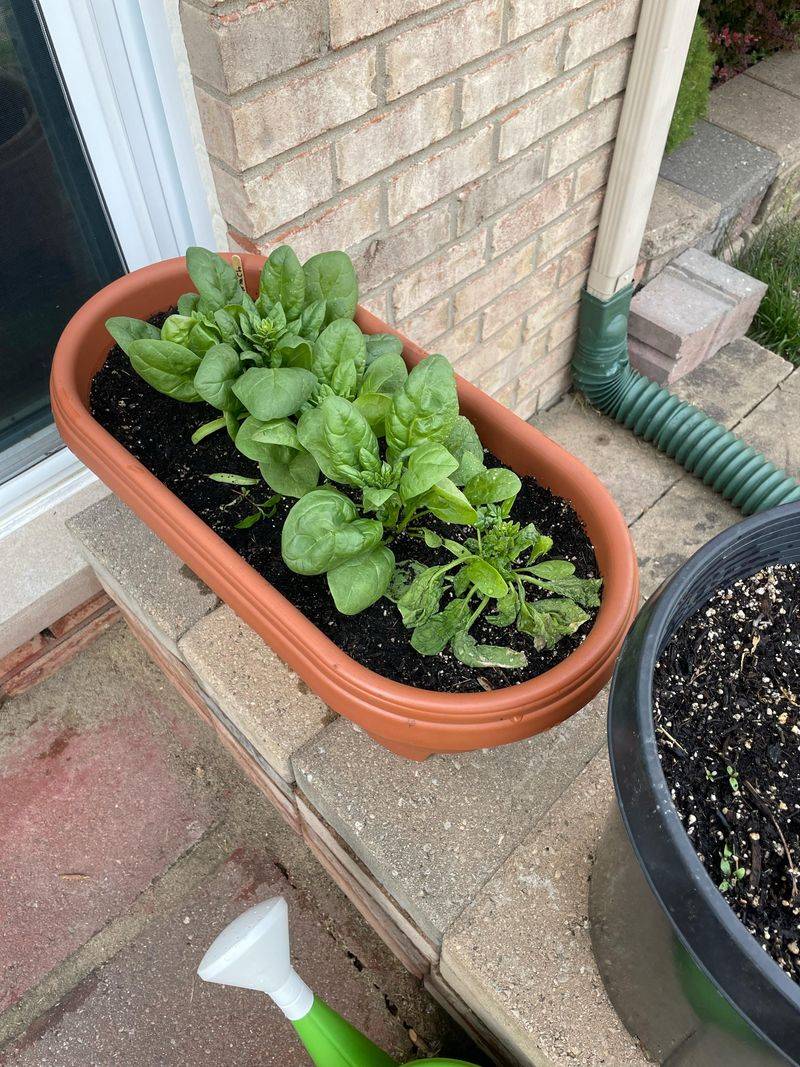
Spinach is a workhorse in the early spring container garden, and Arizona’s March weather suits it almost perfectly. Daytime temps in the 60s and 70s are right in spinach’s comfort zone, and the plant moves fast once it gets going.
Sow seeds about half an inch deep directly into your container. A wide, shallow pot works fine since spinach roots do not go very deep.
Space seeds a couple of inches apart so leaves have room to spread without crowding each other out.
Good drainage is non-negotiable. Spinach sitting in wet soil will struggle, especially in containers where water can pool at the bottom if drainage holes are blocked.
Check those holes before planting.
In Arizona, positioning your spinach container where it gets morning sun and is shielded from harsh afternoon exposure keeps the leaves tender and the plant productive longer. Even a few extra weeks of harvest before summer heat hits makes a real difference.
Pick outer leaves once they reach about 3 inches long. Regular harvesting keeps the plant pushing out new growth instead of going to seed.
If you see flower stalks forming, snip them off immediately to buy yourself more time. Fresh spinach from your own patio, grown right here in Arizona, tastes noticeably better than anything from a grocery store bag.
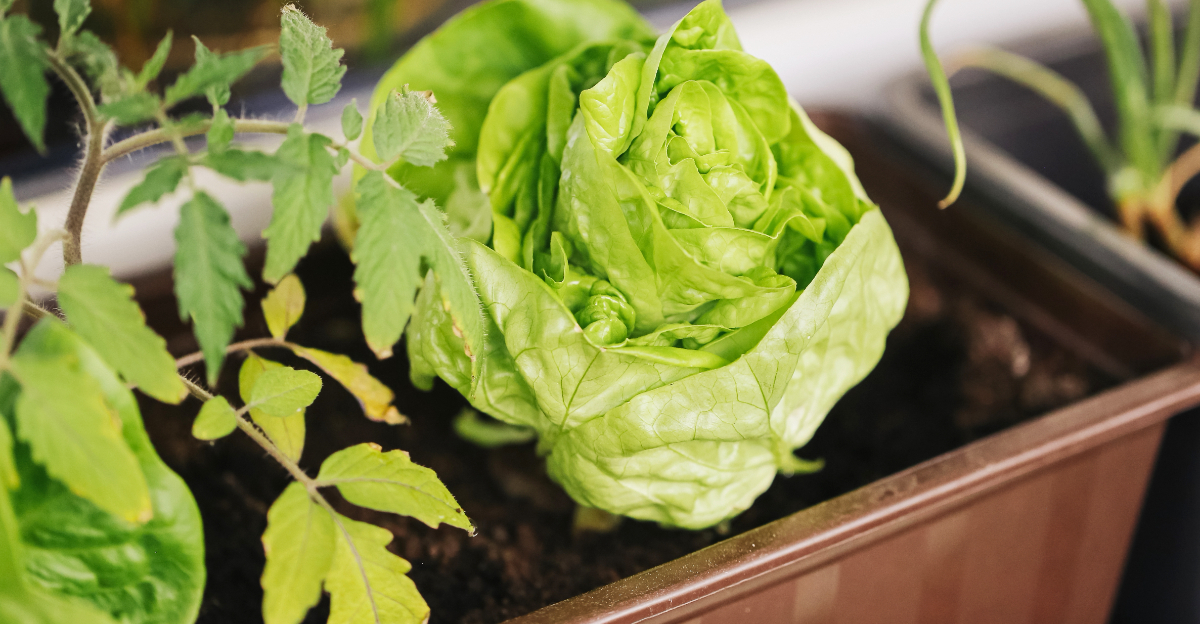
2. Lettuce Grows Quickly In Cool Early Spring Containers
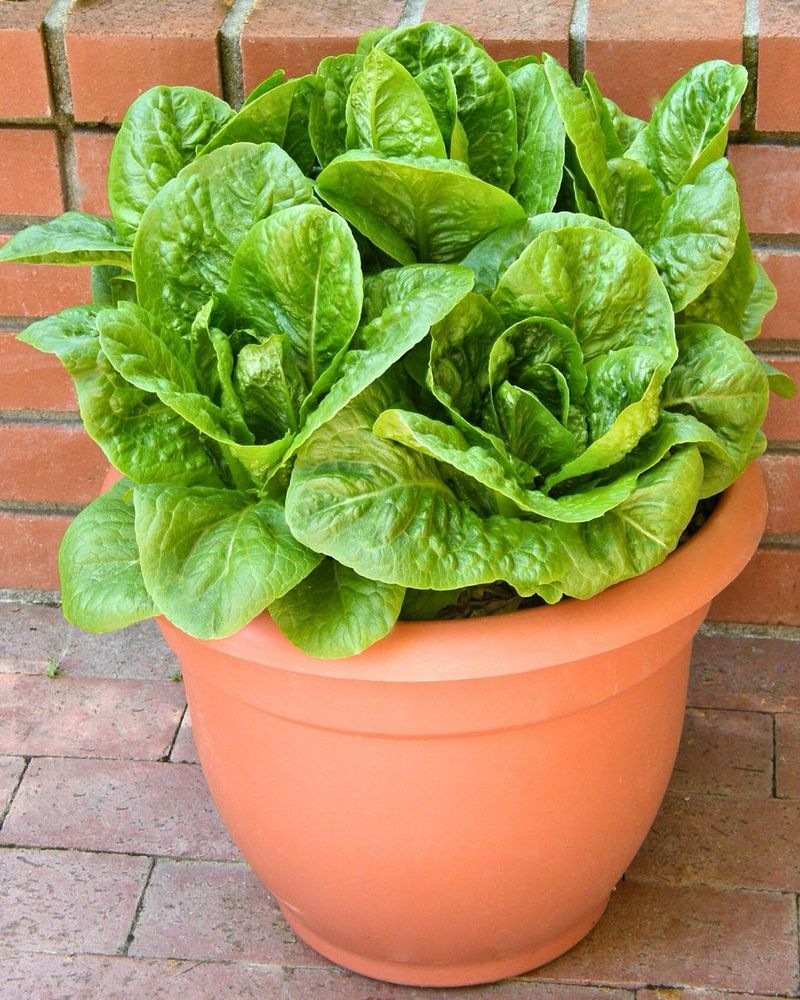
Few vegetables reward a beginning container gardener faster than lettuce. You can go from seed to salad bowl in as little as 45 days, which in Arizona’s March climate is very doable before heat becomes a real problem.
Butterhead and Romaine varieties handle Arizona’s mild spring mornings really well. Sow seeds directly into a container that is at least 8 inches deep, using a quality potting mix that drains well.
Avoid heavy garden soil — it compacts in pots and slows everything down.
Placement matters a lot here in Arizona. Morning sun is great, but afternoon shade keeps lettuce from bolting too quickly once temperatures start climbing in late March.
A spot on the east side of your patio works perfectly for this.
Water consistently but do not overdo it. Lettuce roots are shallow, so the top inch or two of soil drying out is your signal to water.
Keep a finger in the soil rather than guessing by the calendar.
Harvest outer leaves regularly instead of pulling the whole plant at once. Cutting from the outside encourages the center to keep producing, stretching your harvest by weeks.
In Arizona, that extended window before summer heat arrives is genuinely valuable for any home gardener trying to get the most out of spring.
3. Radishes Grow Fast In Small Containers
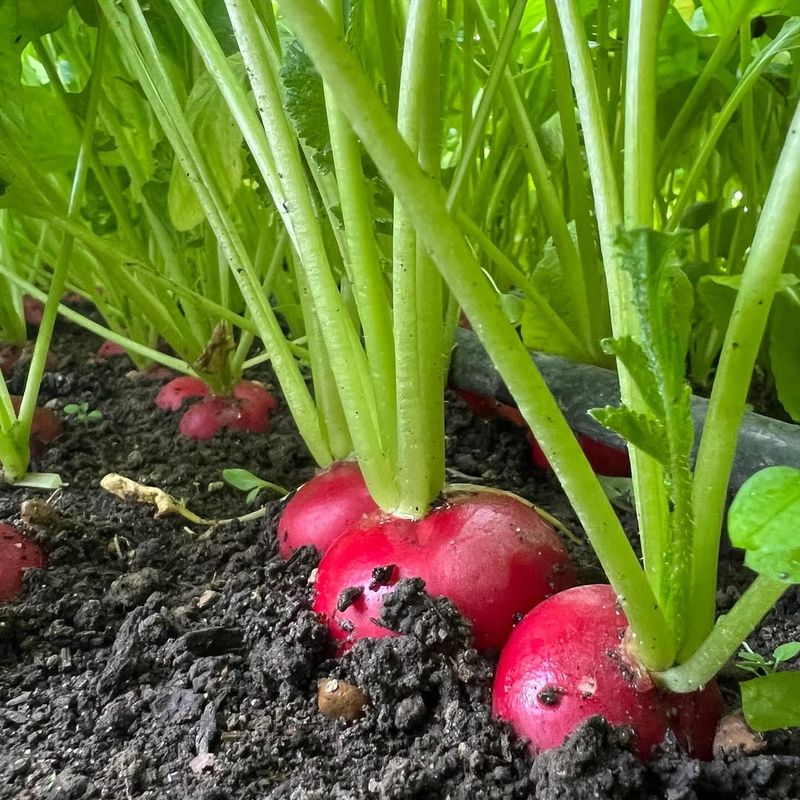
If patience is not your strong suit, radishes are your vegetable. Some varieties go from seed to harvest in under 25 days, which makes them almost instant gratification in the garden world.
March in Arizona is ideal timing for radishes. Cool soil temperatures help roots develop properly without getting pithy or too spicy.
Once Arizona heat cranks up in May, radish quality drops fast, so getting them in the ground now is smart.
Use a container that is at least 6 inches deep for standard round varieties. French Breakfast radishes are a bit longer and need closer to 8 inches.
Fill with loose potting mix — compacted soil causes misshapen roots, which does not affect flavor but can be frustrating.
Sow seeds about an inch apart and half an inch deep. Thin seedlings to 2 inches apart once they sprout, or roots will crowd each other and stay small.
Thinning feels wasteful but it genuinely matters for getting full-sized radishes.
Water radishes evenly and consistently. Irregular watering leads to cracking, which ruins the texture.
In Arizona’s dry March air, containers dry out faster than you might expect, so checking soil moisture daily is not overkill. Radishes also make great companion plants in larger containers alongside slower-growing crops like carrots.
Harvest as soon as the roots reach their expected size, because leaving them in the soil too long quickly turns them woody and overly sharp in flavor.
4. Green Onions Grow Easily In Shallow Pots
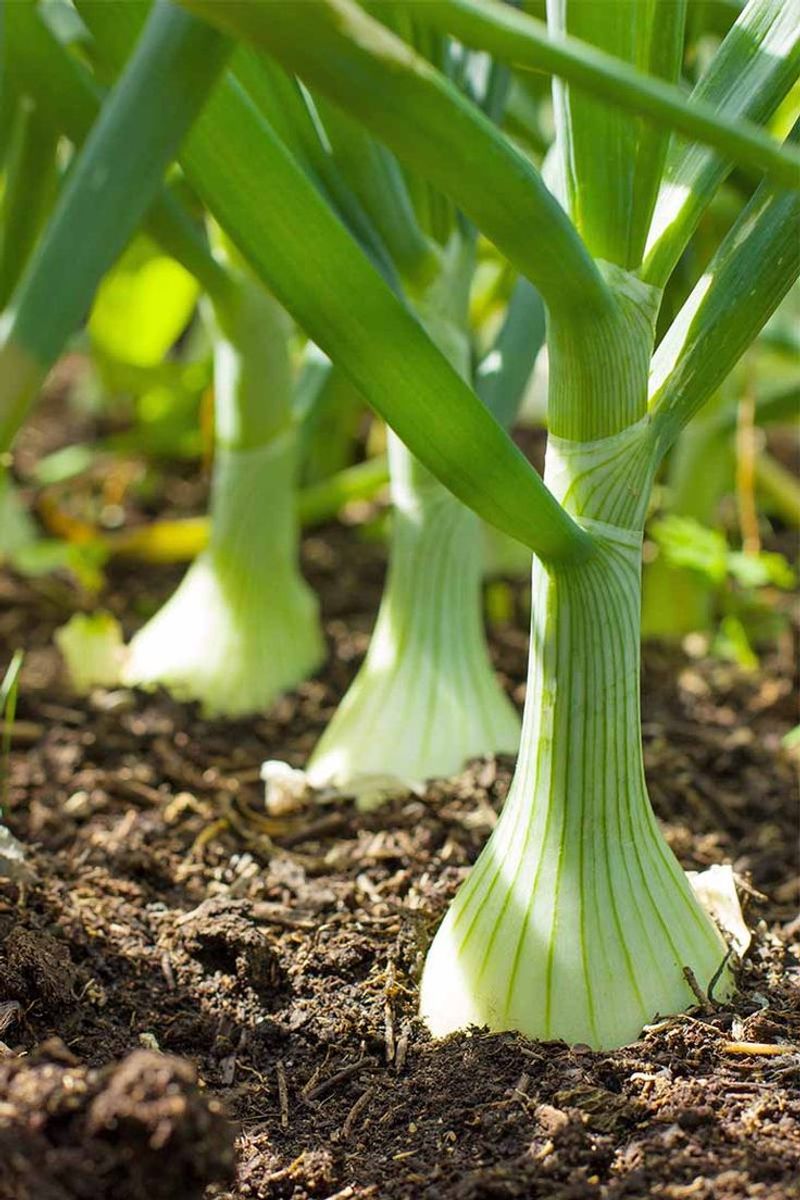
Green onions might be the most underrated container vegetable out there. No complicated care, no deep pots required, and they are usually ready to harvest in about 50 to 70 days from seed, or much faster if you start from sets or regrow them from scraps.
In Arizona, March is prime time to get green onions going before summer shuts down cool-season growing. A container as shallow as 6 inches works just fine.
Fill it with a good quality potting mix and sow seeds about a quarter inch deep in rows or clusters.
One of the best tricks for green onions is regrowing them from store-bought bunches. Cut the white root ends off your grocery store green onions, plant them root-side down in your container, water them in, and watch them regrow within days.
It costs almost nothing and works surprisingly well.
Arizona’s dry air means shallow containers dry out quickly. Check soil moisture every day, especially on warm afternoons in late March when temperatures start pushing into the 80s.
A light mulch layer on top of the soil helps slow moisture loss between waterings.
Snip green tops as needed without pulling the whole plant. Roots will continue pushing up fresh stalks for several harvests.
Keeping a pot of green onions on the patio in Arizona means you always have fresh allium flavor within arm’s reach for cooking.
5. Arugula Produces Tender Leaves In Cool Weather
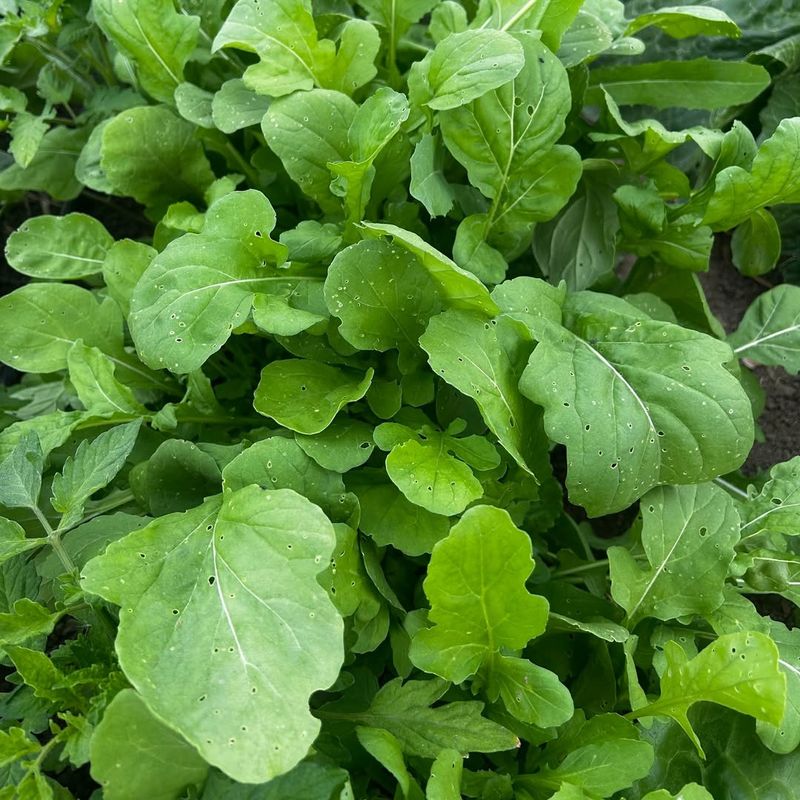
Arugula has a bold, peppery bite that makes it stand out from milder salad greens, and Arizona’s cool March mornings are exactly the conditions it wants. Warm the soil up too much and the flavor turns harsh — timing really does matter with this one.
Direct sow seeds into a wide, shallow container filled with quality potting mix. Arugula does not need much depth, but it does spread outward, so go wider rather than deeper when choosing your pot.
Scatter seeds lightly and cover with just a thin layer of soil.
Germination happens fast, often within 5 to 7 days. Once seedlings are an inch tall, thin them to about 4 inches apart.
Crowded arugula produces weak, leggy plants instead of the thick, flavorful leaves you want.
Shade cloth or afternoon positioning in a shadier spot on your Arizona patio extends the harvest window noticeably. Arugula is one of the first cool-season crops to bolt once heat arrives, so protecting it from intense afternoon sun in late March buys you extra weeks of production.
Harvest leaves when they are 2 to 3 inches long for the best flavor. Larger leaves get more intensely peppery, which some people love but others find overwhelming.
Frequent, small harvests keep the plant producing steadily and give you consistent flavor throughout Arizona’s pleasant early spring season.
6. Swiss Chard Grows Well In Containers During Spring
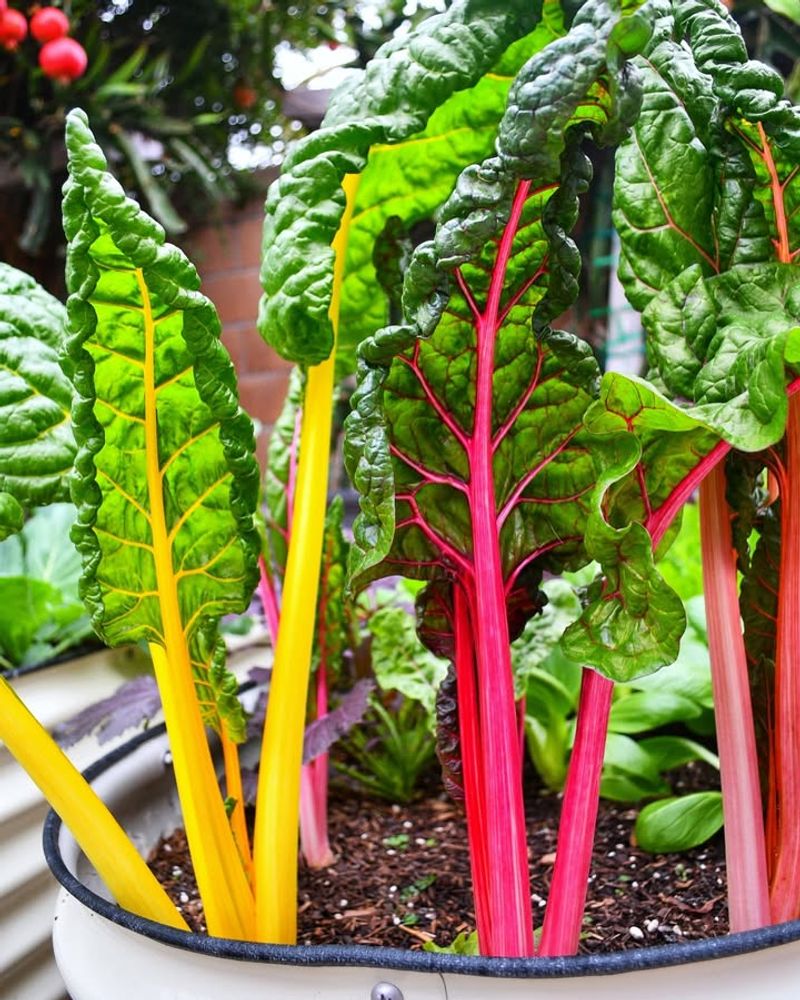
Swiss chard is one of those vegetables that just keeps going. Unlike lettuce or spinach that tap out when heat arrives, chard handles a wider temperature range, which makes it a smart pick for Arizona gardeners watching the calendar nervously in spring.
Start seeds directly in a container that holds at least 3 gallons per plant. Swiss chard develops a decent root system and needs that space to perform well.
Use a rich potting mix and plant seeds about half an inch deep, two seeds per spot, then thin to the strongest seedling once both sprout.
Bright Lights is a popular variety with colorful stems in red, orange, and yellow — it looks great on a patio and tastes just as good as it looks. Fordhook Giant is another reliable option with larger leaves and a more robust flavor.
In Arizona, position your chard container where it gets 6 hours of sun but is protected from the hottest afternoon exposure. As March turns into April and temperatures climb, that afternoon shade becomes increasingly important for keeping leaf quality high.
Outer leaves are ready to harvest when they reach about 6 to 8 inches long. Cut them at the base and leave the inner growth untouched.
New leaves will keep pushing out from the center, giving Arizona container gardeners a steady supply of fresh greens well into the warmer months ahead.
7. Kale Handles Cool Spring Conditions In Pots
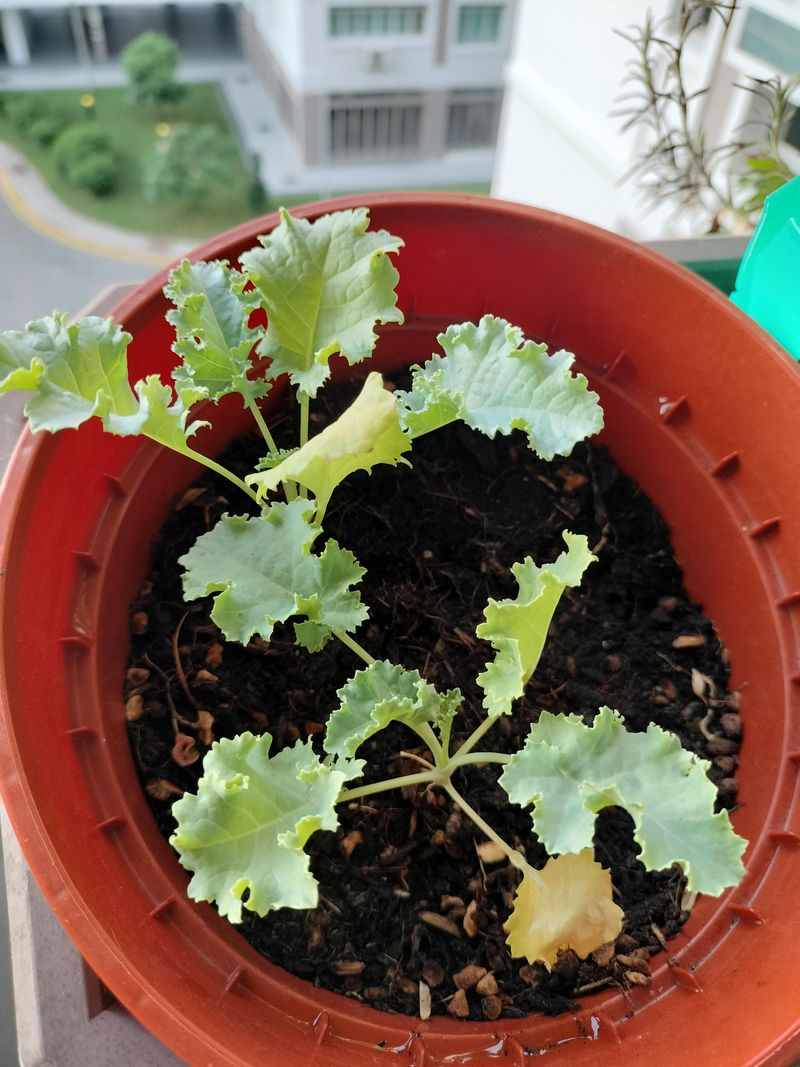
Kale has a reputation for being tough, and that reputation is well earned. Cold snaps do not faze it, and it actually tastes better after a light frost — something Arizona gardeners in higher elevations like Flagstaff might experience even in March.
Choose a container that is at least 12 inches deep and equally wide. Kale roots go down and spread out, and a cramped pot leads to stunted plants with smaller leaves.
A 5-gallon bucket or a wide planter both work well for a single plant.
Lacinato kale, also called Dinosaur kale, is a great container variety because it stays relatively compact compared to curly types. Red Russian kale is another solid choice with tender, flat leaves that are easier to chew raw in salads.
Sow seeds a quarter inch deep or transplant seedlings if you want to speed things up. Either way, kale establishes quickly in Arizona’s mild March conditions.
Water deeply but let the top inch of soil dry out between waterings to avoid root problems.
Begin harvesting outer leaves once plants are about 8 inches tall. Strip leaves from the bottom of the stalk upward, leaving the growing tip at the top intact.
Consistent harvesting keeps kale productive far longer than leaving it untouched. In Arizona, a well-tended kale container started in March can carry you through spring and even into early summer.
8. Carrots Grow Well In Deep Containers
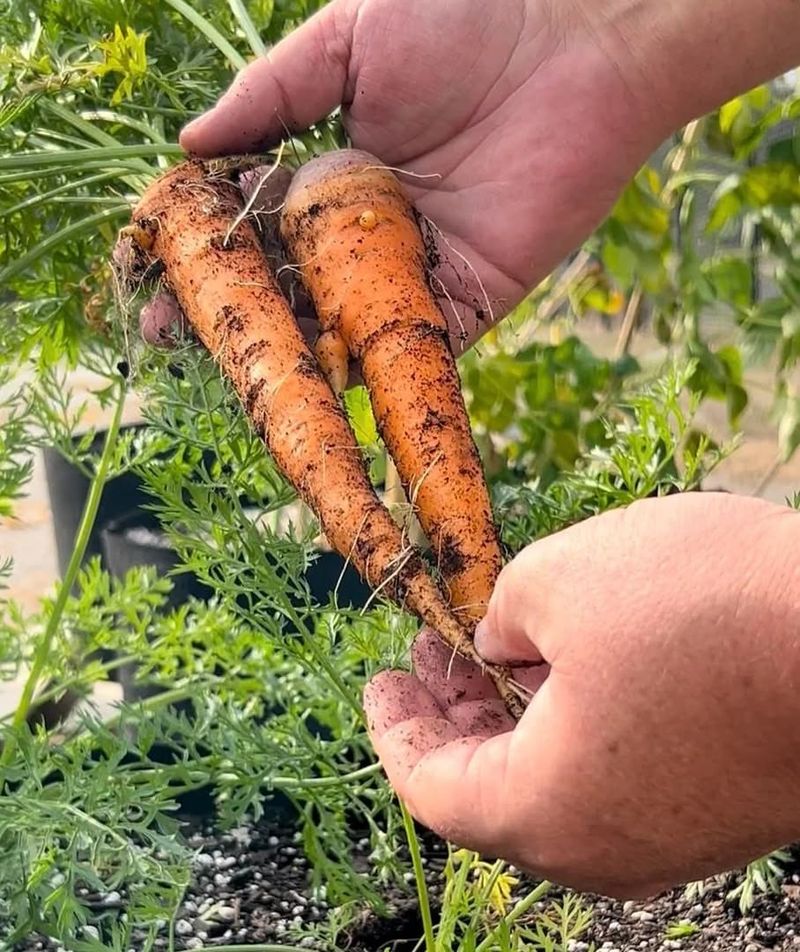
Carrots in containers sounds tricky, but get the depth right and they perform beautifully. The key is soil — loose, rock-free potting mix that lets roots push straight down without obstruction.
In ground soil in Arizona can be rocky and compacted, so containers actually give carrots a better environment than many in-ground beds.
Go with a container that is at least 12 inches deep, preferably closer to 14 or 16 inches for standard varieties. Shorter varieties like Danvers Half Long or Chantenay are better bets for containers and reach full size in less depth than full-length types.
Sow seeds directly — carrots do not like being transplanted. Scatter them thinly across the surface and cover with just an eighth of an inch of soil.
They are tiny seeds and easy to over-sow, which leads to a crowded mess. Thin ruthlessly once seedlings reach 2 inches tall, spacing them about 3 inches apart.
Germination can take up to two weeks, so do not panic if nothing happens right away. Keep the soil surface consistently moist during that waiting period.
Letting it dry out even once can interrupt germination and set you back significantly.
March planting in Arizona gives carrots time to mature before intense heat arrives. Carrots actually develop better sweetness in cooler soil temperatures, so starting them now in Arizona rather than waiting until April produces noticeably tastier results at harvest time.