9 Vegetables That Are Ready To Plant In Arizona Right Now
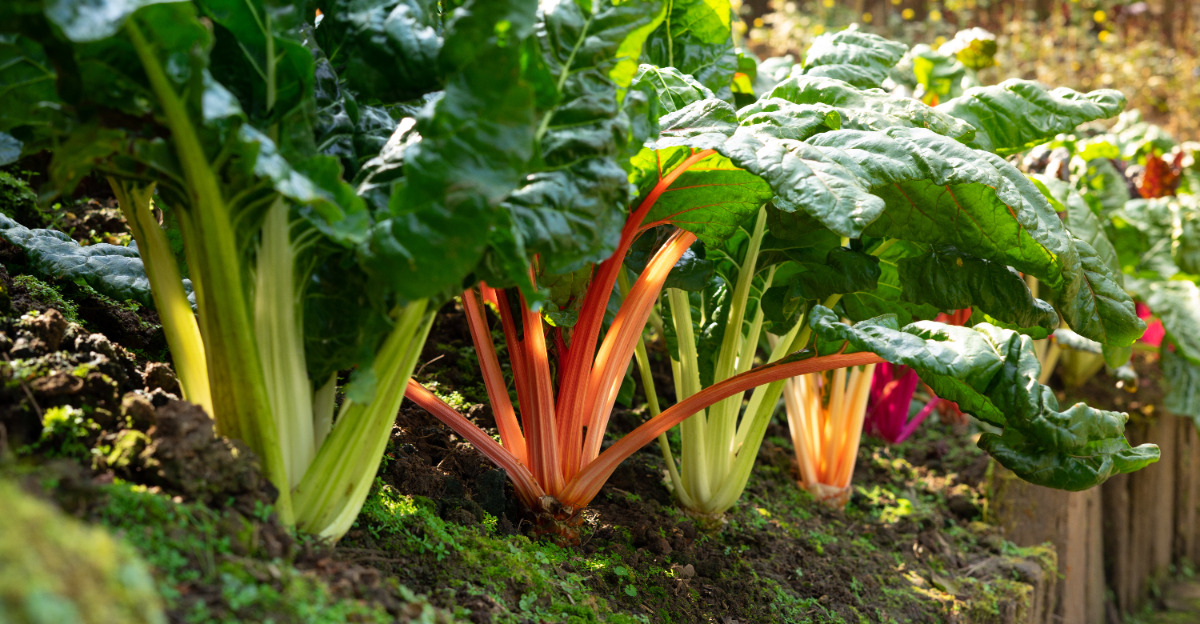
Some planting windows in Arizona don’t wait for a clear signal, and this is one of them. Miss it, and the garden can feel behind before the season even gets going.
Right now, soil conditions and daylight line up in a way that favors quick root growth without the stress of heat.
Vegetables planted during this stretch tend to settle in quietly, building strength before warmer days push rapid growth. Holding off until spring feels obvious often leads to rushed planting and uneven results.
Planting now isn’t about cramming beds full. It’s about choosing vegetables that actually want these conditions and respond well to an early start.
Getting them in the ground at the right moment can mean steadier growth, fewer setbacks, and a garden that feels easier to manage as temperatures rise.
1. Leaf Lettuce
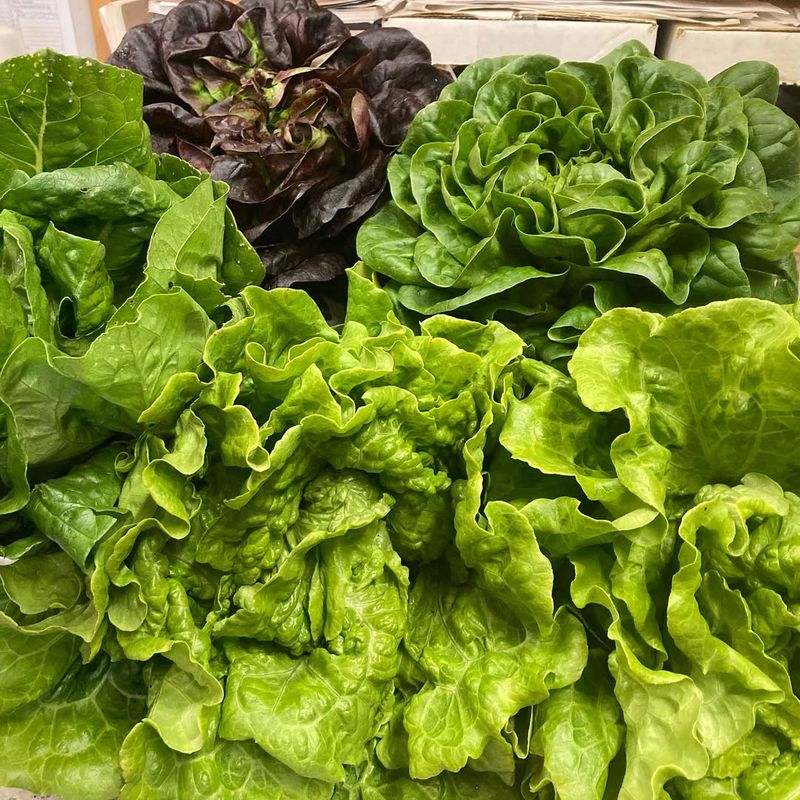
Growing lettuce in Arizona during the cooler months is one of the easiest ways to enjoy fresh salads straight from your garden. Leaf lettuce varieties are particularly well-suited for Arizona’s climate because they mature quickly and don’t require the long growing season that head lettuce needs.
You can start harvesting tender leaves in as little as 30 days after planting.
Plant your lettuce seeds directly into well-draining soil that’s been enriched with compost. Arizona gardeners should choose a spot that gets morning sun but some afternoon shade, especially in the lower desert regions.
Space your seeds about an inch apart and cover them lightly with soil. Keep the soil consistently moist but not waterlogged.
One of the best things about leaf lettuce is that you can harvest it using the cut-and-come-again method. Simply snip off the outer leaves when they reach a usable size, and the plant will continue producing new growth from the center.
This means you’ll have fresh lettuce for weeks from a single planting.
Popular varieties for Arizona include Red Sails, Black Seeded Simpson, and Oak Leaf lettuce. These varieties handle temperature fluctuations better than others and provide beautiful color and texture to your garden and your plate.
2. Spinach
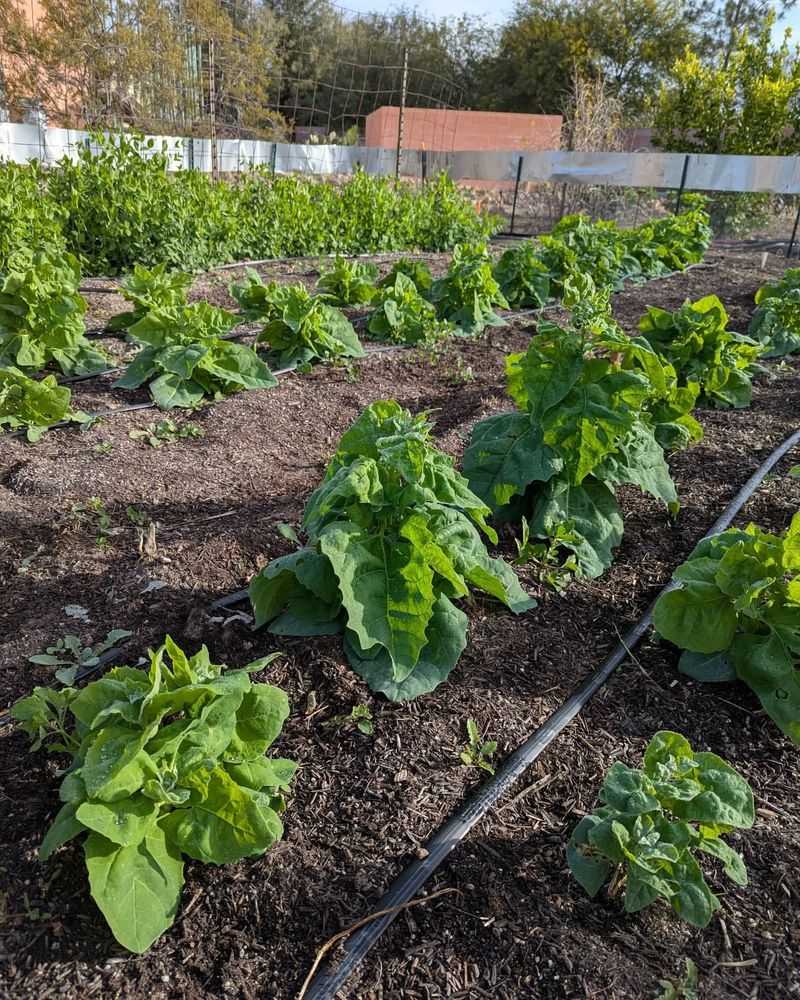
Spinach absolutely loves Arizona’s fall and winter weather, making it a perfect choice for planting right now. This nutrient-packed leafy green thrives in temperatures between 50 and 70 degrees Fahrenheit, which is exactly what Arizona offers during the cooler months.
Fresh spinach from your garden tastes completely different from store-bought varieties and contains more vitamins and minerals.
Prepare your garden bed by working in plenty of organic matter to help retain moisture. Spinach needs consistent watering to develop those tender, flavorful leaves everyone loves.
Plant seeds about half an inch deep and two inches apart in rows. Arizona’s sandy soil drains quickly, so adding compost helps keep moisture around the roots where it’s needed most.
Your spinach plants will be ready to harvest in about 40 to 50 days. You can either harvest individual leaves as they mature or cut the entire plant at ground level.
Many Arizona gardeners practice succession planting, putting in new seeds every two weeks to ensure a continuous supply throughout the season.
Varieties like Bloomsdale Long Standing and Space work exceptionally well in Arizona gardens. These types resist bolting, which means they won’t go to seed too quickly when temperatures start warming up in spring.
3. Kale
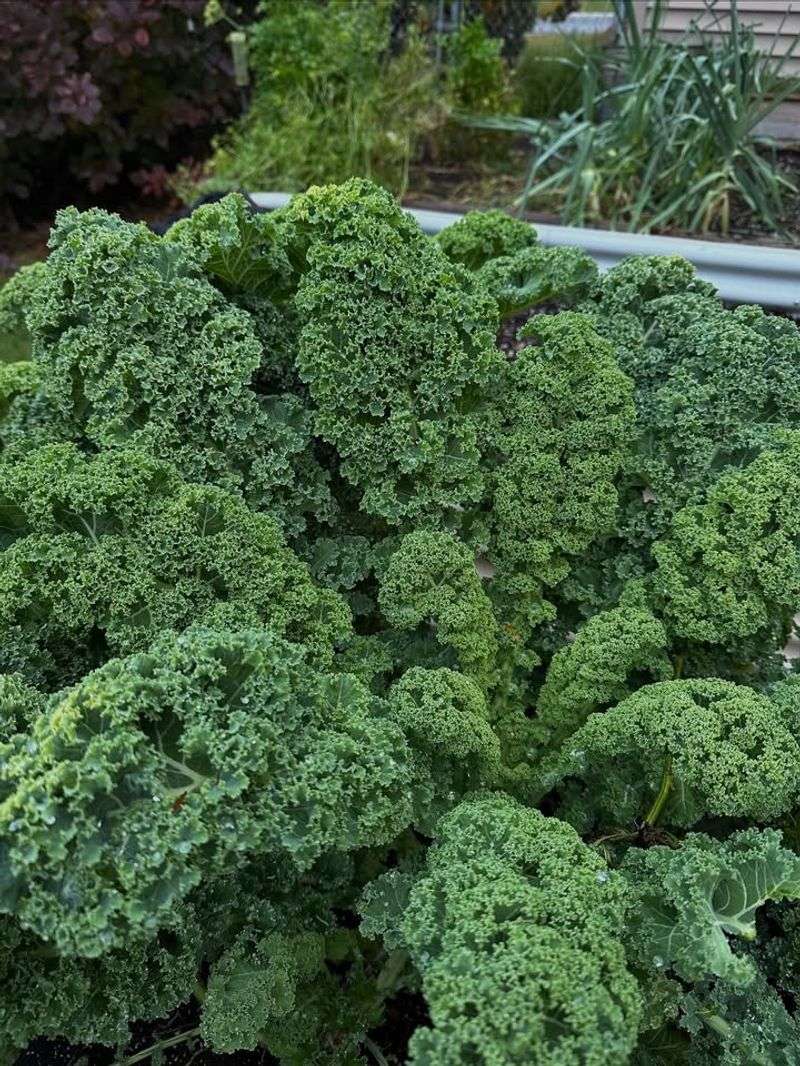
Kale has become incredibly popular in recent years, and Arizona gardeners can easily grow this superfood in their own backyards. This hardy vegetable actually tastes better after experiencing some cool nights, which makes it perfect for Arizona’s winter growing season.
Kale is also remarkably forgiving for beginning gardeners and can tolerate a wide range of conditions.
Choose a sunny location in your Arizona garden where kale will receive at least six hours of sunlight daily. Plant seeds about a quarter to half inch deep, spacing them four to six inches apart.
As the plants grow, you can thin them to give each plant more room to develop those beautiful, nutritious leaves. Kale appreciates regular watering but can handle brief dry spells better than lettuce or spinach.
Start harvesting kale leaves when they’re about the size of your hand. Always pick from the bottom of the plant first, working your way up as the season progresses.
This harvesting method encourages the plant to keep producing new leaves at the top. A single kale plant can provide harvests for several months in Arizona’s mild winters.
Curly kale varieties like Winterbor and Lacinato (also called Dinosaur kale) perform exceptionally well in Arizona gardens. These varieties are cold-hardy and produce abundantly throughout the growing season.
4. Swiss Chard
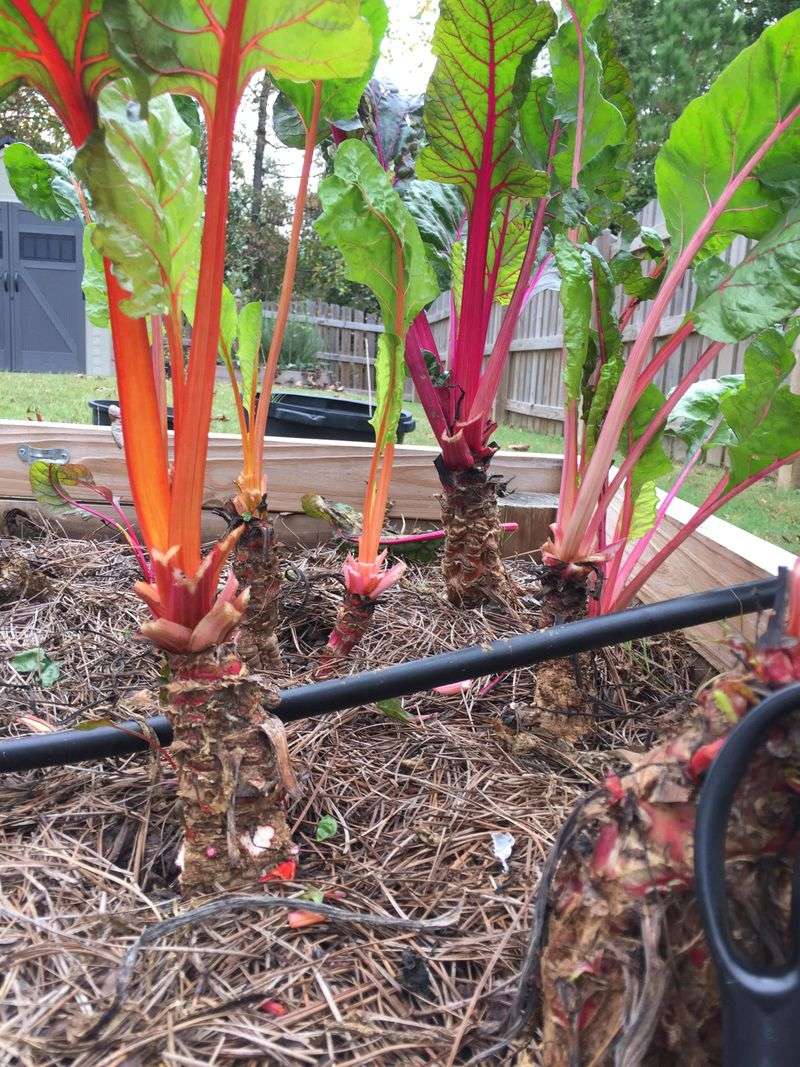
Swiss chard deserves more attention from Arizona gardeners because it’s both beautiful and incredibly productive. The colorful stems come in shades of red, yellow, orange, and white, making your vegetable garden look like an ornamental display.
Beyond its good looks, chard is packed with vitamins and minerals while being one of the easiest vegetables to grow in Arizona’s climate.
Plant chard seeds about an inch deep and six inches apart in rows. Arizona’s current temperatures are ideal for germination, and you’ll see seedlings popping up within a week or two.
Chard tolerates both sun and partial shade, though it produces more abundantly with plenty of sunlight. Water regularly to keep the soil evenly moist, especially during Arizona’s drier winter months.
Unlike some greens that bolt quickly when temperatures change, Swiss chard is remarkably heat-tolerant and will continue producing well into late spring in Arizona. Harvest the outer leaves first, leaving the center of the plant intact to keep growing.
Both the leaves and stems are edible and delicious when sautéed, added to soups, or used fresh in salads.
Bright Lights is a popular variety that features multiple stem colors in one packet. Fordhook Giant is another excellent choice for Arizona gardeners, producing large, tender leaves throughout the season.
5. Arugula
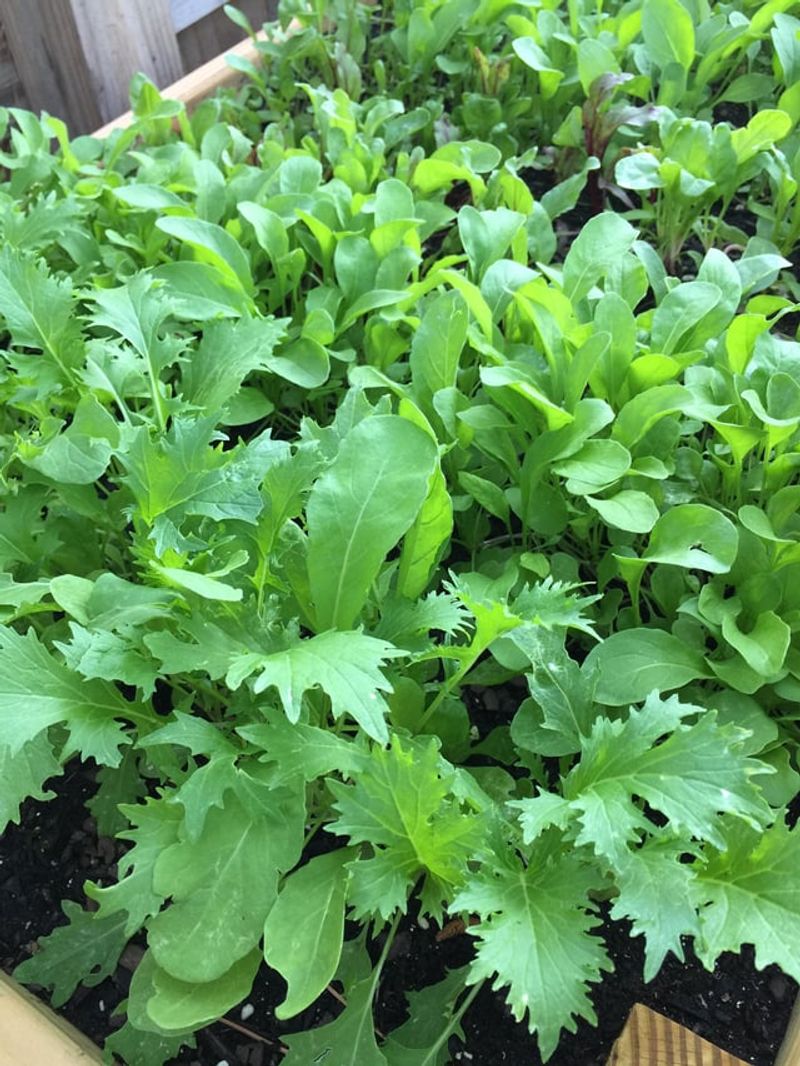
Arugula brings a peppery, sophisticated flavor to salads and sandwiches that you simply can’t get from store-bought greens. This fast-growing leafy green is perfect for Arizona gardeners who want quick results and continuous harvests.
Arugula matures in just 30 to 40 days, meaning you’ll be enjoying fresh greens from your garden in no time.
Sow arugula seeds directly into your Arizona garden bed, scattering them thinly across the soil surface and covering lightly. This green prefers cooler temperatures, making right now the perfect time to plant in Arizona.
Arugula grows best in well-draining soil enriched with compost. Water consistently to keep the soil moist, as dry conditions can make the leaves overly spicy and tough.
The beauty of arugula is that you can harvest it at any stage. Baby arugula leaves are mild and tender, perfect for salads, while more mature leaves pack a stronger peppery punch.
Use scissors to cut leaves about an inch above the soil line, and the plants will produce another crop. Many Arizona gardeners plant arugula every few weeks for a steady supply.
Arugula also attracts beneficial insects to your Arizona garden, making it a great companion plant. If you let a few plants flower, you’ll notice bees and other pollinators visiting frequently, which helps your entire garden thrive.
6. Radishes
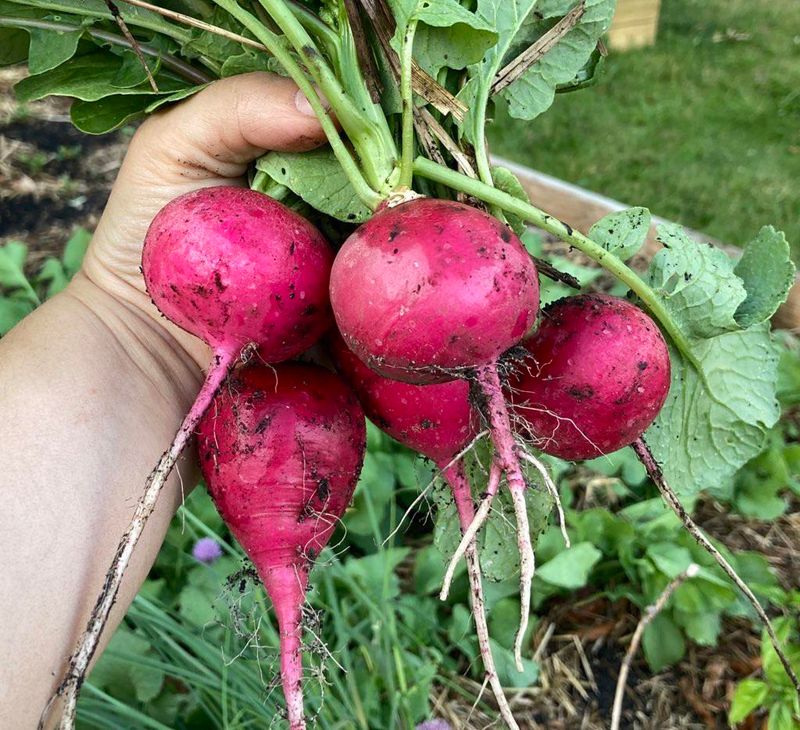
Radishes are the speed demons of the vegetable garden, making them perfect for impatient gardeners and kids who want to see fast results. These crunchy root vegetables can be ready to harvest in as little as 25 days after planting.
Arizona’s current temperatures provide ideal conditions for growing crisp, mild-flavored radishes that aren’t overly spicy or woody.
Plant radish seeds directly into loose, well-draining soil about half an inch deep. Space them an inch or two apart in rows, and thin seedlings if they come up too crowded.
Radishes need room to develop their roots properly. Arizona gardeners should ensure consistent moisture throughout the growing period because irregular watering can cause radishes to crack or become pithy inside.
Harvest radishes as soon as they reach a usable size, typically when the tops of the roots are about an inch in diameter. Leaving them in the ground too long, especially as Arizona temperatures warm up in spring, can result in tough, overly spicy radishes.
Pull up a test radish to check if they’re ready before harvesting the entire row.
Cherry Belle and French Breakfast are excellent varieties for Arizona gardens. Easter Egg radishes provide a fun mix of colors including pink, purple, and white, making them especially appealing for children’s gardens or adding visual interest to your vegetable plot.
7. Carrots
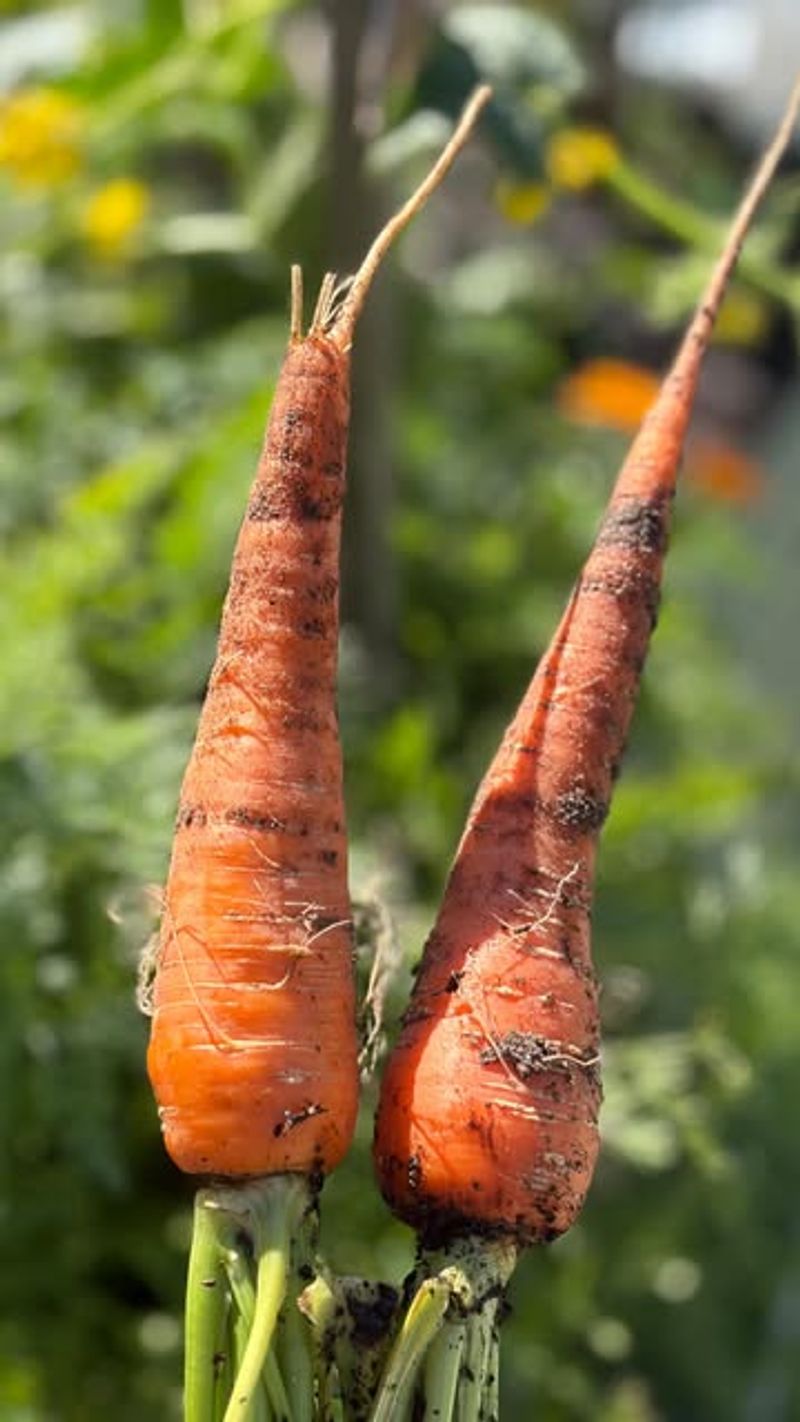
Carrots fresh from your Arizona garden taste nothing like the ones from the grocery store. Homegrown carrots are sweeter, crunchier, and more flavorful because you can harvest them at their peak ripeness.
Arizona’s cooler months provide the perfect growing conditions for developing those sweet, tender roots that everyone loves.
Successful carrot growing in Arizona starts with proper soil preparation. Carrots need loose, rock-free soil that allows their roots to grow straight and deep.
Work your garden bed thoroughly, removing any rocks or hard clumps that could cause carrots to fork or twist. Plant seeds about a quarter inch deep and try to space them thinly because carrot seeds are tiny and hard to separate.
Patience is essential when growing carrots because they take 60 to 80 days to mature depending on the variety. Keep the soil consistently moist during germination, which can take up to three weeks.
Once seedlings emerge, thin them to about two inches apart so each carrot has room to develop properly. Arizona gardeners should mulch around carrot plants to help retain moisture and keep the soil cool.
Shorter varieties like Chantenay and Danvers work best in Arizona’s heavier soils, while Nantes types are perfect if you’ve amended your soil with plenty of compost. Rainbow carrots add color and fun to your harvest.
8. Beets
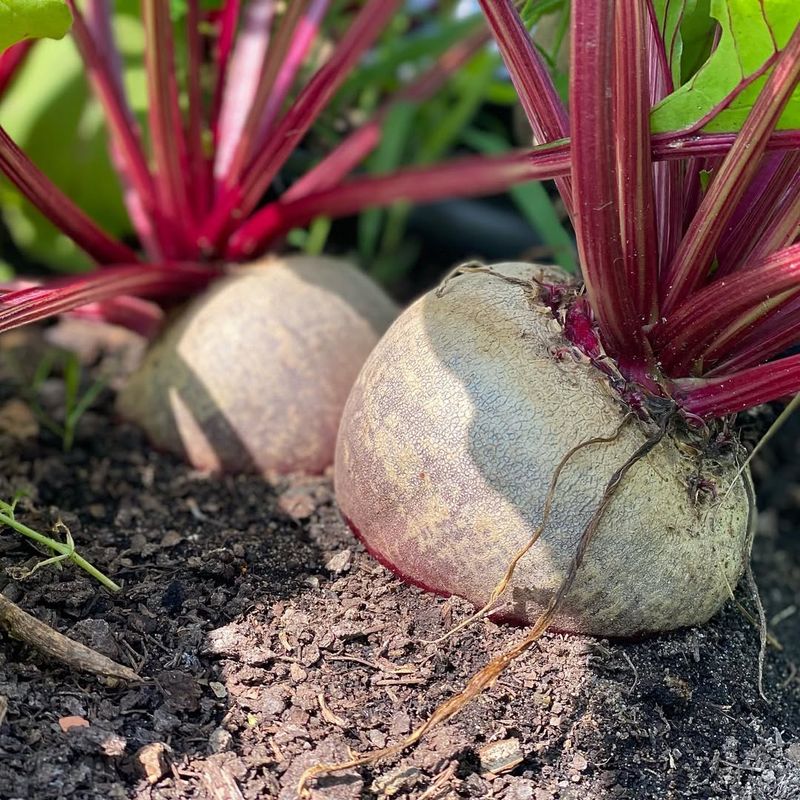
Beets offer Arizona gardeners a two-for-one deal because both the roots and the leafy greens are edible and delicious. These versatile vegetables thrive in Arizona’s cooler months and are surprisingly easy to grow.
Fresh beets from your garden have a sweet, earthy flavor that’s completely different from canned versions, and the greens taste similar to Swiss chard.
Plant beet seeds about an inch deep and three inches apart in rows. Each beet seed is actually a cluster of seeds, so you’ll likely need to thin the seedlings once they emerge.
Arizona’s well-draining soil works well for beets as long as you’ve added organic matter to help retain moisture. Beets prefer consistent watering and will develop the best flavor when they grow steadily without stress.
You can start harvesting beet greens once the plants are established, taking just a few leaves from each plant. The roots will be ready in about 50 to 70 days, depending on the variety and your preferred size.
Smaller beets are more tender and sweet, while larger ones can become woody if left too long in Arizona’s warming spring soil.
Detroit Dark Red is a classic variety that performs reliably in Arizona gardens. Golden beets offer a milder flavor and won’t stain your hands or cutting board, while Chioggia beets feature beautiful pink and white rings inside.
9. Green Onions (Scallions)
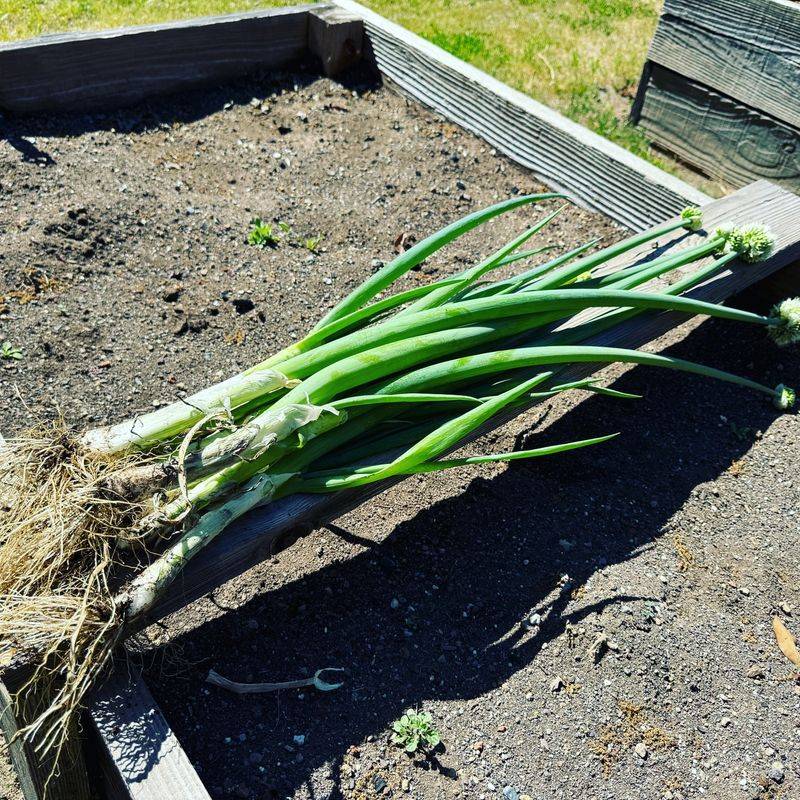
Green onions are one of the most rewarding vegetables for Arizona gardeners because they’re incredibly easy to grow and provide continuous harvests. These versatile alliums add fresh flavor to countless dishes and take up very little space in your garden.
You can even regrow green onions from grocery store bunches by planting the white root ends directly in your Arizona garden.
Plant green onion sets or seeds about an inch deep and one inch apart in rows. Arizona’s current temperatures are perfect for establishing strong root systems.
Green onions aren’t picky about soil conditions but appreciate consistent moisture and good drainage. They grow well in both garden beds and containers, making them perfect for Arizona gardeners with limited space.
Start harvesting green onions when they’re about six inches tall, though you can let them grow larger if you prefer. Simply pull up the entire plant or cut the green tops and leave the roots in the ground to regrow.
Many Arizona gardeners keep a constant supply by planting new seeds or sets every few weeks throughout the cool season.
Green onions are also excellent companion plants for other vegetables in your Arizona garden. They help repel certain pests and take up so little space that you can tuck them between larger plants like lettuce or carrots.
Evergreen Hardy White and Red Beard are reliable varieties that thrive in Arizona conditions.