Vegetables That Can Actually Handle Coastal Wind And Heat In North Carolina
Coastal gardens in North Carolina can be surprisingly tough places to grow vegetables. Intense summer heat, salty air drifting in from the ocean, and constant coastal winds can leave many plants stressed or badly damaged before the season really gets going.
For gardeners along the Outer Banks and throughout the Coastal Plain, it often feels like the conditions are working against you. The good news is that some vegetables are naturally built for these environments.
With the right choices, a coastal garden can produce strong, healthy crops even in the face of salt spray and hot seasonal weather.
Many of these resilient vegetables handle sandy soils, shifting temperatures, and breezy conditions far better than traditional garden picks.
If you garden anywhere along North Carolina’s coastline, choosing the right plants makes all the difference.
These ten tough vegetables are well suited for coastal conditions and can thrive where others struggle.
1. Sweet Potatoes
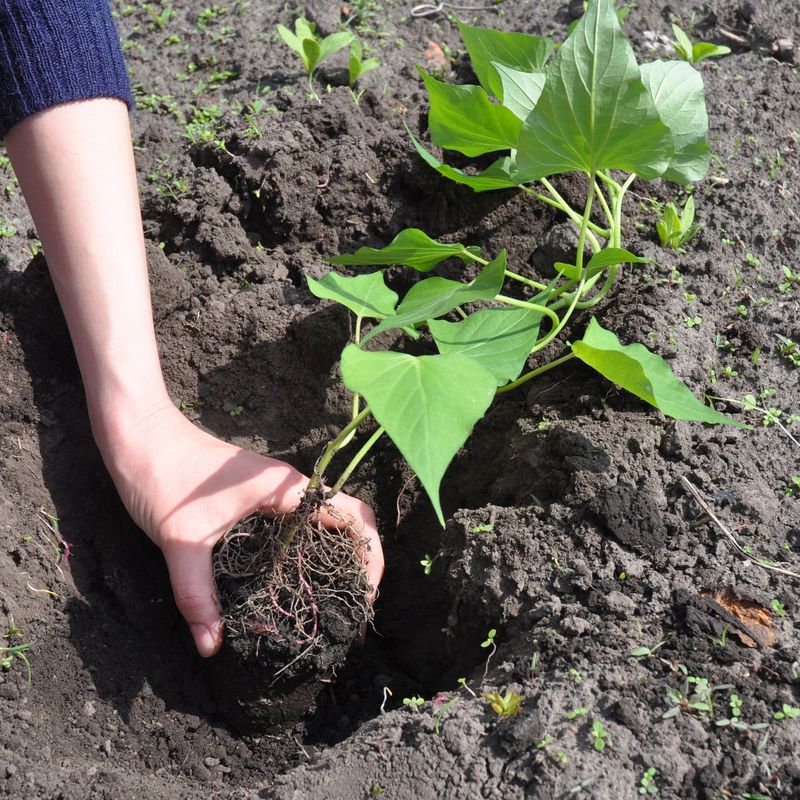
Sandy soil, blazing heat, and steady coastal winds sound like a nightmare for most vegetables, but sweet potatoes treat those conditions like a dream vacation.
North Carolina is actually one of the top sweet potato producing states in the entire country, and the coastal plain is a big reason why.
The sandy, well-draining soil along the coast suits sweet potatoes perfectly, allowing their roots to spread deep and wide without getting waterlogged.
Plant slips in early to mid-May after the last frost, and these vigorous growers will quickly cover the ground with trailing vines.
Those vines also act as a natural ground cover, helping keep soil moisture locked in during dry stretches.
The deep root system makes sweet potatoes surprisingly wind-resistant, since the plant stays anchored even when coastal gusts pick up.
Amend your sandy soil with compost before planting to give them a nutritional boost, and add a layer of straw mulch to keep roots cool during the hottest summer months.
Sweet potatoes need very little fuss once established, making them a fantastic low-maintenance option for coastal gardeners in North Carolina.
Harvest usually comes around 90 to 120 days after planting, giving you a generous fall haul of sweet, nutritious roots worth every bit of the wait.
2. Okra
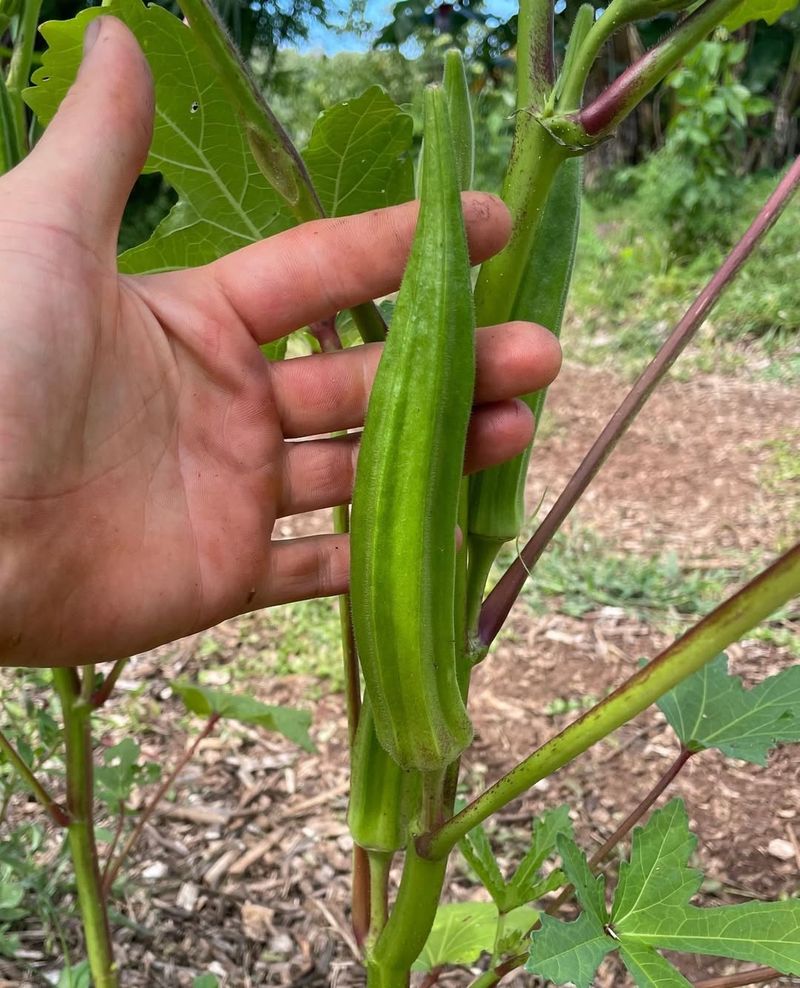
Okra practically laughs at heat. While other vegetables wilt under the coastal Carolina sun, okra just stretches taller and produces more pods.
Originally from Africa, this heat-loving plant has been a Southern garden staple for centuries, and it fits right in along the North Carolina coast where summer temperatures regularly push past 90 degrees.
Direct sow okra seeds in late April through May once soil temperatures hit at least 65 degrees Fahrenheit.
The plants grow quickly and can reach five to six feet tall, which actually helps them handle coastal winds by swaying and bending rather than snapping.
Once established, okra is impressively drought-tolerant, which is a huge advantage during the dry spells that coastal regions experience between summer rain events.
Space plants about 18 inches apart to give them room to grow strong, upright stems. Consistent harvesting every two to three days keeps production high and prevents pods from getting too tough to eat.
Okra also thrives in the humid, warm air that rolls in off the water, making it one of the most reliable performers in a coastal North Carolina garden.
If you want a vegetable that never complains about the weather, okra is absolutely your answer along the Carolina coast.
3. Peppers
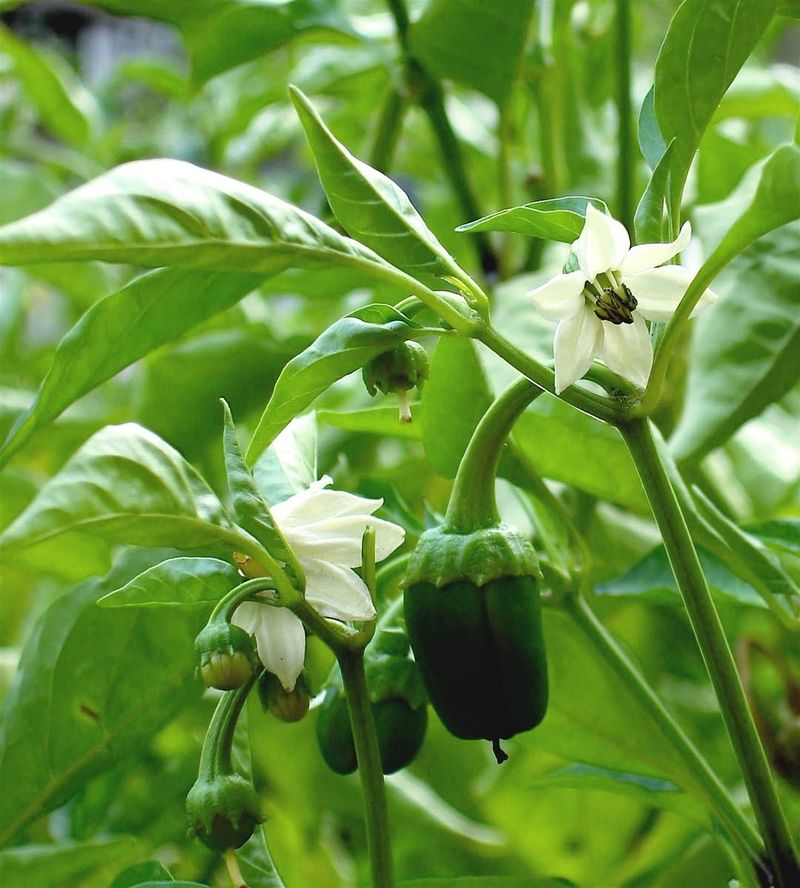
Few vegetables soak up coastal Carolina heat quite like peppers do.
Hot varieties like jalapeños, cayennes, and banana peppers practically explode with fruit when temperatures climb into the upper 80s and 90s, which is exactly what coastal North Carolina delivers from June through September.
Even sweet bell peppers perform well here when planted in the right spot. Transplant pepper seedlings outdoors after the last frost, typically in late April along the coast.
Because peppers have a somewhat shallow root system, staking or caging them early on is a smart move in coastal gardens where wind can be a real factor.
A simple wooden stake tied loosely to the main stem keeps the plant upright without restricting growth, and it makes a noticeable difference during breezy stretches.
Peppers love full sun and well-drained soil, both of which coastal North Carolina offers in abundance.
Mulching around the base helps retain moisture between waterings, since sandy coastal soils drain fast.
Water consistently and avoid letting the soil dry out completely, as uneven watering can cause blossom drop.
With the right setup, pepper plants will reward you with heavy harvests from midsummer all the way into fall, making them one of the most productive choices for any coastal Carolina garden looking for reliable, flavorful yields.
4. Tomatoes (Heat-Tolerant Varieties)
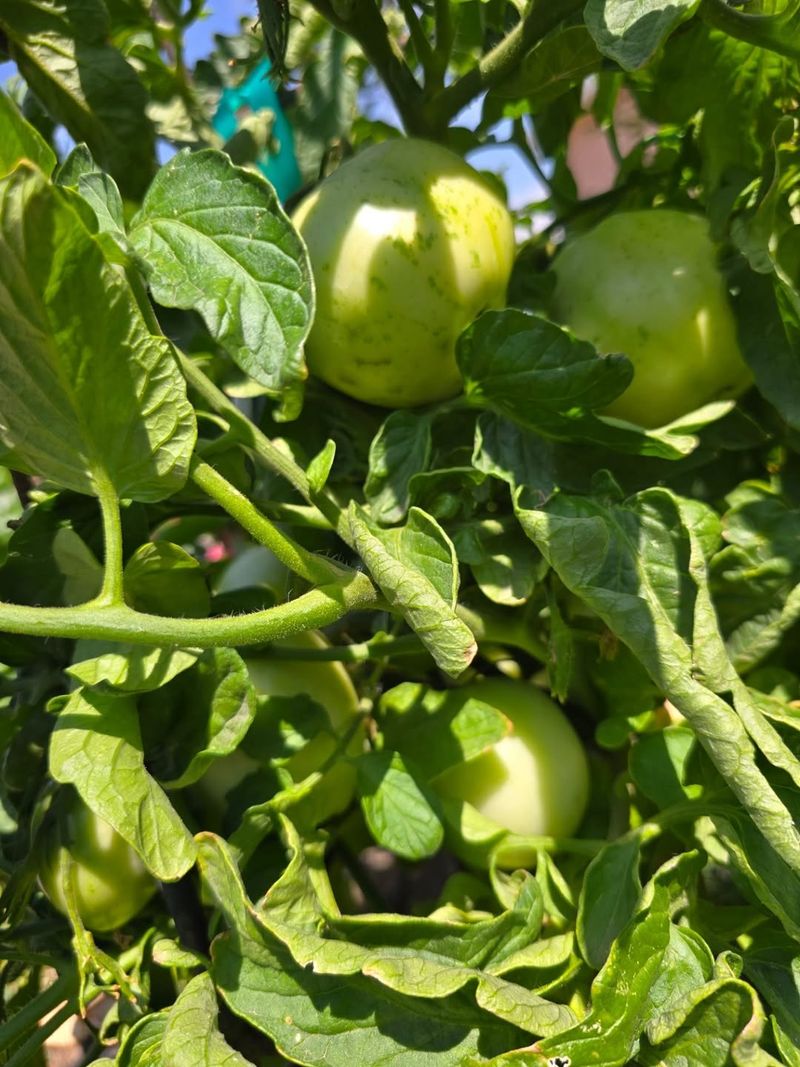
Standard tomato varieties often struggle when temperatures stay above 90 degrees for days at a time, but heat-tolerant varieties were literally bred for situations like coastal North Carolina summers.
Varieties like Heatwave II and Solar Fire are specifically developed to set fruit even during periods of intense heat, which makes them game changers for coastal gardeners who have battled tomato failure before.
Heatwave II is a determinate variety that produces medium-sized, smooth red tomatoes even when nighttime temperatures stay above 70 degrees, a common occurrence along the Carolina coast in July and August.
Solar Fire is another excellent choice, known for its firm fruit and strong disease resistance, which matters a lot in the humid coastal air where fungal issues can sneak up fast.
Plant transplants in mid to late April, and choose a spot with full sun and good air circulation to reduce humidity-related disease pressure.
Support plants with sturdy cages, since coastal winds can topple unsupported tomato plants in a hurry.
Consistent watering and a layer of organic mulch around the base will keep soil moisture stable between rainfalls.
With the right variety selection and a little attention to wind protection, tomatoes can absolutely thrive along the North Carolina coast and deliver impressive harvests all summer long.
5. Beans
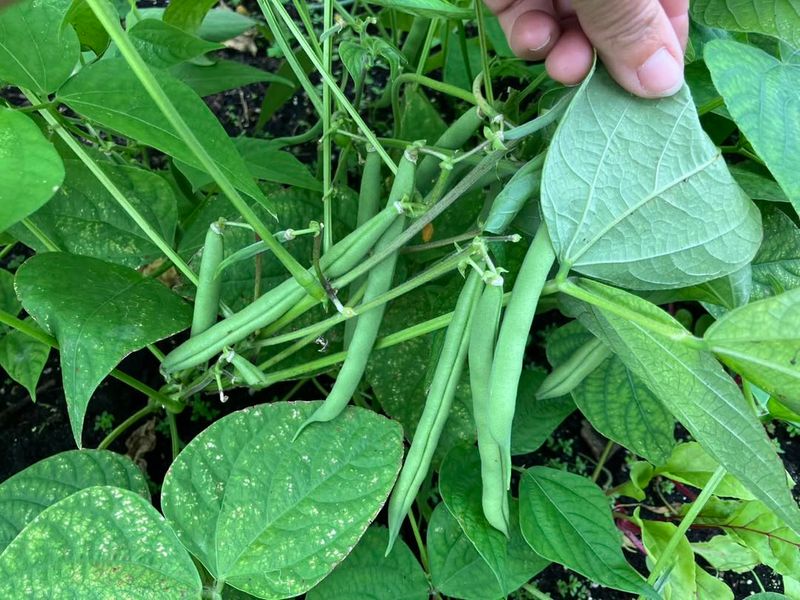
Beans are one of the most forgiving vegetables you can grow along the North Carolina coast, and they bring a bonus benefit that most other crops simply cannot match.
Both bush beans and pole beans handle coastal heat and wind with ease, but they also fix nitrogen directly into the soil as they grow, naturally improving soil fertility for whatever you plant next season.
Direct sow bean seeds from mid-April through late July for a continuous succession of harvests throughout the summer.
Bush beans are a great lower-profile option that handles wind well without needing support structures.
Pole beans, on the other hand, climb trellises and can actually use fencing or windbreaks as support, turning a garden challenge into a growing advantage along the breezy Carolina coastline.
Beans prefer warm, well-draining soil, which coastal North Carolina’s sandy ground provides naturally.
Water regularly during germination and early growth, but avoid overwatering once plants are established, since soggy roots can cause problems.
Harvest beans when pods are firm and snap cleanly, usually around 50 to 65 days after planting depending on variety.
Planting beans alongside tomatoes or peppers makes excellent use of their nitrogen-fixing ability, creating a thriving companion planting setup that keeps your coastal garden soil healthy and productive season after season.
6. Collard Greens
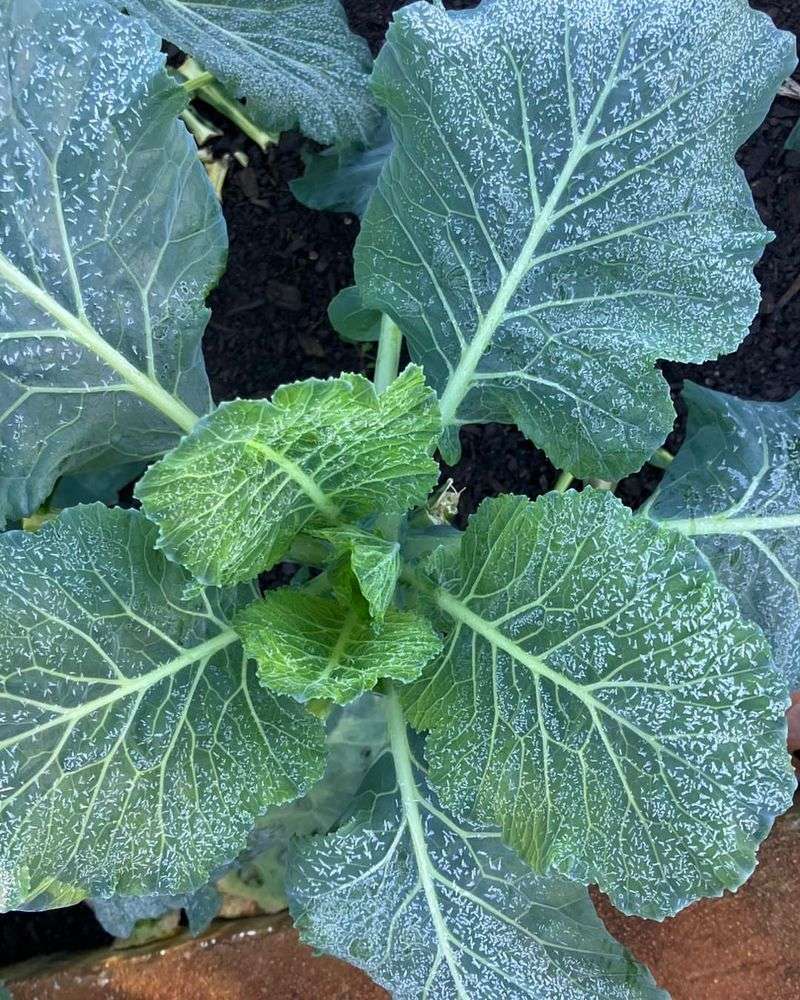
Collard greens have been feeding families across North Carolina for generations, and there is a very good reason they have stuck around so long. They are incredibly tough.
Unlike many leafy greens that bolt or wilt the moment summer heat arrives, collards keep right on growing through the hottest months along the coast, shrugging off both high temperatures and salty coastal breezes without missing a beat.
What makes collards especially interesting in a coastal garden is the size of their leaves. Those broad, sturdy leaves actually work together as a kind of natural windbreak, helping the plant stay upright and reducing moisture loss during gusty days.
Planting collards in a block formation rather than single rows amplifies this effect, creating a self-protecting cluster of greenery that stands firm against coastal winds.
Collards grow well in the coastal plain’s sandy soil when amended with compost, and they respond well to regular watering and a balanced fertilizer applied every few weeks.
Start seeds in late winter for a spring crop, or plant transplants in late summer for a fall and winter harvest.
Flavor actually improves after a light frost, which means fall-planted collards along the North Carolina coast are often the sweetest of the year.
Few vegetables offer this kind of reliability across multiple seasons in a coastal garden setting.
7. Cucumbers
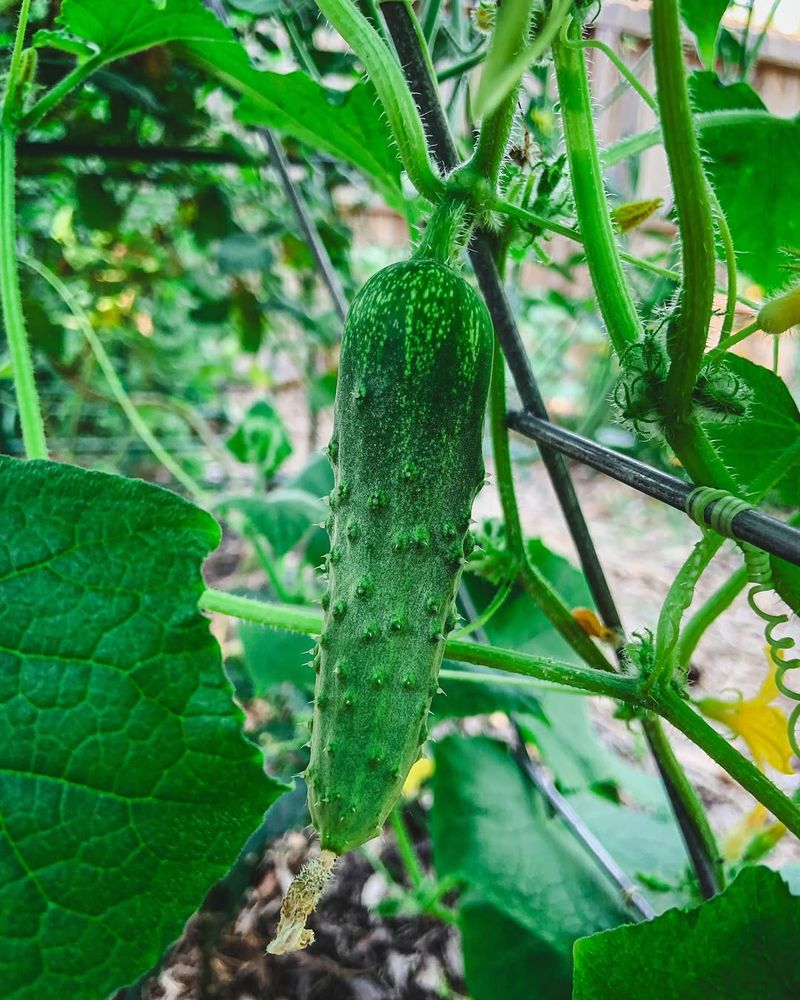
Cucumbers are speed demons in the vegetable garden, and that fast growth rate is a real advantage in coastal North Carolina where the growing window is long and warm.
Once planted in warm soil after the last frost, cucumber vines take off quickly and start producing fruit in as little as 50 to 60 days, giving you plenty of time for multiple plantings throughout the summer season.
Varieties like Marketmore 76 and Bush Pickle are well-suited to the coastal plain’s conditions, offering strong yields and good disease resistance.
Growing cucumbers on a trellis is highly recommended in coastal gardens because it improves air circulation around the leaves, which helps reduce the risk of powdery mildew in the humid coastal air.
Trellising also makes harvesting much easier and keeps fruit off the ground where moisture and pests can cause damage.
Cucumbers are thirsty plants, so consistent irrigation is key, especially during dry stretches when coastal sandy soil drains quickly.
Drip irrigation or soaker hoses work best for keeping soil evenly moist without splashing water on leaves, which can encourage fungal growth.
Mulching around the base of plants helps lock in soil moisture and keeps roots cooler during peak summer heat.
With regular watering and a trellis for support, cucumbers will produce abundantly all summer long in a coastal North Carolina garden.
8. Eggplant
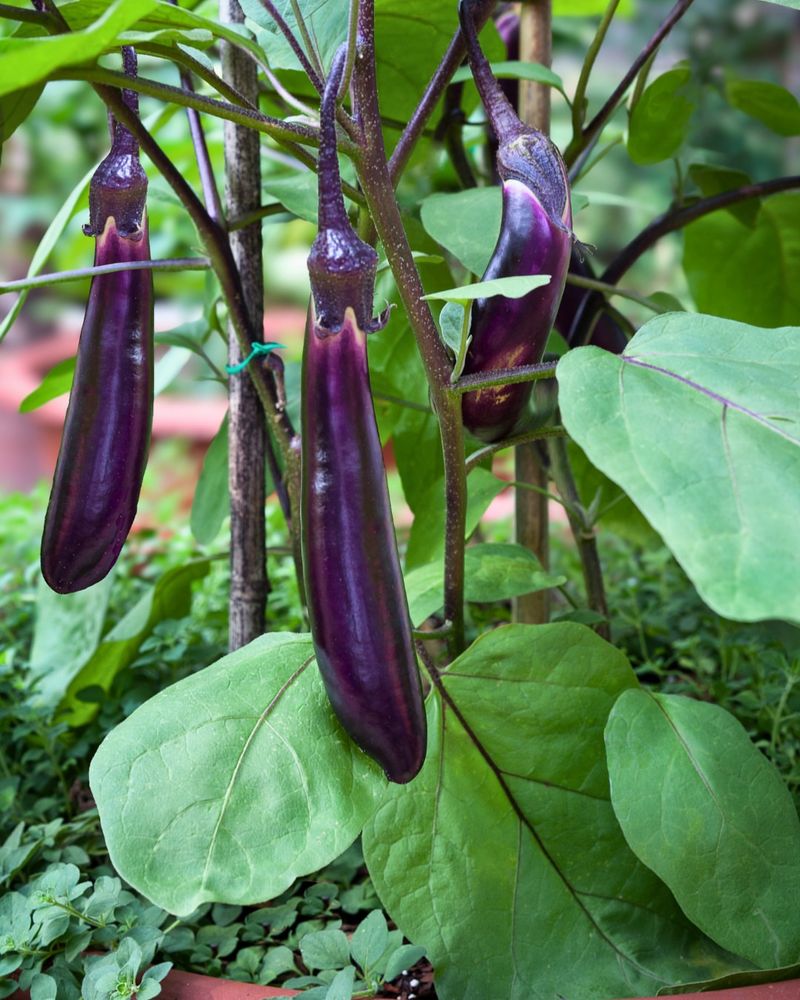
Eggplant is one of those vegetables that genuinely thrives when temperatures climb high and the sun stays strong, making it a natural fit for the coastal North Carolina climate.
Originally from South Asia, eggplant evolved in hot, humid conditions very similar to what the Carolina coast delivers from June through September.
That tropical heritage gives it a heat tolerance that few other vegetables can match. Plant eggplant transplants outdoors after the last frost, typically in late April along the coast.
Choose a location with full sun exposure, at least six to eight hours per day, and make sure the soil drains well.
Staking eggplant plants early is a smart move in coastal gardens, since the fruit can get heavy and the stems need support against coastal winds.
A simple stake or small cage placed at planting time prevents the need for awkward adjustments later when plants are already loaded with fruit.
Eggplant benefits from consistent moisture and regular fertilization throughout the growing season.
Sandy coastal soils can drain quickly, so mulching generously around the base helps keep roots hydrated between waterings.
Varieties like Black Beauty and Ichiban are reliable performers in the coastal plain’s climate, offering deep purple, glossy fruit through summer and into early fall.
With proper support and steady care, eggplant becomes one of the most visually stunning and productive crops in any coastal North Carolina garden.
9. Swiss Chard
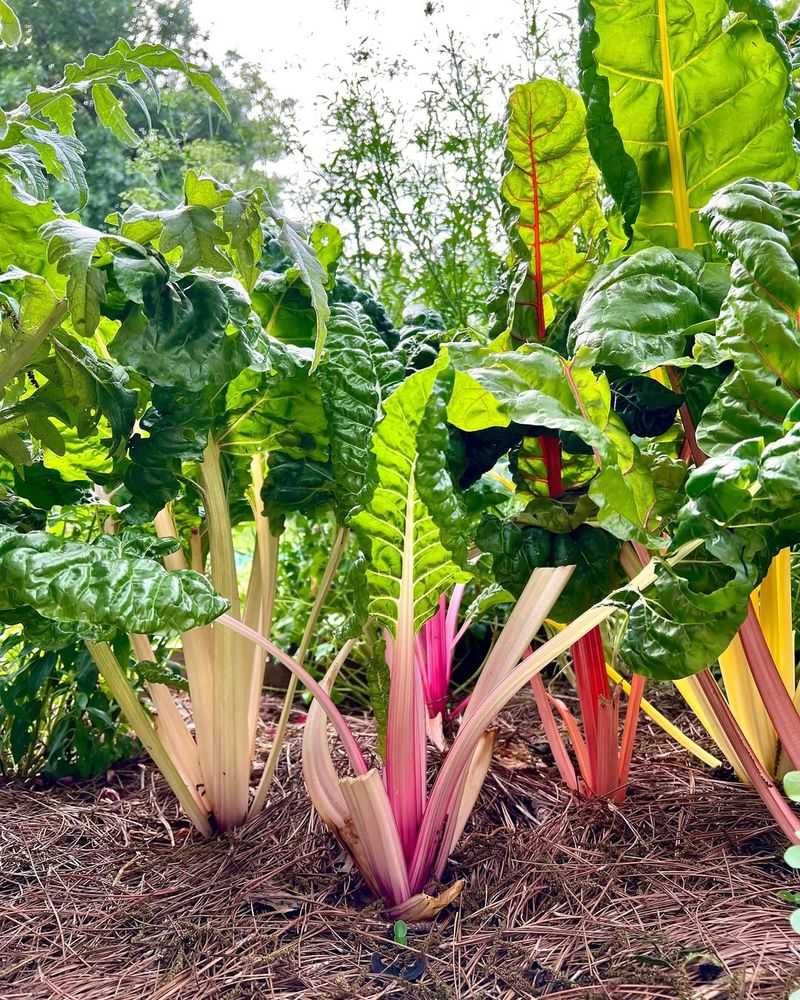
Swiss chard is one of the most versatile vegetables you can grow along the North Carolina coast, and it earns that reputation by performing well across a surprisingly wide range of conditions.
Unlike spinach, which bolts quickly in summer heat, Swiss chard tolerates warm temperatures without giving up, continuing to produce large, nutritious leaves well into the hottest months of the coastal Carolina growing season.
The thick, upright stems of Swiss chard give it a natural resilience against coastal winds, and the plant’s deep root system helps it stay anchored in sandy coastal soil.
Varieties like Rainbow Chard, Bright Lights, and Fordhook Giant are all excellent choices for the coastal plain, offering both strong performance and visual appeal with their brilliantly colored stems in shades of red, yellow, orange, and white.
Plant Swiss chard seeds or transplants in early spring for a long summer harvest, or start a second planting in late summer for fresh greens through fall and even into mild winter months along the coast.
Regular harvesting of outer leaves encourages continuous new growth, so one planting can feed your family for months.
Water consistently, mulch generously, and give plants a balanced fertilizer every few weeks to keep them producing at full speed.
Swiss chard is a true workhorse for coastal North Carolina gardeners who want reliable greens from spring all the way through early winter.
10. Mustard Greens
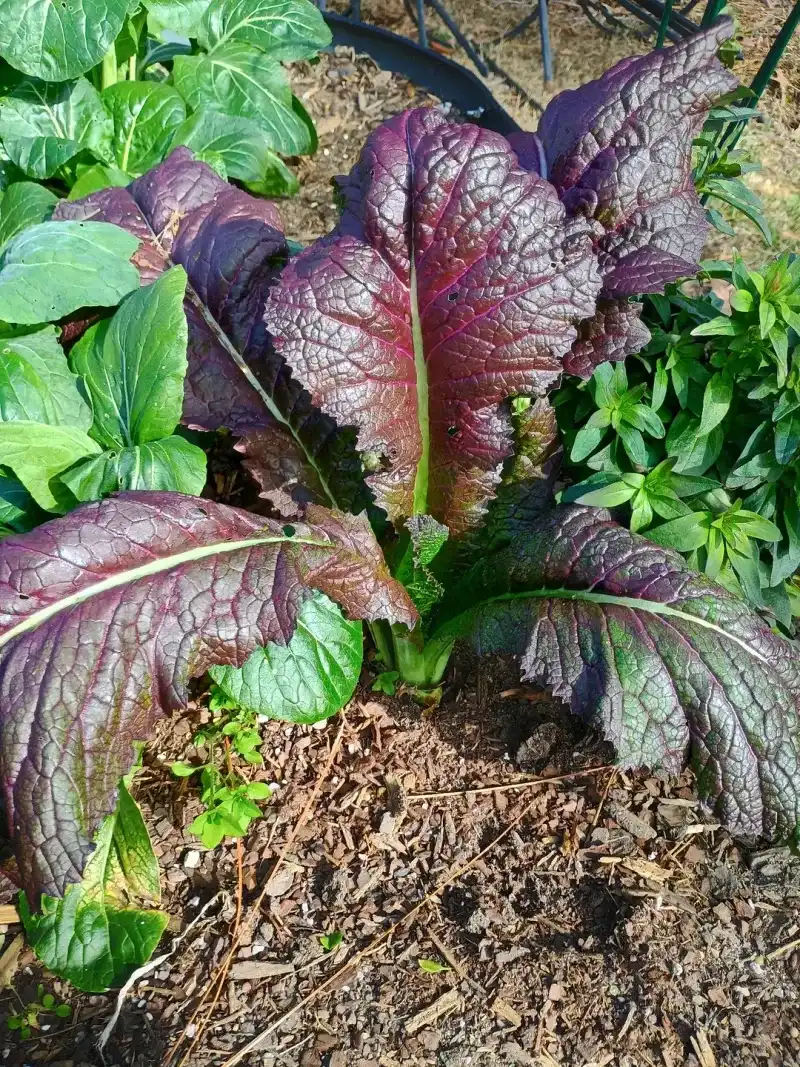
Mustard greens bring a bold, peppery flavor to the table, and they bring equal boldness to the garden by standing up to both heat and coastal wind without flinching.
Along the North Carolina coast, mustard greens are a smart choice for summer planting because they mature quickly, often in just 30 to 40 days, giving you fast results even during the busiest part of the growing season.
For summer harvests, direct sow mustard green seeds in late spring after the last frost. For a fall crop, plant again in late August or September, taking advantage of the coastal plain’s long, mild autumn season.
The cooler fall temperatures actually improve the flavor of mustard greens, making them more tender and less sharp than summer-grown plants. Either way, you get a productive, fast-growing crop that earns its place in a coastal garden.
Mustard greens grow well in North Carolina’s sandy coastal soil when given regular water and a boost of nitrogen-rich fertilizer to support leafy growth.
Mulching helps keep soil moisture consistent, which prevents the plants from stressing out during hot, dry spells.
Popular varieties like Southern Giant Curled and Florida Broadleaf perform especially well in the coastal plain’s climate, offering large, flavorful leaves and strong wind resistance.
Mustard greens prove that sometimes the most flavorful vegetables are also the toughest ones in the garden.