Vegetables That Climb And Support Each Other, Perfect For North Carolina Gardens
A garden does not need more ground to produce more food, it simply needs to grow in a smarter direction. In North Carolina, where growing space can feel limited, climbing vegetables offer an efficient and highly productive solution by reaching upward instead of spreading outward.
Vertical growing not only saves valuable room but also improves air flow, sunlight exposure, and overall plant health.
Many of these natural climbers grow even better when paired together, sharing trellises, arches, or supports while forming strong, space saving partnerships.
This cooperative growth can lead to healthier plants and more abundant harvests throughout the season.
Gardeners across North Carolina are discovering how vertical planting transforms both small yards and larger plots into organized, flourishing spaces filled with fresh produce.
With the right selection of climbing vegetables, your garden can become a thriving vertical landscape that maximizes space, increases productivity, and brings the satisfaction of a rich and rewarding harvest.
1. Pole Beans
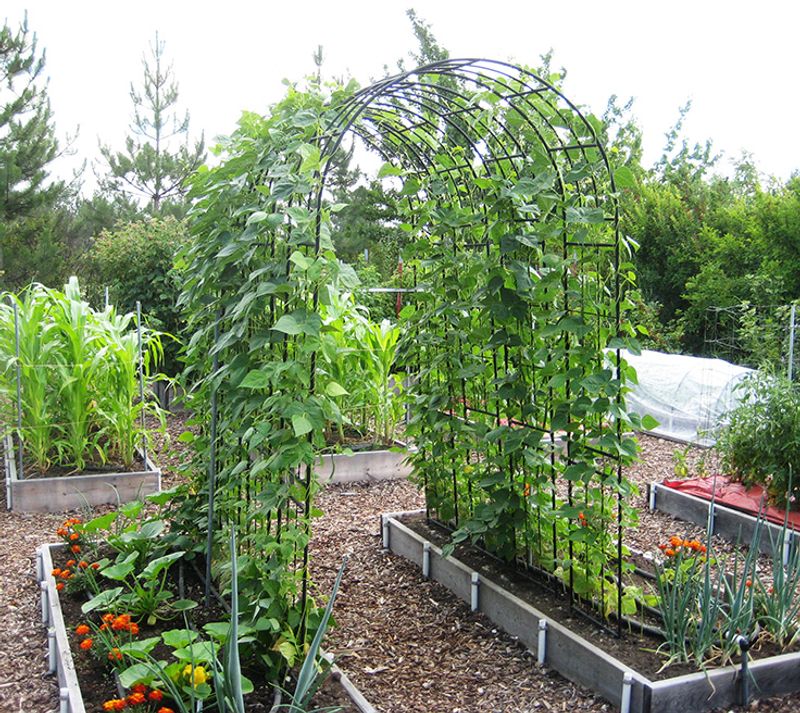
Growing upward on sturdy supports, pole beans turn any garden into a productive vertical space. These vigorous climbers wrap their tendrils around poles, trellises, or even corn stalks, reaching heights of six to eight feet.
North Carolina’s warm summers provide ideal conditions for these heat-loving plants. The beauty of pole beans lies in their continuous production throughout the season.
Unlike bush varieties that produce one big harvest, pole beans keep flowering and setting pods for months. This extended harvest means fresh beans for your table from June through September.
Companion planting works wonderfully with pole beans because they fix nitrogen in the soil. This natural fertilization benefits neighboring plants like cucumbers or squash.
The tall structure creates shade for lettuce or spinach planted below, extending their growing season into warmer months.
Plant pole beans after the last frost when soil warms to at least sixty degrees. Space seeds four inches apart along your support structure.
Regular picking encourages more production, so harvest every few days when pods reach their prime size.
These climbers need full sun and consistent moisture but aren’t particularly fussy about soil. Adding compost before planting gives them a good start.
Watch for Japanese beetles in July and hand-pick them early morning when they’re sluggish and easier to catch.
2. Cucumbers
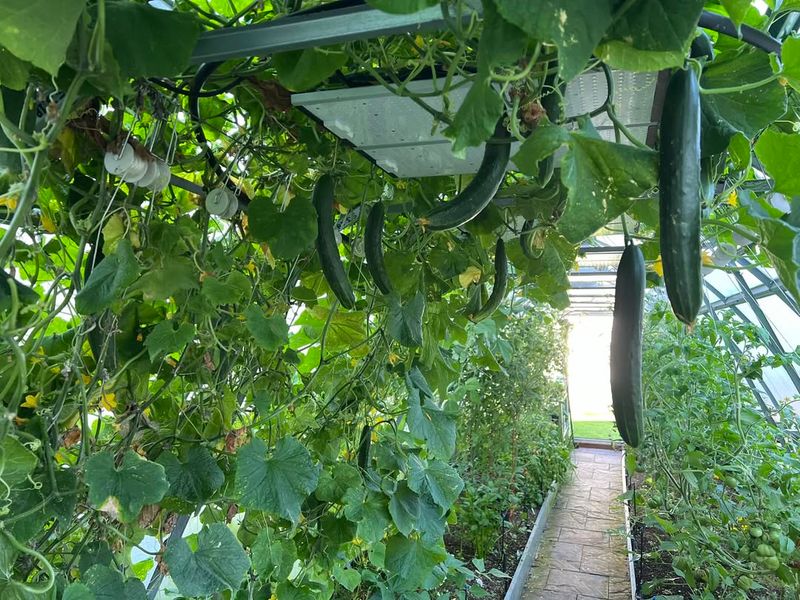
Vertical cucumber growing transforms this sprawling vine into a space-saving garden star. Training cucumbers upward on trellises, fences, or netting keeps fruits clean and straight while improving air circulation around leaves.
Better airflow means fewer fungal problems, which can plague cucumbers in North Carolina’s humid summers. Lifting vines off the ground also reduces pest damage and prevents fruits from developing flat, yellowed spots where they rest on the soil.
When cucumbers climb, they produce straighter fruits that are easier to spot and harvest. Ground-grown cucumbers often hide under leaves, turning yellow and oversized before you find them.
Trellised fruits hang in plain view, making harvest a breeze. Cleaner fruits mean less washing and a more attractive harvest for fresh eating or sharing.
Sharing vertical space with pole beans creates a productive partnership. The beans add nitrogen while cucumber leaves provide ground shade that keeps soil moist.
Both plants enjoy similar growing conditions and watering schedules, simplifying garden maintenance. This efficient use of vertical space is especially helpful in smaller gardens.
Start cucumber seeds indoors three weeks before your last frost date or direct sow when soil reaches seventy degrees. Plant seeds six inches apart at the base of your support structure.
Gently guide young vines onto supports as they grow, though most will climb naturally using their tendrils.
Consistent watering prevents bitter-tasting fruits and blossom-end problems. Mulching around plants helps retain moisture and suppress weeds.
Harvest cucumbers when they reach the size recommended for your variety, usually six to eight inches for slicing types, and pick frequently to encourage continued producti
3. Peas
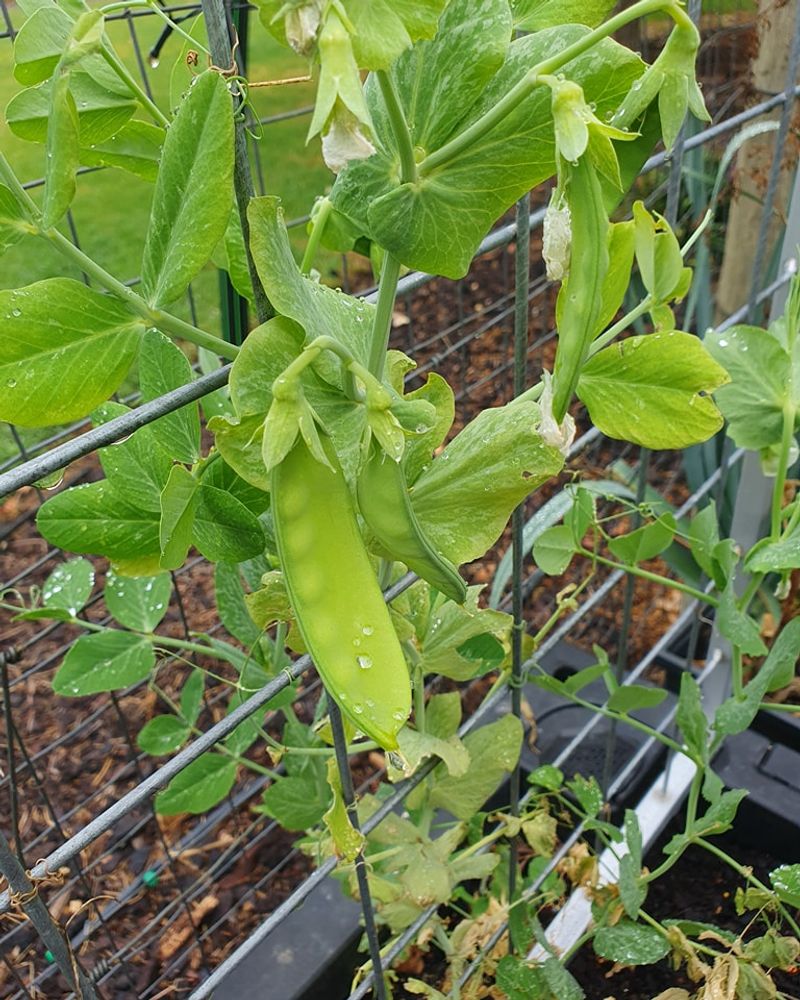
Spring gardens come alive when peas send their delicate tendrils skyward. These cool-season climbers thrive in North Carolina’s mild spring weather, producing sweet pods before summer heat arrives.
Snap peas, snow peas, and shelling peas all grow happily on vertical supports, making efficient use of garden space.
Pea tendrils naturally grasp onto anything nearby, whether it’s twine, netting, or neighboring plants. This climbing habit makes them perfect partners for early tomatoes or other spring vegetables.
The peas finish producing just as summer crops need more room to expand. Planting peas in late February or early March gives them time to mature before hot weather. They prefer temperatures between fifty-five and seventy degrees.
Direct sow seeds two inches apart along your support structure, planting them one inch deep in well-drained soil.
Peas actually improve soil by fixing atmospheric nitrogen through their root nodules. This natural fertilization benefits crops planted in the same spot later.
After harvest, cut plants at ground level rather than pulling them up, leaving those beneficial roots to decompose.
Regular harvesting encourages more pod production and prevents plants from shutting down. Pick snap peas when pods are plump but still bright green. Snow peas taste best when flat and tender, before seeds fully develop inside.
4. Indeterminate Tomatoes
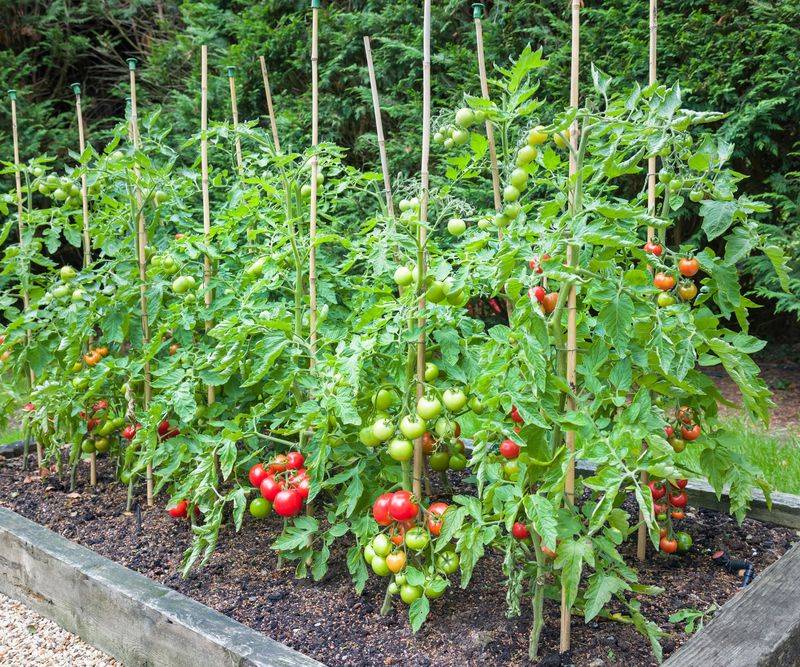
Indeterminate tomato varieties keep growing and producing fruits until frost stops them. Unlike their determinate cousins that grow to a set height, these vigorous vines can reach eight feet or taller.
Strong staking or caging becomes essential for supporting their continuous growth and heavy fruit load.
The advantage of growing indeterminate tomatoes vertically is clear when you see healthy plants with excellent air circulation. Leaves dry quickly after rain or morning dew, reducing fungal diseases that plague tomatoes in humid climates.
Fruits hang off the ground, staying cleaner and less attractive to pests. Pairing tall tomatoes with shorter climbing vegetables like peas creates layered productivity.
Early peas finish as tomatoes gain height, and you can plant quick-growing crops like lettuce in the tomato shade during summer. This vertical layering maximizes every square foot of garden space.
Set transplants deep, burying stems up to the first true leaves. Buried stems develop additional roots, creating stronger plants.
Space plants eighteen to twenty-four inches apart along your support structure. Install stakes or cages at planting time to avoid disturbing roots later.
Pruning suckers that form between main stems and branches directs energy into fruit production. Remove lower leaves as plants grow to improve airflow near the ground.
Consistent watering prevents blossom-end rot and fruit cracking, common problems when moisture levels fluctuate.
5. Climbing Gourds
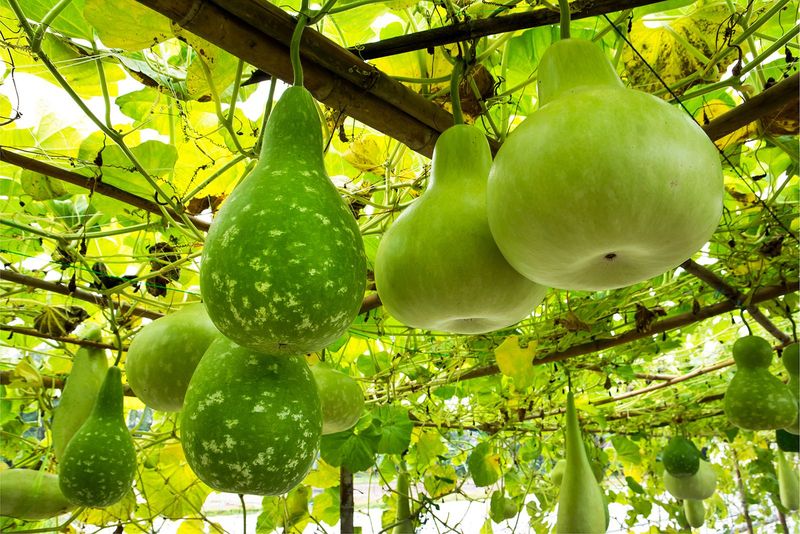
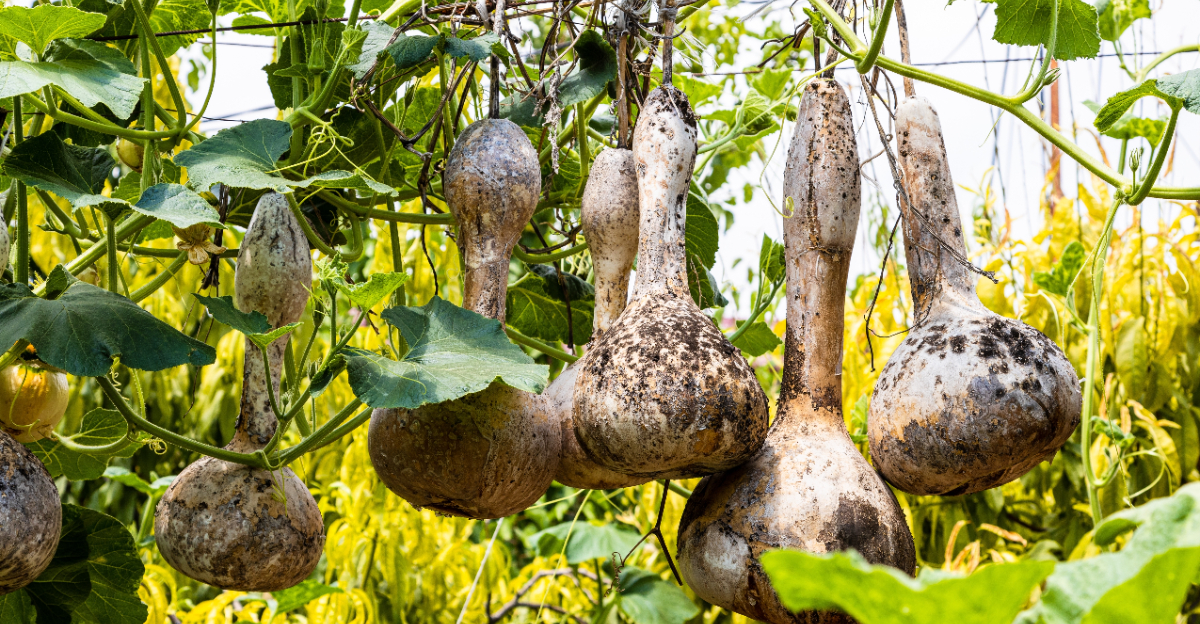
Ornamental and useful, climbing gourds transform fences and arbors into living art installations. These vigorous vines grow quickly, providing summer shade while producing interesting fruits.
From small decorative types to large birdhouse gourds, these climbers need strong supports because mature fruits can weigh several pounds.
Gourds excel at covering unsightly areas like compost bins or storage sheds. Their large leaves create dense coverage while bright yellow flowers attract pollinators.
Growing gourds vertically keeps developing fruits clean and prevents ground contact that can cause soft spots or rot.
Combining gourds with other climbing vegetables works when you give them adequate space. These aggressive growers can overwhelm smaller plants, so plant them at the ends of trellises.
Their shade benefits heat-sensitive crops planted below, creating microclimates within your garden.
Direct sow gourd seeds after all frost danger passes and soil warms thoroughly. Plant three seeds per hill, spacing hills four feet apart along your support. Thin to the strongest seedling once plants develop true leaves.
Gourds need consistent moisture during growth but benefit from drying conditions as fruits mature. This transition helps harden shells for long-term storage.
Harvest after vines naturally decline in fall, leaving a few inches of stem attached. Cure gourds in a warm, dry location for several weeks before using them for crafts or decoration.
6. Vining Squash
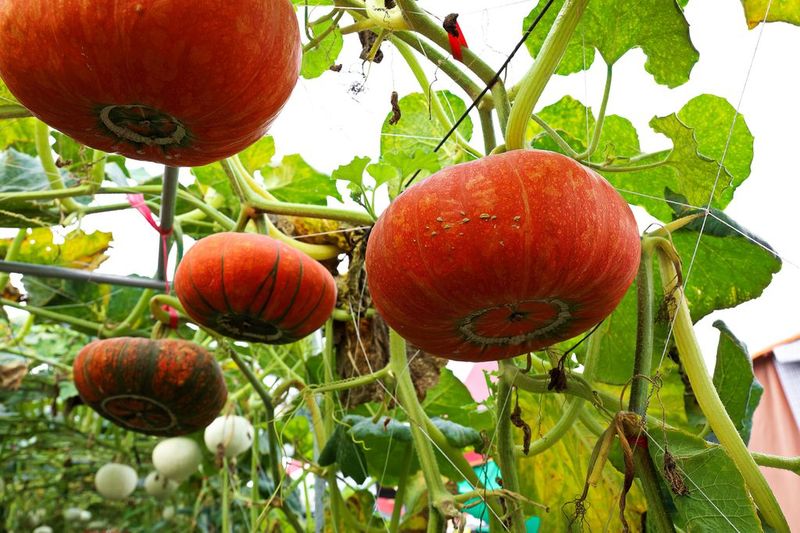
Most gardeners think squash needs sprawling space, but many varieties climb willingly when given support. Vertical squash growing saves tremendous ground space while producing cleaner fruits.
Smaller varieties like delicata or acorn squash work best for trellising, though even small pumpkins can grow upward with proper support.
Training squash vines upward improves air circulation dramatically. Leaves dry faster, reducing powdery mildew and other fungal problems that typically plague squash plants.
You’ll also spot squash bugs and vine borers more easily on vertical plants, allowing faster pest management.
Heavy fruits need individual support as they develop. Create slings from old t-shirts, pantyhose, or mesh bags to cradle growing squash.
Attach slings to the trellis above the fruit, taking weight off the vine. This simple step prevents fruits from breaking off before they mature.
Plant squash seeds one inch deep at the base of your trellis after soil warms to seventy degrees. Space seeds twelve inches apart, thinning to the strongest plants.
Guide young vines onto supports, securing them loosely with soft ties until tendrils take hold. Squash needs consistent moisture and rich soil for best production. Side-dress plants with compost when they begin flowering.
Hand-pollinate flowers early morning if you notice poor fruit set, transferring pollen from male flowers to female flowers using a small paintbrush.