10 Vegetables That Keep Producing After An Early Frost In Pennsylvania Gardens
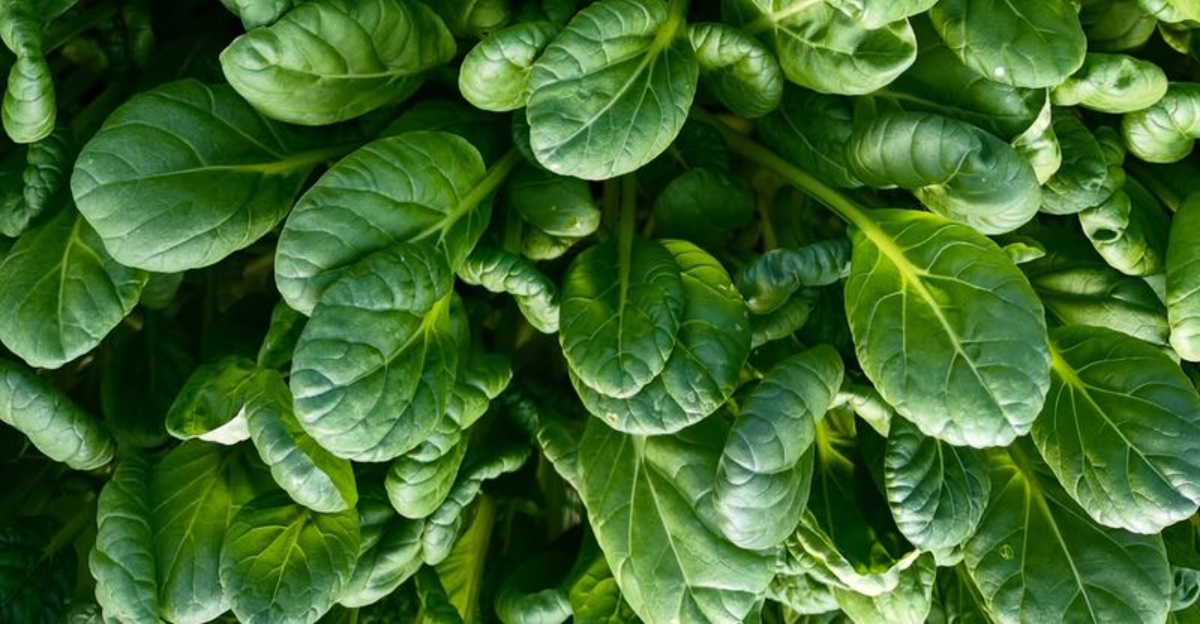
Pennsylvania gardeners know that an early frost does not have to end the growing season. Certain vegetables are cold-hardy and continue producing fresh, nutritious harvests even when temperatures dip below freezing.
Keep your garden productive and enjoy fresh vegetables despite the frost. These vegetables, including kale, spinach, carrots, and Brussels sprouts, thrive in cooler conditions and often taste sweeter after exposure to frost.
Proper soil preparation, mulching, and plant selection help crops withstand cold temperatures while maintaining quality and flavor.
Staggering planting and protecting young plants extends harvests further. Frost-tolerant crops allow gardeners to enjoy fresh produce well into winter.
Pennsylvania gardeners who choose these vegetables can maximize their growing season and enjoy continuous harvests despite early cold snaps. Grow smart, protect your plants, and keep harvesting after the first frost.
1. Kale
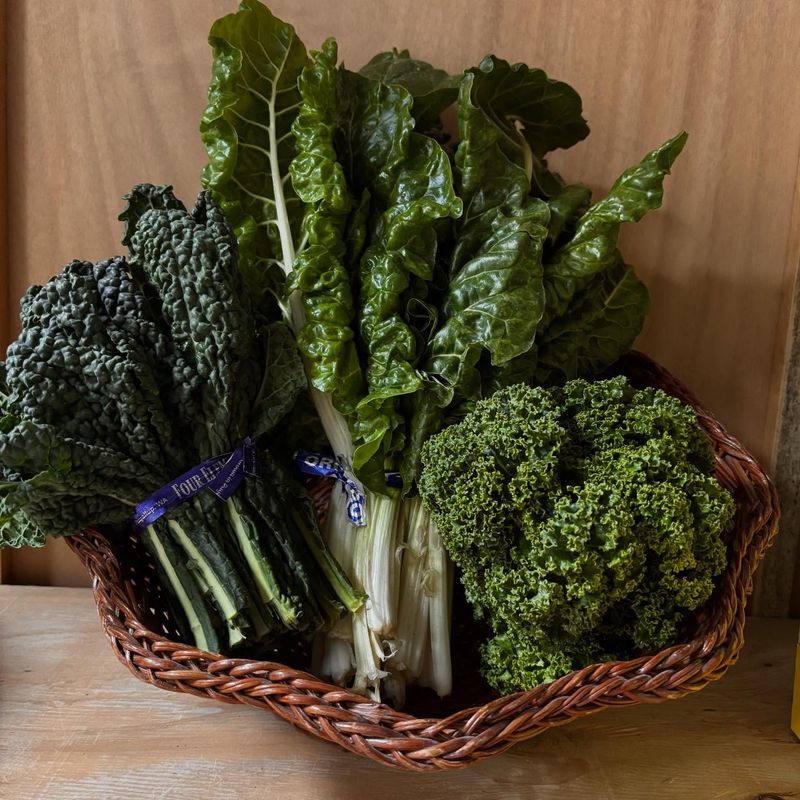
Few vegetables handle Pennsylvania’s unpredictable fall weather as gracefully as kale, which actually becomes sweeter and more flavorful after experiencing frost.
When temperatures drop, this leafy green converts starches into sugars as a natural antifreeze mechanism, making post-frost kale taste noticeably less bitter and more enjoyable in salads and cooked dishes.
Most kale varieties can tolerate temperatures down to 20 degrees Fahrenheit without suffering damage, and some hardy types survive even colder conditions.
For Pennsylvania gardens, varieties like Winterbor, Lacinato, and Red Russian perform exceptionally well through autumn and early winter.
Winterbor develops deeply curled leaves that seem designed to shake off snow, while Lacinato’s dark blue-green leaves add visual interest to winter gardens. Red Russian brings beautiful purple-tinged foliage that intensifies as temperatures drop.
You can continue harvesting kale leaves throughout the cold season by picking from the bottom of the plant upward, allowing the growing crown to keep producing new leaves. This cut-and-come-again approach extends your harvest for months.
Even when snow covers your garden, kale often remains productive underneath, waiting for you to brush away the white blanket and gather fresh greens for dinner.
2. Spinach
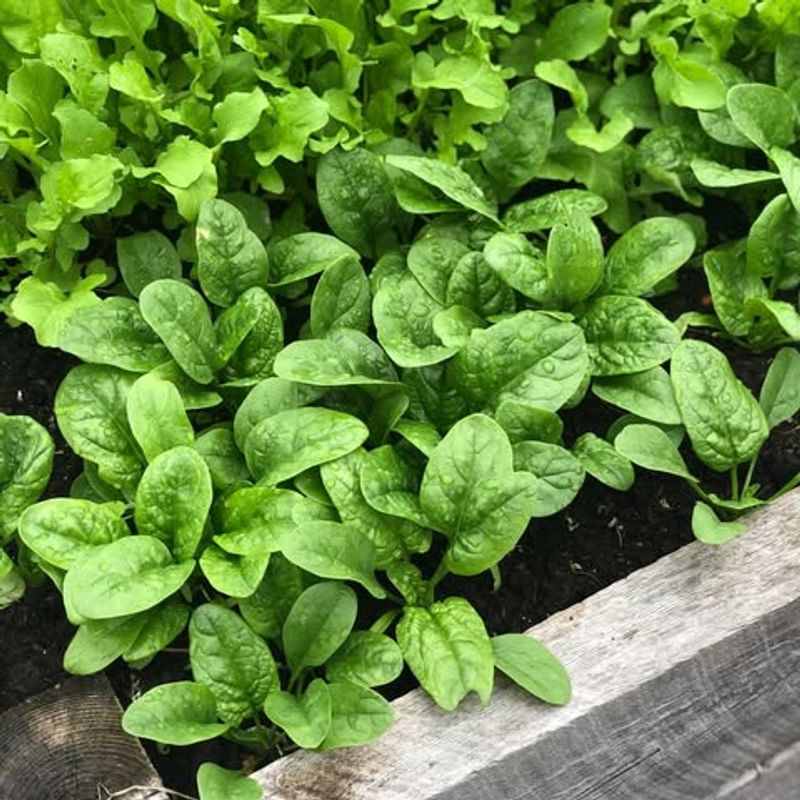
Spinach thrives when most gardeners have already hung up their tools for the season, making it a perfect candidate for extended fall harvests in Pennsylvania.
This cool-season champion actually prefers temperatures between 35 and 75 degrees Fahrenheit, with the cooler end of that range producing the most tender and flavorful leaves.
Planting spinach in late summer or early fall gives you harvests that continue well past the first frost. Timing your fall spinach planting for mid-August through early September allows plants to establish strong root systems before cold weather arrives.
Once established, spinach handles light frosts without protection and continues developing new leaves during mild autumn days.
Adding row covers or lightweight frost blankets extends the season even further, protecting plants during particularly cold nights while allowing sunlight through during the day.
The best harvesting approach involves picking outer leaves while leaving the central growing point intact, encouraging continuous production.
Baby spinach leaves taste especially sweet after frost exposure, perfect for fresh salads that bring garden flavor to your table when grocery store produce seems less appealing.
Pennsylvania gardeners often enjoy spinach harvests right up until Thanksgiving or beyond, depending on how severe the early winter becomes.
3. Carrots
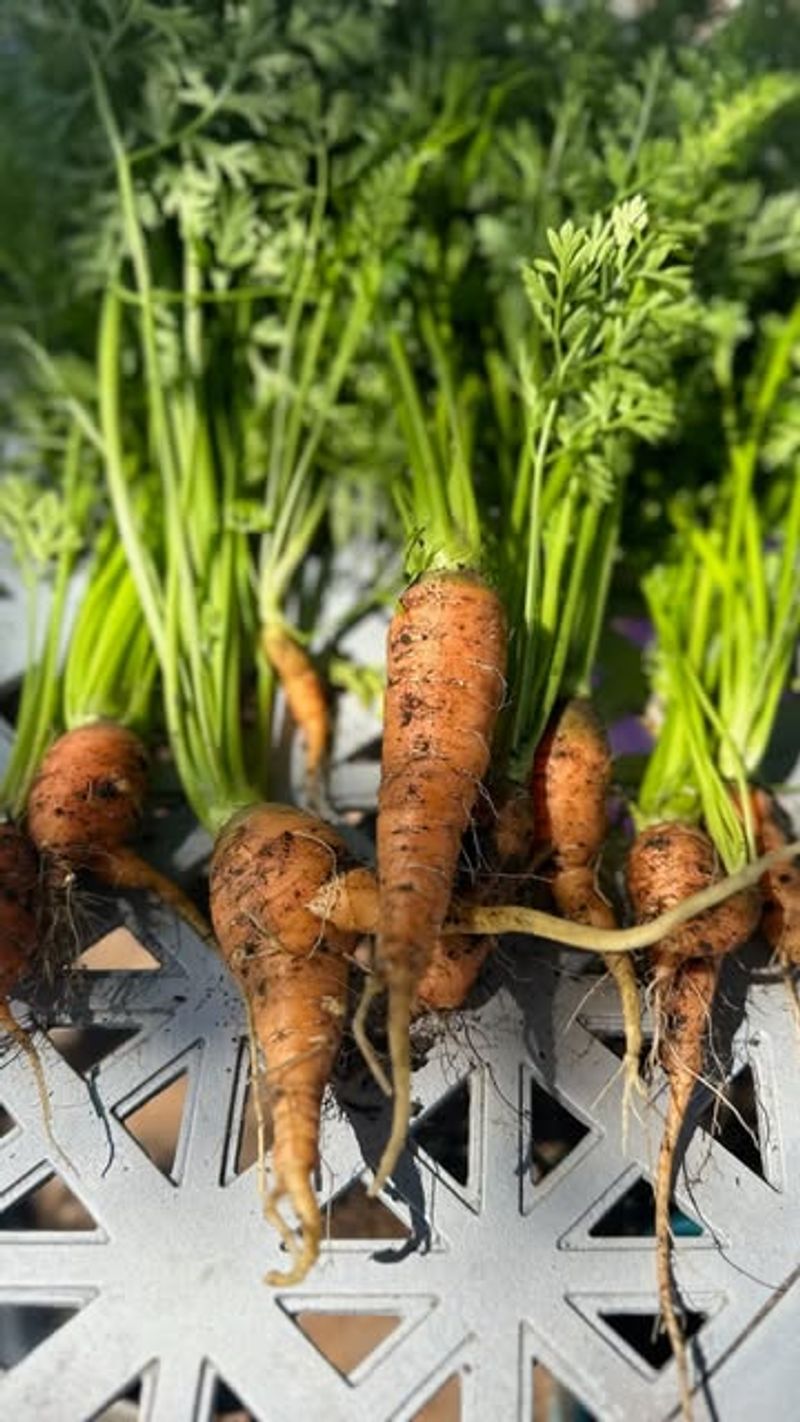
Carrots develop their best flavor when they experience cold temperatures, making them ideal for Pennsylvania gardeners who want to extend their harvest season.
While the leafy tops may look tired after frost, the roots underground remain perfectly protected and actually become sweeter as temperatures drop.
Cold exposure triggers carrots to convert starches into sugars, creating that candy-like sweetness that makes homegrown carrots so much better than store-bought varieties.
The key to keeping carrots harvestable through cold weather involves proper mulching techniques that prevent the ground from freezing solid.
Applying a thick layer of straw, shredded leaves, or hay over your carrot rows creates insulation that keeps soil workable even when air temperatures plunge.
This natural storage method means you can harvest fresh carrots whenever you need them rather than pulling everything at once.
Pennsylvania’s variable fall weather works perfectly for this approach, as the ground typically doesn’t freeze permanently until late December or January in many areas.
You can simply push aside the mulch, loosen the soil with a garden fork, and pull however many carrots you need for dinner.
Varieties like Napoli, Bolero, and Danvers perform especially well for extended harvests, maintaining excellent texture and flavor throughout the cold season.
4. Parsnips
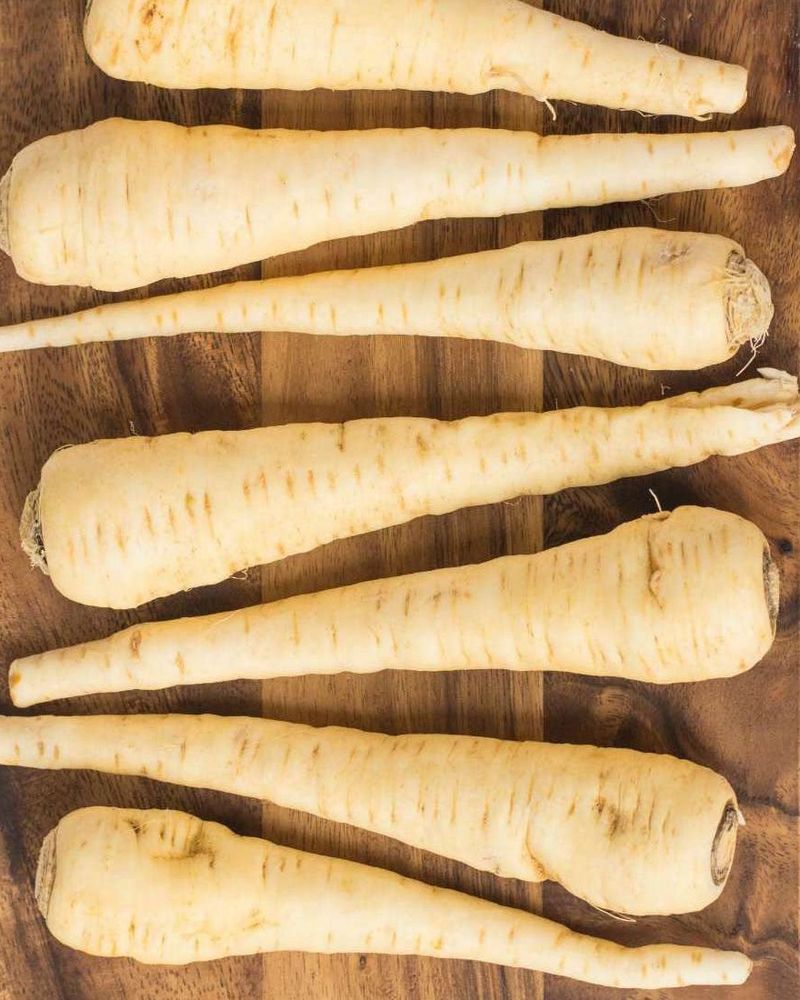
Often overlooked in American gardens, parsnips deserve recognition as one of the most cold-tolerant root vegetables you can grow in Pennsylvania.
These cream-colored roots actually require frost exposure to develop their characteristic sweet, nutty flavor, making them a crop that improves rather than deteriorates as winter approaches.
Many experienced gardeners consider parsnips inedible before frost, as the roots taste woody and unpleasant when harvested during warm weather.
Growing great parsnips starts with proper soil preparation, as these vegetables develop long taproots that can extend twelve inches or more into the ground.
Loosening soil to at least eighteen inches deep and removing rocks or hard clumps ensures straight, well-formed roots. Parsnips take longer to mature than most vegetables, typically requiring 120 days from seed to harvest, so planning ahead becomes essential.
The beauty of parsnips lies in their ability to remain in the garden through late fall and early winter without any special protection. You can begin harvesting after the first hard frost and continue throughout winter whenever the ground remains workable.
Some Pennsylvania gardeners even leave parsnips in the ground over winter, harvesting in early spring before new growth begins. This extended harvest window makes parsnips incredibly convenient, functioning as your own outdoor root cellar.
5. Brussels Sprouts
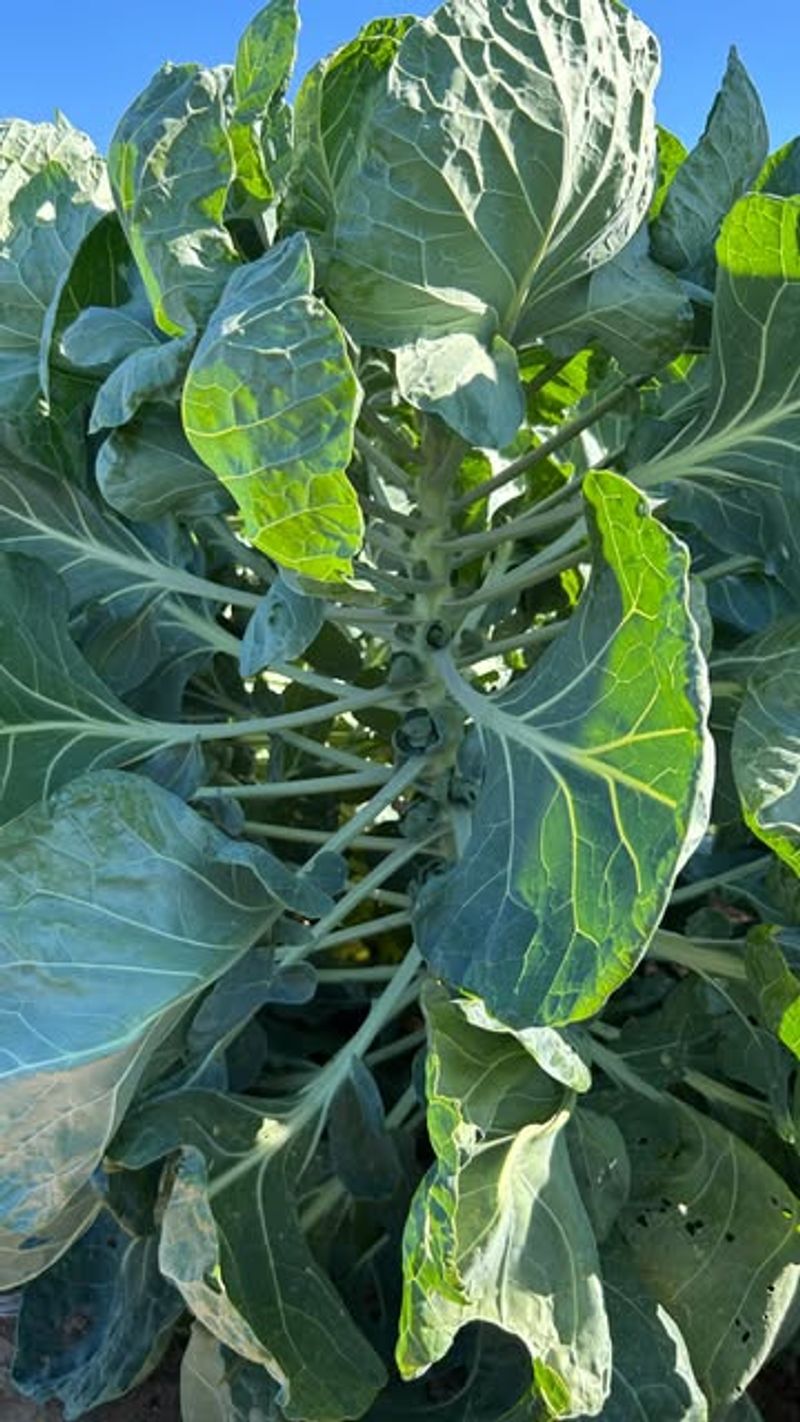
Brussels sprouts reach their peak flavor and texture after experiencing cold temperatures, transforming from potentially bitter buttons into sweet, nutty morsels that convert even skeptics.
Cool weather causes the sprouts to develop tighter, firmer heads while mellowing their flavor through the same sugar-conversion process that benefits other cold-hardy vegetables.
Pennsylvania’s autumn climate provides ideal conditions for bringing Brussels sprouts to perfection.
These unusual vegetables grow on tall stalks that can reach three feet high, with sprouts forming in the leaf axils along the stem.
As temperatures drop and frost arrives, you can begin harvesting from the bottom of the stalk upward, picking sprouts when they reach about one inch in diameter.
The plant continues developing new sprouts higher on the stalk, providing harvests over several weeks or even months.
Brussels sprouts can tolerate temperatures down to the low 20s Fahrenheit, and some varieties handle even colder conditions without damage. Removing lower leaves as you harvest sprouts helps the plant direct energy into developing the remaining buttons.
For Pennsylvania gardeners, varieties like Long Island Improved, Catskill, and Gustus offer reliable production and excellent cold tolerance.
Many gardeners find that Brussels sprouts harvested after several hard frosts taste dramatically better than anything available in grocery stores, making the wait worthwhile.
6. Leeks
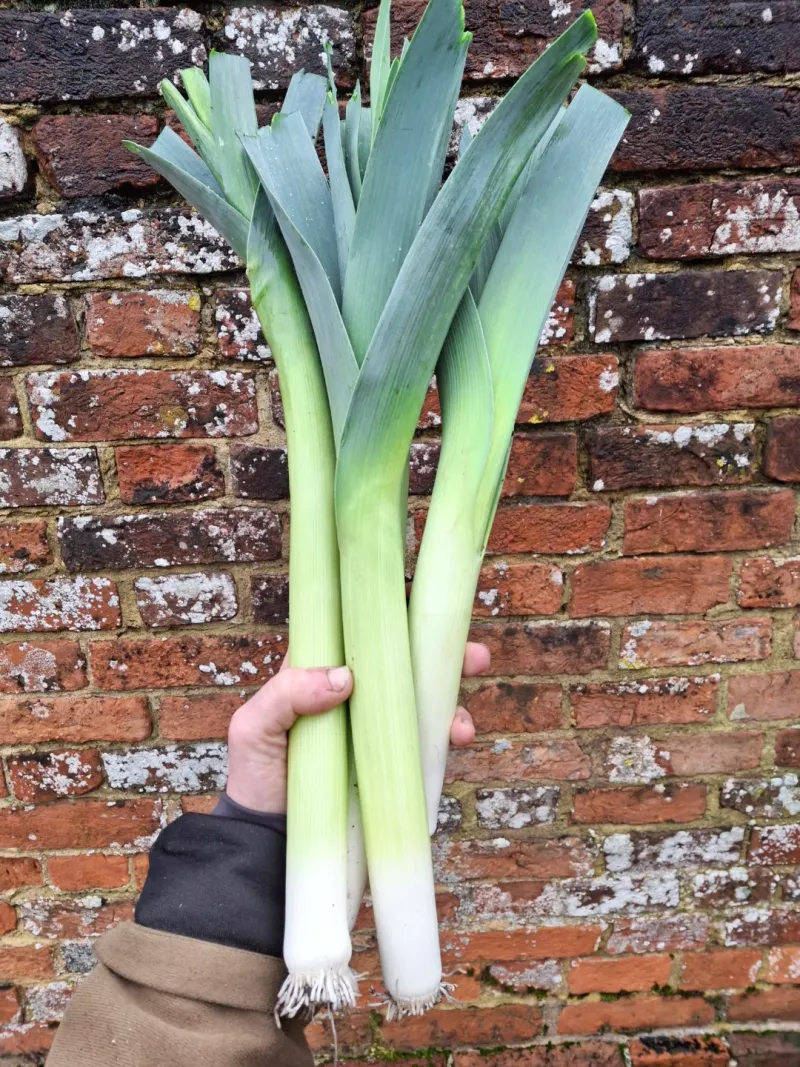
Leeks stand as one of the most reliable cold-season vegetables for Pennsylvania gardens, capable of withstanding freezing temperatures that would devastate less hardy crops.
These mild-flavored alliums continue growing slowly through autumn and remain harvestable even after snow covers the garden.
Their cold tolerance comes partly from their structure, with tightly wrapped layers that protect the tender inner core from frost damage.
Hilling soil around leek stems throughout the growing season creates the blanched white shanks that make leeks so desirable in cooking. This hilling also provides extra insulation that helps leeks survive cold weather.
As autumn progresses, you can add even more soil or mulch around the stems to protect them during particularly cold nights. This simple technique extends your harvest window significantly.
Harvesting leeks during winter requires some planning, as you need to work around frozen ground. Many Pennsylvania gardeners harvest a supply of leeks before the ground freezes solid, storing them in damp sand in a cool basement or garage.
However, in areas where the ground remains workable, you can continue pulling leeks as needed throughout winter. Varieties like King Richard, Tadorna, and American Flag offer excellent cold tolerance and reliable production.
The flavor of leeks actually improves after frost exposure, becoming sweeter and more complex.
7. Swiss Chard
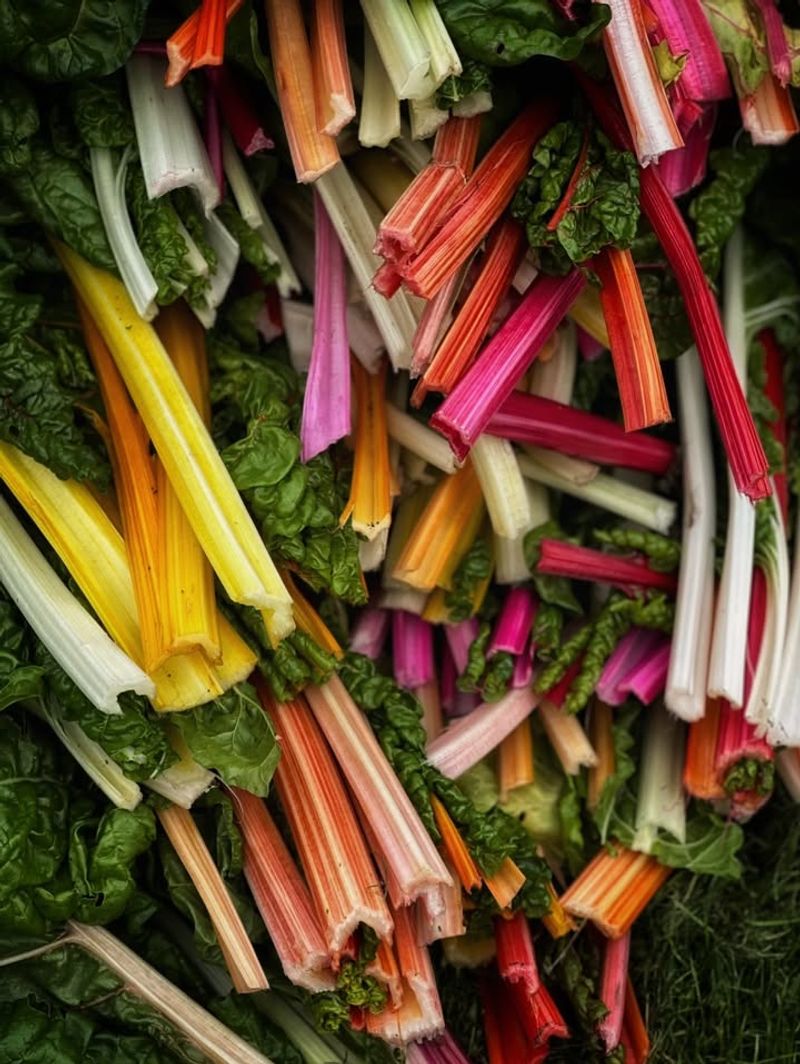
Swiss chard brings both beauty and productivity to Pennsylvania gardens that continue past the first frost, with colorful stems in shades of red, yellow, orange, and white adding visual interest when many plants have faded.
This leafy green tolerates light frosts without damage and often resumes vigorous growth during warm spells between cold snaps.
The combination of cold tolerance and attractive appearance makes Swiss chard a favorite among gardeners who appreciate both form and function.
Unlike some cold-hardy vegetables that simply survive frost, Swiss chard actively continues producing new leaves throughout autumn as long as temperatures don’t drop too severely.
Light frosts in the upper 20s cause minimal damage, and plants often bounce back quickly when warmer weather returns.
For extended harvests, consider using row covers or cold frames during particularly cold periods, which can protect plants well into early winter.
The best harvesting method involves cutting outer leaves while leaving the central growing point intact, allowing the plant to keep producing. You can continue this cut-and-come-again approach for months, gathering fresh greens whenever you need them.
Varieties like Fordhook Giant and Bright Lights offer excellent cold tolerance and prolific leaf production.
Pennsylvania gardeners often enjoy Swiss chard harvests from summer planting straight through November or December, making it one of the longest-producing vegetables in the garden.
8. Turnips
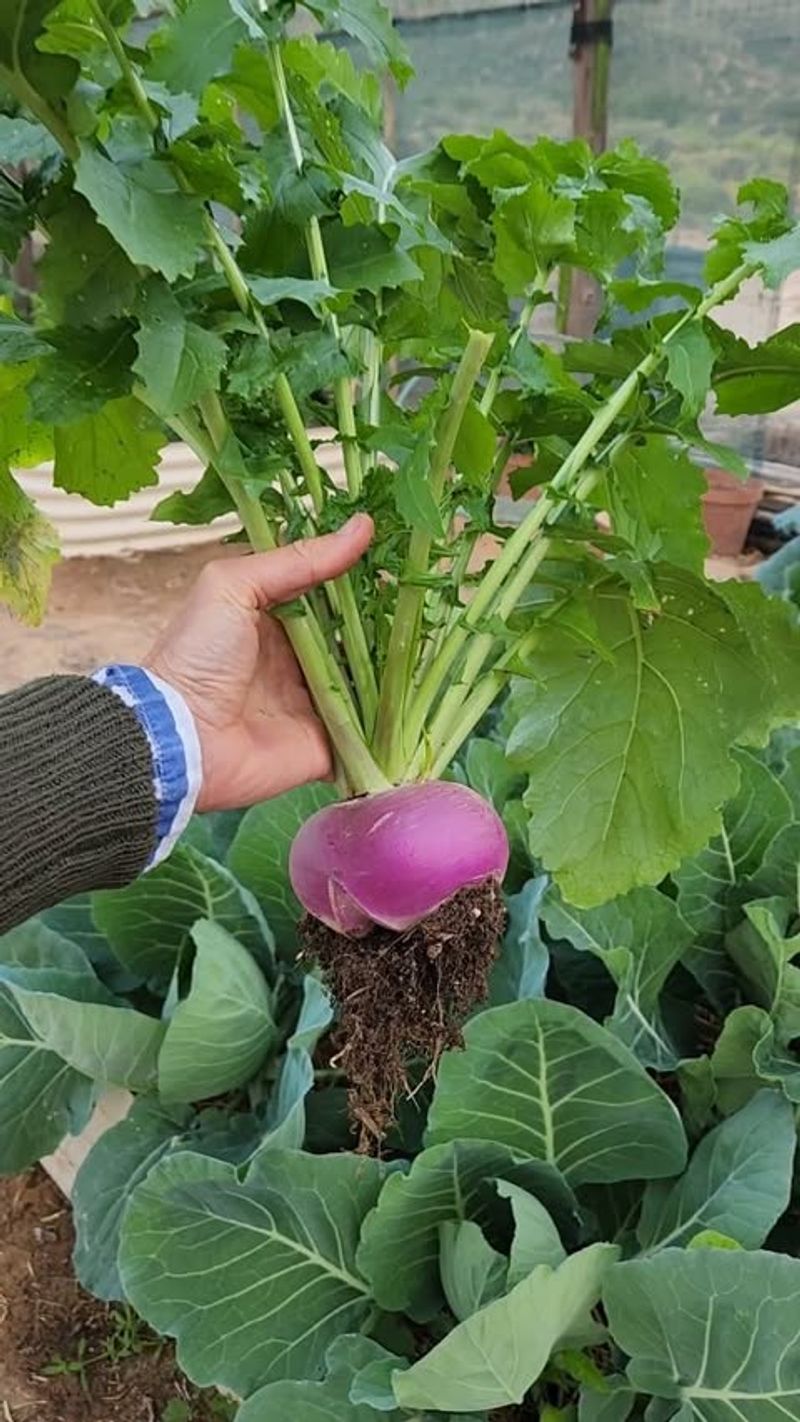
Turnips offer Pennsylvania gardeners a double harvest, with both flavorful roots and nutritious greens that tolerate cold temperatures remarkably well.
Fall-planted turnips develop sweeter, milder flavor than spring crops, as cool weather reduces the sharp bite that sometimes makes turnips less appealing.
Both the roots and leafy tops continue growing through light frosts, providing fresh vegetables when your garden’s productivity has mostly ended.
Planting turnips in late summer, typically around mid-August in Pennsylvania, gives them time to size up before cold weather arrives. Most turnip varieties mature in 40 to 60 days, making them fast enough to produce substantial roots before winter.
Once established, turnips handle frosts in the upper 20s without protection, and the roots remain harvestable even after the tops get nipped by harder freezes.
Mulching turnip beds with straw or shredded leaves provides insulation that extends the harvest season, keeping soil workable and protecting roots from freeze damage. You can harvest turnip greens throughout autumn by picking outer leaves, while leaving the roots to continue growing.
Varieties like Purple Top White Globe, Hakurei, and Seven Top perform especially well for fall harvests. The greens become sweeter after frost exposure, making them delicious in soups and sautés, while the roots develop a pleasant sweetness perfect for roasting or mashing.
9. Collard Greens
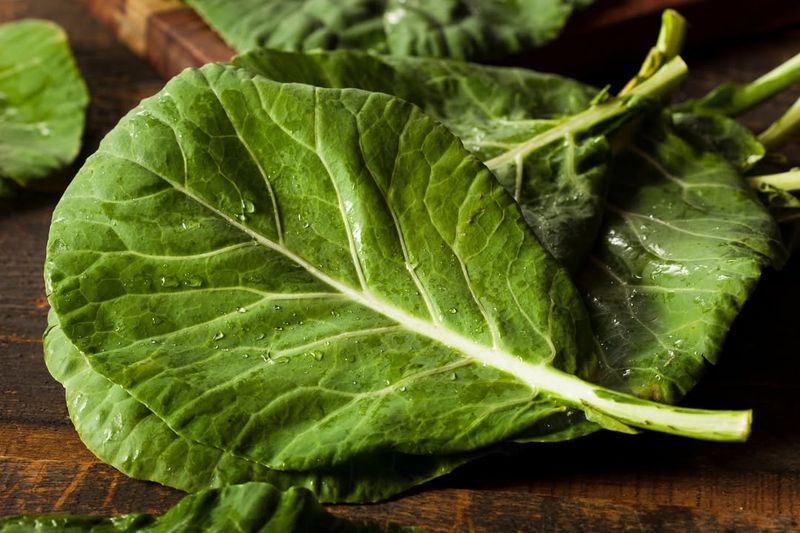
Collard greens outperform nearly every other leafy vegetable when it comes to cold tolerance, surviving temperatures that would turn lettuce into mush and make spinach look tired.
These Southern favorites have found a devoted following among Pennsylvania gardeners who appreciate vegetables that actually improve with frost exposure.
The leaves become sweeter and more tender after experiencing cold weather, losing the slightly bitter edge that characterizes summer-grown collards.
Unlike many cold-hardy vegetables that merely survive frost, collards can tolerate temperatures down to 15 degrees Fahrenheit or even lower without suffering significant damage.
This exceptional hardiness means you can continue harvesting fresh greens well into December and sometimes beyond, depending on how severe your winter becomes.
The plants may look a bit ragged after hard freezes, but they bounce back remarkably when temperatures moderate.
Harvesting collards using the cut-and-come-again method keeps plants productive for months, as new leaves continue developing from the central growing point. Simply remove lower leaves as they reach usable size, working your way up the plant gradually.
Varieties like Champion, Morris Heading, and Georgia Southern offer reliable production and excellent cold tolerance.
Many Pennsylvania gardeners consider collards essential for fall and winter gardens, valuing their dependability and nutrition when fresh vegetables become scarce.
10. Tatsoi (Asian Greens)
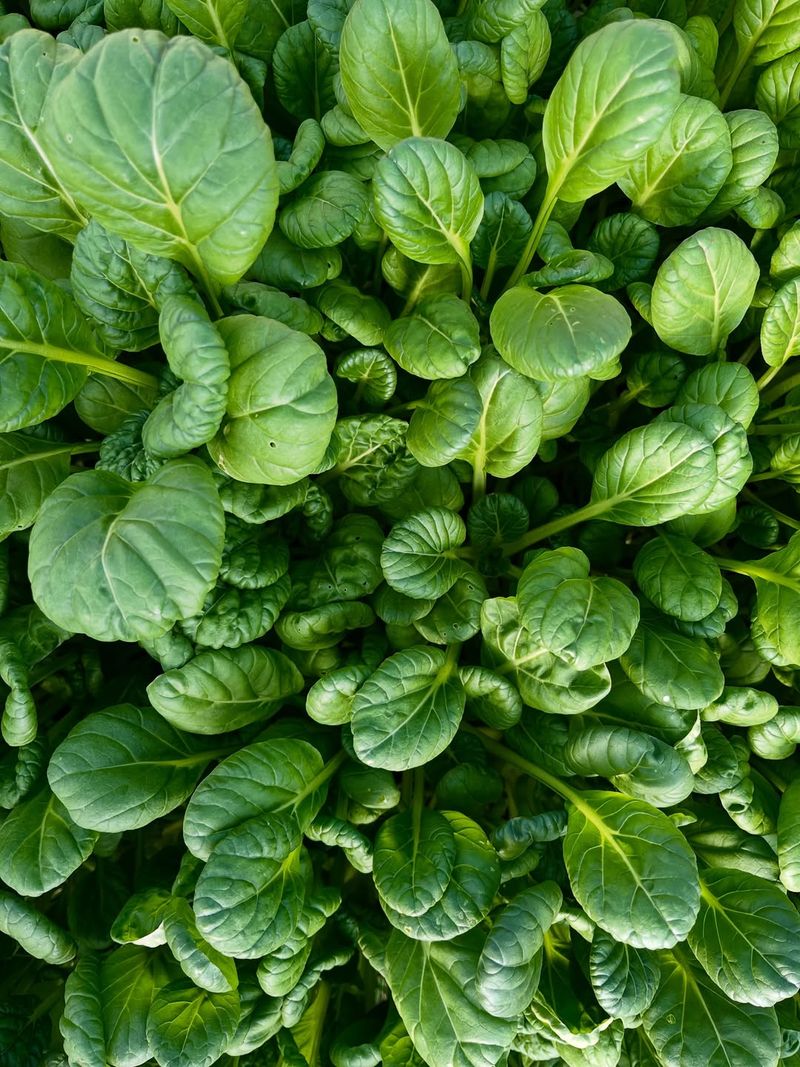
Tatsoi brings a rosette of dark green, spoon-shaped leaves to Pennsylvania gardens that continue producing when most vegetables have stopped growing.
This Asian green forms compact plants that hug the ground, a growth habit that helps protect the tender growing center from wind and frost.
The low-growing form also makes tatsoi easy to cover with row covers or cold frames, extending the harvest season even further into winter.
Cold weather brings out the best in tatsoi, making the leaves sweeter and more tender while maintaining their pleasant mild mustard flavor. Plants can continue growing and producing in temperatures near freezing, and they tolerate light frosts without any protection.
When temperatures drop into the low 20s, simple row covers provide enough protection to keep tatsoi thriving and productive.
One of tatsoi’s most appealing characteristics is its ability to regrow after harvesting, making it perfect for the cut-and-come-again approach. You can harvest entire young plants for baby greens, or pick individual leaves from larger plants while leaving the growing center intact.
Either method encourages continued production throughout autumn. Pennsylvania gardeners often succession plant tatsoi every two weeks through late summer, ensuring a continuous supply of fresh greens from September through November or later.
The compact size also makes tatsoi perfect for cold frames or unheated greenhouses, where it can produce all winter long.