10 Vegetables That Pennsylvania Gardeners Grow Once And Pick For Years
Pennsylvania gardeners love vegetables that keep coming back year after year, saving time, money, and a whole lot of replanting each season.
I’ve always thought there’s something satisfying about planting once and then harvesting from the same spot for years without starting from scratch.
These long-lasting veggies quietly turn gardens into reliable food sources that feel rewarding every single growing season.
1. Asparagus
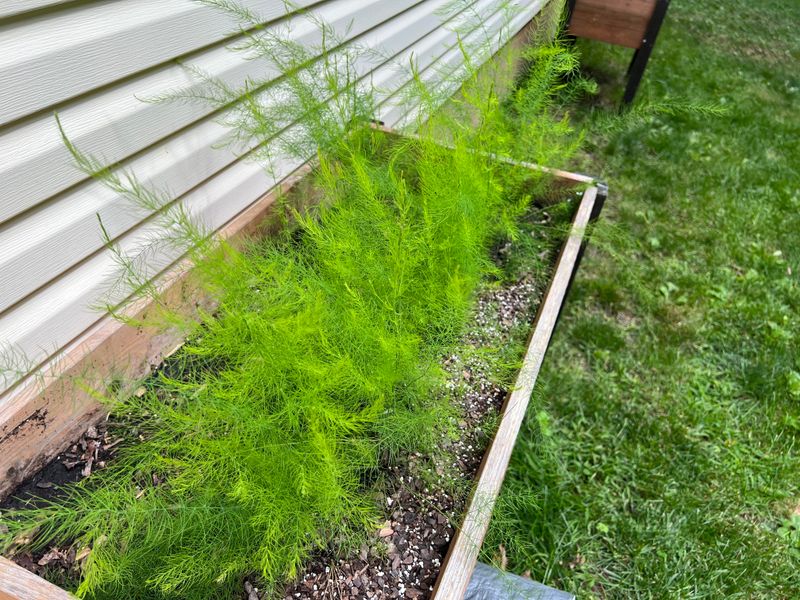
Asparagus crowns planted in well-drained soil reward Pennsylvania gardeners with tender spears every spring for twenty years or even longer surprisingly.
Patience pays off because newly planted crowns need two full growing seasons before you can harvest any spears from the bed properly.
Once established, asparagus produces abundantly throughout April and May when Pennsylvania weather warms and gardeners eagerly await their first vegetable harvest annually.
Sandy loam soil with plenty of compost helps roots spread deep and wide, creating strong plants that survive harsh winters effortlessly.
Spears emerge quickly during peak season, sometimes growing several inches daily, so check your patch every morning to catch them young.
Snap off spears when they reach pencil thickness or slightly thicker, leaving thin ones to develop into ferny foliage that feeds roots.
Pennsylvania gardeners often enjoy roasted, grilled, or steamed asparagus as a springtime treat that signals warmer days ahead and abundant growing seasons.
Mulching beds with straw or wood chips suppresses weeds and retains moisture, helping asparagus thrive in variable Pennsylvania climate conditions throughout decades.
2. Rhubarb
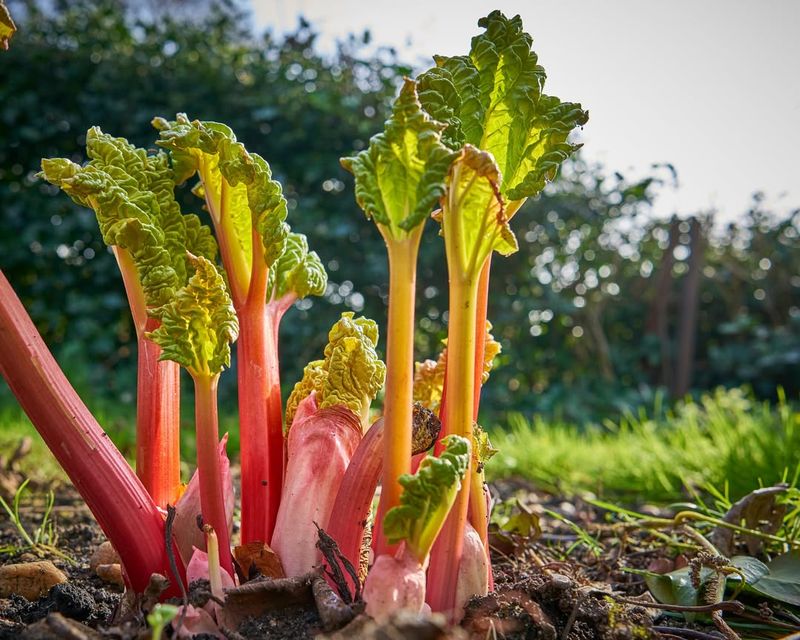
Rhubarb thrives in Pennsylvania gardens where cold winters provide the necessary chill period that encourages vigorous growth when spring arrives each year.
Thick, tart stalks emerge from crowns in early spring, offering gardeners a reliable harvest for pies, jams, and sauces that taste amazing.
Plant rhubarb crowns in rich, well-drained soil with plenty of organic matter, and they will produce for fifteen years or more without replanting.
Harvest stalks by grasping them firmly near the base and pulling with a twisting motion rather than cutting to avoid damaging the crown.
Never eat the leaves because they contain oxalic acid in high concentrations, but stalks are safe and delicious when cooked with sugar properly.
Pennsylvania gardeners often combine rhubarb with strawberries for classic desserts that celebrate the flavors of spring and early summer harvests beautifully together.
Divide crowns every five to seven years to maintain vigor and share plants with neighbors who appreciate this old-fashioned perennial vegetable.
Mulch around plants to conserve moisture and suppress weeds, ensuring rhubarb remains productive and healthy throughout Pennsylvania’s variable growing seasons and conditions.
3. Horseradish
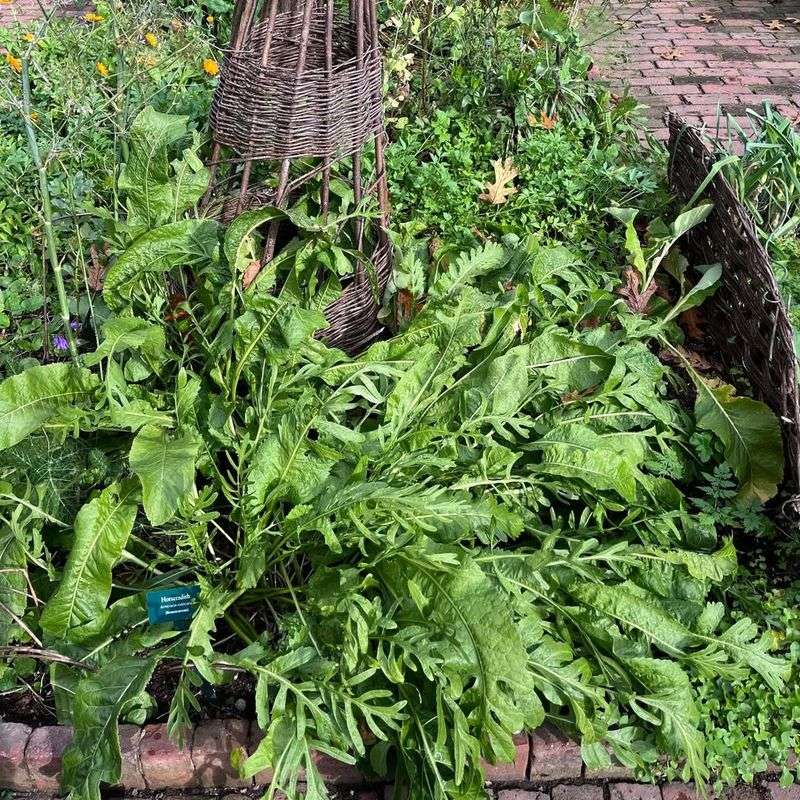
Horseradish roots pack a fiery punch that Pennsylvania gardeners love for adding bold flavor to sauces, dips, and traditional dishes year-round reliably.
Plant root cuttings in spring, and horseradish will spread vigorously, sometimes becoming invasive if not contained in a designated garden area carefully.
Roots grow deep and thick, reaching harvest size by fall when Pennsylvania temperatures cool and flavors intensify to their peak spiciness level.
Harvest roots in autumn or early spring before new growth begins, digging carefully to avoid breaking the thick, white roots underground completely.
Pennsylvania gardeners often grate fresh horseradish root and mix it with vinegar to create a pungent condiment that clears sinuses immediately effectively.
Leave some root pieces in the ground after harvest, and they will regrow next season, providing endless supplies without replanting ever again.
Contain horseradish in a deep pot or raised bed to prevent it from spreading throughout your Pennsylvania garden and overtaking other crops.
Fresh horseradish tastes far superior to store-bought versions, offering Pennsylvania families a homegrown ingredient that enhances meals with authentic, powerful flavor effortlessly.
4. Jerusalem Artichoke
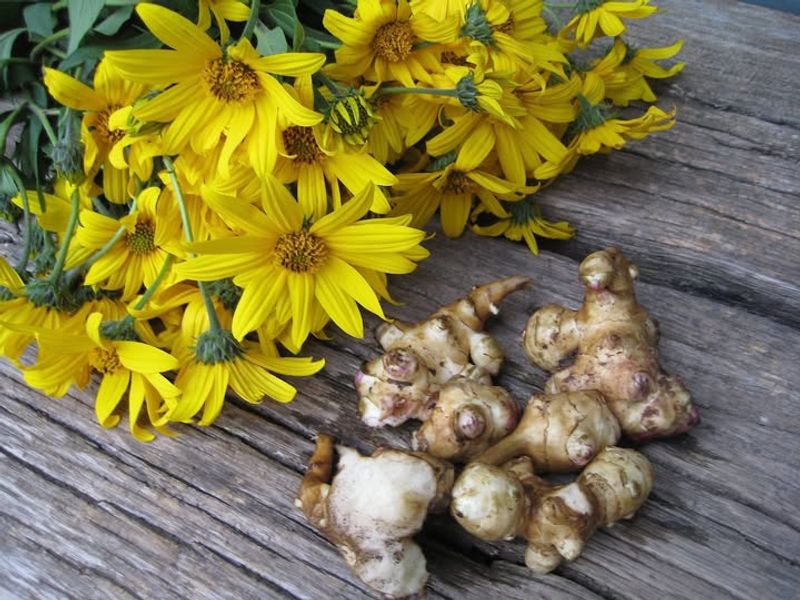
Jerusalem artichokes, also called sunchokes, produce knobby tubers with a nutty, slightly sweet flavor that Pennsylvania gardeners harvest throughout fall and winter.
Tall plants grow six to ten feet high, producing cheerful yellow flowers that resemble sunflowers and brighten Pennsylvania gardens during late summer months.
Tubers develop underground and can remain in the soil through winter, allowing gardeners to harvest them fresh whenever needed without storage concerns.
Pennsylvania’s cold winters actually improve tuber flavor by converting starches to sugars, making freshly dug sunchokes taste sweeter and more delicious always.
Plant tubers in spring, and they will multiply rapidly, sometimes spreading aggressively if not managed carefully in designated garden areas or containers.
Roast, sauté, or puree Jerusalem artichokes for soups and side dishes that offer a unique alternative to potatoes with interesting texture.
Pennsylvania gardeners appreciate sunchokes because they require minimal care, tolerate poor soil, and produce reliably without fertilizers or pesticides needed ever.
Harvest tubers after frost sweetens them, leaving some in the ground to regrow next season and ensure continuous production for years ahead.
5. Walking Onions
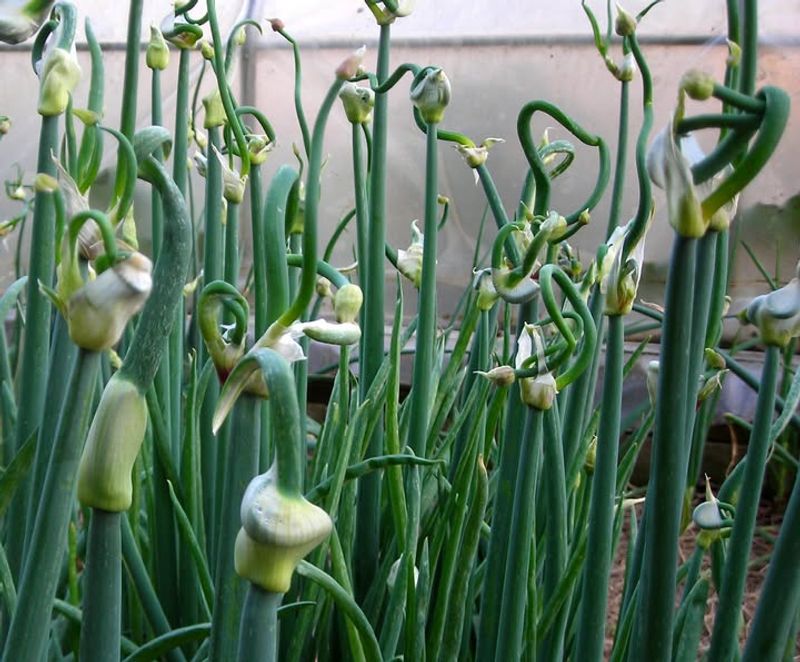
Walking onions earn their quirky name because they form bulbils at the top of stems that bend down and root, literally walking across Pennsylvania gardens.
Also called Egyptian onions or tree onions, these perennials provide green shoots in early spring when Pennsylvania gardeners crave fresh flavors most.
Both the underground bulbs and the top-set bulbils taste mild and oniony, perfect for salads, stir-fries, and garnishes throughout the growing season.
Pennsylvania gardeners love walking onions because they require almost no maintenance, returning reliably each year without replanting or special care needed whatsoever.
Plant bulbs or bulbils in fall or early spring, and they will establish quickly, spreading gradually to form a productive patch over time.
Harvest green shoots like scallions anytime during the growing season, cutting them at ground level to encourage new growth from the base.
Top bulbils mature in summer and can be harvested for cooking or replanted to expand your walking onion patch across Pennsylvania garden beds.
These unusual onions tolerate Pennsylvania’s cold winters and hot summers, making them a reliable perennial vegetable that keeps producing without complaint or fuss.
6. Sorrel
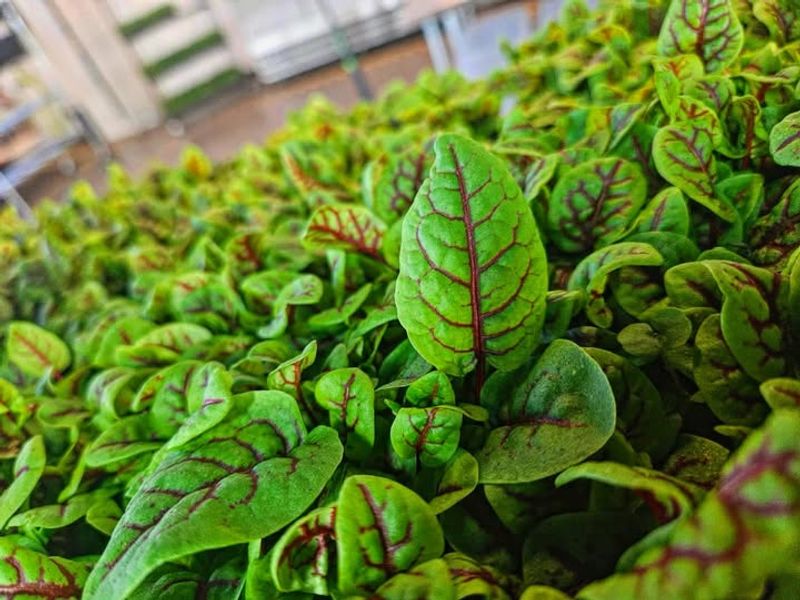
Sorrel leaves offer a bright, lemony tang that Pennsylvania gardeners appreciate for adding zesty flavor to salads, soups, and sauces throughout spring.
This hardy perennial emerges early in Pennsylvania gardens, often appearing before most other vegetables when gardeners eagerly await fresh greens to harvest.
Plant sorrel from seeds or divisions in spring, and it will form attractive clumps of arrow-shaped leaves that remain productive for years.
Harvest young, tender leaves regularly to encourage continuous growth and prevent plants from flowering, which makes leaves taste more bitter and tough.
Pennsylvania gardeners often use sorrel in French-inspired dishes like sorrel soup or sauces that pair beautifully with fish and poultry for meals.
Older leaves become quite tangy and work well cooked, while young leaves taste mild enough to enjoy raw in salads and sandwiches daily.
Sorrel tolerates partial shade and grows well in Pennsylvania gardens where trees or buildings block some sunlight during parts of the day.
Divide clumps every few years to maintain vigor and share plants with friends who want to grow this underappreciated perennial vegetable themselves.
7. Sea Kale
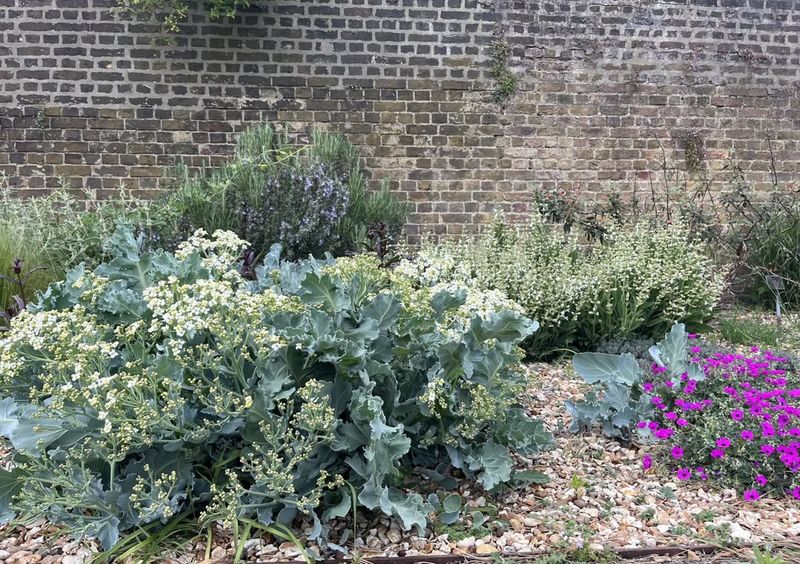
Sea kale brings a touch of coastal charm to Pennsylvania gardens with its striking blue-green leaves and delicate white flowers that bloom beautifully.
Young shoots taste mild and slightly nutty when blanched under pots or mulch, creating tender stems that Pennsylvania gardeners harvest in early spring.
Plant sea kale crowns in well-drained soil with plenty of compost, and they will establish slowly but produce reliably for many years ahead.
Blanching shoots by covering them excludes light, making stems pale and tender rather than tough and bitter like unblanched shoots taste unfortunately.
Pennsylvania gardeners can also harvest young leaves and flower buds, which add interesting flavors and textures to salads and vegetable dishes creatively.
Sea kale tolerates poor soil and drought once established, making it a low-maintenance perennial vegetable for Pennsylvania gardens with challenging growing conditions.
Flowers attract beneficial insects like bees and butterflies, supporting Pennsylvania garden ecosystems while providing beauty and food for pollinators visiting throughout seasons.
This unusual perennial vegetable deserves more attention from Pennsylvania gardeners seeking unique crops that offer both ornamental appeal and delicious harvests reliably.
8. Good King Henry
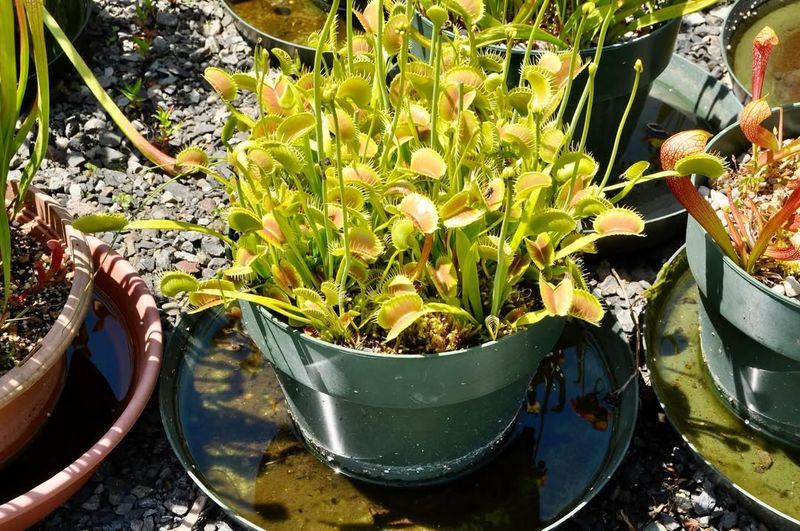
Good King Henry sounds like a fairy tale character but actually names a nutritious perennial vegetable that Pennsylvania gardeners have grown for centuries.
Leaves, shoots, and flower buds all taste delicious when cooked like spinach, offering Pennsylvania families a versatile green that produces from spring through fall.
Plant seeds or divisions in spring, and Good King Henry will establish slowly during its first year but then produce abundantly for decades afterward.
Young shoots can be blanched and eaten like asparagus, while mature leaves work perfectly as a spinach substitute in any recipe you prefer.
Pennsylvania gardeners appreciate this plant because it tolerates shade, poor soil, and neglect, thriving where other vegetables struggle to grow successfully at all.
Harvest leaves regularly throughout the growing season to encourage tender new growth and prevent plants from becoming tough or overly mature tasting.
Good King Henry self-seeds readily, so Pennsylvania gardeners may find volunteer seedlings appearing around the parent plant in subsequent growing seasons naturally.
This old-fashioned perennial vegetable deserves a comeback in Pennsylvania gardens where sustainable, low-maintenance crops are valued by modern families seeking homegrown food.
9. Lovage
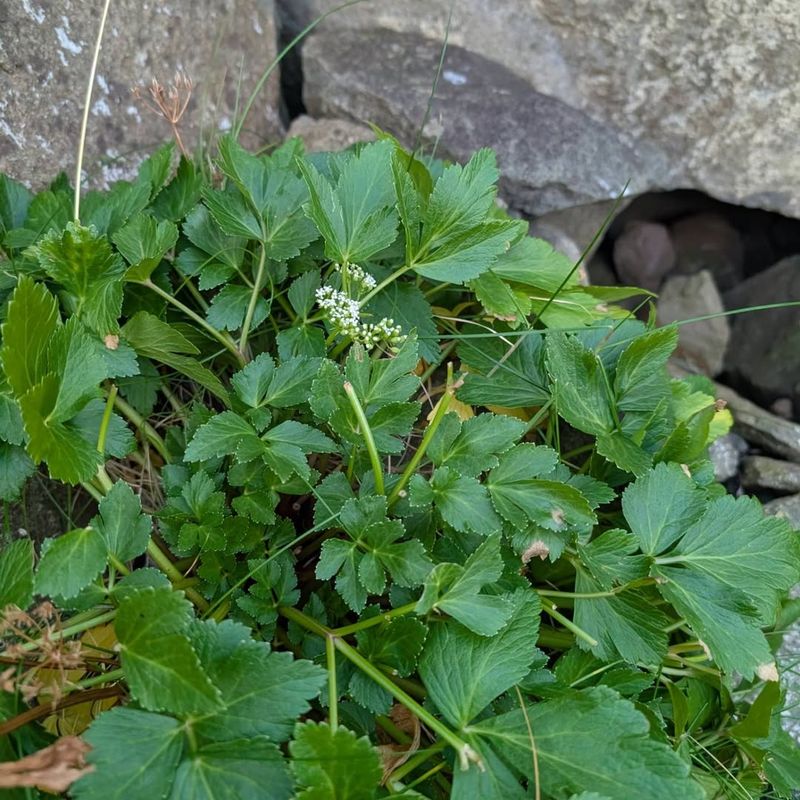
Lovage grows tall and vigorous in Pennsylvania gardens, reaching six feet or more with dark green leaves that taste like intense celery times ten.
Leaves, stems, seeds, and roots all offer culinary uses, making lovage a multipurpose perennial vegetable that Pennsylvania cooks treasure for flavoring soups.
Plant lovage from seeds or divisions in spring, giving it plenty of space because mature plants spread wide and dominate garden beds impressively.
Pennsylvania gardeners often use lovage leaves to add depth to broths, stews, and stocks, creating rich flavors that enhance comfort foods beautifully.
Young leaves taste milder and work well in salads, while older leaves become quite strong and should be used sparingly in recipes.
Lovage tolerates Pennsylvania’s cold winters and returns vigorously each spring, requiring minimal care once established in a permanent garden location chosen carefully.
Seeds develop in late summer and can be harvested for seasoning, offering a flavor similar to celery seed but with more complexity.
This underutilized perennial vegetable deserves more attention from Pennsylvania gardeners who want reliable, flavorful crops that keep producing without replanting or fuss ever.
10. Watercress
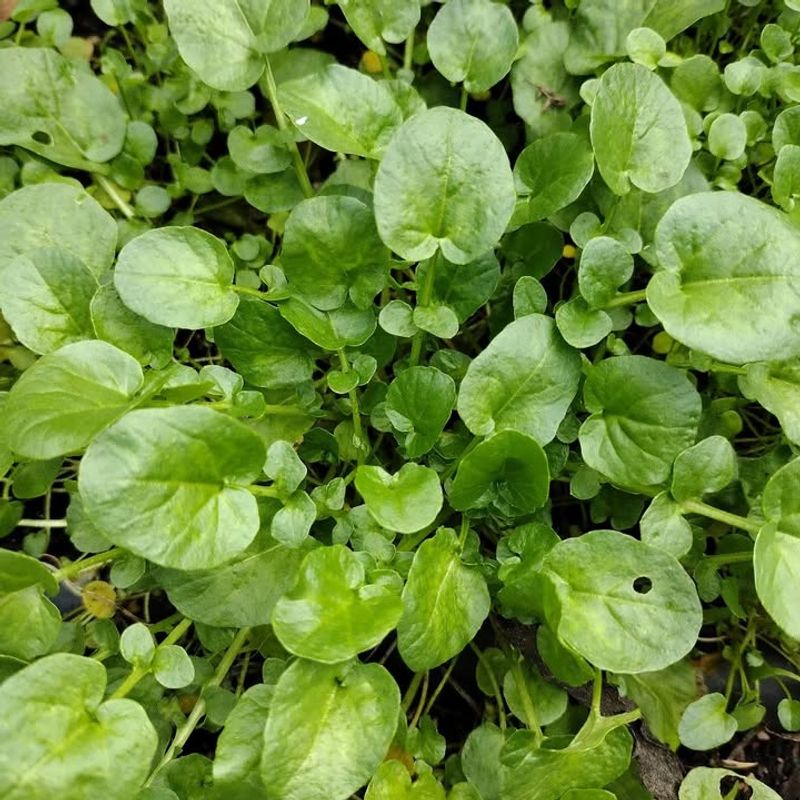
Watercress thrives in Pennsylvania gardens where moisture remains constant, whether in shallow ponds, stream edges, or consistently damp soil areas naturally occurring.
Peppery leaves add a spicy kick to salads, sandwiches, and soups, offering Pennsylvania cooks a gourmet ingredient that grows easily at home.
Plant watercress from cuttings or seeds in spring, keeping roots submerged in water or constantly moist soil for best growth and flavor.
Pennsylvania gardeners can grow watercress in containers with drainage holes plugged, keeping soil saturated to mimic the plant’s natural aquatic habitat perfectly.
Harvest stems regularly by cutting them above the waterline, and new growth will emerge quickly, providing continuous harvests throughout the growing season.
Watercress remains semi-evergreen in mild Pennsylvania winters, sometimes producing fresh leaves even when other vegetables have stopped growing completely for months.
Rich in vitamins and minerals, watercress offers exceptional nutritional value that Pennsylvania families appreciate for boosting health with homegrown superfoods easily accessible.
This perennial vegetable spreads readily in favorable conditions, so Pennsylvania gardeners should monitor it to prevent unwanted spreading into natural waterways or ecosystems.