7 Vegetables That Struggle In Ohio Raised Beds (And 4 That Grow Like Crazy)
Raised beds promise big harvests and easy gardening, yet some vegetables never get the memo. You plant them with high hopes, give them rich soil, steady water, and plenty of care, and still end up staring at weak growth and disappointing yields.
Sound familiar? Ohio weather loves to keep gardeners guessing.
Cool spring soil, humid summer air, heavy rain, and sudden swings in temperature can make raised beds behave very differently from traditional garden rows. Some crops sulk, stall, and refuse to perform no matter how much attention they get.
Others take off fast, filling beds with lush growth and baskets of produce. The difference can feel surprising, even frustrating, until you know what works and what does not.
Before you fill your beds this season, discover which vegetables tend to struggle in Ohio raised beds and which ones grow with unstoppable energy.
1. Corn Needs More Room Than Most Raised Beds Allow

Growing corn successfully requires more than just planting seeds and waiting. Proper pollination depends on having enough plants clustered together so wind can carry pollen from the tassels down to the silk on developing ears.
Most raised beds simply cannot accommodate the minimum four-by-four block of plants that ensures good pollination.
Corn roots also extend deep into the soil, often reaching three to four feet down as the plants mature. Raised beds typically offer only twelve to eighteen inches of soil depth before hitting the underlying ground.
This restriction limits root development and makes plants more vulnerable during dry spells common in Ohio summers.
The limited soil volume in raised beds also struggles to maintain consistent moisture levels that corn demands. As temperatures climb in July and August, raised bed soil dries out much faster than in-ground gardens.
Corn plants need steady water supply especially during tasseling and ear development.
Space constraints create another challenge since each corn plant requires significant room for both roots and foliage. Standard raised beds force gardeners to plant corn too close together, resulting in competition for nutrients and water.
Ohio State University Extension recommends dedicating larger in-ground garden spaces to corn rather than sacrificing valuable raised bed real estate for disappointing yields.
2. Pumpkins Drain Nutrients Fast And Outgrow The Bed

Pumpkin plants rank among the heaviest feeders in any vegetable garden. These vigorous growers demand enormous amounts of nitrogen, phosphorus, and potassium throughout their growing season.
A single pumpkin plant can quickly deplete the nutrients available in a standard raised bed, leaving little for any companion plants.
The vining nature of pumpkins creates immediate space problems. Even so-called compact varieties send out runners that extend well beyond typical raised bed dimensions.
These vines root at nodes along their length, drawing additional nutrients and moisture from wherever they touch soil.
Raised beds contain a finite amount of soil, usually between six and twelve cubic feet in a standard four-by-eight bed. Pumpkin roots quickly explore every inch of this limited space and then have nowhere else to go.
In traditional gardens, roots can spread horizontally and vertically without restriction.
Ohio summers bring variable rainfall patterns, and raised beds drain quickly after storms. Pumpkins require consistent moisture to develop properly sized fruits without blossom end problems.
The rapid drainage that benefits tomatoes and peppers actually works against pumpkin production.
Gardeners trying to grow pumpkins in raised beds often find themselves watering twice daily during hot spells, and even then, fruits remain smaller than those grown in open ground.
3. Asparagus Prefers Deep Permanent Garden Ground
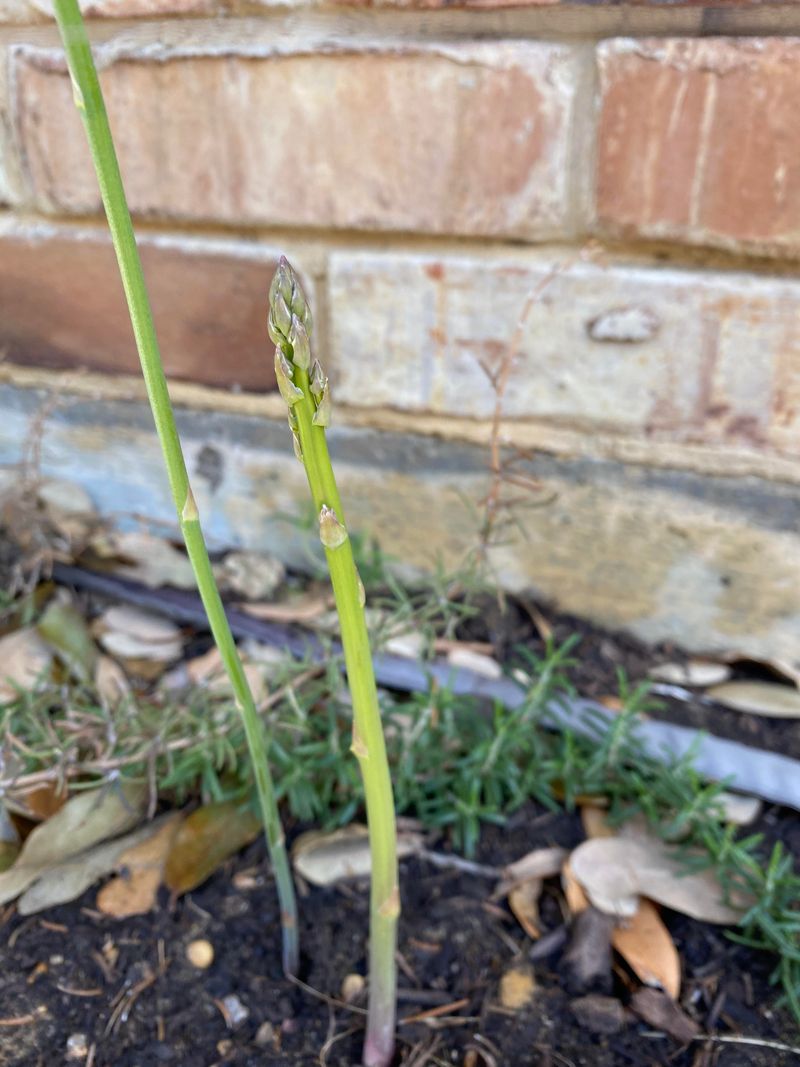
Asparagus operates completely differently from annual vegetables. These perennial plants establish extensive root systems called crowns that can live and produce for twenty years or more.
The crowns naturally grow deeper each year, eventually settling eighteen to twenty-four inches below the soil surface. Most raised beds simply lack this depth.
Winter survival presents another significant challenge for asparagus in Ohio raised beds. The elevated soil freezes harder and faster than ground-level gardens, exposing crowns to more severe temperature extremes.
Asparagus crowns require proper winter dormancy, but they also need protection from the deep freezes that can damage shallow-planted crowns.
Raised beds also dry out faster during Ohio winters when precipitation falls as snow. The freeze-thaw cycles common from January through March cause soil in raised beds to heave and settle repeatedly.
This movement can damage asparagus crowns or push them closer to the surface where they become more vulnerable.
Establishing a permanent asparagus bed requires patience since plants need two to three years before harvest begins. Dedicating a raised bed to asparagus means sacrificing that space for multiple seasons while getting no return.
Ohio State University Extension consistently recommends planting asparagus in dedicated in-ground beds where roots can establish properly and plants can thrive for decades without the limitations raised beds impose.
4. Potatoes Struggle With Inconsistent Moisture Levels
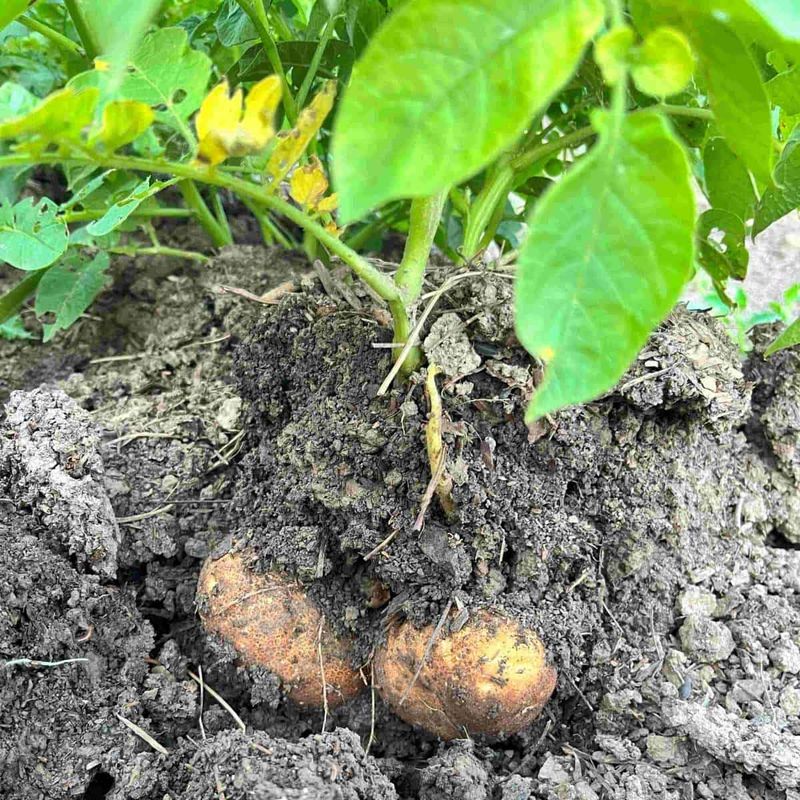
Potato tubers form underground as the plant grows, requiring steady consistent moisture throughout the entire growing season. Raised beds present a fundamental challenge because they drain quickly and dry out faster than traditional garden rows.
This rapid moisture loss creates stress cycles that directly impact tuber development and quality.
Scab disease becomes more prevalent when potato plants experience irregular watering. The bacteria that causes scab thrives when soil alternates between wet and dry conditions.
Raised beds naturally create these fluctuations unless gardeners maintain vigilant watering schedules, which becomes difficult during Ohio summer heat.
Hilling potatoes requires adding soil around plants as they grow to protect developing tubers from sunlight exposure. In raised beds, the limited soil volume makes proper hilling challenging.
Gardeners often run out of available soil to mound around plants, leading to green tubers that taste bitter and contain harmful compounds.
The loose fluffy soil in raised beds does benefit potato digging at harvest time. However, this single advantage does not outweigh the moisture management challenges throughout the growing season.
Ohio gardeners who grow potatoes in traditional garden rows can more easily maintain the consistent soil moisture these tubers require.
Raised beds work better for vegetables that tolerate or even prefer periods of drier soil between waterings.
5. Cauliflower Reacts Poorly To Ohio Temperature Swings

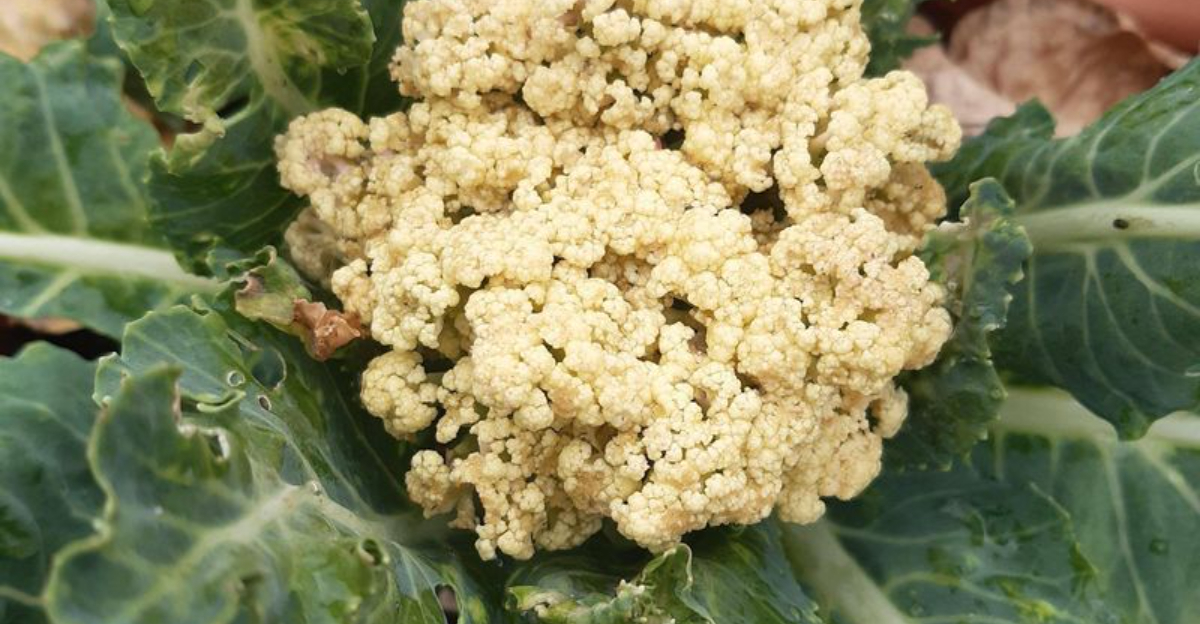
Cauliflower ranks among the most temperamental vegetables Ohio gardeners attempt to grow. This cool-season crop requires steady moderate temperatures to form tight compact heads.
Unfortunately, Ohio springs bring wild temperature swings that stress cauliflower plants, and raised beds amplify these fluctuations.
Raised bed soil warms quickly on sunny spring days, sometimes reaching temperatures fifteen to twenty degrees higher than surrounding air. When cold fronts move through overnight, that same soil cools rapidly.
Cauliflower plants experiencing these roller-coaster conditions often bolt prematurely, sending up flower stalks instead of forming edible heads.
Fall plantings face similar challenges as Ohio transitions toward winter. Raised beds cool faster than in-ground gardens during autumn nights, exposing cauliflower to more extreme cold snaps.
The plants need protection from both heat stress and hard freezes, making timing incredibly difficult in raised bed systems.
Even when temperatures cooperate, cauliflower demands consistent moisture and rich soil to form quality heads. The faster drainage in raised beds works against these requirements.
Ohio State University Extension notes that cauliflower succeeds best in gardens where soil temperature and moisture remain stable throughout development.
Raised beds simply cannot provide this stability as reliably as traditional garden plots, making cauliflower a frustrating choice for elevated growing spaces.
6. Celery Demands More Water Than Raised Beds Hold
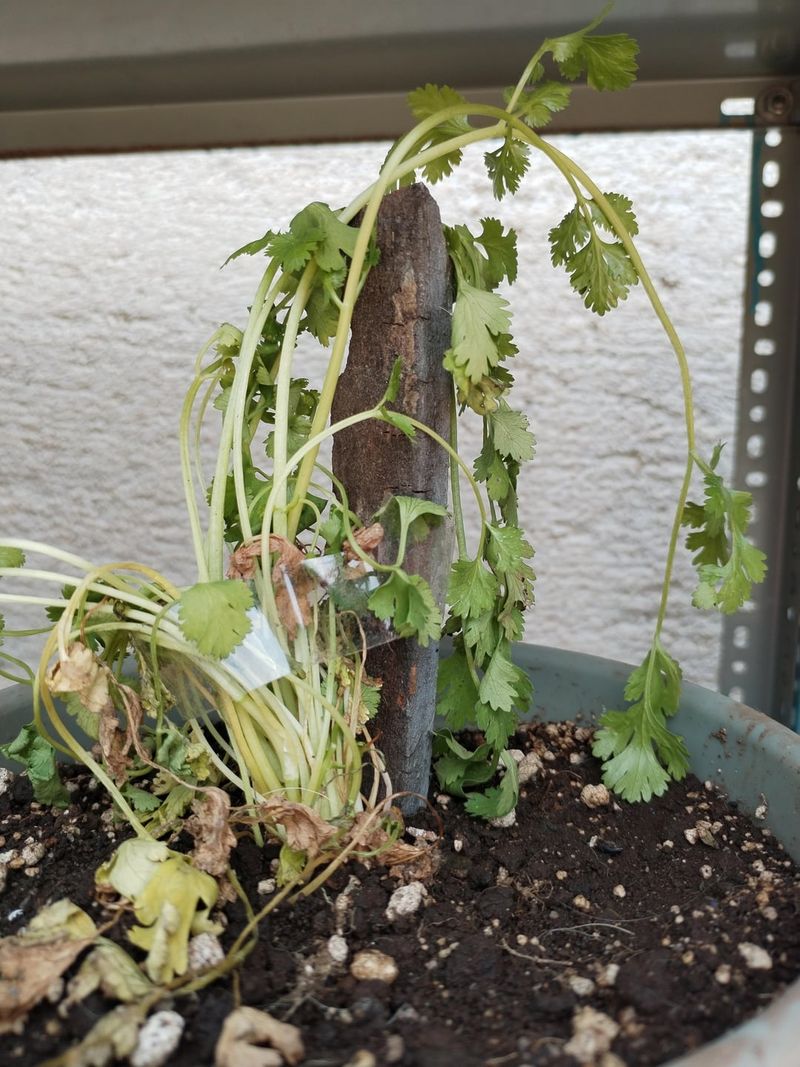
Celery evolved in marshy wetland environments, and modern garden varieties still carry those water-loving genes. These plants develop shallow root systems that spread horizontally rather than diving deep into soil.
This root structure means celery depends entirely on moisture in the top six to eight inches of soil, exactly the zone that dries fastest in raised beds.
Ohio summers bring stretches of hot humid weather where raised bed soil can dry out completely within a single day. Celery plants cannot tolerate even brief periods of drought without developing tough stringy stalks.
The crisp tender texture gardeners want requires absolutely consistent moisture from planting through harvest.
Morning watering often proves insufficient for celery in raised beds. By mid-afternoon on hot days, plants may already show wilting despite being watered just hours earlier.
Many Ohio gardeners find themselves watering celery twice or even three times daily during peak summer heat, which becomes impractical for most households.
The limited soil volume in raised beds also struggles to buffer moisture levels. In-ground gardens benefit from moisture wicking up from deeper soil layers through capillary action.
Raised beds lack this natural moisture reserve, leaving celery plants completely dependent on frequent irrigation.
Growing celery successfully in Ohio really requires either traditional garden rows or a commitment to constant monitoring and watering throughout the entire growing season.
7. Large Storage Onions Often Produce Smaller Bulbs
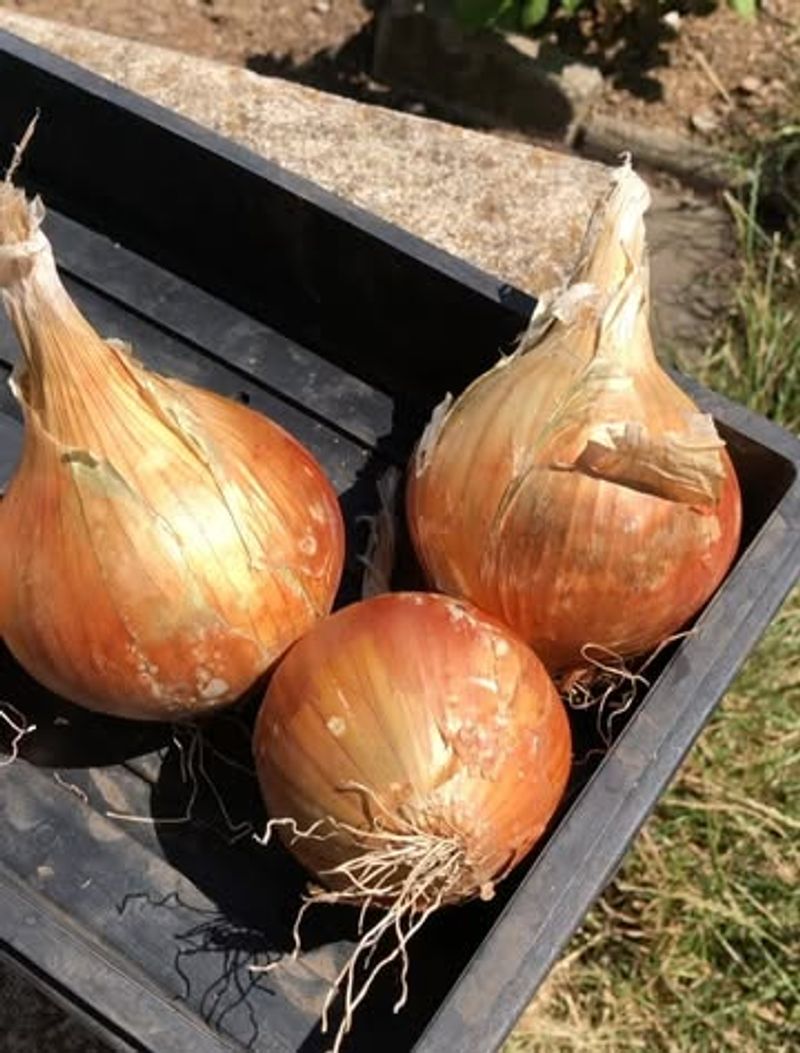
Storage onions like Copra or Patterson varieties need four to five months to develop the large bulbs gardeners want for winter keeping. Bulb sizing depends heavily on consistent growing conditions, adequate spacing, and sufficient soil depth.
Raised beds present challenges in all three areas that limit final bulb size.
Onion bulbs form at the soil surface, with roots extending downward into the growing medium. The limited depth in many raised beds restricts root development, which directly correlates to bulb size.
Onions with cramped roots simply cannot pull in enough nutrients and water to form large bulbs regardless of fertilization.
Moisture stability affects bulbing more than most gardeners realize. When onions experience drought stress during bulb formation, they often stop sizing up prematurely.
Raised beds dry faster than traditional gardens, creating moisture fluctuations that signal onions to finish bulbing early while still small.
Spacing also becomes problematic in raised beds where gardeners naturally try to maximize production in limited space. Crowding onions closer than recommended leads to competition and smaller bulbs.
Ohio State University Extension recommends four-inch spacing for storage onions, but achieving this in raised beds while also growing other vegetables proves difficult.
In-ground onion rows allow proper spacing and deeper root development, consistently producing larger bulbs suitable for long-term storage through Ohio winters.
8. Tomatoes Thrive In Warm Well Drained Soil
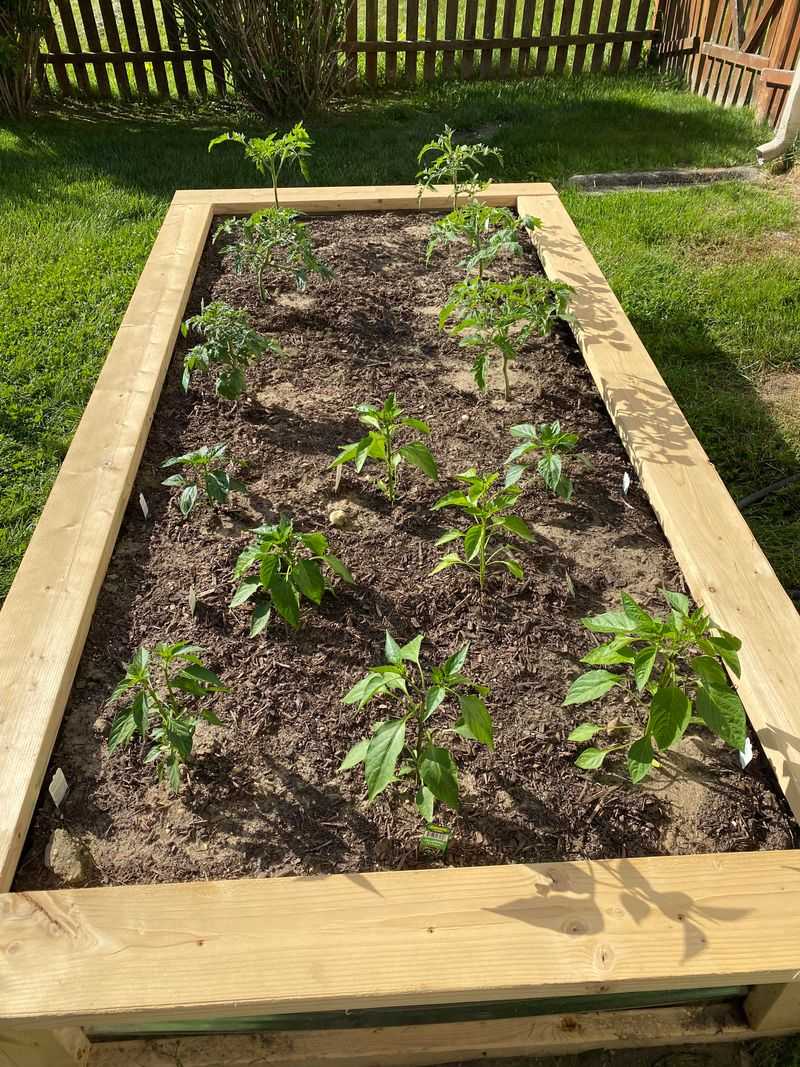
Tomatoes absolutely love the conditions that raised beds naturally provide. The elevated soil warms up two to three weeks earlier than traditional gardens in spring, giving tomato plants a significant head start.
This early warming allows Ohio gardeners to transplant seedlings sooner and begin harvesting ripe tomatoes weeks before neighbors with in-ground gardens.
Root health determines tomato productivity, and these plants thrive in the excellent drainage raised beds offer. Ohio receives abundant rainfall during spring and early summer, and traditional gardens often become waterlogged.
Tomato roots sitting in soggy soil quickly develop problems, but raised beds drain excess water within hours after storms.
The loose fluffy soil structure in raised beds allows tomato roots to spread easily and establish quickly after transplanting. Strong root systems support vigorous top growth and heavy fruit production.
Gardeners who prepare raised bed soil with compost and organic matter create ideal conditions for tomato success.
Ohio State University Extension consistently recommends raised beds for tomato growing because they address the main challenges these plants face. The combination of early soil warming, superior drainage, and excellent soil structure creates perfect conditions.
Ohio gardeners routinely report their best tomato harvests coming from raised beds where plants remain healthy and productive from June through October.
Staking or caging tomatoes in raised beds also proves easier since the bed edges provide convenient support points.
9. Peppers Love The Extra Heat Raised Beds Provide
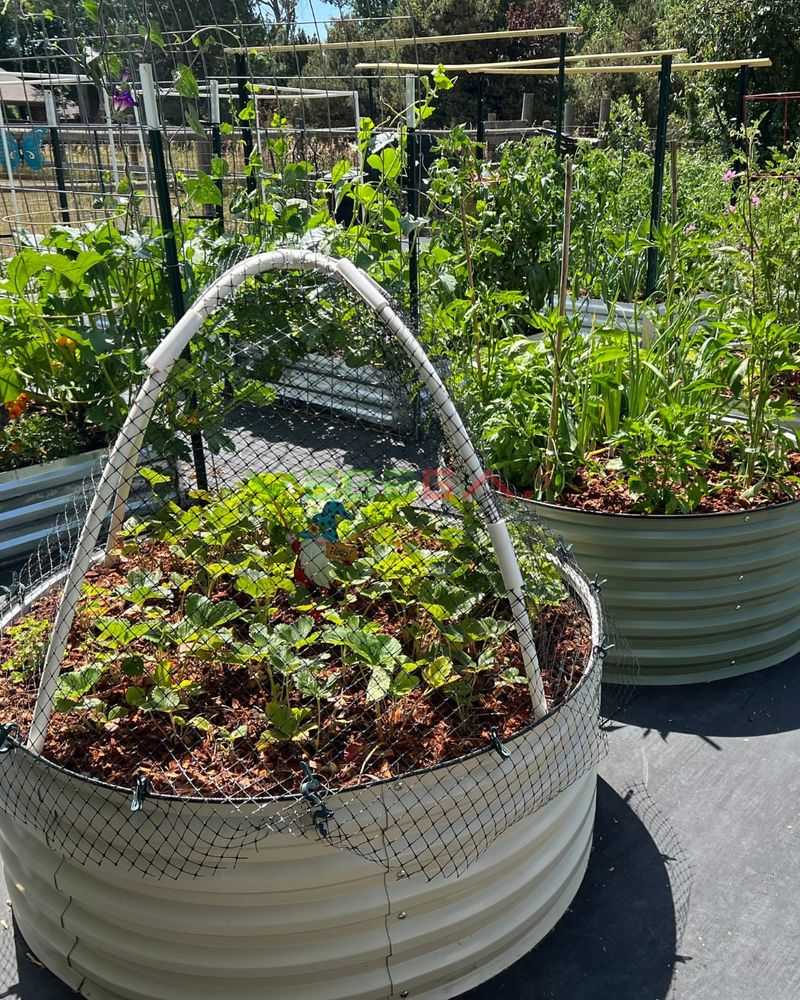
Pepper plants originated in warm tropical regions, and they still crave heat to produce abundantly. Ohio growing seasons provide adequate warmth for peppers, but raised beds amplify heat accumulation in ways that dramatically boost production.
The elevated soil absorbs and retains solar energy more efficiently than ground-level gardens.
Root zone temperature directly influences pepper flowering and fruit set. When soil temperatures climb into the seventies and eighties, pepper plants shift into high gear.
Raised beds reach these optimal temperatures earlier in spring and maintain them longer into fall compared to traditional gardens.
The superior drainage in raised beds prevents the waterlogged conditions that plague peppers during rainy periods. These plants hate wet feet, and Ohio springs often bring weeks of frequent showers.
Raised beds allow excess water to drain away quickly, keeping pepper roots healthy and active rather than stressed and stunted.
Ohio gardeners growing peppers in raised beds report heavier yields and better fruit quality than those using traditional rows. The combination of extra heat, perfect drainage, and loose soil creates conditions where pepper plants thrive.
Both sweet bell peppers and hot varieties benefit equally from raised bed culture. Plants remain productive well into fall since the elevated soil stays warmer longer as nights cool.
Many Ohio gardeners consider peppers the single best vegetable choice for raised bed growing.
10. Leaf Lettuce Grows Fast And Keeps Producing
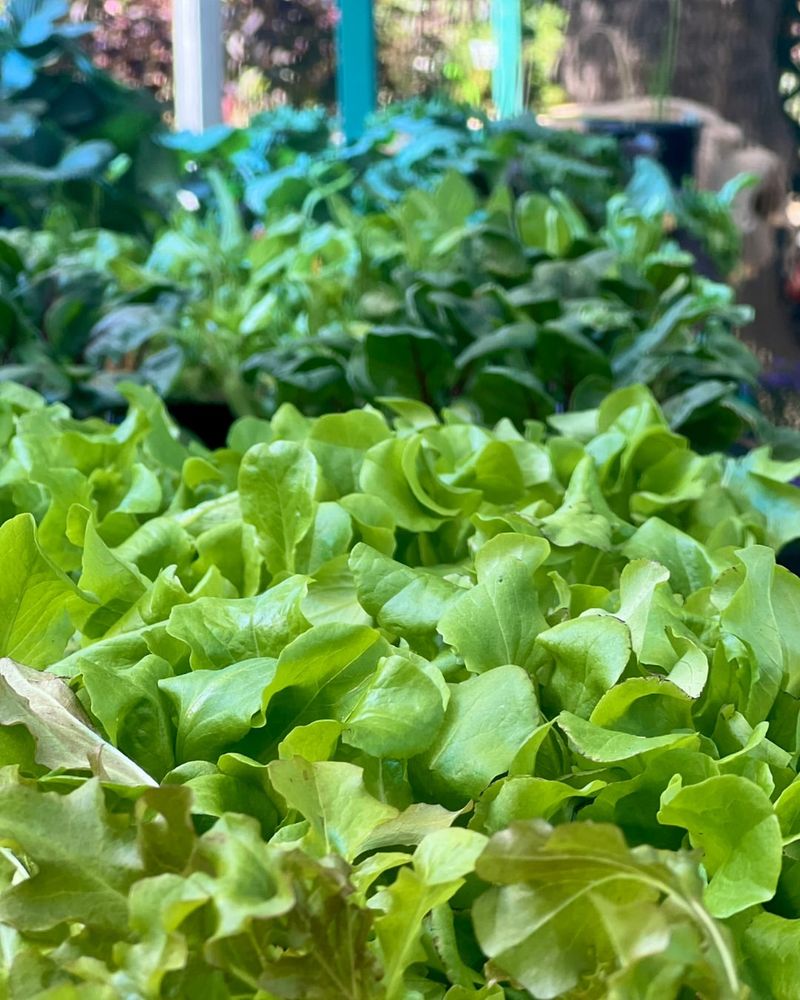
Leaf lettuce represents the perfect raised bed vegetable for Ohio gardeners seeking quick reliable harvests. These shallow-rooted plants need only four to six inches of soil depth, making them ideal for any raised bed regardless of height.
The loose soil structure allows rapid root establishment and fast growth from seed to harvest.
Cool season crops like lettuce actually benefit from the temperature moderation raised beds provide during early spring. While the beds warm faster than traditional gardens, they also cool down appropriately during chilly nights.
This temperature range keeps lettuce growing steadily without bolting prematurely in heat.
Succession planting becomes incredibly easy with leaf lettuce in raised beds. Ohio gardeners can plant new seeds every two weeks from early April through May, then resume again in August for fall harvests.
The defined space of raised beds makes tracking these successive plantings simple and organized.
Harvesting leaf lettuce using the cut-and-come-again method works beautifully in raised beds. Simply snip outer leaves when they reach four to six inches tall, leaving the growing center intact.
Plants regrow quickly for multiple harvests from each planting. Ohio State University Extension promotes this approach for maximizing production in limited space.
The elevated height of raised beds also makes harvesting lettuce much easier on backs and knees compared to bending over traditional garden rows throughout the entire growing season.
11. Zucchini Takes Off In Loose Fertile Soil
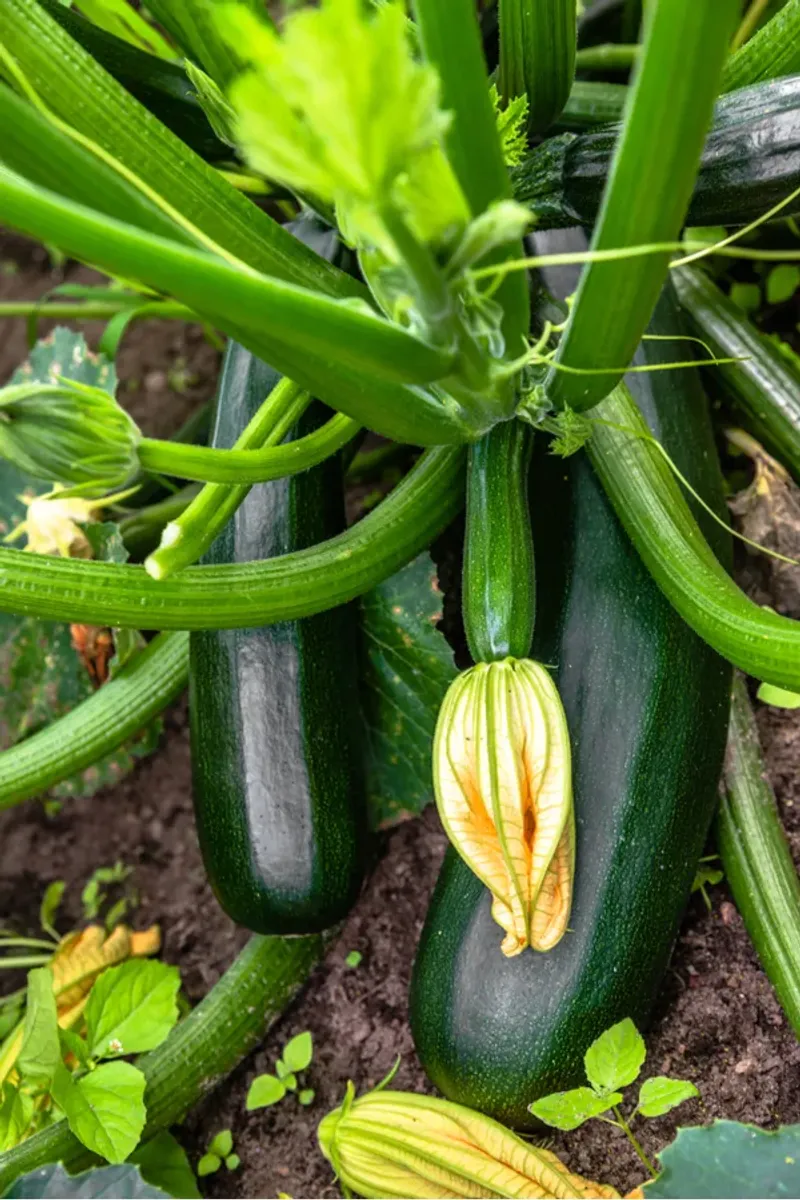
Zucchini plants grow with explosive vigor when given proper conditions, and raised beds provide exactly what these productive vegetables need. The loose well-draining soil allows roots to spread quickly and establish strongly within days of transplanting.
This rapid root development supports the vigorous top growth zucchini plants produce.
Fertility management becomes simpler in raised beds where gardeners control the entire soil volume. Zucchini plants are heavy feeders, requiring substantial nitrogen and other nutrients throughout their production period.
Adding compost or organic fertilizer to raised bed soil before planting ensures zucchini plants have everything needed for maximum productivity.
The excellent drainage in raised beds prevents the crown rot and stem problems that often affect zucchini in traditional gardens. Ohio summers bring heavy thunderstorms that can leave in-ground gardens soggy for days.
Raised beds drain within hours, keeping zucchini plants healthy and productive rather than stressed and vulnerable to disease.
Ohio gardeners consistently report overwhelming zucchini harvests from raised bed plantings. Just two or three plants produce more than most families can eat fresh, with plenty left for freezing or sharing with neighbors.
The combination of warm soil, perfect drainage, and rich fertility creates conditions where zucchini plants thrive and fruit prolifically.
Plants begin producing in mid-summer and continue until frost, making zucchini one of the most reliable and productive vegetables for Ohio raised bed gardens.