10 Vegetables That Thrive In Raised Beds In Oregon
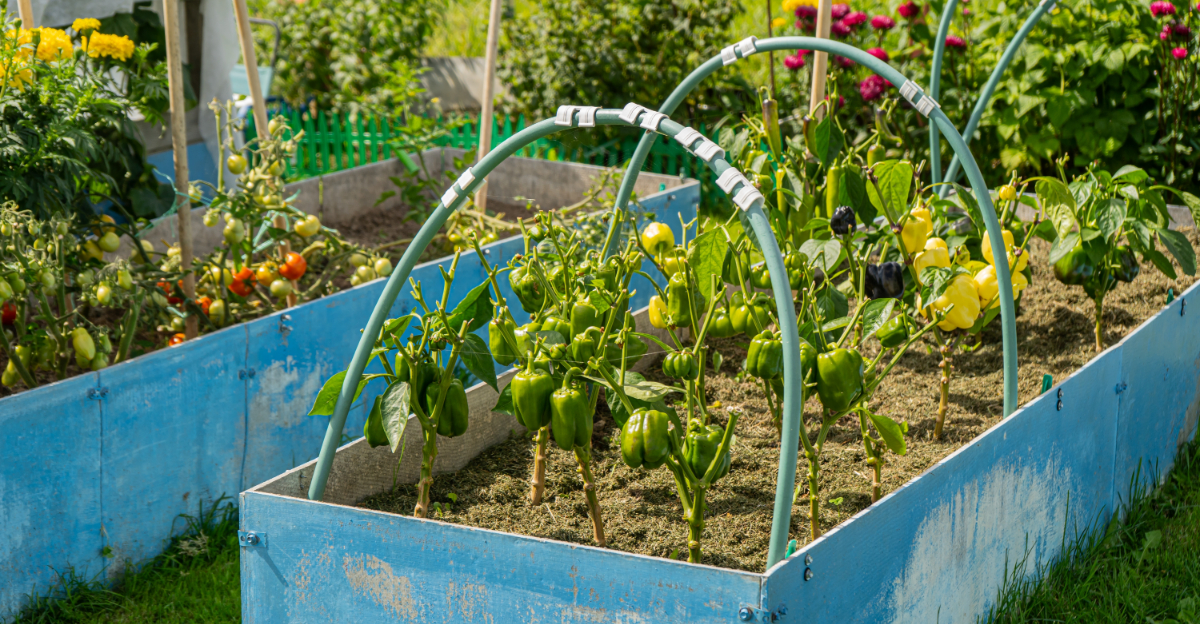
There’s something special about a raised bed in spring – fresh soil, tidy rows, and the excitement of seeing little seedlings push up toward the sun.
For gardeners in Oregon, it’s the perfect way to organize a yard and get the most out of your space.
Not every vegetable plays nice in raised beds, though. Some love the improved drainage and warmth, while others need extra attention to really flourish.
Picking the right crops means fuller harvests without constant worry about soggy roots or crowded plants.
If you want your raised beds to produce the juiciest, healthiest vegetables Oregon can offer, it helps to know which ones are happiest there. Here’s a list to make planting decisions easier and more successful.
1. Juicy Tomatoes Bursting With Flavor
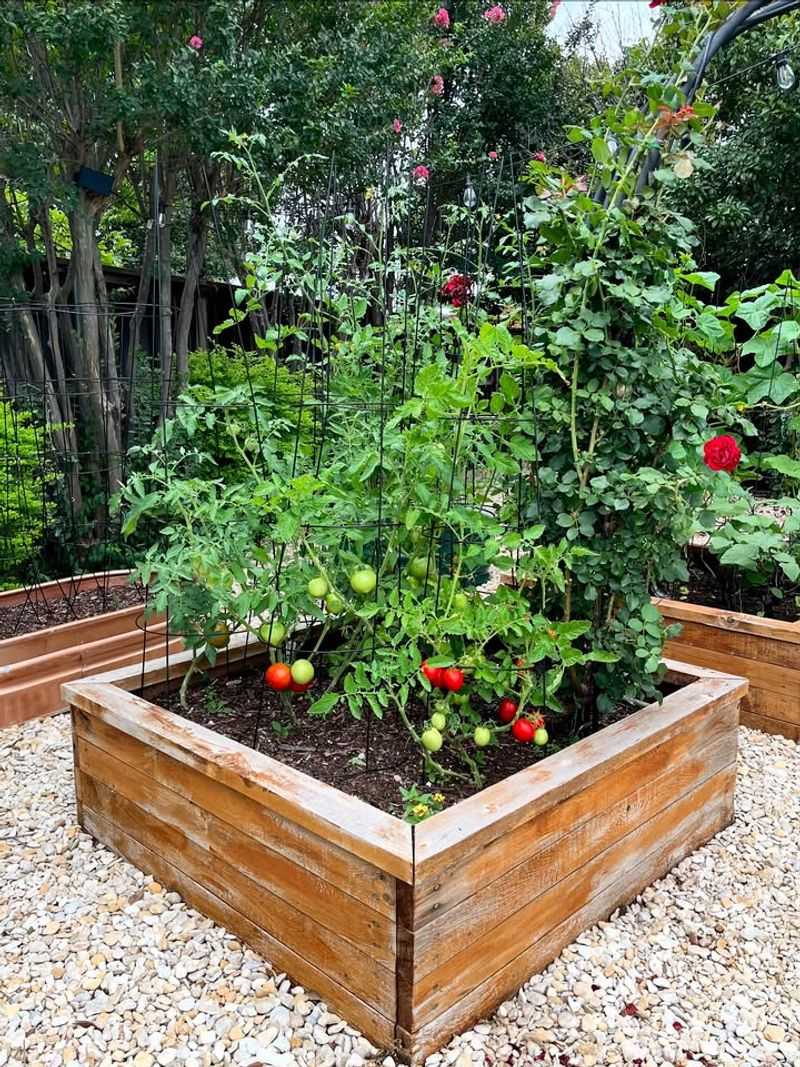
Few things beat the joy of pulling a sun-warmed tomato straight from your own raised bed. In Oregon, tomatoes can be a bit tricky to grow in the ground because the soil takes a while to warm up in spring.
Raised beds solve that problem fast, since the soil in an elevated bed heats up much earlier, giving your tomato plants a head start on the season.
Varieties like ‘Willamette’ and ‘Siletz’ perform well in Oregon’s climate, especially in raised beds that warm early, giving them a strong start. They set fruit even when temperatures are cool, which is a huge bonus west of the Cascades where summers can stay mild.
Cherry tomato varieties like ‘Sungold’ also perform beautifully in raised beds across the state.
To get the best results, plant tomatoes deep so that at least two-thirds of the stem is buried. This encourages a strong root system.
Add a sturdy cage or stake early so you are not fighting a sprawling plant later. Keep the soil consistently moist and feed with a balanced fertilizer every few weeks.
With a little attention, your Oregon raised bed tomatoes will reward you with an impressive harvest from mid-summer well into fall.
2. Peppers Packing Color And Spice
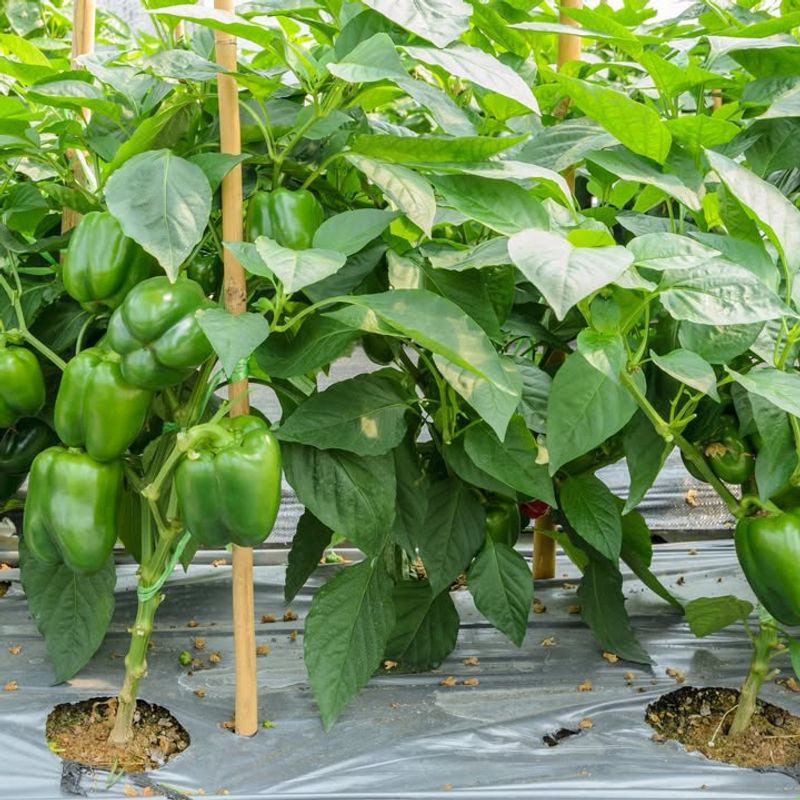
Peppers love heat, and that is exactly why raised beds are their best friend in Oregon. Raised beds warm up faster than in-ground plots, giving peppers the cozy root environment they need to truly flourish.
In cooler coastal areas of Oregon, this extra warmth can make the difference between a modest harvest and an overflowing one.
Both sweet bell peppers and hot varieties like jalapeños and serranos do well in Oregon raised beds. Start your seeds indoors about eight to ten weeks before the last frost date for your region.
Transplant seedlings only after nighttime temperatures stay consistently above 50 degrees Fahrenheit, because peppers are sensitive to cold snaps.
Peppers are perennial in tropical climates, but in Oregon they are typically grown as annuals because winter temperatures are too cold for them to survive outside. To maximize your harvest, add a layer of black plastic mulch over the soil surface in your raised bed.
This trick keeps the soil warm and holds in moisture at the same time. Peppers also benefit from a support stake once they start bearing heavy fruit.
With the right setup in your Oregon raised bed, peppers can produce abundantly from July through October.
3. Lettuce Crisp And Fresh From The Bed
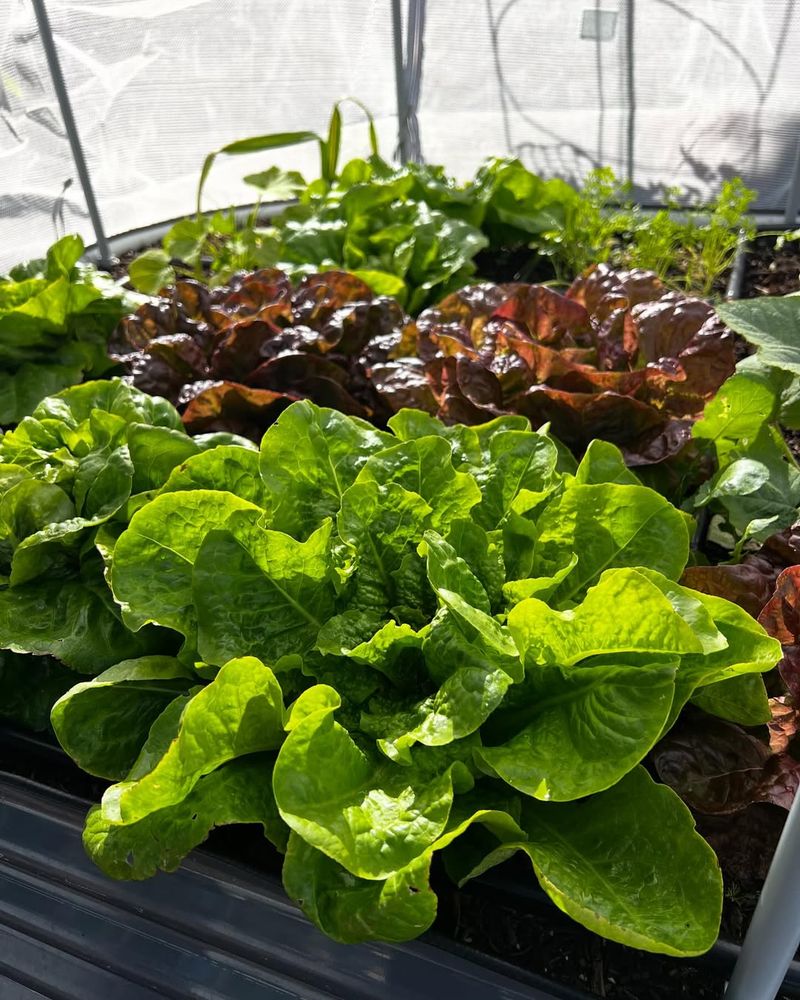
Arguably the easiest and most rewarding vegetable, lettuce thrives in an Oregon raised bed. It thrives in the cool, moist springs and falls that much of the state is known for, making it a natural fit for the Pacific Northwest gardening calendar.
You can often get two full crops of lettuce each year, one in spring and another in early fall.
Loose-leaf varieties like ‘Black Seeded Simpson’ and heading types like ‘Butterhead’ are especially popular with Oregon gardeners. One of the best techniques for raised beds is called cut-and-come-again harvesting.
Simply snip outer leaves as needed and the plant keeps producing fresh growth from the center, stretching your harvest over many weeks.
Lettuce prefers cooler soil and partial shade during the warmest parts of summer. If you are growing in the Willamette Valley or along the Oregon coast, you may be able to grow lettuce almost year-round with a little frost protection.
Raised beds help by giving you excellent drainage so roots never sit in soggy soil during rainy periods. Sow seeds directly into the bed or transplant seedlings and you will have fresh salad greens on your table faster than almost any other vegetable in the garden.
4. Spinach Leaves Full Of Energy
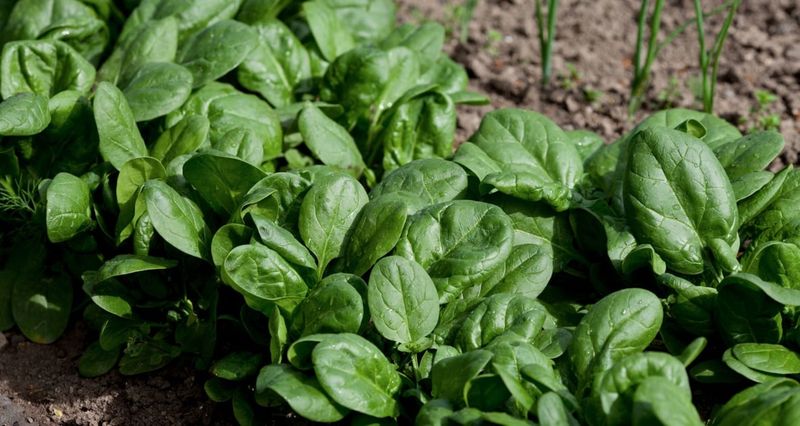
A powerhouse vegetable, spinach practically thrives on Oregon’s cool, wet weather. Unlike many vegetables that struggle in the Pacific Northwest spring, spinach actually prefers temperatures between 35 and 65 degrees Fahrenheit.
That makes it one of the earliest crops you can plant in your Oregon raised bed, sometimes as early as February in milder parts of the state.
Raised beds give spinach a major advantage because the improved drainage prevents the roots from rotting during Oregon’s notoriously rainy spring months. Varieties like ‘Bloomsdale Long Standing’ and ‘Tyee’ are excellent choices that resist bolting, meaning they stay productive longer before going to seed when temperatures rise.
Spinach is packed with iron, vitamins A and C, and loads of other good stuff, making it one of the healthiest things you can grow in your garden. Sow seeds directly into your raised bed about half an inch deep and one inch apart.
Thin seedlings to about four inches apart once they sprout to give each plant room to develop full, lush leaves. Keep the soil evenly moist and apply a light nitrogen-rich fertilizer to encourage leafy growth.
Harvest outer leaves regularly and your spinach plants will keep producing for weeks on end throughout the Oregon growing season.
5. Carrots Sweet And Crunchy Roots
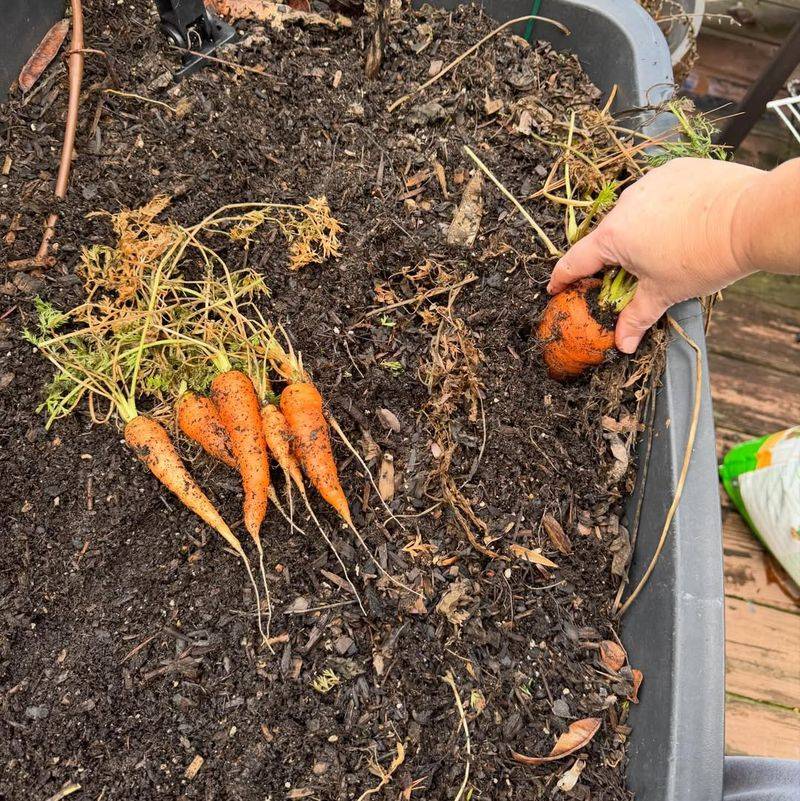
A match made in gardening heaven, carrots thrive in raised beds, especially where native soil can be heavy with clay. The secret to growing straight, long, beautiful carrots is loose, deep, rock-free soil.
A well-built raised bed gives you exactly that, allowing carrot roots to push downward without hitting obstacles that cause them to fork or twist into odd shapes.
Oregon-friendly varieties like ‘Danvers 126’ and ‘Nantes’ are consistent performers that produce sweet, crisp roots. Make sure your raised bed is at least 12 inches deep for full-sized carrots.
If your bed is shallower, try shorter varieties like ‘Chantenay’ or ‘Little Finger’ that are bred for compact root growth.
Carrot seeds are tiny and slow to germinate, sometimes taking two to three weeks to sprout. Mixing them with radish seeds before sowing is an old gardener’s trick because the radishes sprout quickly, mark the row, and are harvested before the carrots need the space.
Keep the soil consistently moist during germination or the seeds may not sprout at all. Thin seedlings to about two inches apart once they reach an inch tall.
In Oregon, you can plant carrots in early spring and again in late summer for a fall harvest that is often sweeter due to cool temperatures.
6. Radishes Adding Zing To The Garden
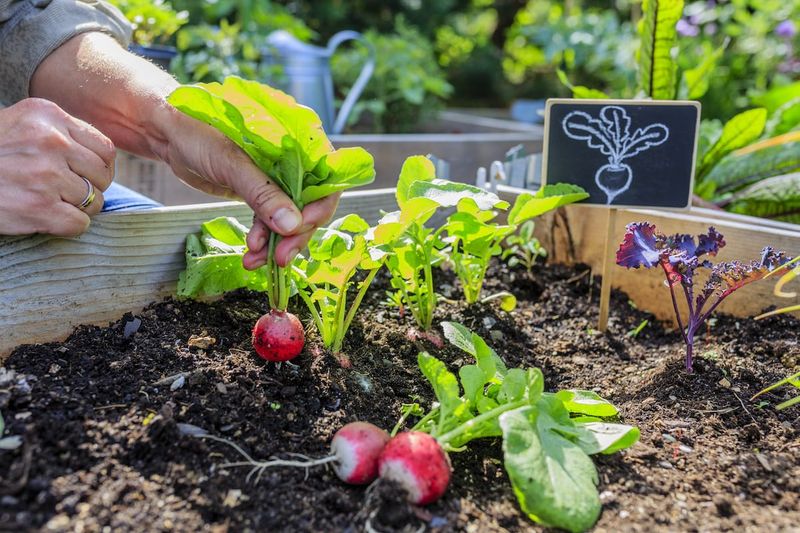
Radishes might just be the most satisfying vegetable a beginner gardener in Oregon can grow in a raised bed. From seed to harvest in as little as 25 days, they offer almost instant gratification in the garden.
Planted in the cool Oregon spring or fall, radishes develop their crisp, peppery roots quickly and with very little fuss.
Varieties like ‘Cherry Belle’ and ‘French Breakfast’ are classic choices that perform well across Oregon’s diverse growing regions. The loose, well-draining soil of a raised bed is ideal because it lets roots swell evenly without cracking or becoming woody.
Radishes also make excellent companion plants, helping to break up compacted soil and naturally repelling certain pests from neighboring crops like carrots and lettuce.
One thing to watch with radishes is timing. If left in the ground too long after they reach maturity, they become pithy and overly spicy.
Check them regularly once they reach the size of a large marble. Succession planting, which means sowing a small batch every two weeks, keeps a steady supply coming throughout the season.
Radishes are also a fantastic way to fill gaps between slower-growing vegetables in your Oregon raised bed, making great use of every square inch of your growing space.
7. Zucchini Growing Big And Bold
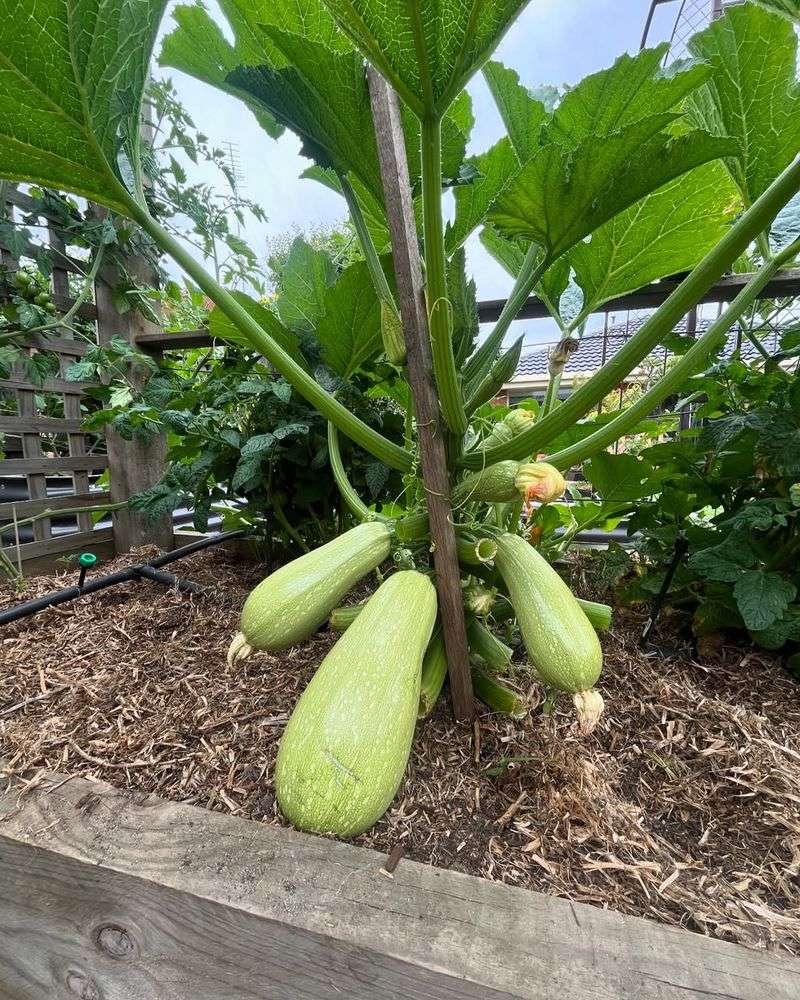
Ask any Oregon gardener about zucchini and you will likely get a laugh. These plants are legendary for their productivity, and in a raised bed with rich, warm soil, they kick production into overdrive.
One or two zucchini plants can produce a substantial harvest for a family over the summer months, depending on growing conditions.
Zucchini loves the warmth that raised beds provide in Oregon. The soil heats up faster in spring, which means earlier planting and a longer harvest window.
Varieties like ‘Black Beauty’ and ‘Patio Star’ are well-suited for raised beds. If space is tight, look for compact or bush-type varieties that take up less room while still producing generously.
Plant zucchini seeds or transplants after the last frost date for your Oregon region, usually late April to mid-May depending on your elevation and location. Give each plant plenty of space, at least 24 to 36 inches, because the leaves get big and the plant needs good airflow to stay healthy.
Harvest zucchini when fruits are six to eight inches long for the best flavor and texture. Leaving fruits too long makes them tough and seedy.
Water deeply and consistently, and your Oregon raised bed zucchini will reward you with an almost overwhelming abundance all summer long.
8. Kale Tough Leaves Full Of Goodness
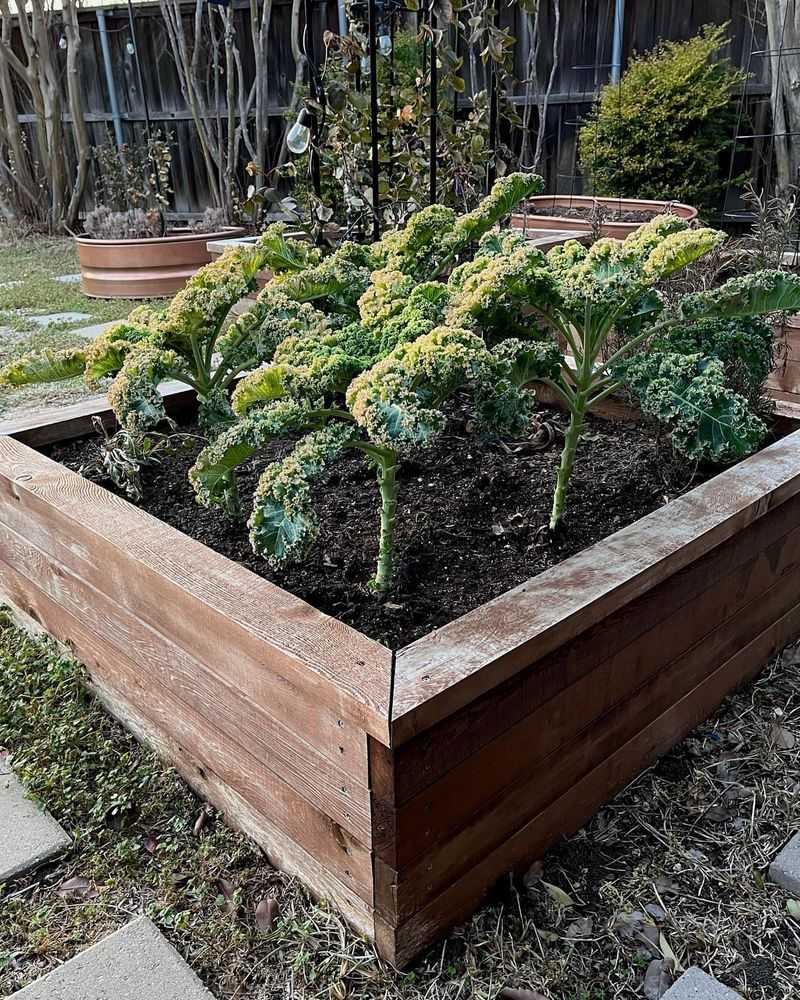
Something of a superstar in the gardening world, kale has earned its reputation for very good reason. Tough, nutritious, and almost cheerfully cold-hardy, kale thrives in the Pacific Northwest climate better than almost any other leafy green.
Kale tolerates light frosts well, and cooler temperatures can improve sweetness by converting some starches into sugars.
Raised beds are ideal for kale because they provide the excellent drainage and nutrient-rich soil this plant loves. Varieties like ‘Lacinato’ (also called dinosaur kale) and ‘Red Russian’ are favorites among Oregon gardeners for their flavor and productivity.
Both can be harvested continuously by picking outer leaves while allowing the central growing tip to keep producing new foliage.
Start kale seeds indoors six weeks before your last frost date or direct-sow into the raised bed in early spring. You can also plant a second crop in late summer for a fall and early winter harvest.
Kale is relatively pest-resistant, though cabbage worms and aphids can occasionally be a problem. A light row cover helps protect young plants.
With minimal care, a few kale plants in your Oregon raised bed can provide nutritious greens from spring all the way through the coldest winter months the state has to offer.
9. Swiss Chard With Vibrant Stems
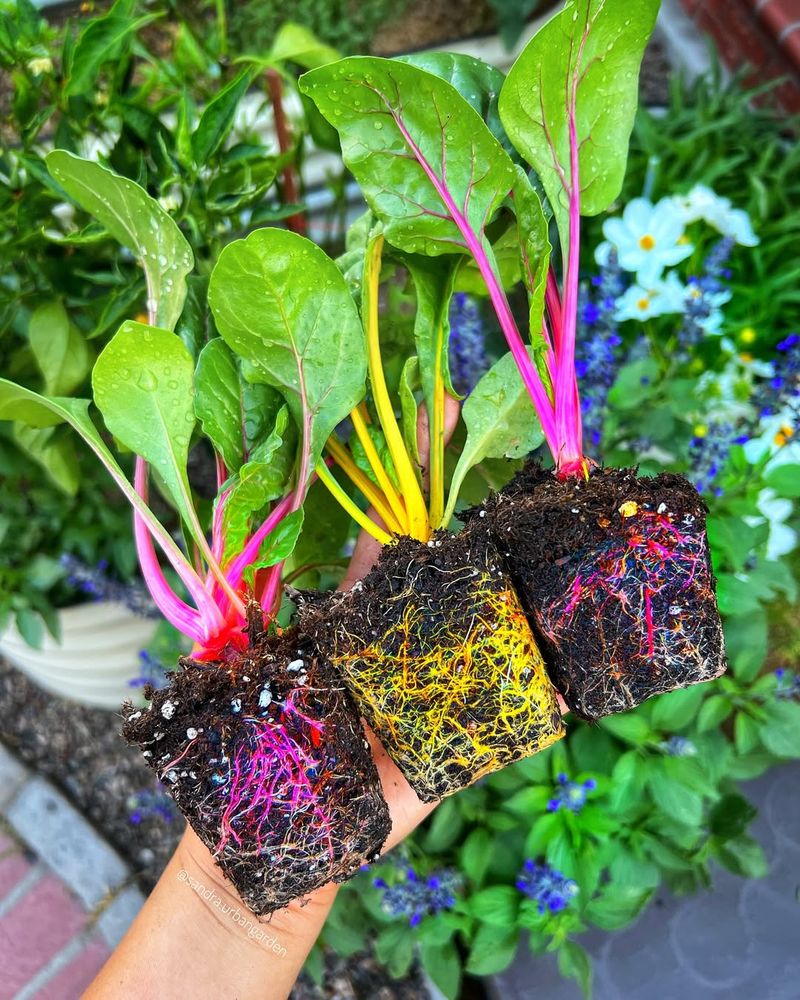
In an Oregon raised bed, Swiss chard stands out as one of the most visually stunning vegetables. With stems that come in vivid shades of red, yellow, orange, and white, it looks almost too pretty to eat.
Luckily, it tastes just as good as it looks, with a mild, slightly earthy flavor that works well in salads, stir-fries, and pasta dishes.
Oregon’s temperate climate is a great match for Swiss chard. It handles both cool spring weather and mild summer heat without bolting the way spinach or lettuce often does.
Raised beds help by providing the consistently moist, fertile soil that chard needs to produce large, glossy leaves. Varieties like ‘Rainbow Chard’ and ‘Fordhook Giant’ are reliable producers that Oregon gardeners have trusted for years.
Sow chard seeds directly into your raised bed about half an inch deep after the last frost date. Each chard seed is actually a cluster of seeds, so thin seedlings to six to eight inches apart once they sprout.
Harvest outer leaves regularly, starting when plants are about eight inches tall. Like kale, chard is incredibly cold-tolerant and will keep producing well into Oregon’s fall and early winter.
A light frost often improves the flavor, making late-season harvests some of the most delicious of the year.
10. Green Beans Climbing High And Lean
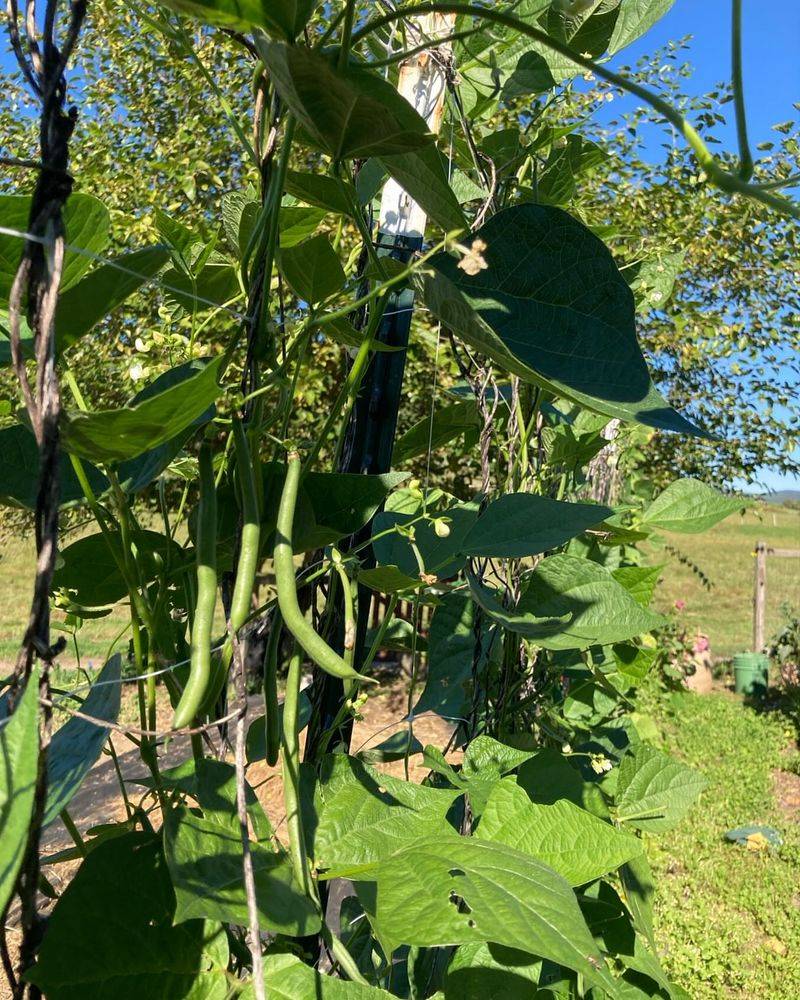
A classic summer garden crop, green beans absolutely love the warm, well-drained conditions that a raised bed provides. In Oregon, where spring soil can stay cold and wet for a long time, raised beds give green beans the warm start they need to germinate quickly and grow strong.
Planting directly in cold or wet ground can sometimes delay germination or increase the risk of seed rot, whereas raised beds warm faster and improve conditions.
Both bush bean varieties and pole bean varieties do well in Oregon raised beds. Bush beans like ‘Provider’ and ‘Blue Lake 274’ stay compact and produce all at once, which is great if you want to preserve a big batch.
Pole beans like ‘Kentucky Wonder’ climb a trellis and produce over a longer period, giving you a steady supply of fresh beans throughout the summer and into early fall.
Sow green bean seeds directly into your raised bed after the last frost date, usually mid-May in the Willamette Valley and a bit later in higher elevation parts of Oregon. Plant seeds about one inch deep and four to six inches apart.
Green beans fix nitrogen in the soil as they grow, which actually improves the soil quality for future crops. Keep the plants consistently watered and harvest pods when they are firm and snap cleanly for the best flavor and texture all season long.