7 Vegetables To Plant In April In Pennsylvania For A Successful Garden
April is when a Pennsylvania garden starts to feel full of possibility. The cold begins to loosen its grip, the soil becomes easier to work with, and suddenly it feels like the growing season is finally ready to begin.
For a lot of gardeners, this is the month when plans turn into action. Seeds get planted, garden beds start filling up, and the whole yard takes on that fresh, hopeful energy that comes with spring.
If you have been waiting all winter to get started, this is usually the moment it gets exciting. What makes April such an important time is that some vegetables really do their best when they go into the ground now. Plant too early and cold weather can slow them down.
Wait too long and you can miss that sweet spot that helps them get established before the season shifts. That is why picking the right vegetables for this month matters so much.
A few good choices can set the tone for a healthier, more productive garden and make the rest of the season feel a whole lot more rewarding.
1. Broccoli
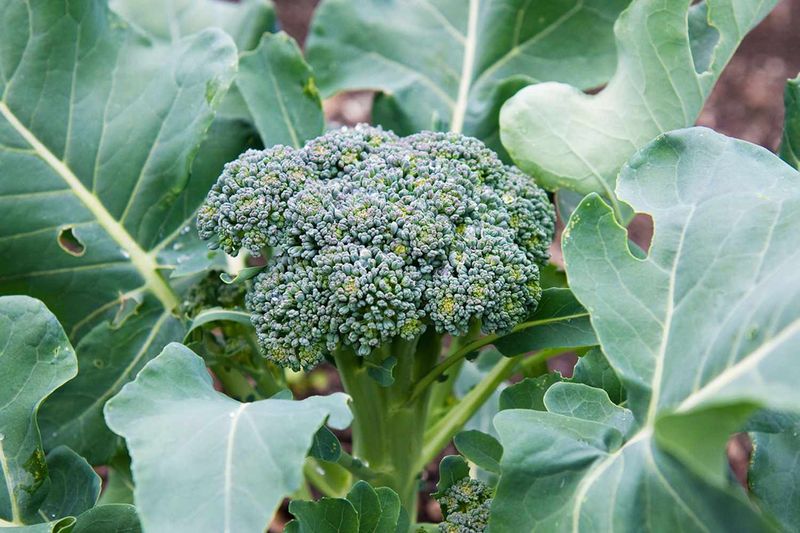
Broccoli is one of those vegetables that actually enjoys the cold. In Pennsylvania, April is prime time to get broccoli transplants or seeds into the ground.
It can handle a light frost without any trouble, which makes it one of the most reliable cool-season crops you can grow.
Broccoli grows best in well-drained soil with plenty of organic matter mixed in. Adding compost before planting gives the roots a strong start.
Space your plants about 18 inches apart so each head has enough room to develop fully and get good airflow.
One thing many gardeners love about broccoli is that it keeps giving after the first harvest. Once you cut the main head, smaller side shoots continue to grow. That means more broccoli without planting anything new.
Broccoli needs consistent moisture, especially during head formation. Water deeply a few times a week rather than lightly every day. Mulching around the base helps hold in moisture and keeps weeds from taking over.
Watch out for cabbage worms and aphids, which are common pests in Pennsylvania gardens. Covering plants with row cover fabric early in the season can protect them without using any chemicals.
Broccoli planted in April is usually ready to harvest by late May or early June, just as the weather starts warming up. It is a smart, productive choice for any Pennsylvania garden this spring.
2. Peas
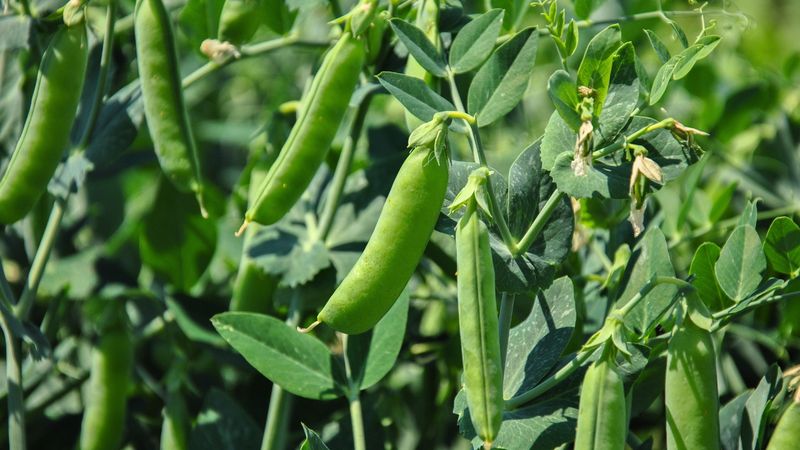
Ask any experienced Pennsylvania gardener what to plant first in spring, and peas will almost always top the list. These cool-weather favorites can go into the ground as soon as the soil is workable, which in most parts of Pennsylvania means early to mid-April.
They actually prefer chilly temperatures and will struggle once summer heat arrives. Peas are direct-sown, meaning you skip the transplant step and push the seeds right into the soil about one inch deep. Plant them two to three inches apart in rows.
They sprout quickly and reward your patience with beautiful green shoots within just a week or two.
Most pea varieties need something to climb. A simple trellis made from stakes and twine works perfectly.
Giving peas vertical support keeps the plants off the ground, improves airflow, and makes harvesting much easier.
Did you know peas actually improve your soil? They are nitrogen-fixing plants, meaning their roots pull nitrogen from the air and add it back into the ground. That makes the soil richer for whatever you plant next in that same spot.
In Pennsylvania, peas planted in April are usually ready to harvest by late May or early June. Pick them regularly to encourage the plant to keep producing.
Fresh garden peas have a sweetness that store-bought ones simply cannot match. Growing your own is one of the most satisfying experiences a home gardener can have this spring.
3. Lettuce
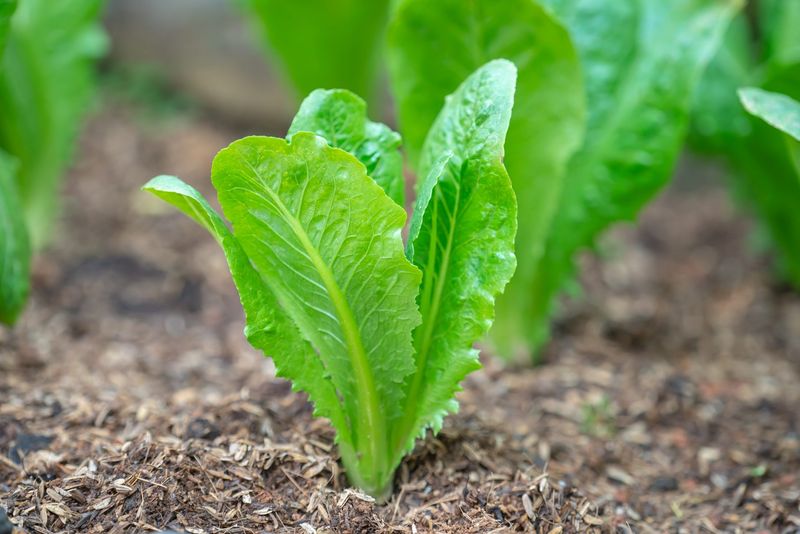
Lettuce might just be the most beginner-friendly vegetable you can grow in a Pennsylvania garden. It sprouts fast, grows quickly, and can be harvested multiple times throughout the season.
April is the sweet spot for planting lettuce in Pennsylvania because the cool temperatures bring out its best flavor and crunch.
You can grow lettuce from seed or transplant. If starting from seed, simply scatter them across the soil surface and press them in lightly.
Lettuce seeds need light to germinate, so do not bury them deep. Thin the seedlings once they reach a few inches tall so each plant has room to fill out.
One of the smartest tricks with lettuce is called cut-and-come-again harvesting. Instead of pulling the whole plant, snip the outer leaves and leave the center intact.
New leaves will grow back within days. A single planting can feed your family fresh salads for weeks.
Lettuce prefers partial shade as temperatures climb. Planting it near taller vegetables or in a spot that gets afternoon shade can extend the harvest season well into May and beyond. In Pennsylvania, this simple trick can add weeks to your lettuce production.
There are so many varieties to try, including butterhead, romaine, looseleaf, and crisphead types. Planting a mix adds color and texture to your salads.
Lettuce also grows beautifully in containers, making it perfect for Pennsylvania gardeners with limited outdoor space this April.
4. Spinach
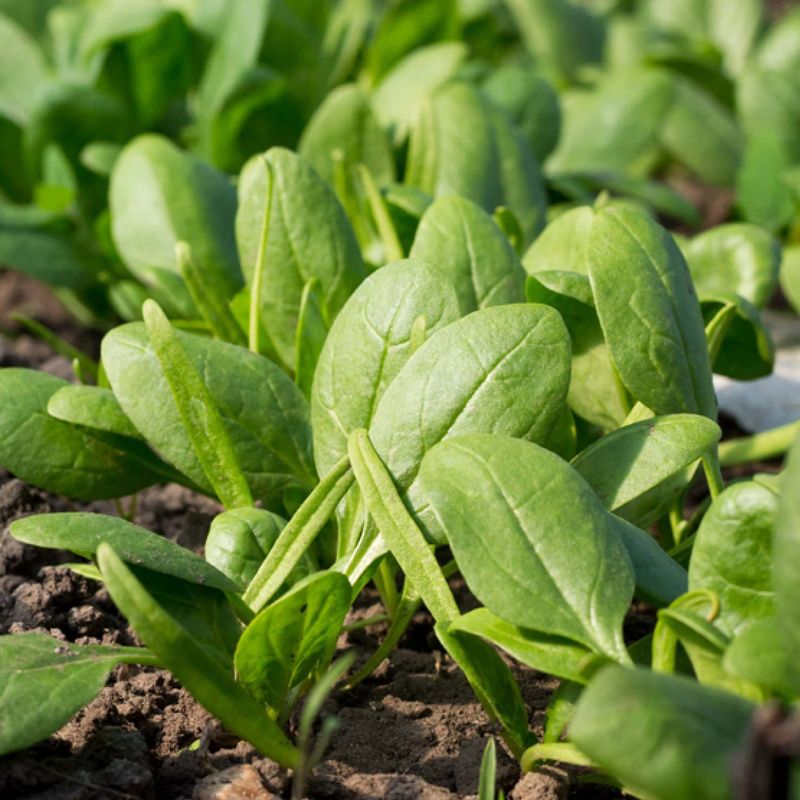
Spinach is tough, fast-growing, and incredibly nutritious. It is one of the first vegetables you can get into the ground in Pennsylvania each spring.
April is ideal because spinach thrives in temperatures between 35 and 65 degrees Fahrenheit, and that is exactly what Pennsylvania delivers this time of year.
Sow spinach seeds directly into the garden about half an inch deep and two to three inches apart. The seeds germinate best in cool soil, so do not wait too long into the month.
Rows spaced about a foot apart give you enough room to move between plants when harvesting.
Spinach grows quickly and can be ready to harvest in as little as 40 days. Just like lettuce, you can use the cut-and-come-again method to keep harvesting leaves without removing the whole plant. The more you pick, the more it grows.
Here is something cool about spinach: it actually tastes sweeter after a light frost. The cold converts some of the plant’s starches into sugars, giving the leaves a milder, more pleasant flavor. Pennsylvania’s unpredictable April weather can actually work in your favor here.
Keep the soil evenly moist and watch for slugs, which love young spinach leaves. Sprinkling crushed eggshells around the base of plants is a natural way to deter them.
Spinach is also packed with iron, vitamins, and antioxidants, so growing it in your Pennsylvania garden this April means fresh, healthy food right from your backyard.
5. Carrots
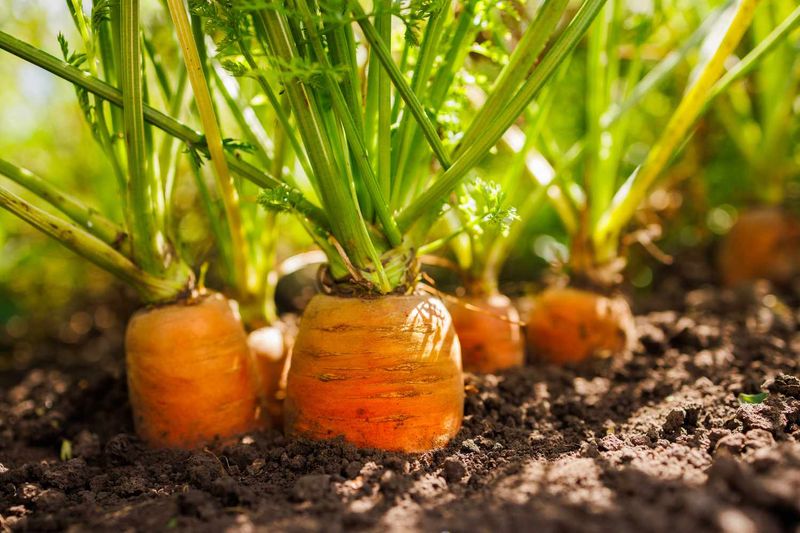
Carrots are one of those vegetables that seem simple but reward gardeners who pay attention to the details. In Pennsylvania, April is the right time to sow carrot seeds directly into the ground.
They love cool weather, and the cold actually helps develop their natural sweetness. Carrots grown in spring often taste far better than ones bought at the store.
The most important thing about growing carrots is soil preparation. Carrots need loose, deep, stone-free soil to grow straight and full.
Rocky or compacted soil causes them to fork or stay small. Loosen the ground at least 12 inches deep and mix in compost to give the roots a smooth path to grow downward.
Carrot seeds are tiny, so mixing them with sand before sprinkling can help you spread them more evenly. Cover lightly with about a quarter inch of soil.
Keep the surface moist until germination, which can take one to three weeks in April temperatures.
Thin your carrots once they reach about two inches tall, leaving two to three inches between each plant. Crowded carrots produce small, misshapen roots.
Thinning feels hard when the seedlings look healthy, but it truly makes a difference in your final harvest.
Pennsylvania gardeners can expect to pull their first carrots in about 70 to 80 days after planting. That puts your harvest right around late June or July.
Carrots store well in the ground too, so there is no rush to pull them all at once. This makes them a very practical and satisfying spring planting choice.
6. Beets
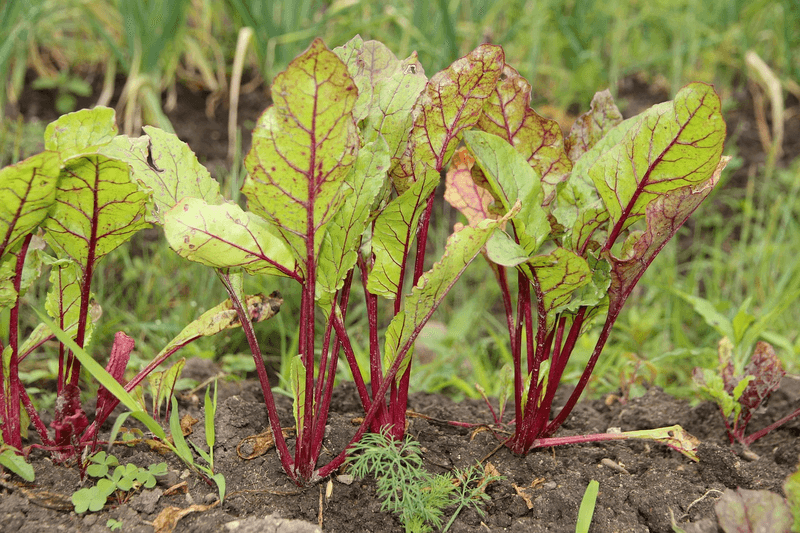
Beets are one of the most versatile vegetables you can grow in a Pennsylvania spring garden. Not only are the roots delicious roasted, pickled, or steamed, but the leafy greens are completely edible too.
You essentially get two vegetables in one planting, which is a fantastic deal for any home gardener.
April is the perfect month to direct-sow beet seeds in Pennsylvania. Each seed is actually a cluster of two to three seeds, so expect multiple sprouts from each one.
Plant them about half an inch deep and three inches apart in rows spaced about a foot apart. Beets do not like being transplanted, so always sow them directly where they will grow.
Beets are hardy and tolerate cold soil well, which makes them a reliable choice for early spring planting in Pennsylvania. They can even handle a light frost without any damage. That resilience makes them much easier to manage than more tender vegetables.
You can start harvesting beet greens when they reach about four to six inches tall. For the roots, wait until they are about the size of a golf ball.
At that size, they are tender and sweet. Letting them grow larger makes them woodier and less flavorful. Consistent watering is key for beets. Dry spells cause the roots to become tough and bitter.
Mulching around the plants helps retain moisture between rainfalls. Beets are a rewarding, low-maintenance addition to any Pennsylvania garden this April, offering both beauty and a generous harvest.
7. Radishes
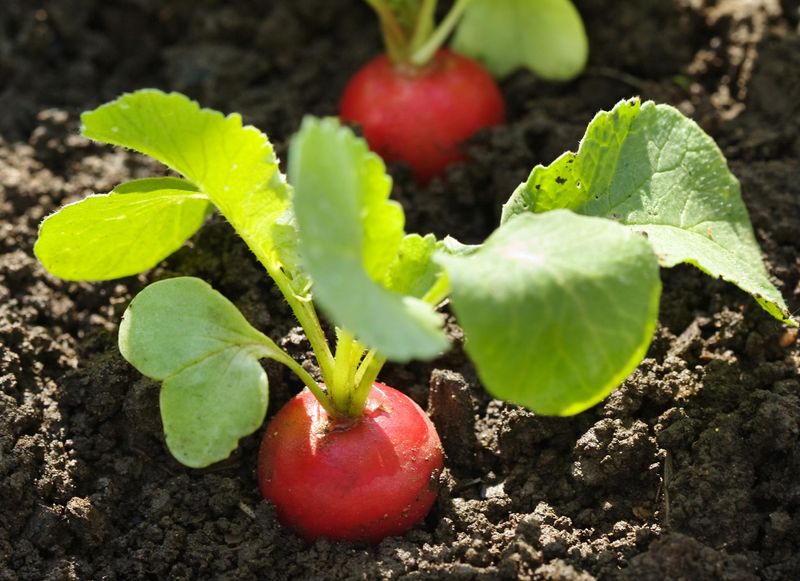
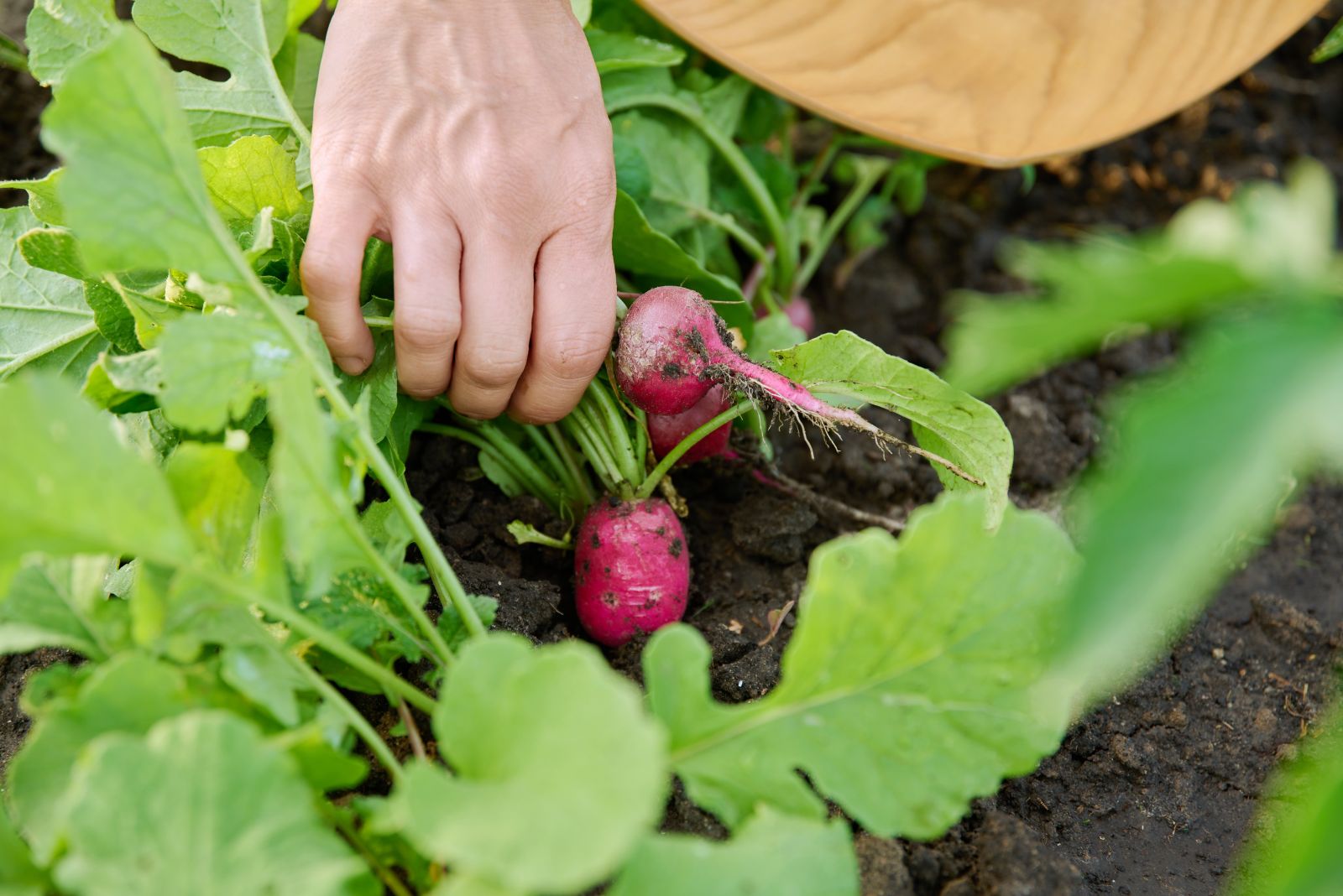
If patience is not your strong suit, radishes are your best friend in the garden. They are the fastest-maturing vegetable you can plant in Pennsylvania in April, ready to harvest in as little as three to four weeks.
That quick turnaround makes them incredibly satisfying, especially for first-time gardeners who want to see results fast.
Radishes are sown directly into the soil about half an inch deep and one inch apart. They sprout within just a few days in cool April temperatures.
Thin them to about two inches apart once the seedlings appear so the roots have room to swell up properly underground.
Beyond being fast, radishes are also great garden companions. Planting them near slower-growing vegetables like carrots or beets helps mark the rows while the other seeds are still germinating.
By the time the carrots need space, the radishes are already harvested and out of the way. Radishes prefer full sun and well-drained soil. They do not need much fertilizer, and overfeeding them actually causes leafy tops with small roots underneath.
Keep the soil consistently moist for the best flavor and texture. Dry conditions make radishes woody and overly spicy.
Pennsylvania gardeners can succession-plant radishes every two weeks throughout April and into May for a continuous harvest. Popular varieties like Cherry Belle and French Breakfast do especially well in cool spring conditions.
Fresh radishes add a satisfying crunch to salads, tacos, and grain bowls. Growing them in your Pennsylvania garden this April is one of the easiest wins of the whole season.