9 Vegetables To Plant In March In Georgia For A Better Summer Harvest
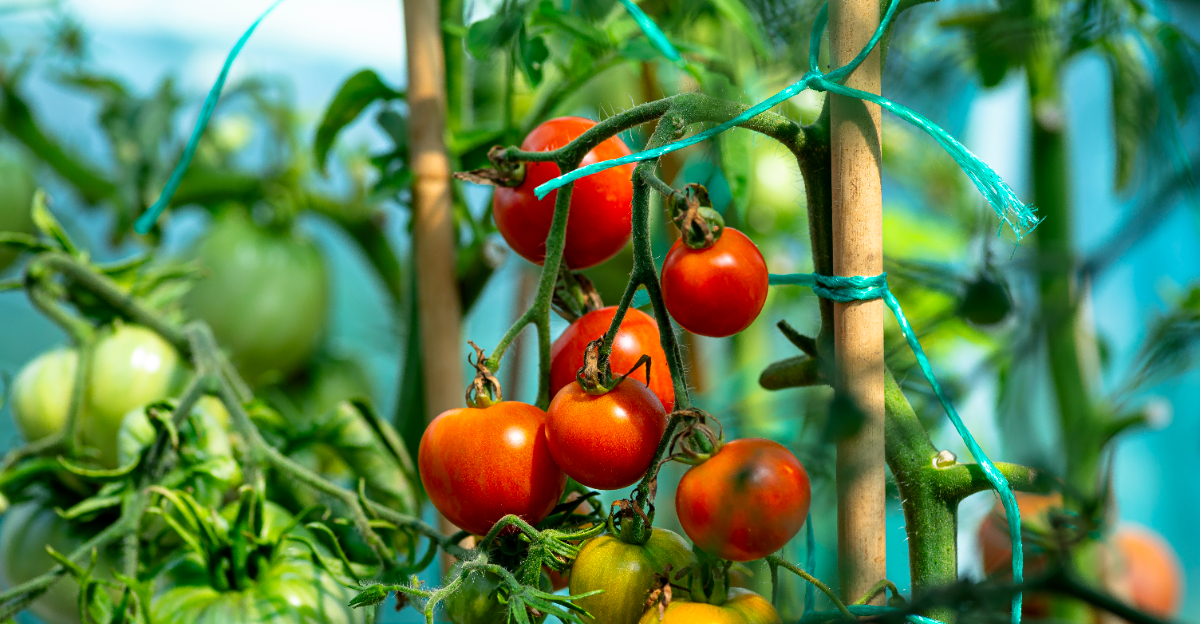
March is when Georgia gardens quietly shift into food-growing mode. The soil starts warming, garden beds open up again, and suddenly it feels like the perfect moment to plant something that will pay off later.
If a better summer harvest is on your mind, this is the month when timing can make a real difference.
Many vegetables grow stronger and produce far more when they are planted now instead of waiting until the season is already moving fast.
Giving crops an early start helps them settle in, grow steadily, and stay productive once Georgia’s summer heat arrives. Even a small garden can turn surprisingly generous when the right vegetables go in the ground at the right time.
A few simple planting decisions in March can lead to baskets of fresh, homegrown food once the peak of summer arrives.
1. Peppers Develop Strong Plants Before Summer Heat Arrives
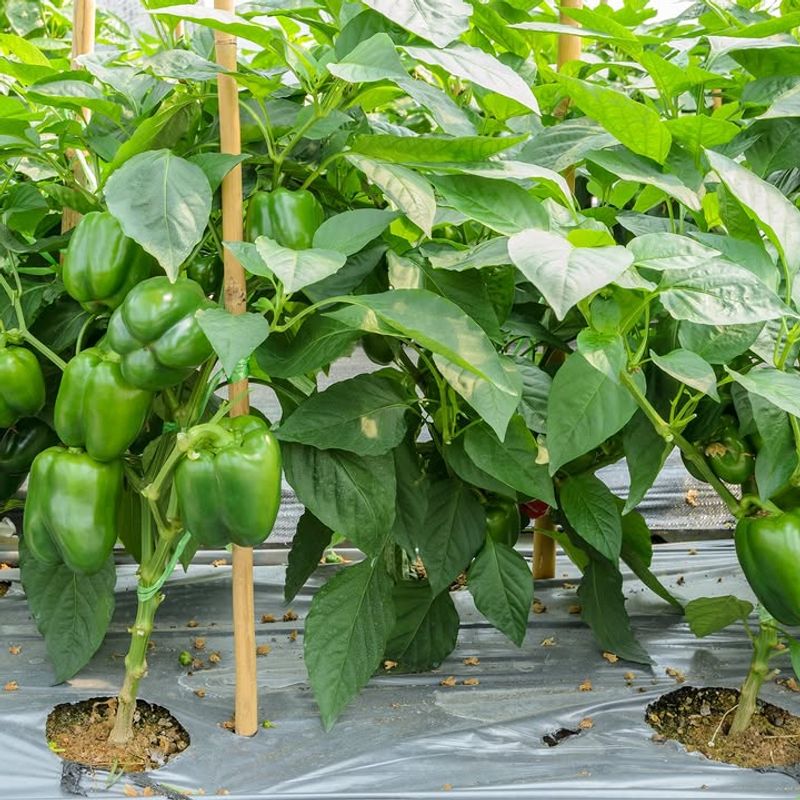
Peppers need warm soil, so they are usually transplanted after frost, while March is commonly used to start seeds indoors. Transplants put in the ground now have six to eight weeks to build strong root systems before the summer heat really locks in.
A pepper plant with a deep root system handles dry spells and intense heat far better than one rushed into the garden in May.
Bell peppers, banana peppers, and jalapenos all do well in Georgia gardens. If you want something with more heat, cayenne and habanero varieties thrive in the long warm season here.
Pick transplants that are stocky and dark green rather than tall and leggy.
Set plants about 18 inches apart in a spot that gets full sun for most of the day. Peppers are heavy feeders, so mixing compost into the planting hole gives them a strong foundation.
Avoid overwatering early on since soggy soil slows root development. Once plants start flowering, a light dose of fertilizer every few weeks keeps them producing well into fall.
Georgia summers are long enough that a healthy pepper plant can give you harvests for months if it gets the right start in March.
2. Tomatoes Produce Heavy Harvests When The Season Warms
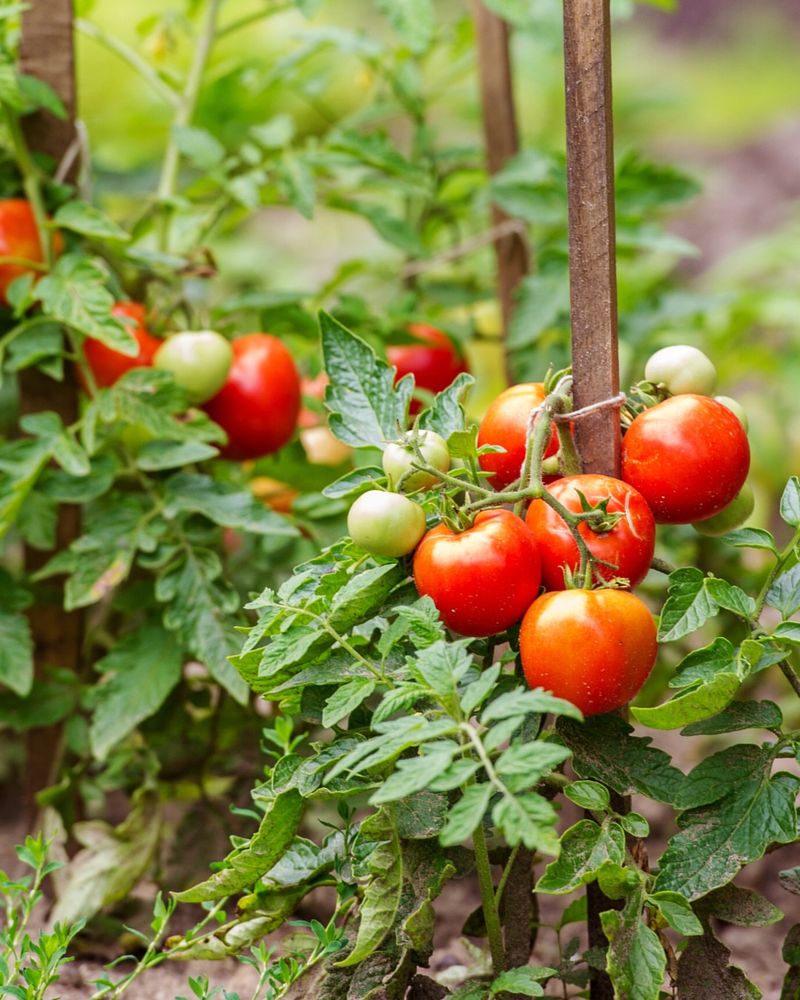
Plant tomatoes after the last frost in Georgia, but March is the time many gardeners start seeds indoors or prepare beds.
Getting transplants in the ground while nights are still slightly cool gives the roots time to spread out before summer temperatures push into the 90s.
Plants that go in late often struggle to set fruit once the heat peaks, so early planting really does matter here.
Choose varieties that are bred for hot, humid conditions. Celebrity, Better Boy, and Cherokee Purple all perform well across Georgia.
Heirloom types can be finicky but the flavor payoff is worth the extra attention they need.
Space plants at least 24 inches apart and stake them from the start. Waiting until they flop over makes staking much harder.
Add a thick layer of mulch around the base to hold moisture and keep soil temperatures more consistent as summer approaches. Water deeply a few times a week rather than light daily sprinkles to encourage deep root growth.
Side-dress with a balanced fertilizer once flowering begins for the best fruit set through the long Georgia summer.
3. Cucumbers Grow Quickly And Keep Producing Through Summer
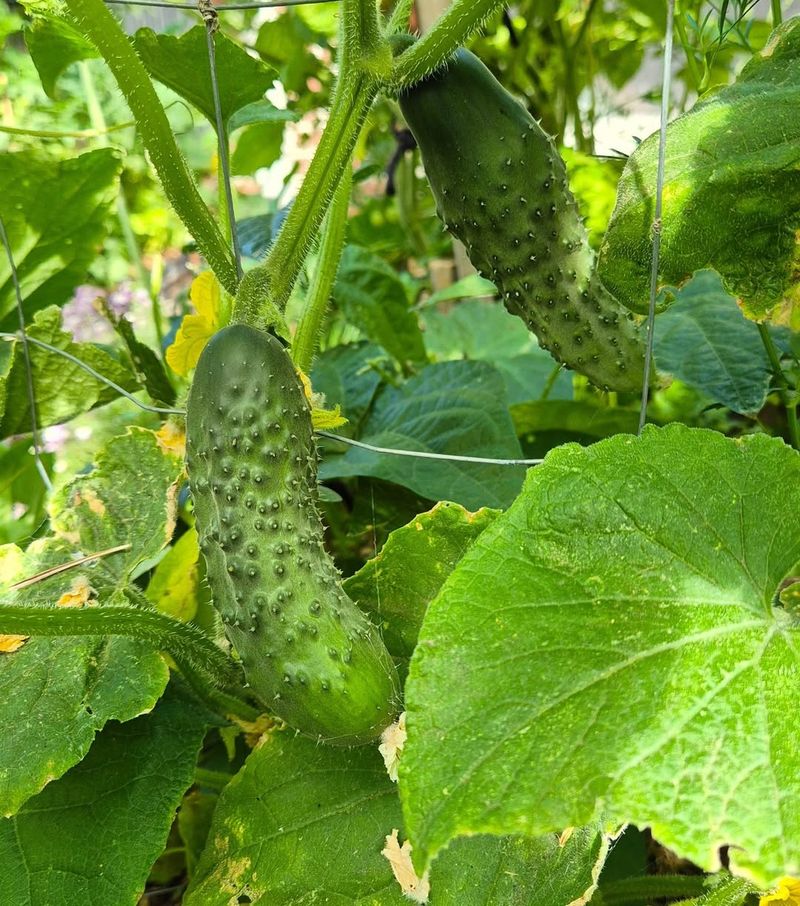
Cucumbers move fast once they get going, and starting them in March in Georgia puts you on track for your first harvest by late May or early June.
Slicing varieties like Straight Eight and Bush Pickle are popular choices, but if you have a trellis, vining types tend to produce more fruit per plant and keep the cucumbers off the ground where pests and rot can be a problem.
Direct seed into the garden after your last frost date, which for most of Georgia falls in mid to late March. Plant seeds about an inch deep and six inches apart, then thin to one plant every 12 inches once seedlings are a few inches tall.
Warm soil speeds up germination noticeably, so do not rush if your ground is still cold.
Consistent watering is the single biggest factor in cucumber quality. Irregular moisture leads to bitter fruit and blossom drop.
Aim for about an inch of water per week, more during heat waves. Pick cucumbers frequently once they start coming in because leaving overripe fruit on the vine signals the plant to slow down production.
Staying on top of harvesting keeps vines productive well into August across Georgia.
4. Bush Beans Deliver Fast And Reliable Warm Season Harvests
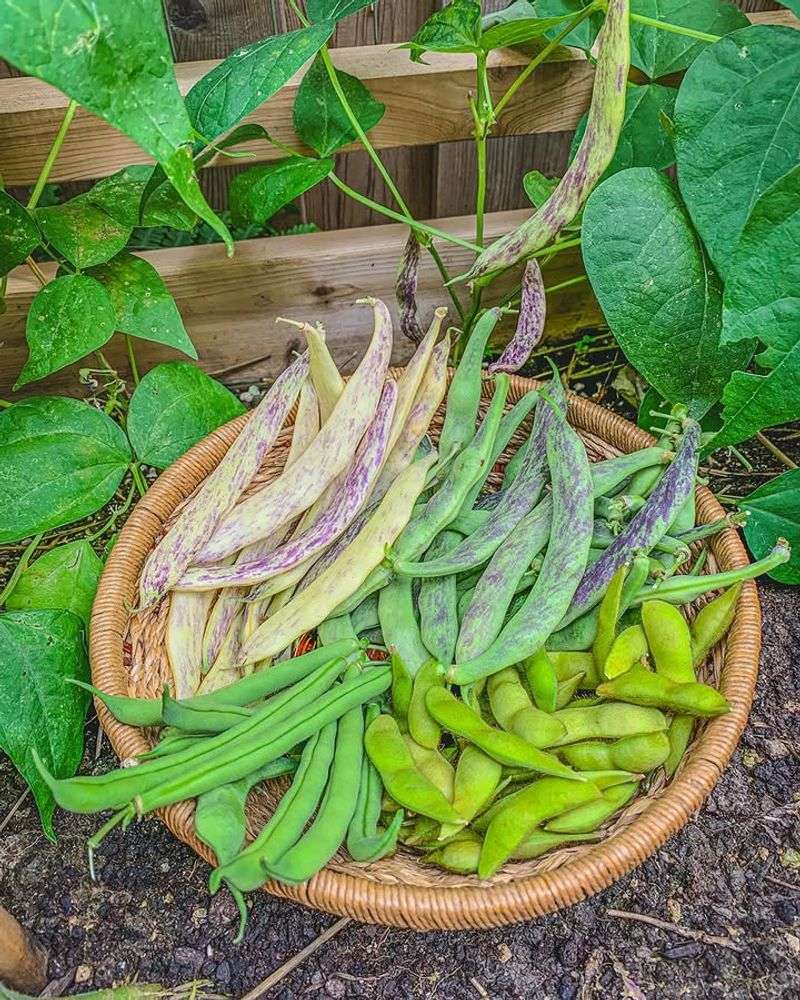
Bush beans are one of the most straightforward vegetables you can grow in a Georgia garden, and March is the right time to get them started.
Seeds go directly into the ground, no transplanting needed, and they can be ready to harvest in as little as 50 days from planting.
Provider, Contender, and Blue Lake 274 are all solid choices that handle Georgia heat without much fuss.
Plant seeds about an inch deep and three inches apart in rows spaced 18 inches apart. Bush beans do not need staking or trellising, which makes them a great option for gardeners who want results without a complicated setup.
They fix their own nitrogen too, which means they actually improve your soil as they grow.
Water consistently after planting to keep the soil moist until germination, which usually takes five to ten days depending on soil temperature.
Once plants are up and growing, they are fairly drought tolerant but still appreciate regular watering during dry stretches.
Harvest pods when they are firm and snap cleanly, usually before the seeds inside start to bulge. For a longer harvest window, stagger plantings two weeks apart through early April.
Bush beans are a Georgia garden staple for good reason.
5. Zucchini Produces Generously Once Temperatures Rise
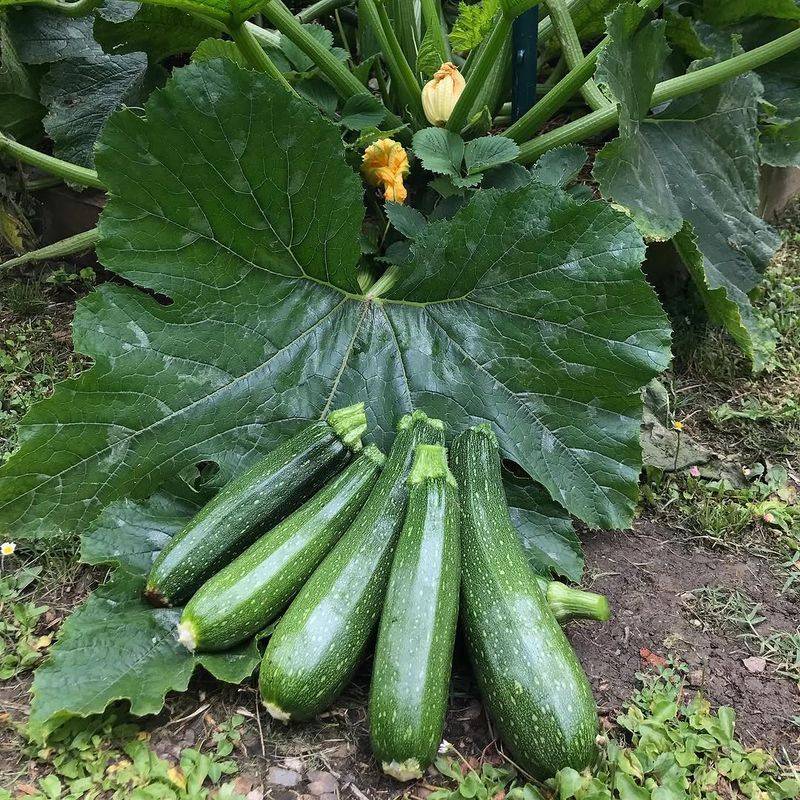
Zucchini has a reputation for being wildly productive, and in Georgia that reputation is completely earned. A couple of healthy plants can produce more squash than most families can keep up with once summer gets rolling.
Starting seeds or transplants in March gives the plants time to establish before the heat kicks production into high gear around June.
Direct seeding works well in Georgia once soil temperatures hit 60 degrees, which happens in most parts of the state by mid-March. Plant seeds an inch deep and space plants at least three feet apart because zucchini spreads out quickly.
Crowding plants together leads to poor air circulation, which invites powdery mildew, a common problem in humid Georgia summers.
Pick zucchini when fruits are six to eight inches long. Letting them grow too big makes the texture tough and watery, and it slows down the plant.
Check plants every day or two once they start producing because zucchini can go from perfect to oversized overnight. Squash vine borers can be a problem in Georgia, so keep an eye on the base of the stems and remove any eggs you spot early.
A little attention goes a long way with this vegetable.
6. Summer Squash Keeps Harvests Coming For Weeks
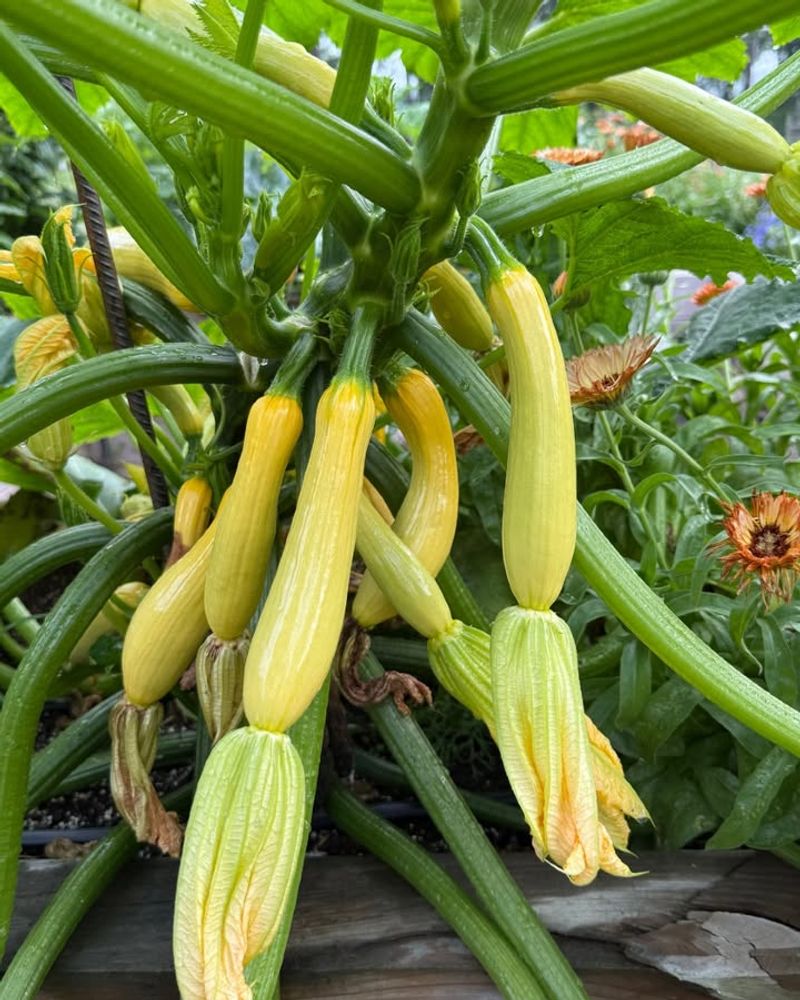
Yellow summer squash is a staple in Georgia gardens for a reason. It is productive, versatile in the kitchen, and grows well in the heat that defines Georgia summers.
Planting in March gives you a jump on the season so you can start harvesting before the hottest weeks of summer arrive and pests become more of a challenge.
Straightneck and crookneck varieties are the most common choices, and both perform reliably in Georgia soil. Plant seeds or transplants in a spot with full sun and well-drained soil.
Like zucchini, summer squash needs plenty of room to spread, so give each plant at least two to three feet of space. Raised beds work especially well for squash because drainage tends to be better than in flat ground.
Watering at the base of the plant rather than overhead helps reduce fungal issues that can show up in Georgia’s humid summer air. Squash beetles and vine borers are the two pests to watch for most closely.
Hand-picking beetles in the morning and checking stems for borer damage regularly keeps infestations manageable. Harvest squash young and often.
Smaller fruits taste better and keeping plants picked clean encourages them to keep setting new fruit through July and into August.
7. Sweet Corn Rewards Early Planting With Full Ears
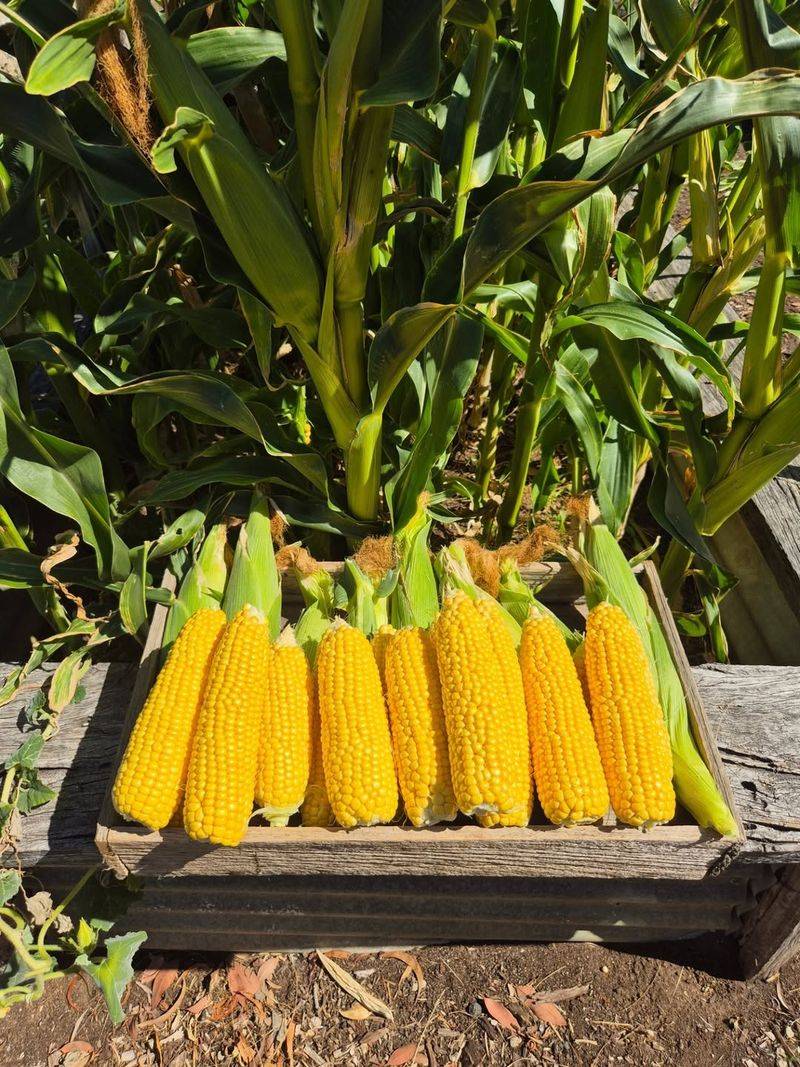
Sweet corn needs space, warm soil, and patience, but a March planting in Georgia lines all three of those things up perfectly. Corn planted now should be tasseling by June and ready for harvest in mid to late July, right when the ears are at peak sweetness.
Waiting until May to plant often means your corn ripens during the most brutal heat of Georgia summer, which affects quality.
Corn is wind-pollinated, so it needs to be planted in blocks rather than single rows. A block of at least four rows, each four feet apart, gives you much better pollination and fuller ears.
Shorter rows planted in a square or rectangle shape work better than one long row. Sugar-enhanced and supersweet varieties like Silver Queen and Honey Select are popular across Georgia.
Fertilize corn heavily because it pulls a lot of nutrients from the soil. Side-dress with nitrogen fertilizer when stalks reach knee height, then again when tassels appear.
Corn earworms are almost guaranteed in Georgia gardens, so applying a few drops of mineral oil to the silk right after it appears can help limit damage. Check ears by pulling back a small section of husk.
Kernels should be plump and release milky juice when pressed.
8. Watermelon Thrives As Long Summer Days Begin
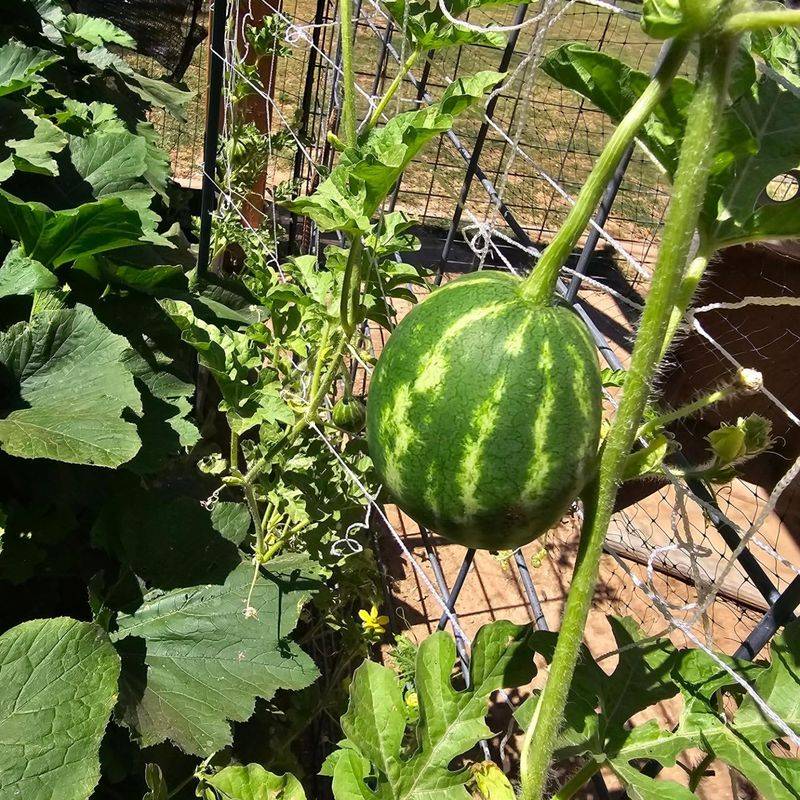
In warmer parts of Georgia, soil begins warming by late March, allowing gardeners to direct seed watermelon once temperatures stay consistently warm.
Most watermelon varieties need 70 to 90 days from transplant to harvest, so an early March start puts you right on track for ripe melons by late June or July.
Short-season gardeners who wait until May often end up disappointed.
Crimson Sweet, Jubilee, and Sugar Baby are all solid performers in Georgia heat. Sugar Baby is a great pick for smaller gardens since the fruits stay compact.
Give vines at least six feet of space in every direction because watermelon spreads aggressively.
Sandy loam soil drains well and warms up quickly, which is ideal for watermelon root development. If your soil is heavy clay, amend it with compost before planting.
Water deeply but infrequently once vines are established, especially as fruits begin to size up. Too much water late in the season can dilute sweetness.
Knowing when a watermelon is ripe takes a little practice. Look for a creamy yellow ground spot, a dried tendril nearest the fruit, and a hollow thump when you knock on the rind.
9. Cantaloupe Produces Sweet Melons In Warm Weather
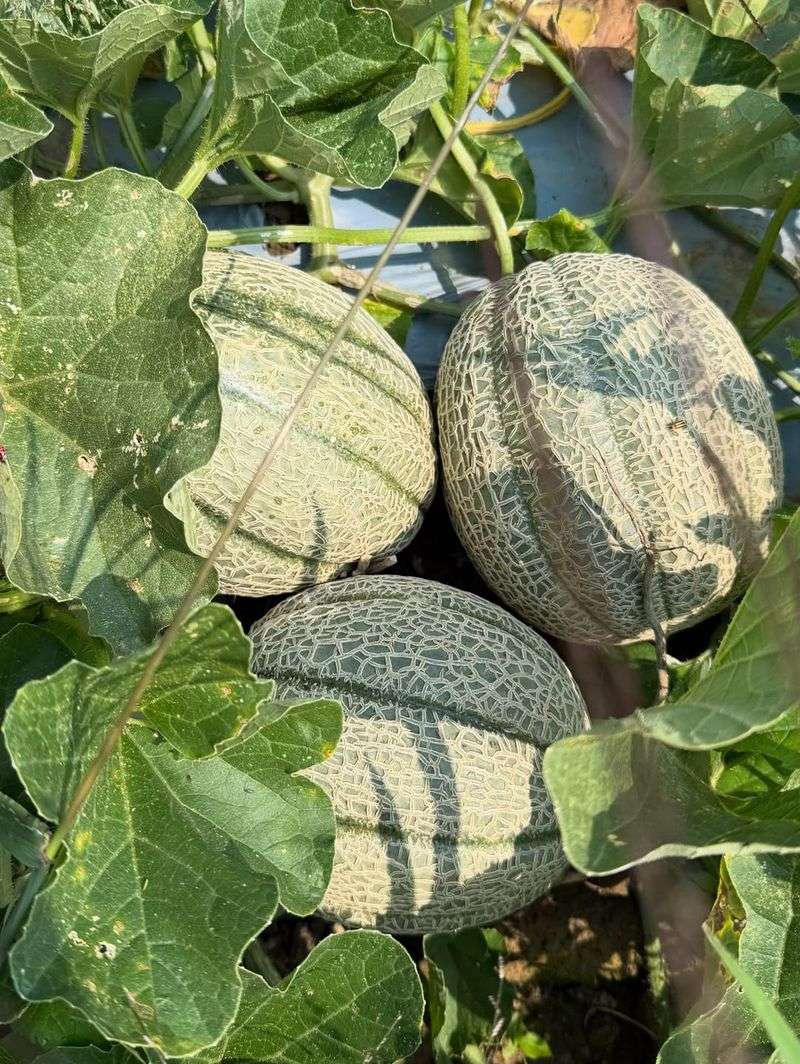
Cantaloupe prefers steady warmth outdoors, but March is a good time to begin seeds indoors before transplanting later in spring.
Starting plants in March gives the vines a full season to develop before temperatures peak, and the result is usually sweeter, more aromatic fruit than you would get from a late planting.
Hale’s Best Jumbo and Ambrosia are two varieties that have done well in Georgia gardens for years and hold up well in humid conditions.
Plant seeds or transplants in full sun with good air circulation around the plants. Cantaloupe vines need room to roam, so plan for at least four to six feet per plant.
Raised rows or mounded hills help with drainage, which is critical because sitting water around the roots leads to rot and disease problems during wet Georgia summers.
Fertilizing at planting and again when vines start running helps support fruit development. Reduce watering once melons start to ripen because dry conditions in the final weeks concentrate the sugars and improve flavor dramatically.
A ripe cantaloupe almost slips off the vine with gentle pressure at the stem, and the skin turns from green to tan with a strong sweet fragrance. Harvesting at the right moment is everything with cantaloupe.
A day or two too late and the texture turns soft and the flavor fades quickly.