Vegetables To Plant In March In Ohio (By Region)
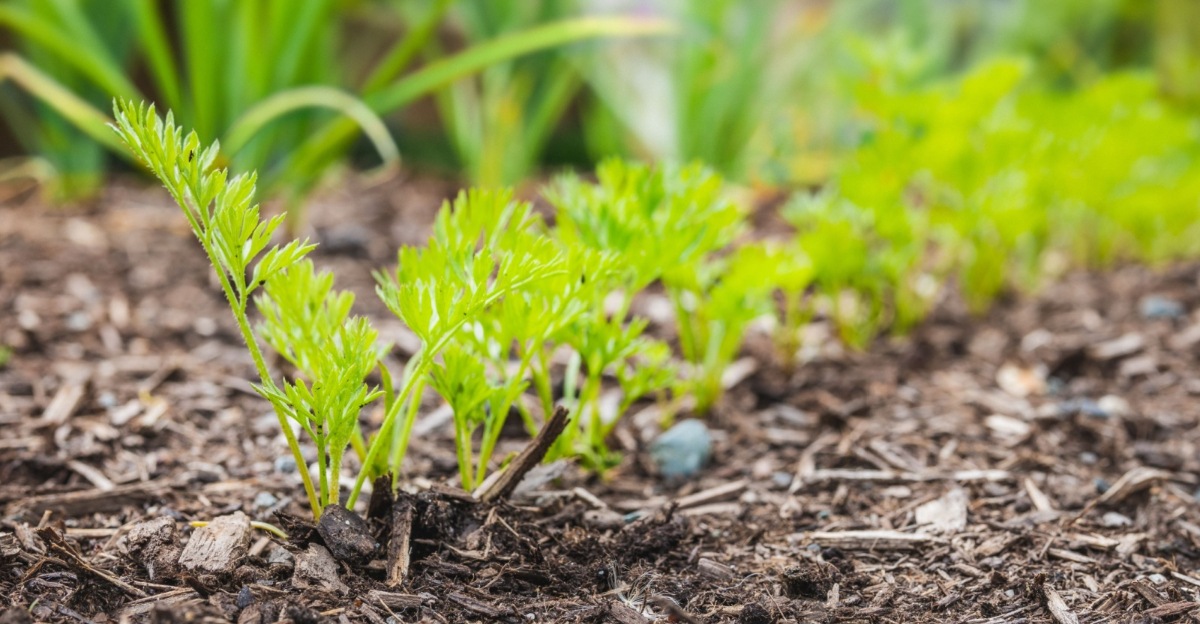
March in Ohio feels unpredictable. One week brings sunshine and soft soil, the next delivers frost that bites overnight.
Still, seasoned gardeners know this is not a month to sit back and wait. It is a window of opportunity.
The right vegetables can handle chilly mornings, cool soil, and the occasional cold snap without missing a beat. Timing matters here more than almost anywhere else.
Northern Ohio lags behind with lingering frost, central regions warm up at a steady pace, and southern counties often jump ahead by weeks. Plant too early in the wrong area and tender crops stall.
Plant smart, and you gain a head start that pays off in stronger harvests and earlier yields. March is not about guessing.
It is about understanding your region and choosing vegetables built for Ohio’s early season conditions. Get it right, and your garden launches ahead of schedule.
1. Peas In Northwest To Central Ohio (Zones 5b–6a)
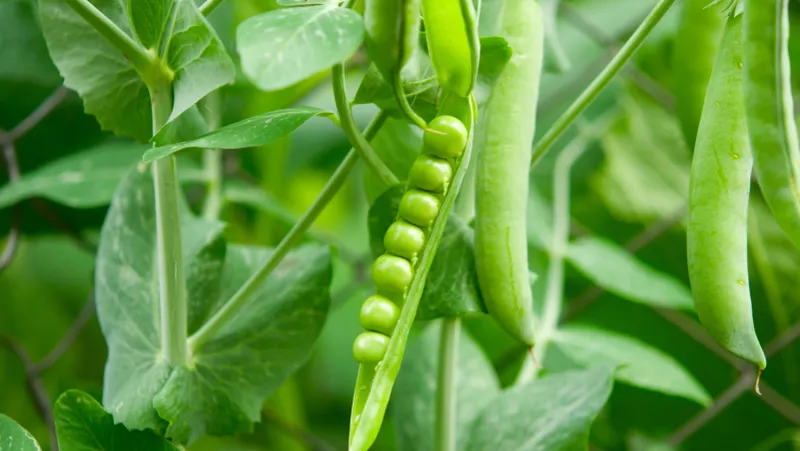
Few vegetables signal the arrival of spring quite like peas. In northwest and central Ohio, which fall within USDA Zones 5b and 6a, March is the prime window to direct sow peas outdoors.
These zones typically see last frost dates ranging from late April to early May, but peas are tough enough to handle light freezes once sprouted.
Start by loosening your garden bed to about 6 inches deep and mixing in compost to improve drainage. Sow seeds about 1 inch deep and 2 inches apart in rows spaced 18 inches apart.
If the ground is still partially frozen in early March, aim for the second or third week of the month when daytime temperatures consistently stay above 40 degrees Fahrenheit.
Soaking pea seeds overnight before planting can speed up germination significantly. Adding a trellis or simple fence right at planting time saves you from disturbing roots later.
Gardeners in central Ohio near Columbus tend to have slightly milder March temperatures than those in Toledo, giving them a small head start. Expect germination within 7 to 14 days under good conditions.
2. Lettuce Across All Ohio Regions (Zones 5b–7a)
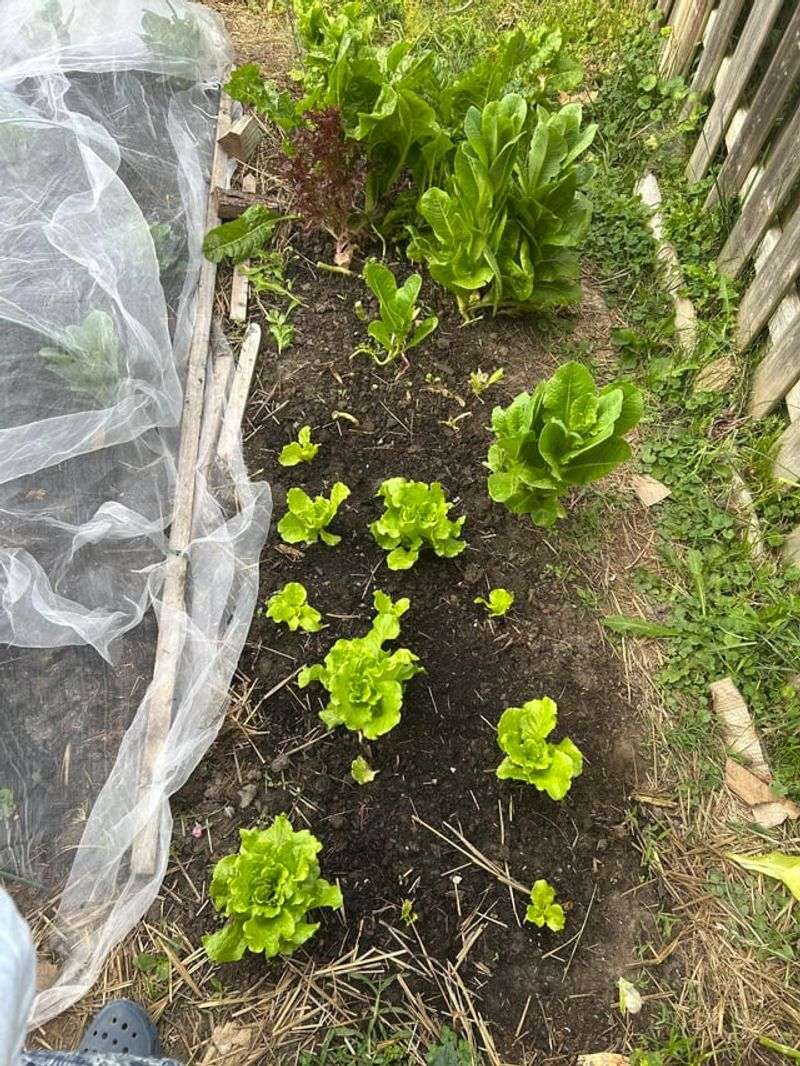
Lettuce is one of the most forgiving and rewarding cool-season crops you can grow in March across Ohio. From Zone 5b in the northwest to Zone 7a in the southern counties, lettuce thrives in the cool, moist conditions that early spring provides.
Most Ohio gardeners can start sowing lettuce seeds directly outdoors by mid-March, though southern Ohio gardeners in Zone 7a can often begin in the first week.
Broadcast seeds lightly over prepared soil and press them gently into the surface. Lettuce seeds need light to germinate, so avoid burying them deeper than one-quarter inch.
Keep the soil consistently moist and expect sprouts within 7 to 10 days. A cold frame or row cover can extend your planting window by two to three weeks if late cold snaps are in the forecast.
Loose-leaf varieties like Black Seeded Simpson or Red Sails are excellent choices for Ohio beginners because they mature quickly and tolerate mild frosts well. Butterhead and romaine types are great for gardeners in zones 6b and 7a who have a slightly longer cool season to work with.
Succession planting every two weeks keeps a steady supply of fresh greens coming through late spring.
3. Spinach In Northwest To Southeast Ohio (Zones 5b–6b)
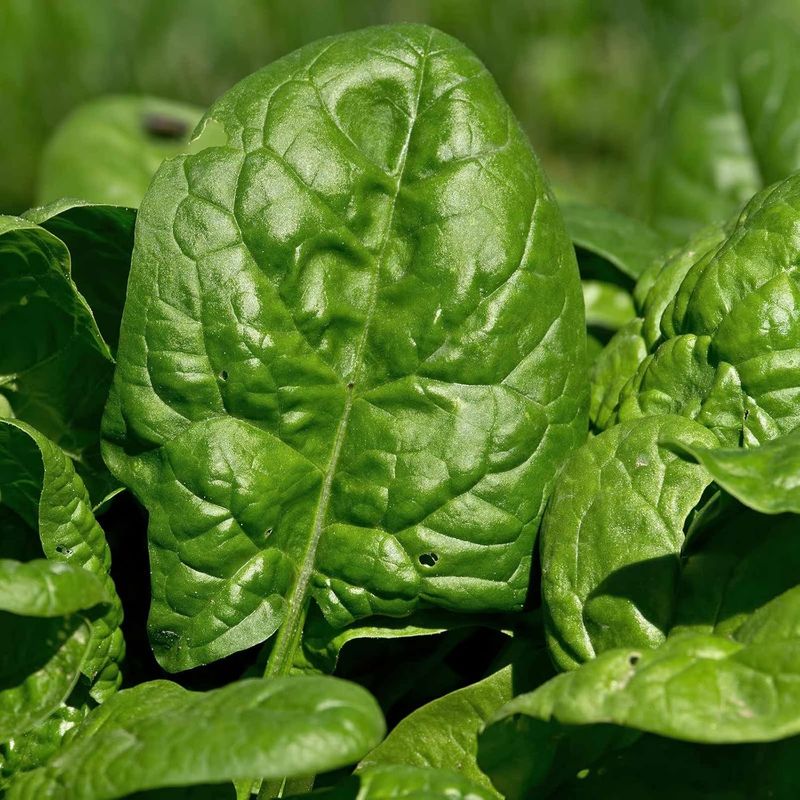
Spinach is practically built for Ohio’s unpredictable early spring weather. It can handle soil temperatures as low as 35 degrees Fahrenheit and tolerates hard frosts better than most vegetables.
Across northwest to southeast Ohio, covering Zones 5b through 6b, March is an ideal time to get spinach seeds into the ground and watch them take off.
Sow seeds about half an inch deep and space them 2 to 3 inches apart in rows roughly 12 inches apart. In northwest Ohio around Toledo and Findlay, aim for the middle to end of March when soil is workable.
Southeast Ohio gardeners in Zone 6b, near areas like Athens or Chillicothe, can often start a week or two earlier since their soil warms up faster.
Savoy-type spinach varieties like Bloomsdale Long Standing are popular in Ohio because their crinkled leaves hold up well to cool, wet conditions. Smooth-leaf varieties like Space spinach are easier to clean and mature a bit faster.
Thinning seedlings to about 6 inches apart once they reach 2 inches tall helps each plant develop fully. A light layer of straw mulch can protect young seedlings from unexpected temperature swings in early March.
4. Radishes Across All Ohio Regions (Zones 5b–7a)
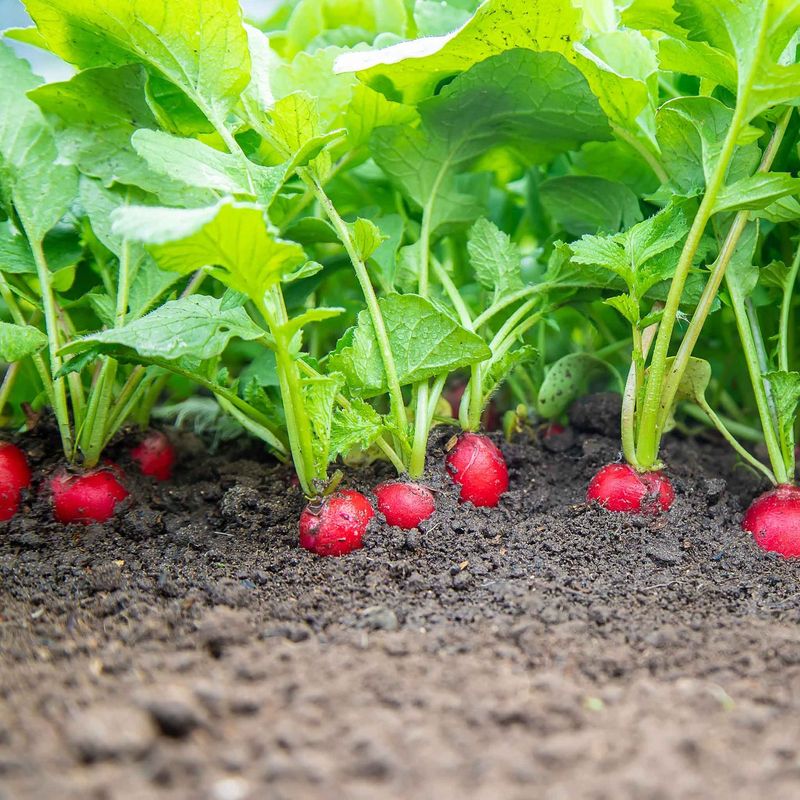
If there is one vegetable that rewards impatient gardeners almost instantly, it is the radish. Across all Ohio regions from Zone 5b to Zone 7a, radishes can be direct sown in March as soon as the soil is workable and temperatures stay above 40 degrees Fahrenheit.
They mature in as little as 22 to 30 days, making them one of the fastest crops you can grow.
Sow seeds about half an inch deep and space them 1 inch apart in rows 6 inches apart. Thin seedlings to about 2 to 3 inches apart once they sprout to give roots room to develop properly.
In southern Ohio zones like 6b and 7a, gardeners can start sowing in early March, while those in Zone 5b in the northwest should wait until the ground is fully thawed, usually mid to late March.
Succession planting is a smart strategy with radishes. Sow a small row every 10 to 14 days through April for a continuous harvest rather than one large batch ripening all at once.
Cherry Belle and Easter Egg varieties are fun, colorful options that grow well throughout Ohio. Radishes also work great as row markers planted alongside slower-germinating crops like carrots, helping you track where other seeds are coming up.
5. Carrots In Northwest To Southeast Ohio (Zones 5b–6b)
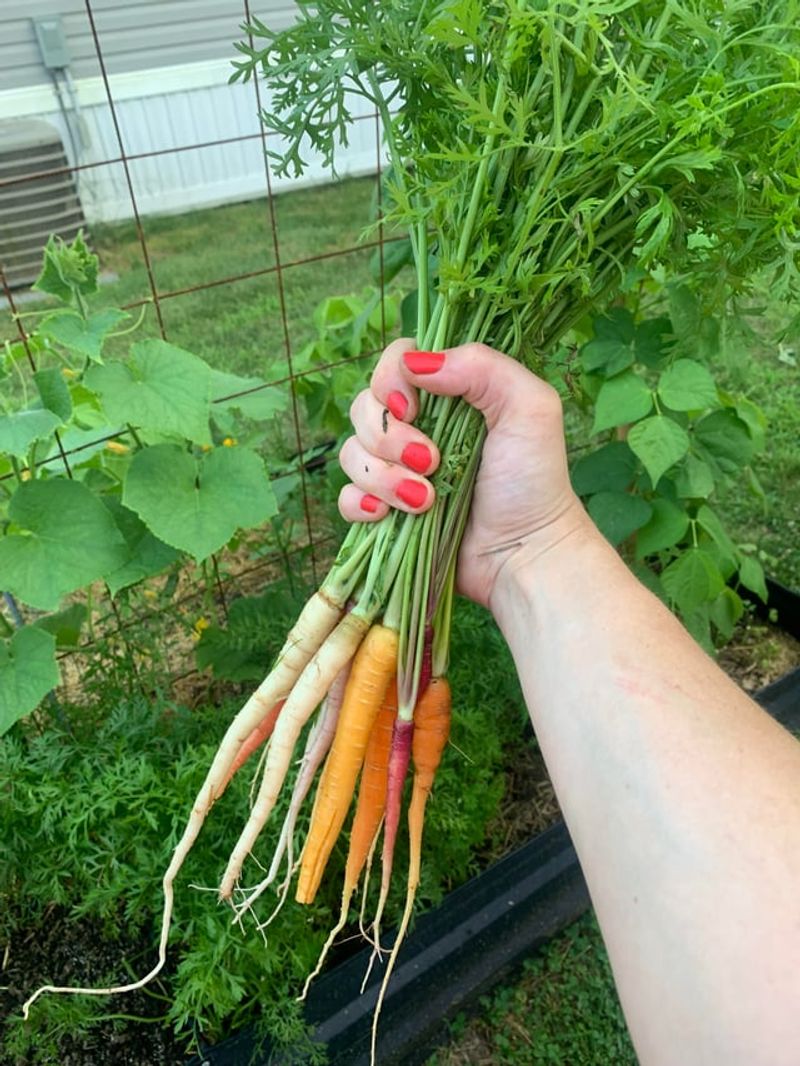
Carrots take a little more patience than most spring vegetables, but the payoff is absolutely worth it. In northwest to southeast Ohio, spanning Zones 5b through 6b, March planting sets carrots up for a healthy summer harvest.
The key to success starts with soil preparation because carrots need loose, rock-free soil at least 12 inches deep to develop straight, full roots.
Sow carrot seeds directly into the garden about one-quarter inch deep and 2 inches apart. Germination can be slow, taking anywhere from 10 to 21 days depending on soil temperature.
Keeping the seedbed consistently moist during germination is critical since carrot seeds are tiny and dry out quickly. In northwest Ohio, wait until mid to late March when soil temperatures reach at least 45 degrees Fahrenheit for reliable sprouting.
Southeast Ohio gardeners in Zone 6b can often get seeds in the ground by early to mid-March with good results. Shorter varieties like Danvers 126 or Chantenay Red Core work especially well in Ohio clay-heavy soils because they do not need as much depth to develop properly.
Raised beds filled with loose, amended soil are a great option for gardeners dealing with compacted or rocky ground. Thin seedlings to 3 to 4 inches apart once they reach about 2 inches tall.
6. Kale Across All Ohio Regions (Zones 5b–7a)
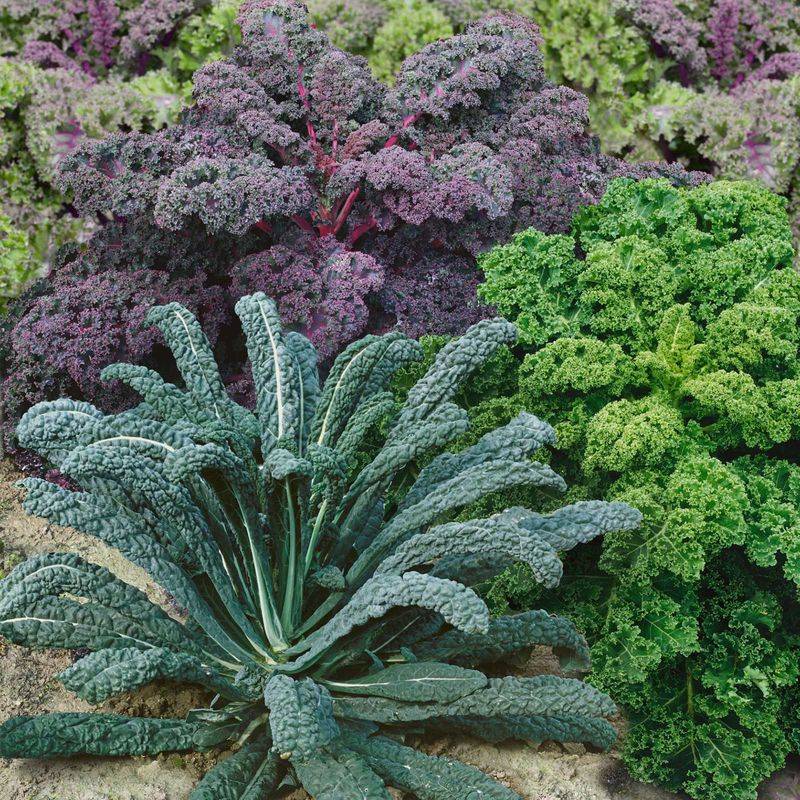
Kale has earned its reputation as one of the toughest vegetables in the cool-season garden. Across all of Ohio’s USDA zones, from 5b in the northwest to 7a in the south, kale can be direct sown or transplanted outdoors in March with excellent results.
Established plants can survive temperatures down to 10 degrees Fahrenheit, making them nearly frost-proof at the seedling stage once they have a week or two of growth behind them.
For direct sowing, plant seeds about half an inch deep and 3 inches apart, then thin to 12 to 18 inches once plants reach 4 inches tall. In Zone 5b areas like northwest Ohio, starting seeds indoors in late February and transplanting in mid-March gives plants a helpful head start.
Southern Ohio gardeners in zones 6b and 7a can direct sow as early as the first week of March.
Curly varieties like Winterbor and Vates are popular across Ohio because they stand up well to late-season cold and produce heavily over a long harvest window. Lacinato kale, also called Dinosaur kale, is another fantastic option with a slightly sweeter, more tender leaf.
One underrated trick is leaving kale in the ground after a frost because cold temperatures actually convert some of the plant’s starches into sugars, making the leaves taste noticeably sweeter.
7. Onions In Northeast To Southwest Ohio (Zones 6a–7a)
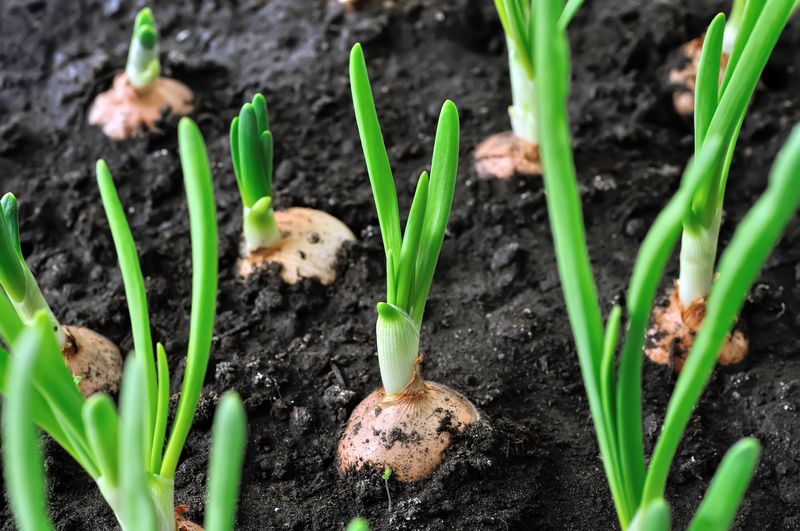
Onions are one of those crops that reward gardeners who plan ahead. In northeast to southwest Ohio, covering Zones 6a through 7a, March is the right time to get onion sets or transplants into the ground.
These zones include cities like Cleveland, Columbus, Dayton, and Cincinnati, all of which see enough mild early spring days to support onion establishment before the summer heat arrives.
Onion sets, which are small dried bulbs sold at garden centers, are the easiest option for most Ohio gardeners. Plant them about 1 inch deep with the pointed end facing up, spaced 4 to 6 inches apart in rows 12 inches apart.
For larger onions, give them more space. Starting from seed indoors in January and transplanting in March works well for gardeners who want specific varieties not available as sets.
In Zone 7a areas of southwest Ohio, onions can go in the ground in early March. Northeast Ohio gardeners in Zone 6a should aim for mid to late March once the soil has thawed and dried out enough to work without compacting.
Yellow Sweet Spanish and Walla Walla are popular long-day varieties that perform well across Ohio. Keep the planting area weed-free because onions have shallow roots and do not compete well against weeds during early growth.
8. Broccoli In Northwest To Southeast Ohio (Zones 5b–6b)
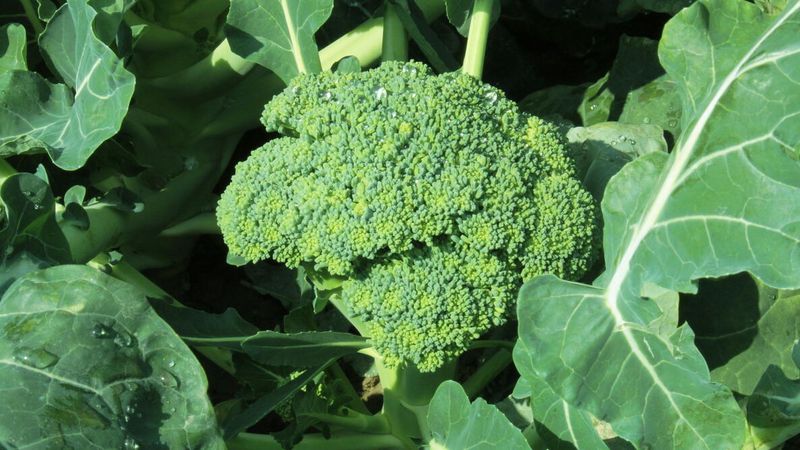
Broccoli loves the cool, crisp temperatures that March brings to northwest and southeast Ohio. Across Zones 5b through 6b, gardeners who start broccoli indoors in late January or early February can transplant healthy seedlings outdoors in March for a productive early summer harvest.
Broccoli is a heavy feeder, so prepare your bed with plenty of compost before planting.
Transplants should be set in the garden when they are 4 to 6 weeks old and about 4 to 6 inches tall. Space plants 18 to 24 inches apart in rows 24 to 36 inches apart to allow good air circulation.
In northwest Ohio, Zone 5b, keep row covers or frost blankets on hand through March since temperatures can still drop sharply at night. Southeast Ohio gardeners in Zone 6b typically deal with milder late-winter temperatures and may be able to skip the extra frost protection.
Varieties like Green Magic, Belstar, and Calabrese are well-suited to Ohio’s spring conditions because they mature quickly and tolerate light frosts without damage. Side-dress plants with a nitrogen-rich fertilizer about three weeks after transplanting to encourage strong, dense head development.
After the main central head is harvested, most broccoli plants will produce smaller side shoots for several weeks, extending your harvest well into late spring or early summer.