8 Vegetables To Sow From Seed Outdoors In April In Arizona
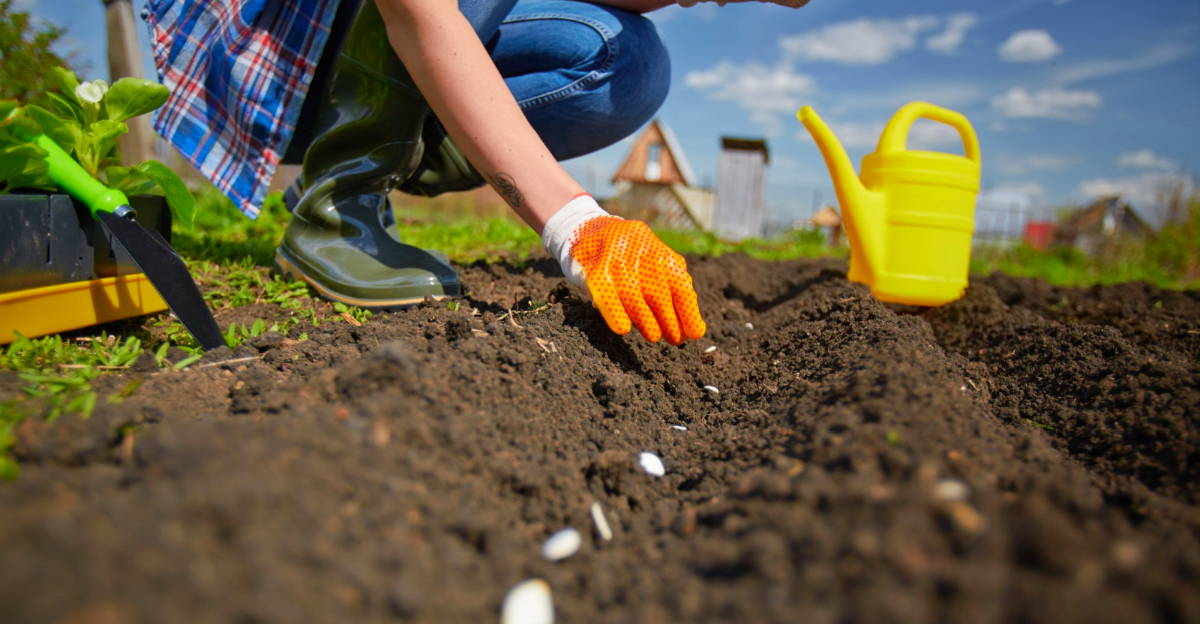
April marks the start of a vibrant gardening season in Arizona. With warming soils and longer days, spring creates ideal conditions for vegetables to take root and thrive.
The low rainfall and fast-draining desert soils make it easier to manage moisture, helping seeds establish strong roots without the risk of waterlogging.
Planting in April gives your vegetables a head start before the scorching summer heat arrives, allowing them to develop resilience and vigor.
By sowing now, gardeners can enjoy a bountiful harvest and healthy plants that withstand Arizona’s intense sun, creating a productive and rewarding garden throughout the hot season.
1. Tomatoes Thrive In Warm Arizona Soil And Full Sun
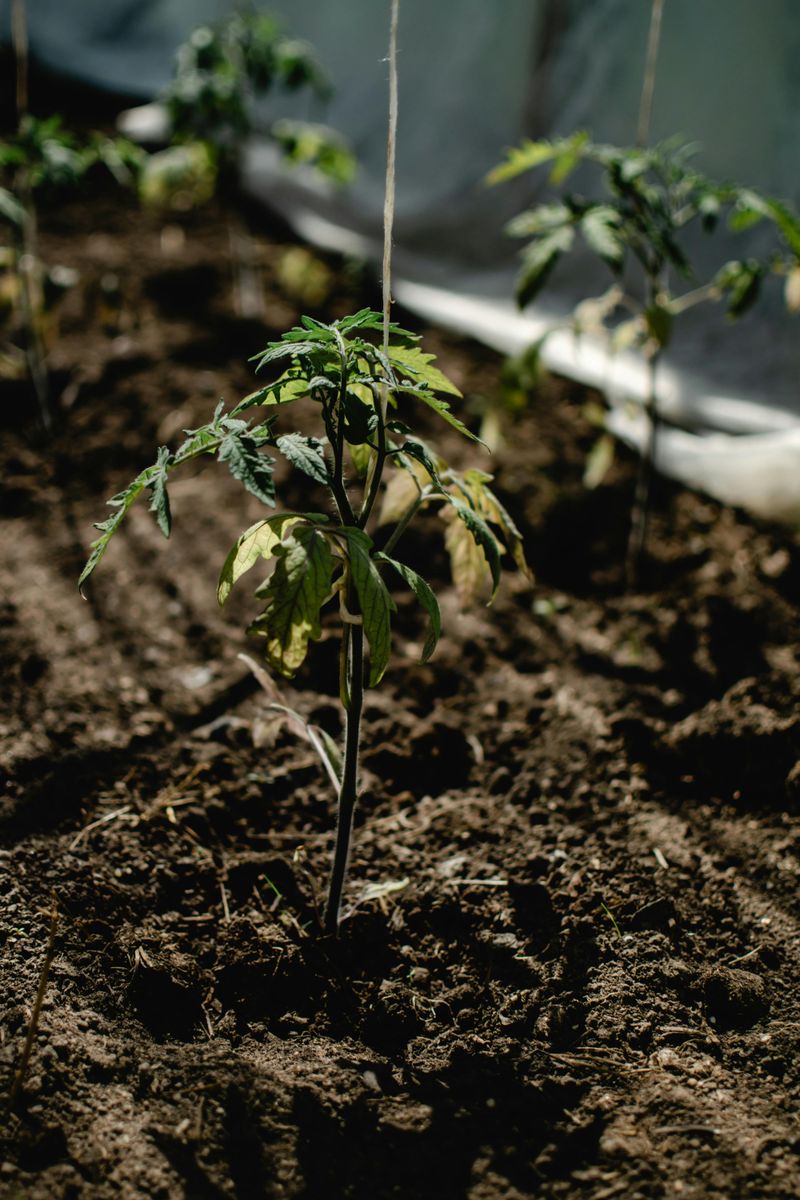
Warm soil temperatures in Arizona’s low desert make April one of the most productive windows for getting tomato seeds into the ground.
In the Phoenix area, soil temperatures often reach 65 to 70 degrees Fahrenheit by early April, which is close to the sweet spot for tomato seed germination.
Gardeners in higher elevations like Prescott may want to wait until mid to late April before sowing outdoors.
Choose heat-tolerant varieties such as Heatmaster, Solar Fire, or Celebrity, which are well-suited to Arizona’s intense summer conditions. Sow seeds about a quarter inch deep in loose, well-amended soil with good drainage.
Full sun is essential, so pick a spot that gets at least eight hours of direct light daily.
Water consistently but avoid soaking the soil. A drip irrigation system works especially well in Arizona’s dry climate, delivering steady moisture directly to the root zone without wetting foliage.
Mulching around seedlings helps retain soil moisture and keeps roots cooler as temperatures climb.
Tomatoes sown in April in the low desert can begin producing fruit by late June or early July. Watch for aphids and whiteflies, which are common pests in Arizona vegetable gardens.
Pinching off suckers and providing a sturdy cage or stake will help your plants grow upright and produce a generous harvest throughout the early summer months.
2. Peppers Bring Heat-Tolerant Flavor To Desert Gardens
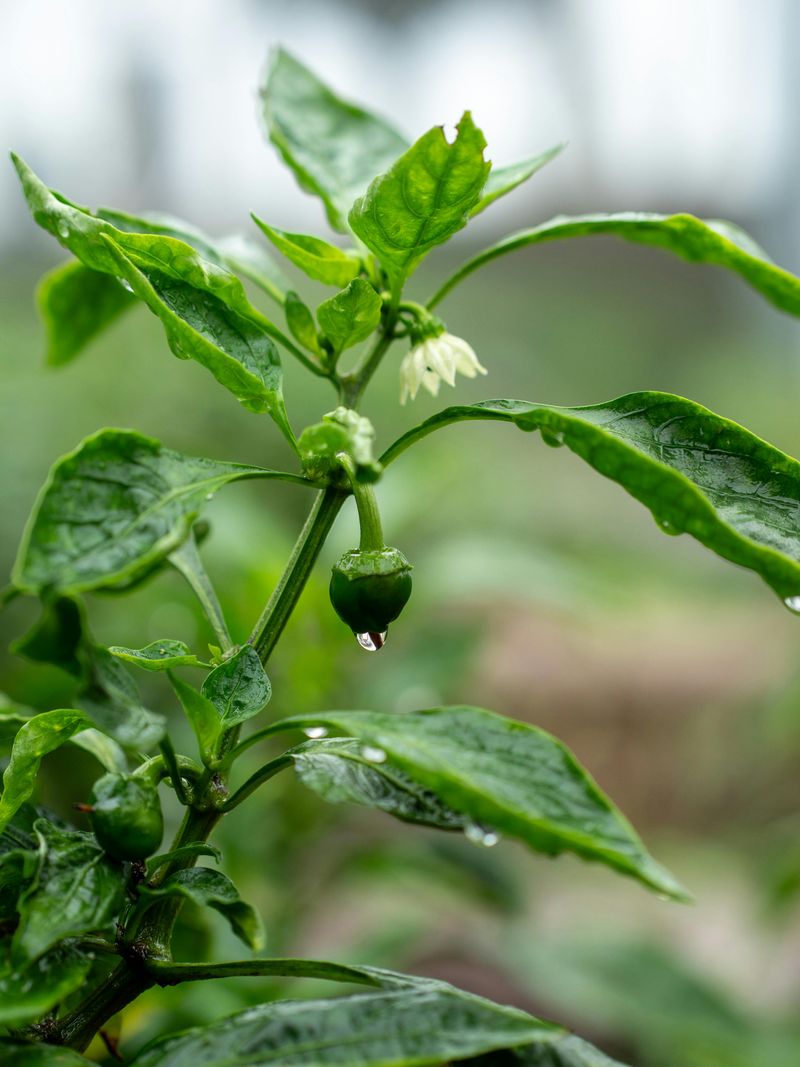
Few vegetables feel as at home in Arizona as peppers do. These sun-loving plants genuinely thrive in the kind of long, hot days that the low desert delivers from spring through summer.
April is the right time to sow pepper seeds outdoors in the Phoenix metro area, where soil temperatures are consistently warm enough to encourage strong germination within ten to fourteen days.
Both sweet varieties like California Wonder and hot types like Anaheim, Jalapeno, and Serrano perform well in Arizona gardens. Plant seeds about a quarter inch deep and space plants roughly eighteen inches apart once they are thinned.
Peppers prefer well-draining, slightly sandy soil enriched with a bit of compost to support healthy root development.
Watering deeply but infrequently encourages peppers to develop a deep root system, which helps them handle Arizona’s dry spells more effectively. Drip irrigation is a practical choice here, reducing water waste and lowering the risk of foliar diseases.
Adding a layer of straw mulch around the base of plants can slow moisture evaporation considerably.
Expect flowering to begin around six to eight weeks after germination, with harvestable peppers following shortly after.
Spider mites can become a nuisance during hot, dry stretches, so inspect the undersides of leaves regularly.
Gardeners in Flagstaff or higher elevations should plan to start seeds indoors in April and transplant later.
3. Cucumbers Grow Fast In Well-Drained Sunny Beds
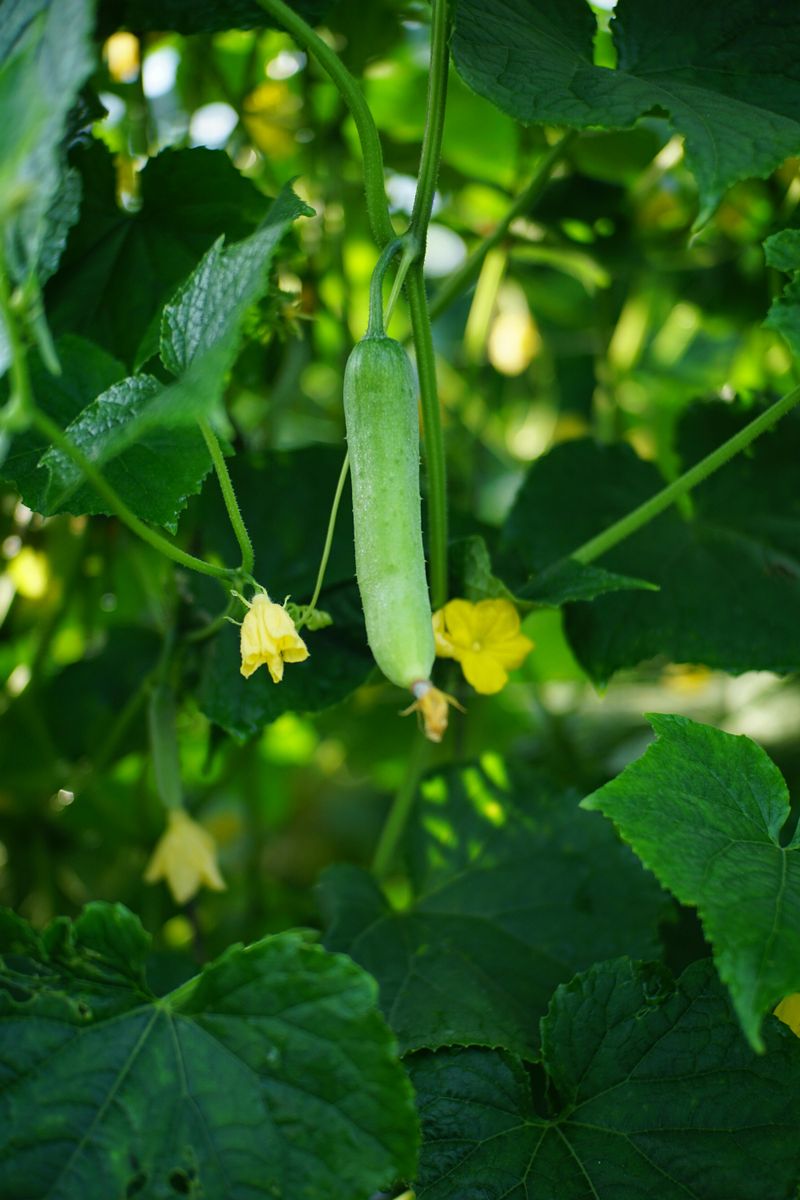
Cucumbers are one of the fastest-maturing vegetables you can sow in an Arizona spring garden, and April gives them exactly the warm soil and long days they need to take off.
Seeds germinate quickly when soil temperatures are between 70 and 90 degrees Fahrenheit, conditions that are easy to find in the Phoenix area by mid-April.
From seed to harvest, many cucumber varieties take just fifty to sixty days.
Slicing varieties like Straight Eight and Marketmore do well in Arizona, as do compact bush types that fit smaller garden spaces. Sow seeds about half an inch deep and thin seedlings to about twelve inches apart in rows.
Cucumbers are vining plants, so a simple trellis or fence gives them something to climb and keeps fruit off the soil, reducing the chance of rot.
Consistent watering is especially important for cucumbers, since irregular moisture can lead to bitter-tasting fruit.
In Arizona’s dry climate, checking soil moisture every one to two days during warm stretches is a smart habit.
Drip irrigation or soaker hoses work well for maintaining that steady moisture without splashing water onto the leaves.
Powdery mildew and cucumber beetles are the two most common challenges in Arizona gardens. Providing good air circulation around plants and checking for beetles in the early morning can help you stay ahead of these issues.
Harvesting cucumbers regularly encourages the plant to keep producing throughout the summer season.
4. Squash Produces Abundant Fruit In Hot Spring Conditions
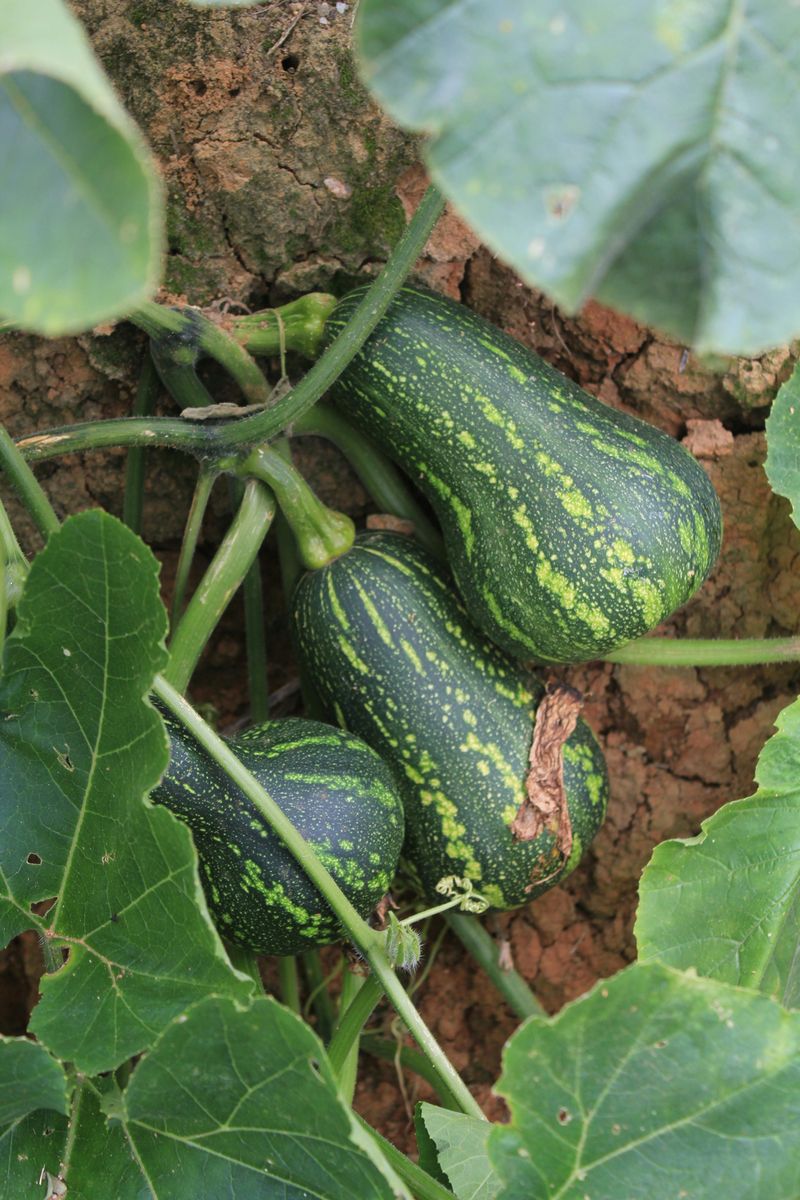
Squash has a reputation for being one of the most productive vegetables in any garden, and Arizona’s warm spring soil only amplifies that productivity.
Gardeners across the Phoenix valley often joke that they end up with more zucchini than they know what to do with after an April sowing, which speaks to just how well squash performs in the desert climate.
Both summer squash varieties like zucchini and yellow crookneck, and winter types like butternut and acorn, can be started from seed in April.
Sow seeds about one inch deep in hills or rows, spacing plants about two to three feet apart to give leaves plenty of room to spread.
Squash thrives in full sun and appreciates soil amended with compost before planting.
Arizona’s warm nights in late spring help squash germinate rapidly, often within five to seven days. Water deeply two to three times per week, adjusting based on rainfall and temperature.
A thick layer of mulch around the base of each plant can cut down on water loss significantly, which matters a lot in the dry Arizona spring.
Watch for squash vine borers and squash bugs, both of which can cause real problems in Arizona gardens. Inspecting the base of stems regularly and removing egg clusters by hand is one of the most effective organic management strategies.
Harvest summer squash when fruits are small and tender for the best flavor and to keep the plant producing through the early summer months.
5. Melons Sweeten Arizona Gardens With Sun-Loving Growth
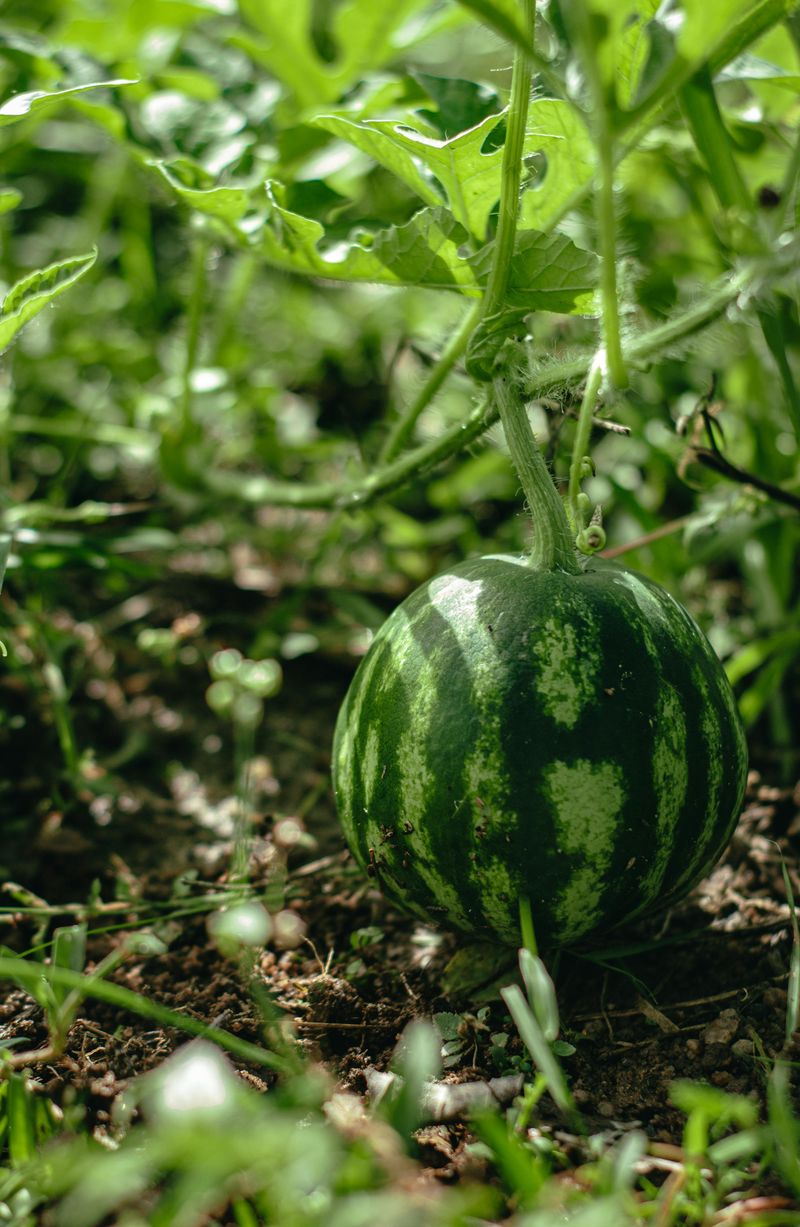
There is something genuinely satisfying about growing melons in Arizona, where the blazing sun and long warm season actually work in your favor.
Melons need heat, they need sun, and they need time, all of which Arizona’s spring and summer generously provide.
April is the right month to sow melon seeds directly outdoors in the low desert, giving vines enough runway to mature before fall temperatures arrive.
Cantaloupe, honeydew, and watermelon are all solid choices for Arizona gardens. Varieties bred for desert climates, such as Ambrosia cantaloupe or Sugar Baby watermelon, tend to do especially well.
Sow seeds about one inch deep in groups of two or three, spacing hills about four to six feet apart to accommodate the sprawling vines that melons are known for producing.
Melons need deep, infrequent watering to encourage roots to reach down into the soil. Watering at the base of the plant rather than overhead helps reduce the risk of fungal issues, which can flare up when foliage stays wet.
In Arizona’s low humidity, this is less of a concern than in other states, but it is still a good habit to maintain.
Melons typically take seventy to ninety days from seed to harvest, so an April sowing in Phoenix should yield ripe fruit by late June or July.
Check for ripeness by looking at the color change near the blossom end and listening for a hollow sound when you tap the fruit lightly.
Bees are essential for pollination, so avoid spraying pesticides during flowering hours.
6. Beans Climb Or Spread Quickly In Warm Soil
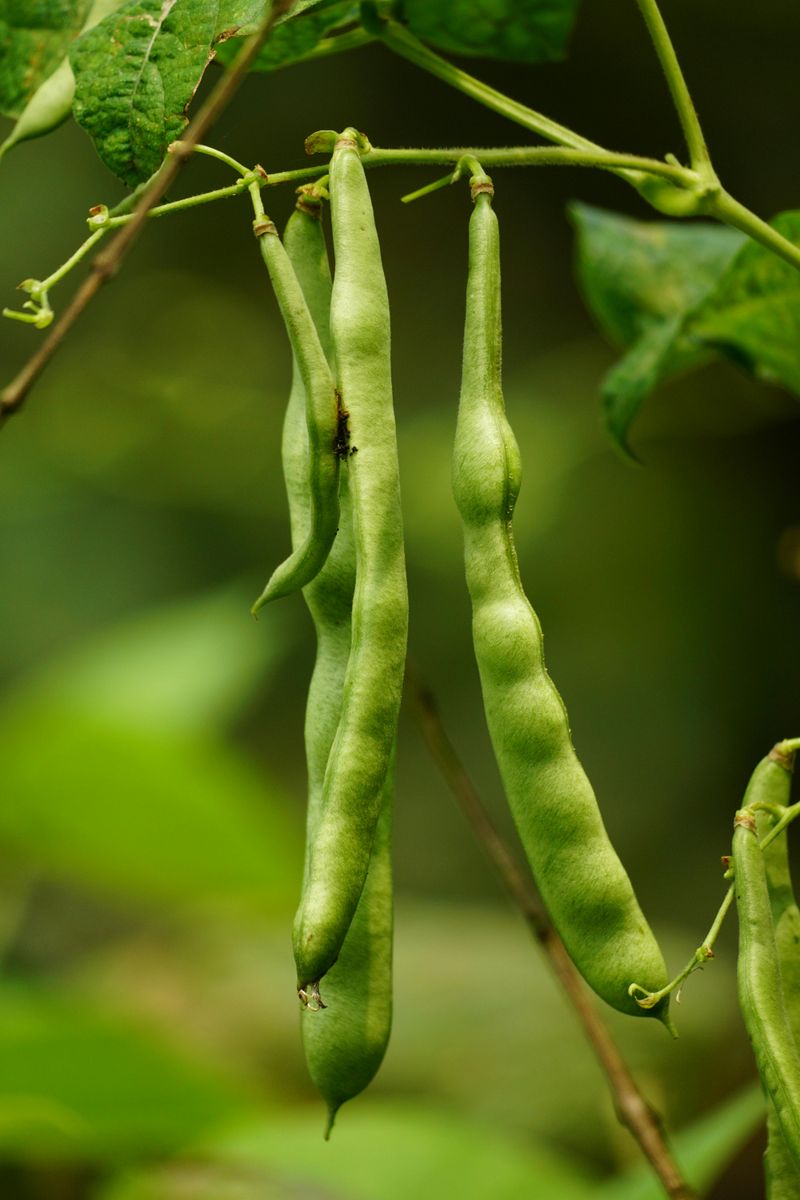
Beans are one of those vegetables that practically jump out of the ground once the soil warms up, and April in Arizona delivers exactly the conditions they are looking for.
Soil temperatures above 60 degrees Fahrenheit are enough to get bean seeds germinating, and in the Phoenix area, April soils often sit well above that threshold.
Germination can happen in as few as five to eight days under ideal conditions.
Both bush beans and pole beans grow well in Arizona spring gardens. Bush varieties like Provider and Blue Lake 274 are compact and do not need staking, making them a practical choice for smaller spaces.
Pole beans like Kentucky Wonder need a trellis or support but reward the extra effort with a longer harvest window and higher yields per plant.
Sow bean seeds about one inch deep and two to three inches apart in rows, then thin or leave them spaced about four to six inches apart once sprouted.
Beans prefer loose, well-draining soil and do not need heavy fertilization since they fix their own nitrogen from the air.
Over-fertilizing with nitrogen can actually push leafy growth at the expense of pod production.
Water beans consistently, aiming to keep the soil evenly moist without letting it become waterlogged. In Arizona’s dry spring air, checking soil moisture every couple of days is a reasonable routine.
Mexican bean beetles and aphids are the most common pests to watch for in Arizona bean gardens, and catching them early makes management much more straightforward.
7. Corn Adds Height And Pollinator-Friendly Blooms To Yards
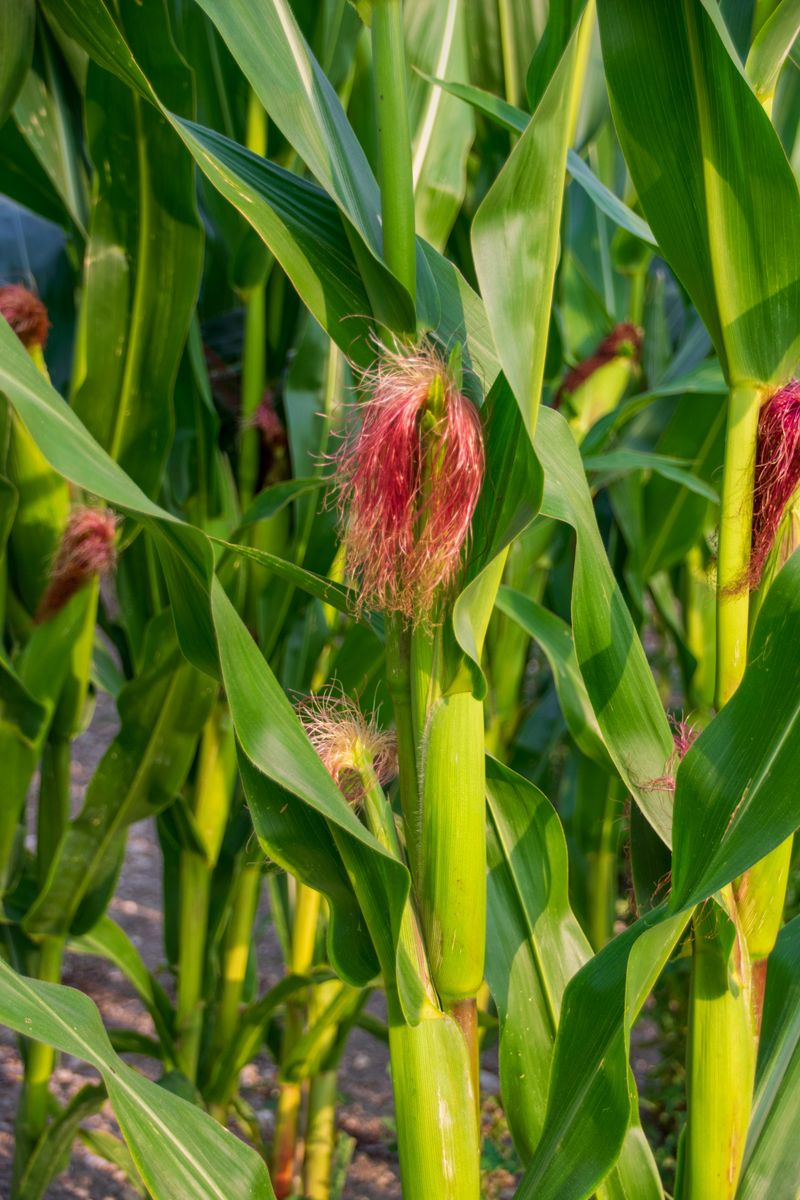
Planting corn in an Arizona garden in April is a bit like watching a slow, satisfying transformation unfold over the course of a few months.
Seeds sown in warm April soil can germinate in just seven to ten days, and those tiny sprouts eventually grow into tall, rustling stalks that attract bees, butterflies, and other beneficial insects to your yard.
It is one of the most rewarding vegetables to grow from seed in the desert.
Corn needs warm soil, full sun, and enough space to allow wind to carry pollen between plants. Because corn is wind-pollinated, it performs best when planted in blocks rather than single rows.
A block of at least four rows with plants spaced about twelve inches apart gives each plant the best chance of getting properly pollinated, which directly affects how full and well-developed each ear becomes.
Sweet corn varieties like Honey Select, Silver Queen, and Peaches and Cream are reliable performers in Arizona low desert gardens.
Sow seeds about one inch deep and water regularly, especially during the pollination stage when silks appear at the top of each developing ear.
Inconsistent watering during this period can result in ears with missing kernels.
In Phoenix and surrounding areas, April-sown corn can be ready to harvest by late June or early July.
Corn earworms are a common pest in Arizona, and placing a drop of mineral oil on the tip of each ear after silks appear can help reduce damage.
Gardeners in cooler zones like Prescott may find April too early for outdoor sowing.
8. Leafy Greens Like Malabar Spinach Handle Arizona Heat
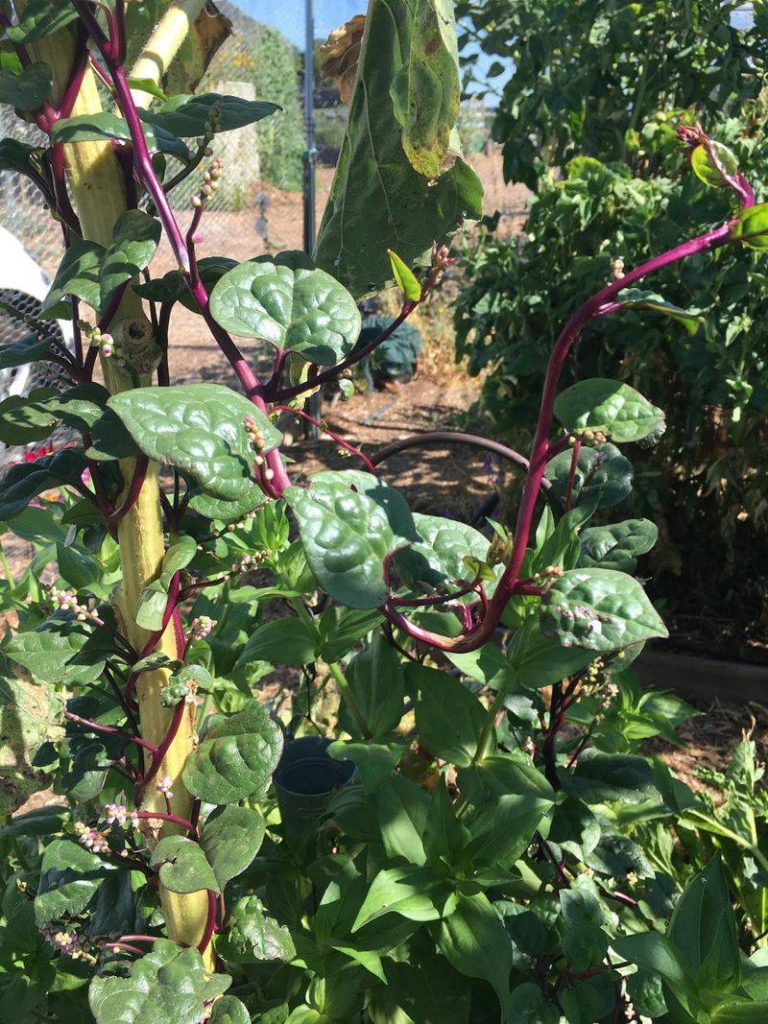
Most traditional spinach varieties struggle once Arizona temperatures start climbing, but Malabar spinach is a completely different story.
This vining, tropical leafy green actually thrives in heat and humidity, making it one of the few greens that holds up well through an Arizona summer when started in April.
It is not a true spinach botanically, but its thick, glossy leaves have a mild, slightly earthy flavor that works well in salads, stir-fries, and soups.
Malabar spinach grows vigorously as a vine and needs something to climb, such as a fence, trellis, or simple stake arrangement.
Sow seeds about half an inch deep in well-draining soil after soaking them in water for twenty-four hours to improve germination rates.
In warm Arizona soil, seeds typically sprout within ten to fourteen days, and the plants grow quickly once established.
Full sun is ideal for Malabar spinach, and it handles the intense Arizona sun surprisingly well compared to other leafy greens.
Water deeply a few times per week and mulch around the base to keep moisture from evaporating too quickly in the desert air.
The plant is relatively low-maintenance once it gets going and tends to be more resistant to common pests than traditional spinach.
Harvesting young leaves regularly encourages continuous new growth throughout the summer.
In Phoenix and the surrounding low desert, a plant started in April can produce harvestable leaves from late May through September or beyond.
Gardeners looking for a heat-tolerant green that actually enjoys Arizona summers will find Malabar spinach to be a genuinely rewarding choice.