6 Vegetables You Can Plant In North Carolina This March And 4 That Are Too Early

March brings a burst of energy to gardens across North Carolina. The soil begins to warm, daylight stretches a little longer, and many gardeners feel the strong urge to start planting right away.
It is the moment when the garden starts calling people back outside after the slower winter months. But this early part of the season can also be tricky.
Across the Coastal Plain, Piedmont, and Mountain regions, temperatures can still swing quickly, and not every vegetable is ready for the garden yet. Planting too soon can set crops back and lead to disappointing results.
Knowing which vegetables are ready for the ground in March and which ones need a little more time can make a huge difference. With the right timing, North Carolina gardeners can enjoy a smoother start and a far more productive spring harvest.
1. Peas
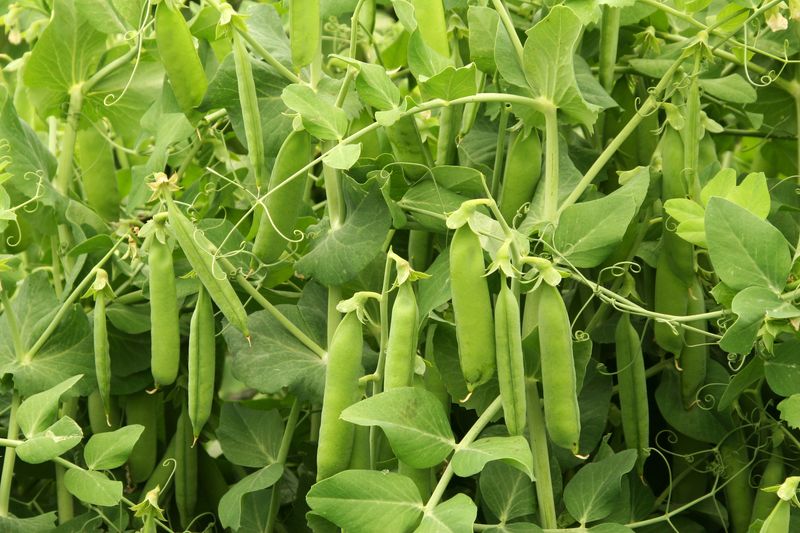
Few vegetables feel as rewarding as a handful of fresh peas picked straight from the vine on a cool spring morning. Peas (Pisum sativum) are one of the earliest vegetables you can plant in North Carolina, and March is truly their time to shine.
They actually prefer cool weather, making them a natural fit for early spring conditions across the state.
In the Coastal Plain region of NC, you can direct-sow peas as early as the first week of March. Gardeners in the Piedmont and Mountain regions should wait until mid-March, once soil temperatures are consistently above 40 degrees Fahrenheit.
Peas can handle a light frost without any trouble, so do not let a chilly night scare you away from planting on schedule.
Sow seeds about one inch deep and two inches apart, and give them something to climb since most varieties love a trellis or fence. Water them consistently but avoid waterlogged soil.
Sugar snap and snow pea varieties both do well across North Carolina gardens. Peas mature quickly, often in 60 to 70 days, so you can expect a solid harvest before summer heat arrives.
Starting early in March also gives you the chance to do a second planting for an extended harvest window.
2. Spinach

Spinach is one of those vegetables that seems almost eager to grow in cold weather, which makes it a perfect match for North Carolina in March. Unlike warm-season crops that sulk in cool temperatures, spinach thrives when the air is crisp and the soil is still chilly.
It grows fast, tastes great, and gives you a nutrient-packed harvest with very little fuss.
You can direct-sow spinach seeds across all NC regions in March, from the Coastal Plain to the Piedmont. Seeds germinate well in soil temperatures between 40 and 70 degrees Fahrenheit, which is exactly what most of North Carolina offers in early spring.
Sow seeds about half an inch deep and three inches apart, then thin seedlings to about six inches once they sprout.
One of the best things about growing spinach in NC is how quickly it matures. Most varieties are ready to harvest in just 40 to 50 days.
Because summer heat causes spinach to bolt and turn bitter, planting in March gives you a solid window to enjoy multiple harvests before temperatures climb. Try Bloomsdale Long Standing or Tyee as reliable varieties for the region.
Harvest outer leaves first to keep the plant producing longer, and water regularly to keep the soil evenly moist throughout the growing period.
3. Lettuce
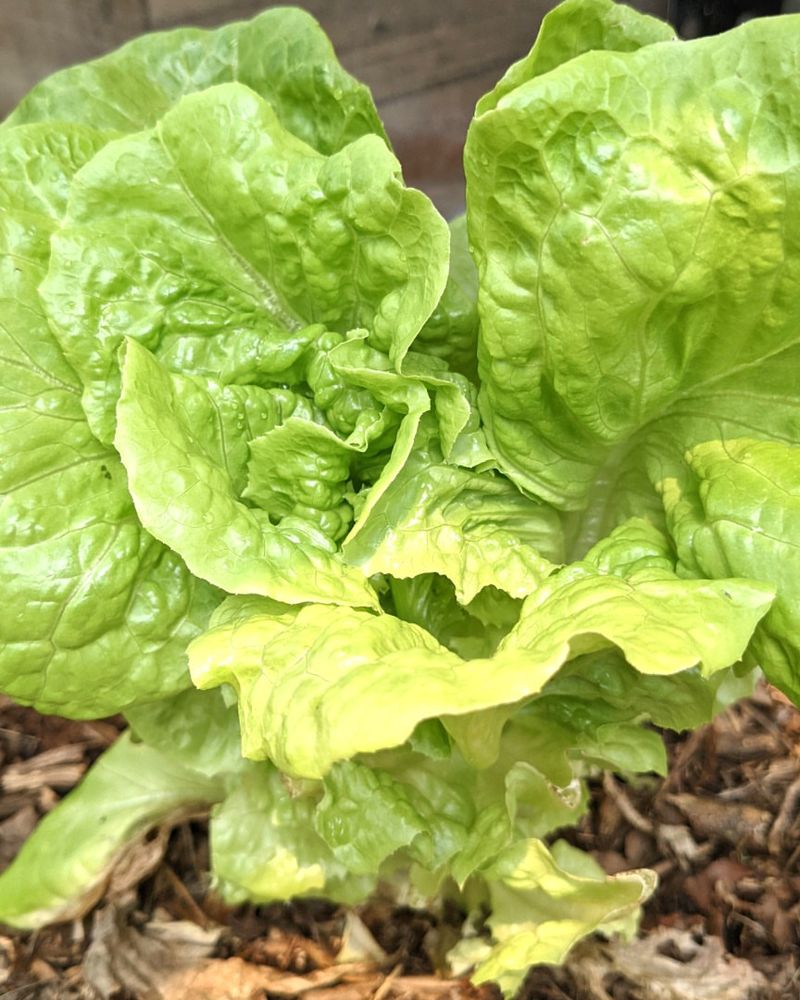
Crisp, fresh lettuce from your own backyard is one of spring gardening’s greatest rewards, and North Carolina’s March weather is practically made for it.
Leaf and butterhead varieties are especially well-suited for early spring planting because they grow quickly in cool conditions and do not need a long season to produce a satisfying harvest.
Getting them in the ground at the right time makes all the difference.
In the Coastal Plain, you can start seeding lettuce outdoors as early as the first week of March. Gardeners in the Piedmont and Mountain regions of NC should aim for mid-March, once overnight temperatures stay mostly above freezing.
Sow seeds just barely below the soil surface since lettuce needs light to germinate well. Space rows about 12 inches apart and thin seedlings once they reach a few inches tall.
Loose-leaf varieties like Black Seeded Simpson and Red Sails are popular choices in North Carolina because they mature fast and handle light frosts without wilting. Butterhead types like Buttercrunch are also excellent performers in cooler spring conditions.
Lettuce prefers partial shade as the season progresses, so planting near taller crops can help extend its life. Most varieties are ready to harvest in 45 to 60 days, giving you a fresh salad bowl well before the summer heat pushes in from the Carolina coast.
4. Kale
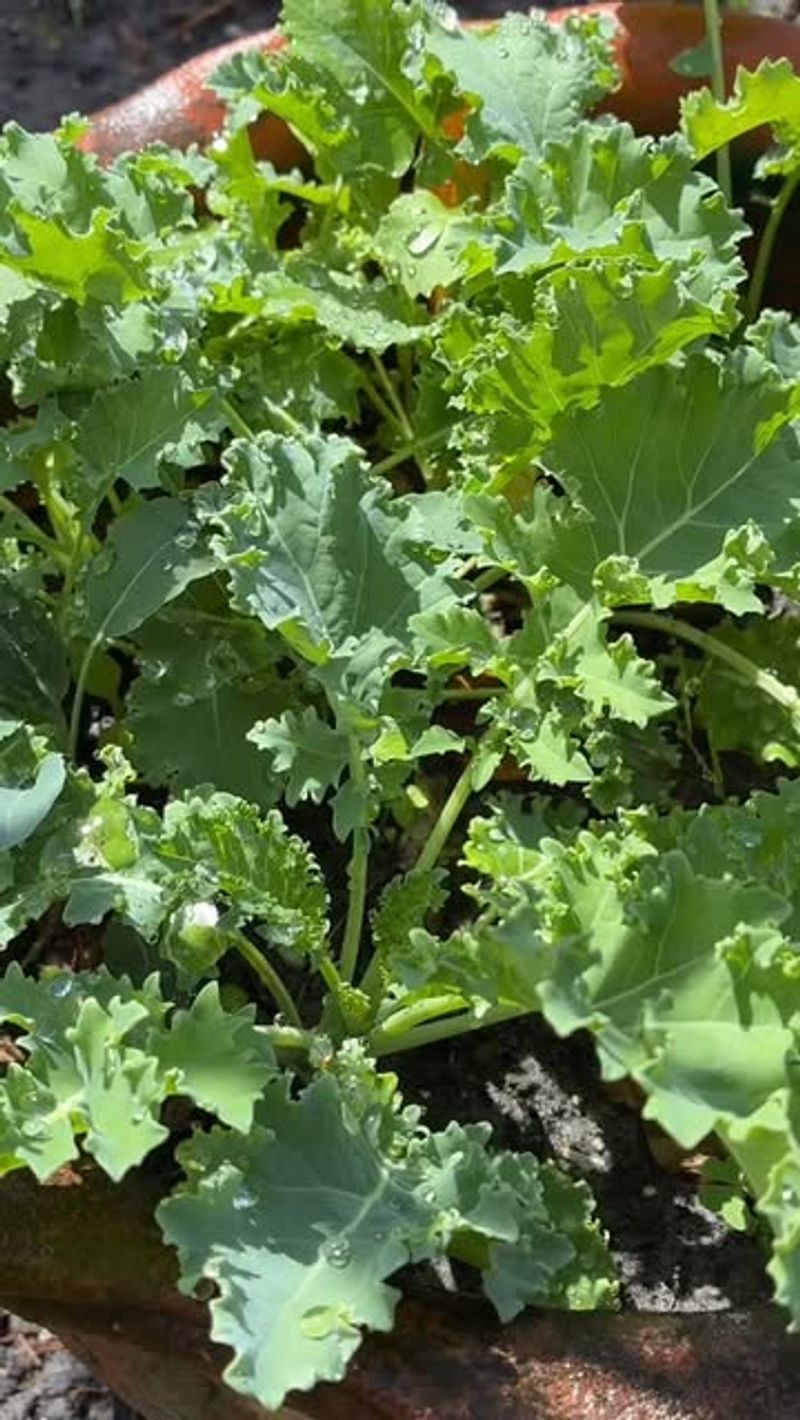
Kale might just be the toughest leafy green you can grow, and that toughness is exactly what makes it such a smart choice for North Carolina gardens in March. A member of the Brassica oleracea family, kale can handle frost without flinching.
In fact, a light frost often makes kale taste sweeter, which is a nice bonus for anyone who enjoys it fresh off the plant.
March is an ideal time to sow kale seeds directly into garden beds across most of North Carolina. The cool soil temperatures of early spring encourage strong germination and steady early growth.
Plant seeds about a quarter to half an inch deep, spaced roughly 12 inches apart to give each plant room to spread its broad, leafy canopy. Kale grows well in both raised beds and traditional in-ground garden plots throughout the state.
Popular varieties for NC gardens include Winterbor, Red Russian, and Lacinato, which is sometimes called Dinosaur kale. These varieties are all reliable producers that hold up well through temperature swings typical of a North Carolina spring.
Kale is also packed with vitamins and minerals, making every leaf worth harvesting. You can start picking outer leaves once the plant reaches about 12 inches tall, and it will keep producing new growth for weeks.
Regular watering and a balanced fertilizer will keep your kale plants thriving through the season.
5. Radishes

If you want something growing fast, radishes are your best friend in the spring garden. These little root vegetables are one of the quickest crops you can grow, with some varieties ready to harvest in as few as 25 days after planting.
That speedy turnaround makes them a favorite among both beginner and experienced gardeners across North Carolina.
March is a great month to direct-sow radishes in NC because they genuinely love cool soil and short, mild days. Sow seeds about half an inch deep and one inch apart in rows spaced roughly six inches apart.
Once seedlings emerge, thin them to about two inches apart so each root has room to develop properly. Radishes prefer full sun but will tolerate a bit of afternoon shade, which can actually help slow bolting in warmer spells.
One of the smartest strategies with radishes is succession planting, which means sowing a new batch every one to two weeks throughout March and into April. This keeps a steady supply of fresh radishes coming to your kitchen rather than having them all ready at once.
Cherry Belle and Easter Egg are two popular varieties that perform well in North Carolina’s spring conditions.
Radishes also work well as row markers for slower-growing crops like carrots, making them a practical and space-saving addition to any NC garden this March.
6. Carrots
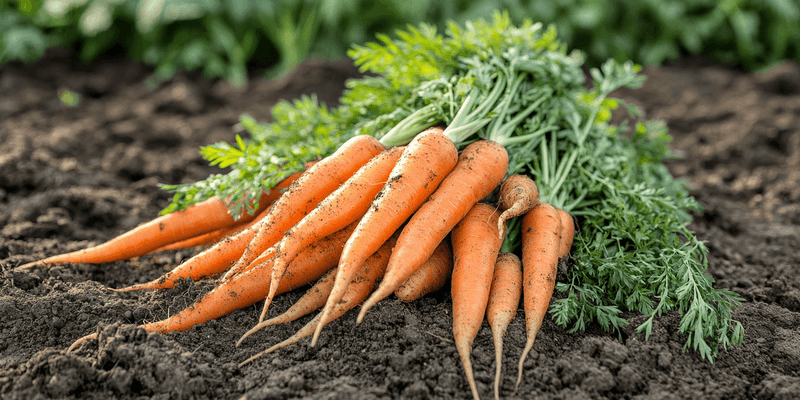
Carrots take a little patience, but planting them in March in North Carolina sets you up for a sweet and colorful spring harvest that is absolutely worth the wait. These root vegetables prefer cool soil temperatures, which is exactly what early spring in NC provides.
Getting seeds in the ground while conditions are ideal gives roots plenty of time to develop before summer warmth arrives.
In the Coastal Plain and Piedmont regions of North Carolina, March is a solid window for direct-sowing carrot seeds.
The Mountain region gardeners may want to wait until the second half of March or early April when soil temperatures are more consistently above 45 degrees Fahrenheit.
Carrots need loose, well-draining soil free of rocks and clumps, so prepare your bed thoroughly before planting. Sow seeds thinly about a quarter inch deep, and thin seedlings to two to three inches apart once they reach a couple of inches tall.
Nantes and Danvers varieties are popular choices in NC because they handle clay-heavy soils better than longer varieties. Carrots generally take 70 to 80 days to mature, so a March planting in the Coastal Plain can yield a harvest by late May or early June.
Keep the soil consistently moist during germination since carrot seeds can dry out quickly in spring winds. A light layer of mulch helps retain moisture and keeps the bed from crusting over between waterings.
7. Tomatoes

Tomatoes are the superstar of the summer vegetable garden, but March outdoor planting in North Carolina is simply not the right move for them.
Tomatoes (Solanum lycopersicum) are warm-season crops that cannot handle frost, and most of North Carolina still sees frost risk well into April.
Putting tomato plants or seeds outside in March exposes them to cold temperatures that will stunt growth and damage young plants significantly.
The good news is that March is actually the perfect time to start tomato seeds indoors. NC State Extension recommends starting tomato seeds indoors six to eight weeks before the last expected frost date.
For much of the Piedmont and Coastal Plain, that last frost typically falls between mid-March and mid-April, depending on your specific county. Mountain regions of NC often see frosts as late as early May, so indoor starting is especially important there.
Use a quality seed-starting mix, keep soil temperatures around 70 to 80 degrees Fahrenheit for best germination, and place seedlings under grow lights or in a south-facing window. Harden off your transplants gradually before moving them outside.
Popular NC varieties include Celebrity, Better Boy, and Cherokee Purple, all of which perform well across the state’s varied climates.
With a smart indoor start in March, your tomato plants will be strong, healthy, and ready to thrive once warm weather finally settles in across North Carolina.
8. Peppers
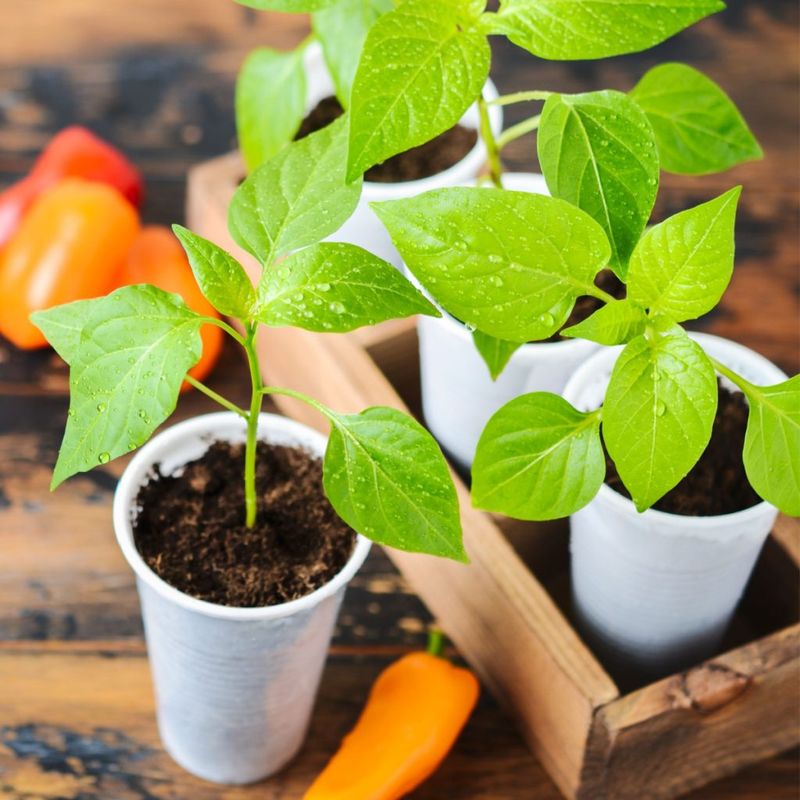
Peppers are one of those vegetables that look simple enough to grow but have very specific needs that must be met before they even think about producing fruit.
Warm soil is non-negotiable for peppers, and North Carolina’s outdoor soil temperatures in March are far too cold for them to establish properly.
Planting peppers outside in March across NC is a recipe for weak, struggling plants that may never fully recover.
Instead, March is the ideal time to start pepper seeds indoors, where you control the temperature and light conditions.
Peppers need soil temperatures between 75 and 85 degrees Fahrenheit to germinate reliably, which is why a heat mat under your seed tray makes a big difference.
Start seeds eight to ten weeks before your area’s last frost date, which for most of North Carolina falls somewhere between mid-April and early May depending on your region.
Bell peppers, banana peppers, and jalapeños are all popular choices for NC gardens and do well when given a strong indoor head start. Use a light, well-draining seed-starting mix and keep seedlings under bright grow lights for at least 14 to 16 hours per day.
Once outdoor temperatures stay consistently above 60 degrees Fahrenheit at night, you can begin hardening off your seedlings.
Transplanting healthy, indoor-started pepper plants into warm North Carolina soil in late April or May will give you a far more productive summer harvest than rushing the season in March.
9. Cucumbers
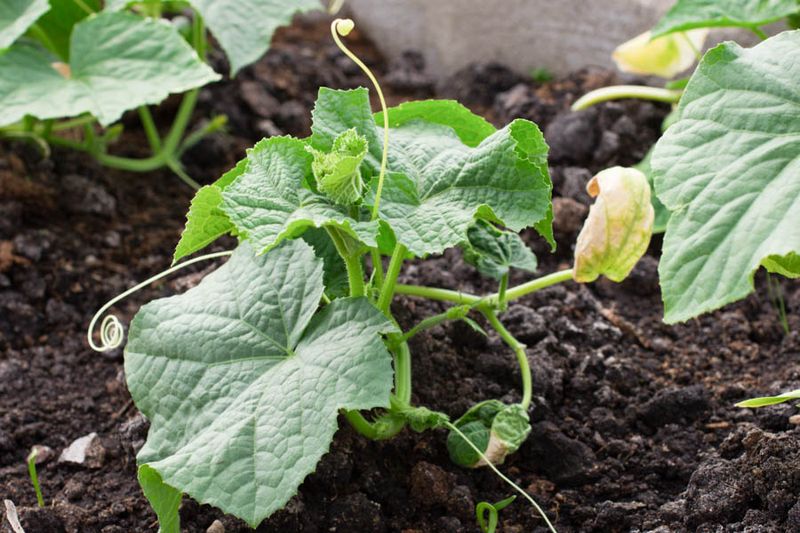
Cucumbers are warm-weather lovers through and through, and they make that very clear when exposed to cold soil or frost.
Planting cucumber seeds outdoors in North Carolina in March is too risky because soil temperatures are still too low for reliable germination, and a late frost can wipe out seedlings quickly.
Cold soil below 60 degrees Fahrenheit causes cucumber seeds to rot before they even sprout.
Most of North Carolina still faces frost risk throughout March, particularly in the Piedmont and Mountain regions where nighttime temperatures can drop sharply even after mild days.
The Coastal Plain sees slightly warmer conditions, but even there, March outdoor planting of cucumbers is a gamble that rarely pays off.
Waiting until after the last frost date for your specific NC county is always the smarter strategy for cucumbers.
If you want to get a jump on the season, you can start cucumber seeds indoors two to three weeks before your last frost date.
Keep in mind that cucumbers do not love being transplanted, so use biodegradable pots that go directly into the ground without disturbing roots.
Straight Eight, Marketmore, and Spacemaster are all varieties that grow well in North Carolina’s summer conditions.
Once soil temperatures are consistently above 65 degrees Fahrenheit and frost risk has passed, usually by late April or May across most of NC, your cucumbers will take off quickly and reward you with a generous summer harvest.
10. Squash
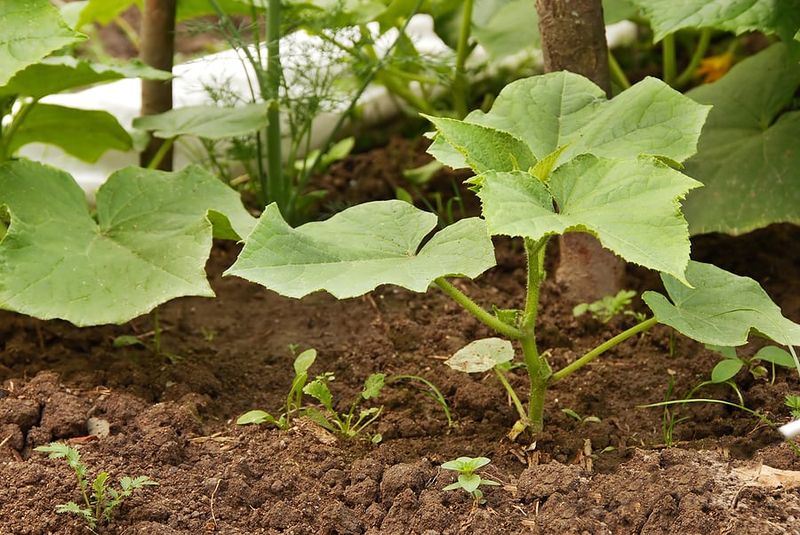
Summer squash and zucchini are absolute garden workhorses once the warm weather arrives, but they have zero tolerance for frost or cold soil.
Planting squash outdoors in March in North Carolina puts seeds and seedlings at serious risk because the soil is still too cold and late frosts remain a real possibility across most of the state.
Both summer squash and zucchini need soil temperatures of at least 60 degrees Fahrenheit to germinate well, and most NC gardens do not hit that mark until late April.
The last frost dates across North Carolina vary quite a bit by region. The Coastal Plain typically sees its last frost in late March to mid-April, the Piedmont around mid-April, and the Mountains as late as early May.
Planting squash before those dates outdoors means risking a setback that pushes your harvest well into summer rather than getting ahead of the season as intended.
You can start squash seeds indoors two to three weeks before your local last frost date if you want an early advantage. Like cucumbers, squash plants do not love root disturbance, so biodegradable pots work well for indoor starting.
Black Beauty zucchini and Yellow Crookneck are reliable performers in North Carolina gardens. Once warm conditions settle in across NC and frost risk is behind you, squash grows fast and produces abundantly.
A little patience in March sets you up for a truly impressive squash harvest from late spring through summer.