8 Vegetables You Can Start Indoors In North Carolina During March
March has a way of stirring up serious garden fever across North Carolina. The light lingers a little longer each evening, the soil begins to loosen, and suddenly doing nothing feels impossible.
This is the month when smart gardeners shift into action, even if outdoor beds are not quite ready. Starting vegetables indoors now gives you a powerful advantage once the last frost finally passes.
Instead of scrambling to catch up, you will have sturdy, well rooted seedlings ready to move outside at just the right moment.
North Carolina’s varying frost dates, from the early warming Coastal Plain to the cooler mountain regions, make indoor seed starting especially valuable. A bright windowsill or a simple grow light setup is all it takes to begin.
Get going in March, and you will step into spring with confidence, stronger plants, and a garden already well on its way to a productive season.
1. Tomatoes Need A Six To Eight Week Head Start
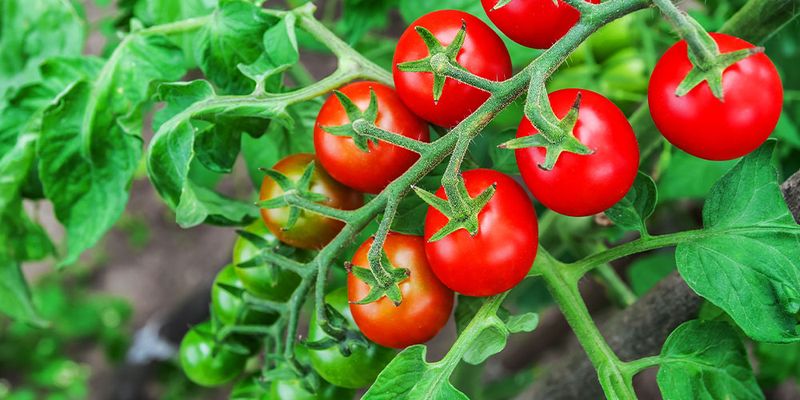
Few garden moments feel as rewarding as pulling a ripe, juicy tomato off a vine you grew yourself from seed.
In North Carolina, tomatoes need to be started indoors around six to eight weeks before the last expected frost date, which typically falls between mid-April and early May depending on your region.
Starting seeds in March puts you right on schedule for a strong, healthy transplant. Tomatoes thrive when given enough time to develop sturdy root systems before they ever touch outdoor soil.
Use small seed-starting trays filled with a quality seed-starting mix, and keep the soil consistently warm, ideally around 70 to 80 degrees Fahrenheit, to encourage fast germination.
A heat mat placed under the trays works wonders for speeding things along. Once your seedlings sprout and grow their first set of true leaves, move them under bright light for at least 14 to 16 hours daily.
A south-facing window or a dedicated grow light setup both do the job well. Gradually harden off your seedlings by taking them outside for short periods before transplanting.
North Carolina gardeners who follow this timeline often enjoy their first tomato harvest well before midsummer, making that early March planting date absolutely worth it.
2. Peppers Benefit From Early Indoor Germination
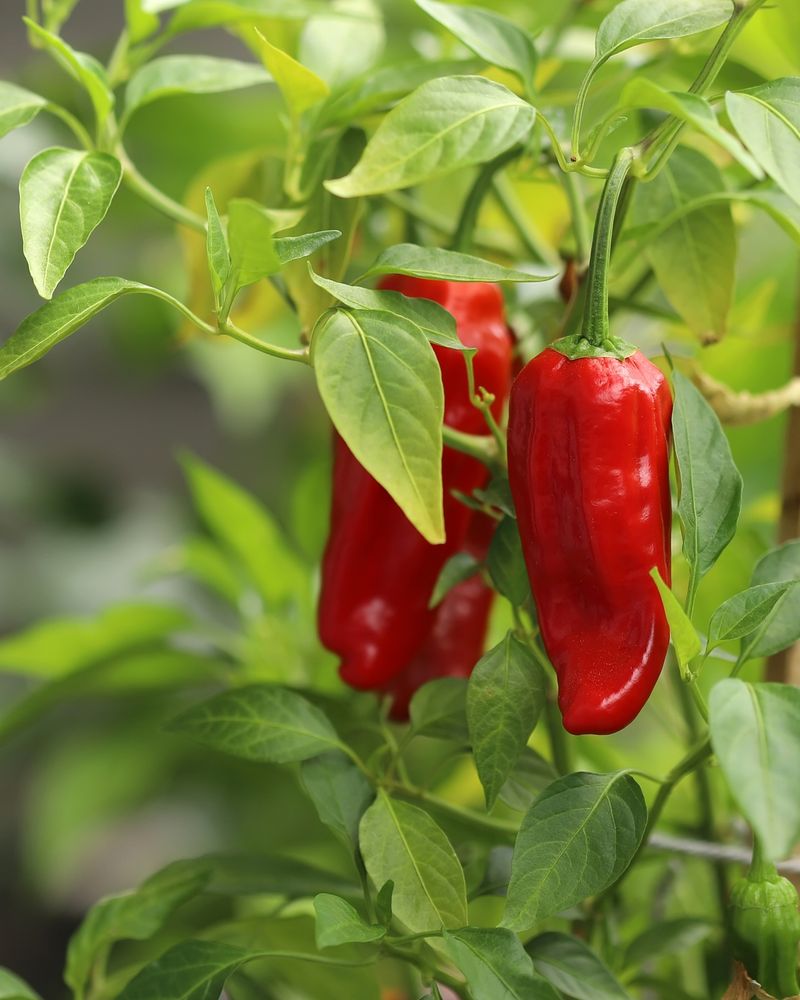
Peppers are notoriously slow starters, and that is exactly why March indoor planting is so important for North Carolina gardeners.
Unlike tomatoes, pepper seeds can take anywhere from 10 to 21 days just to germinate, and the seedlings grow at a leisurely pace after that.
Getting them going indoors in early March gives them the runway they need to become strong transplants by late spring.
Soil temperature is everything with peppers. Seeds germinate best when the growing medium stays between 80 and 85 degrees Fahrenheit.
A seedling heat mat is one of the most useful tools you can own if you plan to grow peppers from seed. Without consistent warmth, germination can be spotty and frustratingly slow, even in a warm house.
Once the seeds sprout, bright light becomes the top priority. Pepper seedlings that do not get enough light tend to stretch out and become weak, which makes them harder to transplant successfully.
Aim for 14 to 16 hours of light each day using a grow lamp if your windows do not provide enough natural sunshine.
North Carolina has a fantastic growing season for peppers, including sweet bells, banana peppers, and hot varieties like cayenne and jalapeño.
Starting them indoors in March means you will have productive, full-grown plants pumping out peppers all summer long.
3. Eggplant Requires Warmth And A Long Growing Season
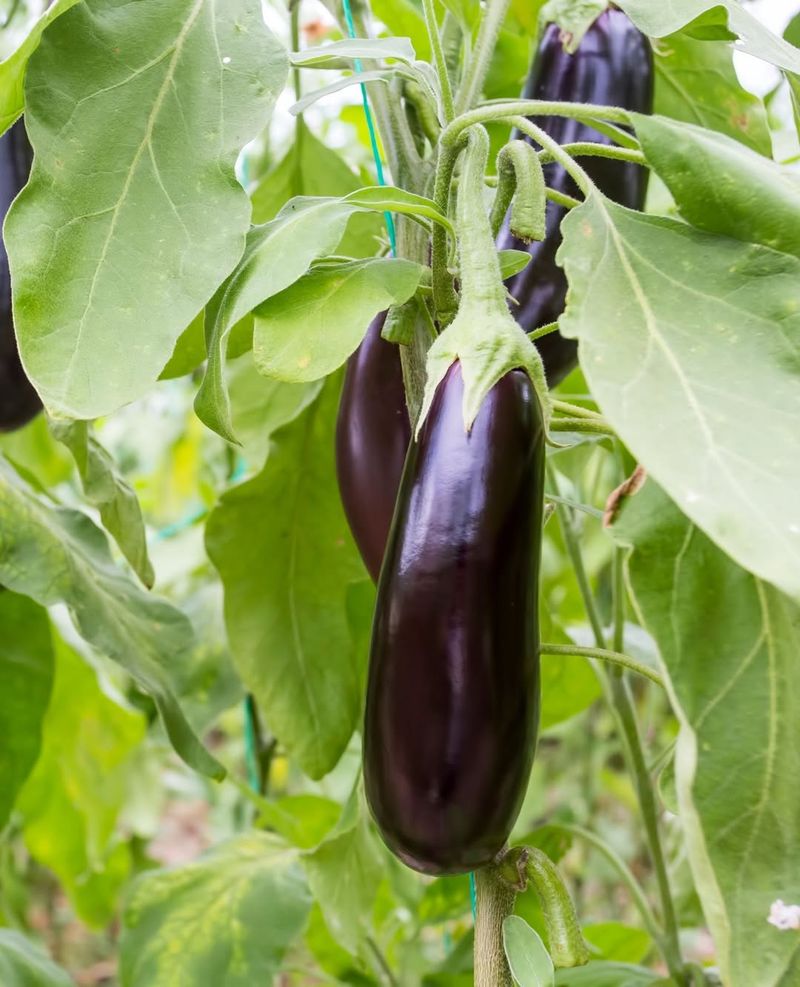
Eggplant is one of those vegetables that rewards patience like almost nothing else in the garden. It needs a long, warm, frost-free growing period to produce well, which is exactly why starting seeds indoors in March is so critical for North Carolina growers.
Most eggplant varieties need between 100 and 120 days from transplant to harvest, so every week of head start you give them truly matters.
Germination for eggplant requires warmth, ideally between 80 and 90 degrees Fahrenheit in the seed-starting mix.
A heat mat is almost essential here, as cool temperatures will slow or prevent sprouting entirely.
Sow seeds about a quarter inch deep in moist seed-starting mix and cover the trays with a plastic dome or plastic wrap to hold in humidity until the seeds break through the surface. Once the seedlings emerge, strong light becomes the priority.
Eggplant seedlings love heat and sun, so placing them under a grow light for 14 to 16 hours a day helps them stay compact and sturdy.
North Carolina summers are warm enough for eggplant to absolutely thrive, especially in the Piedmont and coastal plain regions where heat lingers well into fall.
Varieties like Black Beauty and Ichiban perform beautifully when given an early March start indoors. You will be amazed at how productive these plants become with the right setup.
4. Broccoli Can Be Started Indoors For Spring Transplanting
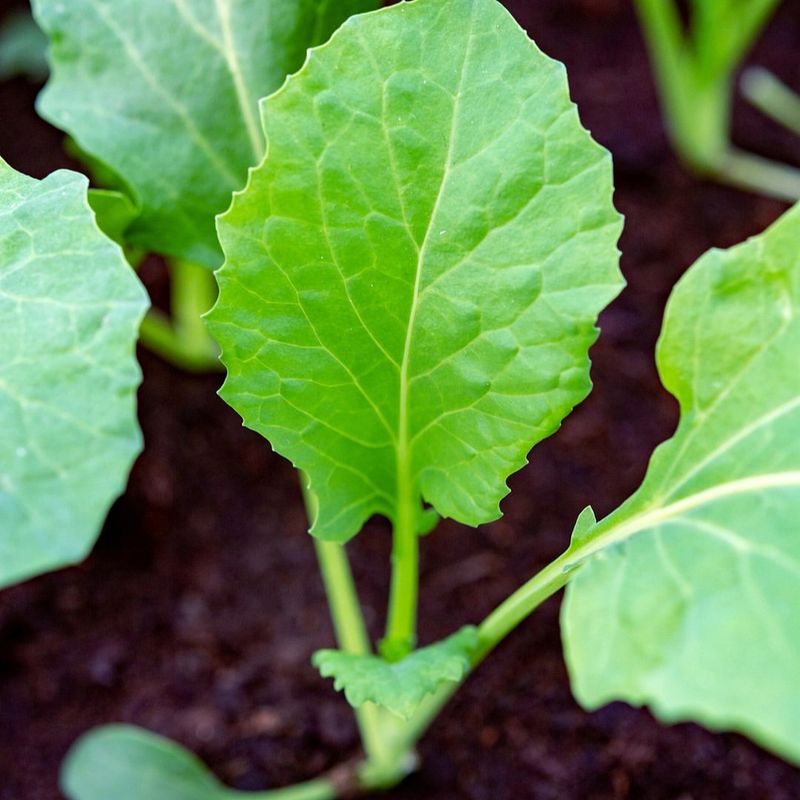
Broccoli is a cool-season champion, and timing its planting correctly makes all the difference in North Carolina.
Starting seeds indoors in early March gives you seedlings that are ready to go outside just as the last frost window closes, while temperatures are still mild and perfect for broccoli to head up properly.
Broccoli planted too late, when summer heat arrives, tends to bolt quickly and produce small, bitter heads.
Seeds germinate quickly under good conditions, usually within five to ten days at soil temperatures around 65 to 75 degrees Fahrenheit.
Unlike peppers or eggplant, broccoli does not need a heat mat to germinate well, though consistent warmth does help.
Plant seeds about a quarter inch deep in seed-starting cells and keep the mix evenly moist but never waterlogged to avoid damping off.
Broccoli seedlings grow fairly fast and will be ready for transplanting in about four to six weeks after germination.
Harden them off gradually by setting them outside in a sheltered spot for increasing amounts of time over one to two weeks before putting them in the ground.
North Carolina gardeners in the Piedmont and mountain regions especially benefit from this indoor head start because their outdoor planting windows can be narrow.
With a March start, you can expect beautifully formed heads of broccoli ready to harvest by late May or early June, long before summer heat takes over.
5. Cabbage Grows Best When Started Before Heat Sets In
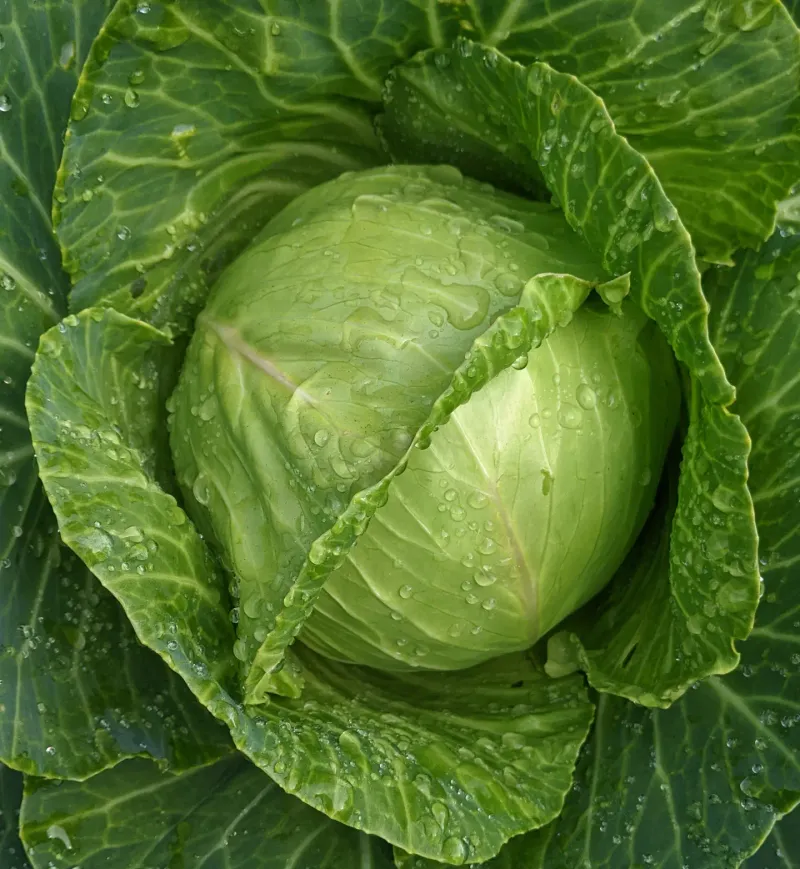
Cabbage has a reputation for being tough, but it has one real weakness: summer heat.
This cool-season crop needs to mature before temperatures climb into the upper 80s and beyond, which is why starting seeds indoors in March is such a smart move for North Carolina gardeners.
Getting a jump on the season means your cabbage heads have time to form fully before the heat of June and July arrives.
Seeds germinate reliably at soil temperatures between 65 and 75 degrees Fahrenheit, usually within five to ten days.
Cabbage seedlings are sturdy and grow at a satisfying pace, making them a great choice for gardeners who want quick results from their seed-starting efforts.
Sow seeds about a quarter inch deep and keep the soil lightly moist throughout the germination period. One thing to watch with cabbage seedlings is light.
Without enough, they stretch toward the nearest window and become tall and leggy, which makes them harder to transplant.
A south-facing window or a grow light positioned just a few inches above the seedlings keeps them compact and strong.
In North Carolina, varieties like Golden Acre, Stonehead, and Danish Ballhead all perform well when started in March and transplanted in April.
Harvest typically happens in late May or early June, giving you a beautiful, crisp head of cabbage before summer heat makes growing this crop nearly impossible.
6. Cauliflower Needs An Early Start In North Carolina
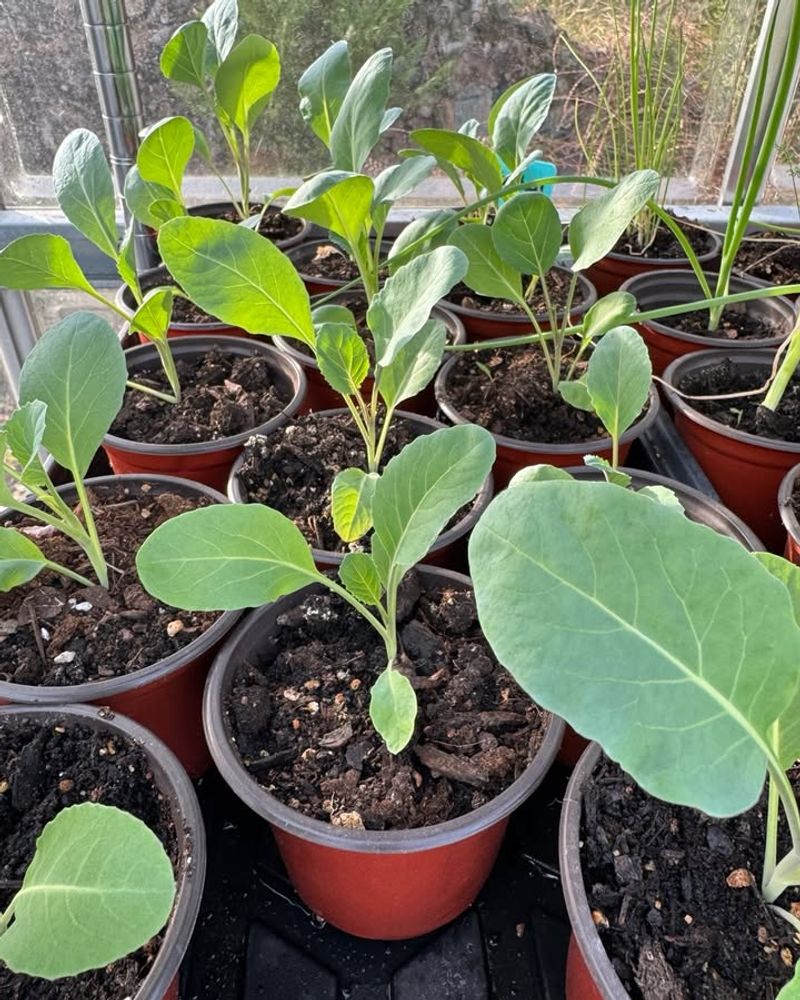
Cauliflower is often called one of the trickier vegetables to grow, and its sensitivity to temperature extremes is the main reason why.
In North Carolina, starting cauliflower seeds indoors in March is not just helpful, it is practically necessary if you want a successful spring harvest.
This crop needs a long stretch of cool, stable weather to form its dense white heads, and an indoor head start makes that possible.
Seeds germinate best at soil temperatures between 65 and 75 degrees Fahrenheit and usually sprout within five to ten days.
Cauliflower seedlings look very similar to broccoli in their early stages and grow at a comparable pace.
Keep the seed-starting mix consistently moist and place the trays in a bright location to prevent stretching and weak stems from developing.
Around four to six weeks after germination, your seedlings should be ready to move outdoors after a careful hardening-off process.
Transplant them into your North Carolina garden in mid to late April, when frost risk has dropped significantly but temperatures are still comfortably cool.
One interesting trick many experienced growers use is blanching, which means tying the outer leaves loosely over the developing head to protect it from sunlight and keep it brilliantly white.
Varieties like Snowball and Amazing perform well across most of North Carolina. With a March start, you give this fussy but rewarding vegetable the best possible chance for a generous spring harvest.
7. Tomatillos Benefit From The Same Timing As Tomatoes
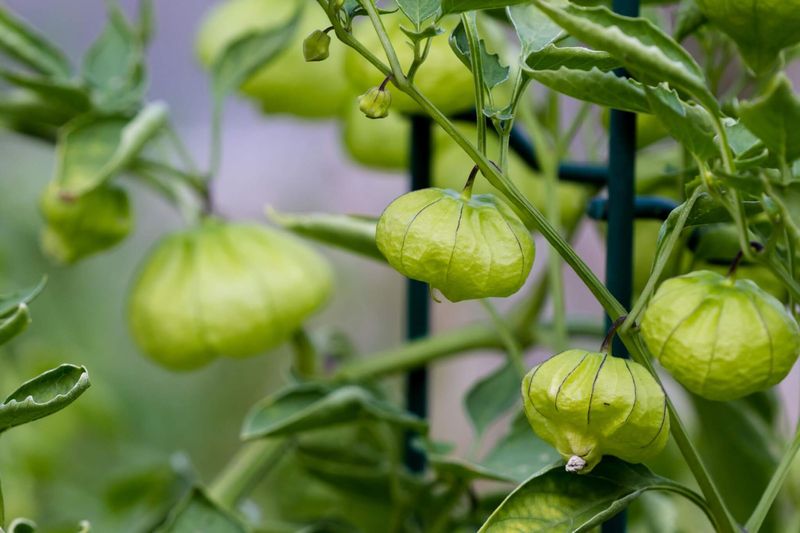
Tomatillos do not always get the attention they deserve in the home garden, but North Carolina growers who give them a try rarely look back.
These bright, tangy fruits are the backbone of fresh salsa verde and a fantastic addition to summer cooking.
Because they are warm-season plants with similar temperature needs to tomatoes, starting tomatillo seeds indoors in March follows the exact same logic and timeline.
Sow seeds about a quarter inch deep in seed-starting mix and keep the soil temperature around 70 to 80 degrees Fahrenheit for best germination results.
Tomatillo seeds tend to germinate a bit faster than tomato seeds, often sprouting within five to seven days under warm conditions.
Once they emerge, give the seedlings plenty of bright light to keep them from getting leggy and weak before transplant time.
One important thing to know about tomatillos is that they need at least two plants to produce fruit reliably, since they require cross-pollination.
Plan to start at least two or three seeds so you have enough plants for a productive harvest.
In North Carolina, the warm summers across the Piedmont and coastal plain regions are ideal for tomatillos, which thrive in heat and keep producing right through the season.
Transplant your March-started seedlings outdoors after the last frost, typically in late April or early May, and you can expect a generous harvest of papery-husked fruits by midsummer.
8. Basil Should Be Started Indoors For Early Summer Harvest
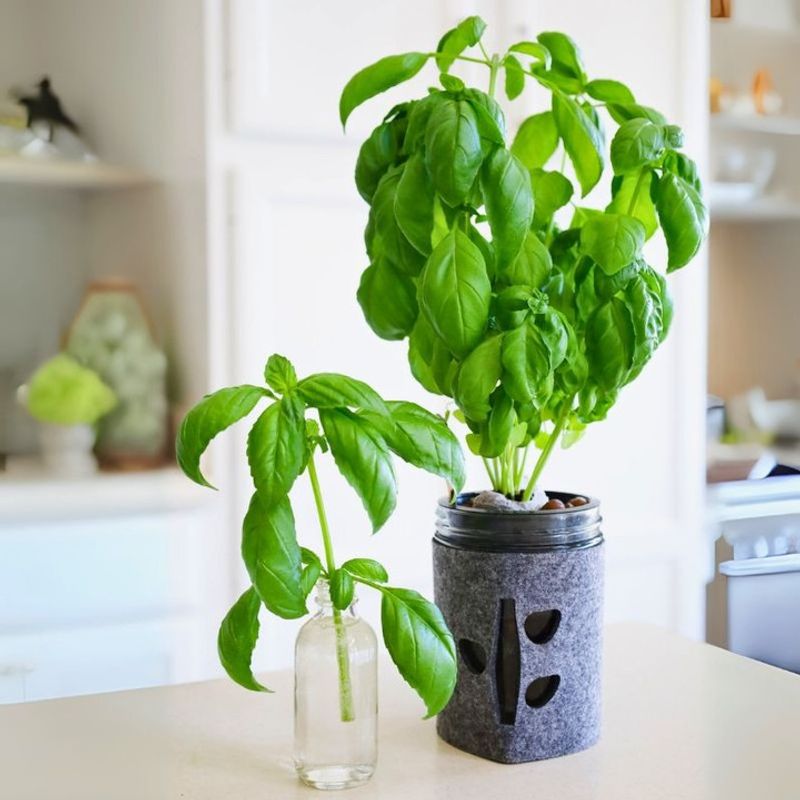
Few smells in a garden are as instantly satisfying as fresh basil on a warm summer morning.
This beloved herb is incredibly frost-sensitive, which means North Carolina gardeners cannot rush it outside until the last frost has safely passed, usually in late April or early May depending on location.
Starting basil seeds indoors in March gives you a head start that translates into lush, harvestable plants right when summer cooking season kicks into gear.
Basil seeds germinate quickly when given warmth, typically sprouting within five to seven days at soil temperatures between 70 and 80 degrees Fahrenheit.
Sow seeds shallowly, barely covering them with seed-starting mix, and keep the surface evenly moist.
Thin seedlings to one per cell once they develop their first true leaves, as crowded seedlings compete for light and nutrients in ways that weaken them over time.
Light is absolutely critical for basil seedlings. Without a bright south-facing window or a grow light, seedlings stretch and flop, producing weak stems that struggle after transplanting.
Aim for at least 14 hours of light daily and keep temperatures consistently warm, as basil sulks in cool conditions.
Popular varieties like Genovese, Sweet Italian, and Lemon Basil all do beautifully in North Carolina gardens when started in March.
Once transplanted after frost, these plants grow vigorously through the summer, giving you fresh leaves for pesto, salads, and summer pasta all season long.