12 Venomous Creatures Every Ohio Resident Should Know About
Ohio may feel like a quiet, suburban, and farmland-friendly state—but beneath the calm surface lurk some surprisingly dangerous creatures.
From tiny insects to slithering snakes, venomous animals are closer than you think, and knowing how to spot them could save you a trip—or worse—to the emergency room.
Some of these creatures are small… but their bite or sting can pack a serious punch.
Ohio’s wetlands, forests, and even your backyard can hide venomous spiders, snakes, and other critters that rarely make the headlines—but can make their presence known in a flash.
While most encounters are harmless if you know how to react, ignorance isn’t bliss—it can be costly, painful, or even dangerous.
It’s not paranoia—it’s preparation that keeps you safe.
From rattlesnakes in the hills to spiders lurking in dark corners, understanding which creatures are venomous, where they live, and what to do if you cross paths with them is essential for residents of all ages.
Knowledge turns fear into caution and keeps your outdoor adventures safer.
Learn to respect them, recognize them, and stay safe.
If you live, hike, or garden in Ohio, this guide is a must-read.
Because knowing which creatures bite back can make all the difference.
1. Eastern Massasauga Rattlesnake
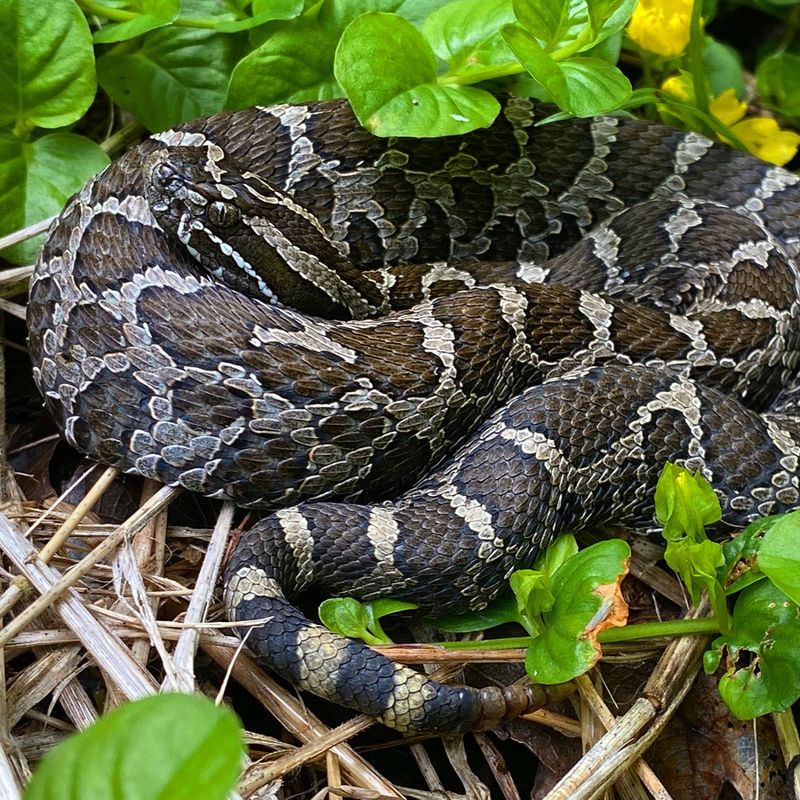
One of only three venomous snakes native to Ohio, the Eastern Massasauga rattlesnake lives primarily in wetland areas and marshy regions.
This small rattlesnake grows to about two feet long and features dark brown or black blotches on a gray or brownish body.
The rattlesnake’s most recognizable feature is the rattle at the end of its tail, which it shakes as a warning when threatened.
Encounters with this shy reptile are extremely rare because it prefers remote wetlands away from human activity.
Most Ohioans will never see one in their lifetime, especially since their population has declined significantly.
If you do spot a Massasauga, give it plenty of space and back away slowly without making sudden movements.
Never attempt to handle or capture the snake, as this is when most bites occur.
The venom can cause serious tissue damage and requires immediate medical attention.
When hiking in wetland areas, wear tall boots and watch where you step, especially near logs and rocks.
Teaching children to recognize this snake and understand the importance of keeping distance helps prevent dangerous encounters in the wild.
2. Timber Rattlesnake
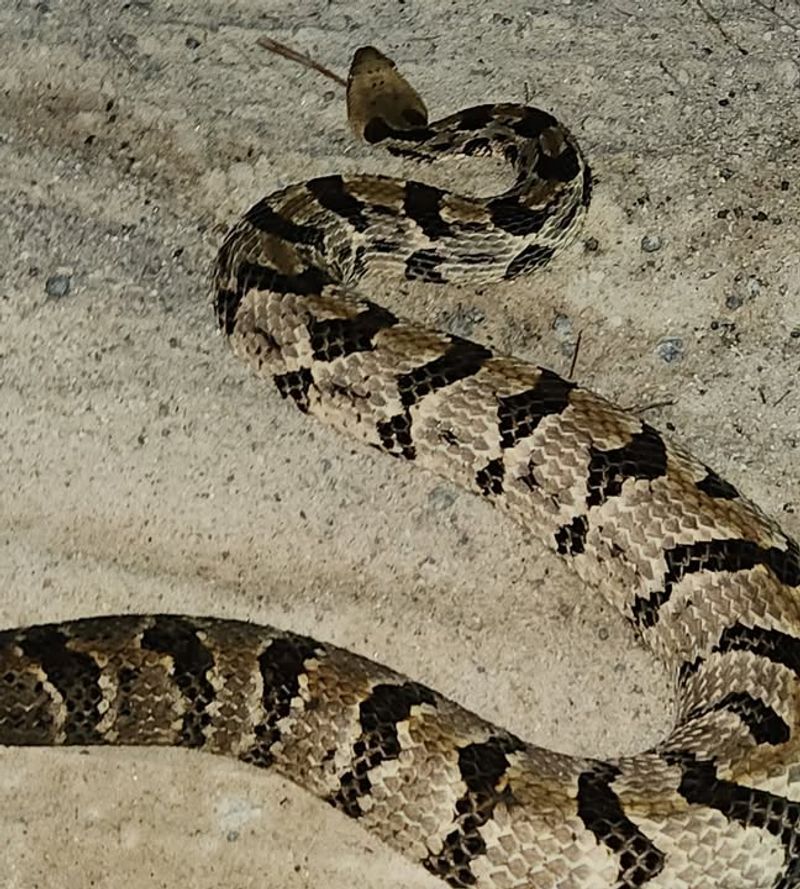
Timber rattlesnakes represent another native venomous species found primarily in southern and eastern Ohio’s forested hills.
These impressive snakes can reach lengths of three to five feet and display beautiful patterns of dark chevrons across their yellow, brown, or gray bodies.
Rocky outcrops, fallen logs, and dense woodland undergrowth provide perfect hiding spots for these ambush predators.
Gardeners working near wooded edges or hikers exploring Appalachian foothill trails might accidentally disturb one resting in leaf litter.
Timber rattlesnakes are generally calm and prefer to retreat rather than strike, but they will defend themselves if cornered or stepped on.
Their venom is potent and can cause severe pain, swelling, and tissue damage that requires prompt medical treatment.
Always look carefully before reaching into brush piles, moving logs, or stepping over rocks when working outdoors.
The distinctive rattle sound serves as nature’s warning system, so if you hear it, freeze and locate the snake before slowly backing away.
During spring and fall, these snakes travel between summer feeding grounds and winter dens, increasing the chance of roadway encounters.
Respecting their space and understanding their behavior helps both humans and these important predators coexist safely in Ohio’s diverse ecosystems.
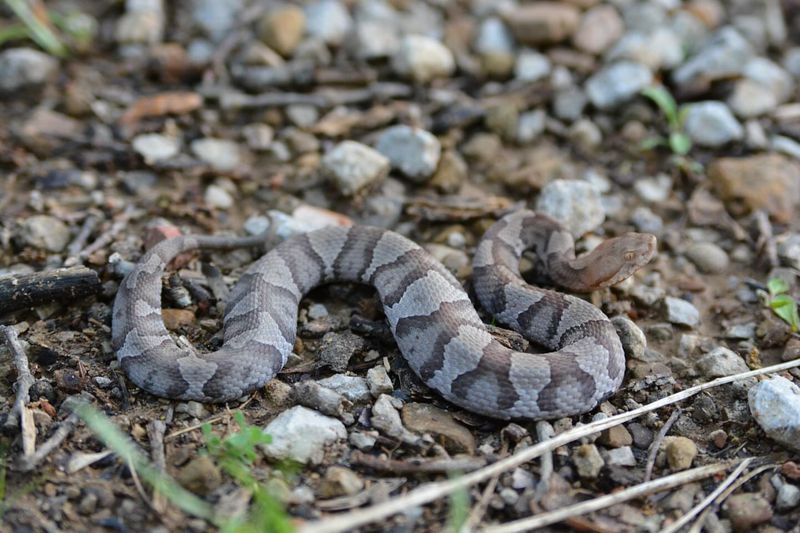
3. Copperhead Snake
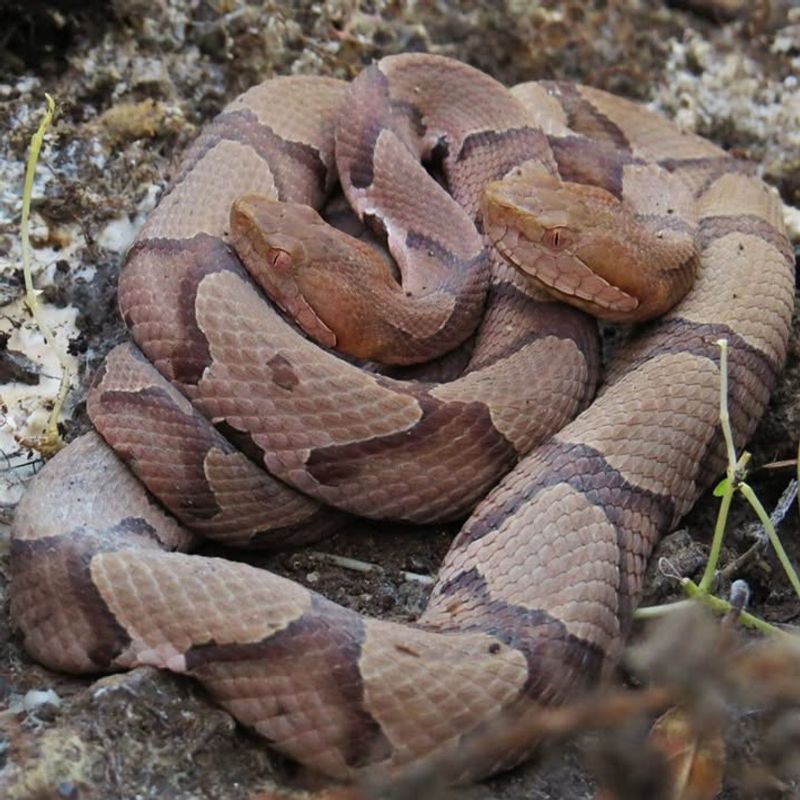
Copperheads lack rattles but possess incredible camouflage that makes them blend perfectly with fallen leaves and forest debris.
Their copper-colored heads and distinctive hourglass-shaped bands create patterns that disappear against woodland floors.
Found mainly in southern Ohio’s rocky hillsides and wooded areas, these snakes often go unnoticed even when people pass nearby.
Unlike their rattlesnake cousins, copperheads remain silent and motionless when approached, relying entirely on camouflage for protection.
This defensive strategy means people sometimes step dangerously close before realizing a snake is present.
Garden areas near stone walls, woodpiles, and overgrown vegetation attract copperheads hunting for mice and other small prey.
Their venom is less potent than rattlesnake venom but still causes significant pain, swelling, and requires medical evaluation.
Most bites happen when people accidentally step on or near these well-hidden snakes during outdoor activities.
Wearing closed-toe shoes and long pants while hiking or gardening provides important protection against accidental encounters.
Using a flashlight when walking outside after dark helps spot these nocturnal hunters before getting too close.
Learning to recognize their distinctive pattern and understanding their preferred habitats allows Ohio residents to enjoy nature while maintaining appropriate caution around potential hiding spots.
4. Northern Black Widow Spider
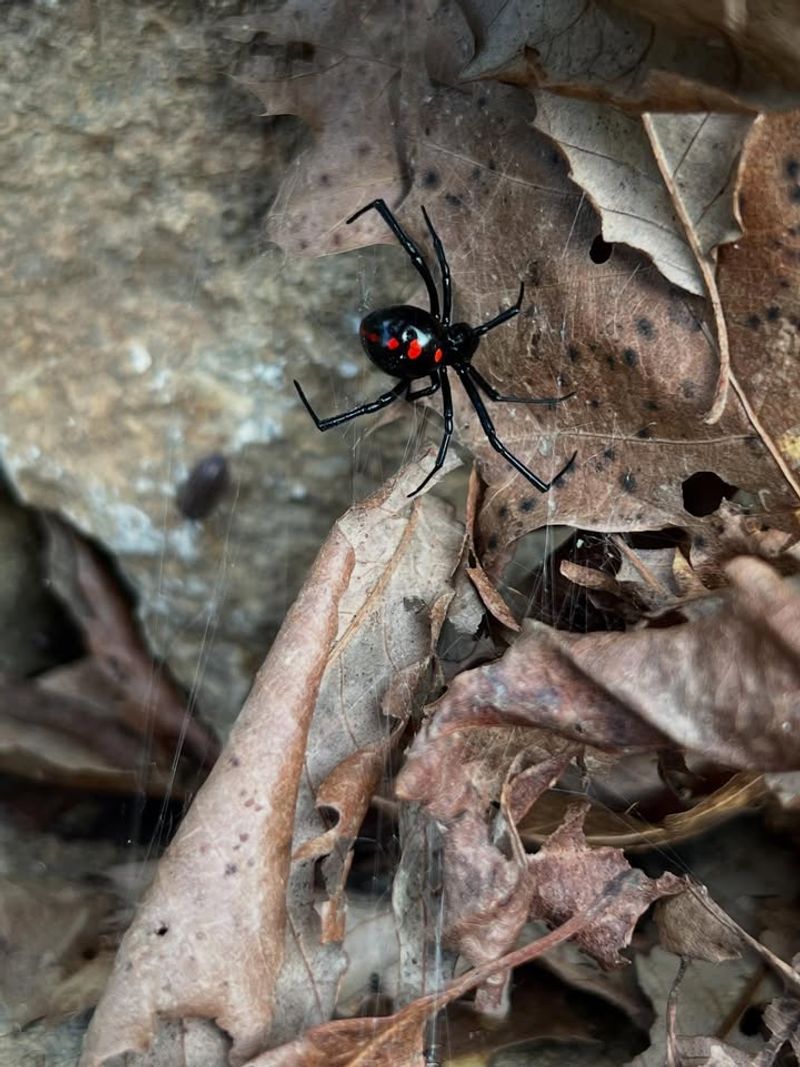
Black widow spiders hide in dark, undisturbed spaces like basements, garages, woodpiles, and outdoor furniture throughout Ohio.
Female black widows display the iconic shiny black body with a red hourglass shape on their underside, while males are smaller and less dangerous.
These spiders build irregular, tangled webs in protected corners where they wait for insects to become trapped.
Bites typically occur when people reach into storage areas, put on shoes left outside, or disturb areas where spiders have nested.
The venom affects the nervous system and can cause muscle cramps, nausea, and severe pain that intensifies over several hours.
Young children, elderly individuals, and those with health conditions face higher risks from black widow bites.
Seeking medical attention promptly allows doctors to provide treatment that relieves symptoms and prevents complications.
Regularly cleaning storage areas, shaking out clothing and shoes before wearing them, and wearing gloves when moving stored items reduces encounter risks.
Black widows are not aggressive and only bite when pressed against skin or when protecting egg sacs.
Understanding their preferred hiding spots helps Ohio residents take simple precautions that prevent most bite incidents.
Removing clutter and sealing cracks in foundations makes homes less attractive to these venomous but generally reclusive spiders.
5. Brown Recluse Spider (Rare But Possible)
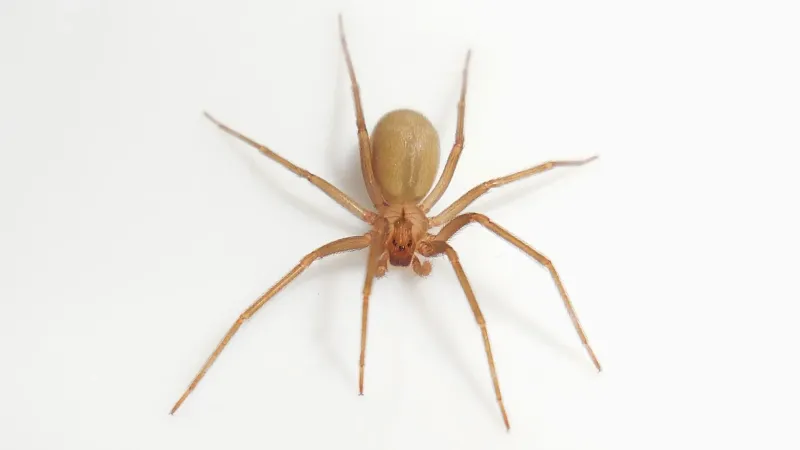
Brown recluse sightings in Ohio remain uncommon, but occasional reports suggest some populations exist in the southern regions.
This spider features a distinctive violin-shaped marking on its back and uniform light to dark brown coloring.
Many Ohioans mistakenly identify common house spiders as brown recluses, creating unnecessary fear about this rare arachnid.
True brown recluses prefer warm climates farther south, though they sometimes arrive in Ohio through transported goods or moving boxes.
Their venom can cause tissue damage that creates slow-healing wounds, though severe reactions are less common than people believe.
Most suspected brown recluse bites actually result from other causes like bacterial infections or different spider species.
If you believe you found a brown recluse, capture it safely in a jar for expert identification rather than assuming the worst.
These spiders hide in undisturbed areas like closets, attics, and stored boxes, avoiding human contact whenever possible.
Keeping storage areas organized and sealed reduces the already small chance of encountering one in your home.
Medical attention becomes important if a spider bite develops into a growing wound or causes fever and illness.
Understanding that brown recluses are genuinely rare in Ohio helps residents maintain appropriate caution without excessive worry about every spider they encounter indoors.
6. Eastern Yellow Jacket
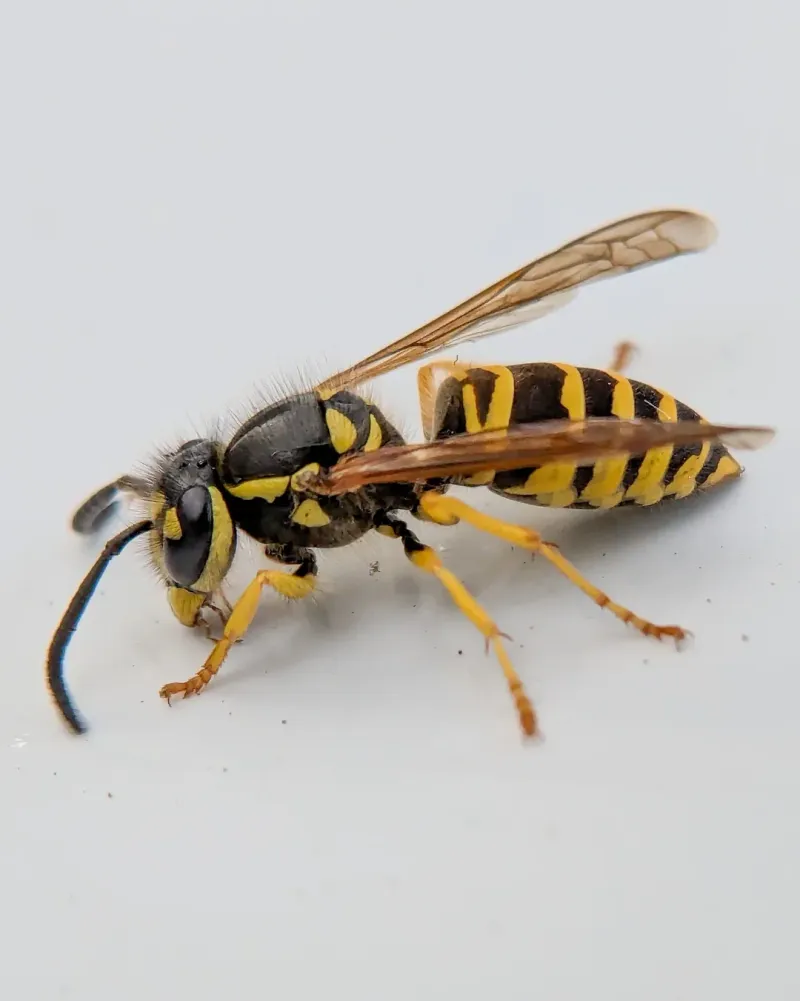
Yellow jackets cause more venomous encounters in Ohio than any other creature on this list combined.
These aggressive wasps build large underground colonies that homeowners often discover accidentally while mowing lawns or doing yard work.
Their distinctive black and yellow striped bodies make them easily recognizable, but their defensive behavior makes them genuinely dangerous.
Unlike honeybees, yellow jackets can sting repeatedly without losing their stingers, and they often attack in swarms when their nest is disturbed.
Colonies can contain thousands of workers by late summer, making encounters during August and September particularly risky.
The venom causes immediate burning pain and swelling, with multiple stings potentially triggering serious allergic reactions.
People with known allergies should carry epinephrine auto-injectors when spending time outdoors during peak yellow jacket season.
These wasps also scavenge around garbage cans, picnic areas, and outdoor dining spaces, creating nuisance encounters.
Covering food and drinks during outdoor gatherings helps prevent attracting these unwanted guests to your activities.
If you discover a ground nest, maintain distance and contact professional pest control rather than attempting removal yourself.
Watching where you walk in grassy areas and avoiding sudden movements near suspicious holes protects you from accidentally triggering a defensive swarm response from these territorial insects.
7. Bald-Faced Hornet
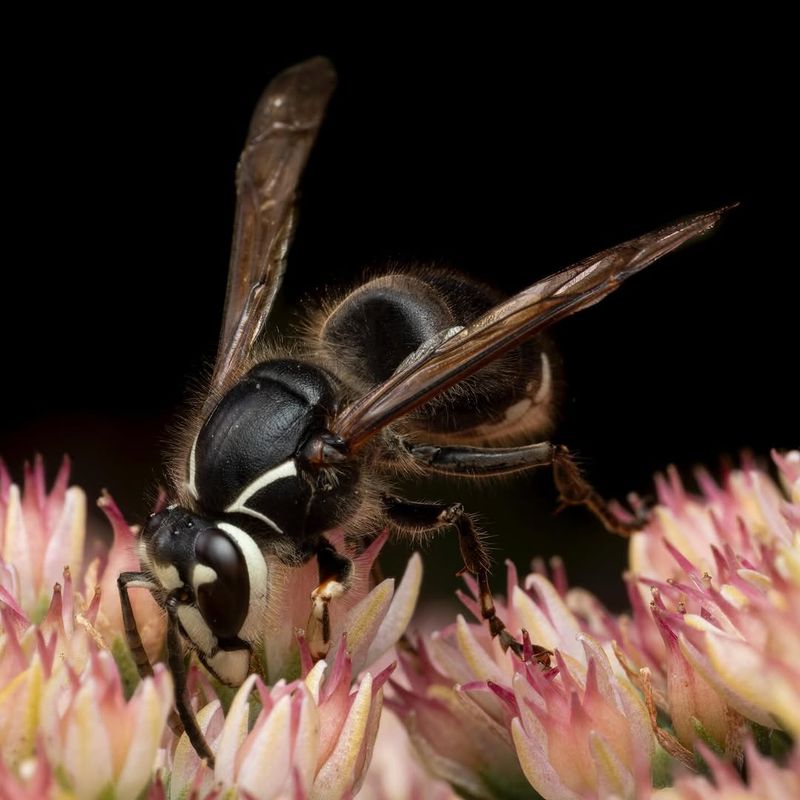
Despite their name, bald-faced hornets are actually large wasps that build impressive paper nests in trees and under building eaves.
These striking insects display bold white and black patterns that make them stand out from typical yellow jackets.
Their aerial nests can grow as large as basketballs by late summer, housing hundreds of aggressive defenders.
Ohio residents often encounter these hornets near wooded areas, parks, and yards with mature trees where nests hang from branches.
Bald-faced hornets are extremely protective of their colonies and will pursue perceived threats for considerable distances.
Their stings deliver potent venom that causes intense pain, and multiple stings can trigger dangerous allergic reactions in sensitive individuals.
Landscapers, tree trimmers, and homeowners pruning shrubs sometimes accidentally disturb nests hidden among foliage.
Always inspect trees and bushes carefully before starting yard work, especially during late summer when colonies reach peak size.
If you spot a nest on your property, observe from a safe distance and hire professionals who have proper protective equipment for removal.
Teaching children to recognize these distinctive hornets and avoid throwing objects at nests prevents many painful encounters.
Remaining calm and moving away slowly if hornets approach reduces the chance they will perceive you as a threat requiring attack.
8. Paper Wasps
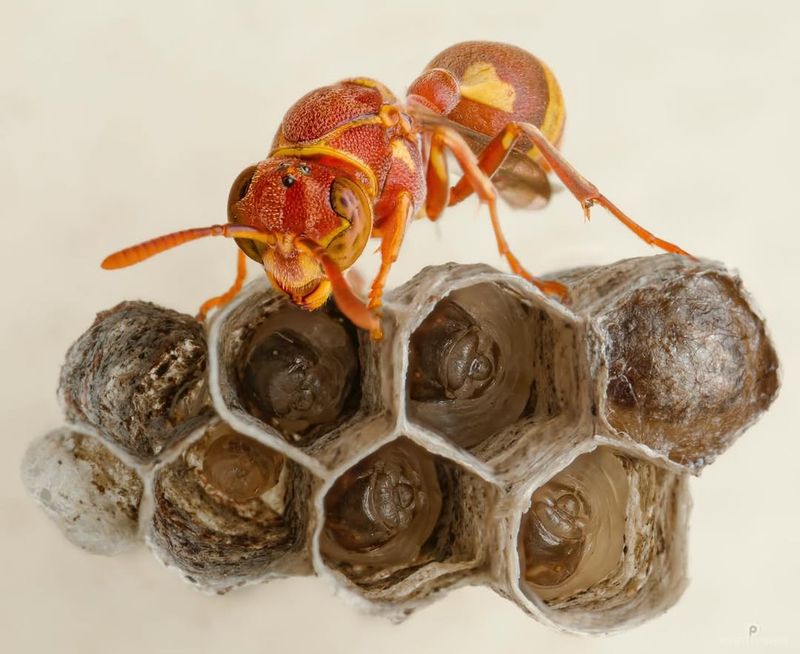
Paper wasps construct their distinctive open-comb nests under porch roofs, deck railings, and door frames throughout Ohio neighborhoods.
These slender wasps have long legs that dangle while flying and come in various brown, red, and yellow color combinations.
Unlike the aggressive yellow jackets, paper wasps are generally less hostile but will defend their nests when threatened.
Homeowners frequently get stung when accidentally brushing against nests while entering doors, hanging decorations, or cleaning exterior areas.
The umbrella-shaped nests start small in spring but expand throughout summer as the colony grows.
Early detection and removal of starter nests in spring prevents larger colonies from establishing near high-traffic areas.
Paper wasp venom causes sharp burning pain and localized swelling that typically resolves within a few days.
Multiple stings or allergic reactions require medical attention, especially if swelling spreads or breathing difficulties develop.
Spraying nests at night when wasps are less active and temperatures are cooler improves safety during removal attempts.
Wearing protective clothing and having an escape route planned before approaching a nest reduces injury risks.
Regular inspection of porches, sheds, and outdoor structures during early spring helps catch nest construction before colonies become established.
Understanding paper wasp behavior allows Ohio residents to coexist peacefully while taking appropriate precautions around nesting sites.
9. Honey Bees (Venomous But Beneficial)
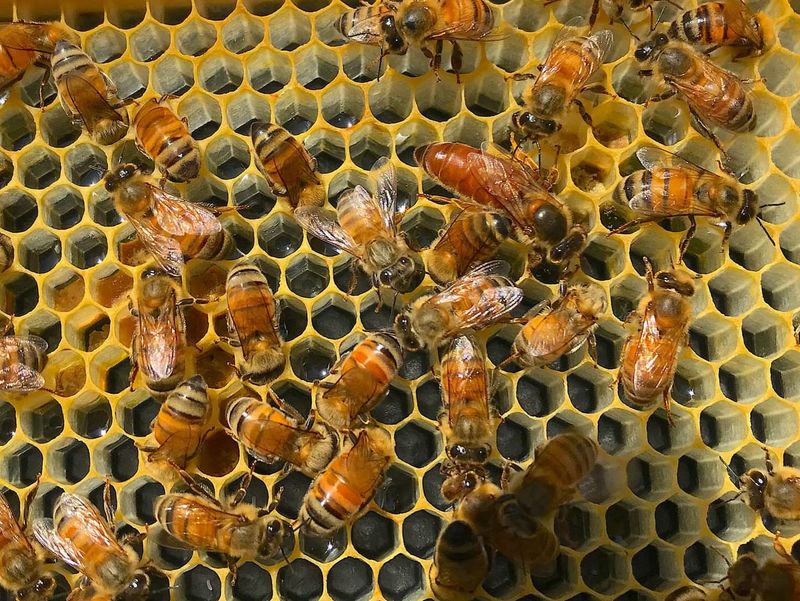
Honey bees deserve recognition as venomous creatures, but their crucial role as pollinators makes them friends rather than threats.
These fuzzy insects visit flowers throughout Ohio, transferring pollen that helps produce fruits, vegetables, and beautiful blooms in gardens everywhere.
A honey bee only stings when it feels directly threatened or when defending its hive, and each bee can sting just once before perishing.
This ultimate sacrifice means honey bees use their stingers only as a last resort, unlike wasps that sting repeatedly.
Most stings happen when people accidentally step on bees walking barefoot through clover or when swatting at bees near their faces.
The venom causes temporary pain and swelling, but reactions are usually mild unless someone has a bee allergy.
People with known allergies should carry emergency medication and seek immediate help if stung.
For everyone else, removing the stinger quickly by scraping it away reduces venom injection and minimizes discomfort.
Remaining calm around honey bees and avoiding sudden movements prevents most stinging incidents.
Supporting bee populations by planting pollinator-friendly flowers benefits Ohio’s entire ecosystem and food supply.
Understanding that honey bees are gentle, beneficial insects helps residents appreciate their presence rather than fear these essential garden visitors.
10. Fire Ants (Expanding Range In Ohio)
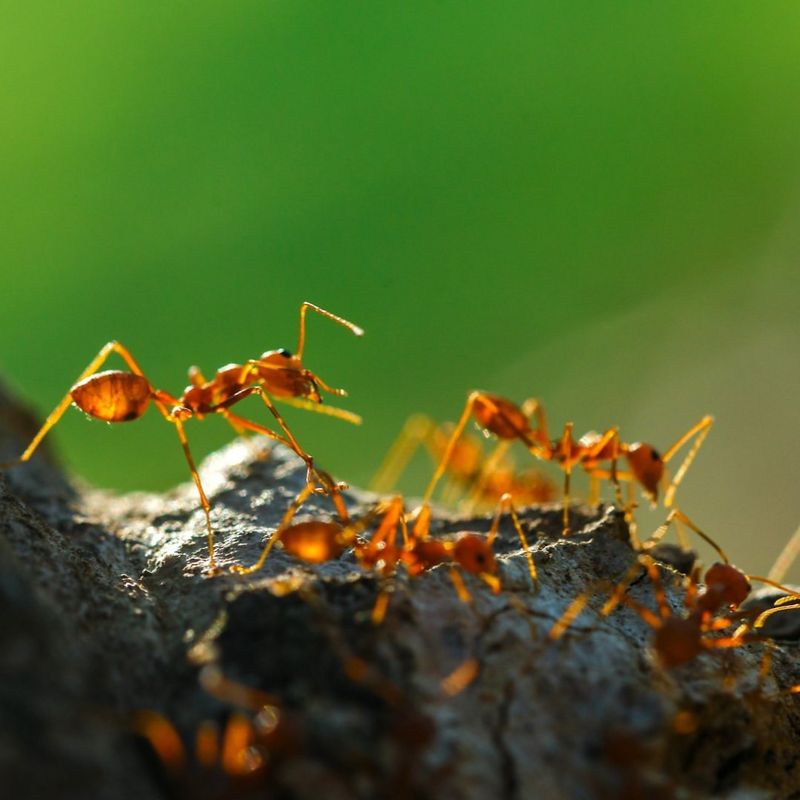
Fire ants have begun appearing in parts of Ohio as warming temperatures allow these invasive insects to expand northward from southern states.
These tiny reddish-brown ants build large mounds in sunny areas like lawns, gardens, and playgrounds where children and pets play.
Disturbing a fire ant mound triggers an aggressive response, with hundreds of ants swarming out to defend their colony.
Fire ants bite with their mandibles to grip skin, then inject venom through their stingers multiple times in circular patterns.
The venom creates intensely painful burning sensations followed by itchy pustules that develop over the next day.
People with allergies can experience severe reactions requiring immediate medical intervention, while others endure days of uncomfortable welts.
Young children who sit or play near mounds often receive numerous stings before adults can brush the attacking ants away.
Identifying fire ant mounds early and treating them promptly prevents colonies from becoming established in yards and parks.
Professional pest control companies have specific treatments designed to eliminate entire colonies, including the reproductive queen.
Watching for characteristic dome-shaped mounds without central openings helps distinguish fire ants from native ant species.
Reporting suspected fire ant infestations to local agricultural extensions helps track their spread and protect Ohio communities from these aggressive invaders.
11. Giant Desert Centipede (Rare Introductions Indoors)
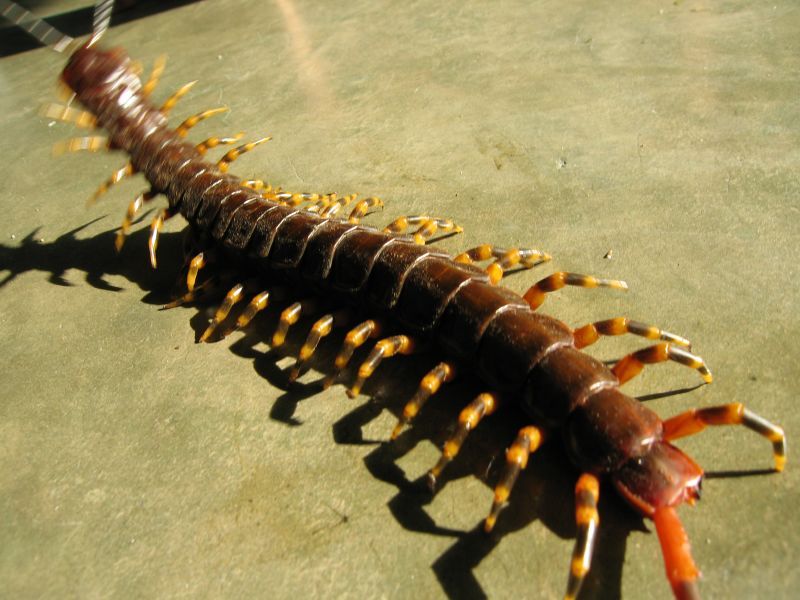
Large venomous centipedes occasionally appear in Ohio homes after arriving in shipping containers, plant deliveries, or luggage from tropical vacations.
These unsettling arthropods feature numerous legs, segmented bodies, and modified front legs that inject venom into prey or threats.
While giant desert centipedes naturally live in southwestern states, smaller venomous species and accidental imports sometimes show up in basements and bathrooms.
Centipedes prefer dark, damp environments where they hunt other insects, making them beneficial pest controllers despite their frightening appearance.
Bites happen when people accidentally touch centipedes while moving stored items or when centipedes crawl into shoes or bedding.
The venom causes localized pain, swelling, and redness similar to a wasp sting, though larger species produce more intense reactions.
Serious medical complications are rare, but cleaning the bite area and monitoring for signs of infection provides important precautions.
Reducing moisture problems, sealing foundation cracks, and eliminating clutter removes the conditions that attract centipedes indoors.
Most centipedes found in Ohio homes are smaller native species with less potent venom than their desert relatives.
Capturing and releasing centipedes outdoors rather than attempting to handle them prevents most bite incidents.
Understanding that these creatures rarely pose serious threats helps Ohio residents respond calmly while taking sensible steps to keep them outside where they belong.
12. What Ohio Residents Should Do If They Encounter A Venomous Creature
Staying calm represents the most important first step when encountering any venomous creature in Ohio’s outdoors or around your home.
Most venomous animals prefer to avoid humans and will retreat if given space and an escape route.
Back away slowly from snakes, spiders, and insects without making sudden movements that might trigger defensive behavior.
Never attempt to capture, handle, or eliminate venomous creatures yourself unless you have proper training and equipment.
If someone receives a bite or sting, move them away from the area to prevent additional injuries from other nearby creatures.
Remove tight clothing or jewelry near the affected area before swelling begins, and keep the person calm and still.
Taking a photo of the creature from a safe distance helps medical professionals identify the species and determine appropriate treatment.
Contact emergency services immediately for snake bites, severe allergic reactions, or symptoms that worsen rapidly.
For minor insect stings, remove stingers by scraping, clean the area, and apply ice to reduce swelling and pain.
Monitor all bites and stings for signs of infection or allergic reactions that develop hours after the initial encounter.
Local wildlife authorities can provide guidance about problematic nests or repeated encounters with venomous species on your property.
Teaching family members about Ohio’s venomous creatures creates awareness that prevents accidents while allowing everyone to enjoy nature safely and confidently.