Vermont Gardeners Are Reusing Old Planters In 7 Creative Ways You Can Try
Vermont gardeners are turning old, forgotten planters into imaginative, functional garden features that save money and reduce waste. From pots past their prime to mismatched containers, creative reuse can add charm, character, and practicality to any garden.
Who knew your old planters could become the star of your yard? These ideas show how to transform tired containers into vertical gardens, hanging planters, herb stations, and even whimsical art pieces.
With simple adjustments like repainting, stacking, or adding drainage, old planters gain new life while showcasing plants in unique, eye-catching ways. Recycling garden items isn’t just eco-friendly, it’s stylish too!
Vermont gardeners who experiment with planter reuse enjoy sustainable, budget-friendly gardens that are both functional and fun. Creativity plus practicality makes every outdoor space distinctive and inviting.
Give old planters a new purpose and watch your garden thrive!
1. Turn Old Pots Into Vertical Herb Gardens
Space-saving solutions have become essential for Vermont gardeners who want to maximize their growing area without sacrificing variety.
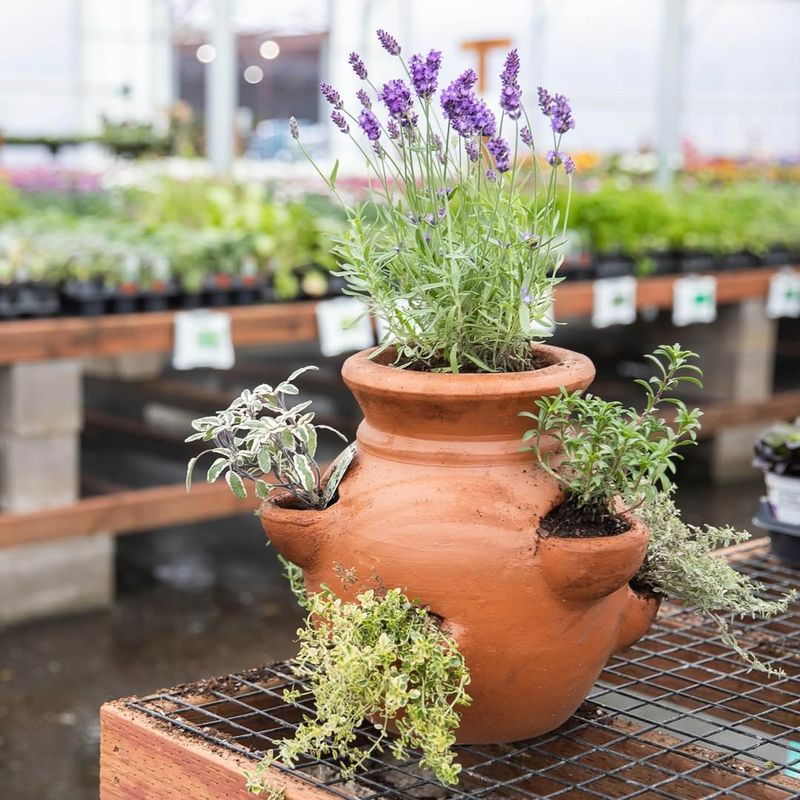
Vertical herb gardens made from stacked or hanging old planters offer an ingenious way to grow fresh basil, thyme, rosemary, and oregano even when you’re working with limited square footage.
The beauty of this approach lies in its simplicity and adaptability to different garden styles and locations. You can create a tower by stacking planters of decreasing sizes on top of each other, securing them with a central rod or pole for stability.
Alternatively, hanging multiple containers at different heights along a wall or fence creates a cascading effect that’s both practical and visually appealing.
Each planter becomes its own microenvironment, allowing you to tailor soil conditions and moisture levels to individual herb requirements.
This method works particularly well on sunny patios, balconies, or against south-facing walls where herbs can soak up Vermont’s summer sunshine.
The vertical arrangement also improves air circulation around your plants, reducing the risk of fungal issues that can plague herbs grown too closely together.
Plus, harvesting becomes easier when everything is at eye level or within comfortable reach, making it simple to snip fresh herbs for your favorite recipes throughout the growing season.
2. Make A Pollinator-Friendly Container Garden
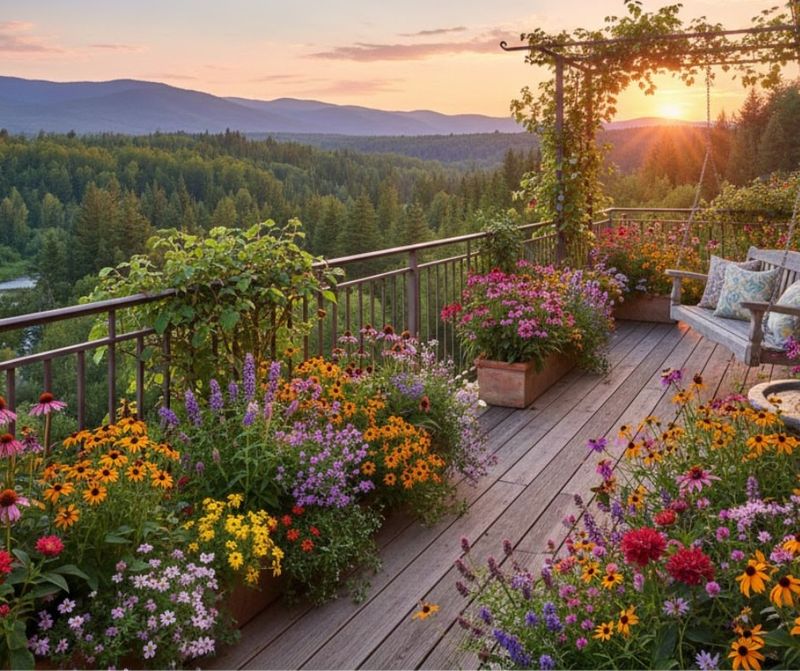
Pollinators are facing challenges across the country, and Vermont gardeners have taken notice by transforming old planters into havens for bees, butterflies, and hummingbirds.
Native flowering plants thrive in container environments, and using what you already have on hand makes this eco-friendly project even more sustainable.
Filling those forgotten pots with nectar-rich blooms creates feeding stations that support local pollinator populations throughout the growing season.
Consider planting native species like purple coneflower, black-eyed Susan, bee balm, and wild bergamot, which are perfectly suited to Vermont’s climate and irresistible to beneficial insects.
Group several planters together to create a pollinator buffet with staggered bloom times, ensuring continuous food sources from spring through fall.
The container format allows you to move these gardens to sunny spots where pollinators are most active or create strategic pathways through your yard.
Beyond the environmental benefits, pollinator gardens bring incredible movement and color to outdoor spaces. Watching hummingbirds hover over bright tubular flowers or observing butterflies dancing from bloom to bloom adds a magical element to any garden.
These container gardens require minimal maintenance once established, and the joy of supporting local ecosystems while beautifying your property makes this reuse idea truly rewarding for both you and the environment.
3. Use Planters As Mini Compost Bins
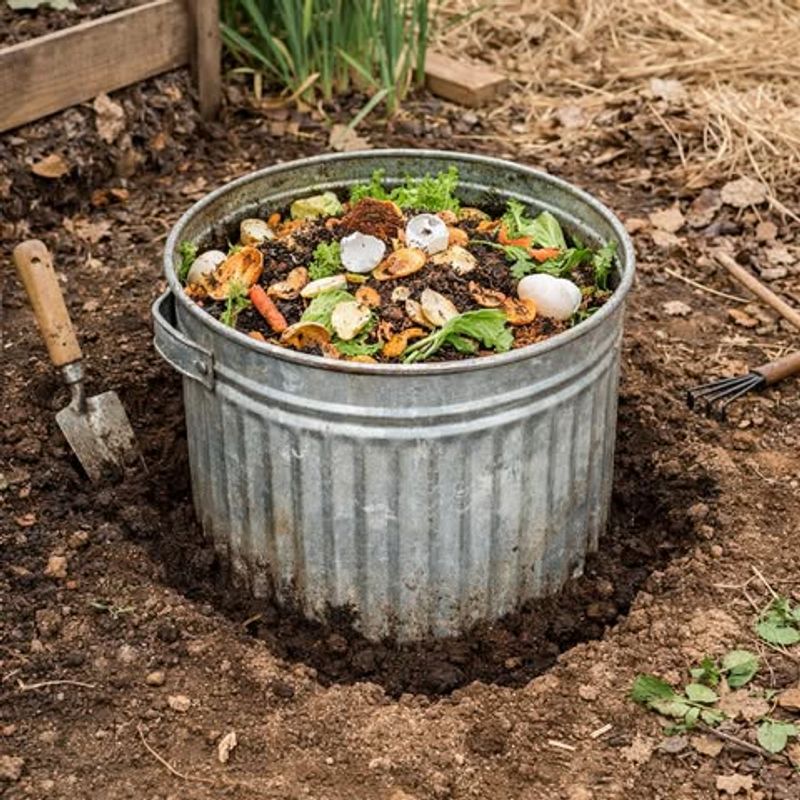
Composting doesn’t always require a large outdoor bin taking up precious yard space. Small to medium-sized planters with drainage holes make excellent mini compost starters for kitchen scraps before transferring the partially broken-down material to larger garden beds.
This approach works wonderfully for Vermont gardeners who want to compost year-round or those just beginning their composting journey without a major investment.
Start by placing a layer of brown material like shredded newspaper or dry leaves at the bottom of your planter, then add kitchen scraps such as vegetable peels, coffee grounds, and fruit cores.
Cover each addition with more brown material to control odors and maintain proper carbon-to-nitrogen ratios. The smaller scale allows you to monitor moisture levels and decomposition progress more easily than with massive compost piles.
These mini bins fit perfectly on apartment balconies, small patios, or even tucked beside kitchen doors for convenient access.
Once the material begins breaking down and the planter fills up, you can transfer the contents to your main garden beds or larger compost system, enriching your soil with homemade nutrients. This method reduces waste heading to landfills while creating valuable organic matter for your plants.
The convenience of having a small composting station right where you prepare meals encourages consistent composting habits and helps you appreciate the full cycle of garden-to-table-to-garden sustainability.
4. Create Seasonal Decorations
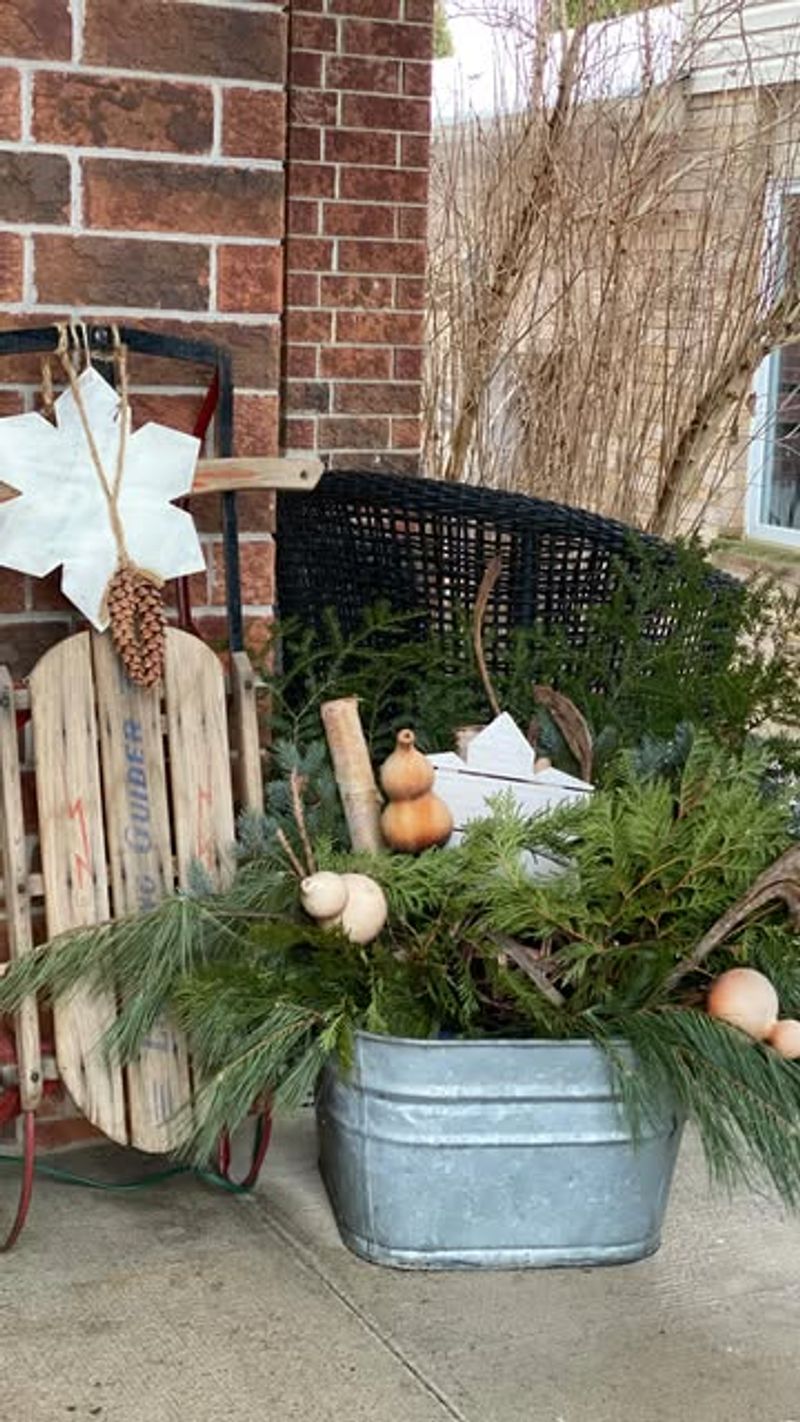
Vermont’s dramatic seasonal changes provide endless opportunities to showcase old planters as decorative elements that celebrate each time of year.
Rather than purchasing new containers for every holiday, repurposing existing pots for seasonal displays saves money while adding charm to porches, entryways, and garden paths.
The versatility of planters means they can hold everything from flowering plants to purely decorative elements depending on the season.
Autumn transforms old containers into stunning fall showcases filled with pumpkins, gourds, ornamental cabbage, and kale in rich purples and creams. Tuck in some dried cornstalks or colorful fall foliage branches to create height and texture.
When winter arrives, those same planters become vessels for evergreen boughs, pine cones, birch branches, and even strings of outdoor lights that illuminate snowy evenings.
Spring welcomes early bulbs like daffodils and tulips planted in layers within old pots, while summer calls for vibrant annuals or collections of found natural treasures like interesting stones or driftwood.
This rotating approach keeps your outdoor spaces fresh and interesting throughout the year without requiring constant purchases of new decorative items.
The weathered patina of older planters often adds character that new containers simply can’t replicate, giving your seasonal displays an authentic, lived-in quality that feels genuinely welcoming to visitors and family members alike.
5. Build A Container Water Garden
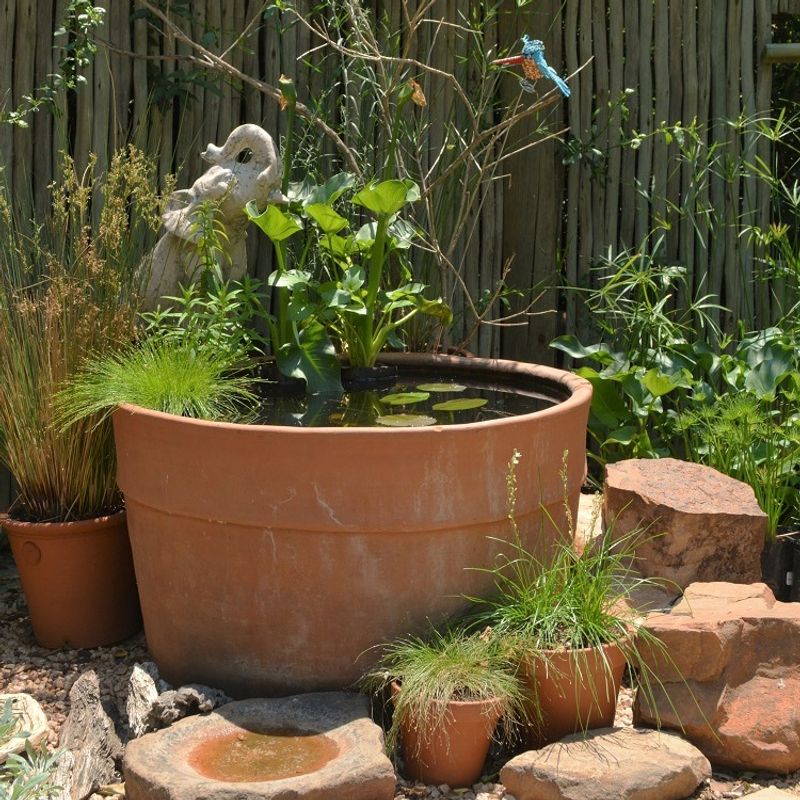
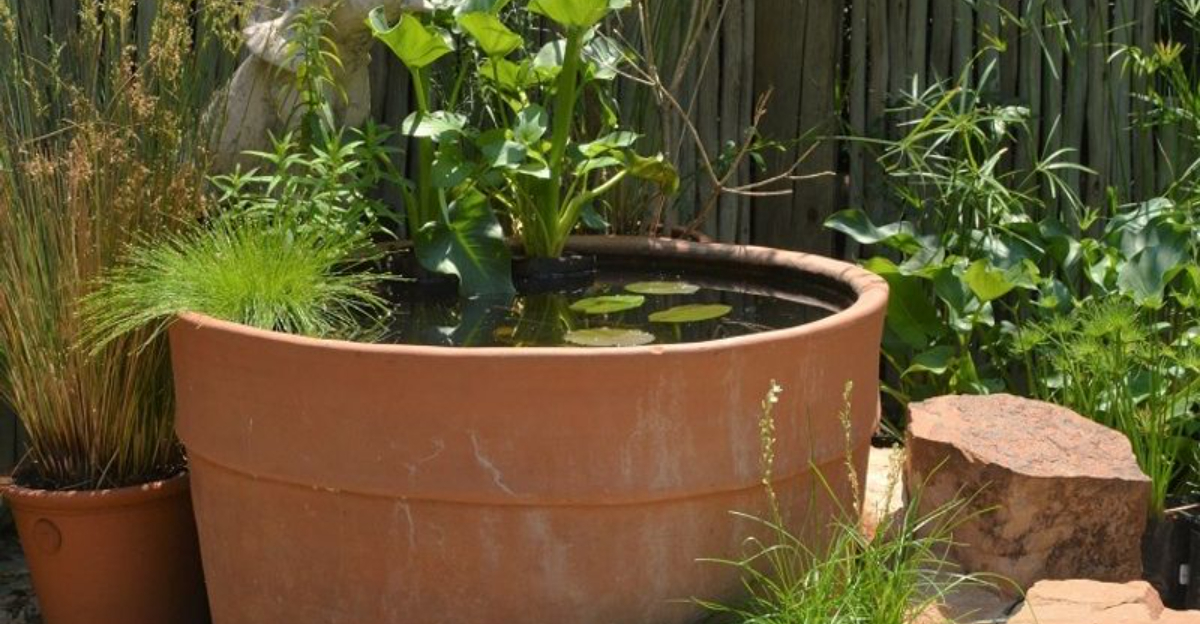
Water features bring tranquility and visual interest to gardens, and you don’t need an expensive pond installation to enjoy aquatic plants. Watertight planters or those sealed with pond liner create perfect miniature water gardens that support small aquatic plants like dwarf water lilies, water lettuce, or floating mosses.
Vermont gardeners have embraced this creative reuse as a way to add diversity to their plant collections while creating habitats for beneficial insects.
Select a larger planter without drainage holes, or seal existing holes with waterproof plugs or silicone. Fill it with water and add a layer of aquatic planting soil if you’re growing rooted plants, then introduce your water-loving specimens.
Floating plants require no soil at all and simply rest on the water’s surface, making maintenance incredibly simple for beginners.
Position your container water garden in a spot that receives partial sun, as too much direct sunlight can encourage excessive algae growth while too little prevents flowering.
These miniature ecosystems attract dragonflies, frogs, and birds seeking drinking water, adding movement and life to your outdoor spaces.
The gentle sound of water being disturbed by visiting wildlife creates a peaceful atmosphere that enhances relaxation areas.
During Vermont’s colder months, you can bring tender aquatic plants indoors or allow hardy varieties to overwinter outdoors, making this a flexible and rewarding way to expand your gardening horizons beyond traditional soil-based growing.
6. Make A Succulent Or Cactus Display
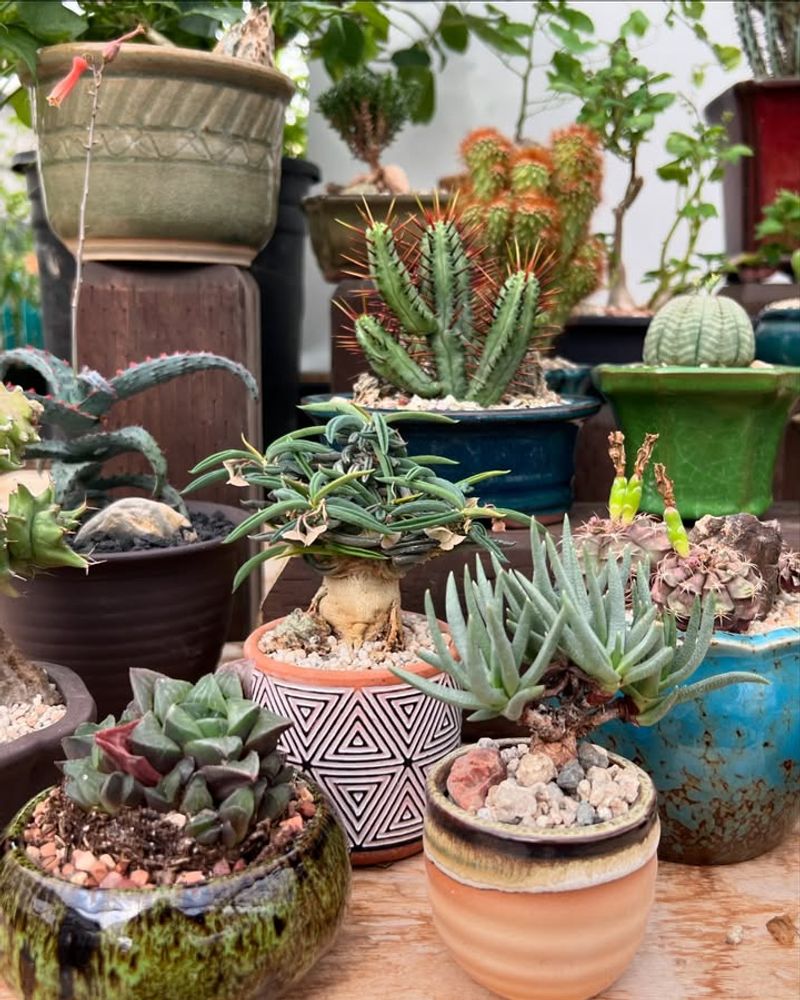
Shallow old pots that might seem less useful for traditional gardening find new purpose as homes for drought-tolerant succulents and cacti. These low-maintenance plants thrive in Vermont’s sun-exposed spots like south-facing windowsills, hot patios, or rock gardens where other plants might struggle with heat and limited water.
The shallow root systems of most succulents make them ideal candidates for pots with minimal depth that would otherwise go unused. Create striking arrangements by combining different succulent varieties with contrasting colors, textures, and growth habits.
Pair silvery echeveria with trailing sedum, add upright cacti for height, and fill gaps with colorful stone mulch that enhances drainage while adding visual appeal.
The minimal soil requirements mean even cracked or slightly damaged planters work perfectly, as long as they provide adequate drainage to prevent root rot.
Succulent displays require very little watering once established, making them perfect for busy gardeners or those who travel frequently during summer months.
Their architectural forms and surprising color range, from deep purples to bright greens and even pink-tinged varieties, create living sculptures that evolve slowly over time. During Vermont’s growing season, these containers can live outdoors, then easily transition indoors before frost threatens.
This flexibility makes succulent planters an excellent choice for renters or anyone who wants portable garden beauty that adapts to changing needs and spaces throughout the year.
7. Repurpose As Garden Tool Holders Or Storage
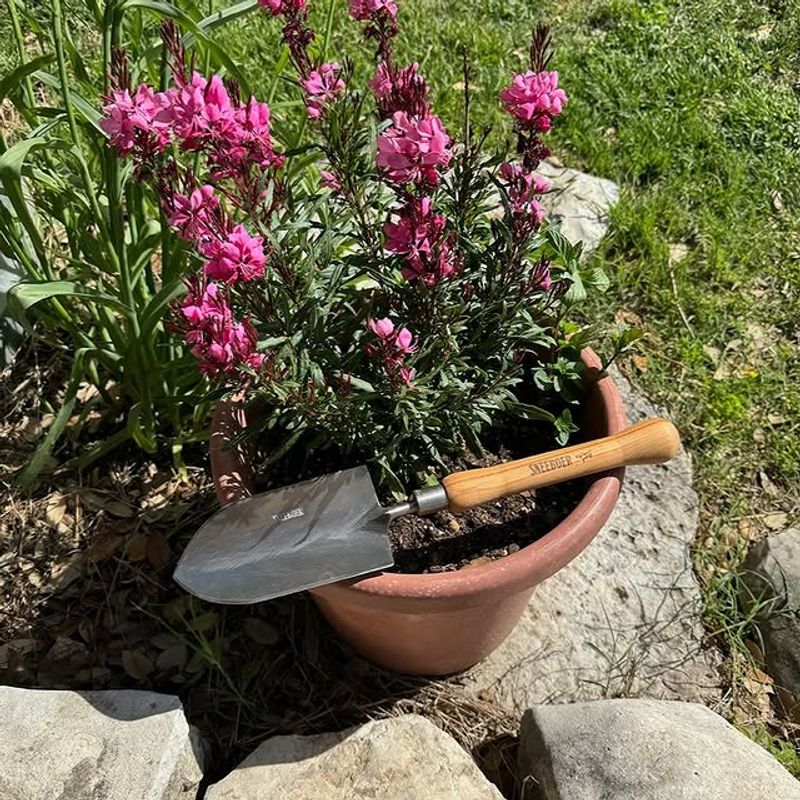
Functional organization transforms gardening from a frustrating search for misplaced tools into an efficient, enjoyable activity.
Old planters stationed near planting areas become perfect holders for trowels, hand rakes, pruning shears, gloves, and small stakes, keeping everything you need within arm’s reach while you work.
This simple repurposing idea costs nothing but saves countless minutes previously spent walking back and forth to retrieve forgotten implements.
Choose larger, sturdy planters for this purpose and position them strategically throughout your garden—one near vegetable beds, another by perennial borders, and perhaps one on your potting bench.
The drainage holes that once served plant roots now allow rainwater to escape, preventing tools from sitting in puddles that cause rust. You can even add a layer of sand or small stones at the bottom to absorb moisture and keep metal tools dry between uses.
Beyond hand tools, these repurposed containers work wonderfully for storing seed packets, plant labels, twine, and other small gardening supplies that tend to disappear when you need them most.
Decorative planters add charm to functional spaces rather than requiring you to hide utilitarian plastic buckets or bins.
Vermont’s variable weather means having tools readily accessible encourages you to tackle quick gardening tasks even when time is limited, helping you stay on top of weeding, deadheading, and other maintenance that keeps gardens looking their best throughout the growing season.