7 Versatile Plants You Can Grow As Vines, Shrubs, Or Trees In California
In a state as diverse as California, gardeners have the unique advantage of choosing plants that can adapt to a wide range of styles, spaces, and climates.
One of the best-kept secrets among experienced gardeners is the power of versatile plants, those amazing varieties that can be trained to grow as vines, shrubs, or even small trees depending on how you shape them.
These multi-form plants not only give you flexibility in your landscape design but also offer long-term value, adapting to different garden goals over time.
Whether you’re working with a narrow side yard, a wide open space, or a cozy patio, these plants can be shaped to fit perfectly.
In California’s changing weather patterns and varied growing zones, versatility is more than a bonus, it’s a smart gardening strategy.
Plants like bougainvillea, wax myrtle, and even rosemary can serve more than one purpose depending on how you train and prune them.
Want privacy?
Grow them tall.
Need a ground cover?
Let them sprawl.
Prefer vertical interest?
Train them to climb.
Once you know which plants to choose and how to shape them, your options open up in every direction.
1. Bougainvillea: The Colorful Chameleon

Bougainvillea brings explosive color to California landscapes with its vibrant bracts in shades of pink, purple, red, orange, and white.
What makes this plant truly special is how it responds to your training methods.
Left unpruned, it sprawls as a massive vine that can climb walls, fences, and arbors, creating breathtaking floral displays that last for months.
With regular pruning and shaping, the same bougainvillea transforms into a dense shrub perfect for hedges or foundation plantings.
Some California gardeners even train single stems into small trees with rounded canopies that provide pops of color in courtyards and entryways.
The plant thrives in the state’s Mediterranean climate, loving full sun and tolerating drought once established.
Coastal and inland California gardens both welcome bougainvillea, though it needs protection from frost in colder inland areas.
The plant’s thorny branches make it excellent for security barriers when grown as a dense shrub.
Its roots prefer well-draining soil, which is common throughout much of California.
Bougainvillea blooms most heavily during warm months, with some varieties flowering year-round in mild coastal zones.
The actual flowers are tiny and white, while the colorful parts are modified leaves called bracts.
Pruning after each bloom cycle encourages bushier growth and more flowers, giving you control over whether your plant stays compact or spreads dramatically across your California property.
2. Lantana: The Butterfly Magnet
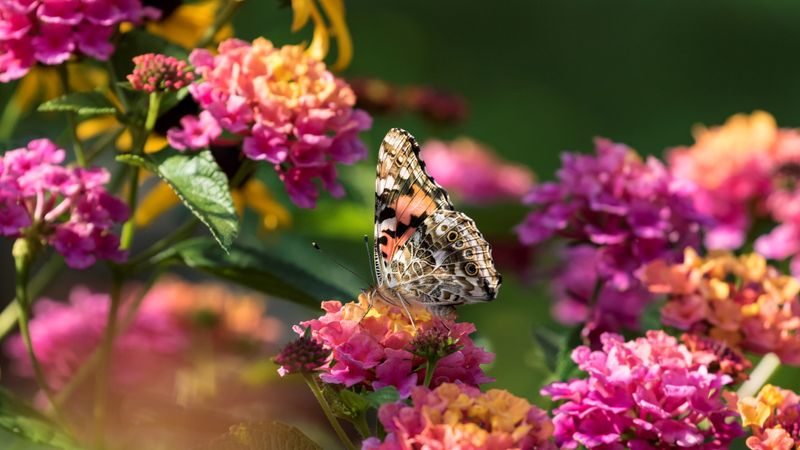
Lantana camara offers California gardeners incredible versatility along with clusters of tiny flowers that butterflies absolutely adore.
This plant adapts beautifully to different training methods, making it suitable for various landscape needs.
As a groundcover or sprawling vine, lantana spreads horizontally, covering slopes and spilling over retaining walls with cascades of blooms in yellow, orange, red, pink, or multicolored combinations.
Pruning transforms lantana into a rounded shrub that works perfectly for borders, mass plantings, or container gardens on California patios.
Some dedicated gardeners even train lantana into small standard trees with single trunks and ball-shaped canopies, creating focal points for entryways or poolside areas.
The plant handles California’s heat exceptionally well, thriving in full sun and requiring minimal water once its roots establish.
Throughout California’s warmer regions, lantana blooms almost continuously from spring through fall, sometimes even during mild winters.
The flowers attract not just butterflies but also hummingbirds, adding movement and life to your outdoor space.
Lantana tolerates poor soil, salt spray in coastal areas, and periods of neglect, making it ideal for low-maintenance California landscapes.
Different varieties offer different growth habits, with trailing types naturally forming vines and upright varieties more easily shaped into shrubs or small trees.
Regular deadheading keeps plants blooming heavily and prevents unwanted self-seeding, though lantana rarely becomes invasive when properly maintained in California gardens.
3. Star Jasmine: The Fragrant Wonder
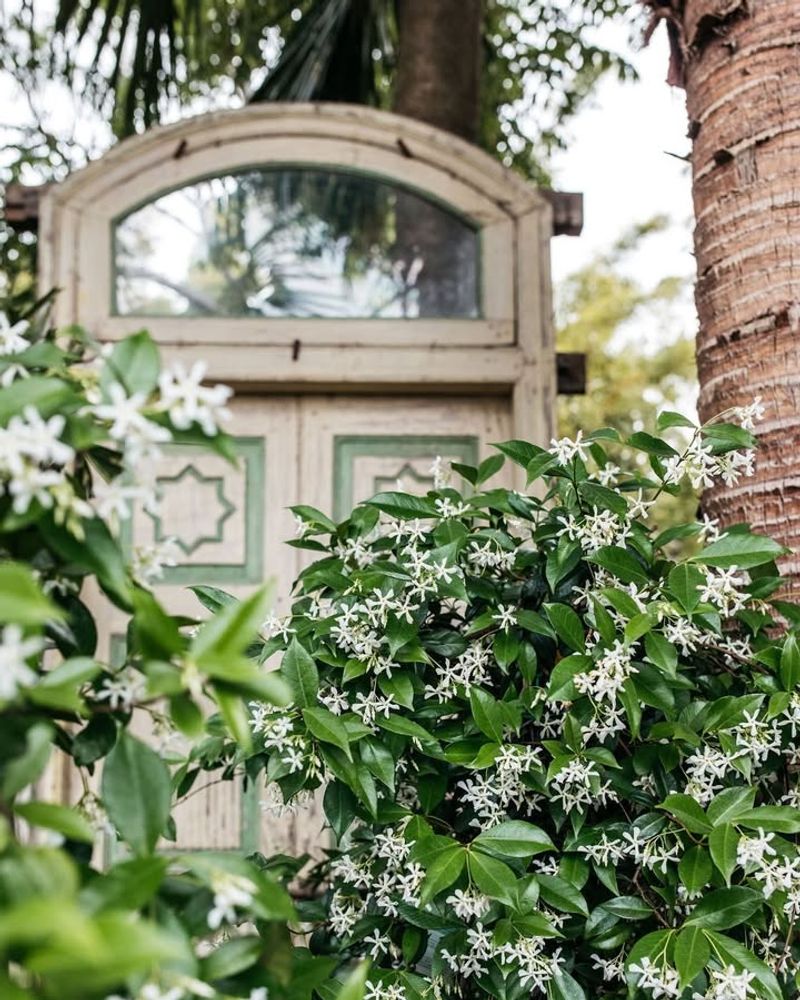
Star jasmine, or Trachelospermum jasminoides, fills California gardens with intoxicating fragrance from its small, white, star-shaped flowers.
This evergreen plant adapts remarkably well to different growing styles, making it one of the most versatile options for California landscapes.
When provided with support structures like trellises, fences, or arbors, star jasmine climbs enthusiastically, twining its stems around anything available and creating lush green walls covered with fragrant blooms in spring and early summer.
Without support, the same plant becomes a sprawling groundcover that roots where stems touch soil, perfect for covering slopes or filling bare areas under trees.
With consistent pruning and shaping, star jasmine forms a dense, mounded shrub suitable for foundation plantings or low hedges throughout California.
Some gardeners even train it as a small standard tree with a single trunk and rounded top, though this requires patience and regular maintenance.
Star jasmine tolerates California’s varied conditions beautifully, growing well in full sun along the coast and preferring partial shade in hotter inland areas.
The plant handles different soil types and requires moderate water, making it suitable for sustainable California landscapes.
Its glossy, dark green leaves look attractive year-round, even when flowers aren’t present.
In California’s mild climate, star jasmine stays evergreen and may bloom sporadically throughout the year, with the heaviest flowering in late spring.
The plant grows relatively slowly, giving you time to shape it as desired without constant pruning battles.
4. Wisteria: The Spring Showstopper
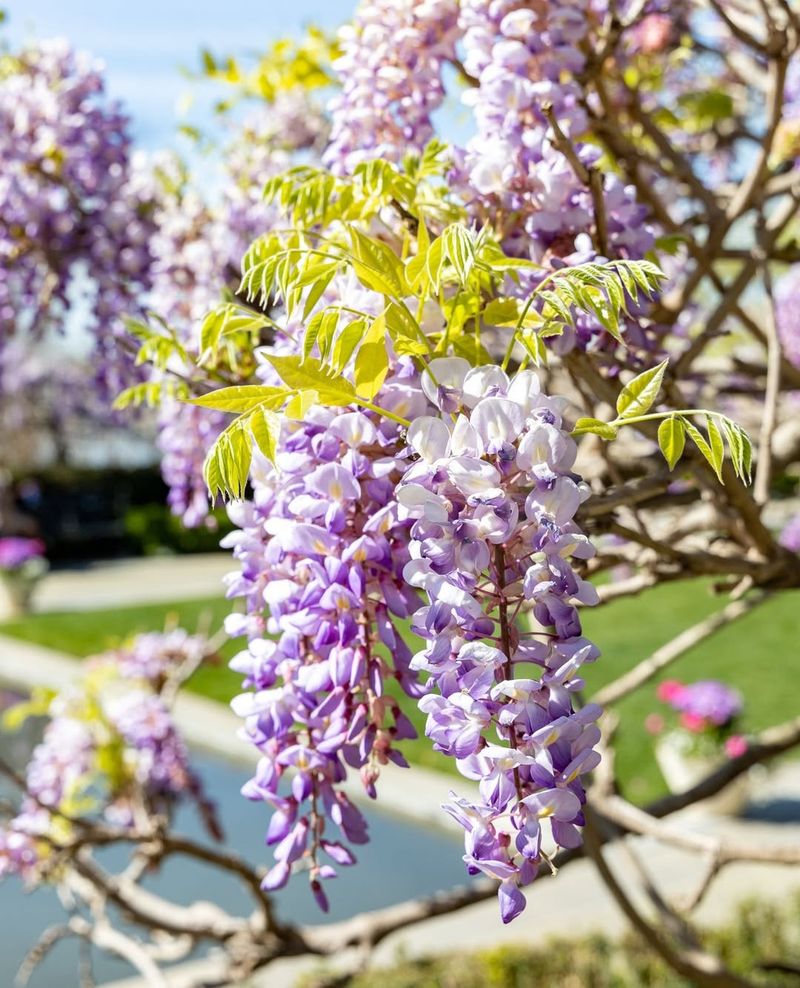
When wisteria blooms in California, neighbors stop to stare at the cascading clusters of fragrant purple, white, or pink flowers that look like floral waterfalls.
This deciduous plant grows vigorously and responds dramatically to different training methods.
As a vine, wisteria climbs with twining stems that can cover pergolas, arbors, and sturdy fences, creating stunning overhead canopies that provide dappled shade beneath hanging flower clusters in spring.
Pruning wisteria severely and regularly transforms it into a free-standing shrub with a woody framework and controlled size, perfect for California gardens where space is limited.
Training a single trunk and removing all side growth creates a small tree form called a standard, with a gnarled trunk and umbrella-shaped canopy that becomes a sculptural focal point even when not flowering.
This tree form works beautifully in California courtyards and formal gardens.
Wisteria needs full sun and well-draining soil to thrive throughout California, though it adapts to various soil types.
The plant requires regular pruning to control its vigorous growth and maximize flowering.
Without pruning, wisteria can become overwhelming, but with proper training, it offers spectacular seasonal interest.
In California’s climate, wisteria blooms reliably each spring, with some varieties producing a lighter second flush in summer.
The plant goes dormant in winter, revealing its attractive twisted branches and woody structure.
Established wisteria tolerates drought well, making it suitable for California’s water-conscious landscapes once roots grow deep.
5. Potato Vine: The Rapid Grower
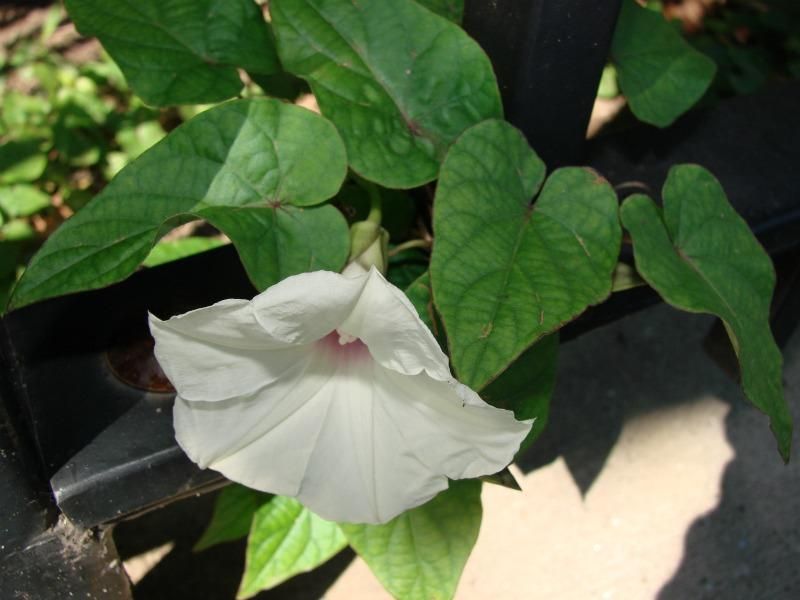
Solanum jasminoides, commonly called potato vine, races across California landscapes with enthusiasm, producing masses of white or pale blue star-shaped flowers throughout warm months.
This fast-growing plant adapts quickly to whatever role you assign it.
When given a trellis, fence, or wall, potato vine climbs rapidly using twining stems, creating dense screens that provide privacy and cover unsightly structures in just one or two growing seasons across California.
Allowing potato vine to sprawl without support creates a thick groundcover that cascades over walls and banks, controlling erosion while adding color.
Regular hard pruning keeps potato vine compact as a bushy shrub for borders or mass plantings in California gardens.
Some creative gardeners even train it as a small weeping standard tree with a single trunk and cascading branches that create a fountain effect covered in flowers.
Potato vine thrives throughout California, handling coastal conditions and inland heat equally well when provided with adequate water.
The plant prefers full sun but tolerates partial shade, especially in hotter inland areas.
Its evergreen foliage stays attractive year-round in California’s mild climate, though it may look tired after particularly cold winters in northern regions.
Blooming peaks in spring and summer, but potato vine often flowers sporadically throughout the year in California’s warmer zones.
The plant grows so vigorously that it needs regular pruning to maintain your desired form, but this same vigor means you can dramatically reshape it each year to suit changing landscape needs.
6. Trumpet Vine: The Hummingbird Haven
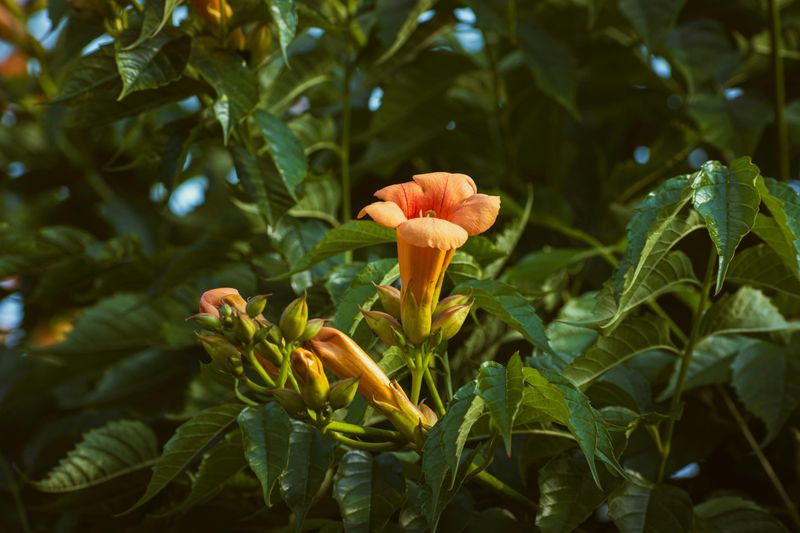
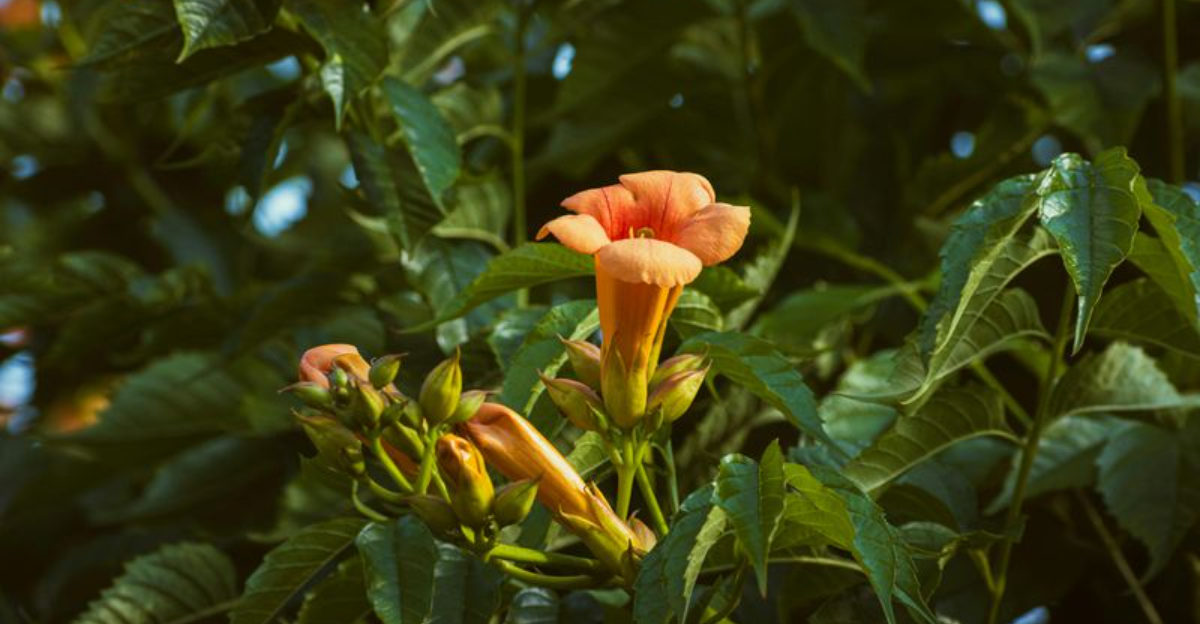
Campsis radicans produces spectacular tubular orange-red flowers that hummingbirds find absolutely irresistible, making California gardens come alive with winged visitors throughout summer.
This vigorous deciduous plant adapts to multiple forms depending on your training approach.
As a climbing vine, trumpet vine uses aerial rootlets to grip surfaces, scaling walls, fences, and trees with determination, eventually creating massive coverage that explodes with color when blooming begins.
Heavy pruning and structural support transform trumpet vine into a large, sprawling shrub suitable for informal hedges or filling large spaces in California landscapes.
Training a single strong stem and removing all competitors creates a small tree form with a thick trunk and spreading canopy that provides summer shade while attracting pollinators.
This tree form requires ongoing maintenance but creates a unique focal point in California gardens.
Trumpet vine tolerates California’s tough conditions, including heat, drought, and poor soil, though it blooms more heavily with regular water.
The plant grows vigorously once established, sometimes too vigorously for small spaces, so choose its location carefully.
In California’s climate, trumpet vine goes dormant in winter, losing its leaves and revealing its woody structure.
Flowering occurs on new growth from late spring through fall, with peak blooming in summer when hummingbirds are most active throughout California.
The plant spreads through underground runners, which can be managed through barriers or regular removal of unwanted shoots, giving you control over its ultimate size and form.
7. Climbing Roses: The Classic Beauty
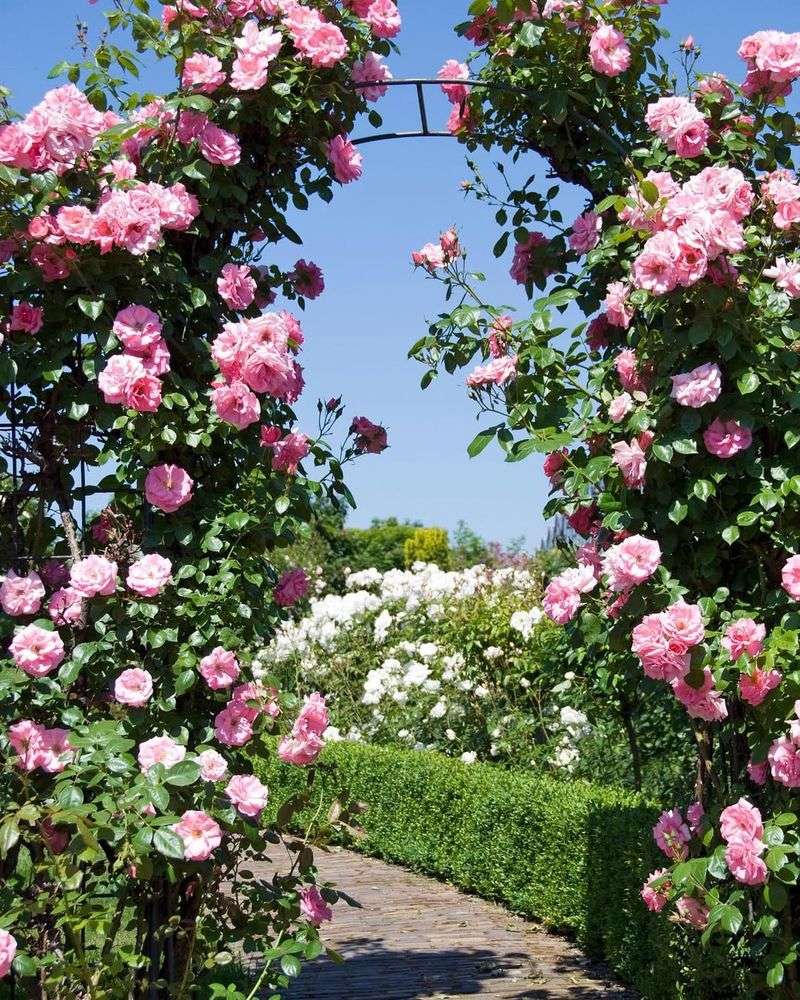
Climbing roses bring timeless elegance to California gardens with their abundant blooms and romantic appeal.
These versatile plants respond beautifully to different training methods, making them suitable for various landscape situations.
When tied to supports like trellises, arbors, or pergolas, climbing roses produce long canes that arch gracefully, covering structures with flowers in colors ranging from white and yellow to pink, red, and even striped combinations.
Pruning climbing roses into bush form creates large shrubs perfect for borders, mass plantings, or specimen plants throughout California landscapes.
Some varieties adapt to tree form training, where a single trunk is developed and side branches are pruned to create a rose tree or standard with a ball-shaped canopy of flowers.
This formal look works beautifully in California’s Mediterranean-style gardens and courtyards.
California’s climate suits roses perfectly, with mild winters and warm, dry summers that prevent many disease problems common in humid regions.
Most climbing roses bloom heavily in spring with repeat flowering throughout summer and fall, especially when regularly deadheaded.
The plants need full sun, regular water, and good air circulation to perform their best across California’s diverse microclimates.
Different varieties offer different characteristics, from thornless types to extra-fragrant blooms to disease-resistant foliage.
Choosing the right variety for your California location ensures success, whether you’re gardening along the foggy coast or in the hot Central Valley.
With proper pruning and training, climbing roses provide years of beauty in whatever form suits your landscape vision.