Virginia Garden Plants That Can Survive For More Than 100 Years
Some Virginia garden plants quietly outlive generations, growing stronger and more beautiful as decades pass.
I love the idea that a single planting can become part of a home’s story, standing through changing seasons, owners, and memories.
Once you learn which plants thrive for a century or more, gardening starts to feel a lot more meaningful and lasting.
1. American Holly
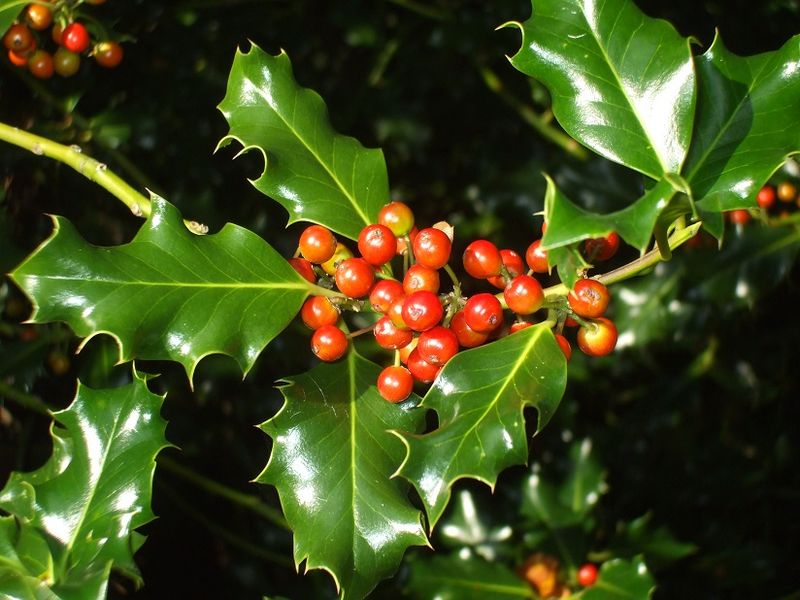
Few evergreens match the staying power of this native beauty that graces Virginia landscapes with glossy leaves and vibrant berries for generations ahead.
Gardeners across the state appreciate how this species adapts to various soil types while maintaining its distinctive appearance through scorching summers and freezing winters.
Birds flock to these trees during colder months, feasting on the bright red berries that female plants produce when a male pollinator grows nearby.
Planting one in your yard creates a living monument that will outlast your lifetime, providing year-round greenery and habitat for countless wildlife visitors.
Virginia homeowners often discover ancient specimens on their property, some dating back over a century, still producing berries and sheltering songbirds each season.
The thick, waxy leaves resist damage from pests and diseases, contributing to this plant’s remarkable longevity and minimal maintenance requirements over many decades.
Choose a location with good drainage and partial shade for best results, though these adaptable trees tolerate full sun once established properly.
Your descendants will thank you for planting this timeless classic that becomes more impressive and valuable as the years roll steadily forward.
2. Eastern Redbud
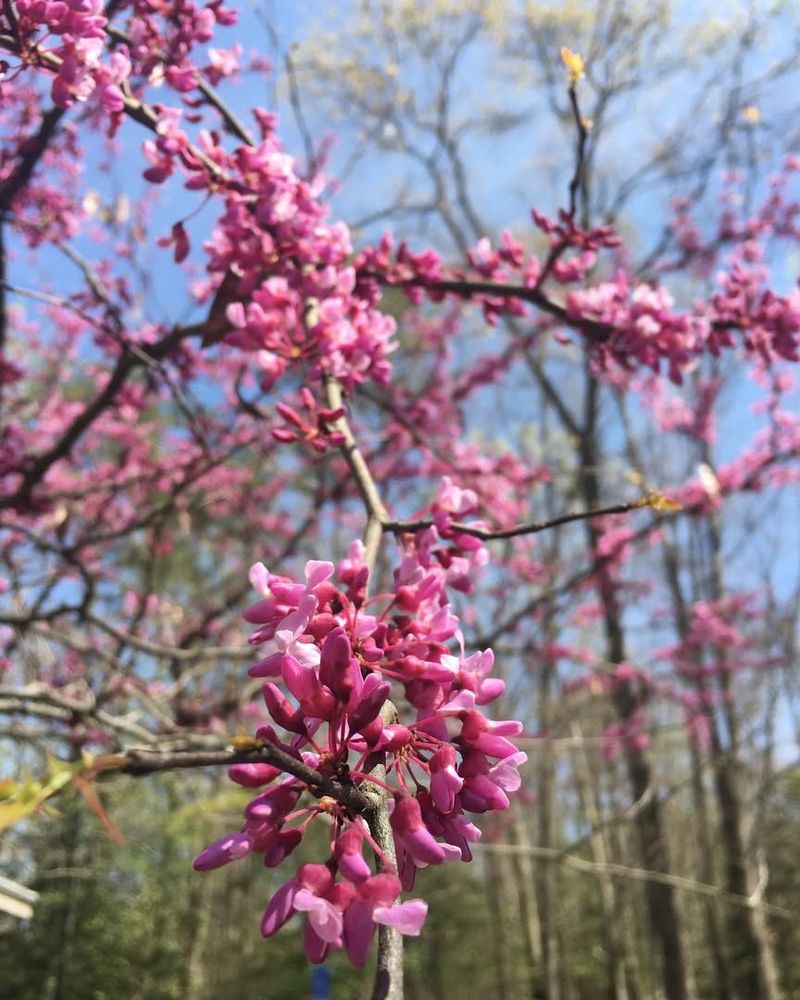
Spring arrives with breathtaking drama when this small tree explodes into clouds of pink-purple blossoms before leaves even emerge from winter dormancy.
Native to Virginia forests, this species thrives in garden settings where it can reach impressive ages while staying compact enough for smaller yards.
Heart-shaped leaves follow the flowers, creating a canopy that shifts from green to golden yellow as autumn approaches across the commonwealth each year.
Homeowners treasure these trees for their reliability, returning faithfully each spring with the same spectacular display that delighted previous generations of family members.
Planting one near a patio or window allows you to enjoy the early blooms up close, signaling winter’s end with cheerful color.
Virginia’s climate suits this species perfectly, providing the cold dormancy it needs while avoiding the extreme temperatures that stress plants in other regions.
Once established, these trees require minimal care, developing deep roots that help them survive droughts and storms that would topple less resilient species.
Specimens over a century old still bloom prolifically, proving that proper placement and patience reward gardeners with lifetime beauty and lasting garden value.
3. White Oak
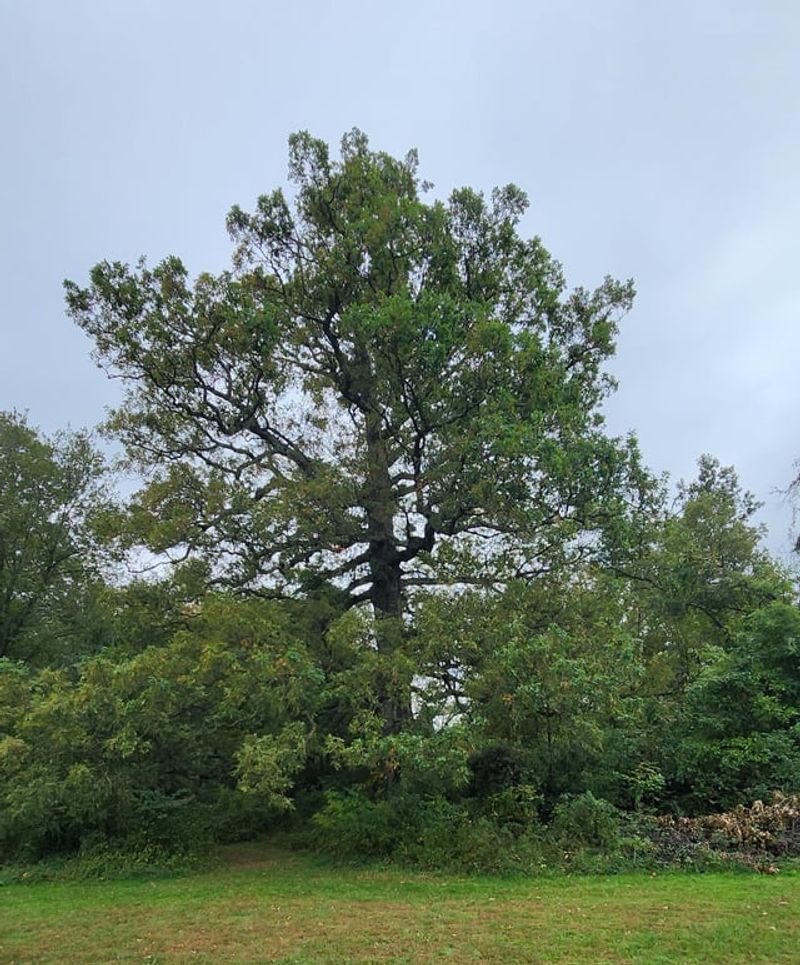
Majesty defines this towering native that can live for centuries, becoming a neighborhood landmark that shelters generations of families beneath its spreading branches.
Virginia’s state tree reaches enormous proportions over time, with some specimens growing over 100 feet tall and developing trunks several feet in diameter.
Acorns from these trees feed deer, squirrels, turkeys, and other wildlife, making them ecological powerhouses that support entire food webs for decades.
Planting a white oak requires foresight and space, but the investment pays dividends as it matures into a priceless shade provider and property asset.
Fall foliage ranges from russet to deep burgundy, adding seasonal interest that complements the tree’s impressive stature and gnarled, character-filled bark texture.
Homeowners in Virginia often build entire landscape designs around mature specimens, recognizing their irreplaceable value and the impossibility of quickly replacing such grandeur.
Strong, durable wood makes these trees resistant to storm damage, though their size means careful placement away from structures ensures safety for future generations.
Your great-great-grandchildren could rest under the same branches you plant today, connecting your family’s story to a living monument of remarkable endurance.
4. Boxwood
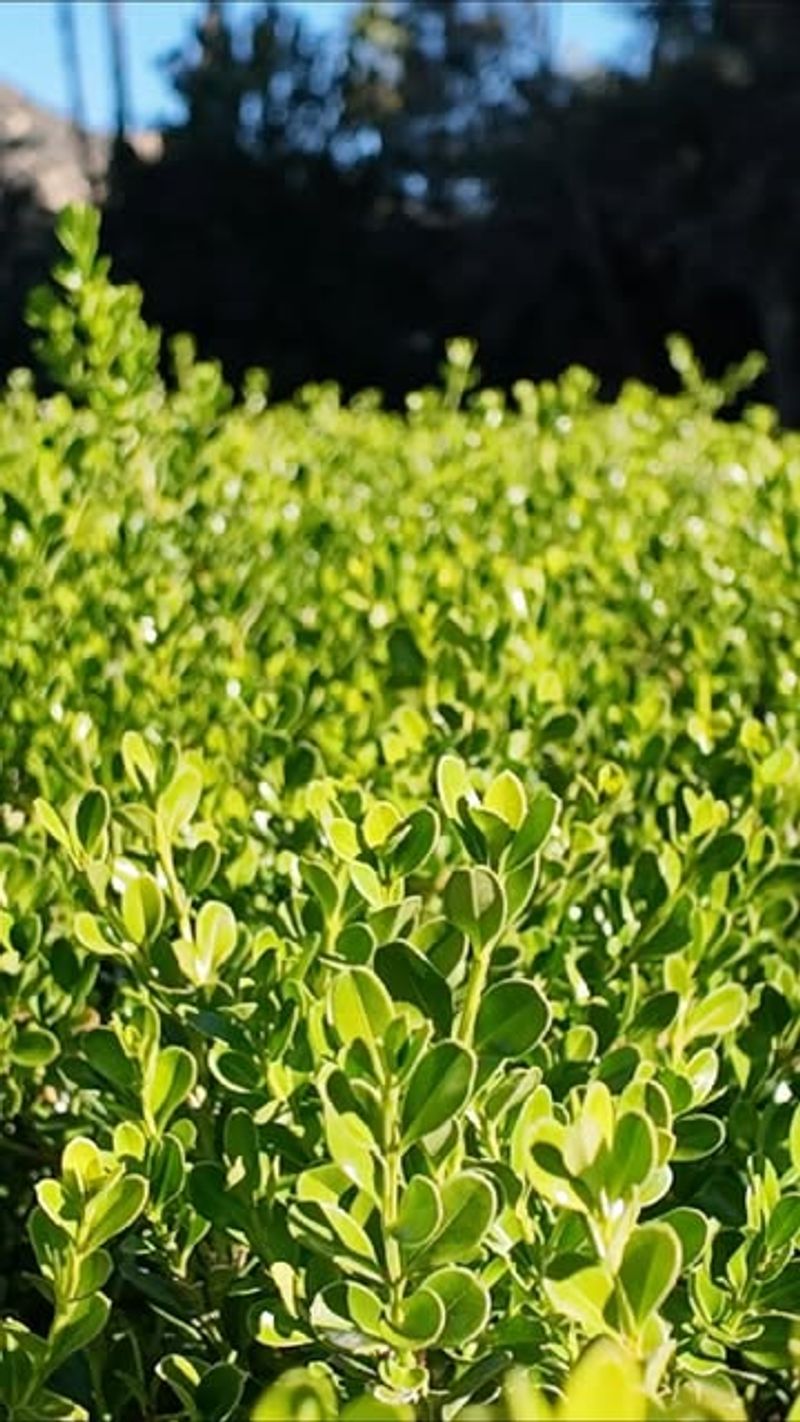
Colonial gardens throughout Virginia still showcase specimens planted centuries ago, their dense evergreen foliage shaped into formal hedges that define historic landscape designs.
This shrub’s ability to withstand regular pruning and shaping makes it perfect for gardeners who enjoy creating living sculptures that improve with each passing year.
Slow, steady growth contributes to exceptional longevity, as these plants develop thick, woody stems that resist damage from weather and maintain their structure reliably.
Virginia’s moderate climate suits boxwood perfectly, providing enough winter chill without the extreme cold that damages plants in northern states or Canadian provinces.
Garden designers appreciate how these versatile shrubs work in both formal and casual settings, serving as foundation plantings, borders, or standalone accent features.
Ancient specimens at historic sites like Mount Vernon demonstrate this plant’s incredible staying power, still thriving despite centuries of exposure to Virginia’s variable weather.
Choose American or English varieties for best results, ensuring you select cultivars proven to handle local conditions and resist common diseases that affect susceptible types.
Establishing boxwood in your landscape creates a framework that will outlast trends, providing structure and greenery that connects your garden to Virginia’s rich horticultural heritage.
5. Peony
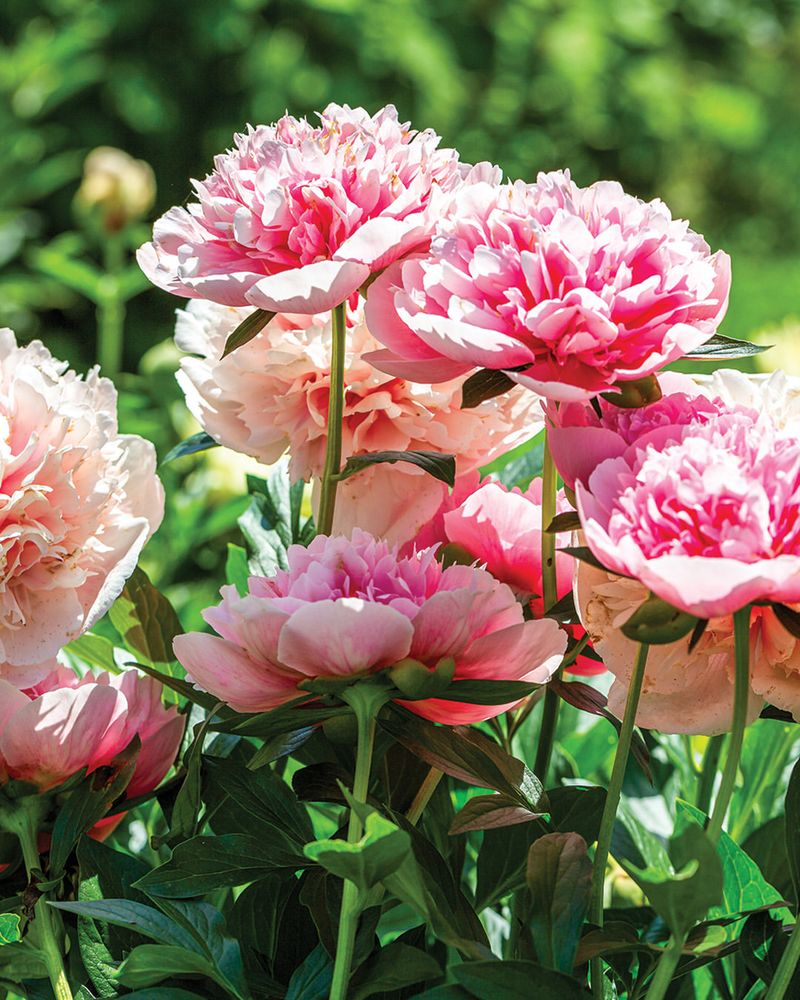
Grandmothers pass down divisions of these beloved perennials, sharing plants that have bloomed faithfully in Virginia gardens since before anyone can clearly remember their origins.
Massive, fragrant flowers arrive in late spring, ranging from pure white to deep crimson, with some varieties producing blooms nearly the size of dinner plates.
Underground roots grow larger and more productive each year, eventually forming clumps that can be divided and shared with neighbors, friends, and family members.
Virginia gardeners know that patience pays off with peonies, as young plants may take several years to reach full blooming potential but then continue producing.
Once established, these perennials require almost no maintenance beyond occasional watering during severe droughts and a light application of compost each spring season.
Ants crawling on buds before they open are harmless and actually help the flowers unfurl properly, so resist the urge to spray or remove them.
Cold winters in the commonwealth don’t harm these hardy plants; in fact, they need that winter chill to trigger proper bud development for the following year.
Planting peonies creates a legacy that will outlive you, providing beauty and cutting flowers for descendants who will treasure their connection to your thoughtful gardening.
6. Sugar Maple
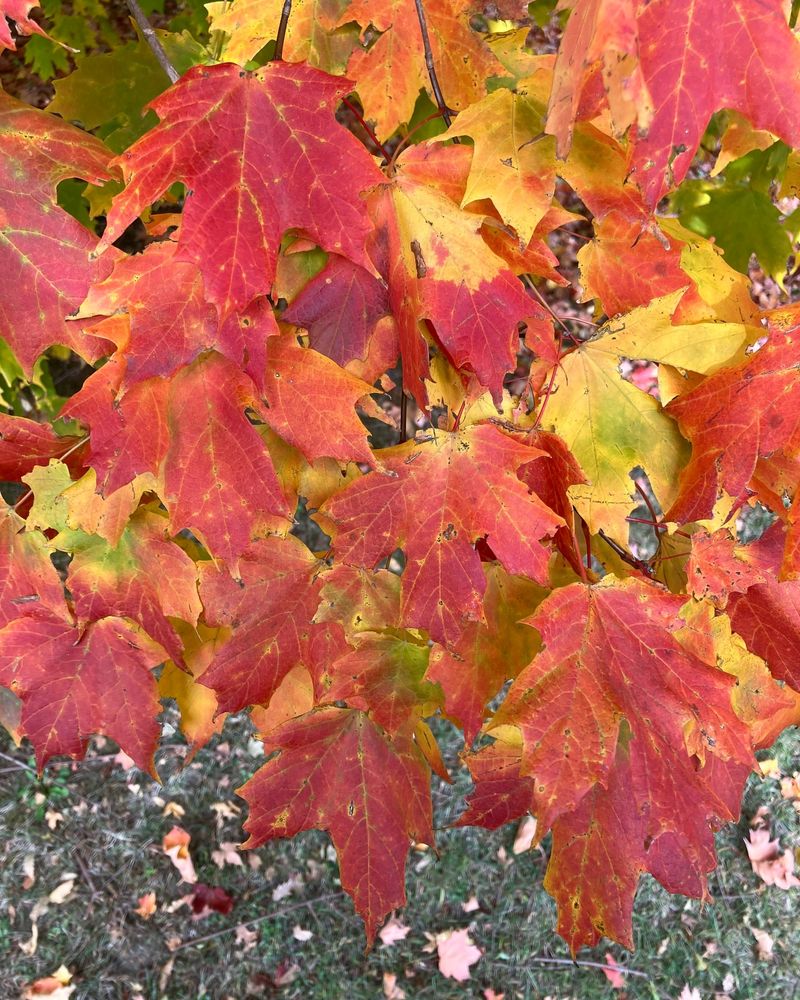
Autumn transforms these magnificent trees into blazing torches of orange, red, and gold that light up Virginia neighborhoods with color that takes your breath away.
Native specimens can live for several centuries, growing into shade giants that cool entire yards and reduce energy costs during hot, humid commonwealth summers.
Sap from these trees produces the maple syrup we enjoy on pancakes, though commercial production happens mostly in colder regions with longer winters.
Virginia homeowners plant sugar maples for their reliable performance, knowing that proper placement ensures generations of shade, beauty, and property value enhancement ahead.
Strong wood and sturdy branching patterns help these trees withstand ice storms and high winds that snap weaker species like twigs during severe weather events.
Children love climbing the lower branches, building treehouses, and hanging swings from these reliable giants that become central to family memories and childhood adventures.
Root systems spread wide but remain relatively shallow, so avoid planting too close to foundations, driveways, or septic systems where they might cause future problems.
Watching a sugar maple mature over decades provides a front-row seat to nature’s patience, reminding us that the best things truly take time.
7. English Ivy
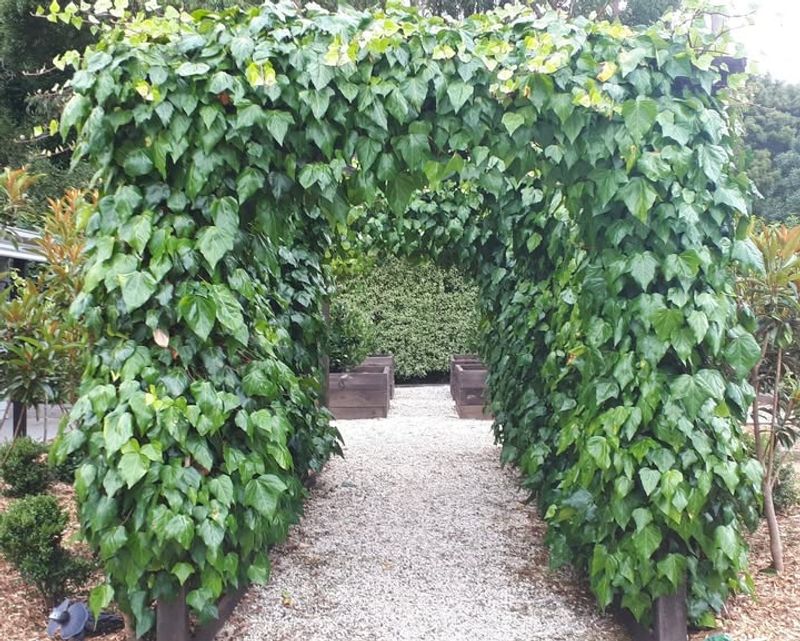
Brick walls and garden fences throughout Virginia wear living coats of this evergreen climber that outlasts the structures it covers by many decades.
Historic estates showcase ancient vines with stems as thick as your wrist, clinging to walls for over a century while maintaining their lush appearance.
Gardeners either love or hate this aggressive grower, but its longevity and ability to thrive in challenging conditions earn it respect among plant enthusiasts.
Virginia’s climate provides ideal conditions for this species, which remains green year-round and requires almost no care once it establishes its climbing habit.
Ground-covering applications work well in shaded areas where grass struggles, creating dense mats that prevent erosion on slopes and provide habitat for small creatures.
Mature plants develop woody stems and eventually produce flowers followed by dark berries that birds consume, spreading seeds to new locations around your property.
Control is essential, as this vigorous grower can overwhelm trees and shrubs if left unchecked, so regular trimming keeps it confined to desired areas.
Despite its aggressive nature, English ivy’s ability to survive for generations makes it valuable for creating permanent landscape features that endure through changing garden trends.
8. Japanese Maple
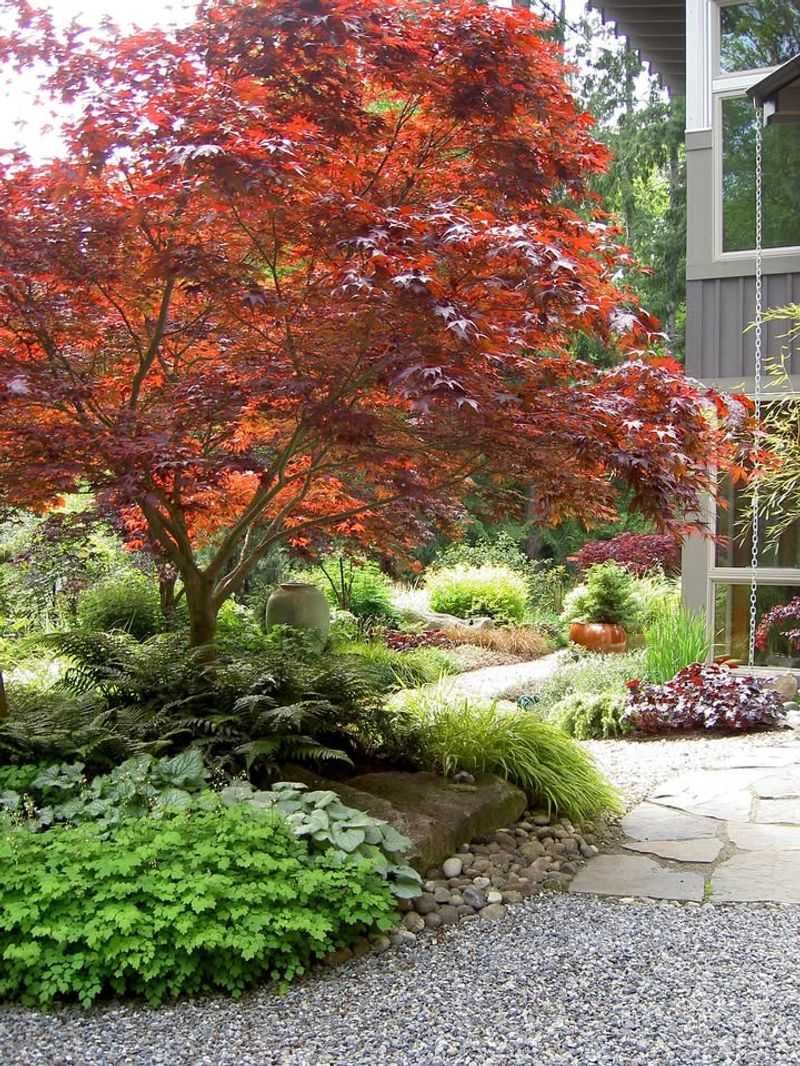
Elegance personified, these ornamental trees bring Asian garden aesthetics to Virginia landscapes with graceful forms and foliage colors ranging from burgundy to chartreuse.
Slow growth contributes to impressive longevity, as these trees take their time developing the artistic branching patterns that make mature specimens look like living sculptures.
Dozens of varieties offer different sizes, leaf shapes, and colors, allowing gardeners to choose specimens that perfectly suit their space and design preferences exactly.
Virginia gardeners prize these trees for their adaptability to partial shade, making them perfect for woodland gardens or spots beneath larger trees where sunlight filters.
Delicate appearance belies remarkable toughness, as established trees survive cold winters and hot summers that would stress less adaptable ornamental species from other regions.
Autumn brings another color show when green varieties transform to brilliant reds and oranges, while red-leaved types deepen to almost purple before dropping leaves.
Container growing works well for smaller varieties, allowing apartment dwellers and those with limited space to enjoy these long-lived beauties on patios and balconies.
Investing in a quality Japanese maple means acquiring a piece of living art that appreciates in value and beauty as decades pass steadily by.
9. Daylily
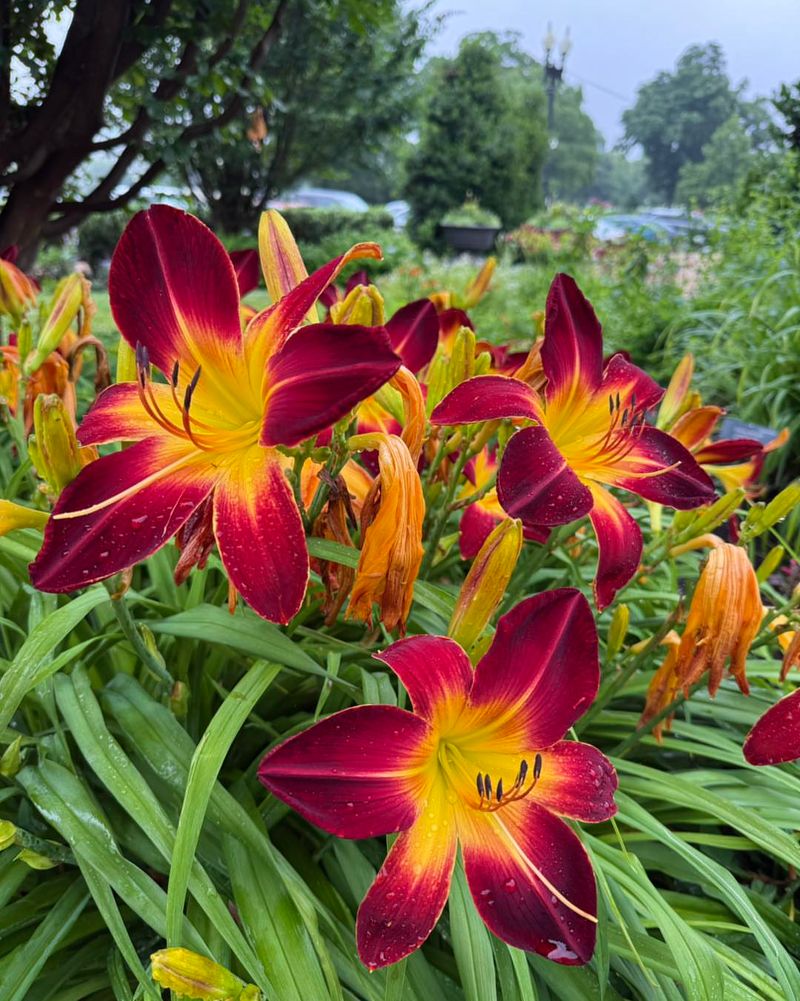
Tough as nails and beautiful as a sunset, these perennials multiply into massive clumps that bloom reliably for generations with almost no attention required.
Each flower lasts just one day, but plants produce so many buds that blooming continues for weeks, creating waves of color throughout Virginia summers.
Thousands of named varieties exist, offering every color except true blue, with some featuring ruffled edges, multiple colors, or fragrance that attracts pollinators enthusiastically.
Virginia’s heat and humidity don’t faze these adaptable plants, which thrive in conditions that stress more delicate perennials imported from cooler, drier climates elsewhere.
Dividing clumps every few years rejuvenates plants and provides extras to share, spreading your original investment throughout your garden and into neighbors’ yards.
Deer occasionally browse the buds and flowers, but they rarely damage plants enough to prevent blooming or threaten the overall health of established clumps.
Slopes and problem areas benefit from daylily plantings, as their roots hold soil effectively while their foliage creates attractive groundcover between blooming periods each season.
Starting with a few plants creates a legacy that multiplies naturally, eventually filling large areas with color and proving that the best garden investments keep giving.
10. Wisteria
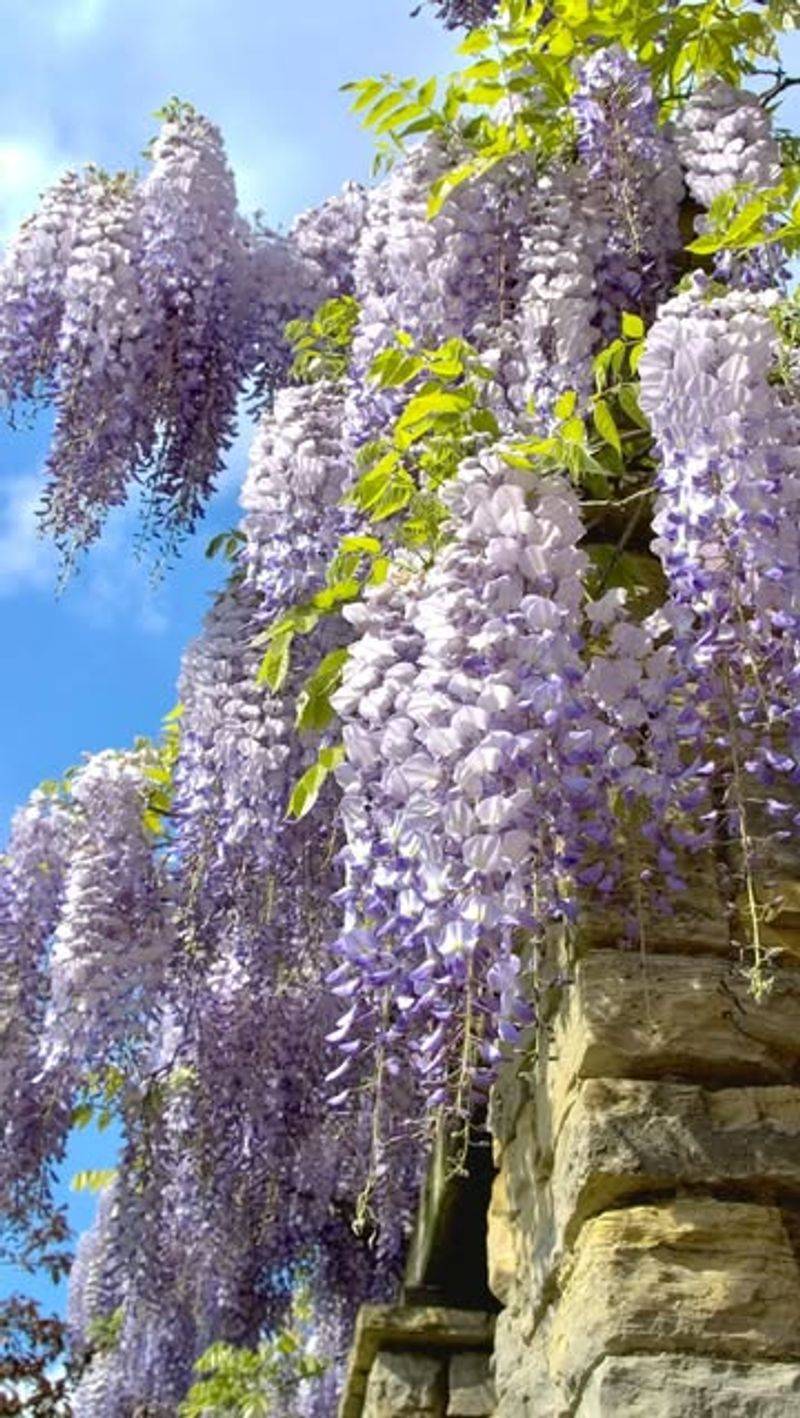
Romantic cascades of fragrant purple flowers drip from arbors and pergolas in spring, creating scenes straight from fairy tales that Virginia gardeners treasure annually.
Ancient vines develop trunks as thick as small trees, with twisted, gnarled wood that tells stories of decades spent climbing, blooming, and surviving.
Aggressive growth requires strong support structures and regular pruning, but the spectacular spring display rewards the effort with breathtaking beauty that neighbors admire enviously.
Virginia’s climate suits this vigorous climber perfectly, providing cold winters that encourage blooming and warm summers that fuel the rampant growth it’s famous for.
Chinese and Japanese varieties differ slightly in bloom timing and flower cluster length, so research before purchasing to ensure you get the characteristics you prefer.
Patience proves essential, as young plants may take several years to begin blooming, but once they start, they continue faithfully for generations to come.
Seeds form in long pods after flowers fade, but propagating from cuttings or layering produces plants that bloom sooner than those grown from seed.
Training wisteria into tree form creates stunning focal points that become garden centerpieces, though this requires consistent pruning and support during the establishment phase initially.
11. Bleeding Heart
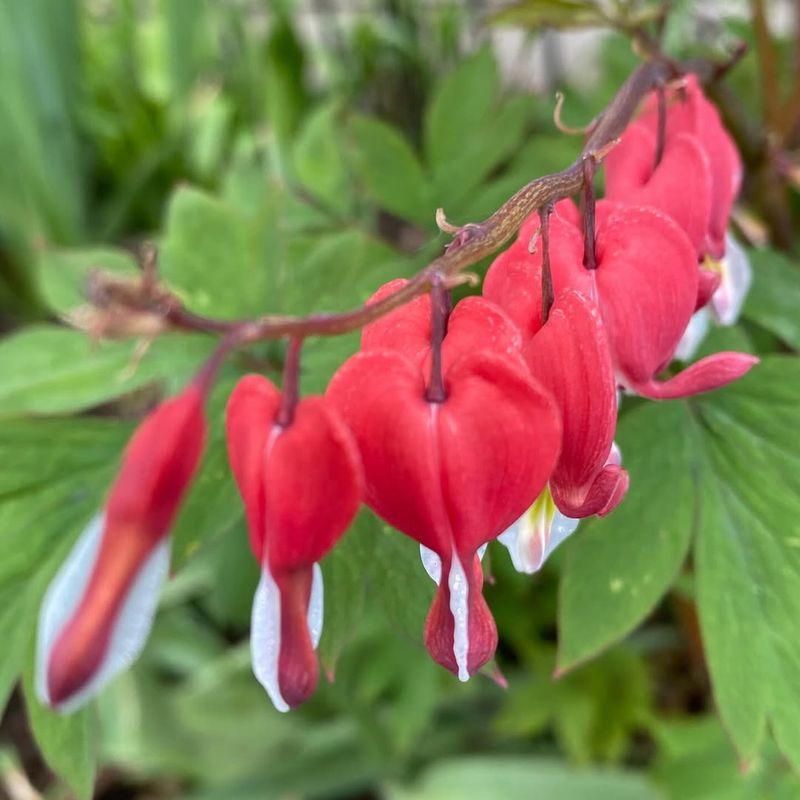
Woodland gardens come alive in spring when these shade-lovers unfurl ferny foliage topped with chains of heart-shaped flowers that dangle like tiny lockets.
Virginia gardeners treasure these perennials for their reliability in shaded spots where few other plants bloom, bringing color to areas beneath trees and along north-facing walls.
Old-fashioned pink varieties remain most popular, though white-flowered cultivars and newer hybrids offer alternatives for gardeners seeking different colors or extended blooming periods ahead.
Foliage often goes dormant during hot Virginia summers, disappearing completely until the following spring when it emerges fresh and ready to bloom again faithfully.
Companion planting with hostas, ferns, and other shade perennials helps fill spaces left when bleeding hearts go dormant, maintaining visual interest throughout the growing season.
Dividing established clumps every few years prevents overcrowding and provides new plants to expand your collection or share with fellow gardening enthusiasts in your community.
Hummingbirds and bumblebees visit the flowers regularly, appreciating the nectar rewards while providing pollination services that ensure seed production for future plant generations naturally.
Planting bleeding hearts connects you to generations of gardeners who have grown these charming perennials, creating living links to Virginia’s rich horticultural traditions and heritage.
12. Magnolia
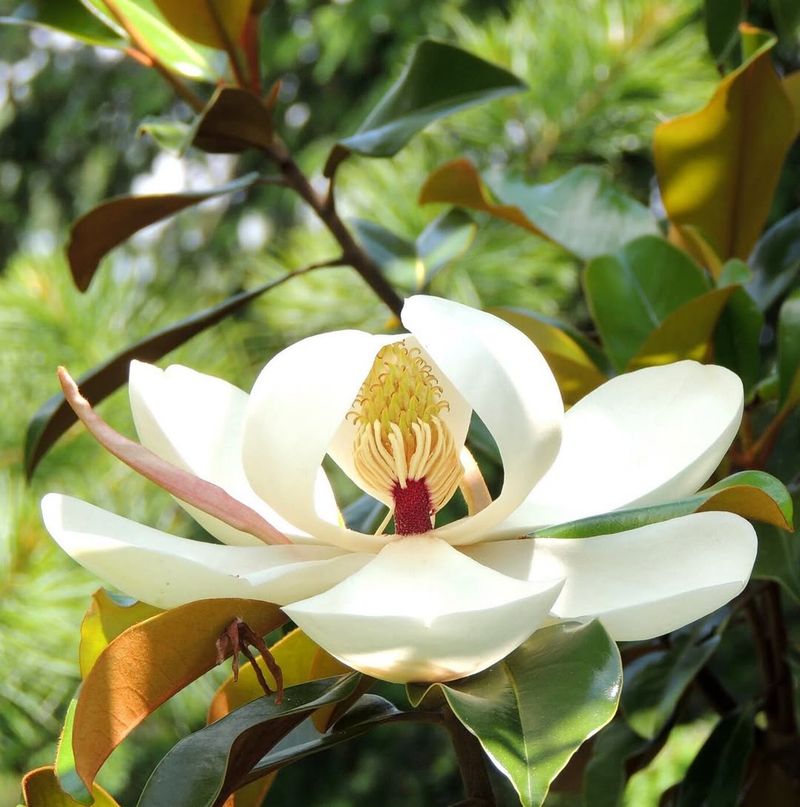
Southern grace meets northern hardiness in Virginia, where magnolias thrive and produce their iconic flowers that perfume entire neighborhoods with intoxicating fragrance each season.
Glossy evergreen leaves on southern varieties provide year-round interest, while deciduous types offer spectacular spring blooms before leaves emerge from winter dormancy across the state.
Massive white or pink flowers can measure nearly a foot across on some varieties, creating breathtaking displays that make these trees instant focal points wherever planted.
Virginia’s position between north and south allows gardeners to grow both hardy deciduous types and semi-tender evergreen varieties that struggle in colder climates elsewhere.
Ancient specimens become neighborhood landmarks, with local residents measuring time by their blooming schedules and children climbing their sturdy, low-hanging branches for generations running.
Fallen leaves take longer to decompose than most, so consider placement carefully to avoid creating excessive cleanup work near patios, pools, or high-traffic areas.
Planting magnolias requires commitment to their eventual size, as mature trees dominate landscapes and resist transplanting, so choose locations wisely from the very beginning.
Few trees match the combination of longevity, beauty, and fragrance that magnolias provide, making them worthy additions to any Virginia garden with adequate space available.