Virginia Homeowners Helping Wildlife Recover From The Worst Of July Heat
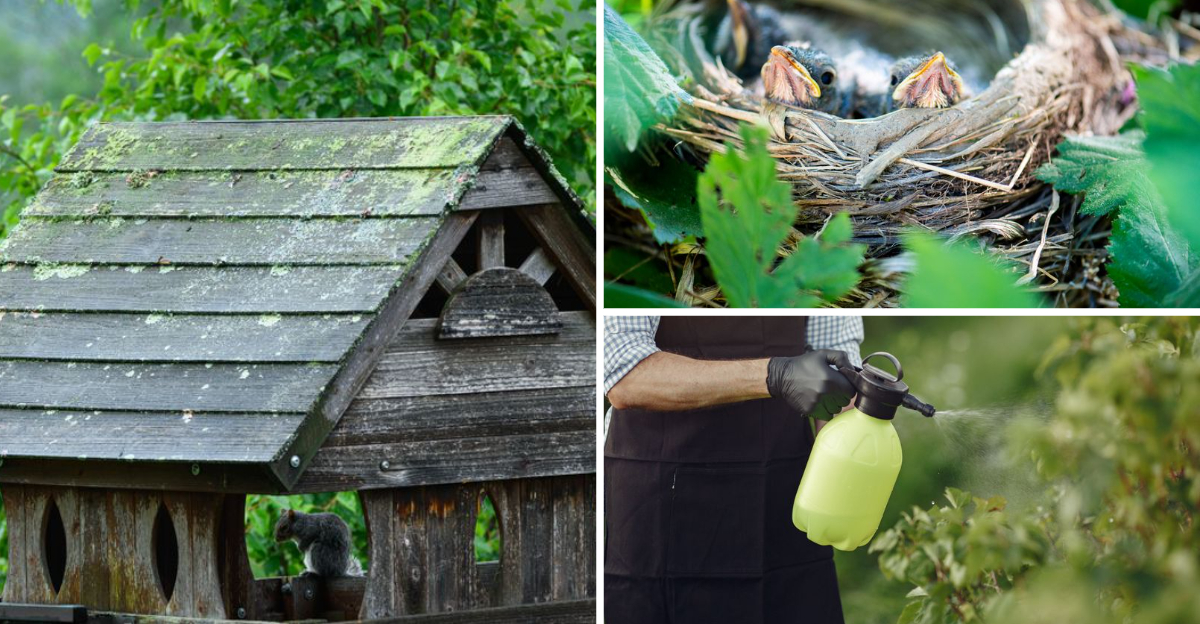
Virginia in July does not ease up, and the wildlife sharing your property feels every hour of it. Robins sit open-beaked on porch railings, chipmunks vanish into cool mulch, and rabbits freeze under boxwoods until the worst of the afternoon passes.
Backyards across the state are quietly becoming lifelines when the mercury climbs past 95 degrees. A shaded corner, water, or bare ground can mean the difference between a stressed visitor and one that survives.
None of this requires a landscaping overhaul. The homeowners seeing real results are the ones making small, deliberate adjustments that most neighbors would walk right past without noticing.
What those adjustments look like, and why they matter more in Virginia’s climate than almost anywhere else, is worth a closer look before the next heat wave rolls in.
1. Refill Water Sources Homeowners Often Forget
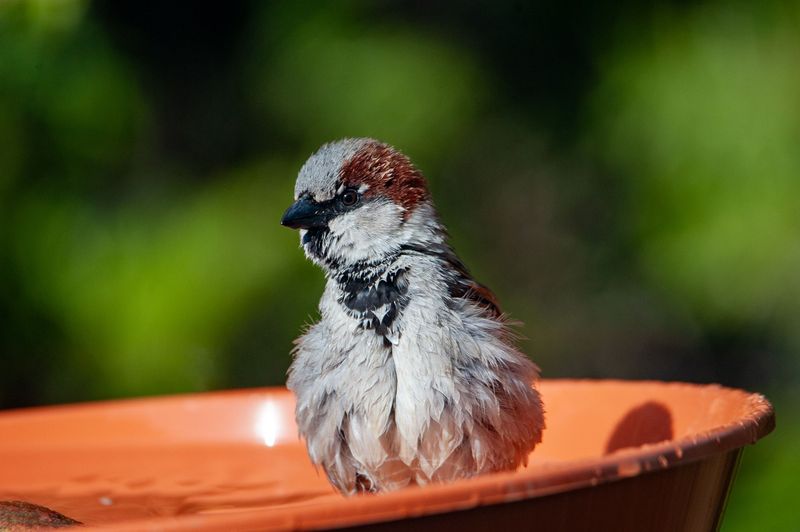
That old terra cotta saucer you shoved under a potted plant? Animals found it before you did. Shallow dishes, gutters, and low spots in the garden collect standing water that dries up fast in July heat.
Most homeowners remember the birdbath but forget the half-dozen other spots wildlife actually prefers. A cracked plastic pot tray near the fence line can serve a thirsty chipmunk just as well as anything fancy.
Ground-level water sources matter more than elevated ones during extreme heat. Toads, box turtles, and young rabbits cannot reach a standard pedestal birdbath.
Setting a shallow pie pan or plant saucer directly on the soil gives low-to-the-ground creatures a fair shot at hydration. Change the water daily so it doesn’t sit for long.
Stagnant water breeds mosquito larvae within 24 hours, turning your kind gesture into a neighborhood nuisance. A quick rinse and refill takes under two minutes and keeps the source safe.
Hummingbirds will hover over a misting sprinkler or a dripping hose for minutes at a time. Positioning a slow drip near a shrub gives them water and a quick perch.
The sound of dripping water also attracts more bird species than a still birdbath ever will. Water access consistently ranks as the single most effective fix a homeowner can make in July.
Start counting your forgotten water spots today, and you might be surprised how many you find.
2. Provide Shade For Stressed Backyard Animals
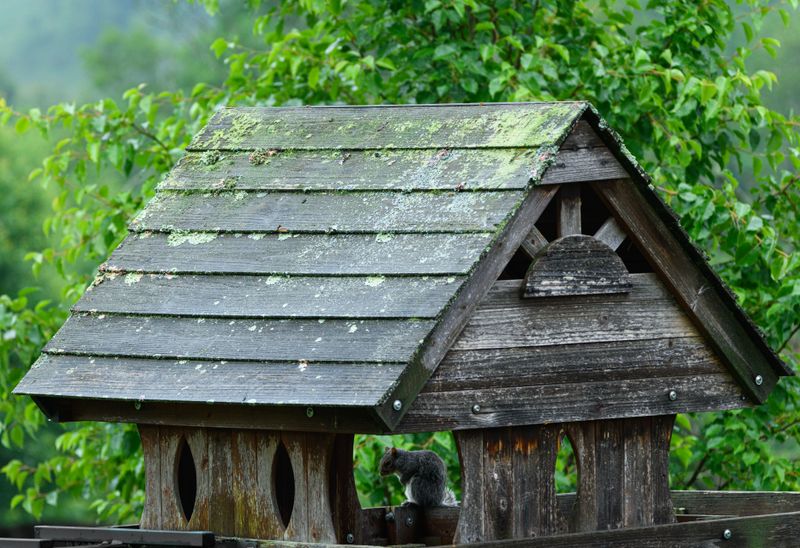
Concrete bakes. Mulch bakes. Even grass bakes when July sun hammers it for six straight hours. Animals caught in open yards have nowhere to escape rising ground temperatures.
A squirrel on bare soil in direct sun faces surface temps that can exceed 130 degrees Fahrenheit. That is not uncomfortable, and that is dangerous.
Lean a few cedar boards against a fence post to create a shaded corridor. Stack flat rocks in a shaded corner to give lizards and toads a cool place to press against.
These take ten minutes to set up and cost almost nothing. Dense shrubs do double duty by blocking wind and blocking sun.
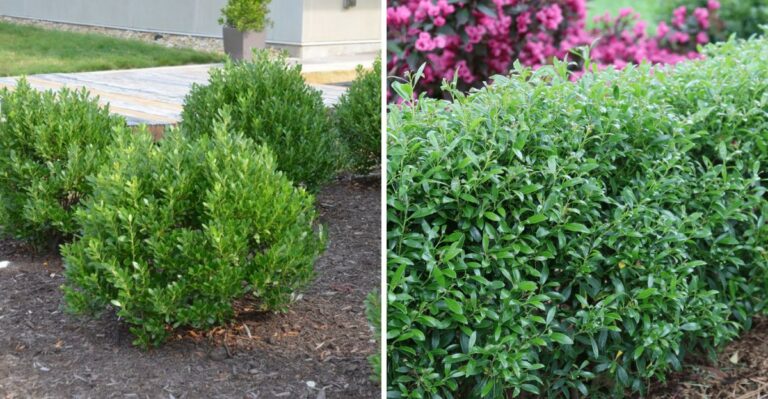
Native shrubs like inkberry holly or beautyberry create thick canopy close to the ground. Planting even one or two near a water source creates a complete micro-refuge animals will use all season.
Your Virginia Garden Changes Every Week. Your Plan Should Too.
Gardening in Virginia changes quickly throughout the season. Every Friday you’ll receive a simple weekly plan showing exactly what to plant, prune, fertilize, harvest, and protect so you never miss the right timing.
Old wooden pallets propped at an angle against a garage wall create surprising amounts of shade. Birds will roost under them, and rabbits will tuck behind them.
Even the family cat might claim the spot before the wildlife does. Shade cloth sold at garden centers can be draped over raised beds or strung between posts.
It blocks a meaningful share of direct sunlight and costs less than a pizza. Pair it with a water source nearby and you have built a functional wildlife recovery station.
Stressed animals need rest more than food during peak heat, and a cool shadow is the fastest relief you can offer them.
3. Delay Yard Cleanup Near Nesting Areas
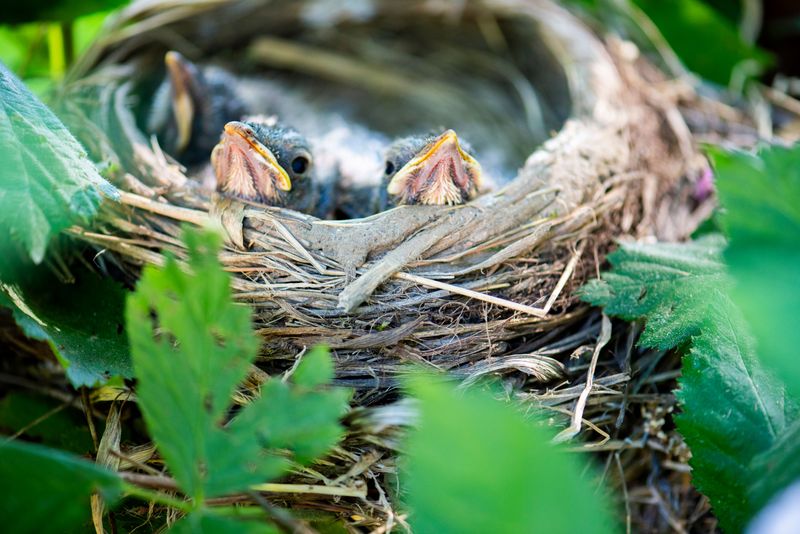
That messy corner of your yard you keep meaning to clean up? Leave it alone for now.
July is prime time for second and even third broods of nesting birds across the mid-Atlantic region. Robins, cardinals, and mockingbirds all raise multiple clutches per season.
Disturbing ground cover or low shrubs during this window can expose nests that parents will immediately abandon. Leaf litter piles are not just clutter.
They shelter ground beetles, earthworms, and the insects that nestlings depend on for protein. Raking them away during peak heat removes both habitat and the food chain that supports it.
A messy pile in the corner is actually a working ecosystem. Check before you mow.
Walk the perimeter of your lawn slowly and look for any ground-level movement before starting the engine. Cottontail rabbits build nests flush with the soil surface, covered in dry grass.
They are nearly invisible until a mower blade is inches away. Fallen branches should stay put until at least mid-August.
Woodpeckers probe rotting wood for beetle larvae, and skinks and fence lizards use the underside as a cool retreat. Moving that branch might feel productive, but it displaces multiple species at once.
Set a simple rule for your household: nothing near the fence line or back beds gets touched until September. Post a small sign if it helps remind everyone.
Patience costs nothing, and the wildlife recovering from July heat will reward it with a yard full of life all autumn long.
4. Offer Native Plants As Emergency Food
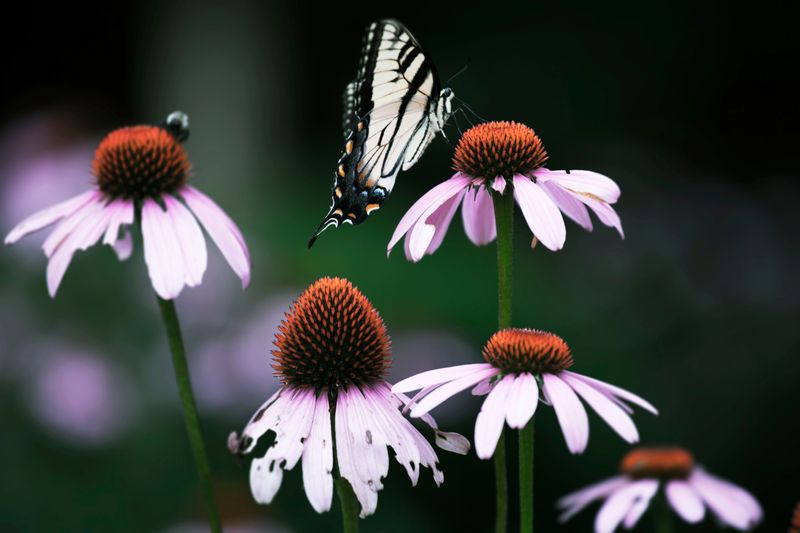
When heat scorches the landscape, natural food sources shrink fast and hungry animals start taking risks. Native plants offer something exotic ornamentals simply cannot: food that local wildlife already knows how to find and digest.
Black-eyed Susans, coneflowers, and partridge pea are not just pretty. They are functional fuel stations for bees, birds, and small mammals pushed to the edge by heat stress.
Berry-producing shrubs like native elderberry and serviceberry ripen in mid-summer on purpose. Evolution timed that perfectly to match when animals need energy most.
Planting even one elderberry shrub near a water source creates a corner of your yard that works overtime for local wildlife. Sunflowers are fast and generous.
Plant a short row along a sunny fence and they will begin producing seed heads within a couple of months. Goldfinches, chickadees, and house finches will strip them clean.
The spent stalks also attract aphids, which in turn attract ladybugs and lacewings that keep your garden balanced. Avoid removing every spent bloom during July.
Seed heads left standing become emergency pantries. A faded coneflower head holds dozens of seeds that finches will cling to for minutes at a time.
Resist the urge to tidy too soon. Potted native plants work just as well as in-ground ones for renters or small-space gardeners.
A single pot of native milkweed on an apartment balcony can support monarch butterflies passing through. Every square foot of native planting counts when the heat pushes wildlife into survival mode.
5. Reduce Pesticide Use During Recovery Period
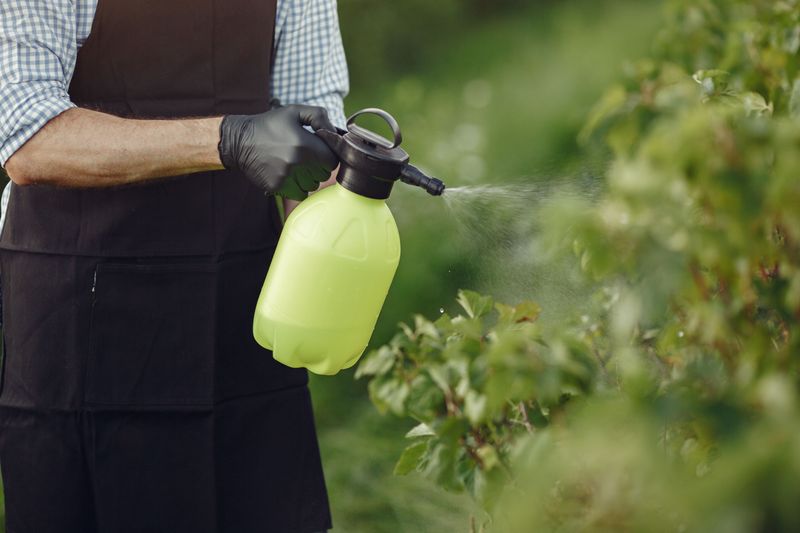
Spraying your yard during a heat wave is a double hit that most people rarely think about. Pesticides do not just target the pest you are after.
They coat the insects, berries, and leaf surfaces that birds and small mammals consume every single day. A robin feeding nestlings can deliver dozens of contaminated insects per hour without knowing it.
The nestlings absorb the residue with every feeding. Heat accelerates chemical breakdown on plant surfaces, but it also increases how quickly animals metabolize toxins.
A dose that might be tolerable in cooler conditions can overwhelm a heat-stressed bird or reptile. The timing of July applications makes the risk significantly higher than a spring or fall application.
Spot-treat only when truly necessary. Skip the broadcast spray and instead use a targeted approach on specific problem areas.
A small brush applying neem oil directly to aphid clusters does the job without coating an entire garden bed. Insect activity shifts constantly through a Virginia summer, and pest pressure on a given plant can ease on its own within a couple of weeks.
Waiting it out often solves the problem without any chemical input at all. Beneficial insects like ground beetles and parasitic wasps are your best allies during recovery periods.
They patrol your soil and foliage around the clock at no cost. Pesticide restraint is a small act with an outsized payoff for the yard’s whole food web.
Protecting these insects means protecting the entire food web that larger animals depend on.
6. Create Quiet Zones For Wildlife Rest
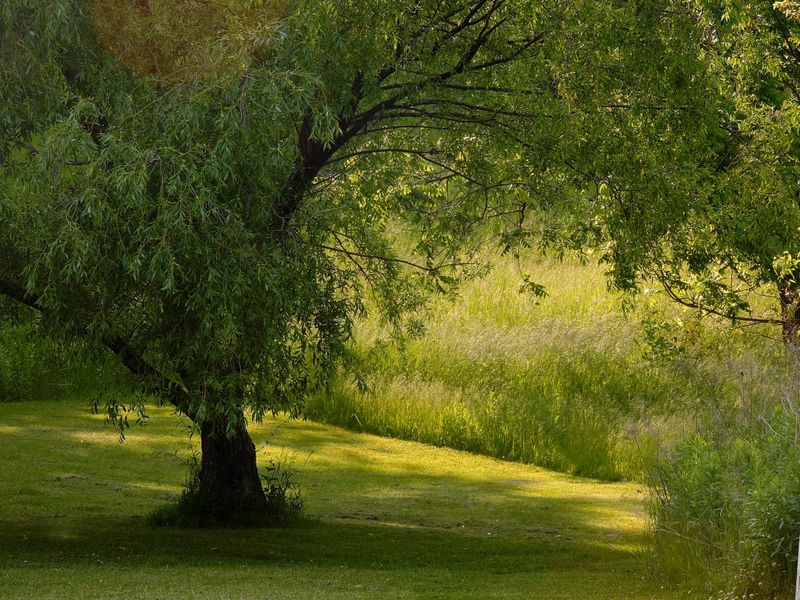
Noise is exhausting when you are already overheated, and animals feel that just as much as we do. Constant foot traffic, loud music, and barking dogs push stressed wildlife out of otherwise suitable habitat.
A yard that could support a dozen species during July heat becomes a bare zone when human activity never lets up. Creating one low-traffic corner changes that equation immediately.
Pick a section of your yard that gets afternoon shade and commit to leaving it undisturbed from noon to dusk. No mowing, no watering, no kids chasing each other through it.
That four-hour window of quiet is often enough for exhausted animals to rest, rehydrate, and move on safely. Dense ornamental grasses like switchgrass or little bluestem create visual screens that make animals feel hidden.
Feeling hidden can help lower stress in birds and small mammals. Lower stress means less energy burned, which matters enormously when food and water are already scarce. A brush pile in the quiet zone adds structure.
Stack branches in a loose crisscross pattern about two feet high. Wrens, sparrows, and chipmunks often move in within days.
The pile does not need to be neat. Messy is better because it creates more entry points and air pockets. Teach kids to observe from a distance using binoculars instead of approaching. That lesson builds lifelong naturalist habits.
A quiet zone is not just a wildlife feature. It is a place where your whole household learns to slow down and pay attention to what shares your space.
7. Monitor Birdbaths For Algae Buildup
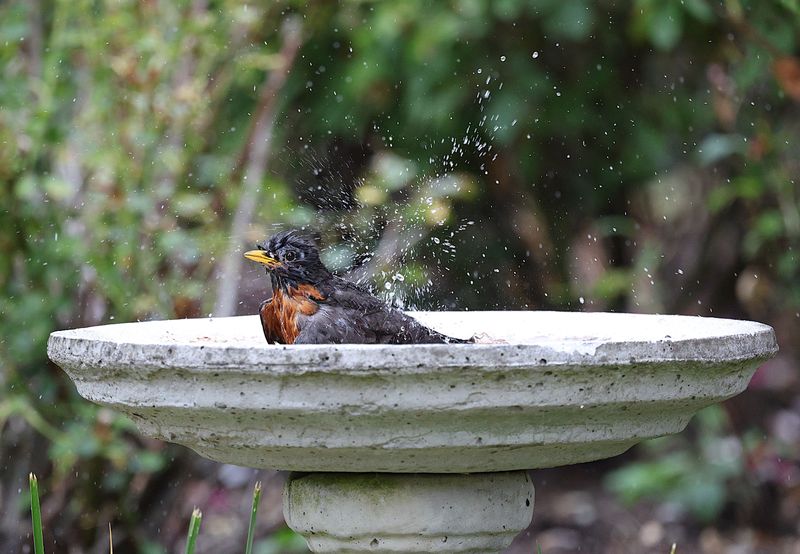
Green slime in a birdbath is not just ugly. It can be a health hazard for birds that drink from it regularly. Algae blooms accelerate in July because warm, shallow, sunlit water is exactly what algae needs to thrive.
A birdbath that looks fine on Monday can be coated in green film by Wednesday. Most common green birdbath algae is a nuisance rather than a toxin, but certain blue-green algae blooms can affect a bird’s nervous system and coordination.
Scrub the basin every two to three days using a stiff brush and plain water. Skip the bleach unless you rinse the basin at least five times afterward.
Even trace bleach residue can harm small birds with sensitive respiratory systems. White vinegar is a safer cleaning agent for routine scrubbing.
A 50-50 mix of white vinegar and water breaks down algae without leaving harmful residue. Rinse once thoroughly after scrubbing and the basin is ready to refill within minutes.
Placement matters for algae control. A birdbath in full sun all day will grow algae noticeably faster than one placed in partial shade.
Moving a birdbath just six feet into dappled shade can cut your cleaning frequency significantly. Adding a small solar-powered water wiggler to the basin keeps the surface moving.
Moving water resists algae growth and also attracts more bird species. Warblers, thrushes, and vireos that rarely visit still birdbaths will appear almost immediately when they hear water in motion.
A clean birdbath is one of the simplest, most effective tools a homeowner has this time of year.
8. Watch For Signs Of Heat Stress
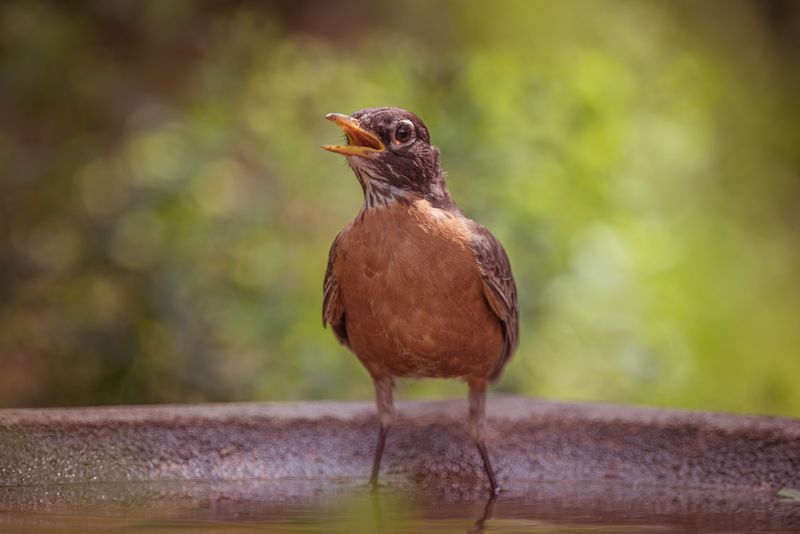
A bird sitting on the ground with its beak open is not resting. That animal needs help right now. Heat stress in wildlife looks different from species to species, but some signs are universal.
Open-mouth breathing, drooping wings, unsteady movement, and failure to flee when approached are all red flags. Any animal showing these signs has already moved past discomfort into a medical emergency.
Do not pick up a wild animal with bare hands unless it is in immediate danger from a predator or traffic. Use a clean towel or thick gloves to gently move it to shade.
Place a shallow dish of cool water nearby and back away to give it space to recover. Contact a licensed wildlife rehabilitator if the animal does not improve within 20 minutes.
The Wildlife Center of Virginia operates a hotline and can walk you through next steps by phone. Acting quickly makes the difference between a full recovery and a permanent injury.
Squirrels that fall from trees during heat events are often juveniles pushed out of overheated nests. They may appear disoriented or limp.
Keep pets away and provide shade and water while you make that call to a rehabilitator. Prevention beats rescue every single time.
Maintaining water sources, shade structures, and quiet zones throughout July reduces the number of animals that reach crisis point. Every small effort like this adds up across a neighborhood.
Enough backyards doing the same handful of things becomes a safety net no single wildlife center could replicate alone.