Visit This Gorgeous Botanical Garden In Michigan This February
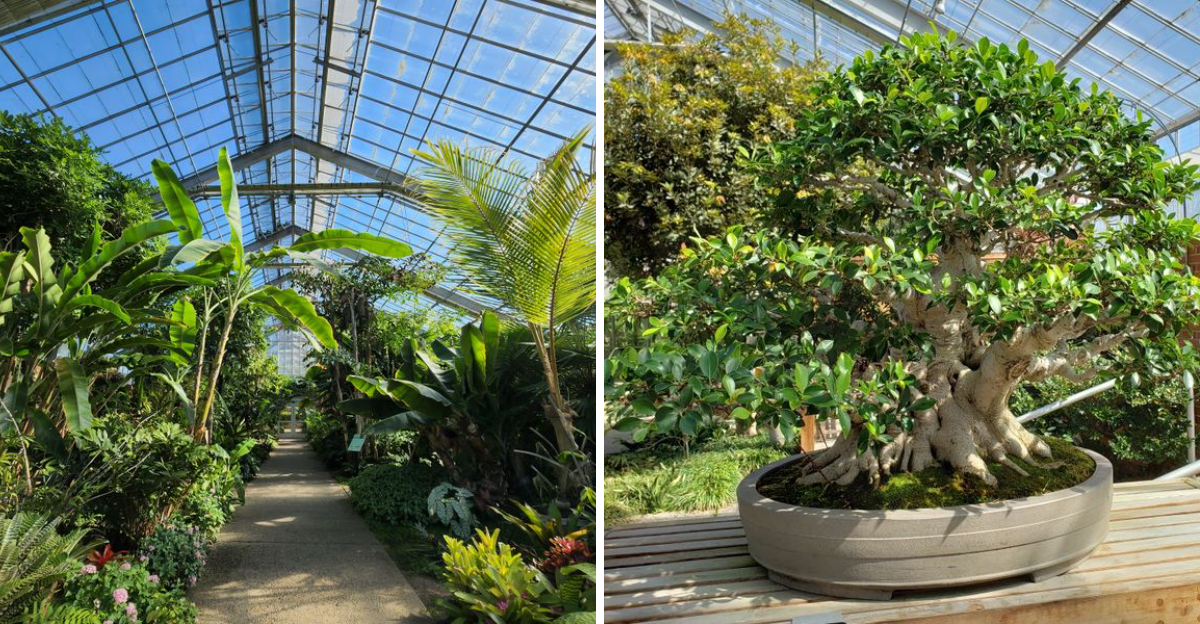
In Ann Arbor, Michigan, Matthaei Botanical Gardens opens the door to a world where plants, landscapes, and discovery come together in a truly memorable way.
This remarkable destination blends sweeping outdoor gardens with vibrant indoor conservatory spaces, each designed to showcase plants from different climates and ecosystems.
One moment you are surrounded by native Michigan beauty, the next you step into lush tropical greenery or desert inspired scenes filled with texture and color.
The experience goes far beyond simple sightseeing. Winding paths, seasonal displays, and thoughtfully designed plant collections invite visitors to slow down, observe, and connect with nature.
Gardeners find inspiration, nature lovers enjoy peaceful surroundings, and families discover something new in every corner.
From quiet garden walks to eye catching conservatory exhibits, the gardens offer beauty, learning, and a refreshing sense of calm that makes every visit feel special in any season.
Founded Over A Century Ago
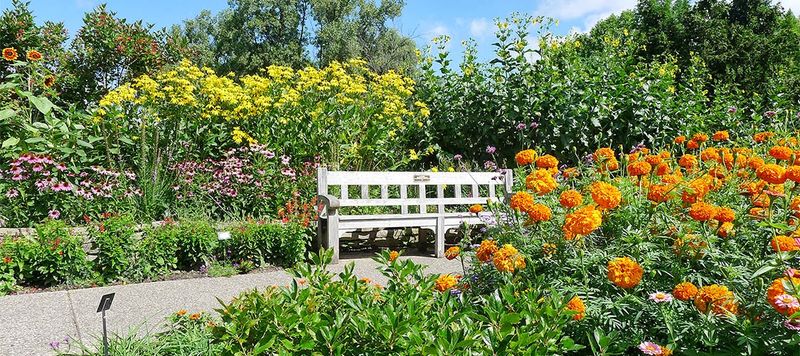
Back in 1907, when cars were still a novelty and the world looked quite different, Matthaei Botanical Gardens first opened its gates. The University of Michigan established this special place to study plants and share nature’s wonders with students and the community.
Over the decades, what started as a modest research garden grew into the spectacular botanical showcase we know today.
The gardens became part of a larger vision connecting education with conservation. Professors and students worked together to build collections that would teach future generations about plant diversity.
This partnership between academic research and public enjoyment created something truly unique in Michigan.
Through wars, economic changes, and technological advances, the gardens persisted and flourished. Each generation added new features while respecting the original mission of plant education.
The century-long legacy means visitors today walk paths shaped by countless botanists, gardeners, and nature enthusiasts who dedicated their lives to this green sanctuary.
Today’s gardens honor that rich history while embracing modern conservation practices. The commitment to excellence that began in 1907 continues strong, making every visit a connection to over a hundred years of botanical passion and scientific discovery in Ann Arbor.
A Large University-Affiliated Garden
The University of Michigan doesn’t just support Matthaei Botanical Gardens from afar. This institution actively operates and maintains every aspect of the gardens, weaving botanical research into the fabric of campus life.
Students majoring in biology, environmental science, and horticulture gain hands-on experience working alongside professional botanists in real-world settings.
This university connection brings remarkable resources to the gardens. Research funding supports plant conservation projects that might otherwise struggle to exist.
Professors conduct groundbreaking studies on native species, climate adaptation, and sustainable gardening practices right within the garden grounds.
The partnership creates opportunities beyond typical botanical gardens. Undergraduate researchers test theories about plant growth while graduate students develop new conservation techniques.
Public visitors benefit from this academic environment because cutting-edge botanical knowledge gets shared through programs, exhibits, and guided tours led by experts.
Being university-affiliated means the gardens serve multiple purposes simultaneously. They function as outdoor classrooms, research laboratories, and community gathering spaces.
This multifaceted approach enriches the visitor experience because you’re not just seeing pretty plants but witnessing active science in progress, where discoveries happen daily and knowledge grows alongside the flowers.
Outdoor Gardens Feature Diverse Plant Collections
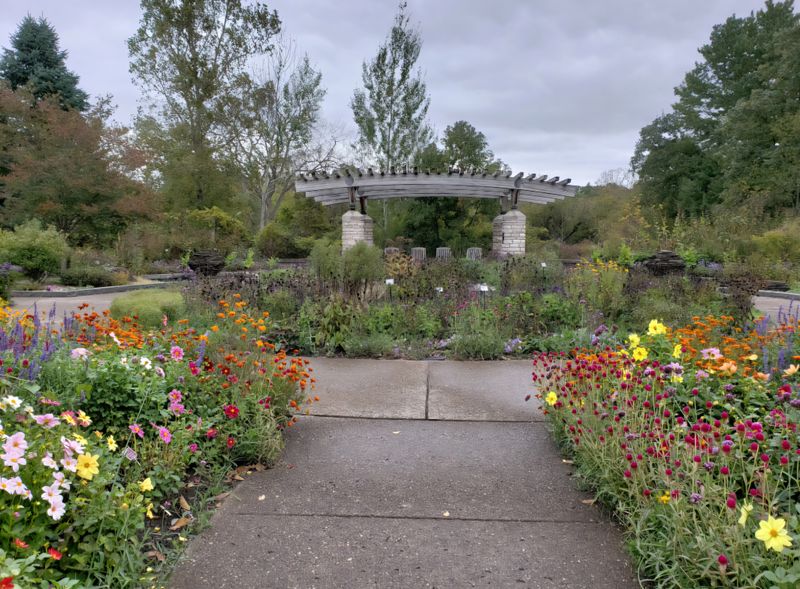
Step outside and prepare for a botanical adventure across multiple themed garden spaces. The herb knot garden showcases intricate patterns created with aromatic plants, their fragrant leaves releasing scents as you brush past.
These traditional designs date back centuries, demonstrating how gardeners once combined beauty with practical herb growing.
Perennial gardens burst with color through changing seasons. Spring brings tulips and daffodils, summer explodes with coneflowers and black-eyed Susans, while fall offers stunning ornamental grasses and late-blooming asters.
Each plant gets carefully selected to thrive in Michigan’s climate while providing continuous visual interest.
Woodland wildflower areas recreate the forest floor ecosystem found throughout the region. Trilliums, Jack-in-the-pulpits, and native ferns carpet shaded areas beneath towering trees.
These gardens teach visitors about plant communities that naturally occur together, showing how different species support each other in wild environments.
Walking through these diverse collections feels like traveling through different botanical worlds. One moment you’re admiring formal garden designs, the next you’re exploring natural woodland settings.
This variety keeps every visit fresh and exciting, offering new discoveries whether you’re a first-time guest or a regular visitor who returns throughout the seasons.
Includes A Year-Round Conservatory
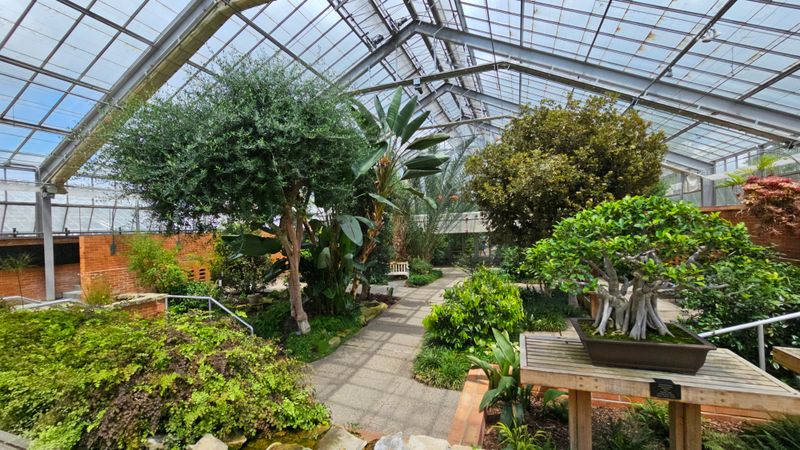
Michigan winters can feel endless, with gray skies and freezing temperatures stretching for months. That’s what makes the conservatory so magical.
Located at 1800 N Dixboro Rd, Ann Arbor, MI 48105, this massive glass structure spans over 10,000 square feet of plant paradise that stays green and vibrant even when snow blankets the ground outside.
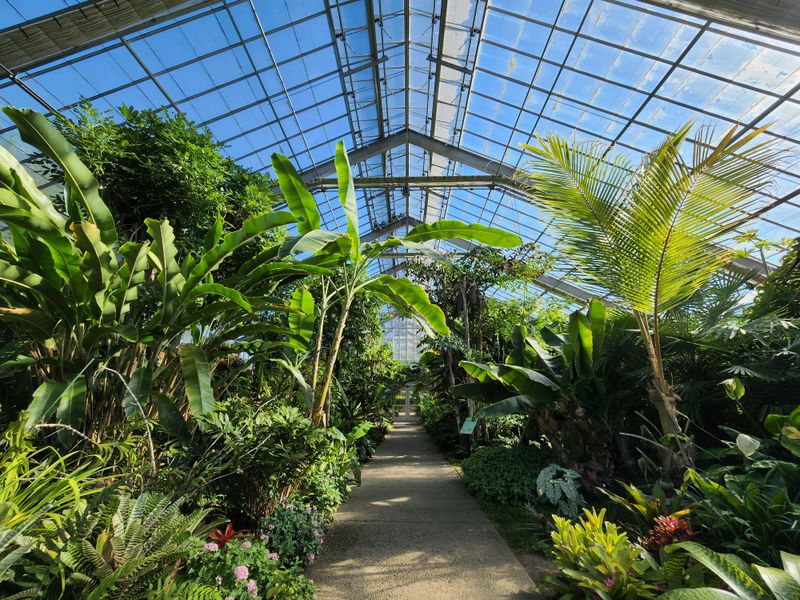
Three distinct climate zones exist under one roof, each carefully maintained to support plants from different world regions. Temperature controls, humidity systems, and specialized lighting create perfect growing conditions year-round.
Visitors can experience tropical warmth, temperate mildness, and desert dryness within minutes of each other.
The conservatory serves as both a living museum and a research facility. Scientists study how plants adapt to controlled environments while visitors enjoy the beauty and learn about global plant diversity.
Educational signs explain where each plant originates and how people use them in their native regions.
During cold months, the conservatory becomes especially popular. Families seeking escape from winter’s chill find tropical warmth and the sweet scent of blooming flowers.
The glass walls let natural light flood in while keeping harsh weather out, creating a peaceful sanctuary where plants and people thrive together regardless of the season outside.
The Conservatory Contains Exotic Species
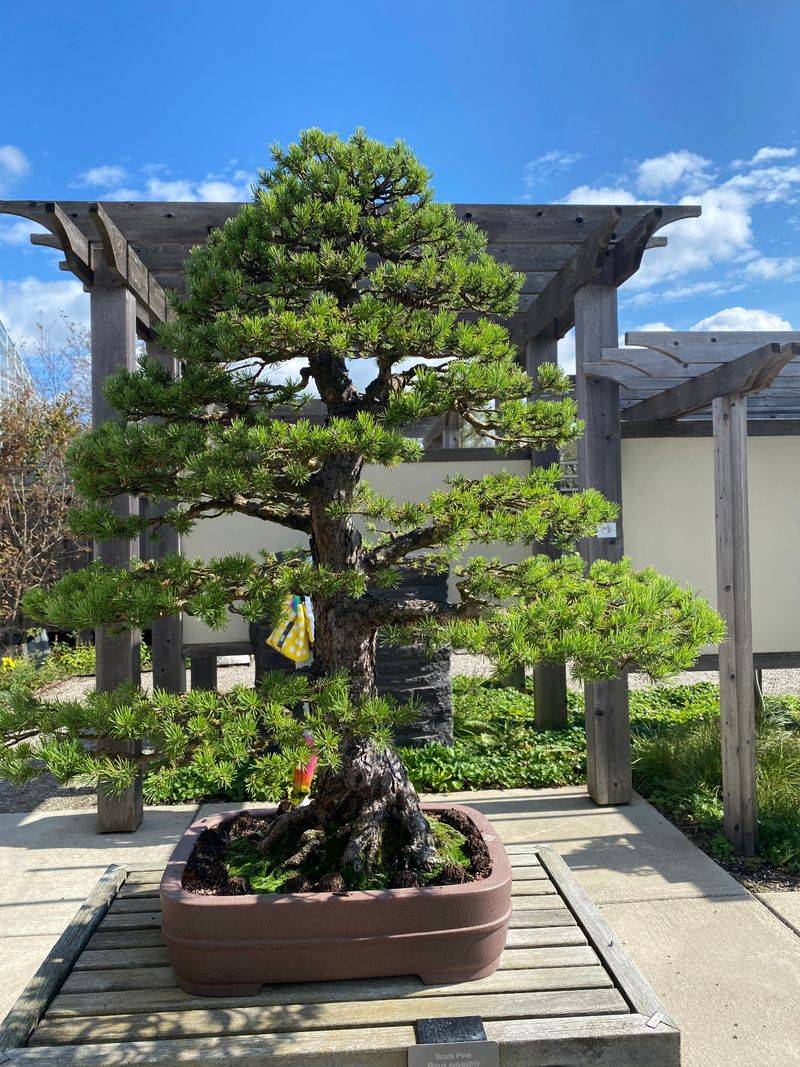
Ever wondered where your morning coffee comes from? The conservatory houses actual coffee plants with glossy green leaves and bright red berries.
Cacao trees grow nearby, their pods containing the seeds that eventually become chocolate. Seeing these familiar products growing in plant form connects visitors to global agriculture in surprising ways.
Orchids steal the show with their spectacular blooms in every color imaginable. These delicate flowers perch on branches and rocks, displaying the incredible diversity found in tropical regions.
Some orchids bloom for weeks, while others produce flowers that last just days, making each visit potentially reveal new blossoms.
The desert section contrasts dramatically with lush tropical areas. Towering cacti stand like sculptures, their thick skin and sharp spines showing remarkable adaptations to harsh, dry environments.
Aloe plants display fleshy leaves filled with healing gel, demonstrating how desert species store precious water for survival during droughts.
Walking through these exotic collections feels like world travel without leaving Michigan. Tropical humidity dampens your skin in one room, while dry desert air surrounds you in the next.
Each plant tells a story about survival, adaptation, and the incredible diversity of life on Earth, making the conservatory both entertaining and deeply educational for curious minds.
Outdoor Nature Trails Extend For Miles
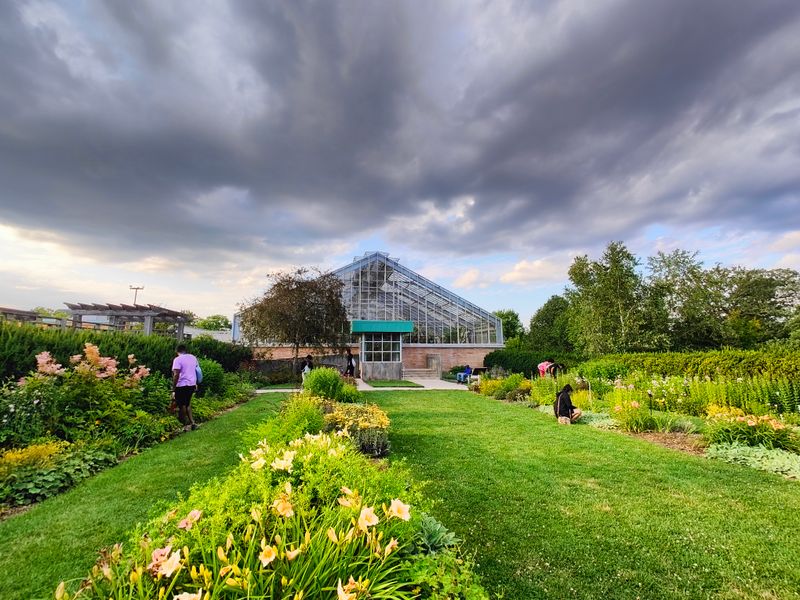
Beyond the cultivated gardens, over three miles of nature trails wind through diverse natural habitats. These paths aren’t just walking routes but journeys through different ecosystems that showcase Michigan’s ecological richness.
Comfortable shoes and a sense of adventure are all you need to explore these wonderful outdoor spaces.
Woodland trails meander beneath towering oak and maple trees, their canopy providing cool shade during summer months. Birds sing from branches while squirrels scamper along the forest floor.
Spring brings wildflowers carpeting the ground, while fall transforms leaves into brilliant gold and crimson displays.
Wetland boardwalks let visitors explore marshy areas without getting muddy boots. These watery habitats support frogs, turtles, and countless insects that form the foundation of healthy ecosystems.
Cattails sway in breezes while dragonflies zip across open water, creating scenes of natural beauty and biological importance.
Prairie meadows offer yet another landscape experience. Native grasses grow tall, dotted with colorful wildflowers that attract butterflies and bees.
These open spaces demonstrate what Michigan looked like before extensive agriculture, preserving plant communities that once covered vast areas. Every season brings changes, making trail walks endlessly interesting for regular visitors who notice nature’s subtle transformations throughout the year.
Great Lakes Garden Highlights Regional Native Plants
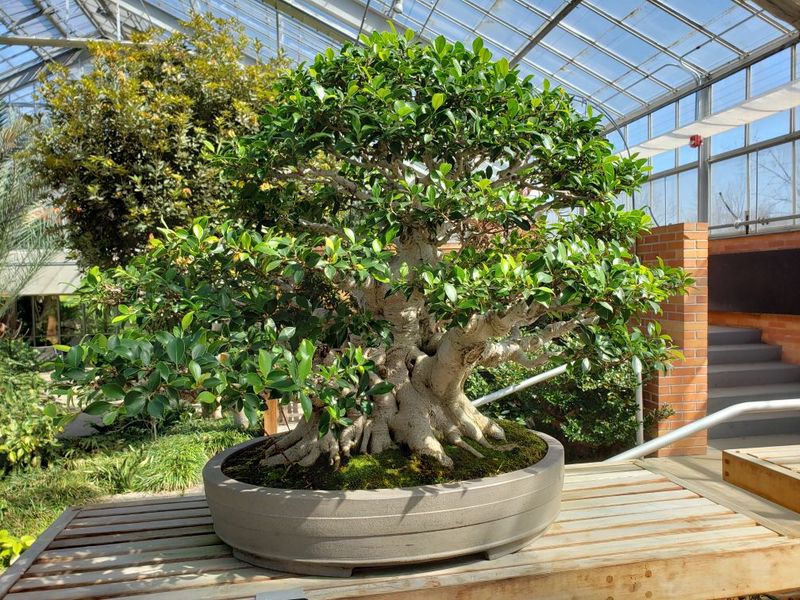
The Great Lakes region possesses unique plant communities found nowhere else on Earth. This special garden celebrates those distinctive species, showing visitors the botanical treasures growing naturally in their own backyard.
Understanding local plants helps people appreciate the natural heritage surrounding the Great Lakes basin.
Dune plants demonstrate remarkable adaptations to sandy, windswept environments. Beach grasses anchor shifting sands with extensive root systems, while bearberry spreads low across the ground, its leaves turning brilliant red in autumn.
These tough plants survive harsh conditions that would destroy less specialized species.
Prairie sections showcase grassland species that once dominated Michigan’s landscape. Big bluestem grass towers overhead, while purple coneflowers and blazing stars add splashes of color.
These native plants support local wildlife, providing food and shelter for insects, birds, and small mammals that evolved alongside them.
Learning about regional natives inspires many visitors to incorporate these plants into home gardens.
Native species require less water, fewer pesticides, and minimal maintenance once established because they’re naturally adapted to local climate and soil conditions.
The garden serves as both inspiration and education, showing how beautiful and practical native plantings can be for creating sustainable landscapes that benefit both people and wildlife throughout the region.
Gaffield Children’s Garden Is Interactive
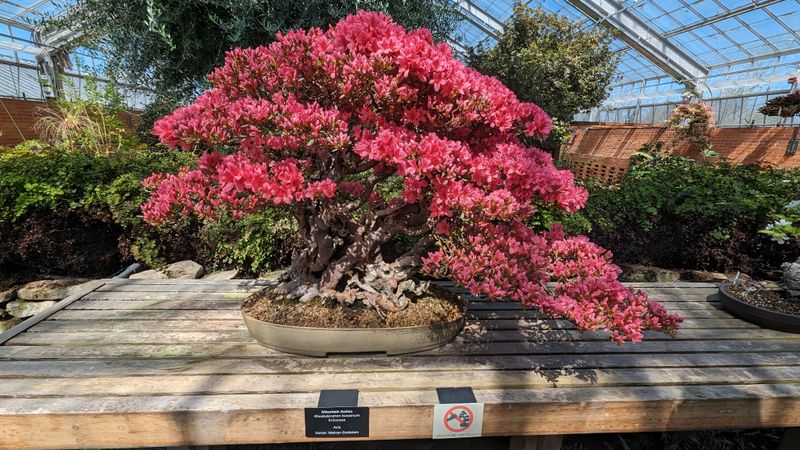
Young visitors light up when they discover the Gaffield Children’s Garden. This isn’t a place where kids must stay on paths and avoid touching things.
Instead, it’s designed specifically for little hands to explore, encouraging curiosity and active learning through play and interaction with plants.
Interactive exhibits turn botanical concepts into fun activities. Children might crawl through tunnel plantings, discovering how roots grow underground.
Musical instruments made from natural materials let kids create sounds while learning about plant uses. Sensory gardens invite touching fuzzy leaves, smelling fragrant herbs, and observing colorful flowers up close.
The garden’s design considers how children experience the world differently than adults. Lower plantings bring flowers to kid-eye level.
Winding paths create adventure and discovery around every corner. Whimsical sculptures and creative landscape features spark imagination while teaching subtle lessons about plant life cycles and ecosystem connections.
Parents appreciate how the children’s garden makes botanical education accessible and enjoyable for young minds. Kids don’t realize they’re learning about photosynthesis, pollination, and plant adaptations because they’re too busy having fun exploring.
This playful approach to education creates positive associations with nature that often last a lifetime, potentially inspiring the next generation of gardeners, botanists, and environmental stewards.
Supports Education And Community Programs
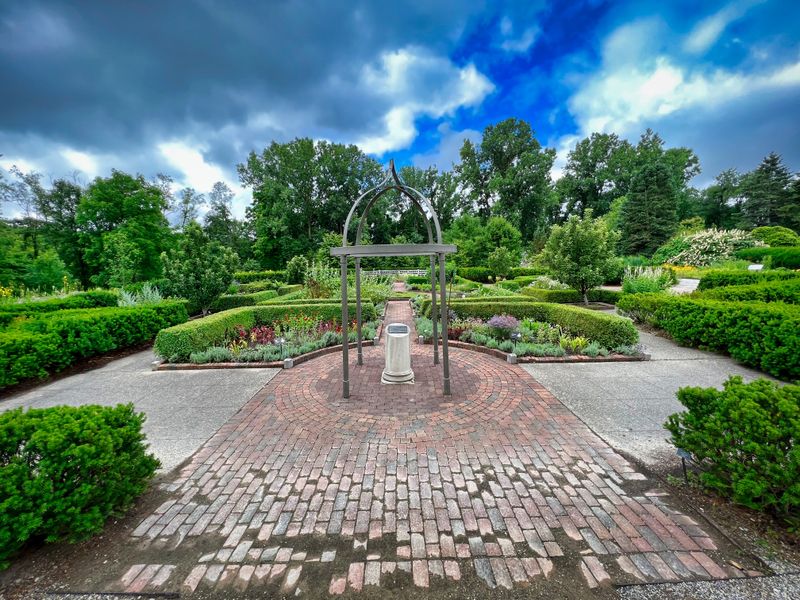
Matthaei Botanical Gardens extends far beyond pretty landscapes and plant collections. A robust schedule of educational programs brings people together to learn about horticulture, conservation, and sustainable living practices.
Workshops cover topics from vegetable gardening basics to advanced plant propagation techniques, serving beginners and experienced gardeners alike.
Community engagement programs foster connections between people and plants. School groups visit for guided tours that align with science curriculum standards.
Scout troops earn badges while learning about ecosystems and environmental stewardship. Senior groups enjoy gentle walks and programs designed for their interests and mobility levels.
Collaborative projects involve community members in hands-on conservation work. Volunteers help maintain gardens, collect seeds from native plants, and assist with research projects.
These opportunities let ordinary citizens contribute meaningfully to botanical science while gaining practical gardening skills and knowledge.
The gardens host special events throughout the year that celebrate seasons and bring the community together. Plant sales offer opportunities to purchase unique species while supporting garden operations.
Lecture series feature experts discussing current topics in botany and environmental science.
These programs transform the gardens from a passive viewing experience into an active hub where learning, sharing, and growing happen constantly, strengthening both individual knowledge and community bonds around shared appreciation for the natural world.