Wake Up Your Oregon Garden The Right Way With These Spring Tasks
Spring in Oregon has a way of sneaking up on you. One minute the garden looks sleepy and damp, the next tiny shoots, fresh buds, and bright green leaves start stealing the spotlight.
This is the moment when a little care goes a long way. A few simple tasks now can set up your garden for a season full of color, healthy growth, and fewer headaches later.
Think of it as a gentle wake up call for your plants after their long winter nap. Tidy, feed, trim, and prep at the right time and everything responds with energy and enthusiasm.
Skip the rush and enjoy the process because spring gardening in Oregon is all about fresh starts and small wins. If you are ready to shake off winter and bring your garden back to life, these easy spring tasks will help you get growing with confidence and excitement.
1. Start With A Simple Garden Clean-Up
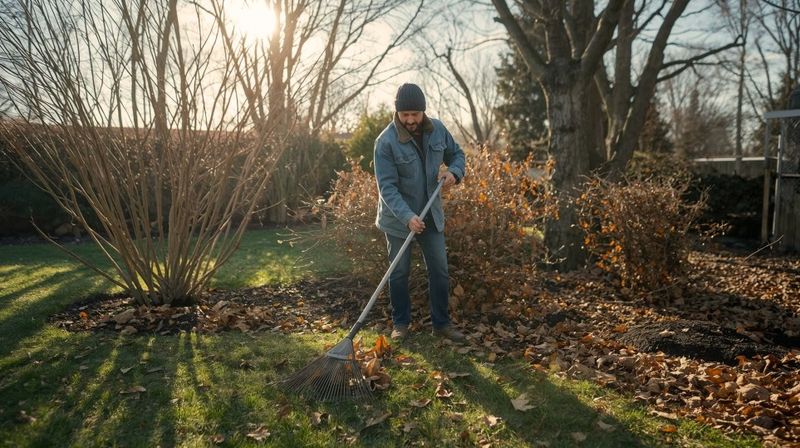
After months of Oregon rain and wind, your garden probably looks like it hosted a leaf convention.
Twigs, soggy foliage, and mysterious piles of debris settle into every corner during winter, creating cozy hideouts for slugs and disease spores that you definitely don’t want sticking around for spring.
Clearing this mess away might feel like busywork, but it’s actually one of the smartest moves you can make. Withered leaves packed against plant crowns trap moisture and encourage rot, especially in our damp climate.
Old stems and fallen fruit can harbor fungal diseases that wake up right alongside your perennials.
Start by raking out beds gently, being careful around emerging bulbs and tender new growth. Toss diseased material in the trash rather than your compost pile.
Healthy debris can go straight into compost or your yard waste bin.
You’ll also want to clear pathways and check that drainage areas aren’t clogged with winter’s leftovers. Good water flow matters tremendously in Oregon gardens where spring rains can be relentless.
A clean garden isn’t just prettier, it’s healthier from the ground up, giving your plants the fresh start they deserve.
2. Check Soil And Refresh Mulch

Soil that spent all winter getting pounded by rain often ends up compacted and tired looking by March. You might notice it’s harder than it should be, or maybe it’s turned into something resembling clay soup in the shadier spots.
Before you plant anything new, take a moment to assess what’s happening below the surface. Gently work a garden fork into beds to loosen compacted areas without completely turning everything over.
This lets air reach plant roots and improves drainage, both critical in our wet springs.
If your soil feels sticky and heavy, consider working in some compost to improve its structure. Oregon’s clay-rich soils benefit enormously from organic matter that helps water drain while still holding nutrients.
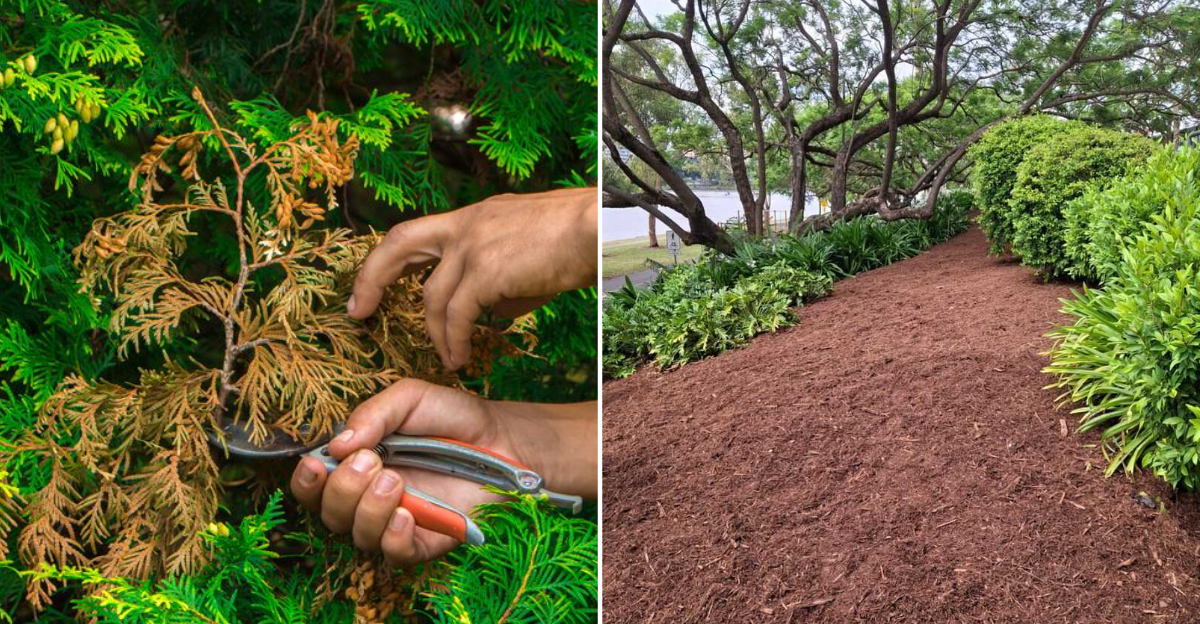
Once beds are prepped, refresh your mulch layer. Winter rains break down mulch faster than you’d think, leaving plants exposed.
A fresh two to three inch layer of bark, compost, or wood chips suppresses weeds, moderates soil temperature, and keeps moisture levels steady as weather swings between rainy and surprisingly dry.
Good mulch also prevents mud from splashing onto leaves during spring storms, reducing disease problems down the road. Think of it as a protective blanket your garden actually needs.
3. Prune Winter Damage
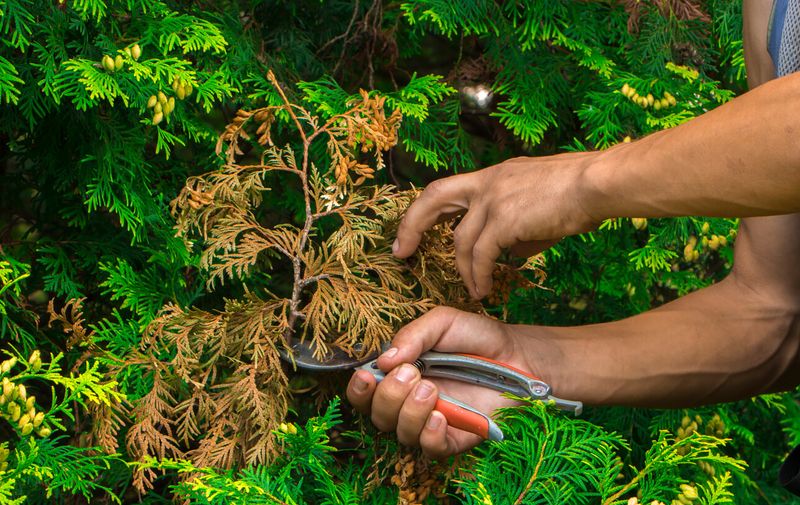
Walk around your garden on a dry morning and you’ll spot the casualties pretty quickly. Broken branches dangle from shrubs, frost-blackened stems droop sadly, and some plants look like they argued with winter and lost.
Pruning away this damage isn’t just cosmetic. Damaged and diseased wood provides entry points for pests and infections that spread to healthy tissue.
Removing it redirects the plant’s energy toward strong new growth instead of trying to salvage what’s already gone.
For most shrubs and perennials, wait until you can clearly see which buds are swelling and which stems stayed brown. This prevents accidentally cutting off viable growth.
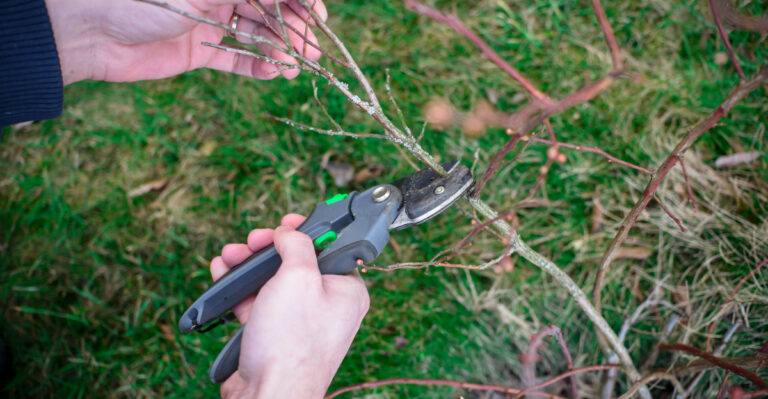
Use clean, sharp pruners and make cuts just above a healthy bud or back to the main branch.
Roses, hydrangeas, and ornamental grasses all benefit from spring pruning, though timing varies slightly by type. Withered perennial foliage can be cut to the ground as new shoots emerge.
Oregon’s mild winters sometimes fool plants into early growth that gets nipped by a late cold snap. Don’t panic if you see some blackened tips.
Plants are remarkably resilient and usually push out fresh growth once temperatures stabilize for good.
4. Feed Plants As Growth Begins
Plants wake up hungry after their long winter rest. As soon as you notice buds swelling and new leaves unfurling, they’re actively pulling nutrients from the soil to fuel that burst of growth.
The trouble is, months of rain have leached nutrients down past the root zone, leaving soil somewhat depleted right when plants need it most. Feeding now gives them the boost they need to develop strong stems, healthy foliage, and eventually abundant flowers or fruit.
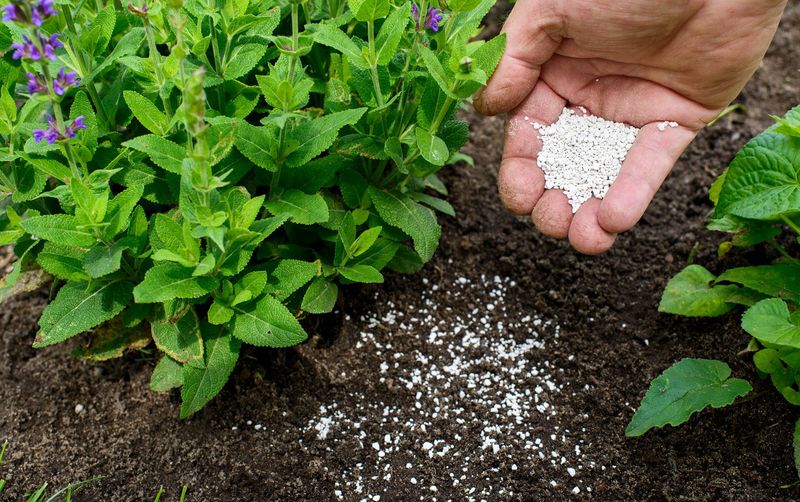
Choose a balanced organic fertilizer or compost and apply it according to package directions. Organic options release nutrients slowly, matching how plants actually absorb them, and they improve soil structure at the same time.
Synthetic fertilizers work faster but can wash away quickly in spring rains.
For established perennials, shrubs, and trees, scratch fertilizer into the soil surface around the drip line where feeder roots live. Water it in if rain isn’t immediately forecast.
Don’t overdo it though. More isn’t better when it comes to fertilizer.
Too much causes weak, floppy growth that attracts pests and diseases.
Follow recommended rates and you’ll see vigorous, healthy plants that can handle whatever Oregon’s unpredictable spring weather throws at them.
5. Prepare Beds For Spring Planting
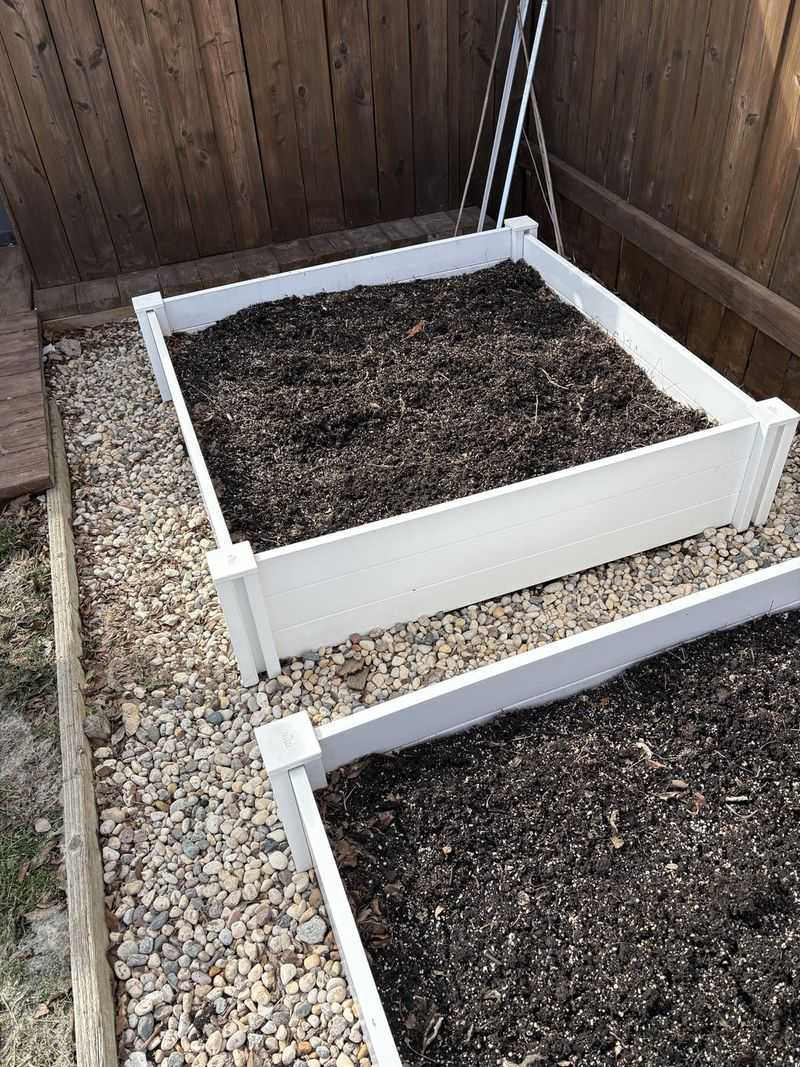
There’s something deeply satisfying about a freshly prepared garden bed. The soil looks dark and crumbly, the surface is level and smooth, and it practically begs you to start tucking in seeds and transplants.
Getting beds to that point takes a bit of effort, but it pays off all season long. Start by removing any remaining weeds, getting the roots out completely so they don’t just pop back up in two weeks.
Work compost into the top several inches of soil, especially if you’re planting vegetables or annuals that need rich, loose earth. Oregon’s native soil tends toward clay, and that added organic matter makes an enormous difference in how well plants establish and grow.
If you’re dealing with really heavy, poorly draining soil, consider building raised beds or mounding up planting areas. Even six inches of elevation helps water drain away from plant crowns during our wet springs.
Rake beds smooth and let them settle for a few days before planting. This gives soil time to warm up slightly and allows you to spot any weeds you missed the first time.
Well-prepared beds mean easier planting, better germination, and healthier plants that establish quickly and grow vigorously all season.
6. Divide Your Perennials
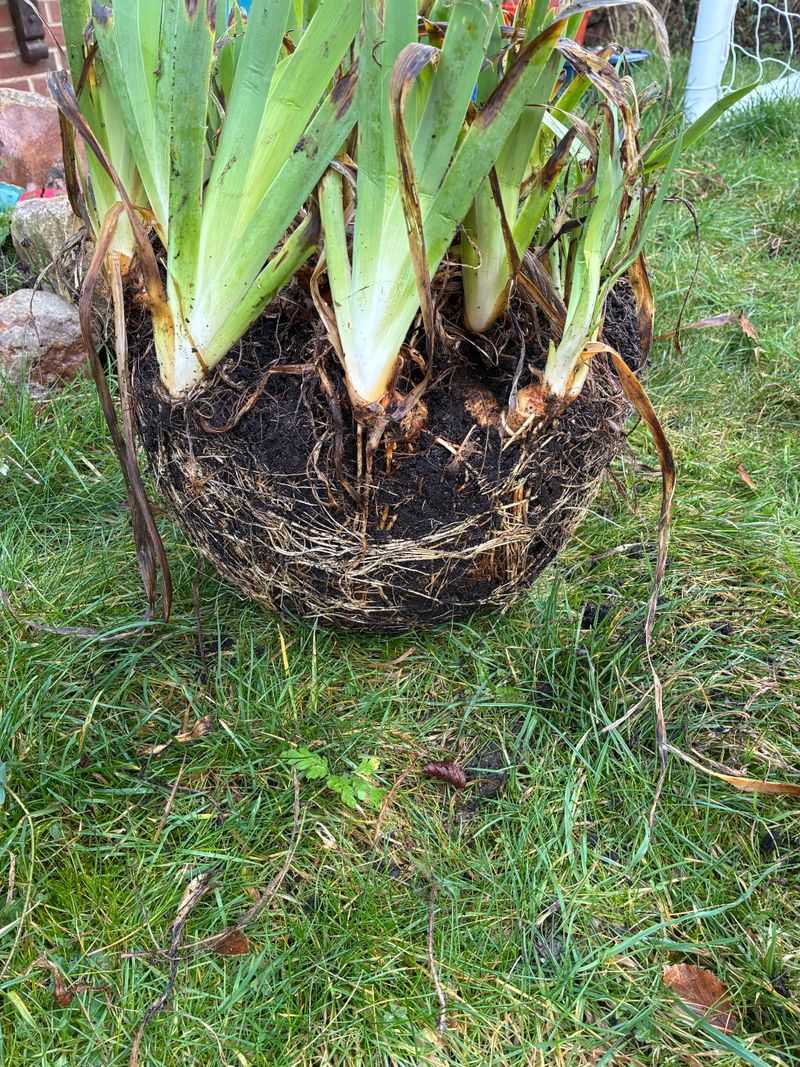
Some perennials are overachievers. What started as a modest clump three years ago has now spread into a sprawling mass that’s crowding out neighbors and blooming less than it used to.
Early spring, just as growth begins, is the perfect time to divide these enthusiastic spreaders. The plants are still small enough to handle easily, and they have the entire growing season ahead to establish in their new spots.
Hostas, daylilies, ornamental grasses, and many other perennials benefit from division every three to five years. Dig up the entire clump and use a sharp spade or knife to cut it into sections, making sure each piece has both roots and shoots.
Replant divisions at the same depth they were growing before, spacing them appropriately so they have room to fill in. Water them well and keep soil consistently moist for the first few weeks while new roots develop.
Division rejuvenates tired plants, giving you vigorous new growth and more blooms. Plus you end up with extras to fill in other areas of your garden or share with friends.
In Oregon’s mild spring weather, divided perennials establish quickly and often bloom the same year, making this simple task incredibly rewarding.
7. Watch For Early Pests
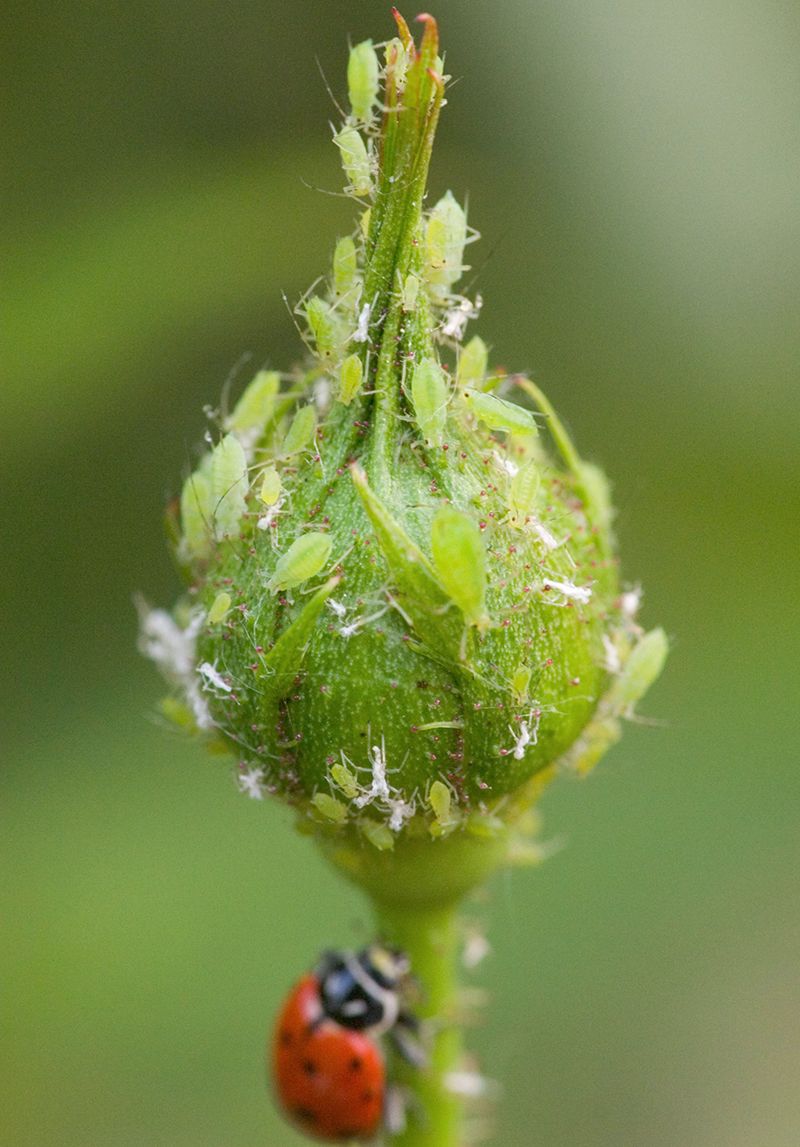
Just as your plants wake up ready to grow, so do the insects and diseases that feed on them. Aphids cluster on tender new shoots, slugs emerge from their winter hideouts, and fungal spores start spreading in our damp spring air.
Catching problems early makes them far easier to manage. Walk through your garden regularly, turning over leaves and checking new growth for anything suspicious.
Small colonies of aphids can be blasted off with water before they explode into infestations.
Slugs are legendary in Oregon gardens, and spring’s moist conditions create slug paradise. Look for their silvery trails and the ragged holes they chew in leaves.
Hand-picking after dark or setting out beer traps can keep populations manageable without resorting to harsh chemicals.
Watch for powdery mildew and other fungal issues, especially on susceptible plants like roses and phlox. Good air circulation, proper spacing, and avoiding overhead watering all help prevent disease from taking hold.
The key is vigilance without panic. Most pest and disease problems stay minor if you address them promptly.
Healthy, well-fed plants also resist issues better than stressed ones, so all those other spring tasks you’re doing contribute to natural pest resistance throughout the growing season.
8. Plan and Plant Cool-Season Crops
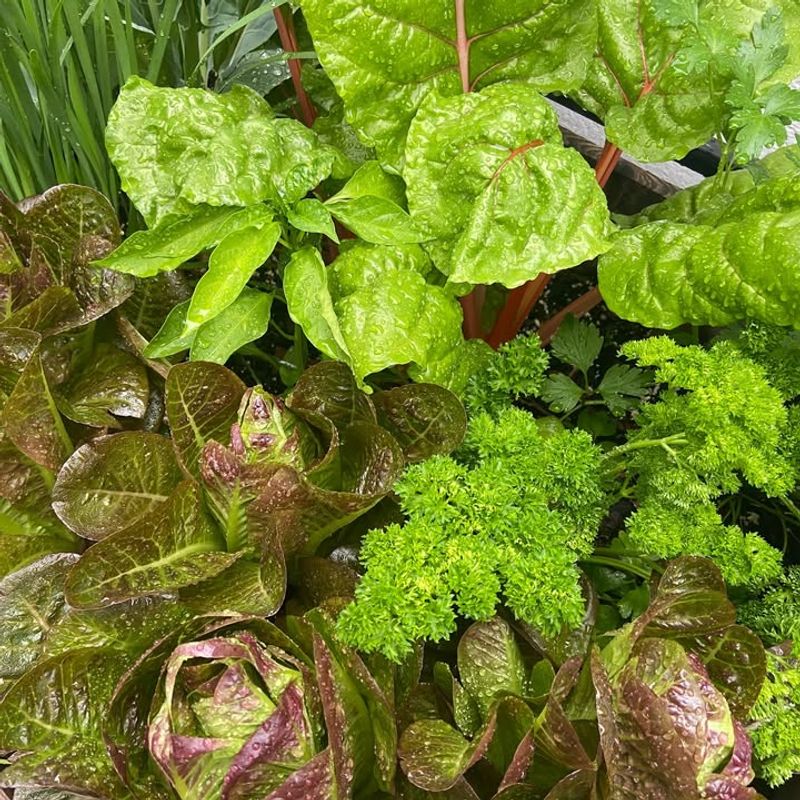
Oregon’s cool, moist springs create ideal conditions for a whole category of vegetables that struggle in summer heat. Lettuce, peas, spinach, and radishes absolutely thrive when planted early, maturing quickly before hot weather arrives.
Many gardeners wait too long to start cool-season crops, planting them alongside tomatoes in late May. By then, these vegetables are already thinking about bolting as days lengthen and temperatures climb.
Get them in the ground during March or early April instead, and you’ll harvest tender, sweet vegetables by late spring.
Direct sow peas, lettuce, spinach, and radishes right into prepared beds. They germinate readily in cool soil and actually prefer it to warmer conditions.
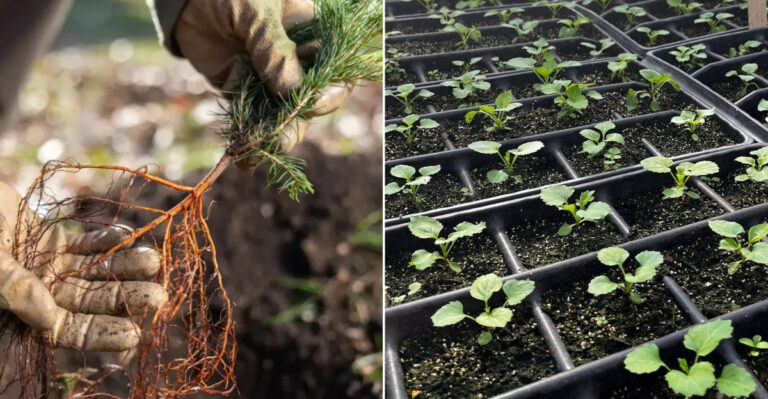
For longer-season crops like broccoli and cabbage, transplants give you a head start.
Row covers provide a few extra degrees of warmth and protection from heavy rain if an unexpected cold snap rolls through. They also keep birds and insects away from tender seedlings.
The beauty of cool-season planting is that these beds free up by early summer, giving you space to tuck in warm-season crops or succession plantings.
You maximize your garden’s productivity and enjoy fresh harvests throughout multiple seasons rather than waiting until midsummer for everything to mature at once.