Want Fresh Herbs Indoors? Here’s How to Grow Them in Your Minnesota Home
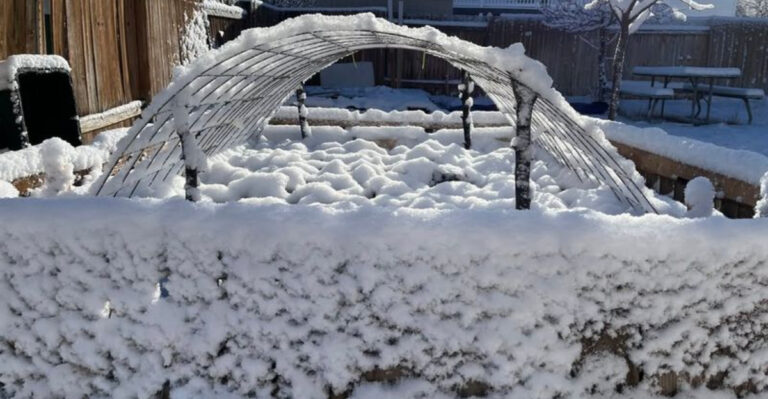
Growing fresh herbs indoors sounds appealing until a Minnesota winter actually settles in and daylight becomes a rare luxury.
When temperatures stay below freezing and outdoor gardening feels impossible, the idea of keeping plants alive inside can feel intimidating.
Still, there is something deeply satisfying about cutting fresh herbs in January while snow covers everything outside your windows.
I started indoor herb growing out of frustration with store bought bundles that cost too much and barely last a few days.
What surprised me most was how forgiving herbs can be once you understand what they actually need indoors.
Minnesota homes may feel dry and dark in winter, but they also provide steady temperatures that herbs respond to well.
With the right placement, light strategy, and watering habits, herbs adapt faster than most people expect.
They bring scent, color, and usefulness into kitchens that otherwise feel closed off during the longest months of the year.
Fresh herbs have a way of making everyday meals feel intentional instead of seasonal compromises.
If you want something living and rewarding through winter, learning how to grow herbs indoors is one of the simplest places to start.
1. Choose the Right Herbs for Minnesota Indoor Conditions
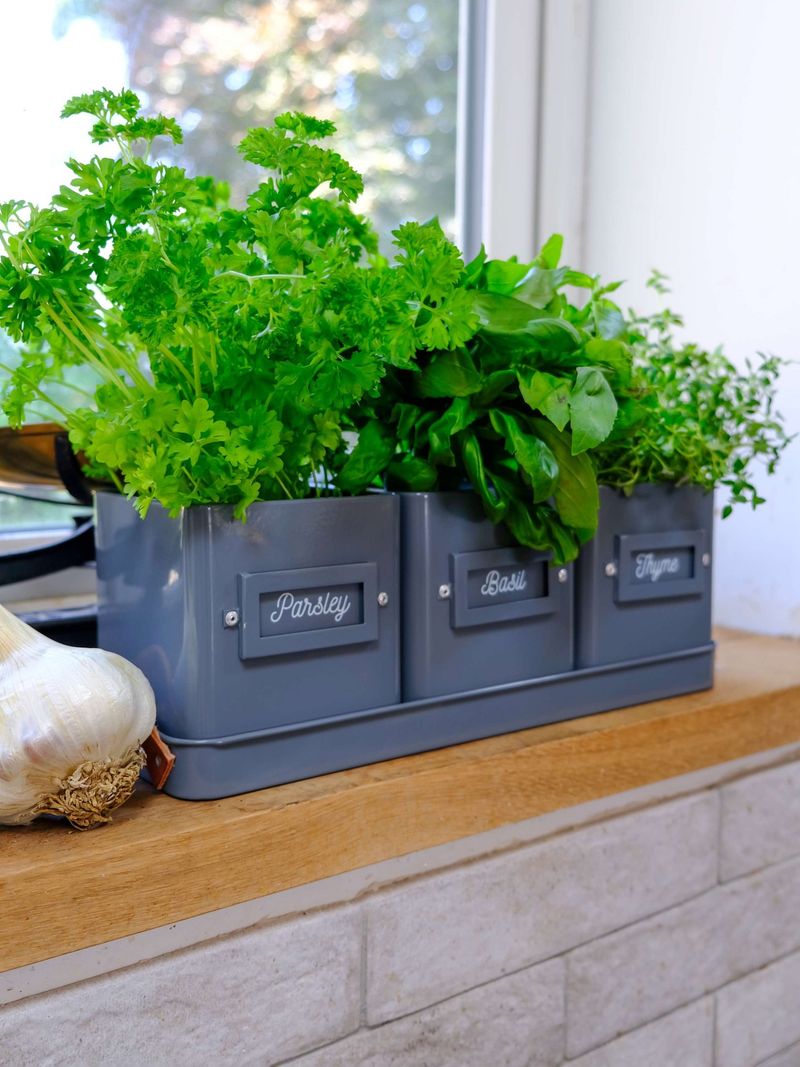
Starting with beginner-friendly herbs makes your indoor gardening journey much easier and more rewarding from the very beginning of your adventure.
Basil grows quickly and fills your Minnesota kitchen with amazing aromas that remind you of summer gardens even during blizzards.
Parsley thrives indoors and provides fresh garnishes for soups and salads throughout the coldest months when outdoor gardens lay dormant.
Mint spreads rapidly in containers and offers refreshing flavor for teas and desserts while requiring minimal attention from busy gardeners.
Thyme tolerates lower light conditions better than many herbs, making it perfect for Minnesota homes with shorter winter daylight hours.
Chives bounce back after trimming and keep producing green shoots that add mild onion flavor to countless dishes year-round.
Oregano develops deep flavor when grown indoors and works wonderfully in Italian and Mediterranean recipes that warm your home beautifully.
Cilantro prefers cooler temperatures, which makes it surprisingly well-suited for Minnesota indoor growing conditions compared to hotter climates elsewhere.
Rosemary requires patience but rewards growers with fragrant needles that transform roasted vegetables and meats into restaurant-quality meals instantly.
Choosing herbs with different growth habits keeps your indoor garden productive and visually interesting throughout the season.
Mixing fast-growing herbs with slower varieties ensures you always have something ready to harvest.
2. Select Containers with Proper Drainage Systems
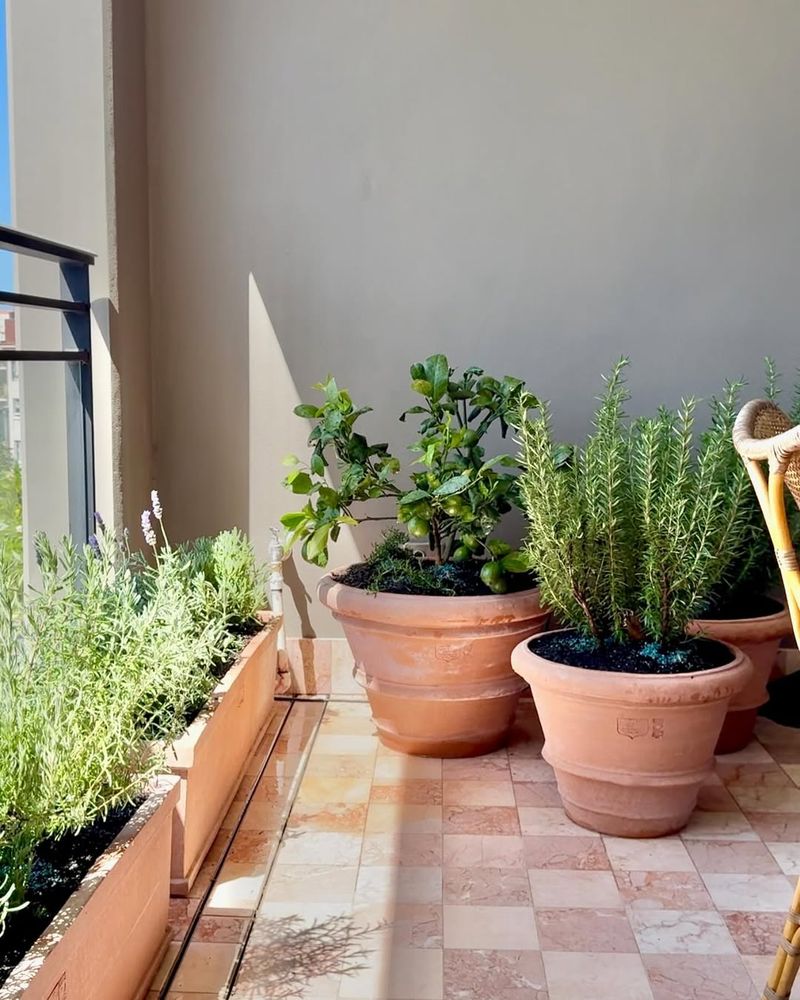
Proper drainage prevents root rot and keeps your herbs healthy throughout Minnesota’s dry indoor winter heating season that affects moisture levels.
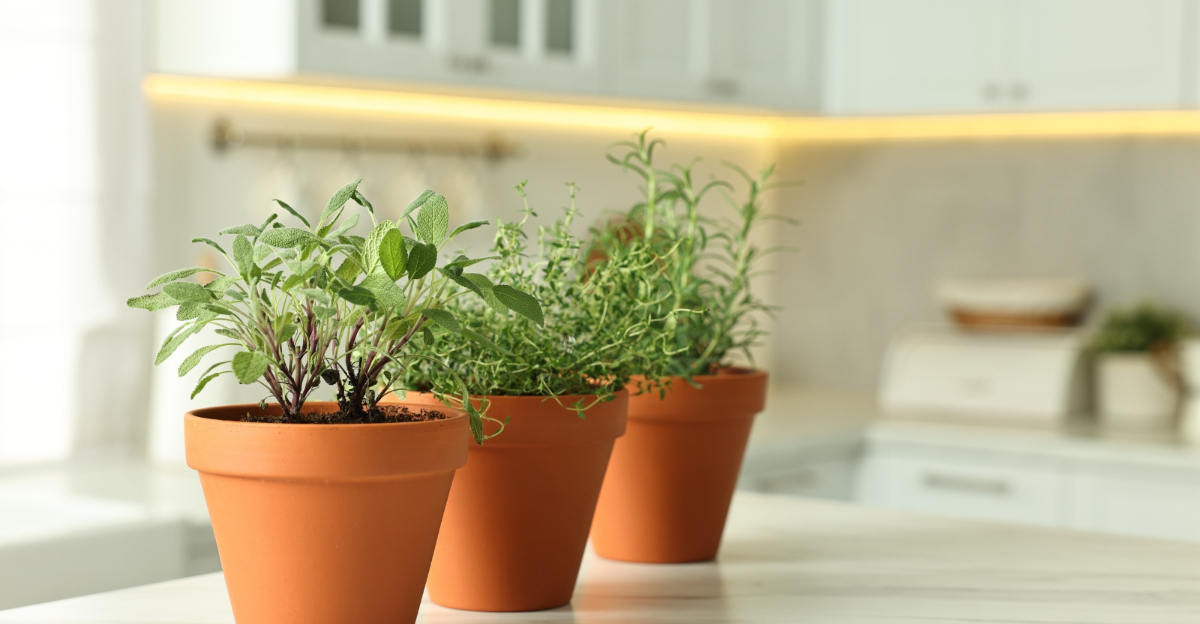
Terracotta pots breathe well and allow excess water to evaporate through their porous walls, protecting roots from sitting in dampness.
Plastic containers work fine if they have multiple drainage holes drilled in the bottom to let water escape freely after watering.
Ceramic pots with glazed finishes look beautiful but need adequate drainage holes to prevent water from pooling around delicate root systems.
Saucers underneath your containers catch overflow water and protect your Minnesota home’s furniture and windowsills from unsightly water damage.
Empty saucers within an hour after watering to ensure roots never sit in standing water that suffocates them slowly.
Container size matters significantly because herbs need enough room for roots to spread without becoming cramped in tiny spaces uncomfortably.
Most herbs thrive in pots that are six to eight inches deep, providing ample space for healthy root development.
Avoid containers that are too large because excess soil retains moisture longer than necessary, creating problems for your Minnesota herbs.
Using consistent container sizes makes watering and maintenance easier across your indoor garden.
Lightweight pots are also easier to rotate for even light exposure.
3. Use Quality Potting Mix Designed for Container Growing
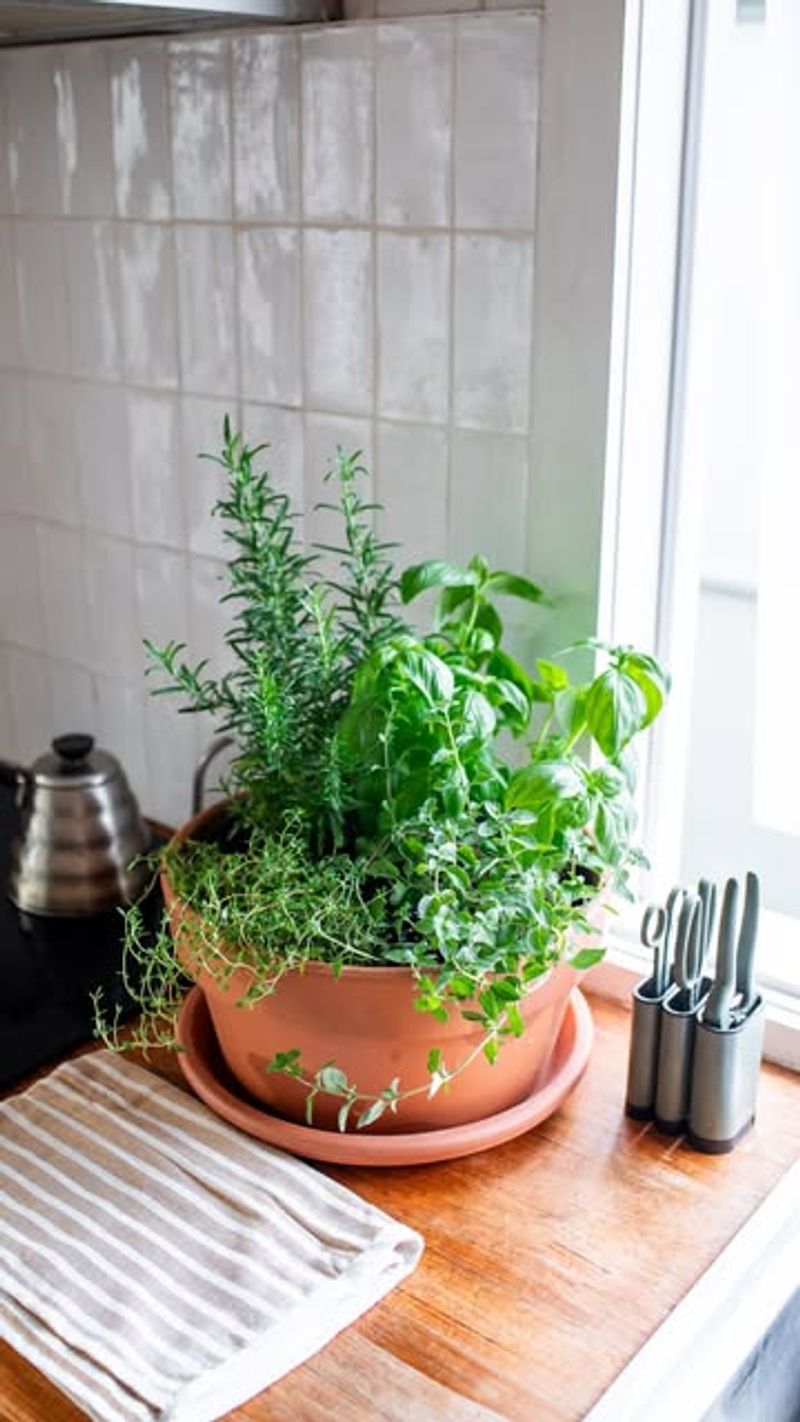
Garden soil from outside compacts badly in containers and suffocates roots, making it completely unsuitable for indoor Minnesota herb gardens.
Quality potting mix stays loose and fluffy, allowing air to reach roots while draining excess water efficiently after each watering session.
Look for mixes that contain peat moss, coconut coir, perlite, and vermiculite, which create the perfect texture for container herbs.
Organic potting mixes feed your herbs naturally over time and support beneficial microorganisms that help plants absorb nutrients more effectively.
Avoid heavy mixes that contain actual soil or clay, as these ingredients compact quickly and create drainage problems indoors.
Some potting mixes come pre-fertilized, which gives your Minnesota herbs a nutritious head start during their first few weeks of growth.
Moisture-control potting mixes help regulate watering by holding just enough water without becoming soggy or waterlogged in heated Minnesota homes.
Refresh your potting mix annually because it breaks down over time and loses its ability to drain properly or provide structure.
Sterilized potting mix prevents pests and diseases from infiltrating your indoor garden, keeping your Minnesota herbs safe from common problems.
Fresh potting mix also improves root oxygen levels, which boosts overall plant health.
Replacing old mix reduces salt buildup from fertilizers over time.
4. Provide Adequate Light Using Windows or Grow Lights
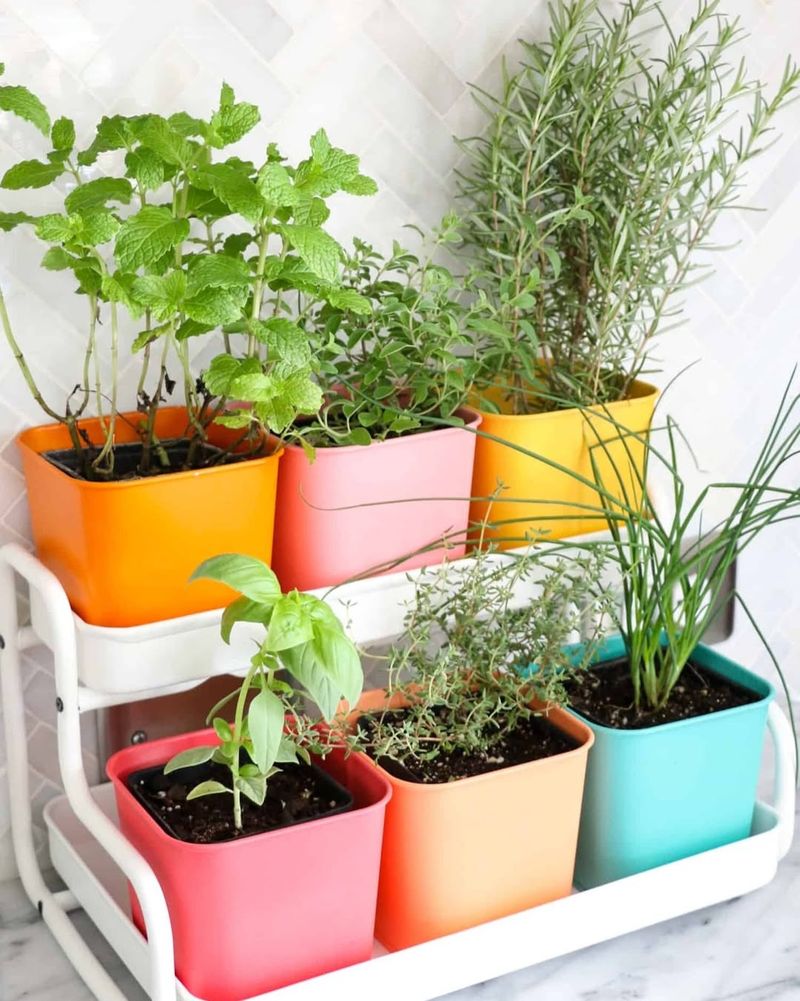
Herbs crave sunlight and need at least six hours of bright light daily to produce flavorful leaves and grow vigorously indoors.
South-facing windows in Minnesota homes receive the most consistent sunlight throughout the day, making them ideal spots for herb gardens.
East or west-facing windows work reasonably well but may require supplemental lighting during the darkest winter months in Minnesota.
North-facing windows rarely provide enough light for most herbs, so consider relocating your plants or adding artificial lighting immediately.
LED grow lights consume little electricity and produce the full spectrum of light that herbs need for photosynthesis and growth.
Position grow lights six to twelve inches above your herbs and run them for twelve to sixteen hours daily during Minnesota winters.
Rotate your pots weekly so all sides of your plants receive equal light exposure and grow evenly without leaning awkwardly.
Watch for leggy growth, which indicates insufficient light and signals that you need to move plants closer to windows immediately.
Combining natural window light with supplemental grow lights creates the perfect environment for Minnesota herbs to thrive throughout cold seasons.
Consistent lighting schedules help herbs maintain steady growth patterns indoors.
Timers simplify light management and prevent accidental underexposure.
5. Water Herbs Correctly Without Overdoing It
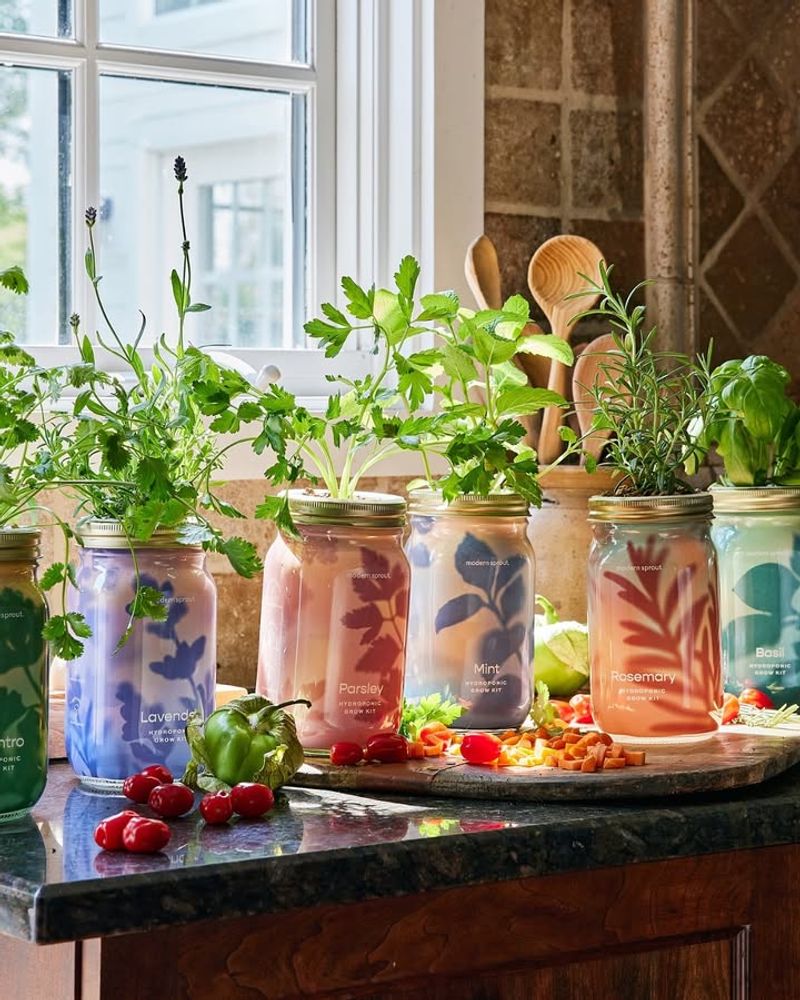
Overwatering harms more indoor herbs than any other mistake, so learning the right watering techniques can help save many plants in Minnesota homes.
Stick your finger one inch into the soil before watering, and only add water if the soil feels dry to touch.
Most herbs prefer soil that dries slightly between waterings rather than staying constantly moist, which encourages root rot and fungal issues.
Water thoroughly until liquid runs out the drainage holes, ensuring the entire root ball receives moisture evenly throughout the container.
Empty saucers promptly after watering to prevent roots from sitting in standing water that can damage them within just hours.
Minnesota’s dry winter air causes herbs to dry out faster, so check soil moisture more frequently during heating season months.
Morning watering gives plants time to absorb moisture before evening temperatures drop, reducing the risk of fungal diseases developing overnight.
Use room-temperature water rather than cold tap water, which can shock roots and slow growth in your Minnesota herbs.
Reduce watering frequency during winter when herbs grow more slowly and use less water than during active spring growth periods.
Consistent watering habits help prevent stress related leaf drop by keeping moisture levels steady instead of swinging between drought and saturation.
As daylight hours slowly increase toward spring, adjusting watering routines ensures plants receive enough moisture to support new growth without overwhelming their roots.
6. Maintain Proper Temperature and Humidity Levels
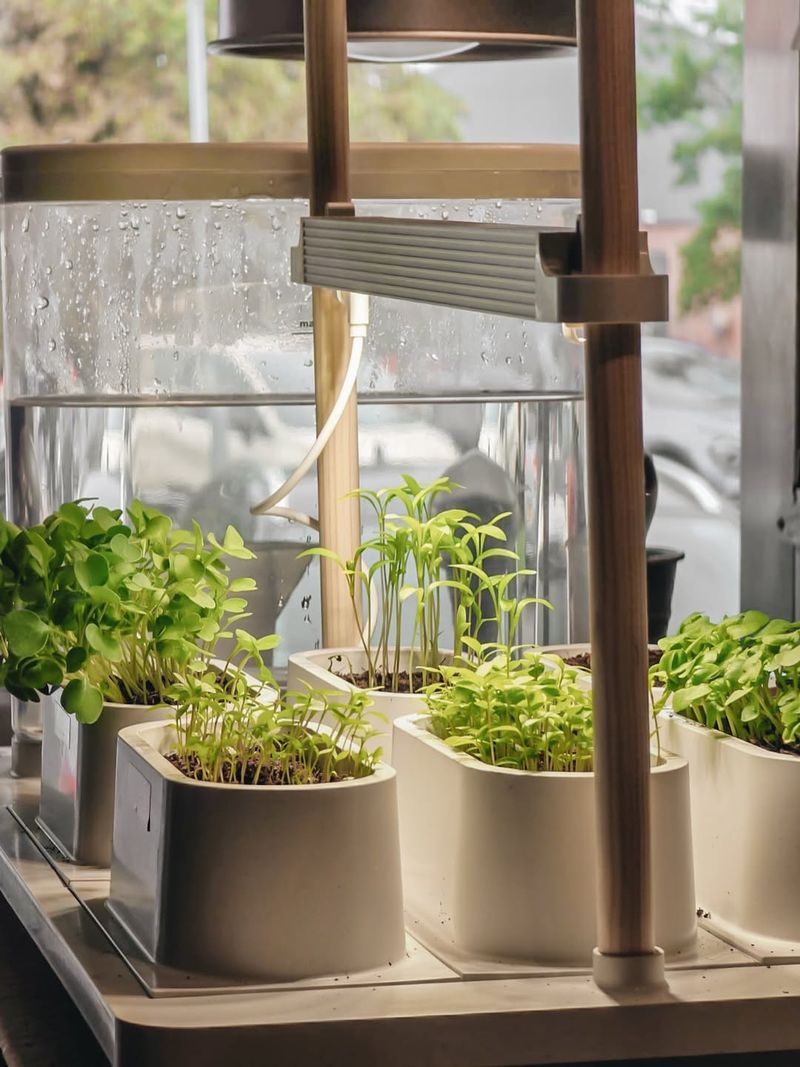
Most herbs prefer temperatures between sixty and seventy degrees Fahrenheit, which matches the comfort range in most Minnesota homes perfectly.
Avoid placing herbs near heating vents or drafty windows where temperature fluctuations stress plants and cause leaves to drop suddenly.
Cold windowsills during Minnesota winters can chill roots, so consider placing insulating material under pots to protect them effectively.
Indoor heating systems dry out air significantly, creating desert-like conditions that cause herb leaves to brown and crisp at edges.
Humidity levels around forty to fifty percent keep herbs happy and prevent them from drying out too quickly in Minnesota homes.
Group plants together to create a microclimate where transpiration from leaves increases humidity naturally around your herb collection.
Pebble trays filled with water placed under pots add moisture to the air as water evaporates throughout the day slowly.
Small humidifiers near your herb garden boost humidity effectively without making your entire Minnesota home feel uncomfortably damp or sticky.
Misting leaves occasionally helps temporarily but doesn’t provide long-term humidity solutions, so combine methods for best results with your herbs.
Stable humidity reduces plant stress and noticeably improves leaf texture by preventing moisture loss that weakens growth over time.
Monitoring humidity closely helps prevent sudden drying damage, allowing plants to adjust gradually instead of reacting to harsh indoor changes.
7. Fertilize Regularly with Gentle Organic Options
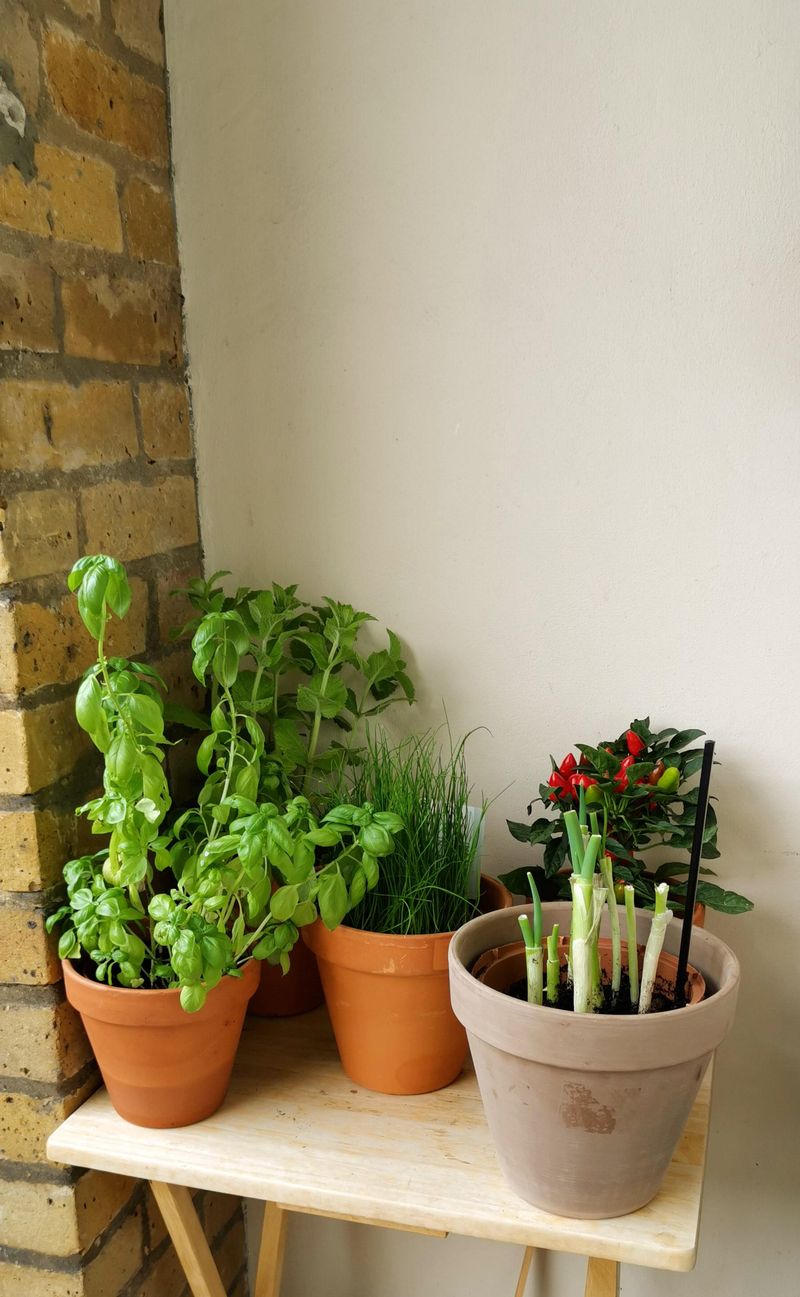
Container herbs need regular feeding because frequent watering washes nutrients out of potting mix faster than in outdoor garden beds.
Liquid fertilizers diluted to half strength work perfectly for herbs and prevent the burning that strong concentrations can cause easily.
Feed your Minnesota herbs every two weeks during spring and summer when they grow actively and produce abundant foliage continuously.
Organic fish emulsion provides balanced nutrients and encourages robust growth, though it smells strongly for a few hours after application.
Seaweed-based fertilizers strengthen plants and improve their resistance to stress without the unpleasant odors that fish emulsion produces indoors.
Compost tea brewed at home offers gentle nutrition and introduces beneficial microorganisms that support healthy root systems in containers.
Reduce fertilizing to once monthly during fall and winter when herbs grow more slowly in Minnesota’s reduced daylight conditions.
Yellowing leaves often indicate nutrient deficiency, signaling that you should increase fertilizer frequency or strength slightly for better results.
Avoid over-fertilizing because excess nutrients build up in potting mix and can burn roots, causing more harm than good.
Balanced feeding supports steady, consistent leaf production by providing nutrients at a pace plants can actually use without stress.
Light feeding helps prevent salt buildup in containers, protecting roots from damage and keeping soil conditions stable over time.
8. Prune and Harvest Herbs to Encourage Bushy Growth
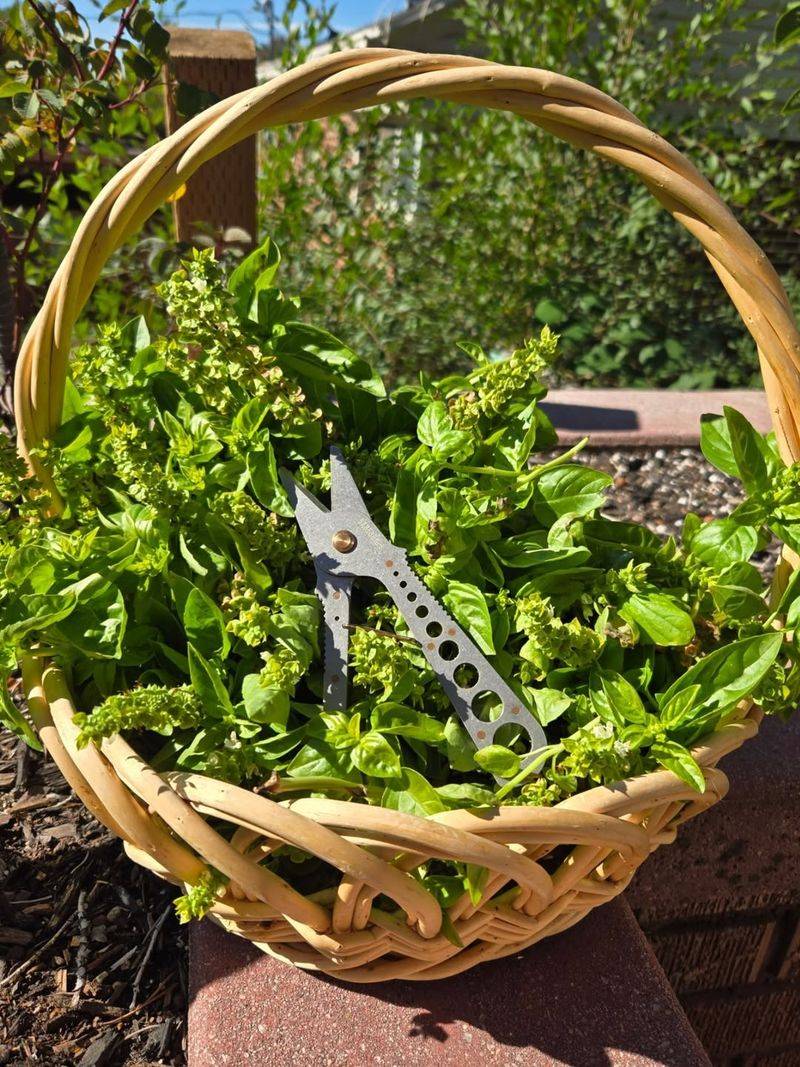
Regular harvesting actually makes herbs grow fuller and bushier rather than tall and spindly, improving both appearance and productivity significantly.
Pinch off the top sets of leaves on basil to prevent flowering, which causes leaves to turn bitter and production.
Cut stems just above leaf nodes where new branches will emerge, encouraging your Minnesota herbs to branch out and fill containers.
Harvest in the morning after dew dries but before afternoon heat stresses plants, ensuring the most flavorful and aromatic leaves.
Remove no more than one-third of the plant at any single harvest to avoid stressing it and slowing growth.
Woody herbs like rosemary and thyme benefit from light pruning that shapes plants and removes dead or damaged branches carefully.
Leafy herbs like parsley and cilantro can be cut more aggressively, and they bounce back quickly with fresh new growth.
Use clean, sharp scissors or pruning shears to make neat cuts that heal quickly without leaving ragged edges vulnerable.
Regular harvesting keeps your Minnesota herbs productive and prevents them from becoming leggy or going to seed prematurely indoors.
Frequent trimming improves airflow around stems by reducing crowding, limiting moisture buildup, and creating conditions that discourage disease development.
Healthy pruning habits support stronger structure and steady growth, helping plants stay productive and resilient over a much longer lifespan.
9. Watch for Pests and Address Problems Quickly
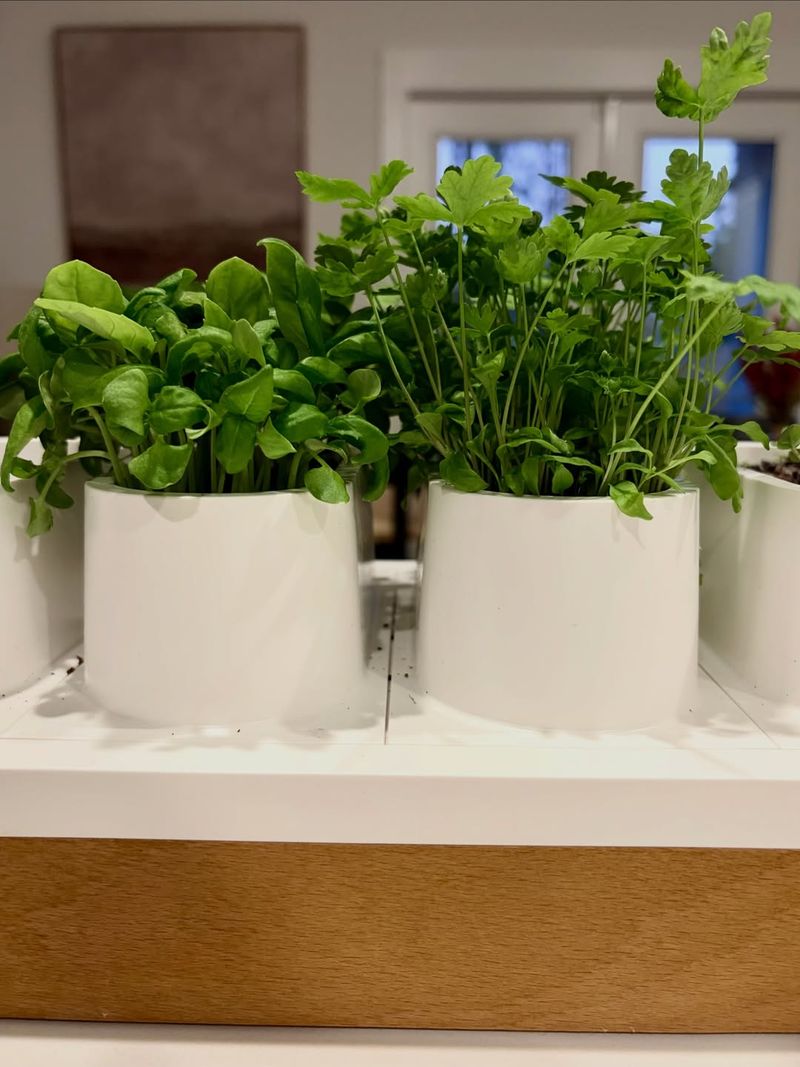
Indoor herbs face fewer pests than outdoor gardens, but problems still occur occasionally and require prompt attention to prevent spreading.
Aphids appear as tiny green or black insects clustered on new growth and can multiply rapidly if left unchecked in Minnesota homes.
Spider mites create fine webbing on leaves and cause stippling damage that weakens plants over time if not controlled immediately.
Fungus gnats hover around pots and indicate overly moist soil conditions that need correction through better watering practices and drainage.
Inspect your herbs weekly by checking undersides of leaves where pests often hide before becoming visible on top surfaces.
Isolate any infested plants immediately to prevent pests from spreading to your other healthy Minnesota herbs growing nearby successfully.
Insecticidal soap sprays control soft-bodied pests safely without harsh chemicals that could affect herbs you plan to eat soon.
Neem oil works as both a pesticide and fungicide, offering broad protection against common indoor plant problems naturally.
Maintaining good air circulation around plants helps prevent fungal diseases and discourages pests from settling on your Minnesota herb collection.
Early detection plays a critical role in limiting long term damage by allowing problems to be addressed before they spread or become deeply established.
Consistent monitoring makes infestations far more manageable over time, helping you respond quickly and prevent small issues from turning into costly or overwhelming situations.