Want More Sunshine In Your Garden? Try These 11 Yellow Perennials For Oregon
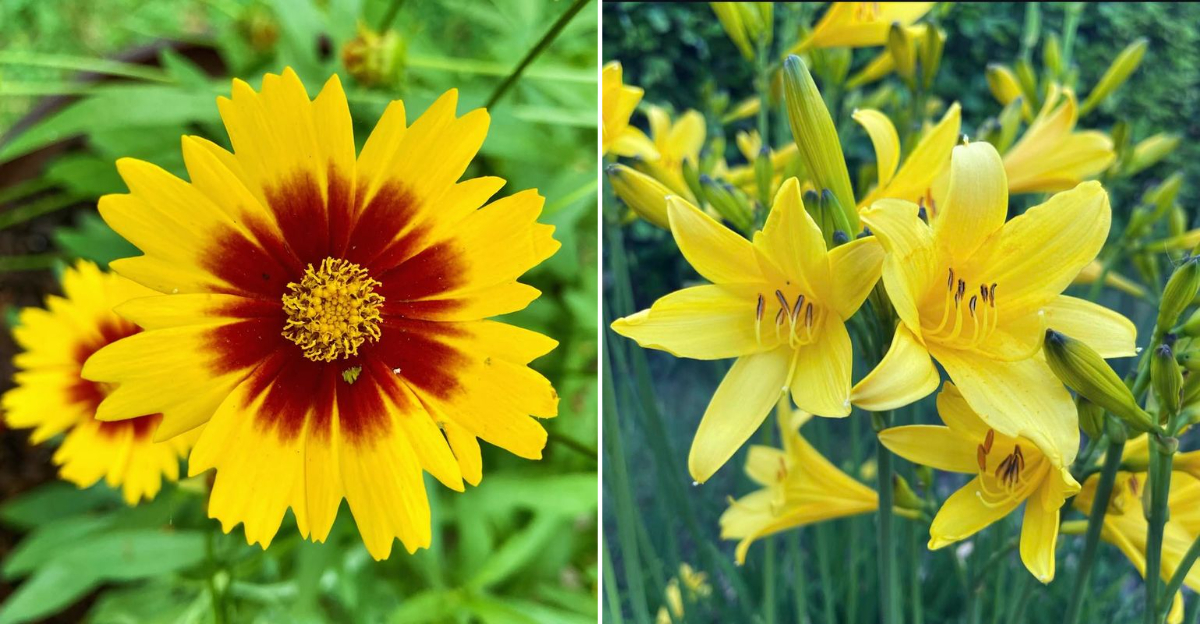
Oregon gardens have a special charm, especially when the sun peeks through those cloudy days. Adding yellow perennials brings warmth and brightness that can lift your mood every time you step outside.
These plants come back year after year, which means less work for you and more color in your yard.
Yellow flowers are like little bursts of happiness scattered throughout your garden beds. They pair beautifully with greens, purples, and blues, creating combinations that make your neighbors stop and stare.
Plus, many of these perennials attract butterflies and bees, which helps your whole garden thrive.
Choosing the right plants for Oregon’s climate can feel tricky with our wet winters and dry summers. But yellow perennials are tough and adaptable, making them perfect for our unique weather patterns.
Once established, they need minimal care and reward you with stunning blooms season after season.
Ready to transform your garden into a sunny paradise? These eleven yellow perennials will brighten your landscape and bring joy to your outdoor space all year long.
1. Goldenrod
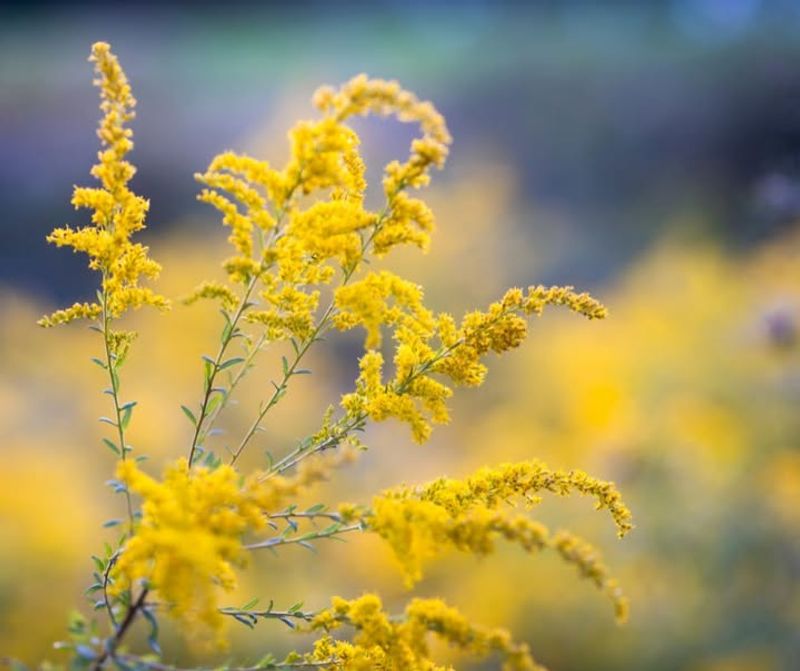
Many people wrongly blame this plant for allergies, but it actually blooms at the same time as ragweed, the real culprit. The bright yellow plumes appear in late summer and early fall, bringing color when many other plants start fading.
Native pollinators depend on this nectar source during their migration season.
Growing three to five feet tall, goldenrod creates a dramatic backdrop in your garden. The feathery flower clusters wave gracefully in the breeze, adding movement and texture to your landscape.
Oregon’s native varieties are especially well-suited to our climate and soil conditions.
Planting goldenrod is almost foolproof. It grows in poor soil, tolerates drought once established, and rarely needs fertilizer.
You can divide clumps every few years to keep them vigorous or share with friends.
Some varieties spread through underground runners, so choose clumping types if you want more control. They work beautifully in wildflower meadows or naturalized areas of your property.
The flowers also dry well for fall arrangements.
Deer typically avoid this plant, and it resists most pests and diseases. Combine it with asters, sedums, or ornamental grasses for a stunning late-season display.
Your garden will buzz with life as bees and butterflies feast on the abundant nectar.
2. Coreopsis
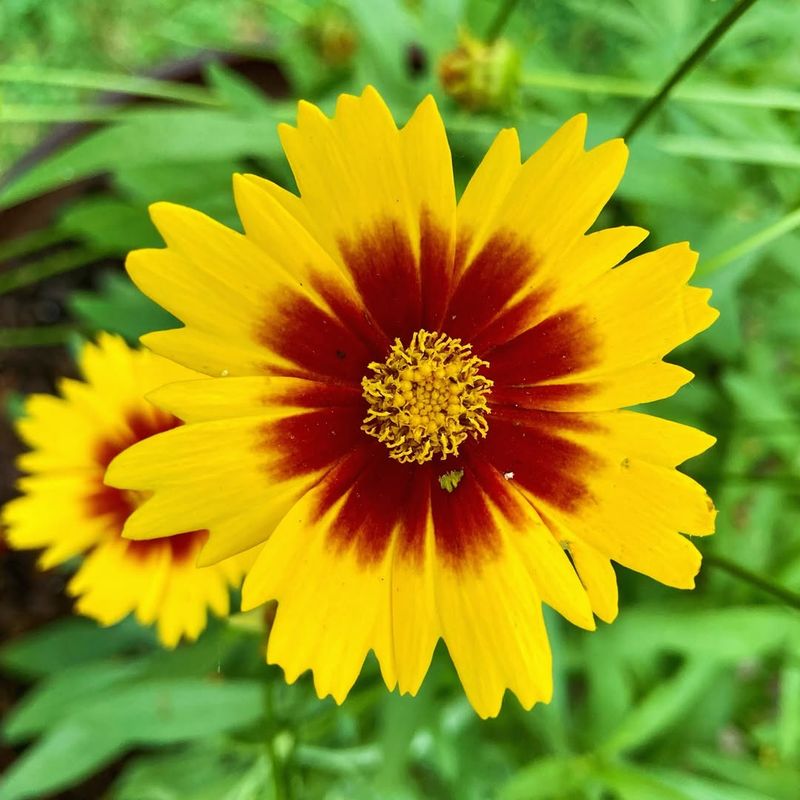
Nicknamed tickseed, this cheerful perennial produces masses of daisy-like flowers that seem to glow in the sunlight. Blooms appear in early summer and continue for weeks, especially if you remove faded flowers regularly.
The bright yellow petals often have darker centers that add extra visual interest.
Most varieties grow one to two feet tall, making them perfect for front borders or container gardens. They form neat clumps that expand slowly without taking over your beds.
The fine-textured foliage stays attractive even when plants are not blooming.
Oregon gardeners appreciate how drought-tolerant coreopsis becomes after its first season. It thrives in full sun and well-drained soil, handling our dry summers with minimal watering.
Poor soil does not bother this tough plant at all.
Butterflies and bees visit constantly, making your garden feel alive with activity. The flowers also make excellent cutting material for bouquets.
Deadheading takes just minutes but rewards you with continuous blooms.
Try pairing coreopsis with blue salvia or purple catmint for eye-catching color contrasts. It also combines beautifully with ornamental grasses for a natural prairie look.
This low-maintenance perennial delivers big impact without demanding much attention from you.
3. Black-Eyed Susan
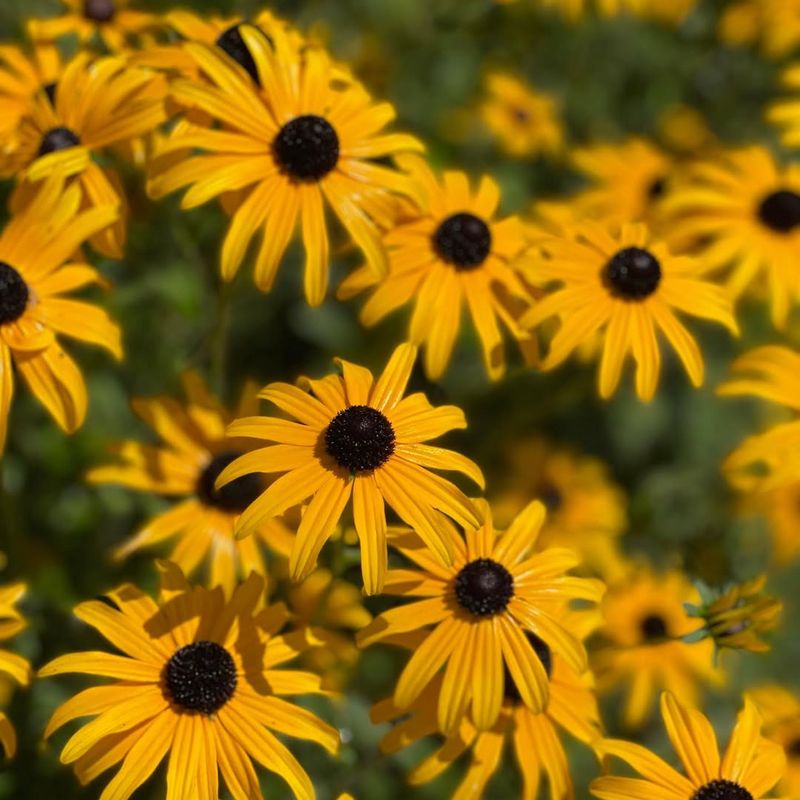
Bright and cheerful, this classic beauty blooms from summer straight through fall, giving you months of golden color. The dark centers create a striking contrast against the sunny petals, making them stand out in any garden bed.
You can plant them in full sun, and they handle Oregon’s summer heat surprisingly well.
These flowers grow about two to three feet tall, perfect for middle-of-the-border placement. They spread naturally over time, filling in empty spaces without becoming invasive.
Butterflies absolutely love them, so expect plenty of winged visitors once they start blooming.
Maintenance is incredibly easy with this perennial. Water them during dry spells, but otherwise, they pretty much take care of themselves.
Deadheading spent blooms encourages more flowers, though even if you forget, they still put on a fantastic show.
The plants tolerate clay soil, which many Oregon gardeners deal with regularly. They also resist deer browsing, which can be a huge relief if you live near wooded areas.
Once established, they handle drought better than you might expect.
Pair them with purple coneflowers or Russian sage for stunning color combinations. They also make excellent cut flowers that last a long time in vases.
Your garden will feel like summer all season long with these cheerful bloomers around.
4. Yarrow
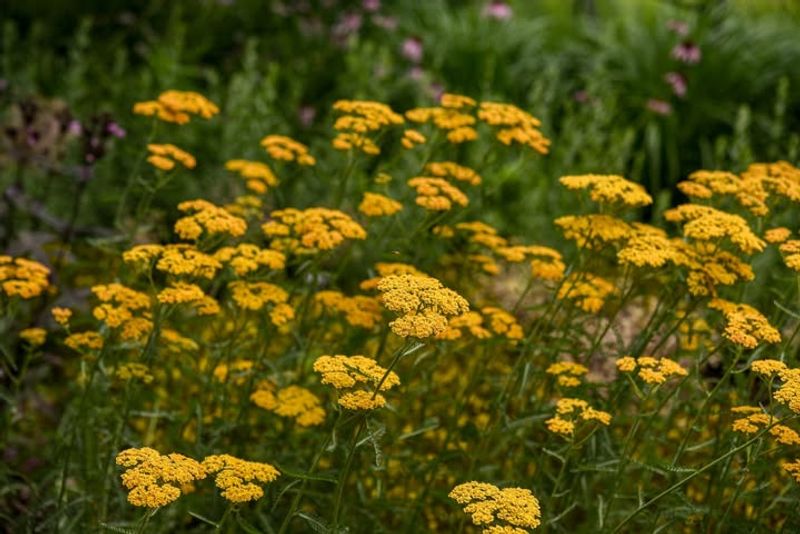
Flat-topped flower clusters sit atop sturdy stems, creating a unique architectural element in your garden. The golden varieties bloom from late spring through summer, holding their color beautifully even in hot weather.
Fern-like foliage stays evergreen in mild Oregon winters, providing year-round interest.
Height varies by variety, ranging from one to three feet tall. Yarrow spreads through underground rhizomes, filling in spaces gradually over time.
The flowers attract beneficial insects that help control garden pests naturally.
Once established, yarrow handles drought like a champion. It grows in poor, rocky soil where other plants struggle, making it perfect for challenging spots.
Full sun brings out the best blooming, though it tolerates partial shade reasonably well.
The flowers dry beautifully for arrangements, keeping their color for months. You can also leave seed heads standing through winter for birds to enjoy.
Cutting plants back after blooming often encourages a second flush of flowers.
Deer and rabbits usually leave yarrow alone, which is a huge bonus. It combines wonderfully with lavender, Russian sage, or ornamental grasses in low-water gardens.
This tough perennial proves that beautiful does not have to mean high-maintenance in Oregon landscapes.
5. Daylily
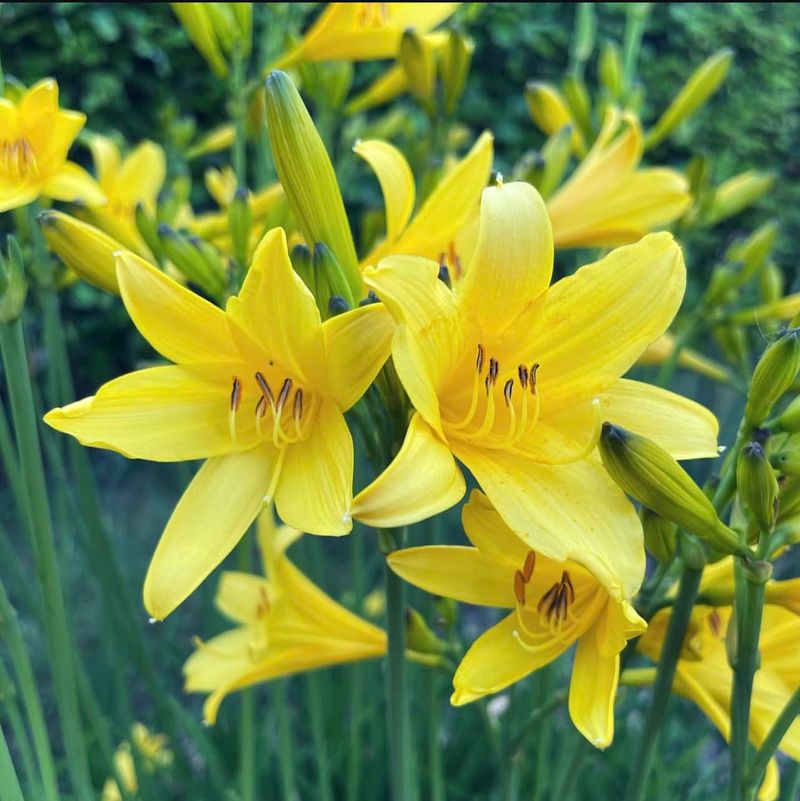
Each trumpet-shaped bloom lasts just one day, but plants produce so many buds that flowers keep coming for weeks. Yellow varieties range from pale lemon to deep gold, with some featuring ruffled edges or contrasting throats.
The arching, grass-like foliage looks attractive throughout the growing season.
Mature clumps can reach two to four feet tall depending on variety. They multiply steadily, creating impressive displays after a few years.
Division every three to five years keeps plants blooming their best.
Oregon’s climate suits daylilies perfectly. They handle clay soil, summer drought, and wet winters without complaint.
Full sun produces the most blooms, but they also flower reasonably well in partial shade.
Slugs sometimes nibble new growth in spring, but established plants shrug off most pests. The flowers attract hummingbirds, adding another dimension of interest to your garden.
Spent blooms pull off easily, keeping plants looking tidy.
Combine yellow daylilies with purple salvia, blue catmint, or red crocosmia for stunning contrasts. They also naturalize beautifully along paths or in meadow gardens.
This reliable perennial delivers color year after year with minimal effort from you.
6. Basket-of-Gold
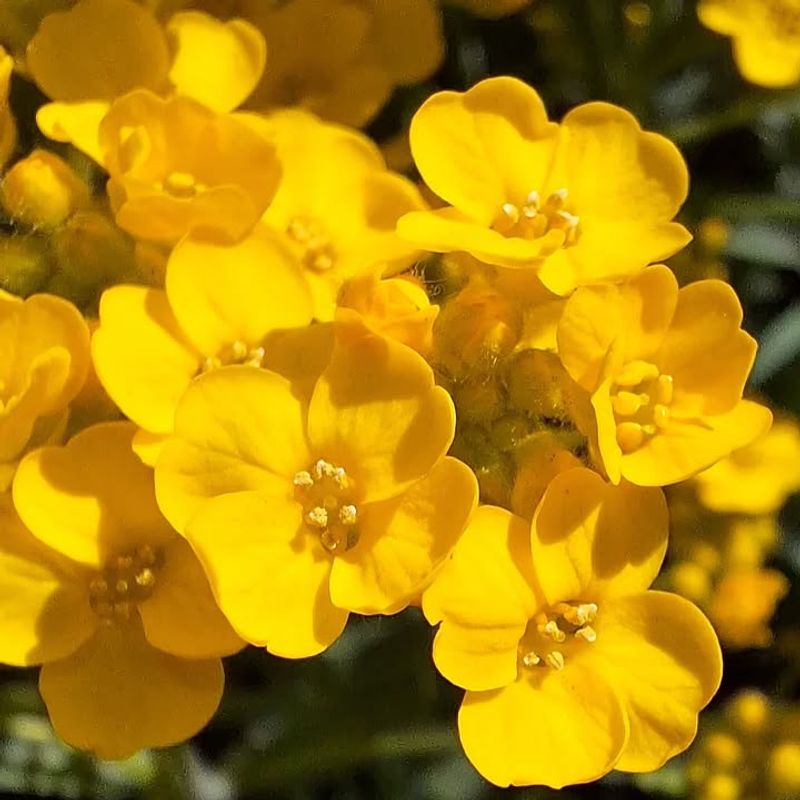
This low-growing perennial creates cascades of tiny golden flowers in spring, carpeting the ground with brilliant color. The blooms are so profuse they nearly hide the gray-green foliage beneath.
Rock gardens, slopes, and wall edges are perfect spots for this spreading beauty.
Plants grow only six to twelve inches tall but spread two feet or more wide. They spill gracefully over rocks or retaining walls, softening hard edges beautifully.
The evergreen foliage provides interest even when plants are not blooming.
Excellent drainage is essential for basket-of-gold to thrive. It grows happily in sandy or rocky soil where other plants struggle.
Full sun brings out the best blooming and keeps plants compact.
After the main spring show, shearing plants back by half encourages fresh growth and sometimes a lighter fall bloom. This also prevents them from becoming straggly or woody.
Oregon’s dry summers suit this Mediterranean native perfectly.
Pair it with purple aubrieta, white candytuft, or blue forget-me-nots for a stunning spring tapestry. It also complements spring bulbs beautifully, blooming as tulips and daffodils finish.
This cheerful groundcover brings sunshine to your garden when you need it most after a long, gray winter.
7. Evening Primrose
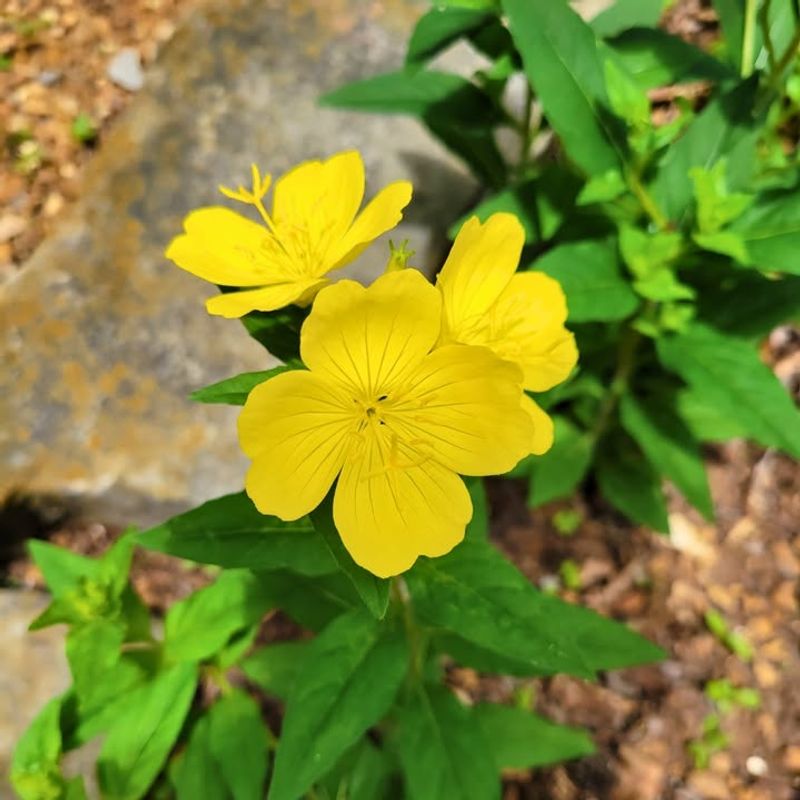
Large, cup-shaped flowers open in late afternoon and evening, filling your garden with a soft, sweet fragrance. The bright yellow petals seem to glow as twilight approaches, creating magical moments in your outdoor space.
Blooms continue opening throughout summer, providing months of enjoyment.
Most varieties grow one to two feet tall with a spreading habit. They self-seed moderately, popping up in unexpected places but never becoming truly invasive.
The foliage forms attractive rosettes at the base of flowering stems.
Oregon’s climate suits evening primrose beautifully. It tolerates drought, poor soil, and neglect better than most perennials.
Full sun produces the most flowers, though it accepts some afternoon shade in hot locations.
Moths and other night-flying pollinators visit these blooms, supporting wildlife you might not otherwise notice. The flowers also stay open through the morning on cloudy days.
Deadheading is optional, as seed pods add their own textural interest.
Combine evening primrose with purple penstemon, blue catmint, or silvery artemisia for beautiful color schemes. It works wonderfully in cottage gardens or naturalized meadow areas.
This easy-going perennial rewards you with beauty and fragrance for very little effort on your part.
8. Lady’s Mantle
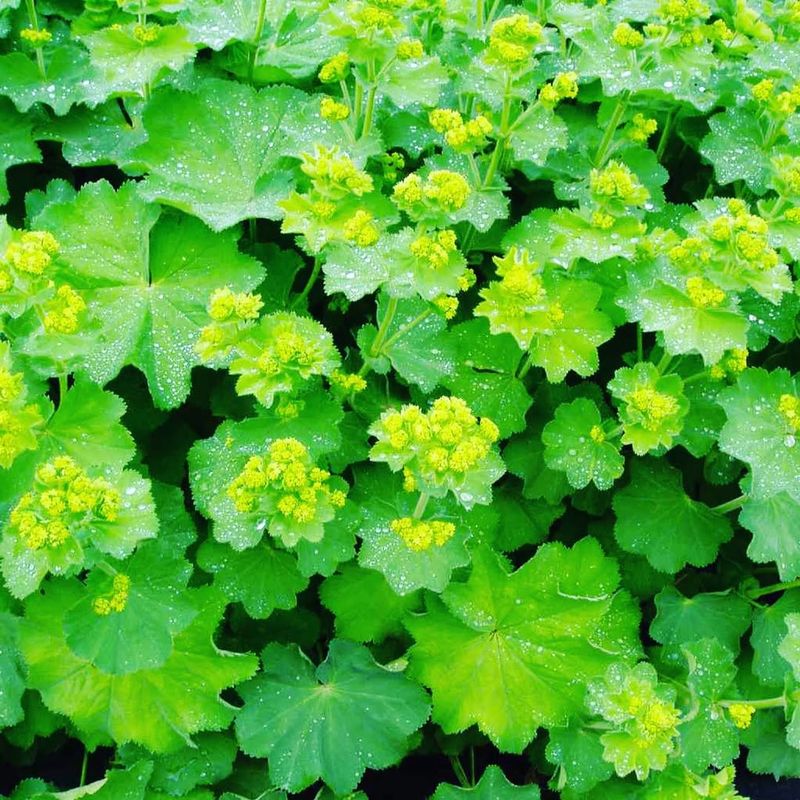
Frothy clusters of tiny chartreuse-yellow flowers float above scalloped, velvety leaves in late spring and early summer. The blooms are delicate and airy, adding a softness that contrasts beautifully with bolder flowers.
After rain or morning dew, water droplets collect on the leaves like scattered jewels.
Plants form neat mounds twelve to eighteen inches tall and equally wide. The foliage remains attractive throughout the growing season, providing texture even after flowers fade.
Clumps expand slowly, never becoming aggressive or invasive.
Oregon’s cool, moist climate is ideal for lady’s mantle. It prefers partial shade but tolerates full sun if given adequate moisture.
The plant handles clay soil well and rarely suffers from pests or diseases.
The flowers dry beautifully for arrangements, maintaining their chartreuse color for months. You can also cut plants back after blooming to encourage fresh foliage growth.
They self-seed lightly, giving you baby plants to share or move around.
Use lady’s mantle as an edging plant along paths or in front of taller perennials. It pairs wonderfully with blue hostas, purple astilbe, or pink roses.
This charming perennial brings a cottage garden feel to any Oregon landscape with minimal care required.
9. Jerusalem Sage
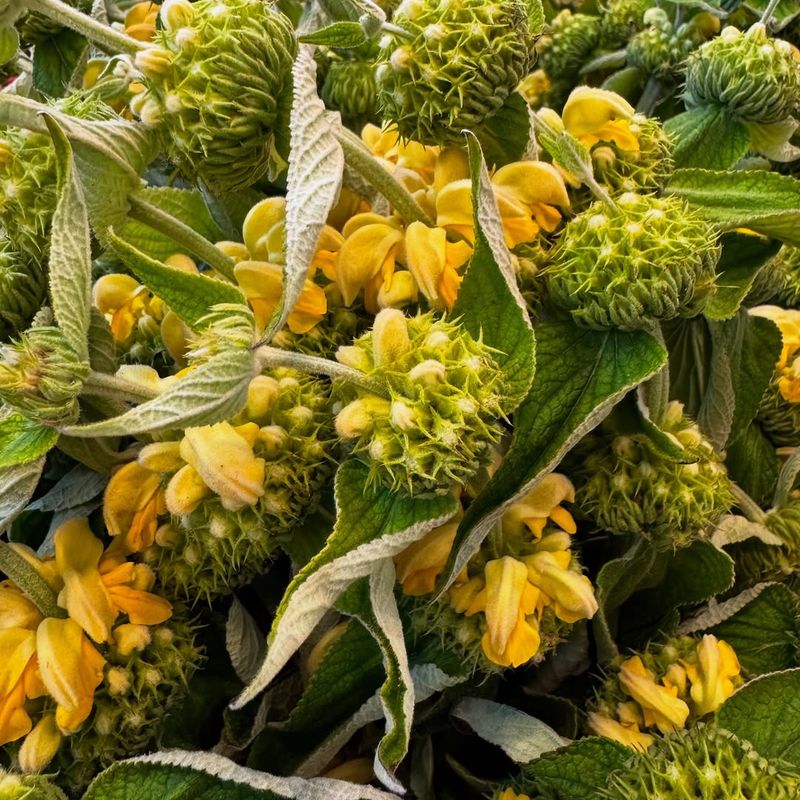
Whorls of hooded yellow flowers circle the stems in tiers, creating an architectural structure that stands out in any garden. The blooms appear in late spring and early summer, attracting bees from all around.
Gray-green fuzzy leaves release a pleasant sage-like scent when brushed.
This substantial perennial grows three to four feet tall with an equally wide spread. It forms a woody base over time, becoming a permanent fixture in your landscape.
The silvery foliage provides year-round interest, even through mild Oregon winters.
Excellent drainage is crucial for Jerusalem sage to thrive. It handles drought, poor soil, and hot sun without complaint once established.
Too much water or heavy clay can cause problems, so choose planting locations carefully.
Pruning after flowering keeps plants compact and encourages bushier growth. The dried flower stems add winter interest if you choose to leave them standing.
Deer avoid this aromatic plant, making it perfect for rural properties.
Pair Jerusalem sage with lavender, Russian sage, or ornamental grasses for Mediterranean-style gardens. It also provides beautiful contrast against dark green conifers or purple foliage plants.
This drought-tolerant perennial brings sunny color and structure to Oregon gardens that need low-maintenance solutions.
10. Helenium
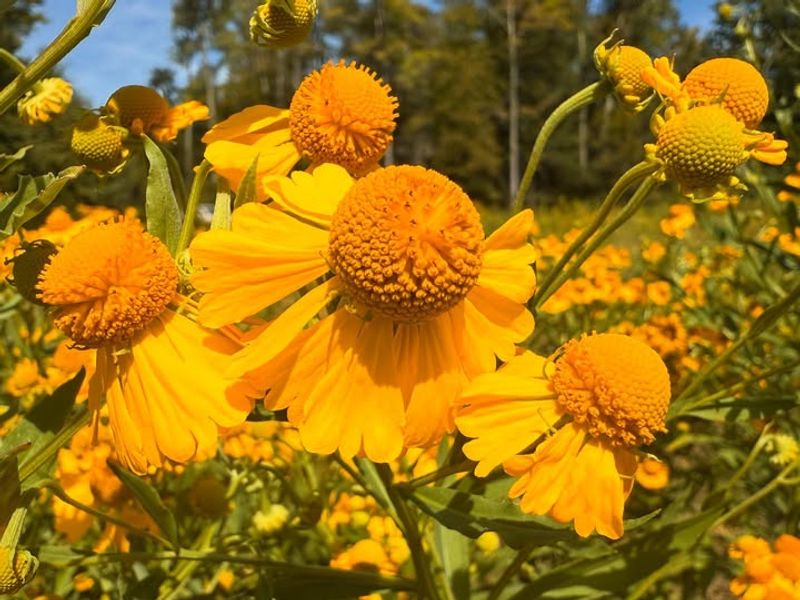
Sometimes called sneezeweed, though it does not actually cause sneezing, this perennial produces masses of daisy-like flowers with prominent, button-like centers. The warm yellow petals often have red or orange tones near the center, creating a glowing effect.
Blooms appear from mid-summer through fall when many gardens need a color boost.
Plants grow two to five feet tall depending on variety, making them excellent for back borders. They form upright clumps that fill out nicely without spreading aggressively.
The narrow leaves stay relatively inconspicuous, letting flowers take center stage.
Oregon’s climate suits helenium perfectly. It prefers full sun and consistent moisture but tolerates brief dry spells once established.
The plant handles clay soil reasonably well and rarely suffers from serious pest problems.
Butterflies and bees visit constantly, making your garden buzz with activity. Pinching stems in early summer produces bushier plants with more flowers.
The blooms also make excellent cut flowers for late-season arrangements.
Combine helenium with purple asters, blue salvias, or ornamental grasses for stunning fall displays. It also pairs beautifully with other late bloomers like sedums and Russian sage.
This reliable perennial extends your garden’s color season well into autumn with minimal effort required.
11. Creeping Jenny
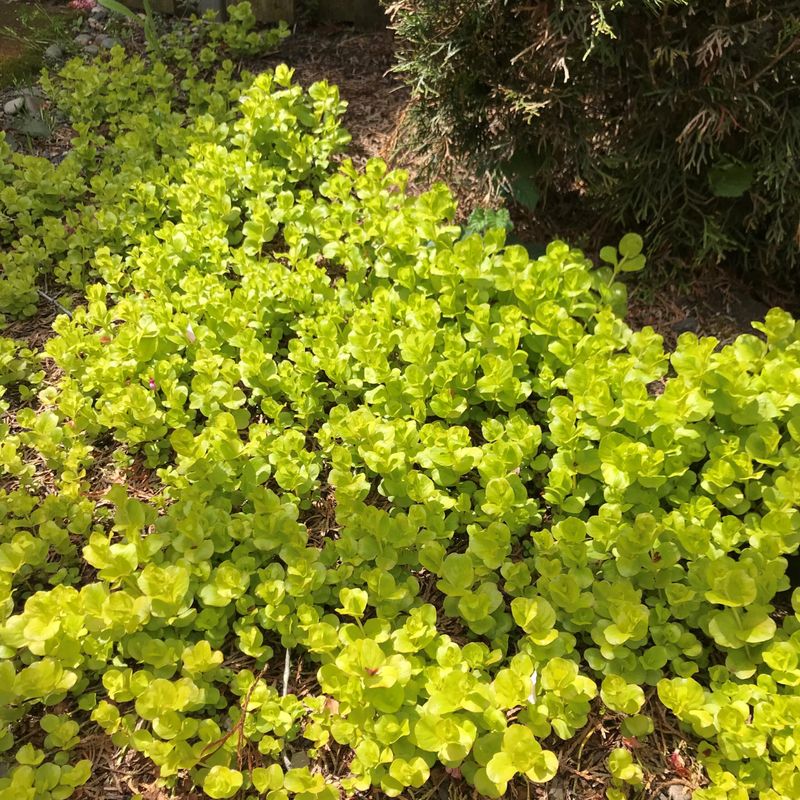
Bright chartreuse leaves form a low mat that spreads enthusiastically, filling in bare spots quickly. Small, cup-shaped yellow flowers appear in summer, though the foliage is the real star of this groundcover.
The trailing stems root as they go, creating a dense carpet that suppresses weeds effectively.
Growing only two to four inches tall, creeping Jenny spreads indefinitely if conditions suit it. It works beautifully spilling over container edges, between stepping stones, or as a lawn alternative in small areas.
The golden foliage brightens shady spots where other plants struggle.
Oregon’s moist climate is perfect for this water-loving perennial. It thrives in partial to full shade and tolerates wet soil better than most plants.
You can even grow it along pond edges or in boggy areas.
The vigorous growth can become invasive in ideal conditions, so plant it where you can contain its spread or where you want full coverage. It makes an excellent alternative to grass under trees where mowing is difficult.
The bright foliage contrasts beautifully with dark green plants or purple-leaved varieties.
Combine creeping Jenny with hostas, ferns, or astilbes in shade gardens. It also looks stunning tumbling from hanging baskets or tall containers.
This cheerful groundcover brings sunshine to Oregon’s shadiest garden spots with very little care needed.