8 Warm-Season Veggies Arizona Gardeners Can Still Plant Before April Heat
Late March in Arizona always feels like a small window you don’t want to miss. The days are warming up fast, the soil is ready, and there’s still just enough time to get a few things in before the real heat settles in.
It’s that in-between moment where planting can still work in your favor, but timing starts to matter more with every passing week. Some veggies handle this shift better than others, settling in quickly while conditions are still manageable.
Choosing the right ones now can make the difference between steady growth and plants that struggle before they even get going.
Not everything can keep up once temperatures climb, so knowing what still has a chance right now becomes a lot more important.
1. Okra Handles Rising Heat Well
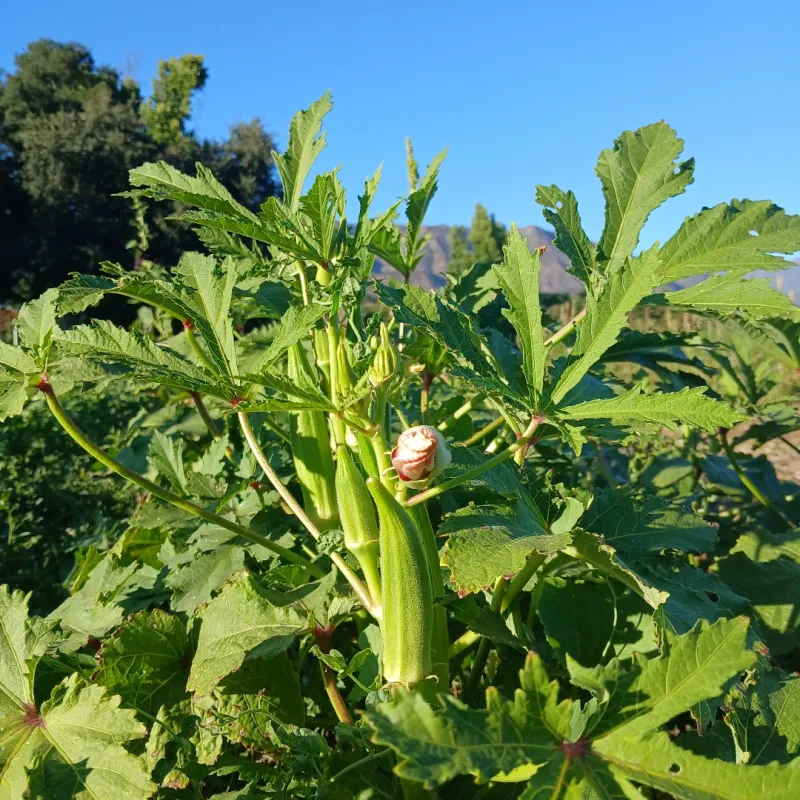
Okra is practically built for Arizona summers, but most people wait too long to plant it.
Get seeds in the ground right now, in late March or early April, and the plants will have enough time to root before the worst heat arrives in June and July.
Direct sow seeds about an inch deep in full sun. Okra does not like being transplanted, so skip the starter pots and put it straight into warm soil.
Soil temps should be at least 65 degrees Fahrenheit for good germination, and in most parts of Arizona right now, you are already there.
Water consistently but do not overdo it. Okra handles dry stretches surprisingly well once the plants are a foot or two tall.
Space plants about 18 inches apart because they get big fast in the heat. Varieties like Clemson Spineless are reliable producers in the low desert and tend to keep pumping out pods even when daytime temps push past 105 degrees.
Harvest pods when they are two to four inches long. Leave them on the plant too long and they get tough and woody fast.
Check plants every day or two once they start producing. Mulch around the base to hold soil moisture and keep roots a bit cooler during the hottest afternoons.
2. Sweet Potatoes Establish Before Extreme Heat
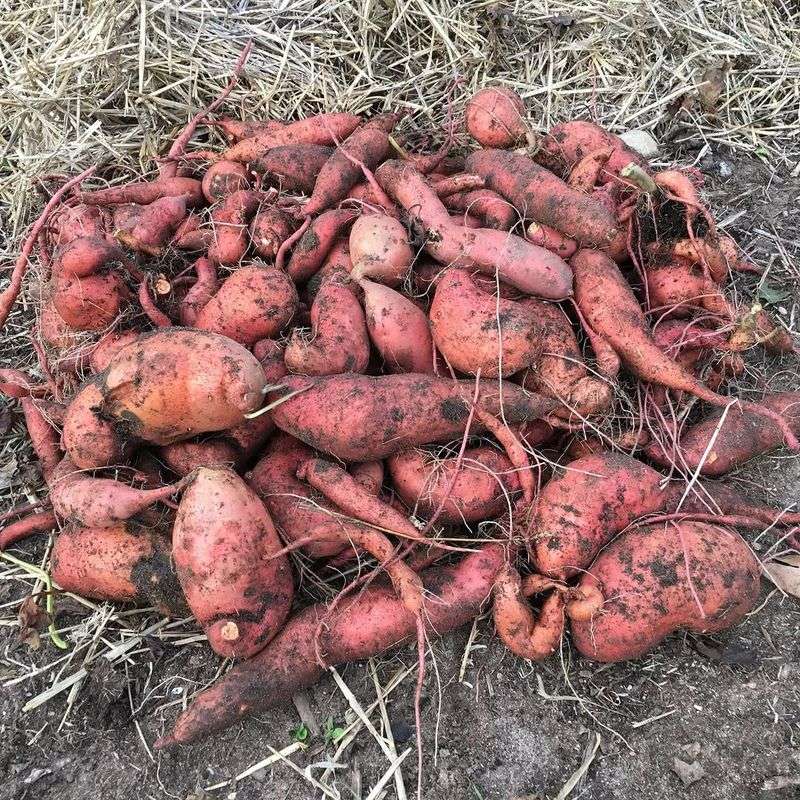
Sweet potatoes need a long, warm season, and Arizona gives them exactly that. Plant slips in late March or early April and they will have months of warmth ahead to develop full, heavy roots underground before you pull them in fall.
You plant sweet potatoes from slips, not seeds or tubers. You can order slips online or grow your own by suspending a sweet potato in water until sprouts appear, then snapping them off and rooting them in a glass of water.
Once roots are an inch or two long, they are ready to go in the ground.
Mound up your soil before planting. Sweet potatoes like loose, well-drained ground so the roots can spread without hitting compaction.
Flat, heavy soil leads to small or misshapen roots. In Arizona, raised beds or mounded rows work really well for this reason.
Water deeply but let the soil dry out between waterings. Overwatering causes root rot and split roots.
Varieties like Beauregard and Centennial both perform well in the Arizona desert. Lay down a thick layer of straw mulch after planting to slow moisture loss from the soil surface.
You will not harvest until fall, but the work you put in now pays off big when you pull up those roots in October.
They tend to size up better when the soil stays loose and evenly moist through the season.
3. Armenian Cucumbers Thrive In Dry Warm Conditions
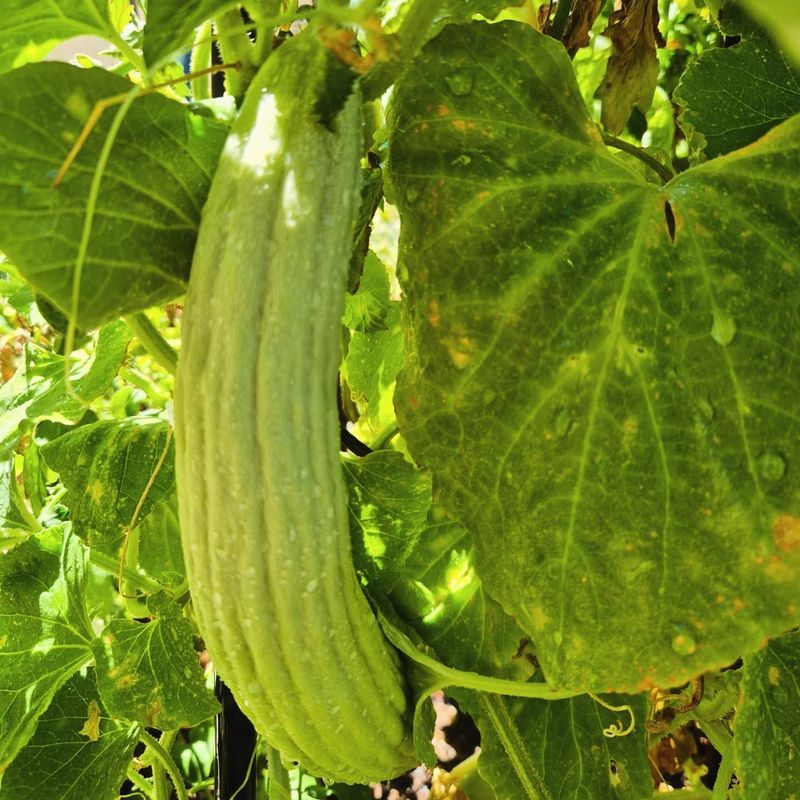
Regular cucumbers tend to struggle and turn bitter when Arizona temperatures spike in June, but Armenian cucumbers are a completely different story.
Technically a type of muskmelon, they produce long, pale green fruits that look and taste like cucumbers and handle heat far better than anything labeled as a cucumber at the garden center.
Direct sow seeds in late March after your last frost risk has passed. Plant two or three seeds per spot, about an inch deep, and thin to the strongest seedling after germination.
Give them a trellis or fence to climb because these vines get long fast, and growing vertically keeps fruit clean and straight.
Water at the base of the plant, not overhead. Wet leaves in hot Arizona sun can lead to powdery mildew issues.
Drip irrigation works great here. Consistent moisture produces better fruit, so do not let the soil go bone dry between waterings.
Harvest fruits when they are 12 to 15 inches long and still pale. Once they start yellowing, they are past their best eating stage.
Slice them thin, toss with a little salt and lemon, and they hold up well in summer salads. Armenian cucumbers are genuinely one of the most underused vegetables in Arizona home gardens and deserve way more attention than they get.
They keep producing steadily through the hottest part of summer when other crops start to slow down.
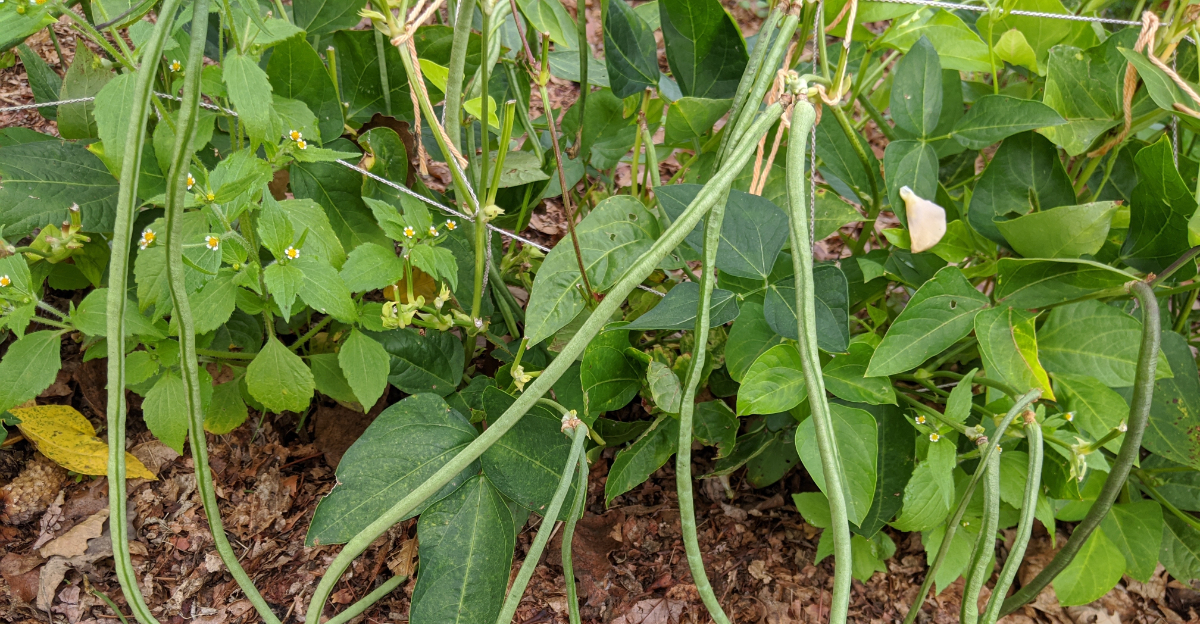
4. Yardlong Beans Grow Strong In Hot Weather
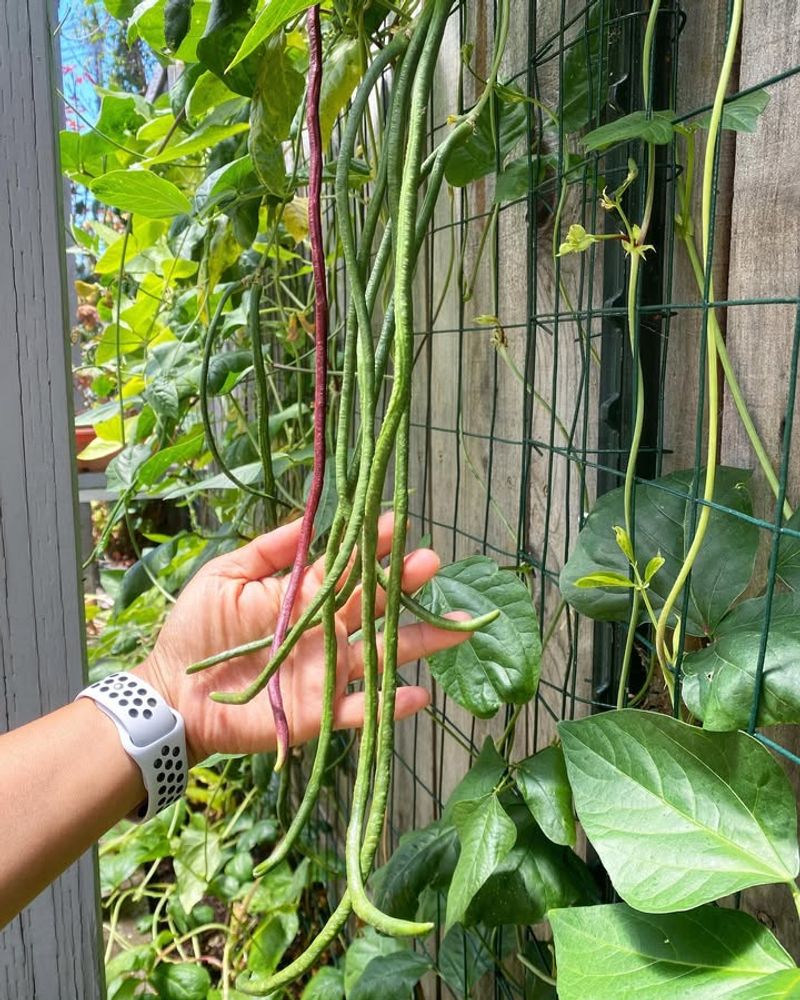
Standard green beans tend to drop their blossoms when temperatures climb above 90 degrees, which is a real problem in Arizona.
Yardlong beans, also called asparagus beans or Chinese long beans, keep flowering and setting pods well into the heat, making them a smarter choice for desert gardeners who want reliable harvests.
Sow seeds directly in the garden now. They germinate fast in warm soil and vines take off quickly.
Set up a trellis, fence, or bamboo teepee before you plant so you are not scrambling to add support later. These vines can reach six feet or taller, so give them something sturdy to grab onto.
Full sun is non-negotiable. Yardlong beans planted in partial shade produce far fewer pods.
Water regularly but make sure drainage is solid because waterlogged roots in Arizona clay soil cause problems fast. Sandy or amended soil drains better and gives roots more room to spread.
Pods are ready to harvest when they reach about 12 to 18 inches long, before they get tough. Pick frequently to encourage the plant to keep producing.
Red Noodle is a popular variety with deep burgundy pods that add some color to the garden and the plate. They cook up similar to regular green beans but hold their texture better in stir fries and sautees.
A good performer all the way through Arizona’s long, hot growing season.
5. Malabar Spinach Keeps Producing In Heat
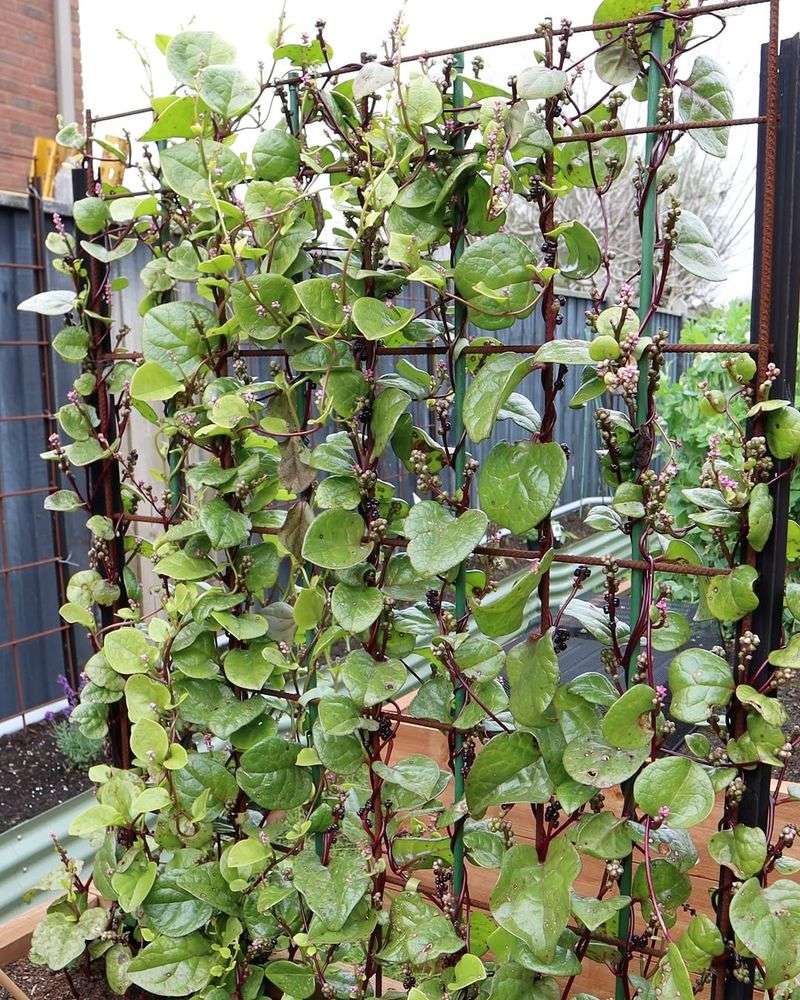
Regular spinach bolts and turns bitter the moment Arizona temperatures start climbing, usually by late March or early April. Malabar spinach does the opposite.
It actually loves the heat and keeps producing lush, thick leaves all the way through summer, which makes it almost uniquely useful for Arizona gardeners who want greens in the hot months.
Start seeds indoors a few weeks before transplanting or direct sow now that soil is warm. Germination can be slow, sometimes two to three weeks, so be patient.
Soaking seeds overnight before planting speeds things up. Once plants take hold, growth picks up quickly in the Arizona heat.
Malabar spinach is a climbing vine, not a bush. Give it a trellis or some kind of support and it will reward you with easy harvesting.
Leaves are thick and slightly mucilaginous, which works well in soups and stir fries. Eaten raw, younger leaves have a milder flavor than older ones.
Red-stemmed varieties add visual interest and do just as well in the low desert as green-stemmed types. Water consistently and fertilize every few weeks with a balanced fertilizer to keep production going strong.
Plants can reach eight feet or more in a long Arizona season. Harvest outer leaves regularly and the plant keeps pushing out new growth without slowing down.
Few vegetables earn their garden space as reliably in Arizona summer heat as this one does.
6. New Zealand Spinach Handles Dry Conditions Better
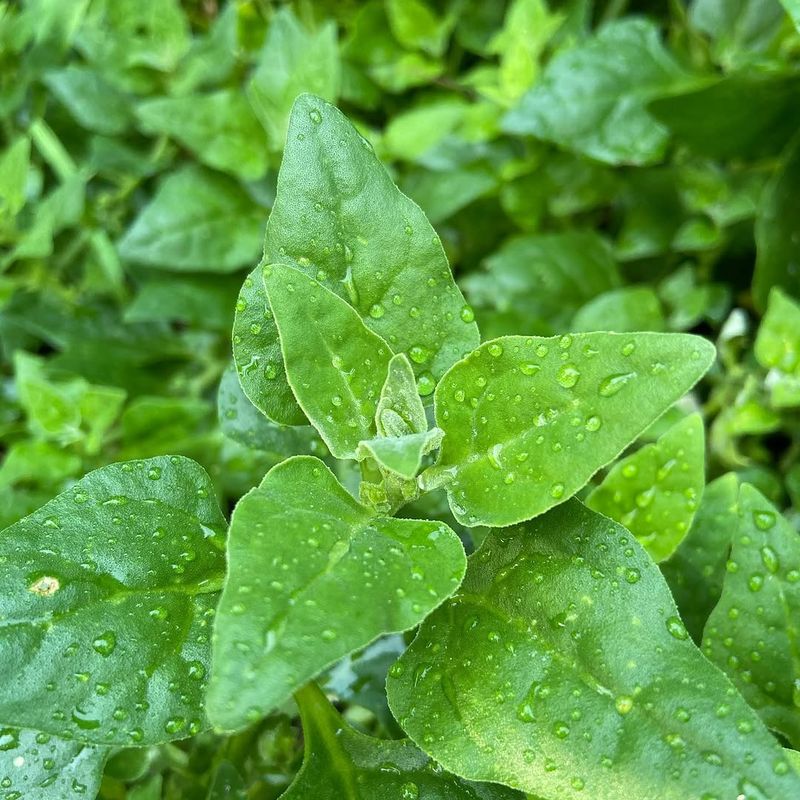
New Zealand spinach is not actually spinach at all, but it fills the same role in the kitchen and handles Arizona’s dry, hot conditions in a way true spinach never could.
Plants spread low and wide across the ground, producing small, thick leaves that you can harvest continuously through the summer months.
Sow seeds directly in the garden now. Soaking them in warm water for a few hours before planting helps soften the hard seed coat and speeds up germination.
Space plants about 18 inches apart because they spread out considerably as they grow. Do not crowd them or airflow suffers.
Heat and drought tolerance are where this plant really separates itself from other greens. In Tucson and Phoenix gardens, it keeps producing when almost everything else has given up for the season.
It does need regular watering, but it can handle short dry spells without completely falling apart.
Pinch off the growing tips regularly to encourage bushier growth and more leaf production. Older stems can get tough, so keep harvesting the tender new tips.
Blanch or lightly saute the leaves before eating since raw New Zealand spinach contains oxalic acid, which breaks down with cooking. It tastes mild and slightly earthy, similar to regular spinach.
For Arizona gardeners frustrated by the short spring spinach window, this plant is a genuinely practical solution that delivers all season long without much fuss.
7. Roselle Grows Well Through Long Hot Seasons
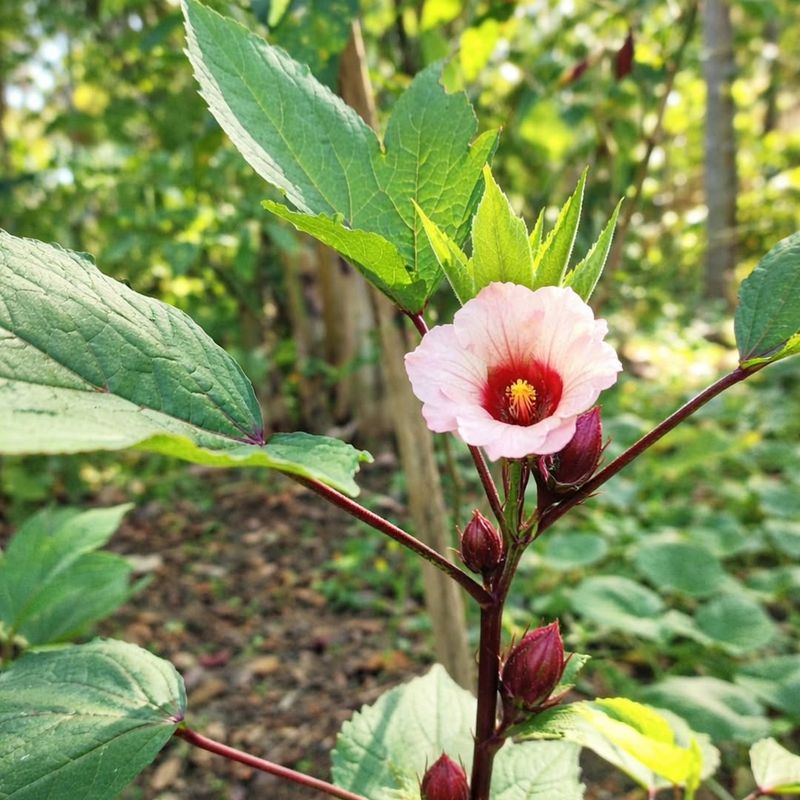
Roselle is one of those plants that most Arizona gardeners have never tried but absolutely should. Related to hibiscus, it produces tart red calyces used to make agua de jamaica, teas, jams, and sauces.
Plant it now and it will grow steadily through the long Arizona summer and reward you with a big harvest in fall.
Start from seed directly in the garden or use transplants if you can find them. Roselle needs a long growing season, around 150 to 200 days, which is exactly why planting in late March or early April in Arizona makes sense.
Seeds germinate well in warm soil above 70 degrees Fahrenheit, which Arizona already has right now.
Plants get large, sometimes five to six feet tall, so give them room. Full sun is essential.
Roselle is drought tolerant once established but produces better calyces with consistent irrigation. In Arizona’s low desert, weekly deep watering works well during the hottest months.
Harvest begins in fall when the calyces swell and turn deep red after the flowers drop. Pick them before they dry out on the plant for the best flavor.
Fresh calyces can be used immediately or dried for later use. Dried roselle keeps well for months in a sealed container.
Growing roselle in Arizona is a genuinely satisfying experience because it handles the heat without complaint and delivers a harvest that feels completely different from anything else in the garden.
8. Seminole Pumpkin Spreads And Handles Heat Well
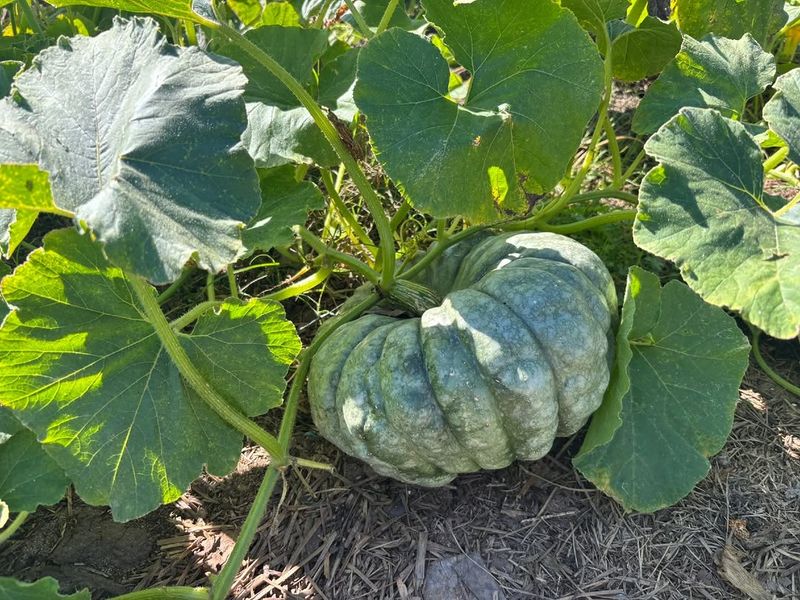
Most pumpkins planted in Arizona give up as soon as summer really kicks in, but Seminole pumpkin was developed in the hot, humid Southeast and handles heat and drought in a way standard pumpkin varieties simply cannot match.
Vines spread aggressively and fruits develop without needing constant babysitting.
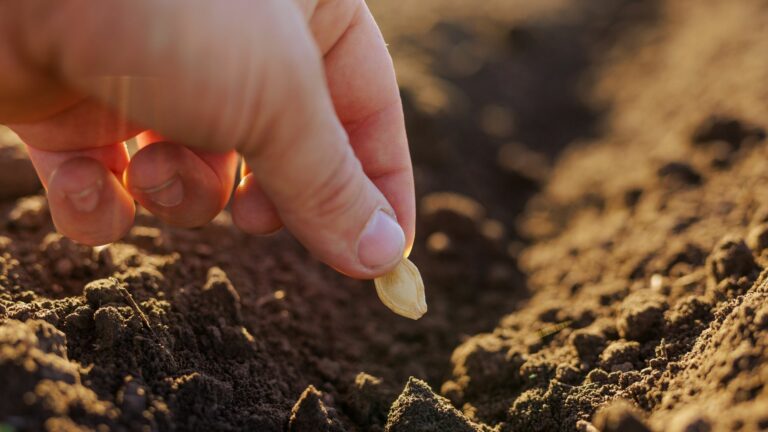
Plant seeds directly in the garden now, about an inch deep in full sun. Give vines plenty of room because they spread fast and wide, easily reaching 10 to 15 feet in a single season.
If space is tight, train vines up a sturdy trellis and support the fruits with mesh slings as they develop.
Water deeply at planting and then back off a bit once vines start running. Seminole pumpkin is more forgiving of dry spells than most squash family plants.
In Arizona, this matters a lot during June and July when even well-watered gardens face serious stress.
Fruits are round to slightly oblong, tan or buff-colored, and typically weigh two to four pounds each. Flesh is dense, sweet, and dry, which makes it excellent for roasting, soups, and baking.
Fruits left on the vine and cured properly can store for months at room temperature. Harvest when the skin hardens and the stem starts to dry out.
Planting Seminole pumpkin in Arizona is a low-effort, high-reward decision that pays off through fall with minimal work once the vines take hold.