Warm Season Veggies Georgia Gardeners Should Plant In April
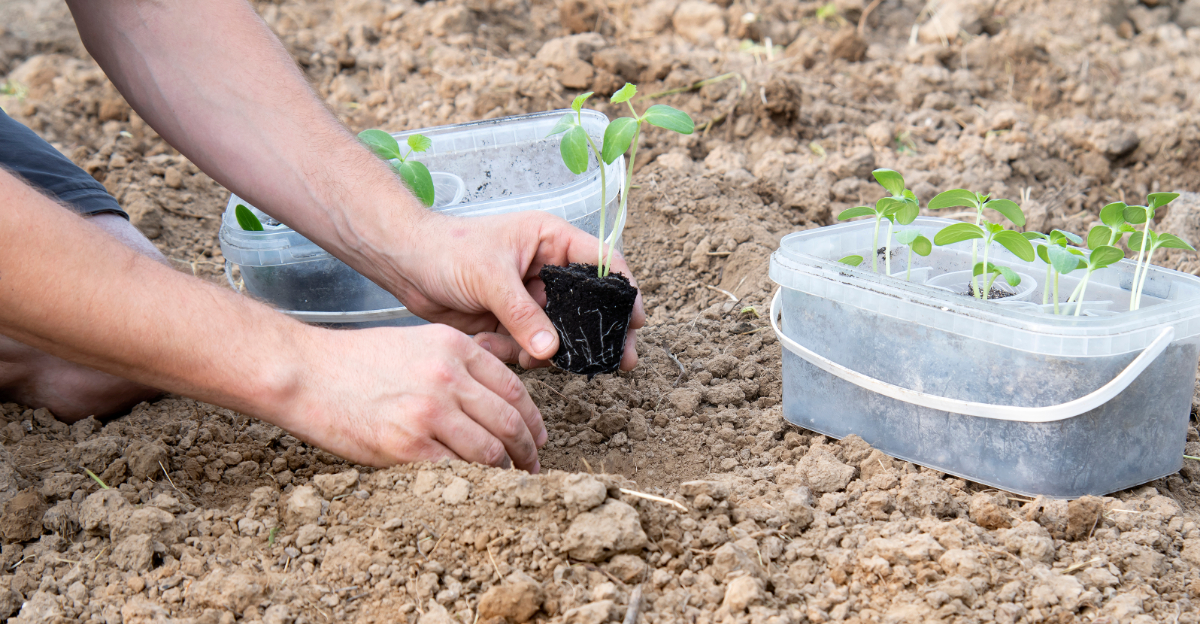
April in Georgia feels like a green light for gardeners. The chill finally backs off, the soil starts warming up, and suddenly it feels right to get things growing again.
After weeks of waiting and watching the weather, this is when many people head outside with seeds and transplants ready to go.
Warm season vegetables really shine during this window. They need that steady warmth to get established, and planting too early can slow them down more than you would expect.
Timing it right gives them a much smoother start and sets up better growth as the season moves forward.
A few smart choices now can carry your garden straight into summer, and once these crops take off, the pace of the whole garden starts to change.
1. Tomatoes The Star Of Every Summer Garden
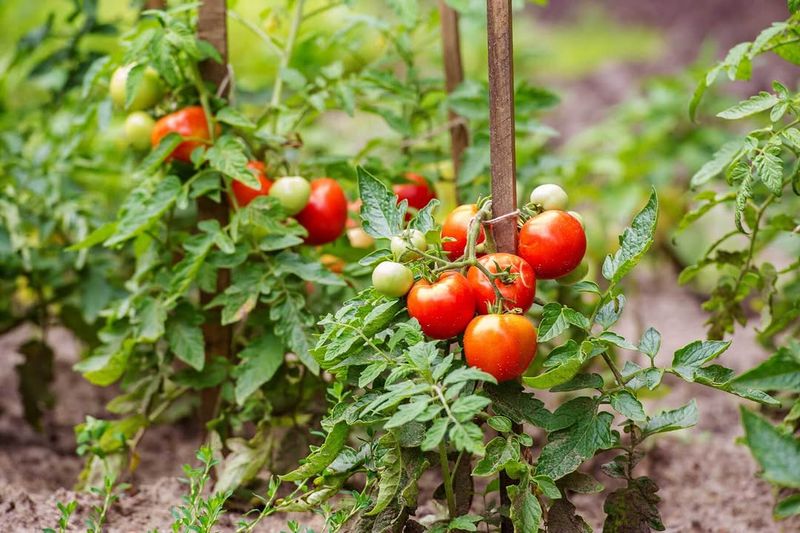
Nothing says summer gardening in Georgia quite like a row of tall, leafy tomato plants loaded with fruit. Tomatoes are one of the most rewarding crops you can grow, and April is the sweet spot for getting transplants into the ground across the state.
Soil temperatures should be at least 60 degrees Fahrenheit before you plant, so check your garden bed before you start.
Varieties like Parks Whopper Improved and heat-tolerant cherry types do especially well in Georgia’s long, hot summers. Start your seeds indoors about six to eight weeks before transplanting, or pick up healthy seedlings from a local nursery.
When planting, bury the stem deep so only the top leaves are above the soil. This encourages strong root development.
Water your tomatoes consistently, aiming for about one to two inches per week. Mulching around the base helps hold moisture in the soil and keeps weeds down.
Watch out for common pests like hornworms and aphids, which love Georgia gardens. Stake or cage your plants early so they have support as they grow tall and heavy with fruit.
With good care, you can expect your first harvest by late June or early July.
2. Peppers Bringing Heat And Bright Color
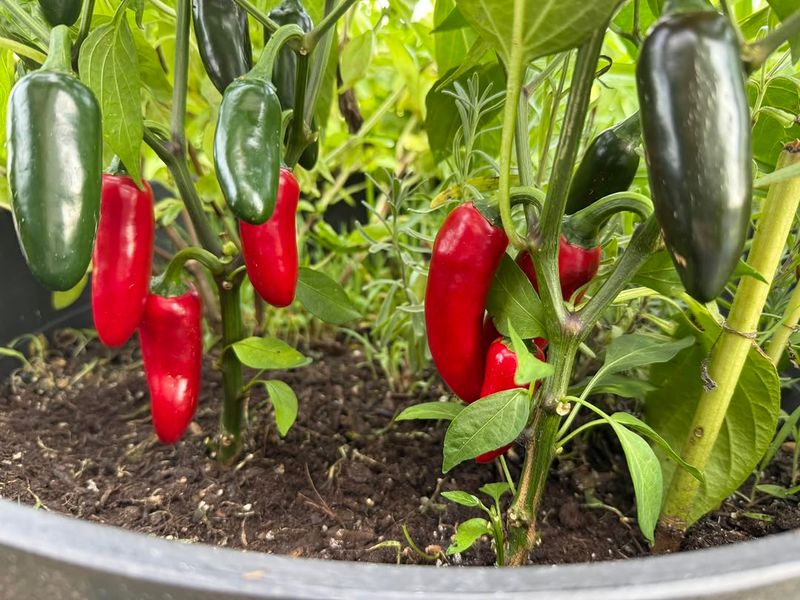
Few vegetables bring as much color and flavor variety to a Georgia garden as peppers. Bell peppers, jalapenos, banana peppers, and cayenne all love the warm temperatures that April brings across the state.
Getting them in the ground at the right time means you will be harvesting peppers well into fall.
Peppers need nighttime temperatures that stay consistently above 50 degrees Fahrenheit before you move them outside. In most parts of Georgia, that window opens up nicely in April.
Transplant seedlings rather than direct sowing seeds for the best results. Space plants about 18 inches apart so they have room to bush out and get plenty of airflow, which helps prevent fungal issues.
Peppers love full sun, so choose the sunniest spot in your yard. They prefer well-drained soil with plenty of organic matter mixed in.
Fertilize every few weeks with a balanced vegetable fertilizer to keep plants productive. Hot peppers actually tend to produce more fruit when they experience a little stress, so do not overwater them.
Georgia’s humid summers can encourage some leaf diseases, so keep an eye out and remove any affected leaves quickly to keep your pepper plants thriving all season.
3. Eggplant A Warm-Weather Garden Favorite
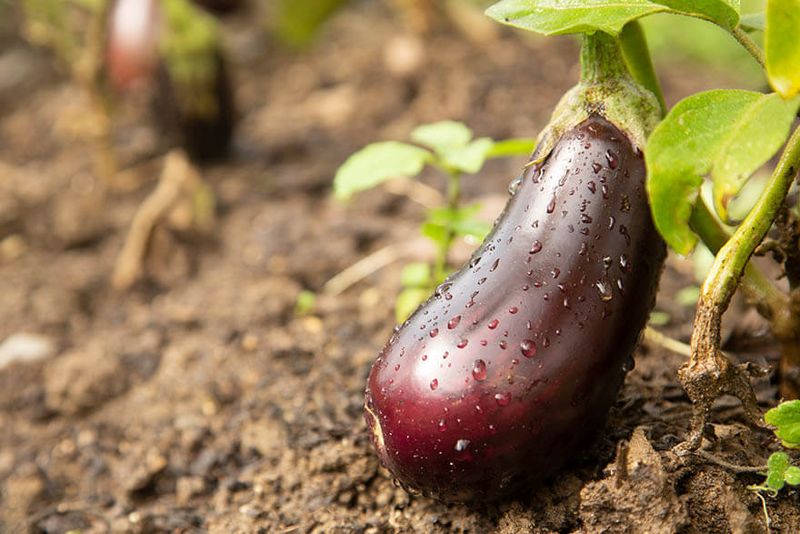
Eggplant is one of those vegetables that absolutely loves Georgia’s hot, sunny summers, but it can be a little picky about getting started. Since it is sensitive to cold, you should wait until after the last frost has passed before moving transplants outside.
In most of Georgia, that means April is the perfect time to get eggplant in the ground.
Choose a spot with full sun and well-drained soil for the best results. Eggplants grown in soggy soil tend to struggle, so raised beds work great if your yard has drainage issues.
Mix in compost before planting to give the soil a nutritional boost. Space plants about 24 inches apart so they have room to spread without competing for resources.
Did you know that eggplant is actually a member of the nightshade family, just like tomatoes and peppers? That means they have similar care needs, which makes them easy to group together in your garden layout.
Water regularly but avoid getting the leaves wet, as this can encourage fungal problems. Flea beetles are a common pest in Georgia gardens that love young eggplant leaves, so check your plants often and use row covers early in the season if needed.
Harvest eggplants while they are still firm and glossy for the best flavor.
4. Okra Built For Georgia’s Summer Heat
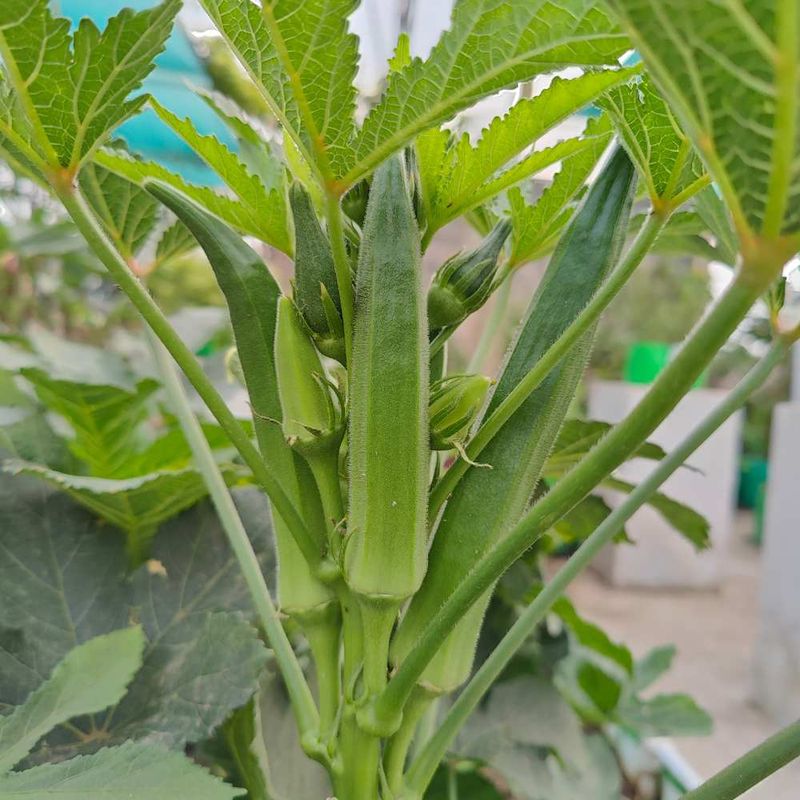
This heat-loving crop thrives when temperatures climb, making April the ideal month to get seeds in the ground across most of the state. Once okra gets going in Georgia’s summer heat, it is one of the most productive plants in the garden.
Sow okra seeds directly into the soil once temperatures are consistently warm. Soak seeds overnight in water before planting to help speed up germination.
Plant them about one inch deep and space rows about three feet apart, since okra plants can grow quite tall. Some varieties reach six feet or more, so give them plenty of vertical room.
Okra prefers full sun and well-drained soil. It is fairly drought tolerant once established, but regular watering during dry spells will keep production high.
Harvest pods when they are about three to four inches long for the most tender texture. If you leave pods on the plant too long, they become tough and fibrous.
Okra produces new pods rapidly in the heat, so plan to check your plants every couple of days. Adding a thick layer of mulch around the base helps retain soil moisture and keeps the roots cool during Georgia’s hottest summer days.
5. Cucumbers With Their Fast-Growing Vines
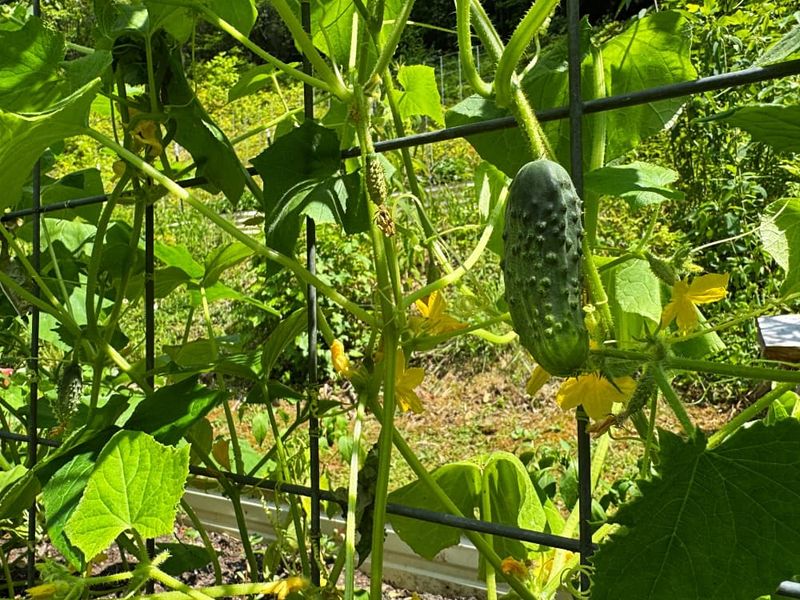
Once soil temperatures rise above 65 degrees Fahrenheit, cucumber seeds germinate quickly and vines take off at an impressive pace. Planting in April means you could be picking fresh cucumbers as early as late May or June, depending on your variety.
Direct sow seeds into the garden rather than starting indoors, since cucumbers do not like having their roots disturbed. Plant seeds about one inch deep and space them according to whether you are growing bush or vining types.
Vining cucumbers benefit from a trellis or fence to climb, which also improves airflow and makes harvesting much easier. Trellising keeps fruit off the ground and reduces the chance of rot.
Cucumbers need consistent moisture to produce well. Uneven watering can cause bitter-tasting fruit or misshapen cucumbers.
Aim to keep the soil evenly moist throughout the growing season. In Georgia’s warm climate, cucumber beetles can be a real challenge, so inspect plants regularly and act quickly if you spot them.
Mulching the soil helps regulate temperature and moisture levels. Pick cucumbers frequently once they start producing, because leaving overripe fruit on the vine signals the plant to slow down production.
Regular harvesting keeps plants pumping out fresh cucumbers all season.
6. Summer Squash That Produces Nonstop Harvests
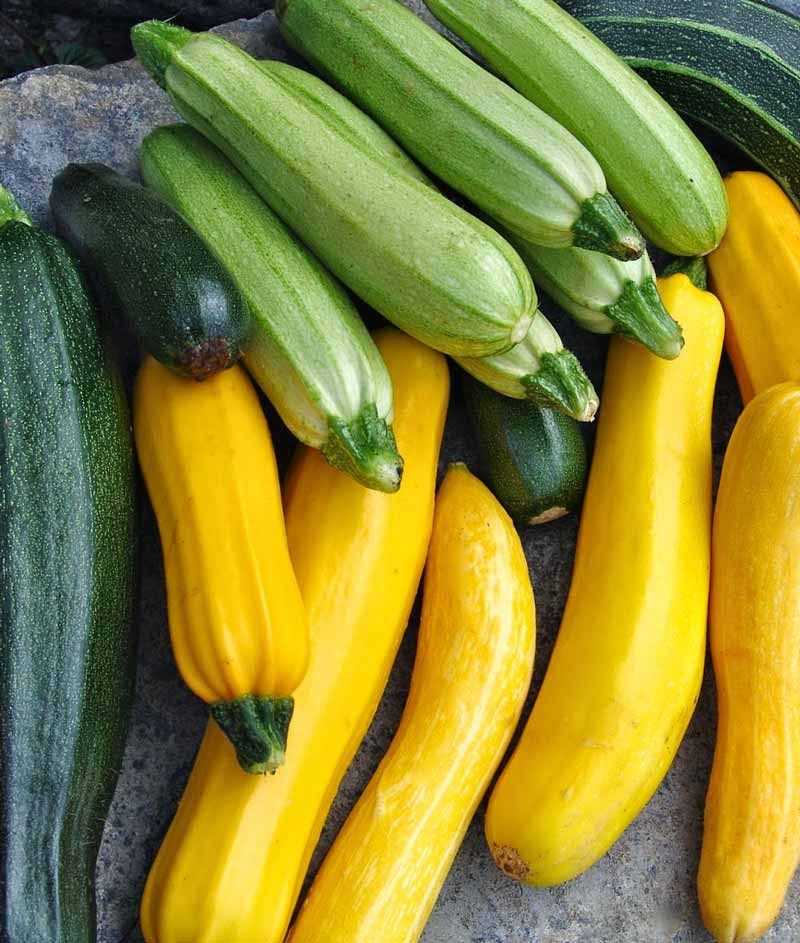
If you want a vegetable that practically grows itself, summer squash is your answer. Zucchini, yellow squash, and pattypan varieties all establish quickly in Georgia’s warm spring soil.
Plant seeds directly into the garden in April and you will likely be harvesting squash within 50 to 60 days. This makes summer squash one of the fastest rewards you can get from your spring planting efforts.
Sow seeds about one inch deep and give plants plenty of space to sprawl. Summer squash plants spread wide, so allow at least three feet between plants.
They love full sun and fertile, well-drained soil. Adding compost before planting gives them a strong nutritional foundation.
Once plants establish, they grow quickly and produce abundantly throughout the summer months.
Squash vine borers and squash bugs are two pests that Georgia gardeners commonly deal with. Checking the undersides of leaves regularly for egg clusters can help you catch problems early.
Powdery mildew is also a common issue in Georgia’s humid summers, so choose resistant varieties when possible and avoid overhead watering. Harvest squash when it is still young and tender, usually around six to eight inches long for zucchini.
Overgrown squash becomes seedy and less flavorful, so keep up with harvesting every few days to stay ahead of the plants.
7. Sweet Corn A Classic Garden-To-Table Crop
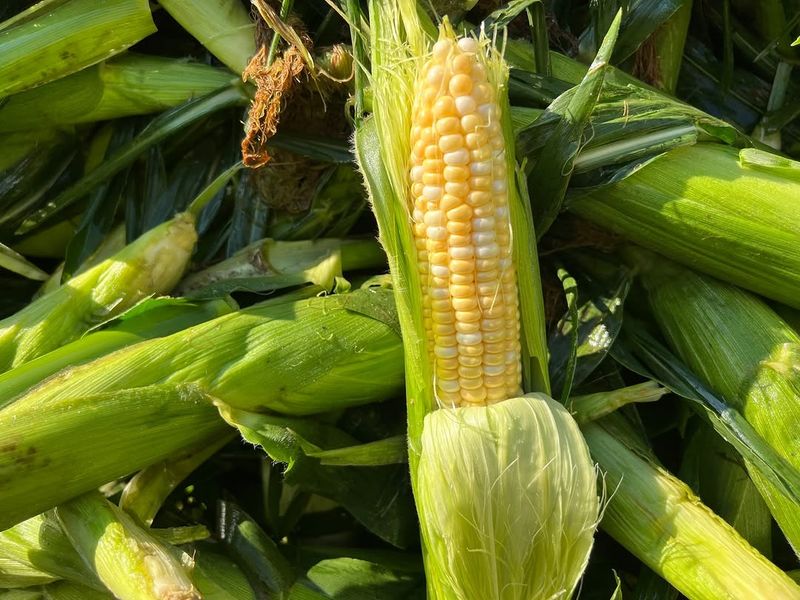
Growing sweet corn in Georgia is a truly satisfying experience. There is something magical about watching those tall green stalks shoot up in the warm spring sunshine.
April is the right time to get corn seeds in the ground, as soil temperatures should be above 60 degrees Fahrenheit for reliable germination. Georgia’s long growing season gives corn plenty of time to mature before the hottest part of summer arrives.
One important tip for planting sweet corn is to plant in blocks rather than single long rows. Corn is wind-pollinated, meaning pollen from the tassels must land on the silks to produce full ears.
Planting in a grid pattern of at least four rows wide gives pollen the best chance of reaching every plant. Thin seedlings to about 12 inches apart once they sprout so each plant has enough room and nutrients.
Sweet corn is a heavy feeder, so fertilizing regularly with a nitrogen-rich fertilizer gives it the fuel it needs to grow strong. Water deeply and consistently, especially once the ears begin to form.
Earworms are a notorious pest in Georgia corn gardens, so applying a few drops of mineral oil to the tip of each ear after the silks appear can help reduce damage. Harvest corn when the silks turn brown and the kernels are plump and milky for the sweetest flavor possible.
8. Snap Beans Quick Yields With Easy Care
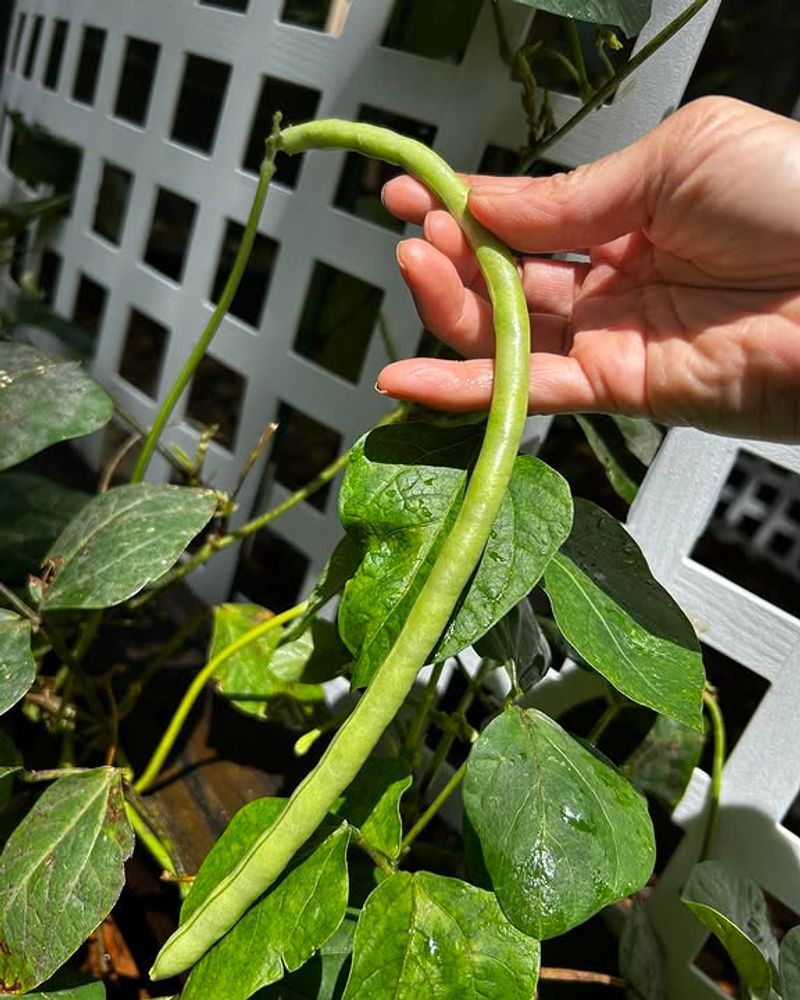
Snap beans, also called green beans or string beans, are one of the easiest and most satisfying crops a Georgia gardener can grow in April. Both bush beans and pole beans do well in Georgia’s warm spring soil, and they go from seed to harvest in just 50 to 60 days.
That quick turnaround makes them perfect for gardeners who want results without a long wait.
Plant seeds directly into the soil about one inch deep once nighttime temperatures stay above 50 degrees. Bush beans do not need any support and grow in a compact shape, making them ideal for smaller gardens.
Pole beans, on the other hand, climb enthusiastically and need a trellis, fence, or bamboo stakes to grow on. Pole varieties tend to produce over a longer period, giving you more harvests throughout the season.
Snap beans prefer well-drained soil with moderate fertility. Too much nitrogen can encourage lots of leafy growth but fewer pods, so go easy on heavy fertilizers.
Water regularly but avoid soaking the foliage, as wet leaves in Georgia’s humid climate can lead to fungal issues. Harvest pods when they are firm and snap cleanly, before the seeds inside start to bulge.
Picking regularly encourages the plant to keep producing fresh pods, extending your harvest window throughout the warm Georgia summer.
9. Cantaloupe Sweet Flavor Straight From The Vine
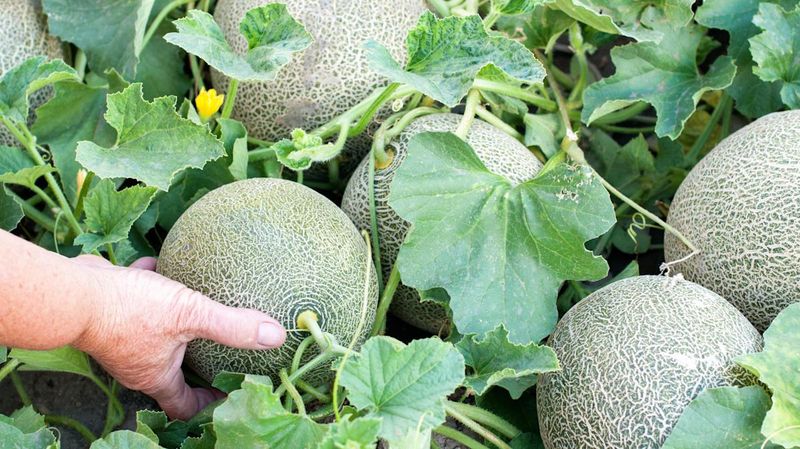
There is nothing quite like cutting open a perfectly ripe cantaloupe you grew yourself in your Georgia garden. These sweet, fragrant melons love long, hot summers and plenty of sunshine, which makes Georgia one of the best places in the country to grow them.
April is the time to get seeds or transplants in the ground so vines have enough time to mature before the season winds down.
Cantaloupes need a lot of space since the vines sprawl widely. Give each plant a hill about four to six feet apart and make sure the area gets full sun all day long.
Amend your soil with compost before planting to improve both drainage and fertility. Once vines start to run, they grow fast and begin flowering within a few weeks.
Bees play a critical role in pollinating cantaloupe flowers, so avoid spraying pesticides when plants are in bloom.
Consistent watering is important during vine growth, but once fruits begin to ripen, cut back on water to concentrate the sugars and intensify the flavor. A neat trick for knowing when a cantaloupe is ready to harvest is to check the spot where the stem meets the fruit.
When it slips off easily with a gentle tug, the melon is ripe. Georgia’s warm nights and sunny days create ideal conditions for producing sweet, flavorful cantaloupes all summer long.
10. Watermelon The Ultimate Summer Treat
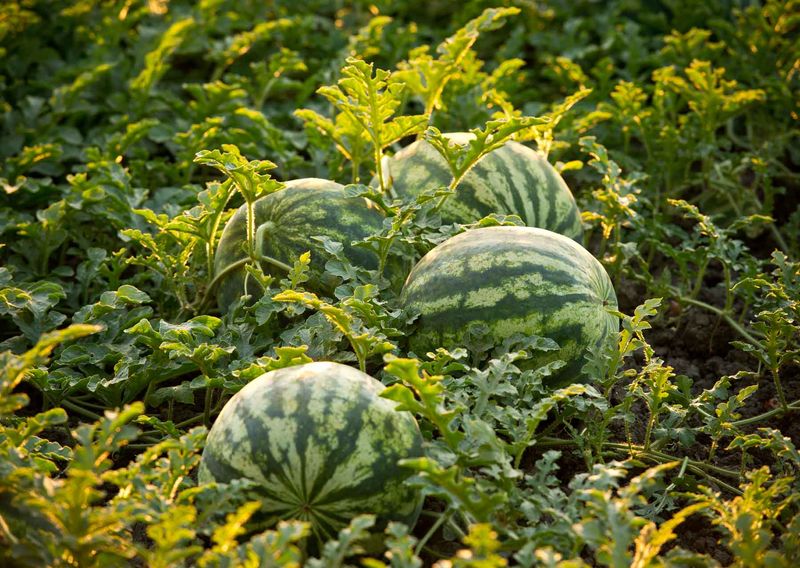
Georgia is actually famous for its watermelon production, and home gardeners across Georgia have plenty of success growing their own every summer. April is the perfect month to get watermelon seeds or transplants in the ground so vines have a full season to develop those big, juicy fruits everyone loves.
Watermelons need a lot of room to roam. Plant seeds in hills spaced at least six feet apart, and expect vines to spread eight to ten feet in every direction.
Full sun is non-negotiable for watermelons, so choose the most open, sunny spot in your yard. The soil should be well-drained and rich in organic matter.
Sandy loam soils, which are common in parts of Georgia, actually work very well for watermelon production.
Water deeply but not too frequently, as watermelons are surprisingly drought tolerant once established. Overwatering can actually make the fruit less sweet.
Knowing when to harvest is the trickiest part of growing watermelons. Look for the tendril nearest the fruit to turn brown and dry, the underside of the melon to turn creamy yellow, and a dull thud when you thump it.
With patience and Georgia’s generous summer sunshine, you will be rewarded with some of the sweetest watermelons you have ever tasted right from your own backyard.