15 Warning Signs There May Be Snakes In Your Michigan Yard
Backyards should feel relaxing, not uncertain. Small changes in your outdoor space can hint that something new has moved in. Tall grass, fresh tracks, and hidden corners often attract attention long before anything is spotted.
Smart homeowners pay attention early. Early awareness saves stress later. Many property owners all over USA already check their yards often to keep outdoor areas clean and comfortable.
The same habit matters in Michigan where warm seasons bring more backyard activity and dense landscaping creates great hiding spots. Simple yard checks can reveal clues you might otherwise miss. Clear spaces stay safer.
Organized landscapes stay easier to manage. A few minutes of observation can make a big difference.
Families enjoy outdoor time more. Want to know which signs matter most and what to watch for in your Michigan yard right now? Keep reading because spotting the right clues early can change how you manage your outdoor space.
Shed Skins
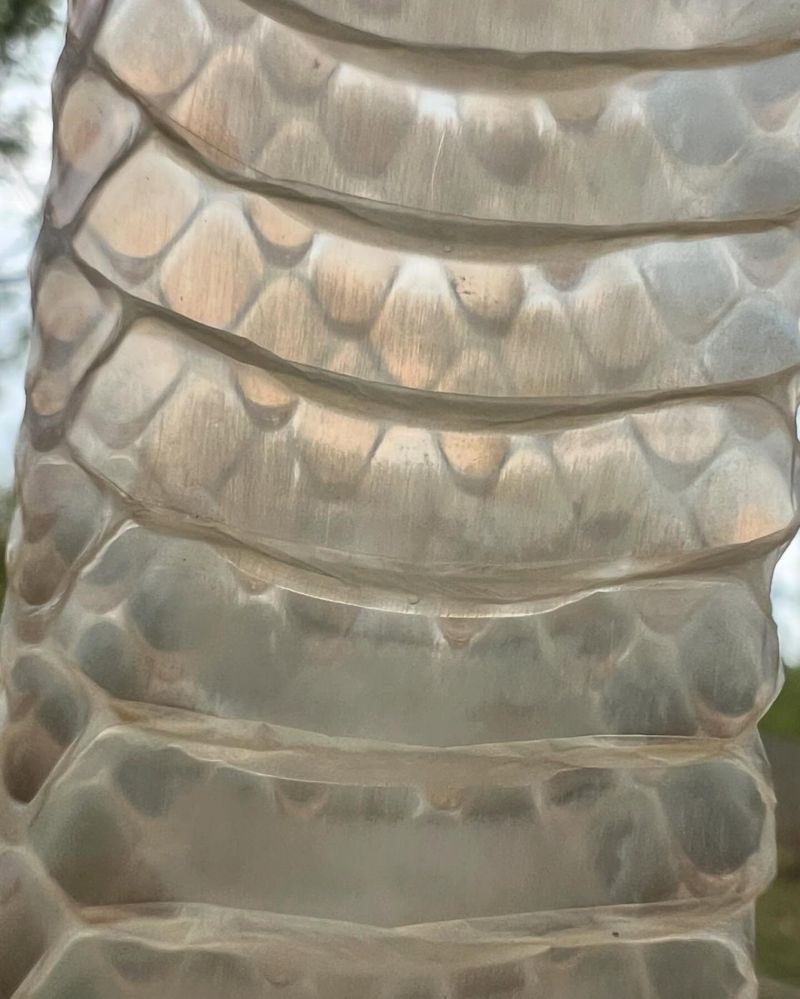
Stumbling upon a translucent, papery skin in your garden can be startling. Snakes shed their outer layer regularly as they grow. This process, called ecdysis, happens multiple times throughout their lives.
The shed skin looks like a ghostly version of the snake. You can often see the eye scales and belly patterns. Fresh sheds appear moist and complete, while older ones become brittle.
Finding these skins near rock piles or woodpiles is common. Snakes prefer secure locations when shedding because they’re vulnerable during this time. Their vision becomes cloudy, making them more defensive than usual.
Michigan’s common garter snakes and milk snakes shed every few months. Younger snakes shed more frequently than adults because they’re growing faster. The size of the skin indicates how large the resident snake is.
Check areas under decks, near foundations, and around garden borders. These protected spots attract snakes seeking shelter during their vulnerable shedding period. Remove the shed skin with gloves and inspect your yard for other indicators.
Smooth, Wavy Tracks In Soil Or Sand
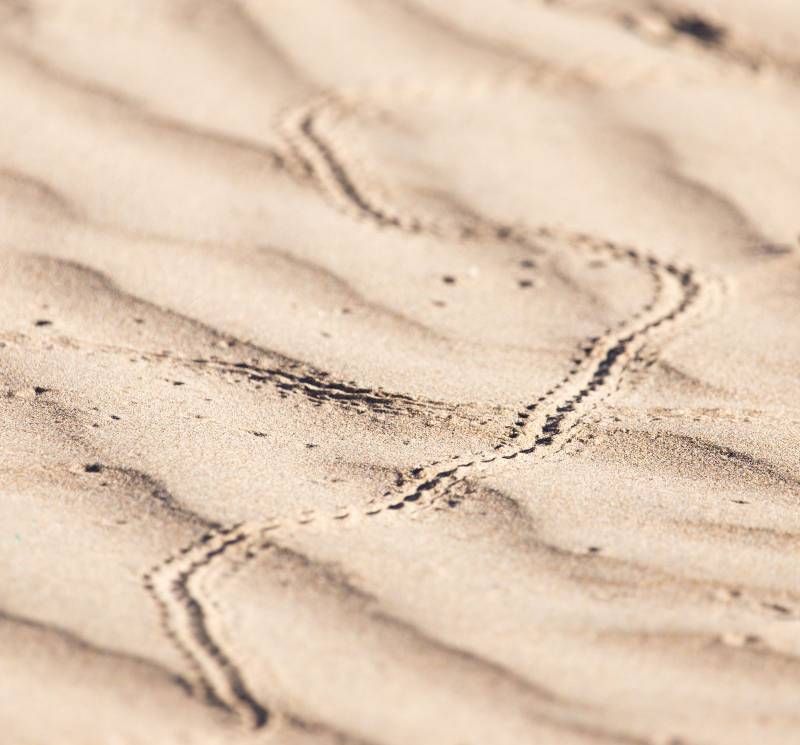
Your garden’s soft soil can reveal fascinating clues about nighttime visitors. Snake tracks appear as continuous, wavelike patterns without any footprints. The width varies depending on the snake’s size and species.
These tracks differ significantly from other wildlife trails. Lizards leave tiny footprints alongside their tail drag marks. Snakes create only smooth, sinuous impressions as their entire body touches ground.
Morning dew makes tracks more visible in sandy areas. Check mulched garden beds, pathways, and areas around water features. The tracks often lead to hiding spots like rock crevices or dense vegetation.
Michigan’s sandy soil regions show these patterns particularly well. After rain, the moistened earth holds impressions longer than dry conditions. Fresh tracks appear crisp with defined edges, while older ones blur.
Pay attention to track direction and destination points. Snakes typically travel between hunting grounds and shelter locations. Repeated tracks in the same area suggest regular activity and established territories.
Unexplained Holes Or Burrows
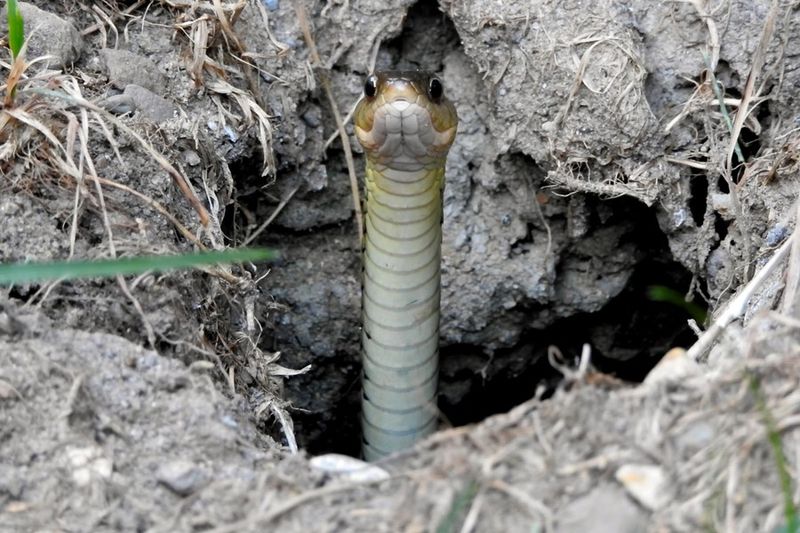
Small openings appearing around your property might puzzle you initially. While snakes don’t typically dig their own burrows, they readily adopt abandoned ones. Rodent tunnels become perfect snake hideaways once the original occupants move on.
These holes typically measure between one and three inches across. The entrance appears smooth from repeated use by various creatures. You might notice loose soil around the opening from recent activity.
Michigan’s common snakes prefer existing structures over creating new ones. They lack the physical adaptations necessary for extensive digging. Instead, they opportunistically use spaces created by chipmunks, voles, and mice.
Check burrows near foundations, garden edges, and under shrubs. Snakes appreciate the temperature regulation these underground spaces provide. During hot summer days, burrows offer cool refuge from scorching sun.
Look for other signs around suspicious holes like shed skins or tracks. Multiple holes in close proximity might indicate an active hunting ground. Snakes patrol areas where prey animals congregate and create tunnel networks.
Frequent Rodent Sightings
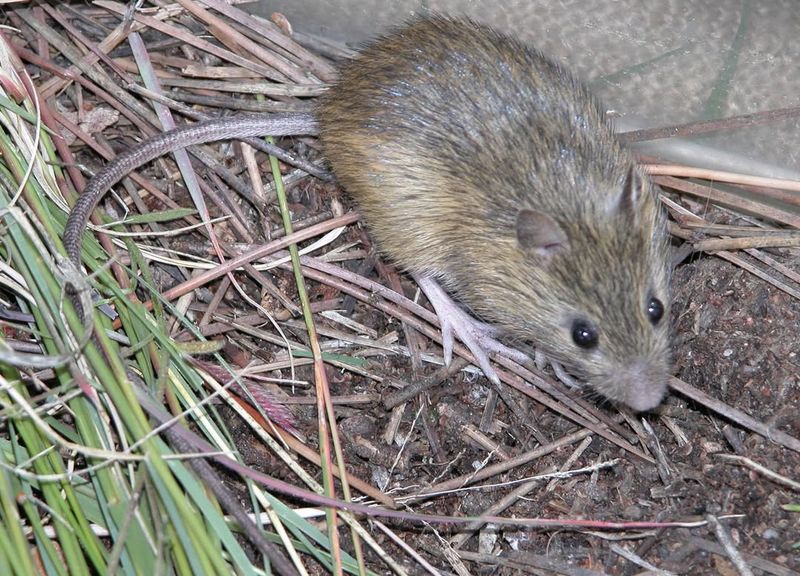
Noticing more mice scurrying across your patio lately? A thriving rodent population acts like a dinner bell for snakes. Where food sources abound, predators inevitably follow to take advantage.
Voles, mice, and chipmunks make up significant portions of snake diets. Michigan’s garter snakes particularly enjoy hunting these small mammals. A single snake can consume dozens of rodents throughout active seasons.
Bird feeders often create unintentional rodent attractions in yards. Spilled seeds draw mice and voles, which then attract hungry snakes. This creates a predictable food chain right outside your window.
Watch for rodent activity during dawn and dusk hours. These peak times also coincide with snake hunting periods. If you’re seeing rodents regularly, snakes may already be nearby.
Reducing rodent populations helps manage snake presence naturally over time. Keep grass trimmed, store birdseed properly, and eliminate food sources. A balanced ecosystem approach works better than attempting to remove snakes directly.
Tall Grass Or Dense Vegetation
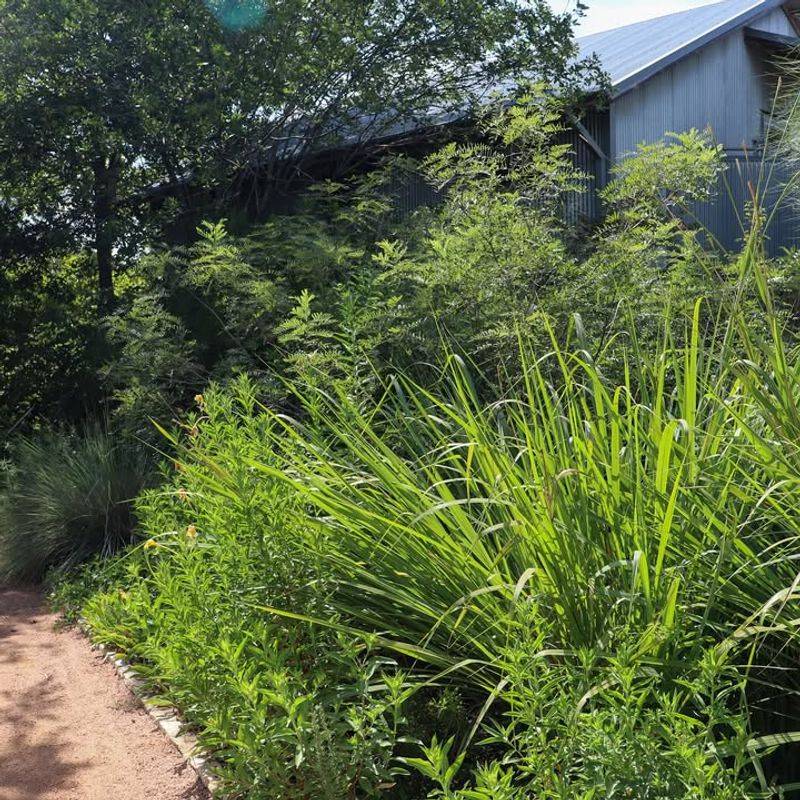
Your unmowed lawn might be more than just an eyesore. Tall grass creates perfect corridors for snakes to travel unseen. The dense cover provides both concealment from predators and ambush opportunities for prey.
Vegetation over six inches tall becomes increasingly attractive to snakes. They feel secure moving through areas where they remain hidden. Michigan’s native grasses can grow quite tall when left unmanaged during summer.
Snakes are ambush predators that rely heavily on camouflage. Thick vegetation allows them to wait motionless for passing prey. The cover also protects them from hawks and other aerial predators.
Garden borders with dense plantings create natural snake highways around properties. Overgrown flower beds, untrimmed hedges, and wild areas all provide excellent habitat. Snakes follow these green corridors throughout their territories.
Regular mowing significantly reduces snake-friendly habitat in your yard. Keep grass below four inches in high-traffic areas. Trim back overgrown shrubs and maintain clear sight lines around walkways and play areas.
Rocks, Logs, Or Debris Piles

That decorative rock garden might be attracting unexpected residents. Snakes absolutely love the shelter provided by stacked materials. The spaces between rocks and logs create ideal microclimates for temperature regulation.
Michigan’s temperature fluctuations make these shelters particularly valuable to snakes. Morning sun warms rocks, creating basking opportunities on cool days. During afternoon heat, the shaded spaces underneath provide cooling refuge.
Lumber piles, firewood stacks, and construction materials all qualify as snake magnets. The multiple layers create numerous hiding spots at various heights. Prey animals also shelter in these areas, making them convenient hunting grounds.
Garden decorations like stacked stones or timber borders serve dual purposes. While aesthetically pleasing to homeowners, they’re functionally perfect for snakes. The permanent nature of these features encourages long-term snake residence.
If you must maintain wood or rock piles, elevate them off ground. Stack firewood on racks at least 12 inches high. Regularly inspect and rotate materials to discourage permanent snake establishment in these areas.
Sun-Basking On Warm Surfaces
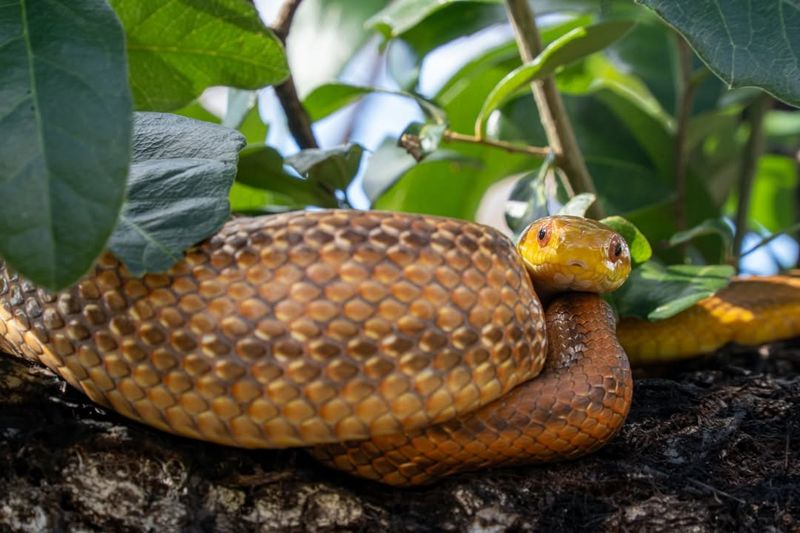
Your patio stones might double as a reptile tanning bed. Snakes are ectothermic, meaning they rely on external heat sources. Concrete walkways, stone patios, and asphalt driveways absorb solar radiation beautifully.
Early morning hours often reveal basking snakes on pathways. After cool nights, they need to raise their body temperatures. This metabolic requirement makes them predictable in their basking habits.
Dark-colored surfaces heat up faster and retain warmth longer than surroundings. Snakes instinctively seek these optimal basking spots throughout their territories. Your carefully installed hardscaping inadvertently creates perfect reptile sunrooms.
Michigan’s spring and fall see increased basking behavior as temperatures fluctuate. Snakes must carefully regulate their body temperature during transitional seasons. They become more visible during these periods as they seek warmth.
Basking snakes typically remain still and appear almost statue-like in appearance. They’re focused on thermoregulation rather than hunting or movement. Approach cautiously and give them space to retreat naturally into nearby vegetation.
Nearby Water Sources
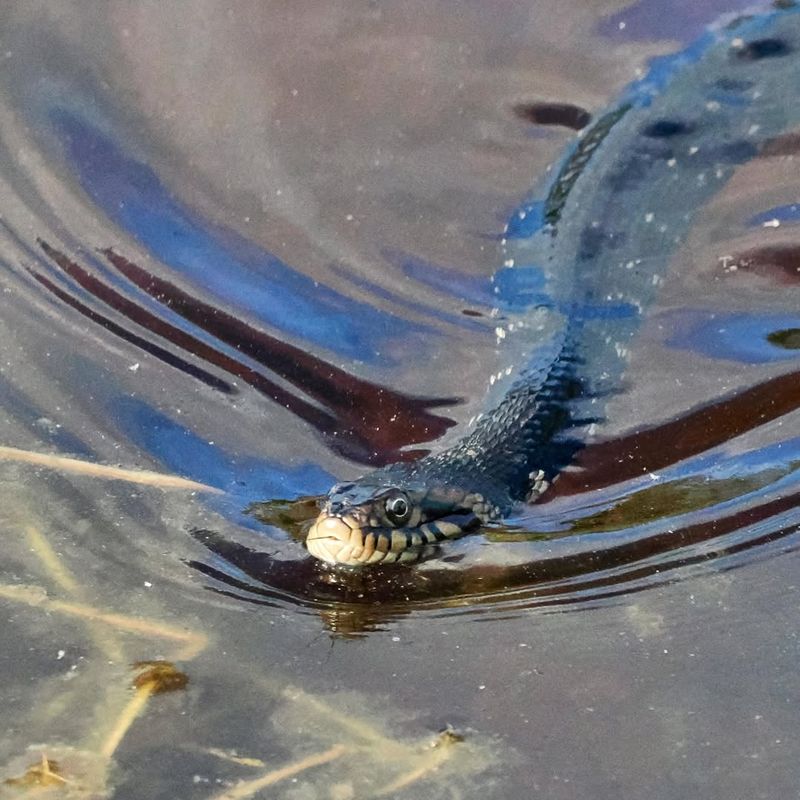
Water features transform yards into snake paradise surprisingly quickly. Ponds, birdbaths, and decorative fountains attract the entire food chain. Frogs, toads, and insects congregate around water, drawing hungry snakes.
Michigan’s water snakes and garter snakes particularly favor aquatic environments. They hunt amphibians, fish, and invertebrates living in and around water. Even small puddles can attract prey species that subsequently attract snakes.
Natural drainage areas and low-lying spots that collect rainwater count too. Temporary pools create breeding grounds for frogs and salamanders each spring. These seasonal food sources bring snakes to areas they might otherwise avoid.
Garden irrigation systems and leaky outdoor faucets create consistent moisture zones. The damp soil attracts earthworms, slugs, and other snake prey items. Even your watering schedule might inadvertently establish snake feeding patterns.
Managing water features requires balancing aesthetics with wildlife considerations. Install fine mesh around pond edges to limit access. Keep birdbaths elevated and clean them regularly to reduce amphibian breeding opportunities nearby.
Unusual Pet Behavior

Your dog’s sudden reluctance to enter the backyard speaks volumes. Pets possess sensory abilities far exceeding human capabilities regarding wildlife detection. Their behavioral changes often signal snake presence before you notice anything.
Dogs may bark persistently at specific locations without apparent cause. Cats become unusually alert, focusing intently on particular garden areas. Chickens might refuse to free-range in sections they previously enjoyed.
The scent of snakes triggers instinctive responses in many domesticated animals. Even pets without prior snake encounters recognize these reptiles as different. Their reactions range from curiosity to outright fear depending on temperament.
Watch for animals circling areas cautiously or maintaining unusual distance from features. Pets might paw at the ground near hiding spots or refuse commands. These behavioral quirks deserve investigation rather than dismissal as random occurrences.
Never allow pets to directly confront snakes they’ve discovered in yards. Even non-venomous species can bite defensively when cornered by curious animals. Keep pets leashed during investigations and reward them for alerting you to potential dangers.
Direct Sightings Of Snakes
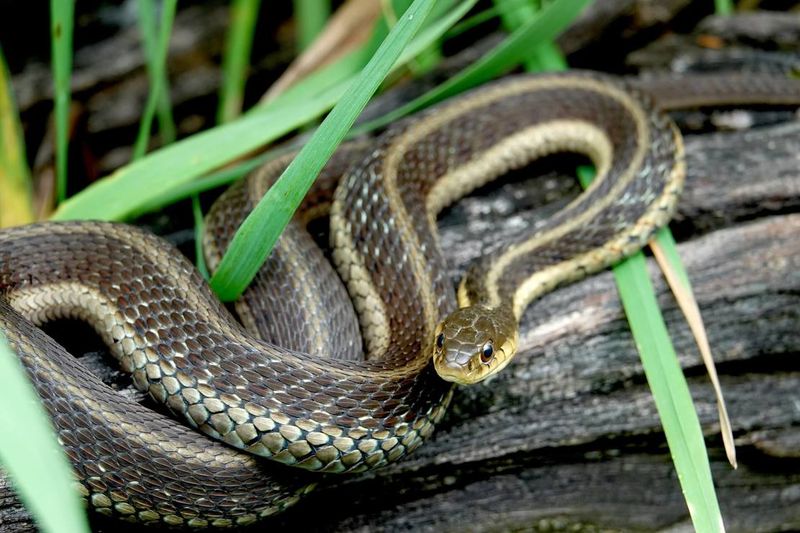
Actually seeing a snake removes all doubt about their presence. Direct observation provides the clearest evidence and identification opportunities. Michigan hosts several snake species, most completely harmless to humans.
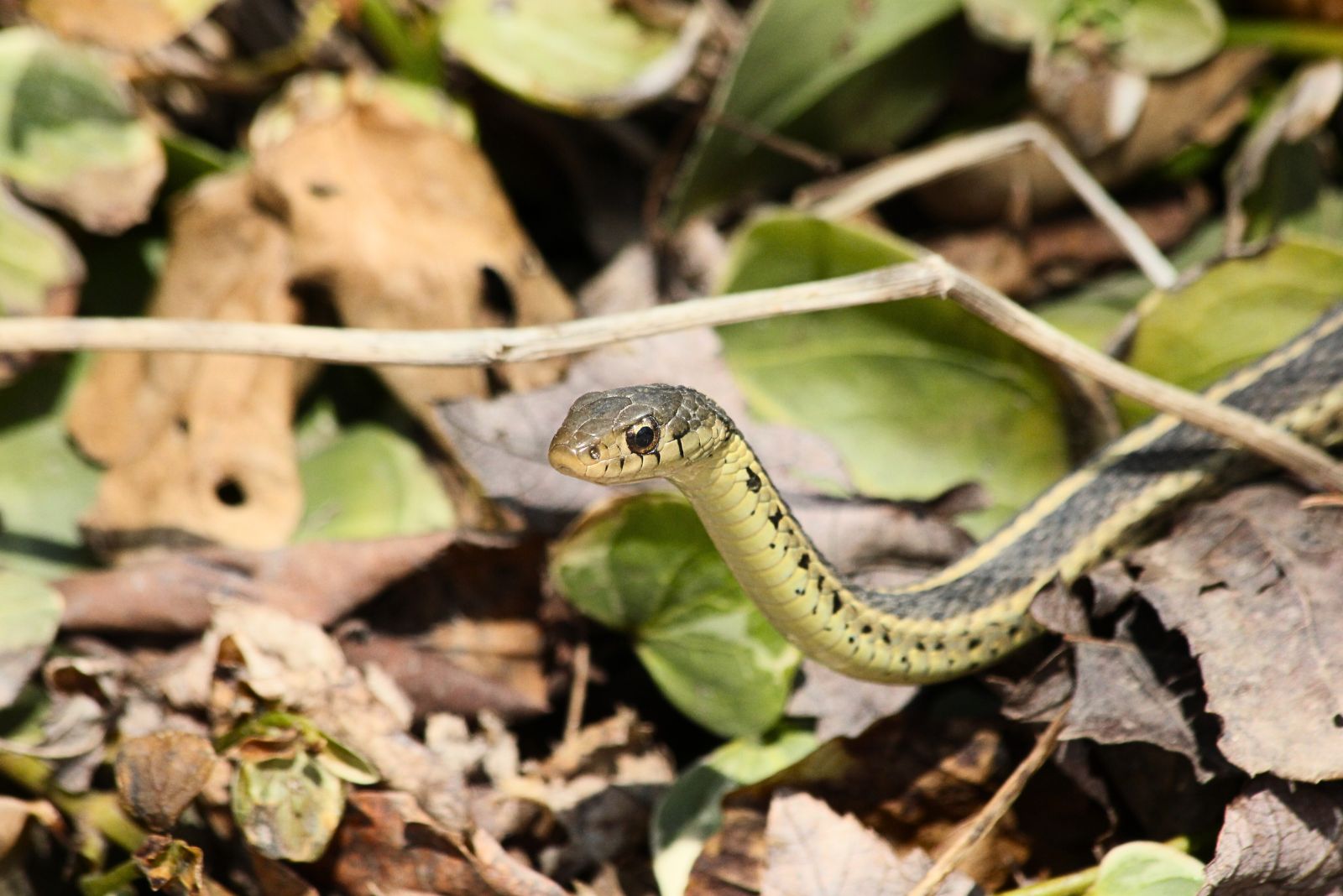
Garter snakes appear most frequently in residential areas throughout the state. Their distinctive striped patterns run lengthwise down brownish or greenish bodies. These adaptable snakes thrive in various habitats from urban to rural.
Take mental notes about size, color patterns, and behavior during sightings. These details help with species identification and risk assessment later. Most Michigan snakes flee when they detect human presence rather than confronting.
The Eastern Massasauga rattlesnake represents Michigan’s only venomous species currently. They’re rare, preferring wetland habitats away from residential development. Their presence would be highly unusual in typical suburban yards.
Photograph snakes from a safe distance if possible for later identification. Maintain at least six feet between yourself and any snake. Contact local wildlife authorities if you’re uncertain about species or need removal assistance.
Snake Droppings
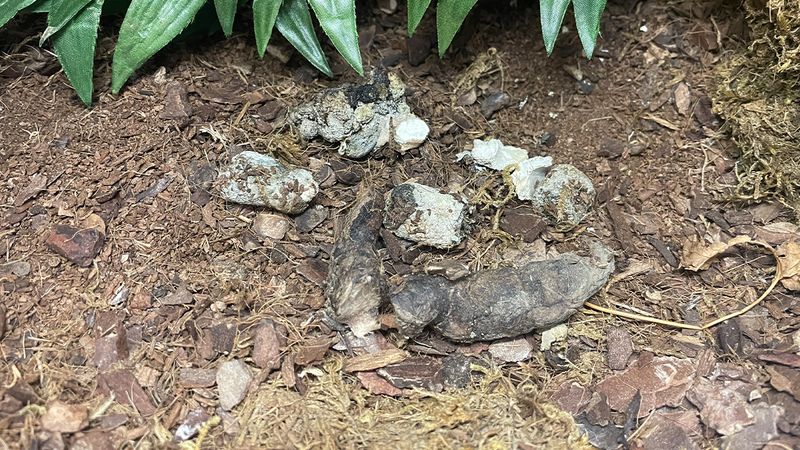
Snake waste appears distinctly different from other animal droppings in yards. The dark, tubular deposits typically feature a white or yellowish cap. This cap represents uric acid, the reptilian equivalent of urine.
Fresh droppings appear moist and dark, almost black in coloration. They contain remnants of digested prey like fur, bones, and feathers. The size correlates directly with the snake’s dimensions and recent meals.
Finding droppings near known hiding spots confirms active snake residence. Snakes typically defecate away from their primary shelter areas when possible. However, accumulated waste near burrows or under decks indicates regular use.
The frequency of droppings relates to feeding schedules and snake metabolism. Well-fed snakes in prey-rich environments produce waste more regularly. Michigan’s seasonal temperature changes affect snake digestion rates and elimination patterns.
Distinguish snake droppings from similar-looking waste by examining the white cap. Bird droppings contain white portions throughout rather than just at ends. Rodent droppings appear as small pellets without the characteristic uric acid component.
Holes Under Sheds, Decks, Or Fences
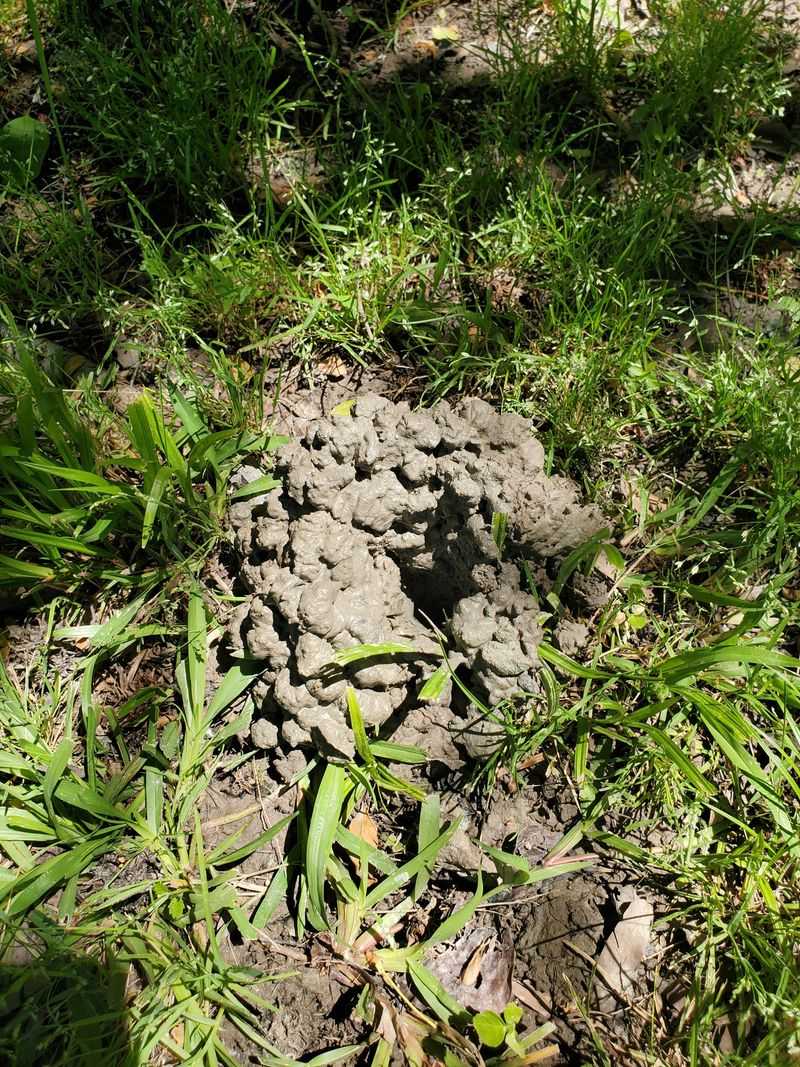
Gaps beneath structures create premium real estate for local snake populations. Sheds, decks, and fences often settle unevenly, creating access points. These spaces offer protection from weather extremes and predator threats.
Snakes don’t require large openings to access attractive shelter areas. An opening just one inch wide accommodates surprisingly large snakes. Their flexible bodies compress to fit through remarkably small spaces.
The microclimate under structures appeals to snakes on multiple levels. Consistent temperatures, protection from rain, and concealment from predators make them ideal. These areas often harbor prey animals as well, providing convenient hunting.
Check foundation perimeters regularly for new gaps or enlarged existing ones. Settling soil, frost heaving, and wood rot all create entry opportunities. Michigan’s freeze-thaw cycles particularly contribute to structure shifting and gap formation.
Seal openings with hardware cloth, concrete, or expanding foam designed for outdoors. Bury barriers at least six inches deep to prevent burrowing underneath. Regular inspections catch new gaps before they become established snake entryways.
Seasonal Activity Peaks
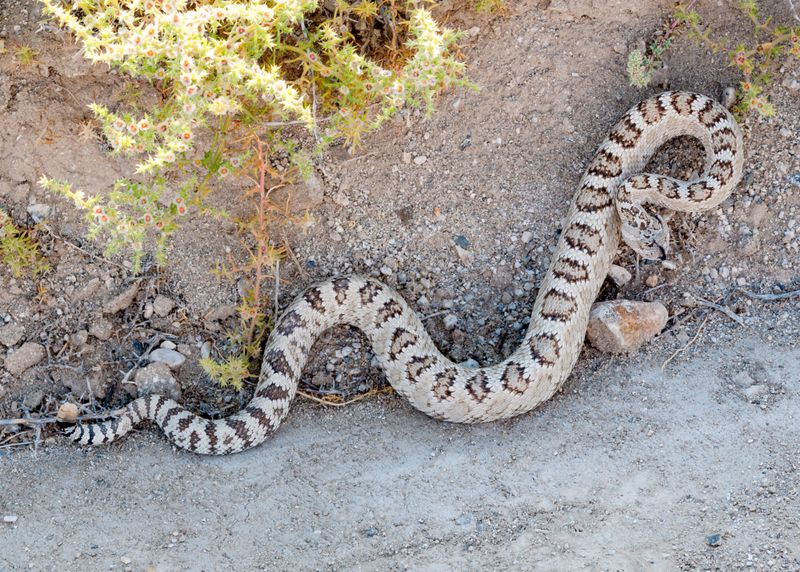
Spring emergence brings Michigan’s snakes out of winter dormancy with purpose. They’re hungry, seeking mates, and establishing territories after months underground. April through June sees peak snake activity across the state.
Hibernation sites called hibernacula concentrate snakes during cold months. When temperatures consistently reach 50 degrees Fahrenheit, emergence begins. Males typically appear first, followed by females several weeks later.
Summer months maintain high activity levels as snakes hunt actively. Young snakes born in late summer add to visible populations. September sees increased movement as snakes seek suitable hibernation locations.
Mating season in spring creates unusual snake behaviors and congregation. Males actively search for females, covering more territory than usual. You might observe multiple snakes in areas that seemed empty previously.
October through March sees dramatically reduced snake activity in Michigan. Most species become completely inactive once temperatures drop consistently below freezing. Any winter sightings likely indicate snakes using heated structures for shelter.
Missing Or Relocated Rodents
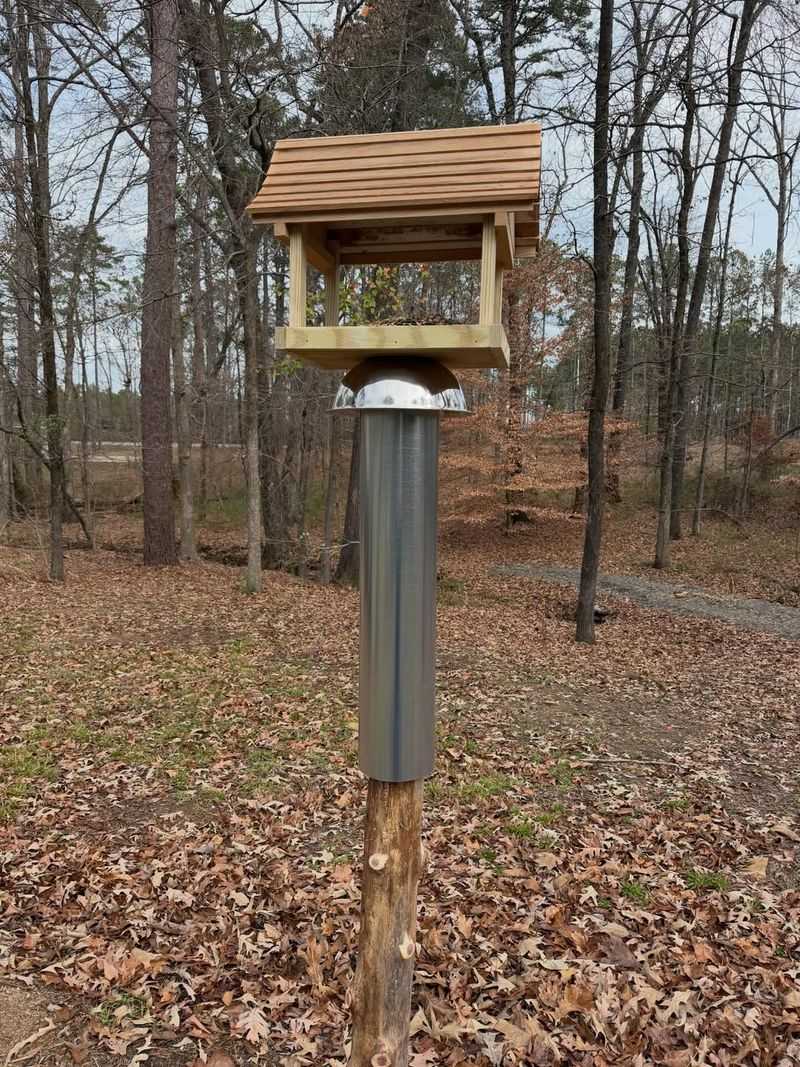
Your previously bustling bird feeder suddenly seems abandoned by ground-feeding rodents. Successful snake predation often creates noticeable gaps in prey populations. The absence of familiar wildlife can indicate effective snake hunting.
Snakes consume prey whole, leaving minimal evidence behind unlike mammalian predators. You won’t find scattered remains or partially consumed rodents. The prey simply vanishes from areas where snakes actively hunt.
Established snake territories can significantly reduce rodent numbers over time. A single active snake removes dozens of mice annually. This natural pest control benefits gardens but signals snake presence.
Notice patterns in where rodent activity decreases first in your yard. Snakes establish hunting routes and preferred ambush locations within territories. These productive areas see the most dramatic prey population reductions.
Reduced rodent sightings might eventually lead to snakes relocating elsewhere. Without sufficient food, snakes move to more productive hunting grounds. This natural cycle means snake presence fluctuates based on available resources.
Unusual Hissing Or Rattling Sounds
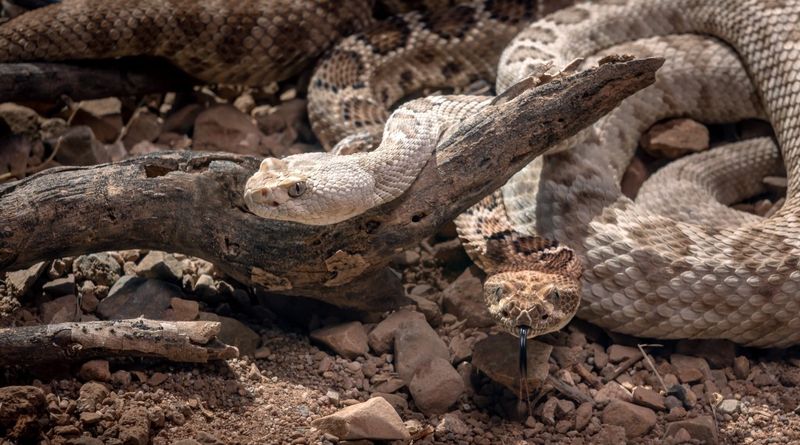
Strange sounds emanating from your garden deserve immediate attention and caution. Hissing represents the universal snake warning across most species. This defensive behavior signals you’re too close for the snake’s comfort.
Michigan’s Eastern Massasauga rattlesnake produces the state’s only genuine rattle sound. Their segmented tail rattles vibrate rapidly when threatened, creating distinctive buzzing. However, these snakes rarely appear in residential areas given their specialized habitat needs.
Other Michigan snakes mimic rattling by vibrating tails against dry leaves. The rustling sound resembles actual rattlesnakes enough to startle predators. Garter snakes and fox snakes commonly employ this defensive tactic.
Hissing intensity varies with the snake’s stress level and species. Some produce loud, forceful hisses audible from several feet away. Others create softer sounds barely perceptible unless you’re very close.
Any audible snake warning means you should back away slowly. Give the snake clear escape routes rather than cornering it. Most snakes prefer retreat over confrontation when given the opportunity to leave safely.