14 Warning Signs There May Be Snakes In Your North Carolina Yard
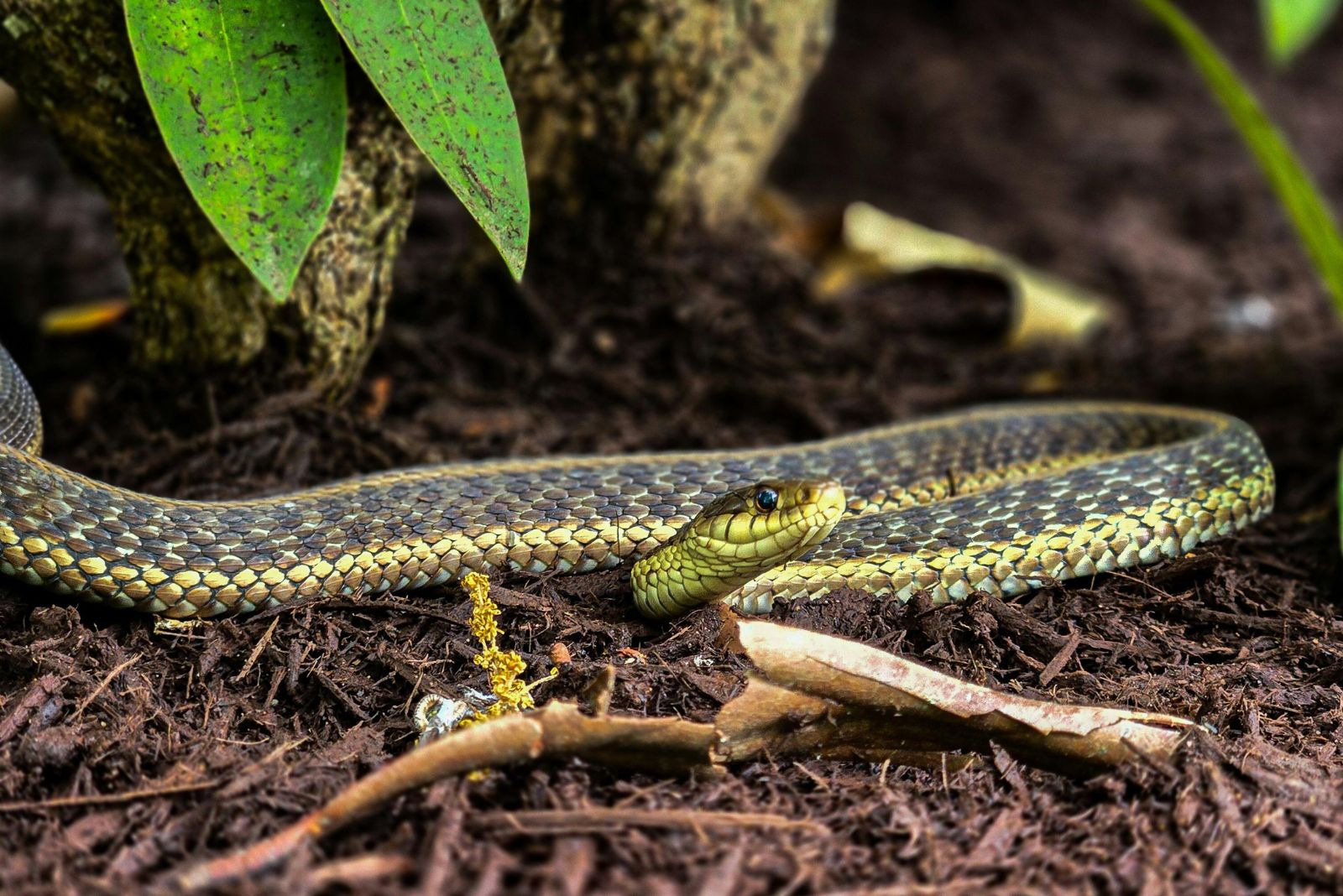
Backyards should feel easy and comfortable. No one wants to step outside and wonder what might be hiding in the grass. Small changes in your yard can signal bigger activity nearby.
Uneven tracks, shed skins, or sudden gaps in ground cover often go unnoticed until someone points them out. Many homeowners in California already watch their outdoor spaces closely for safety and maintenance reasons.
The same habit is helpful in North Carolina where warm temperatures and thick vegetation create ideal conditions for wildlife to move in.
A few simple checks can save a lot of stress later. Spotting early signs gives you time to clean up problem areas and make your yard less inviting to unwanted visitors. Curious about what to look for and which clues matter most?
Keep reading to learn the warning signs that could already be showing up in your North Carolina yard.
1. Shed Skins
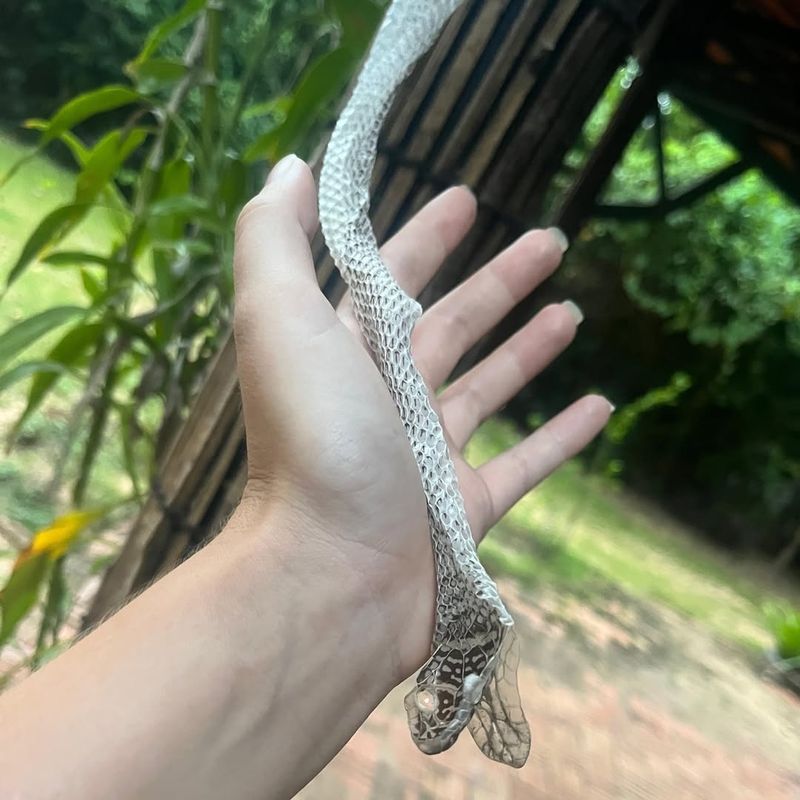
Snakes outgrow their skin several times each year as they mature. Finding a papery, translucent tube-like skin in your yard means a snake has been living nearby recently. These shed skins often appear whole and retain the pattern of the snake’s scales.
Look for these delicate casings near rocks, under porches, or along fence lines. The skin feels dry and crinkly to the touch. Fresh sheds appear clearer and more flexible than older ones that have weathered.
The size of the shed skin tells you roughly how large the snake is. A longer skin indicates a bigger snake has taken up residence. You can sometimes identify the species by examining the scale patterns closely.
Check common hiding spots regularly during spring and summer when snakes are most active. Finding multiple sheds suggests a snake has established your yard as its territory. This discovery gives you valuable information about what’s sharing your outdoor space.
Remember that shed skins themselves pose no danger whatsoever. They’re simply evidence that a snake passed through or lives nearby. Use this knowledge to be more cautious in areas where you find them.
2. Slither Tracks In Dirt Or Sand
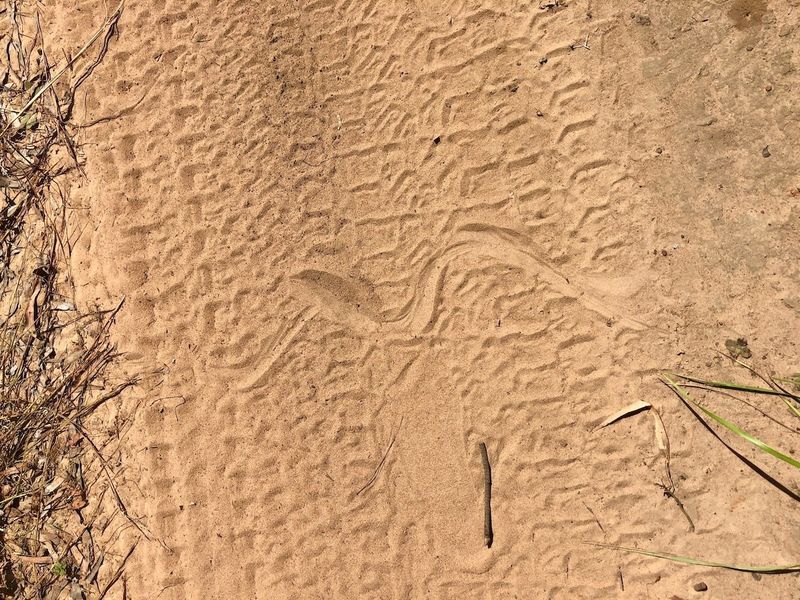
Wavy, smooth lines appearing in loose soil reveal where snakes have traveled recently. Unlike footprints from mammals or birds, snake tracks create continuous S-shaped patterns. These distinctive trails show up best in fine sand, dust, or freshly spread mulch.
Morning dew or light rain can make these tracks more visible. The width of the trail indicates the snake’s approximate size. Wider tracks mean larger snakes have been moving through your property.
Garden beds with soft soil are prime locations to spot these telltale signs. Paths between rocks or along building foundations also show tracks clearly. Fresh tracks appear crisp and well-defined compared to older, weathered ones.
Pay attention to where tracks lead, as they often point toward hiding spots. Following the trail might reveal entry points under sheds or into crawl spaces. This information helps you understand snake movement patterns around your home.
Photographing tracks you find creates a record of snake activity over time. Comparing track widths and locations helps identify whether one snake or several visit regularly. This awareness lets you adjust your outdoor activities accordingly during peak snake season.
3. Unexplained Holes In Yard
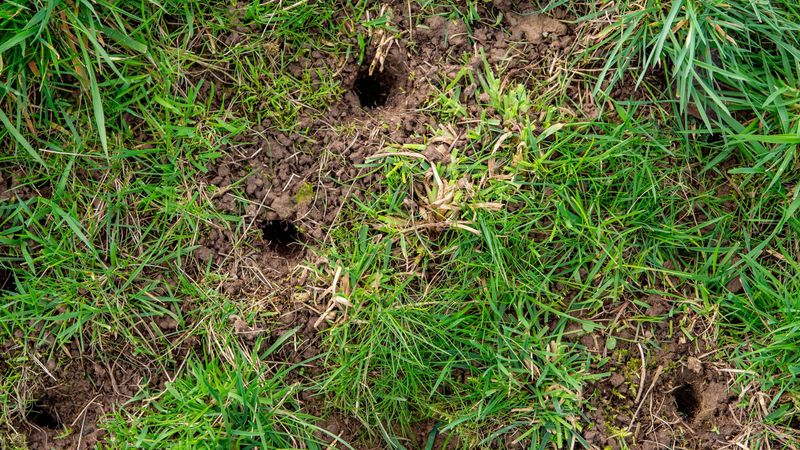
Mysterious holes appearing in your lawn might indicate snake activity below ground. Snakes don’t typically dig their own burrows but readily occupy abandoned rodent tunnels. These openings provide perfect shelter from predators and extreme temperatures.
Holes ranging from one to three inches across deserve closer inspection. Look for smooth, worn edges around the entrance that suggest frequent use. Fresh dirt piled nearby indicates recent activity in the tunnel system.
Snakes particularly favor holes near foundations, tree roots, or rock formations. These locations offer additional protection and easy access to hunting grounds. Multiple holes in one area might connect underground, creating an extensive shelter network.
Observe holes from a safe distance rather than poking sticks inside them. Morning or evening hours are when snakes are most likely to emerge. You might spot a snake entering or leaving if you watch patiently.
Consider the surrounding environment when evaluating mysterious holes in your property. Areas with heavy rodent populations naturally attract more snakes seeking food. Addressing the rodent problem often reduces snake interest in those burrows over time.
4. Sightings Of Rodents Or Frogs
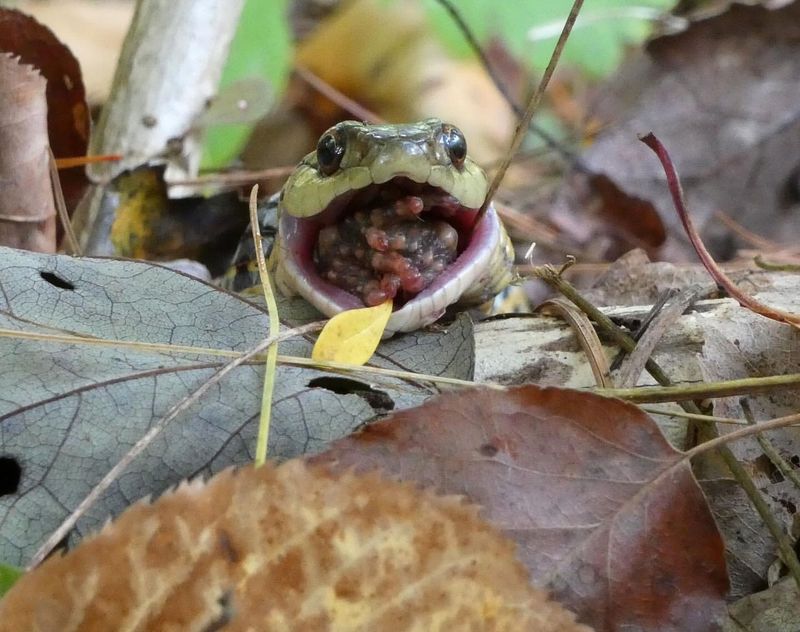
Abundant prey animals signal that snakes will likely follow close behind. Mice, rats, voles, and frogs form the primary diet for many North Carolina snake species. Where food thrives, predators naturally gather to take advantage of the easy meals.
Noticing more rodents scurrying around your property lately indicates a growing food source. Frogs calling from your pond or garden beds also attract hungry snakes. These prey populations boom during warm months, drawing snakes from surrounding areas.
Bird feeders accidentally create rodent buffets that then attract snakes up the food chain. Seeds spilled on the ground bring mice and rats in droves. Snakes follow this trail of abundance right into your yard.
Water features supporting frog populations become snake magnets during breeding season. The chorus of frog calls essentially advertises a feast to nearby serpents. Even small birdbaths can attract enough amphibians to interest passing snakes.
Managing prey populations through proper storage of pet food and birdseed helps reduce snake visits. Keeping grass trimmed and removing standing water limits frog habitat. These simple steps make your yard less appealing to both prey and predators alike.
5. Areas Of Tall Grass Or Thick Vegetation
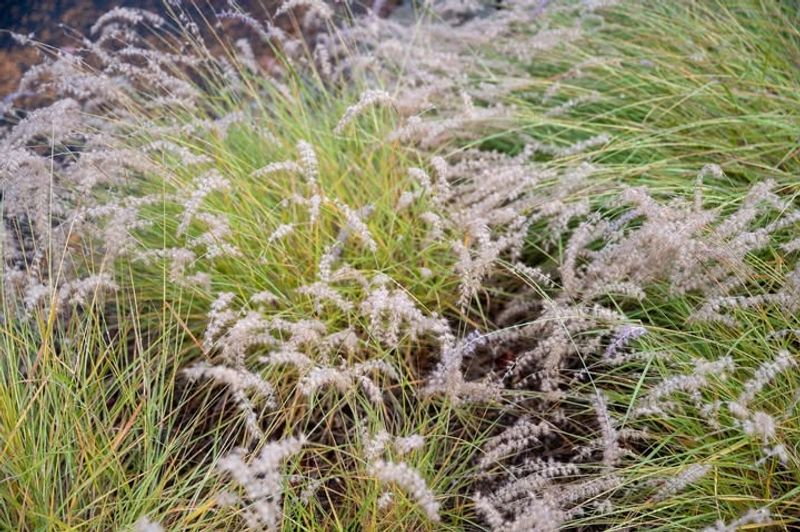
Overgrown sections of your property create perfect snake hideouts and hunting grounds. Tall grass provides excellent cover for snakes to move unseen while stalking prey.
Dense vegetation also offers shade and moisture that snakes need during hot summer days. Snakes feel most secure when they can remain hidden from predators and humans.
Unmowed areas, thick ground cover, and tangled vines all provide this essential concealment. The cooler microclimate under dense plants also attracts snakes seeking relief from heat.
Garden edges where cultivated areas meet wild growth are particularly attractive to snakes. These transition zones offer both hunting opportunities and quick escape routes.
Ornamental grasses and spreading ground covers create similar conditions even in maintained landscapes.
Regular mowing and trimming significantly reduces snake-friendly habitat around your home. Keep grass shorter than four inches in areas where children and pets play. Clear vegetation at least three feet back from foundations, walkways, and outdoor living spaces.
Some native plants provide important ecosystem benefits while still allowing good visibility.
Choose varieties that don’t create dense ground-level cover where snakes can hide. Strategic landscaping helps you enjoy nature while maintaining awareness of what’s moving through your yard.
6. Rocks, Wood, Or Debris Piles
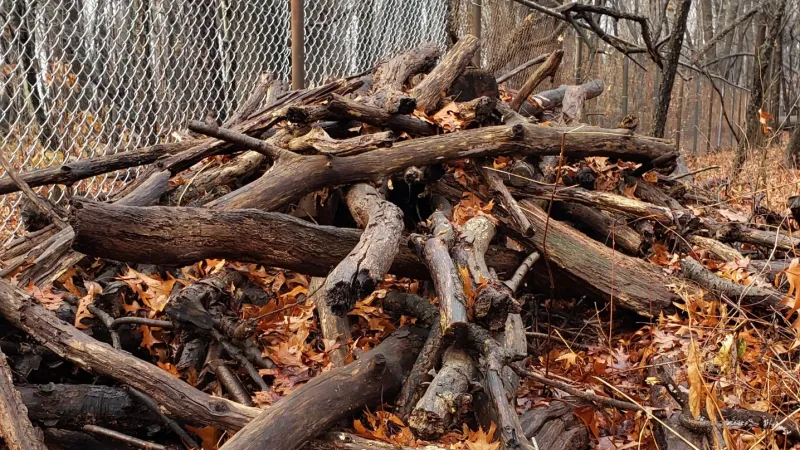
Stacked firewood, rock piles, and accumulated debris create ideal snake shelters throughout your property.
These structures offer multiple hiding spots, protection from weather, and ambush points for hunting. Snakes can slip between layers and remain completely hidden from view.
Lumber piles left over from projects become instant snake hotels if not stored properly. Old boards, construction materials, and garden waste all provide similar attractions. The gaps between items create perfect-sized spaces for snakes to occupy safely.
Decorative rock gardens and natural stone features also appeal to snakes seeking shelter. Flat rocks that absorb heat become favorite basking spots during cooler mornings. Crevices between larger stones offer secure retreats when danger approaches.
Store firewood at least 20 feet from your home and elevate it off the ground. Use a rack that keeps wood raised and allows air circulation underneath. Regularly rotate your stock and inspect carefully before bringing logs indoors.
Remove unnecessary piles of materials from your property to eliminate snake habitat. If you must keep rock features, place them away from high-traffic areas.
Regular inspection of these areas helps you spot snake activity before encounters become too close for comfort.
7. Warm, Sunny Surfaces
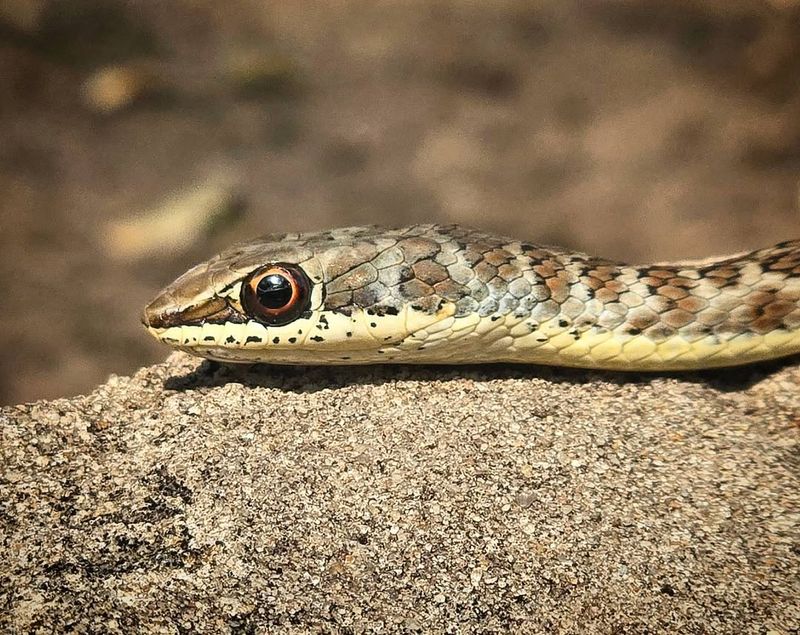
Snakes are ectothermic creatures that rely on external heat sources to regulate body temperature.
Your patio, driveway, sidewalks, and garden paths absorb solar radiation and become prime basking locations. Early morning and late afternoon are peak times for this behavior.
A snake stretched across your walkway is simply trying to warm up for the day. Concrete and stone surfaces retain heat longer than surrounding soil or grass. This makes them particularly attractive during cooler spring and fall months.
South-facing areas receive the most direct sunlight and warmest temperatures throughout the day. Snakes learn these patterns and return to reliable warming spots regularly. Dark-colored surfaces heat up faster and hotter than lighter materials.
Watch where you step when walking outside during prime basking hours, especially near foundations.
Snakes absorbed in thermoregulation may not notice your approach until you’re quite close. They typically retreat quickly when they detect vibrations from footsteps.
Installing textured surfaces or using lighter-colored materials makes areas less appealing for basking.
Creating shade over walkways with pergolas or plantings also reduces their attractiveness. These modifications don’t eliminate snakes but do encourage them to bask elsewhere on your property.
8. Gardens Near Water Sources
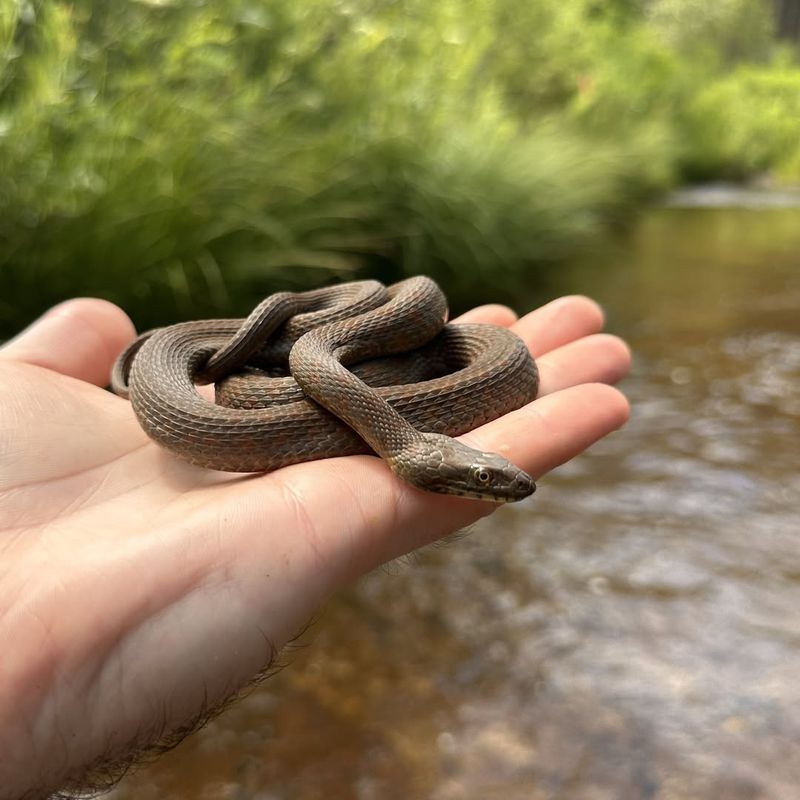
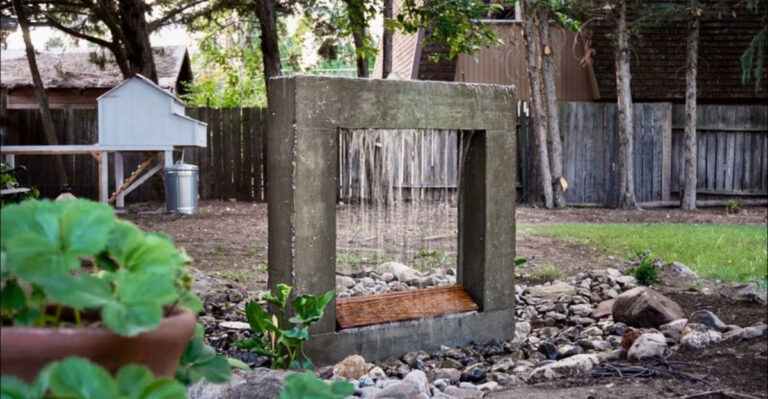
Water features transform your landscape into a snake magnet regardless of their size. Ponds, fountains, birdbaths, and even pet water bowls provide essential hydration that snakes seek regularly.
These areas also concentrate prey animals, creating convenient hunting grounds. Moisture-loving plants around water features attract insects, which then draw frogs and small mammals.
This food chain progression inevitably brings snakes to investigate the abundance. The combination of water, food, and cover makes these spots particularly irresistible.
Irrigation systems that create damp areas also appeal to snakes seeking cooler microclimates.
Leaky hoses, poorly draining spots, and overwatered gardens all contribute to snake-friendly conditions. Even temporary puddles after rain can attract thirsty serpents.
Garden ponds designed with steep sides and minimal edge vegetation are less snake-friendly.
Elevating birdbaths on smooth pedestals makes them harder for snakes to access. Fixing leaks and improving drainage removes unnecessary water sources that concentrate wildlife.
If you maintain water features, inspect the surrounding area regularly for snake signs. Early morning checks often reveal snakes that visited overnight for drinking.
Understanding these patterns helps you time your gardening activities to avoid unwanted encounters near these attractive features.
9. Unusual Animal Behavior
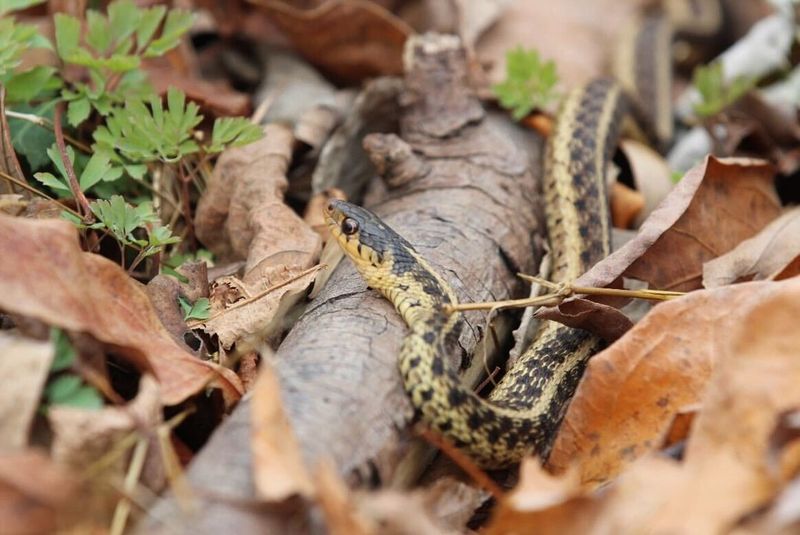
Your pets often detect snakes long before you notice any visual signs. Dogs may bark persistently at a specific spot, refuse to enter certain areas, or display unusual caution.
Cats become fixated on particular locations, watching intently with ears forward and tail twitching.
Chickens and other backyard poultry exhibit dramatic behavioral changes around snakes. They may crowd together away from one section of their run or refuse to leave the coop. Their alarm calls sound different and more urgent than typical predator warnings.
Outdoor pets that suddenly avoid their favorite spots are telling you something important. A dog that loved lounging under the deck but now refuses to go there has likely encountered a snake. Trust these instincts rather than dismissing the behavior as random.
Wild birds also react noticeably to snake presence with aggressive mobbing behavior. Blue jays, mockingbirds, and crows may dive-bomb and call loudly at ground locations. This commotion usually indicates a snake is nearby, even if you can’t see it.
Pay close attention when multiple animals show interest in the same location simultaneously.
Their combined focus almost certainly means something significant is there. Investigate carefully from a safe distance rather than reaching into areas that have your pets concerned or excited.
10. Visible Snakes
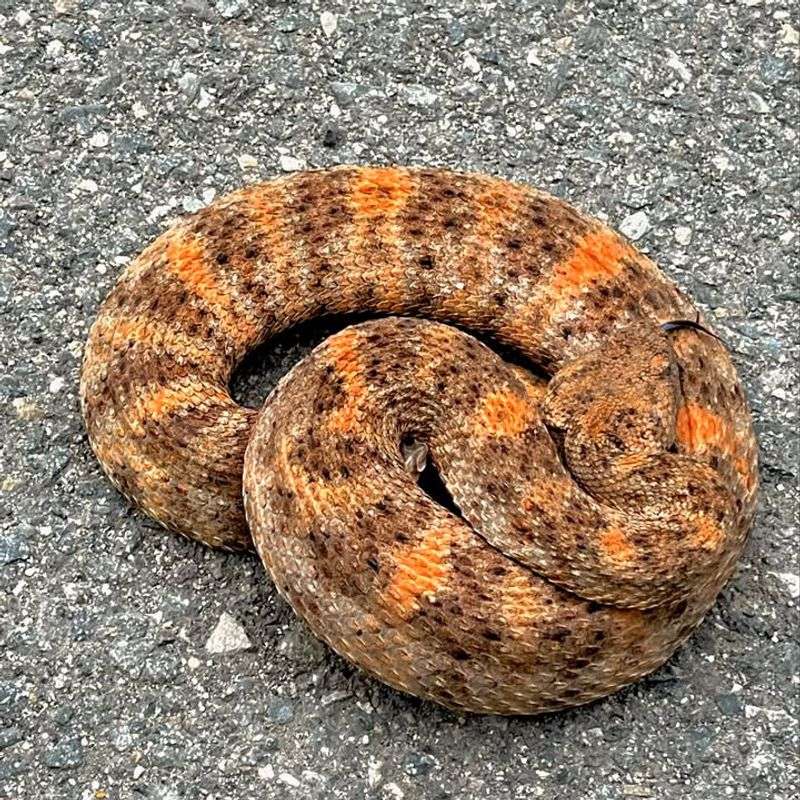
Actually seeing a snake removes all doubt about their presence on your property. This direct observation provides the most reliable evidence and allows for species identification.
Note the snake’s size, color pattern, head shape, and behavior before it moves away. Most snake sightings happen unexpectedly while doing yard work or walking outside.
Snakes usually try to escape rather than confront humans they encounter. Their first instinct is to flee to the nearest cover or freeze hoping to remain unnoticed.
Taking a photo from a safe distance helps with later identification by experts. Capture images showing the head, body pattern, and overall length if possible. Many local extension offices and wildlife agencies offer free snake identification services from photos.
North Carolina hosts six venomous species among its 37 native snakes total. Copperheads are the most commonly encountered venomous species in residential areas.
Learning to distinguish them from harmless look-alikes prevents unnecessary panic and promotes appropriate responses.
Even if you can’t identify the species immediately, maintain a respectful distance of at least six feet.
Never attempt to handle, capture, or harm any snake you encounter. Most snake encounters end peacefully when humans simply give them space to retreat naturally into surrounding habitat.
11. Snake Droppings
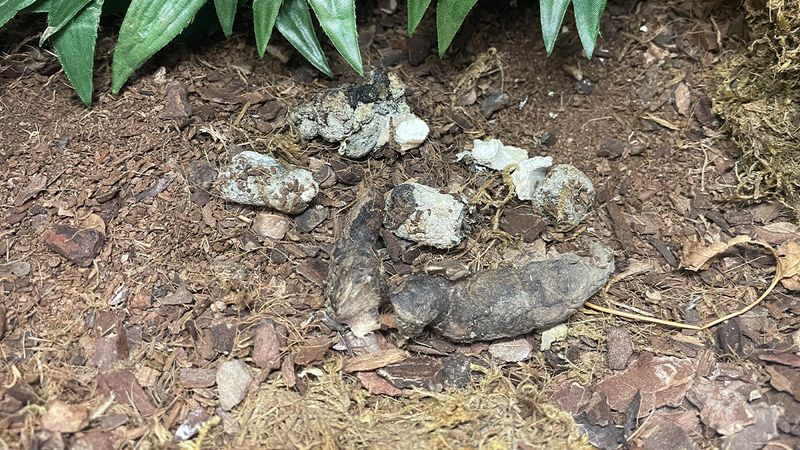
Snake waste appears distinctly different from other wildlife droppings you might find in your yard.
Fresh snake droppings are dark, tubular, and often feature a white or yellowish cap on one end. This white portion is uric acid, the snake’s version of urine combined with solid waste.
The size of droppings correlates roughly with the snake’s body diameter and recent meal size. Larger snakes produce correspondingly bigger waste, while small species leave tiny deposits. Finding droppings indicates a snake has been digesting food in the area recently.
Look for these signs near known hiding spots, along fence lines, or under sheltered areas. Snakes often defecate in the same general areas they spend time resting. Fresh droppings appear moist and darker than older, dried specimens.
The contents sometimes reveal what the snake has been eating in your yard. Fur, feathers, or bone fragments might be visible in the waste. This information confirms whether the snake is helping control rodent or insect populations.
Distinguishing snake droppings from similar-looking waste requires careful observation of the characteristic white cap.
Lizard droppings look similar but are generally much smaller. Bird droppings contain more of the white uric acid portion and less dark material than snake waste typically shows.
12. Mice Or Rat Activity
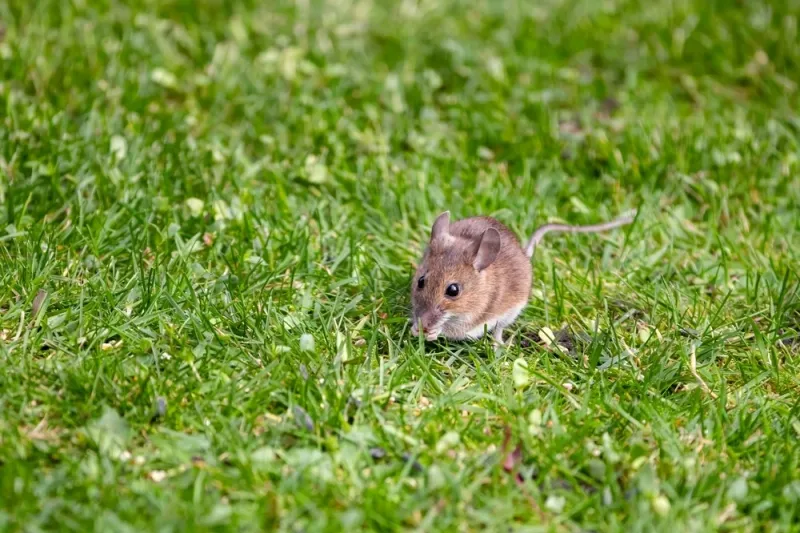
Active rodent populations practically guarantee that snakes will eventually investigate your property.
Mice and rats represent primary food sources for many snake species throughout North Carolina. Where rodents thrive, snakes naturally follow to take advantage of the abundant prey.
Signs of rodent activity include droppings, gnawed materials, runways through grass, and burrow entrances. Hearing scratching sounds in walls or seeing rodents at dusk confirms their presence. Each of these indicators also signals increased likelihood of snake visits.
Bird feeders contribute significantly to rodent problems that then attract snakes up the food chain. Spilled seed creates feeding stations that mice and rats visit nightly. Snakes patrol these areas knowing prey congregates there predictably.
Garbage stored improperly or pet food left outside also supports rodent populations artificially.
Compost bins without proper containment attract rats seeking easy meals. These human-created food sources amplify natural rodent numbers beyond what the environment would normally support.
Addressing rodent issues through exclusion, sanitation, and targeted control reduces snake attractants significantly.
Seal entry points into structures, store food in rodent-proof containers, and clean up spilled birdseed promptly. Reducing the prey base makes your property naturally less interesting to hunting snakes over time.
13. Holes Under Decks Or Sheds
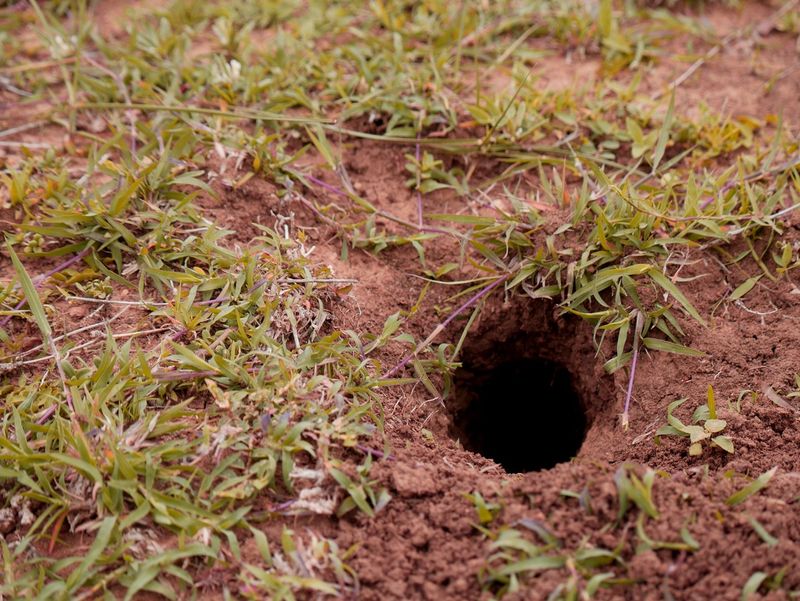
Gaps beneath outdoor structures create premium snake real estate with protection from weather and predators.
Decks, sheds, porches, and stairs often have openings that snakes exploit for shelter. These spaces offer stable temperatures and security that snakes find highly desirable.
The dark, undisturbed environment under structures appeals to snakes seeking daytime retreat locations.
They can rest safely while remaining close to hunting grounds in your yard. Multiple snakes may share particularly attractive spaces, especially during cooler months.
Inspect the perimeter of all outdoor structures regularly for gaps and entry points. Even small openings can accommodate surprisingly large snakes due to their flexible bodies. Look for disturbed soil, shed skins, or droppings near potential entry points.
Installing hardware cloth or metal screening around deck and shed perimeters prevents snake access effectively.
Bury the barrier at least six inches deep and extend it at least two feet high. Ensure the mesh has openings no larger than one-quarter inch to exclude even small snakes.
Check existing barriers annually for damage from weather, settling, or animal activity that creates new gaps.
Repair any openings immediately before snakes discover and exploit them. This proactive approach keeps structures snake-free without harming any wildlife in the process.
14. Seasonal Activity Patterns
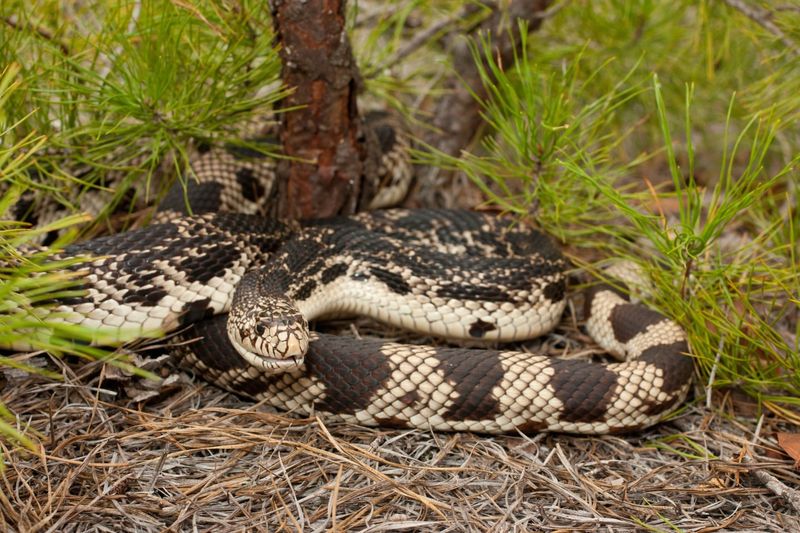
Snake activity in North Carolina follows predictable seasonal patterns linked to temperature and reproduction.
Spring brings increased sightings as snakes emerge from winter dormancy and begin searching for mates. Warm days from April through June see the highest levels of snake movement and visibility.
Summer maintains high activity levels as snakes hunt actively to fuel their metabolism. They often adjust their schedules during extreme heat, becoming more active during cooler morning and evening hours.
This shift can increase human encounters during popular outdoor activity times. Mating season drives many species to travel farther than usual seeking partners.
Males particularly roam widely during this period, crossing into yards they might normally avoid. This behavior brings snakes into contact with humans more frequently during spring months.
Fall activity gradually decreases as temperatures drop and snakes prepare for winter dormancy. They may appear briefly on warm autumn days but generally become less visible. By late November, most North Carolina snakes have retreated to hibernation sites.
Understanding these patterns helps you anticipate when extra vigilance makes sense around your property.
Spring yard cleanup and summer evening activities deserve particular attention. Planning outdoor projects during low-activity periods reduces encounter risks while still allowing you to enjoy your yard throughout the year.