8 Warning Signs Your Ohio Lawn Needs Attention Right After Winter
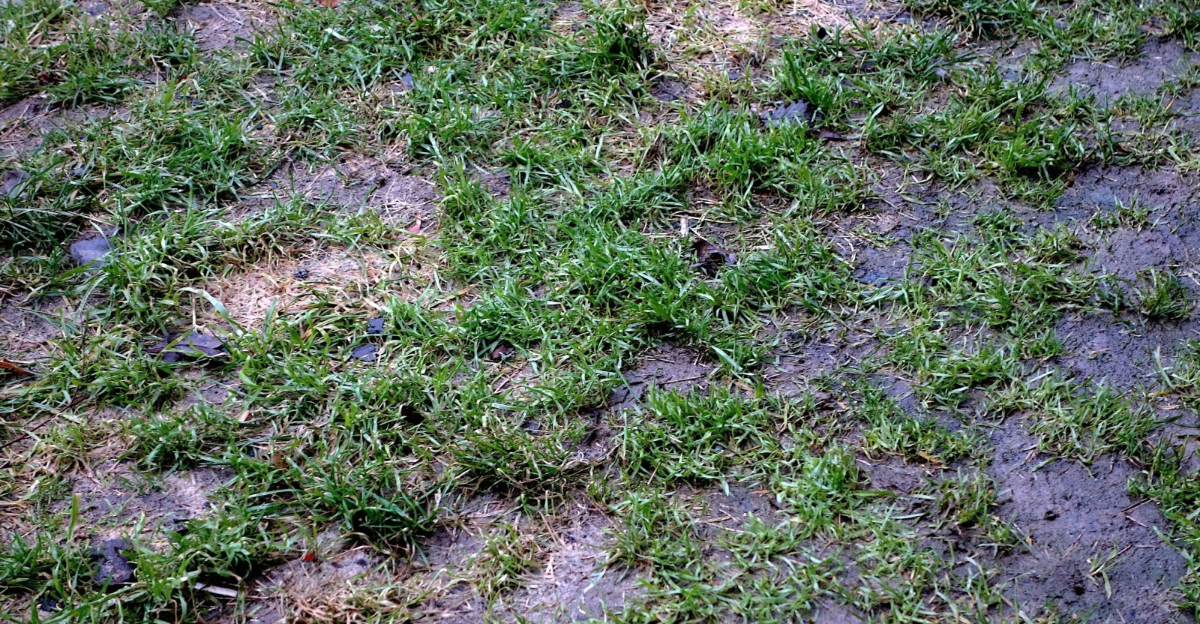
Winter in Ohio can be tough on your lawn. Months of snow, ice, and freezing temperatures leave turf stressed and vulnerable.
As the snow melts and temperatures rise, your grass may show signs of trouble that need quick attention to prevent long-term damage and ensure a healthy, green lawn by summer. Ohio lawns are mostly cool-season grasses (bluegrass, fescue, rye).
Spring fixes can help, but the best long-term repair window for seeding is usually late summer into fall; spring seeding is a backup that needs extra watering and weed control.
1. Bare Patches That Keep Getting Bigger
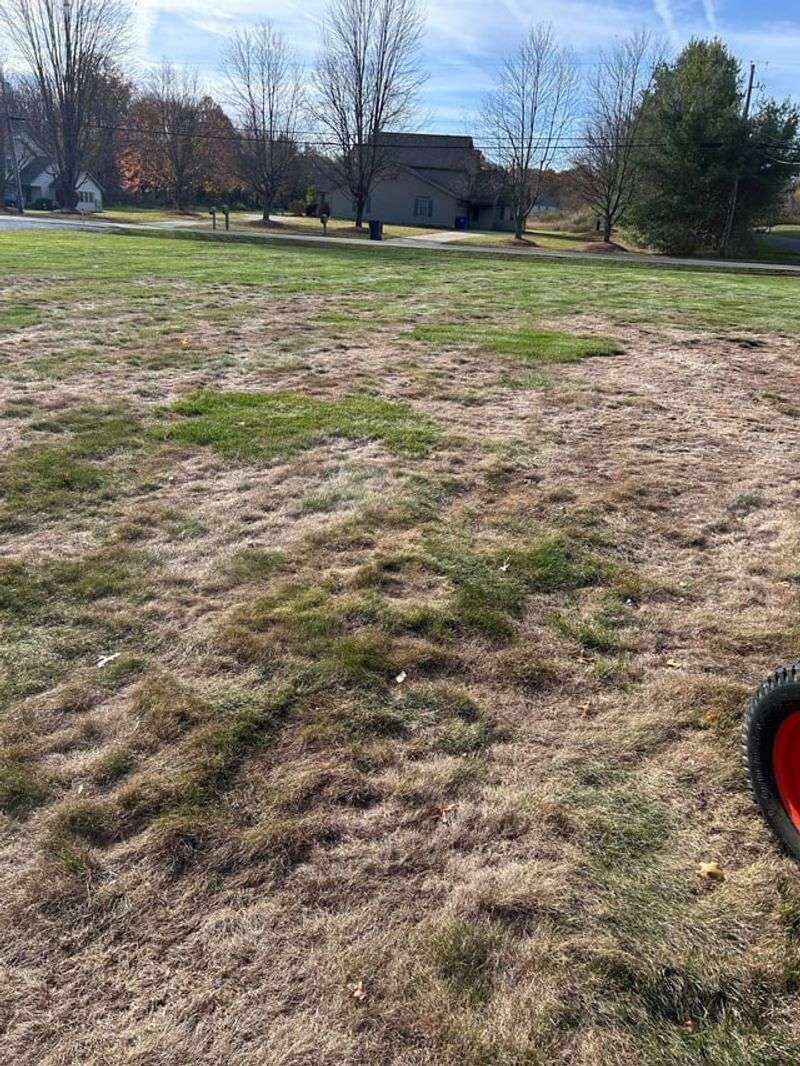
You walk out after the last snow melts and notice brown spots scattered across your yard. A few days later, those same spots look wider.
The grass around the edges seems to be thinning out instead of bouncing back.
Bare patches often develop when winter snow sits in piles for weeks, smothering the turf beneath. Without sunlight and air circulation, grass suffocates slowly.
Once the snow clears, those areas struggle to recover, especially if the soil underneath froze solid or stayed waterlogged.
In Northern Ohio, extended snow cover makes this problem worse. Central and Southern Ohio see more freeze-thaw cycles, which can heave grass roots out of the soil and leave gaps.
Either way, bare spots invite weeds and soil erosion if left untreated.
Your lawn signals it needs help when bare patches refuse to green up as spring arrives. The best response is to rake away matted debris, loosen compacted soil gently, and overseed as early in spring as you can work the soil or plan the best repair for late summer/early fall.
If you seed in spring, focus on good seed-to-soil contact and steady moisture through early summer. After overseeding, keep the soil lightly moist until new grass sprouts.
Within a few weeks, you should notice fresh green shoots filling in the gaps, and by late spring, those once-bare spots blend back into your lawn.
2. Matted Grass That Won’t Stand Back Up
Your lawn looks flattened in certain spots, almost like someone laid cardboard over it for months. You try raking the grass blades upright, but they stay pressed down, tangled and damp.
This matted turf feels spongy underfoot and smells slightly musty.
Heavy snow and ice press grass blades flat all winter long. When snow melts slowly or refreezes repeatedly, moisture gets trapped against the turf, creating a dense mat.
This suffocates the grass and blocks sunlight from reaching the crown of each plant. In Ohio, matted grass is a common early spring issue, especially where snow piled up or the area stayed wet.
Matted turf signals poor air circulation and potential fungal problems brewing underneath. Your grass needs help standing back up so it can photosynthesize and grow properly.
Start by gently raking the area with a leaf rake to lift and separate the blades. Avoid aggressive raking that tears out healthy grass.
If the soil feels compacted, consider aerating once it dries out a bit. After raking, let sunlight and air reach the turf.
You should see the grass slowly regain its upright posture over the next week or two, and new growth will emerge more vigorously once spring warmth arrives.
3. Yellow Or Gray Turf That Looks Lifeless
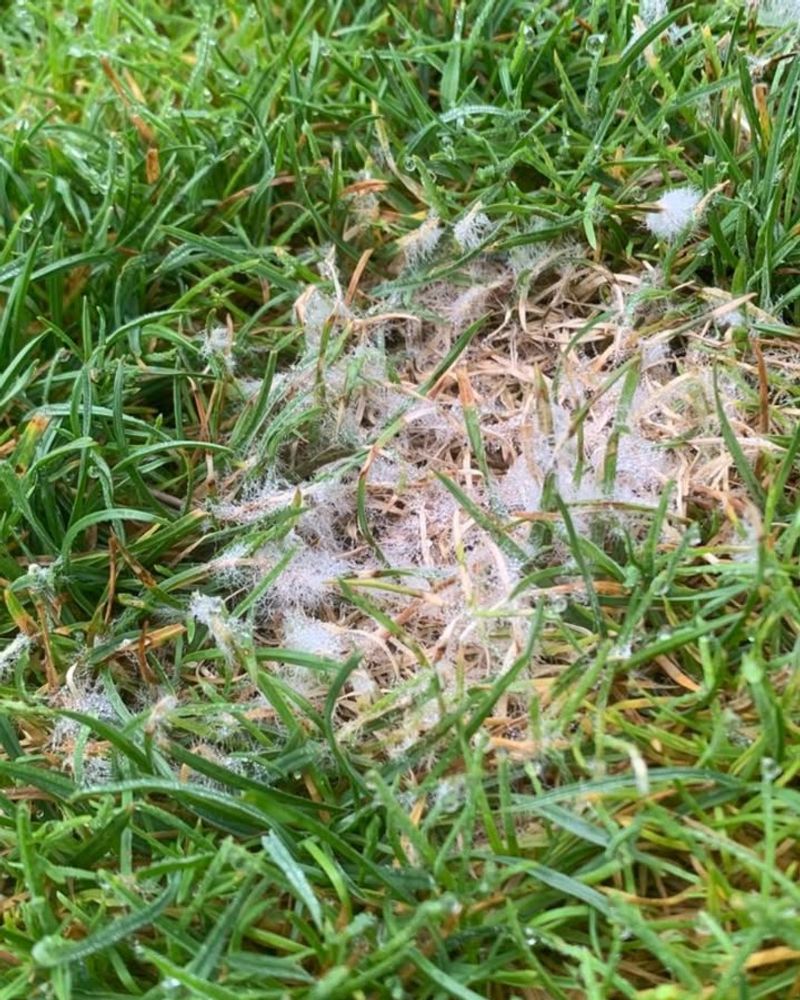
As snow disappears, your lawn reveals strange yellowish or grayish patches instead of the green you expected. The grass blades look bleached and papery, almost as if all the color drained out over winter.
It feels unsettling to see your yard looking so lifeless when you hoped for spring green-up.
Winter desiccation and prolonged cold can strip chlorophyll from grass blades, leaving them pale and weakened. In Northern Ohio, where winter lasts longer and snow cover is heavier, turf often emerges looking yellow or gray because it spent months in dormancy without sunlight.
Southern Ohio lawns may green up faster, but shaded areas or spots that stayed wet can still show discoloration.
This warning sign tells you the grass is stressed and needs a gentle push to recover. Yellow or gray turf lacks the energy to fight off weeds and disease.
Your first step is to clear away any debris or matted thatch that blocks sunlight. Once you see active growth starting (new green at the base) and the soil is no longer soggy, apply a light nitrogen feeding; avoid heavy early spring nitrogen, which can push disease and weak growth.
Water lightly if rainfall is scarce. Within two to three weeks, you should notice the yellow fading and fresh green blades emerging from the crown of each plant, signaling your lawn is waking up and ready to thrive.
4. Mold Or Snow Fungus Spots Appearing
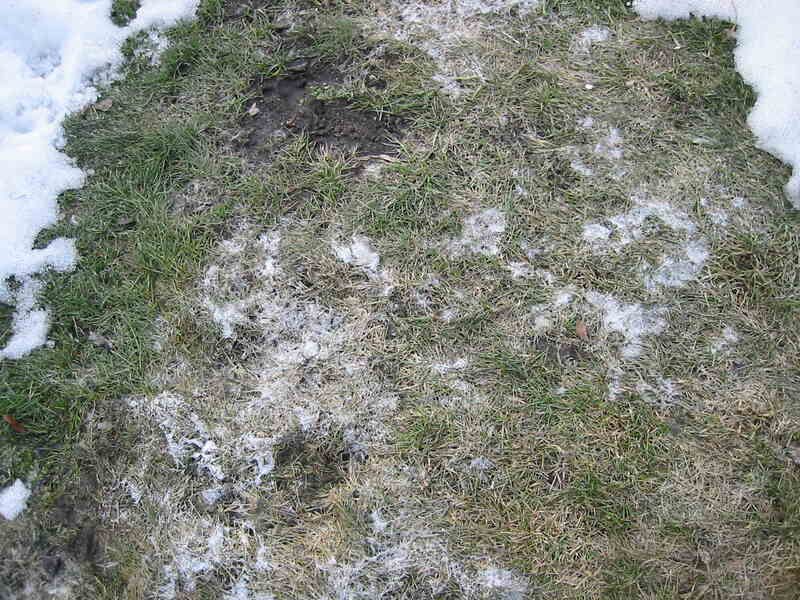
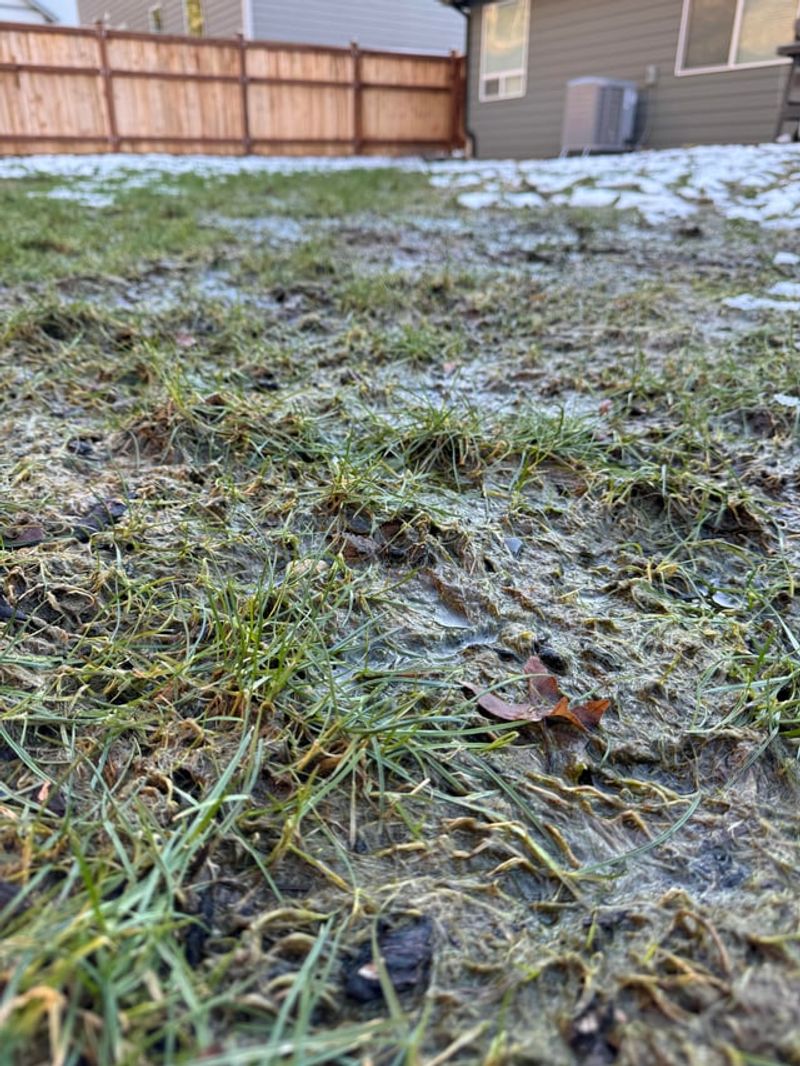
You step outside one morning and notice circular patches of pinkish-gray webbing clinging to your grass. It looks almost fuzzy, like cotton candy left out in the rain.
The grass beneath the mold appears matted and slimy, and the patches seem to spread across the lawn wherever snow piled up the longest.
Snow mold thrives under melting snow, especially when snow sits on unfrozen ground for weeks. The moisture and lack of air circulation create perfect conditions for fungal growth.
Ohio winters with heavy, wet snow and slow spring thaws make snow mold a frequent post-winter problem. You might see pink snow mold or gray snow mold, both of which damage turf if left untreated.
Mold signals that your lawn needs better air circulation and drying conditions. The fungus weakens grass and opens the door for other diseases.
Start by gently raking the affected areas to break up the mold and lift the grass blades. This improves airflow and helps the turf dry out.
Avoid excessive watering until the soil drains naturally. In most cases, the grass will recover on its own once sunlight and warmth return.
Fungicide is usually not needed after snowmold shows up; raking/drying is typically enough unless a professional confirms a severe case. You should see the mold fade within a week or two, and fresh green growth will fill in the damaged spots as spring progresses, restoring your lawn’s healthy appearance.
5. Soil That Feels Hard And Compacted
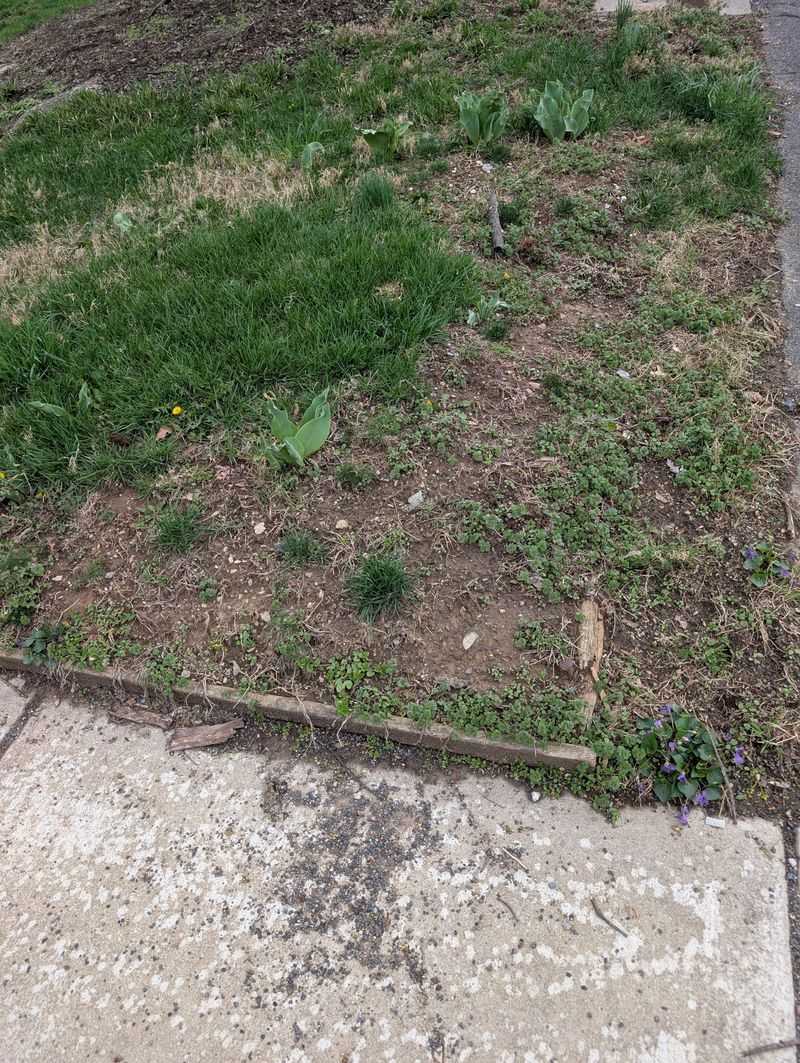
You try pushing a screwdriver into your lawn to check the soil, and it barely goes in an inch before hitting rock-solid resistance. Your footsteps leave deep imprints in muddy spots, but other areas feel like concrete.
The grass looks thin and struggles to grow, even as spring warms up.
Compaction is usually caused by traffic and heavy equipment—especially on wet soil—and winter/spring conditions can make it feel worse. Freeze–thaw and traffic can make compaction a major issue across Ohio.
Compacted soil prevents water, oxygen, and nutrients from reaching grass roots, leaving your lawn weak and vulnerable.
Hard, compacted soil signals that your lawn needs aeration to recover. Without it, grass will stay thin and patchy no matter how much you water or fertilize.
Wait until the soil is firm enough to walk on without sinking. Aeration can be done in spring if needed, but fall is often the best time for cool-season lawns.
Then, use a core aerator to pull small plugs of soil from your lawn. This opens up channels for air, water, and nutrients to penetrate deep into the root zone.
After aerating, you should notice improved drainage and healthier grass growth within a few weeks as roots spread and turf thickens naturally.
6. Weeds Taking Over Before Spring Starts
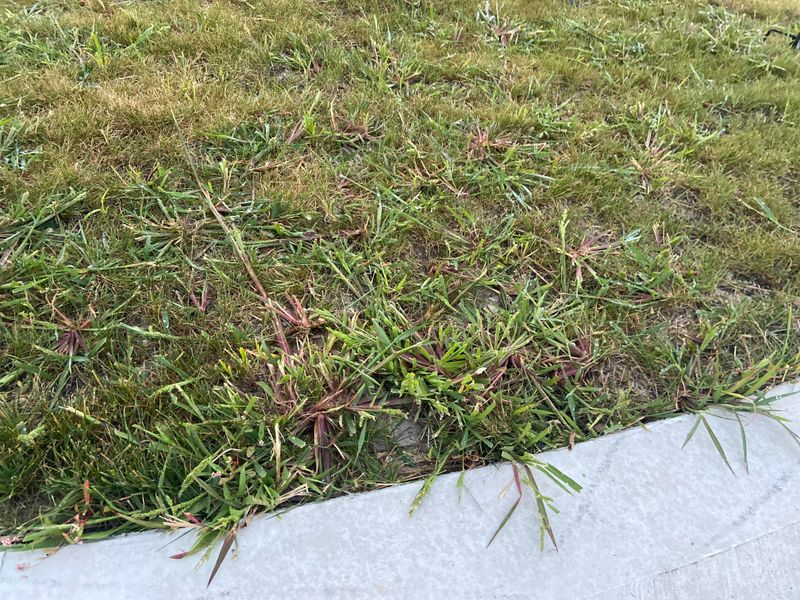
Before your grass even greens up, you notice small rosettes of dandelions and clumps of chickweed spreading across the lawn. The weeds look bright green and healthy while your turf still looks dormant and pale.
It feels frustrating to see weeds winning the race to spring growth.
Weeds germinate earlier than grass in Ohio because they tolerate cooler soil temperatures. Winter stress weakens your turf, leaving bare spots and thin areas where weeds can easily take root.
In Southern Ohio, warmer early spring temperatures give weeds an even bigger head start. Compacted soil, poor drainage, and lack of nutrients make the problem worse by favoring weed growth over grass recovery.
Early weed invasion signals that your lawn needs proactive care to help grass compete. The longer weeds establish, the harder they become to control.
Start by hand-pulling or spot-treating visible weeds before they flower and spread seeds. Now here’s the part that trips a lot of people up: you usually can’t do a standard crabgrass pre-emergent and overseeding at the same time.
One helps stop seeds from sprouting… and that includes grass seed, too. So you’ve got to choose what matters most this spring.
If you’re not seeding, go ahead and put down a crabgrass pre-emergent when soil temps are holding around 50–55°F. But if you are seeding, skip the standard pre-emergent, get your seed down early, and keep it lightly moist with frequent watering, then worry about weeds later once the new grass has had time to establish.
And one quick reminder: pre-emergent doesn’t destroy weeds that are already up. If it’s already growing in your lawn, it still needs to be pulled or spot-treated with a labeled post-emergent product.
7. Standing Water After Every Rain
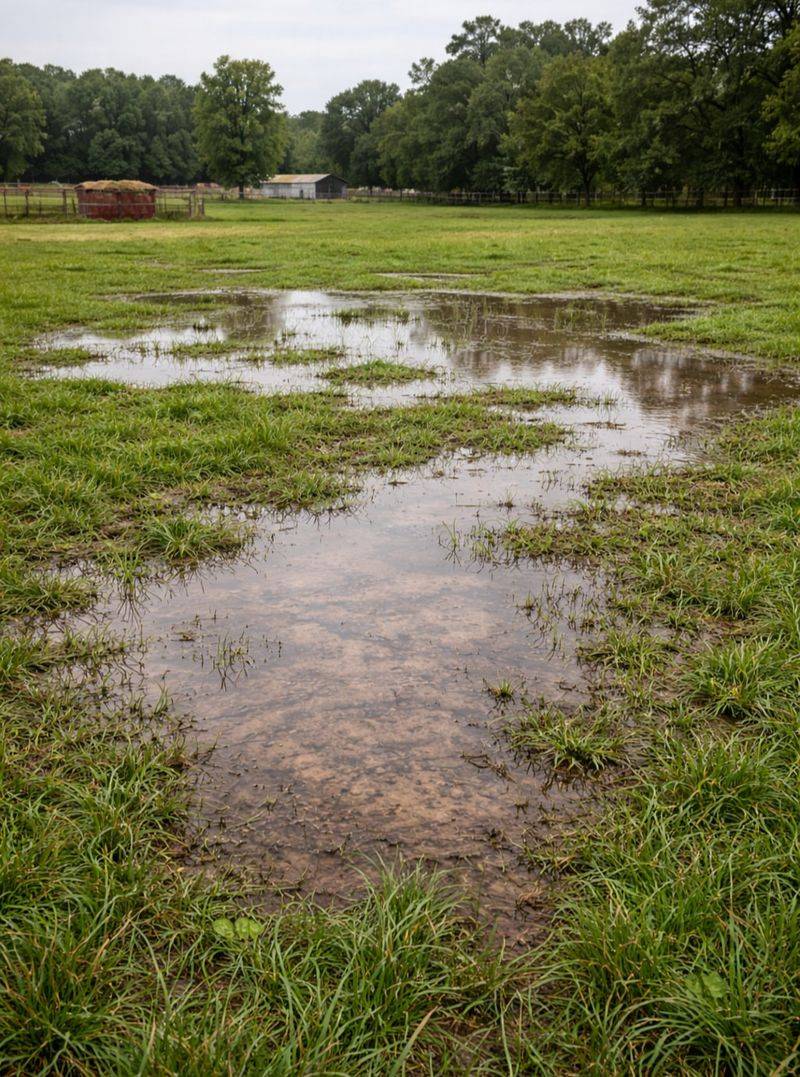
Every time it rains, puddles form in the same spots and linger for days. Your shoes sink into soggy turf, and the grass in those areas looks pale and stressed.
Even when the rest of your yard dries out, these low spots stay wet and muddy, making your lawn feel more like a swamp.
Standing water develops when soil compaction, poor drainage, or uneven grading prevents water from soaking in or flowing away. Winter freeze-thaw cycles worsen compaction, and spring rains in Ohio can be heavy and frequent.
Northern and Central Ohio often see prolonged wet conditions in early spring, which can drown grass roots if water sits too long. Saturated soil lacks oxygen, and turf suffocates slowly, leaving weak, thin patches.
Persistent standing water signals that your lawn needs drainage improvements to survive and thrive. Without action, those areas will stay bare or weedy all season.
If puddles last more than a day or two after normal rain, aeration alone may not fix it; grading/soil structure changes or drainage may be needed. If the problem persists, consider adding topsoil to level low spots or installing a French drain to redirect water away from your lawn.
After addressing drainage, you should notice water absorbing faster and grass recovering its color and vigor within a few weeks, creating a healthier, more resilient lawn throughout the growing season.
8. Thin Grass That Invites Pests And Disease
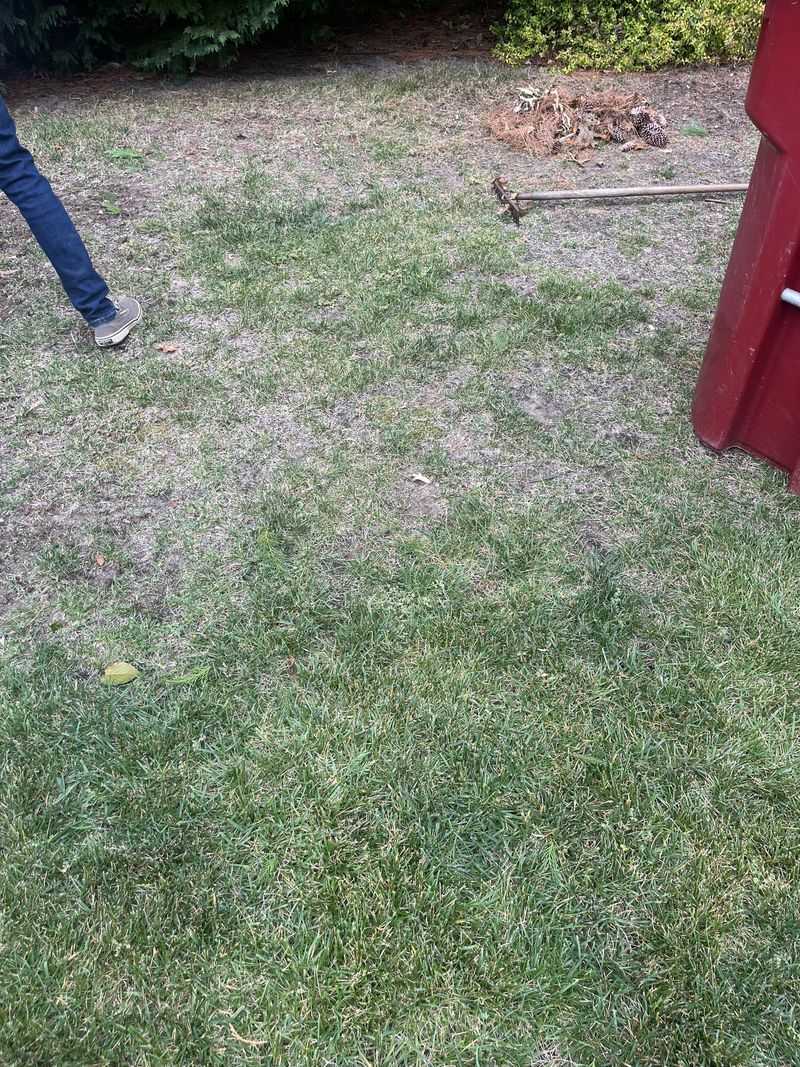
Your lawn looks sparse and patchy, with more soil showing through than grass blades. It feels almost see-through compared to your neighbor’s thick turf.
You worry that the thin spots will never fill in, and you notice insects and weeds moving in quickly.
Winter stress, compaction, poor soil health, and lack of nutrients all contribute to thin turf. Grass that barely survived the cold emerges weak and struggles to compete with weeds, pests, and disease.
In Ohio, where spring can be wet and cool, thin grass stays vulnerable longer. Disease pressure increases in weak turf; cool, wet conditions favor some spring diseases, and hot/humid weather favors others.
Thin grass signals that your lawn needs a comprehensive recovery plan to rebuild density and strength. Without intervention, the problem will worsen as the season progresses.
Start by aerating to relieve compaction and improve root growth. Follow up with overseeding to fill in bare spots and thicken the turf.
Apply a balanced spring fertilizer to feed new growth and strengthen existing grass. Water lightly and consistently to support germination and root development.
Within a few weeks, you should see new grass sprouting and the lawn gradually thickening, creating a denser turf that naturally resists pests, disease, and weed invasion, giving you the lush, healthy yard you want all summer long.
Also check for salt damage along driveways/sidewalks; those strips often need extra spring flushing (water) and reseeding.