Washington Gardeners May Be Watering Their Plants 30% More Than Needed
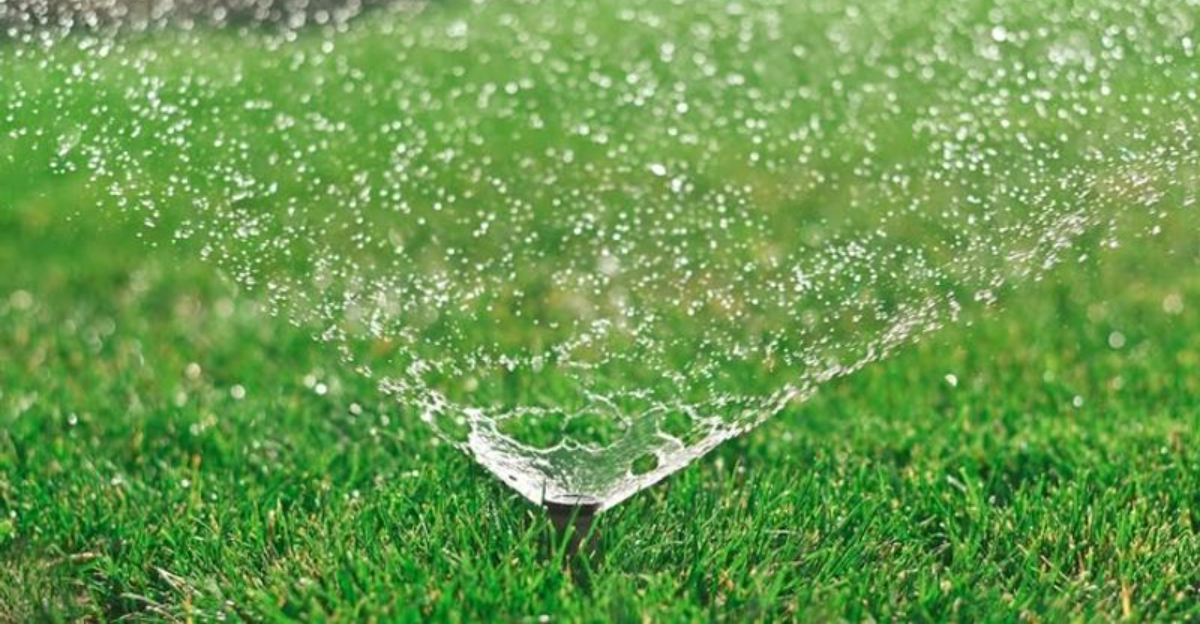
Washington gardeners are giving their plants plenty of love this season, but satellite views hint that many are watering far more than the soil can actually use.
You can almost see the extra moisture sitting on the surface, waiting for sun that never arrives fast enough.
The result is a garden that looks healthy on top while quietly struggling beneath the roots.
Too much water creates a slow, hidden stress that slips in before you even suspect anything is off.
1. Misunderstanding Washington’s Rainy Climate
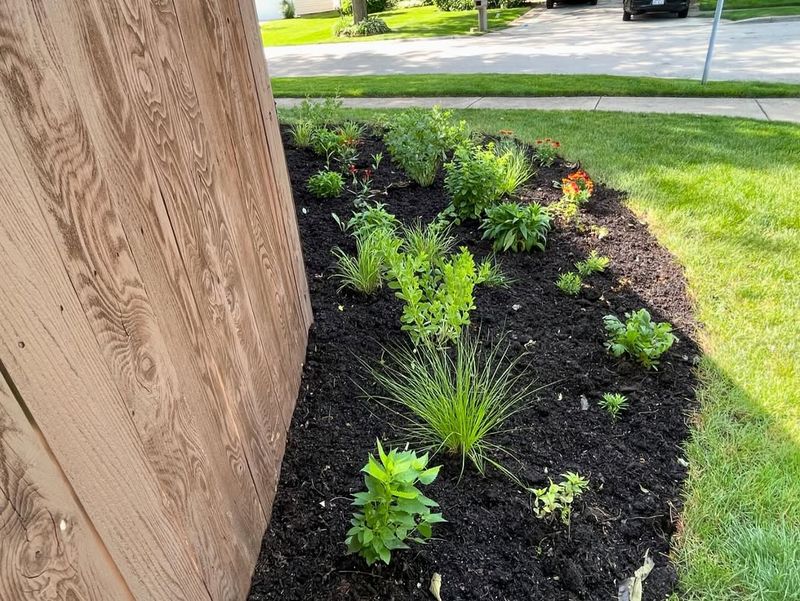
Washington receives plenty of natural rainfall, especially during fall, winter, and spring months across the state.
Many gardeners forget to account for this moisture when planning their watering schedules for outdoor plants.
Rain provides free irrigation that penetrates deep into soil layers, reaching plant roots more effectively than surface watering.
When you add extra water on top of natural rainfall, plants can become waterlogged and stressed.
Roots need oxygen just as much as water, and soggy soil prevents proper air circulation around them.
Washington gardeners should check soil moisture before watering and skip sessions after rainy days.
Installing a rain gauge helps track how much natural water your garden receives each week in Washington.
Adjusting your watering routine based on rainfall patterns prevents overwatering and promotes healthier plant growth.
Remember that different seasons bring different moisture levels, so stay flexible with your watering approach throughout the year.
2. Ignoring Soil Type and Drainage Capacity
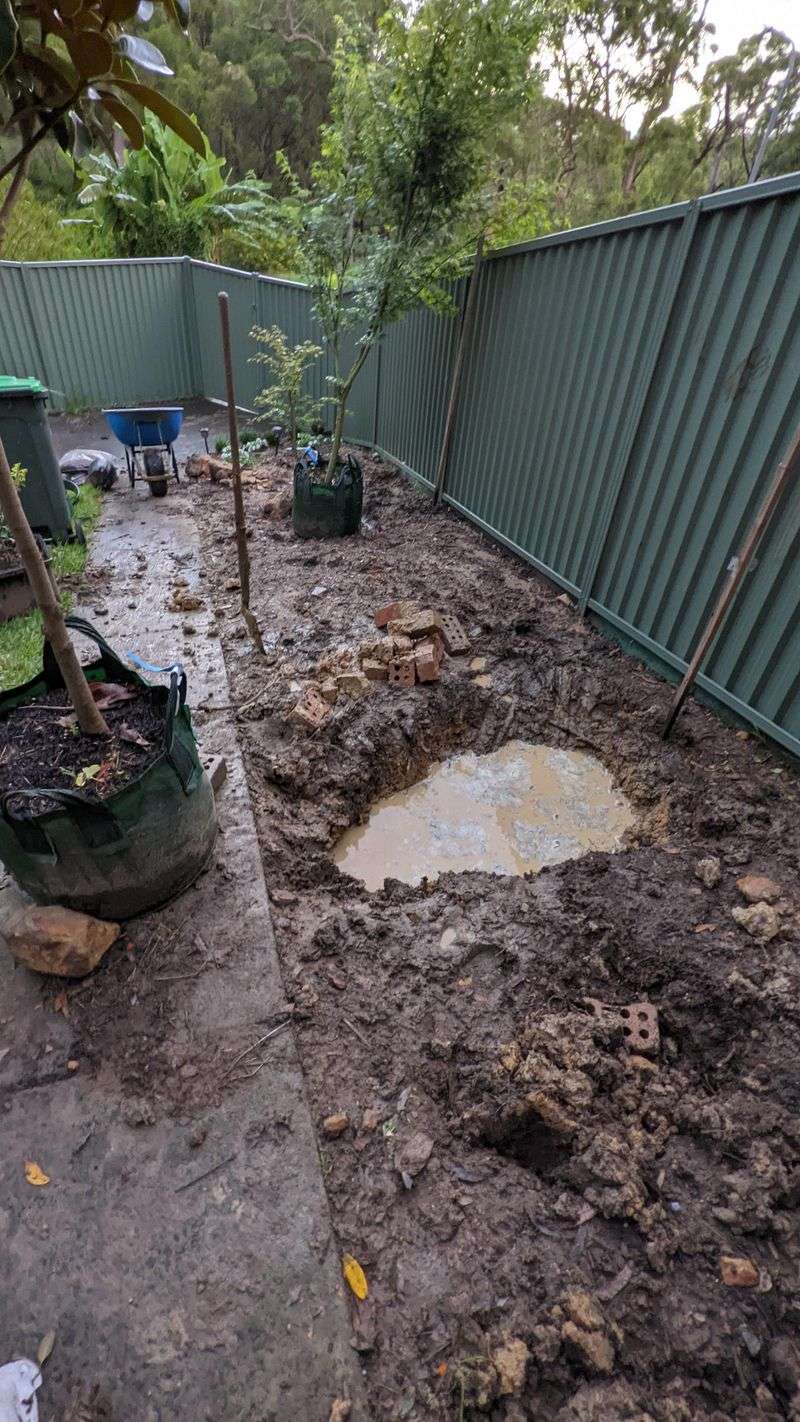
Clay soil holds water much longer than sandy soil, yet many Washington gardeners water all areas the same way.
Heavy clay soils common in parts of Washington can stay wet for days after a single watering session.
Sandy soils drain quickly and may need more frequent watering, but still not as much as people think.
Understanding your specific soil composition helps you create a watering schedule that matches actual plant needs perfectly.
Overwatering clay soil leads to compaction, which makes it even harder for roots to access oxygen and nutrients.
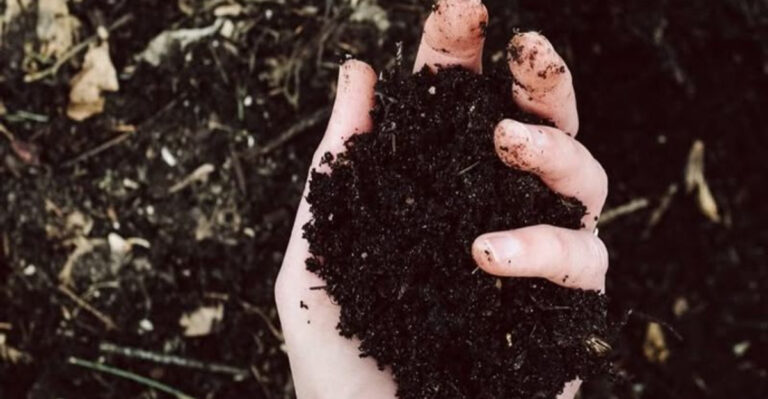
Testing your soil texture is simple: squeeze moist soil in your hand and observe how it behaves afterward.
Clay forms a tight ball, sand falls apart immediately, and loam holds shape but crumbles with gentle pressure.
Washington gardeners should adjust watering frequency based on their specific soil type rather than following generic advice.
Improving drainage with compost or organic matter reduces the need for constant monitoring and excessive watering efforts.
3. Setting Automatic Timers Without Seasonal Adjustments
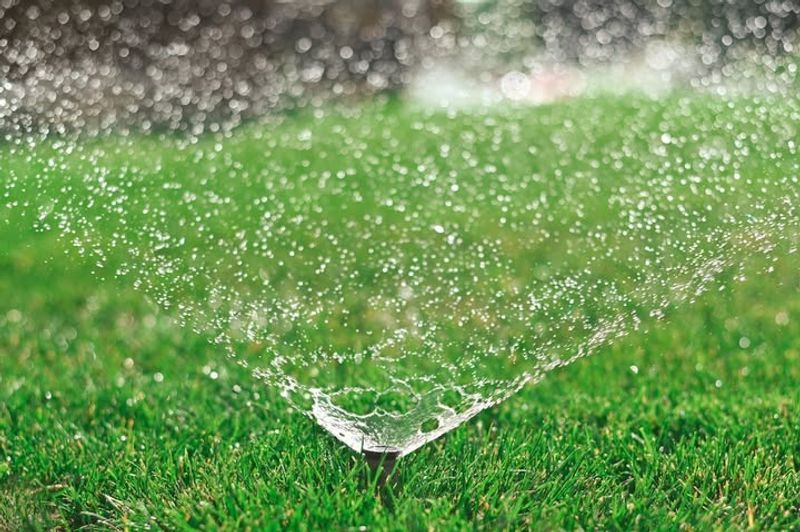
Automatic sprinkler systems make watering convenient, but many Washington residents set them once and forget about adjustments.
Summer watering needs differ dramatically from spring or fall requirements, yet timers often run year-round unchanged.
Plants need less water during cooler months when evaporation rates drop and growth naturally slows down significantly.
Running the same watering schedule in October as you did in July wastes water and harms plants.
Smart controllers can adjust based on weather conditions, but older systems require manual programming changes each season.
Washington gardeners should review timer settings monthly and reduce watering duration as temperatures cool down in fall.
Even in summer, daily watering is rarely necessary for established plants with deep root systems in Washington.
Checking soil moisture regularly helps you determine if your automatic schedule actually matches plant needs or exceeds them.
Turning off timers during rainy periods prevents double-watering and allows natural precipitation to do the work instead.
4. Watering on a Strict Daily Schedule
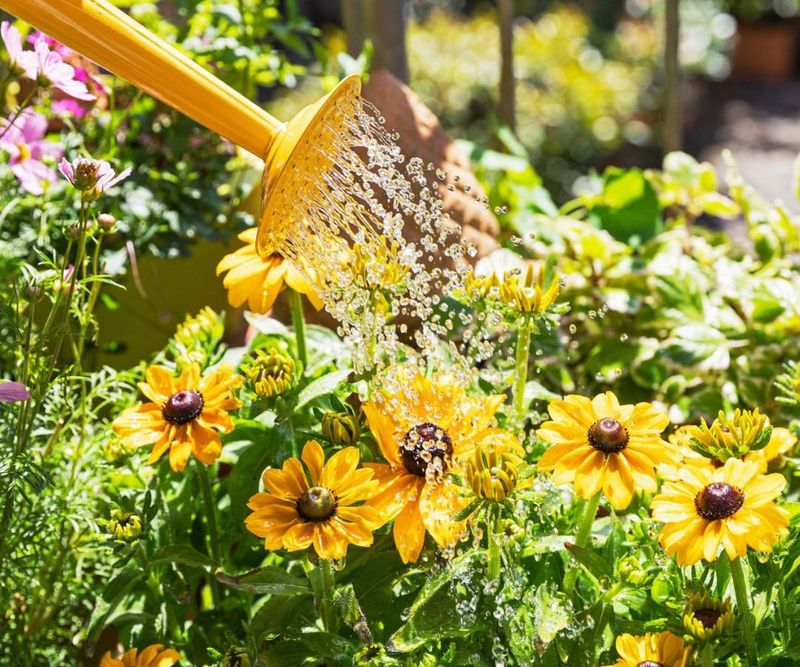
Many gardeners believe plants need water every single day, but this rigid approach often provides too much moisture.
Plants actually benefit from slight drying periods between waterings, which encourages roots to grow deeper and stronger.
Daily watering keeps soil constantly wet, preventing roots from developing the resilience they need to access water independently.
Most established garden plants in Washington thrive with deep watering once or twice weekly rather than daily sprinkling.
Shallow, frequent watering creates weak root systems that stay near the surface instead of exploring deeper soil layers.
Checking soil moisture with your finger before watering prevents unnecessary sessions and helps plants develop better root structures.
Container plants may need more frequent watering than in-ground plants, but even they rarely require daily attention everywhere.
Washington gardeners should focus on watering deeply and less often to promote healthy, drought-resistant plants over time.
Breaking the daily watering habit takes adjustment but results in stronger plants that actually need less care eventually.
5. Overcompensating During Hot Summer Days
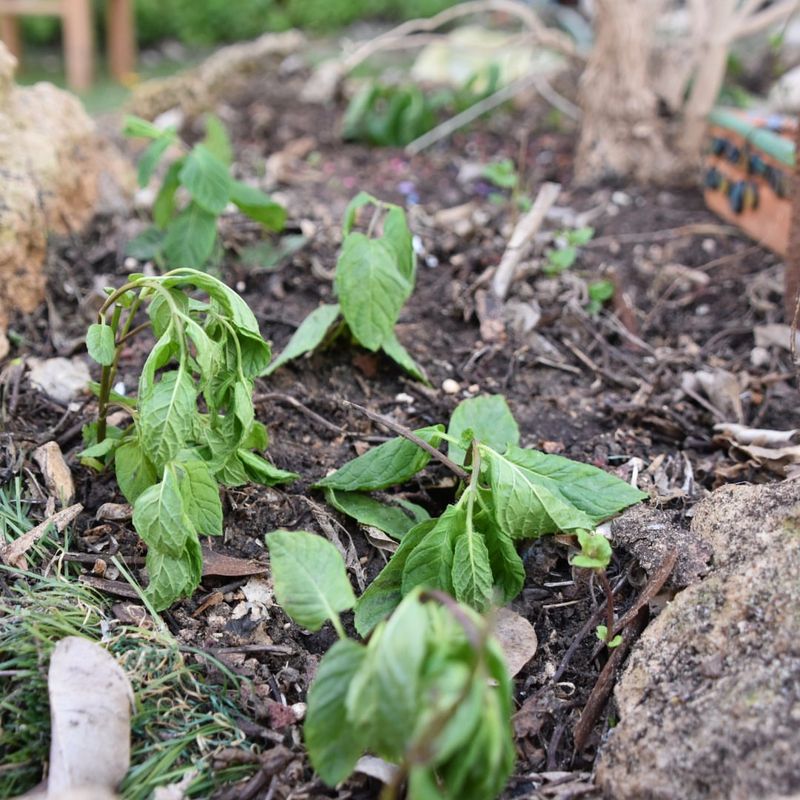
When temperatures spike during Washington summers, gardeners often panic and dramatically increase watering amounts without checking soil conditions.
Plants may look slightly wilted during the hottest part of the afternoon, but this is often temporary stress.
Many plants naturally conserve water by drooping leaves slightly during peak heat, then recover as temperatures cool down.
Adding extra water during these hot hours can lead to root rot and other moisture-related problems in gardens.
Early morning watering provides moisture before heat arrives, allowing plants to hydrate properly throughout the day ahead.
Evening watering works too, but morning sessions reduce disease risk by allowing foliage to dry before nighttime arrives.
Washington gardeners should resist the urge to water every time plants look a bit droopy during summer afternoons.
Mulching around plants helps retain soil moisture and keeps roots cooler, reducing actual water needs during hot spells.
Checking soil moisture several inches deep reveals whether plants truly need water or are just experiencing temporary heat stress.
6. Using Inefficient Watering Methods
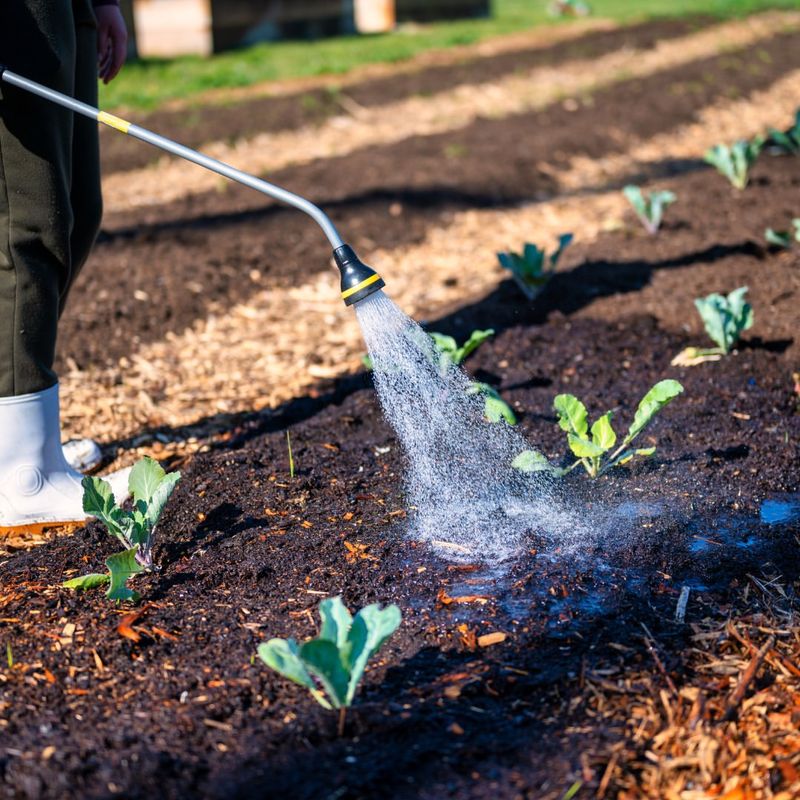
Overhead sprinklers waste significant water through evaporation, especially during warm, windy days common in parts of Washington state.
Much of the water from sprinklers never reaches plant roots, instead wetting foliage and evaporating into the air.
Wet leaves can encourage fungal diseases and mildew, creating additional problems beyond simple water waste in gardens.
Drip irrigation and soaker hoses deliver water directly to soil, reducing waste and ensuring moisture reaches root zones.
Hand watering at the base of plants provides control and precision that automatic systems cannot always match effectively.
Washington gardeners using overhead methods often compensate for inefficiency by running systems longer, increasing overwatering problems significantly.
Switching to targeted watering methods can reduce water use by thirty percent or more while keeping plants healthier.
Mulch combined with efficient watering creates ideal conditions that require less frequent irrigation throughout the growing season.
Evaluating your watering method is one of the fastest ways to reduce waste and improve garden health in Washington.
7. Not Accounting for Plant Maturity Levels
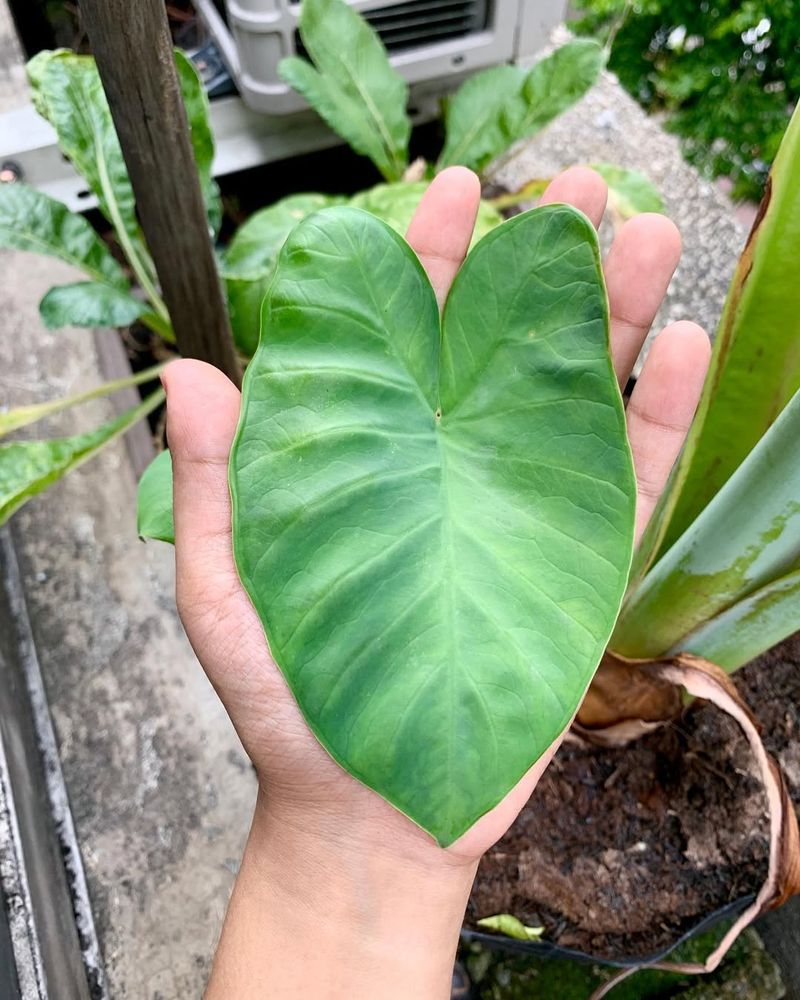
Newly planted seedlings need frequent, gentle watering to establish roots, but mature plants require much less attention in gardens.
Many Washington gardeners continue watering established plants as if they were still fragile newcomers, providing excessive moisture unnecessarily.
Mature plants develop extensive root systems that access water deep in the soil, beyond what surface watering reaches.
Continuing heavy watering schedules for established plants wastes water and can actually weaken their root structure over time.
Young plants need moisture near the surface where their shallow roots grow, but this changes as they mature.
Gradually reducing watering frequency as plants establish encourages deeper root growth and greater drought tolerance in Washington gardens.
Treating all plants the same regardless of age and development stage leads to significant overwatering for mature specimens.
Washington gardeners should create different watering zones based on plant maturity rather than applying blanket schedules to everything.
Observing individual plant needs and adjusting care accordingly produces healthier gardens with lower water consumption throughout the year.
8. Following Generic Watering Advice From Other Regions
Gardening advice from California, Arizona, or other dry climates does not translate well to Washington’s moist environment.
Many popular gardening resources recommend watering schedules designed for regions with very different rainfall and humidity patterns.
Following advice meant for desert gardens leads Washington residents to water far more than their plants actually need.
Regional climate differences mean that generic tips often miss the mark when applied to Pacific Northwest growing conditions.
Washington gardeners should seek advice specific to their climate zone rather than following national or international general recommendations.
Local extension offices and regional gardening groups provide information tailored to Washington’s unique weather patterns and soil conditions.
Understanding your specific hardiness zone and microclimate helps you make smarter watering decisions throughout the growing season.
What works in Phoenix or Miami will not work in Seattle, Spokane, or other Washington communities with different environments.
Adapting advice to local conditions rather than copying it directly prevents overwatering and other common gardening mistakes in Washington.
9. Misreading Plant Stress Signals
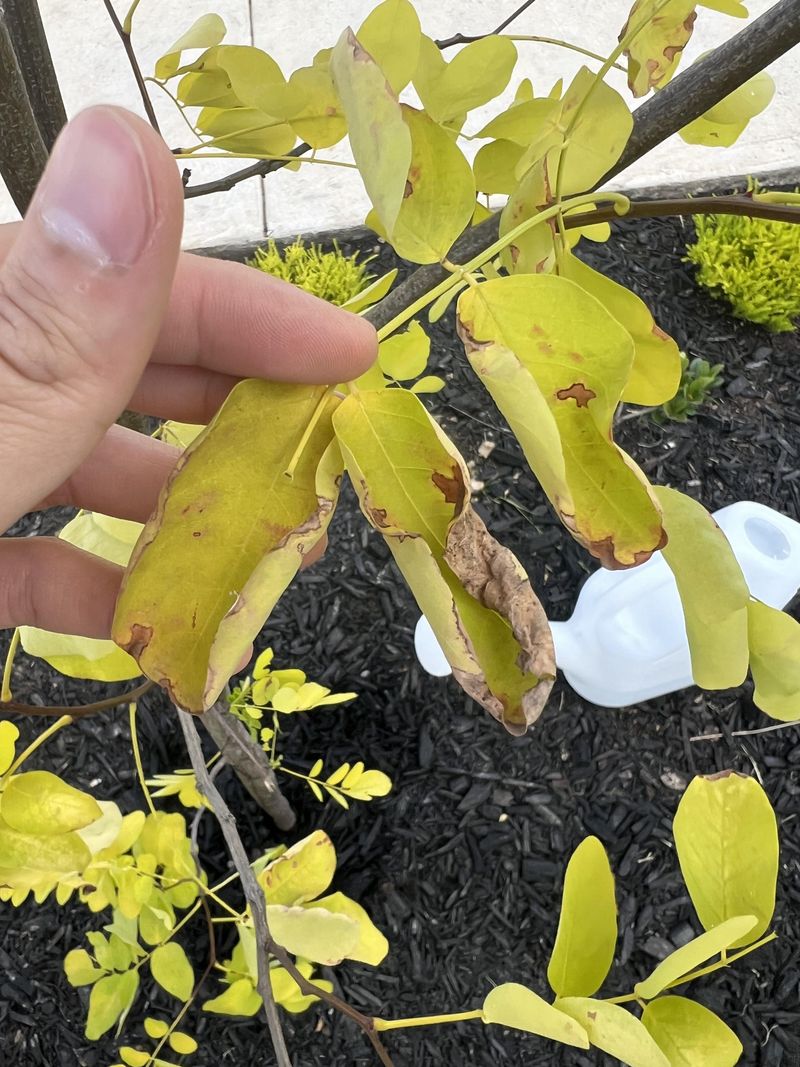
Wilting leaves can indicate either too little or too much water, but many Washington gardeners automatically assume drought.
Overwatered plants often display symptoms similar to underwatered ones, including drooping leaves and yellowing foliage that confuses observers.
Adding more water to already soggy soil makes problems worse and can lead to root rot and plant decline.
Checking soil moisture before watering helps distinguish between actual thirst and overwatering damage in garden plants.
Yellow leaves, especially lower ones, often signal excessive moisture rather than the nutrient deficiency people commonly assume.
Root systems damaged by overwatering cannot absorb water properly, creating symptoms that look exactly like underwatering to inexperienced gardeners.
Washington gardeners should learn to recognize the subtle differences between various stress signals before reaching for the hose.
Feeling soil texture and observing root health provides better information than simply looking at leaf appearance from above.
Understanding plant communication prevents the common mistake of solving one problem by accidentally creating another through excessive watering.
10. Neglecting Mulch and Soil Moisture Retention
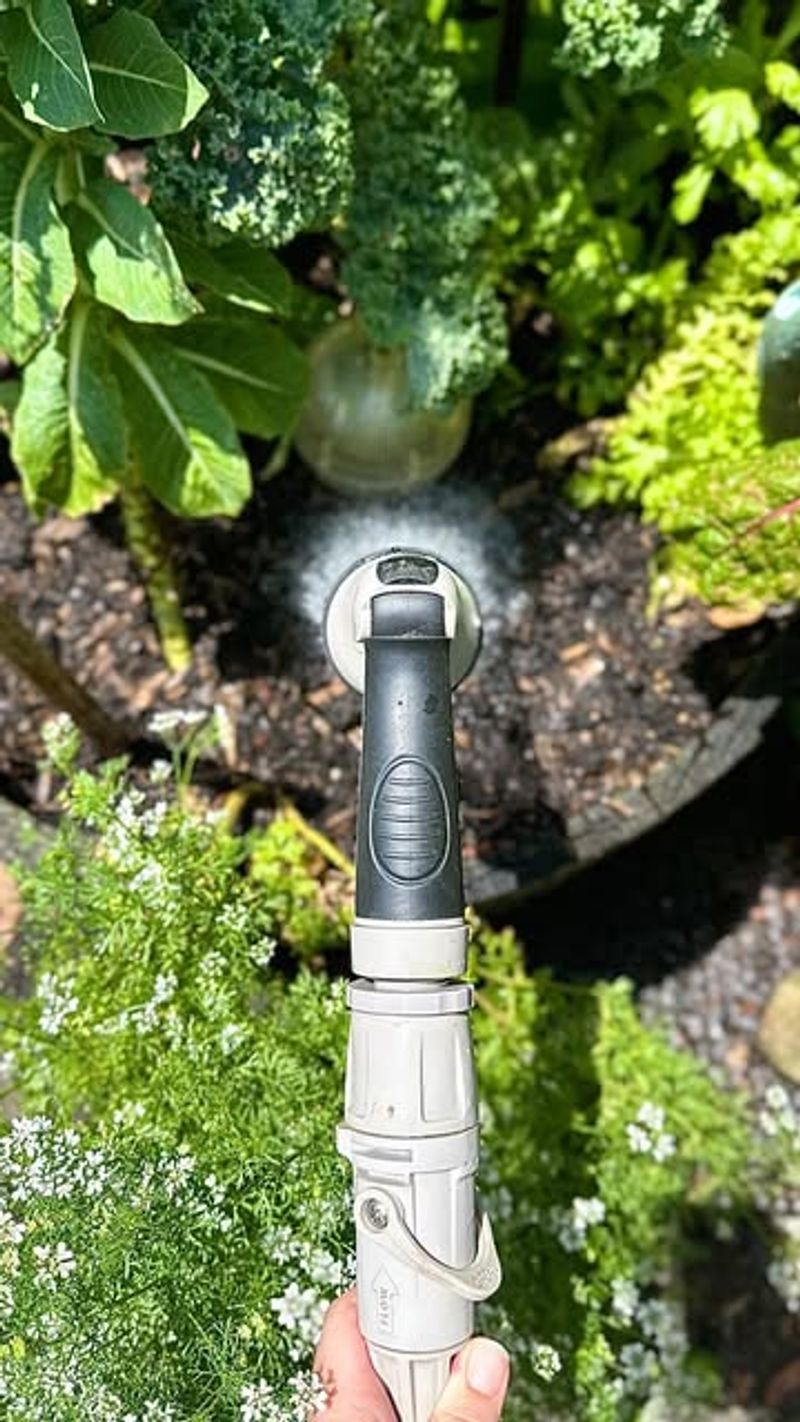
Bare soil loses moisture rapidly through evaporation, especially during sunny days and windy conditions common throughout Washington state.
Without mulch protection, gardeners must water more frequently to replace moisture lost to the atmosphere rather than used by plants.
A thick layer of organic mulch reduces evaporation dramatically, keeping soil moist much longer between watering sessions.
Many Washington gardeners skip mulching and compensate by watering excessively, not realizing the connection between these two factors.
Mulch also moderates soil temperature, keeping roots cooler in summer and warmer in winter throughout the year.
Organic materials like wood chips, straw, or compost break down gradually, improving soil structure while conserving moisture effectively.
Applying two to four inches of mulch around plants can reduce watering needs by up to thirty percent easily.
Washington gardeners who mulch properly find they can water less often while maintaining healthier, more vigorous plant growth.
Combining efficient watering methods with good mulching practices creates the ideal balance for sustainable gardening in Washington communities.