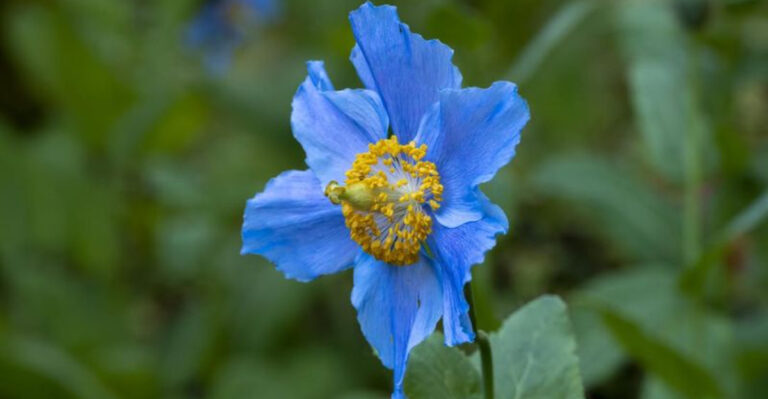
8 Washington Native Plants That Practically Look After Themselves
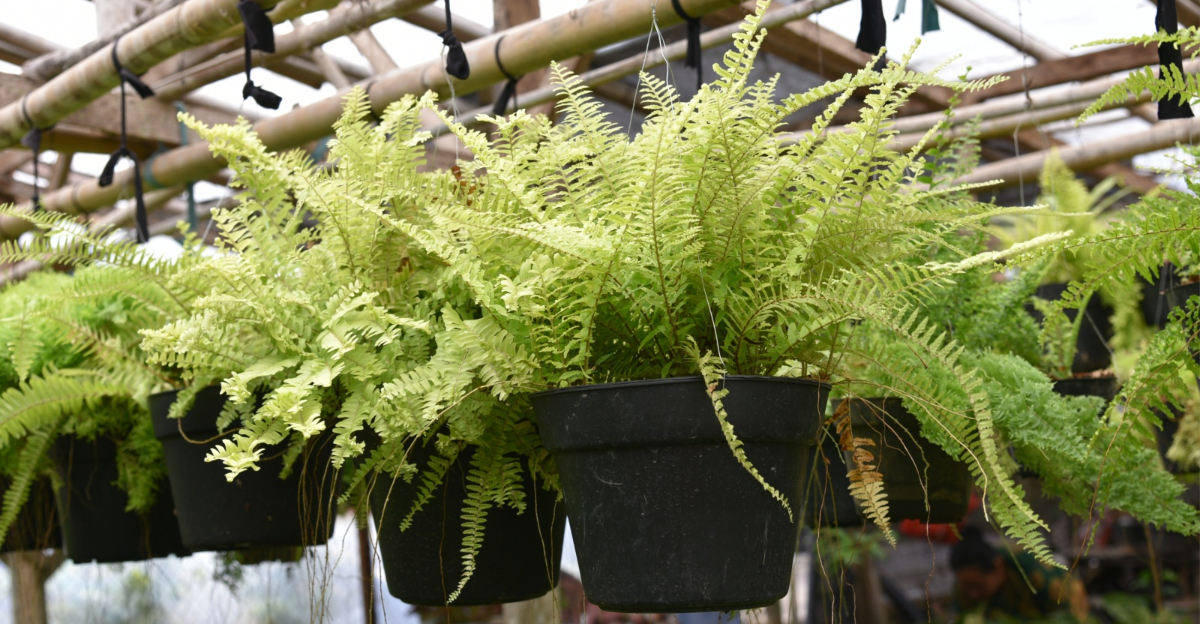
What if your garden could practically look after itself? Native plants from Washington state might be the answer.
These botanical locals have spent thousands of years adapting to Pacific Northwest rain, rocky soil, and grey skies. They already know the climate.
They already know the soil. They just need a chance to shine.
No constant watering. No expensive fertilizers.
No weekend-long gardening marathons. Once established, these plants tend to thrive with very little help from you.
That means more time sitting on your porch and less time stressing over your yard. Got a shady corner where nothing seems to grow?
There is likely a native fern for that. Have a sunny slope begging for color?
Native shrubs can deliver spectacular spring blooms. Washington gardeners are rediscovering the quiet joy of working with nature rather than against it.
The result? A yard that looks beautiful, supports local wildlife, and runs on its own rhythm.
Read on to meet eight Pacific Northwest native plants that reward you with stunning results and surprisingly little effort.
1. Sword Fern
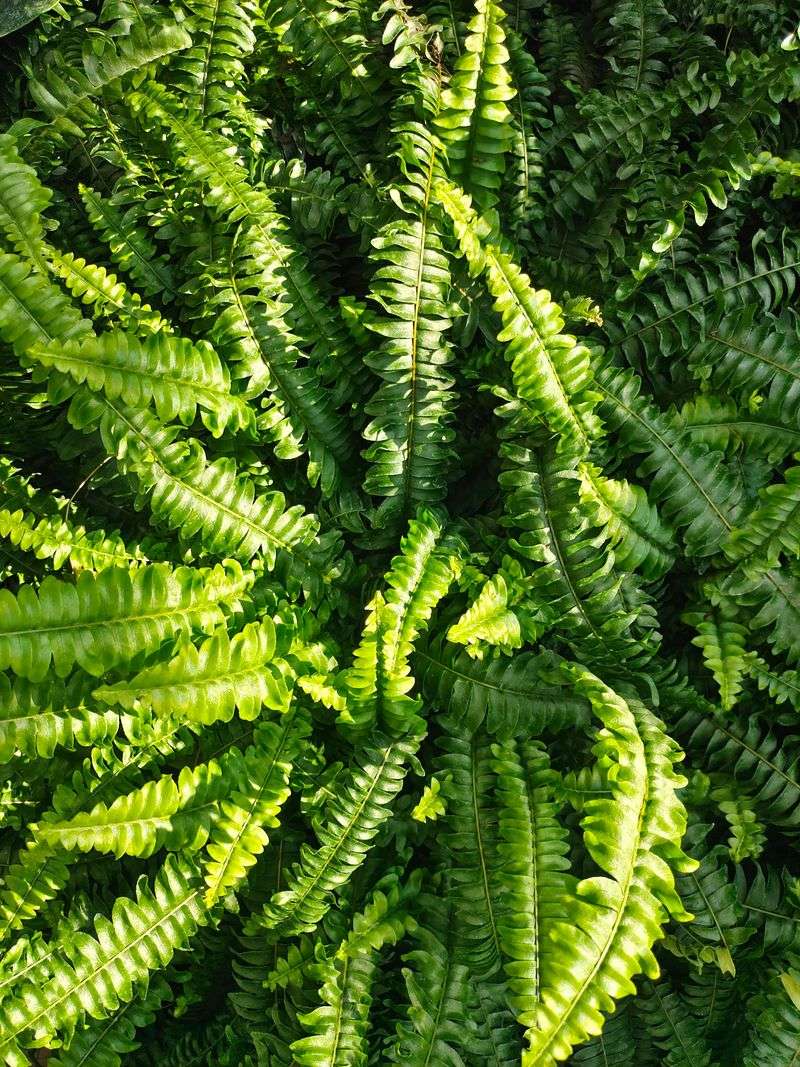
Sword fern is basically the superhero of the Pacific Northwest forest floor.
It grows in deep shade where most plants would sulk and surrender.
Once established, it survives drought, frost, and neglect with almost zero complaint.
Its scientific name, Polystichum munitum, is a mouthful, but gardeners in Washington just call it reliable.
Those long, arching fronds can stretch up to four feet and stay green all year long.
Plant it under a big Douglas fir or along a shady fence, and watch it slowly take over in the best possible way.
Wildlife absolutely loves sword fern.
Deer tend to avoid it, which makes it even more appealing for suburban yards.
Small birds and salamanders use the dense clumps as shelter from predators and harsh weather.
Getting started is simple: plant in fall, water it through the first summer, and then mostly forget about it.
No fertilizer needed, no pruning required unless old fronds bother you.
It spreads slowly through rhizomes, gradually filling gaps with lush, layered greenery that looks professionally designed.
2. Camas
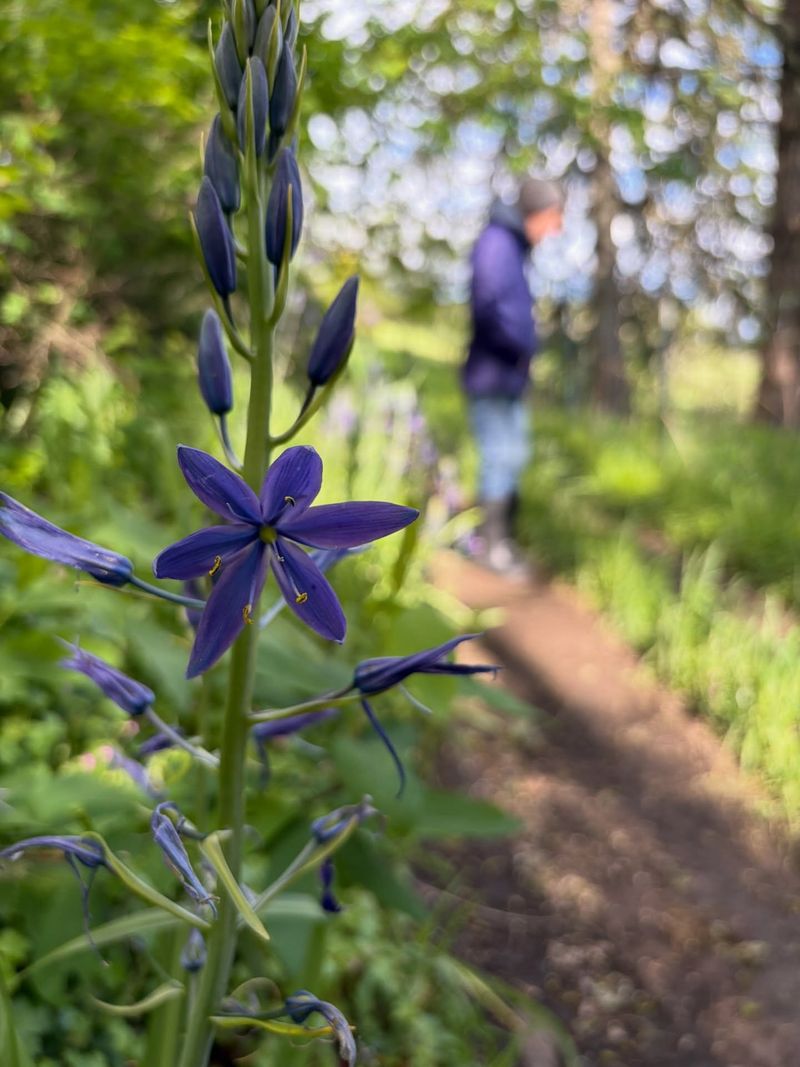
Few wildflowers capture the spirit of a Washington spring quite like Camas. It produces tall, elegant spikes of deep blue-purple flowers that rise up from grassy meadows and garden beds with very little encouragement.
In Washington’s naturally wet spring climate, the bulbs get most of the moisture they need from rainfall alone, which makes them a genuinely relaxed addition to the garden.
Plant the bulbs in fall, tuck them into a sunny or lightly shaded spot with reasonably moist soil, and let the season do the rest.
By mid-spring, the blooms appear reliably year after year without any fussing from you. Native bees and pollinators treat camas flowers as one of the season’s great highlights, visiting repeatedly throughout the bloom period.
After flowering, the foliage quietly dies back and the bulbs rest underground until the following year. No pruning, no dividing, no special feeding required.
Camas has been part of Washington’s landscape for thousands of years and holds deep cultural significance for many Indigenous communities across the Pacific Northwest, who traditionally harvested the bulbs as an important food source.
Your Washington Garden Changes Every Week. Your Plan Should Too.
Gardening in Washington changes quickly throughout the season. Every Friday you’ll receive a simple weekly plan showing exactly what to plant, prune, fertilize, harvest, and protect so you never miss the right timing.
When sourcing bulbs, buy from a reputable native plant nursery to ensure you have the right species. Similar-looking bulbs exist that are not safe, so it is always worth double-checking before you plant.
3. Yarrow
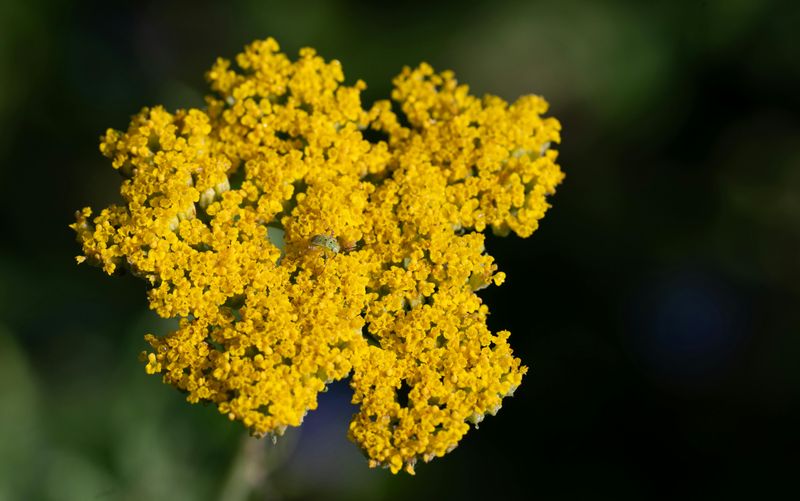
Yarrow thrives where other plants give up, spreading cheerfully across poor soil, slopes, and gravel beds. Achillea millefolium spreads cheerfully across poor soil, slopes, and gravel beds where other flowers refuse to grow.
Flat-topped flower clusters in white, pink, or yellow attract butterflies and native bees from midsummer into fall.
According to legend, the Greek hero Achilles used yarrow to treat wounded soldiers on the battlefield.
Modern gardeners use it for a simpler purpose: filling space beautifully without any fuss.
The feathery, fern-like foliage stays attractive even when the plant is not in bloom.
Yarrow handles dry conditions well once established, making it ideal for Washington’s dry east-side gardens or sun-baked west-side slopes.
It spreads through underground runners, so plant it where you want a spreading patch rather than a tidy clump.
Divide clumps every few years to keep them vigorous and prevent overcrowding.
Deer typically avoid it, which is a major bonus in rural or suburban areas.
Worth noting for pet owners: yarrow can cause mild stomach upset in dogs and cats if ingested, so keep that in mind when choosing planting spots.
Cut spent flower heads back in late fall to encourage fresh growth the following spring.
Hardly any other native plant gives you this much wildlife value, color, and toughness packed into one easy package.
4. Wild Ginger
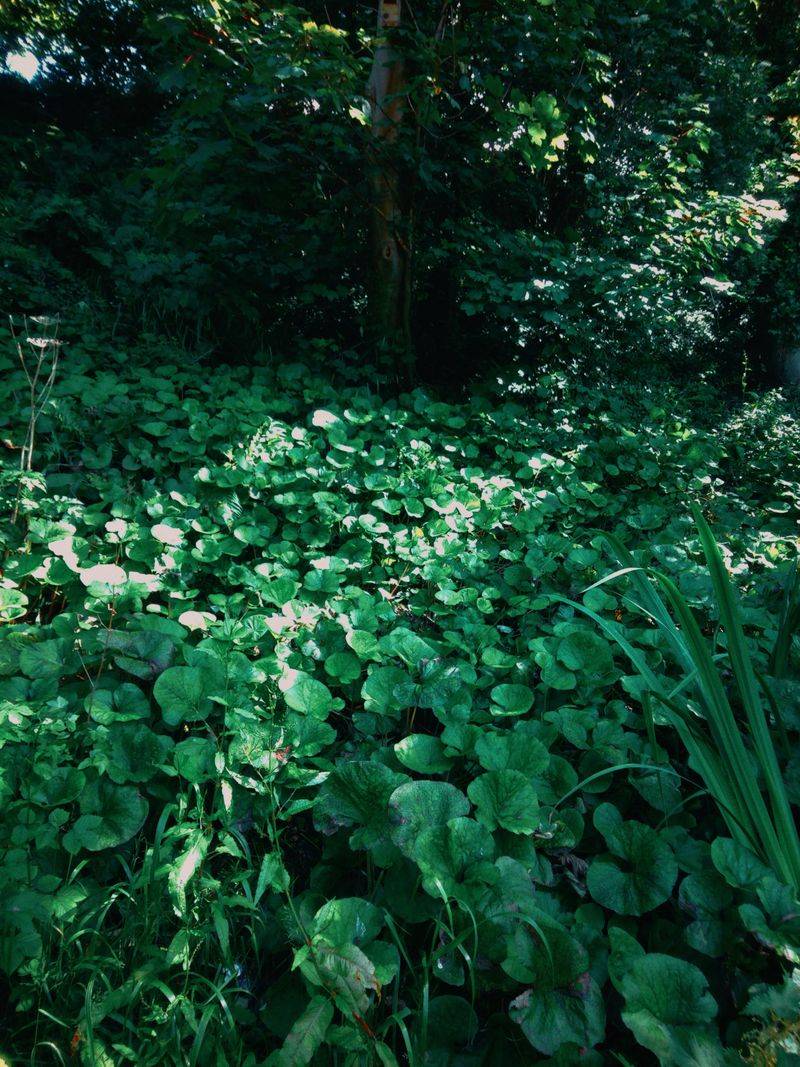
Wild ginger forms a carpet so lush it looks like something from a fairy tale.
Asarum caudatum spreads slowly but steadily, weaving together a dense mat of heart-shaped leaves that stay green through most winters.
The foliage has a subtle spicy fragrance when crushed, which is one of those small garden surprises that never gets old.
Tiny brownish-purple flowers hide beneath the leaves in spring, almost invisible unless you crouch down to look.
They are pollinated by ground-crawling insects rather than bees or butterflies, which makes the whole process feel wonderfully secretive.
Slug damage is minimal compared to many other shade plants, a real advantage in the wet Pacific Northwest.
Wild ginger thrives in moist, humus-rich soil under deciduous or evergreen trees.
It pairs beautifully with sword fern and bleeding heart for a layered woodland look.
Once established, it needs almost no attention and competes well against weeds by simply smothering them.
One important note: this plant is not related to culinary ginger and should not be eaten or handled carelessly. It contains compounds that can be harmful to kidneys, so keep it away from children and pets and wash hands after handling.
Growth is slow the first year, then picks up noticeably in year two.
Patient gardeners are rewarded with one of the most elegant ground covers the Pacific Northwest has to offer.
5. Red Flowering Currant
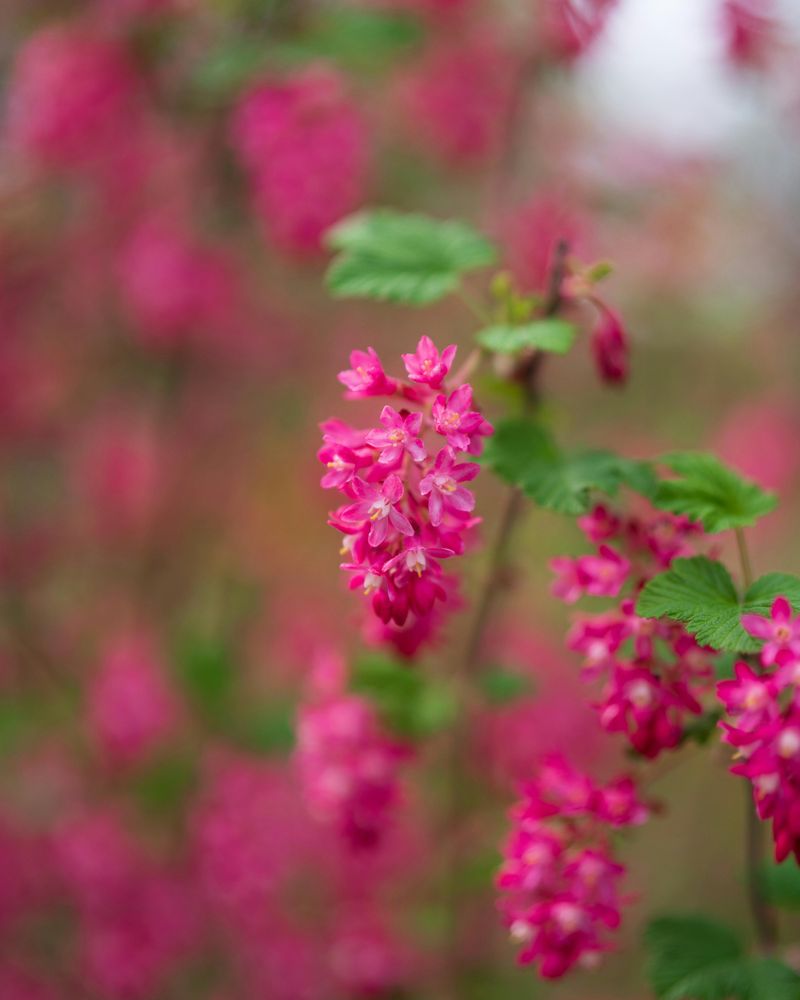
Every spring, red flowering currant puts on a show that stops people in their tracks.
Ribes sanguineum opens into long drooping clusters of deep pink to red flowers before most leaves have even opened.
Hummingbirds arrive almost immediately, hovering and darting between blooms like tiny jewels in motion.
Native to Pacific Northwest forests and hillsides, this shrub handles a wide range of conditions with impressive ease.
Sun or partial shade, dry summers, clay soil or sandy loam, it adapts without complaint.
Mature plants reach six to ten feet tall, making them excellent privacy screens or wildlife hedges.
After the flowers fade, small blue-black berries develop and disappear quickly because birds eat them almost as fast as they ripen.
The berries are technically edible for humans but taste bitter, so leave them for the wildlife.
Fall foliage turns warm shades of orange and red before the leaves drop, giving the shrub a final moment of glory.
Pruning after bloom keeps the plant tidy and encourages more flowers the following year.
New gardeners love it because it rewards minimal effort with maximum drama.
For a single shrub that feeds hummingbirds, supports songbirds, and decorates your yard across three seasons, red flowering currant is hard to beat.
6. Nootka Rose
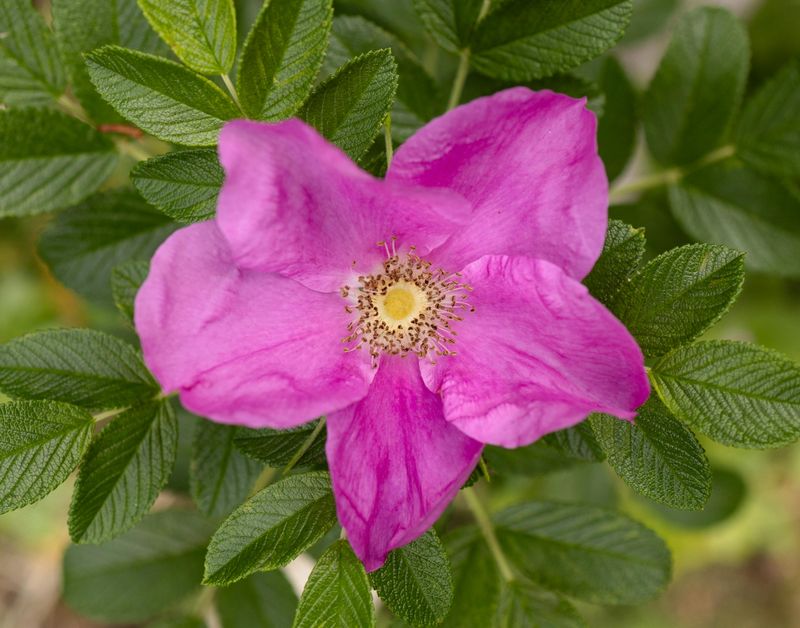
There is something deeply satisfying about a plant that looks wild and romantic while also being notably resilient once settled in.
Nootka rose, or Rosa nutkana, brings big soft-pink blooms to gardens from late spring through early summer.
The flowers carry a light, sweet fragrance that drifts across the yard on warm afternoons.
After blooming, Nootka rose develops large, round rose hips that turn brilliant red by fall.
Those hips are packed with vitamin C and are a critical food source for birds heading into winter.
Black bears, coyotes, and deer also snack on them, which gives your yard an unexpected connection to the wider food web.
This shrub spreads through suckers and can expand quite a bit over time. Give it a generous dedicated space, or plan to remove suckers regularly to keep it in check.
A sunny to partly shaded spot with decent drainage suits it perfectly.
It tolerates poor soil conditions that would frustrate most ornamental roses.
Unlike hybrid roses, Nootka rose requires no spraying, no special fertilizing, and no winter protection in most Washington climates.
Thorny stems create dense thickets that small birds use for nesting and shelter from hawks.
For a plant that looks like a cottage garden dream while functioning like a tough native, Nootka rose delivers every single season.
7. Vine Maple
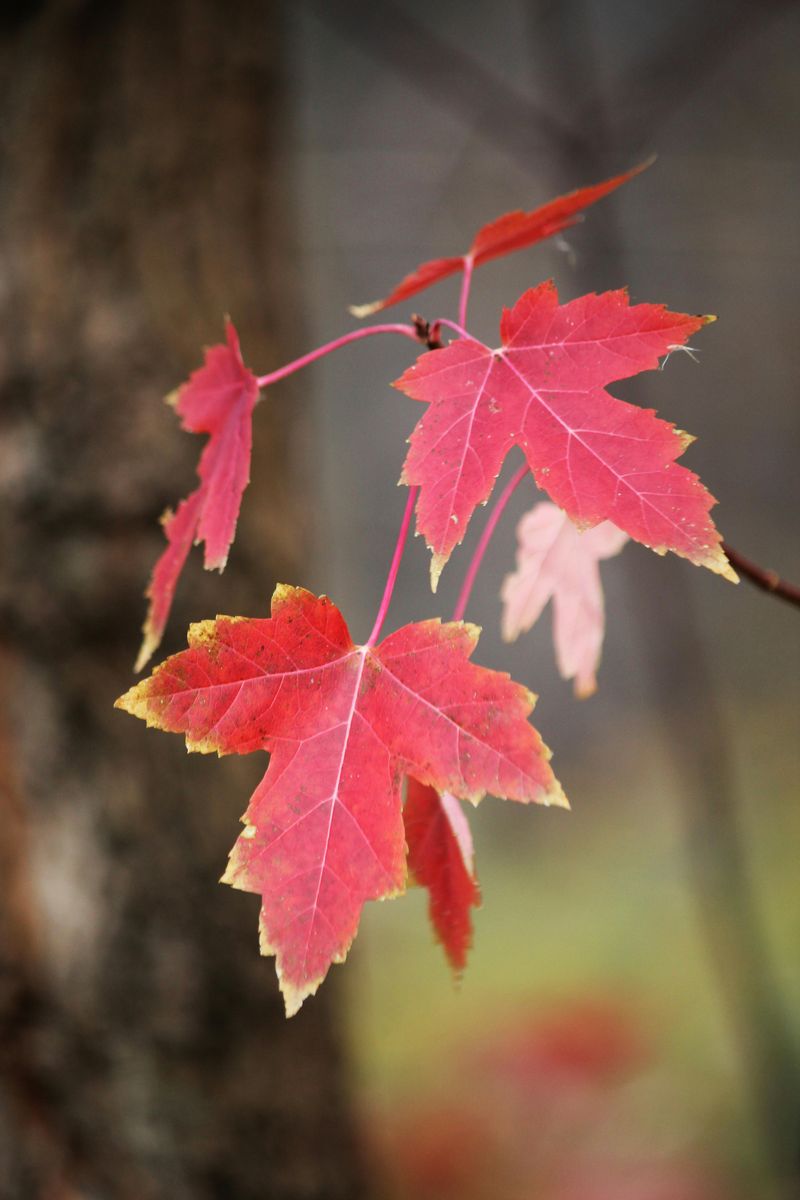
Vine maple might be the one of the more overlooked small trees in the Pacific Northwest.
Acer circinatum grows in graceful, arching clumps that look sculpted by nature rather than planted by a homeowner.
In fall, the leaves turn rich shades of orange, scarlet, and gold.
In shade, vine maple grows as a loose, spreading understory plant with a relaxed and layered appearance.
Give it more sun and the form tightens up, producing more brilliant fall color and a more upright shape.
Either way, the result is a plant that looks intentional and polished without requiring constant attention.
Spring brings small clusters of white and red flowers that are easy to miss but quietly charming up close.
Winged seeds follow, spinning down to the ground like tiny helicopters in late summer.
Wildlife uses vine maple for cover, nesting, and food in ways that make it a genuine ecological anchor in any yard.
Plant it as a specimen tree, a woodland edge planting, or even a large informal screen.
Water it through the first two summers, then step back and enjoy the show.
Among Washington native plants, few offer this combination of four-season beauty, structural interest, and genuine wildlife value in such an approachable size.
8. Serviceberry
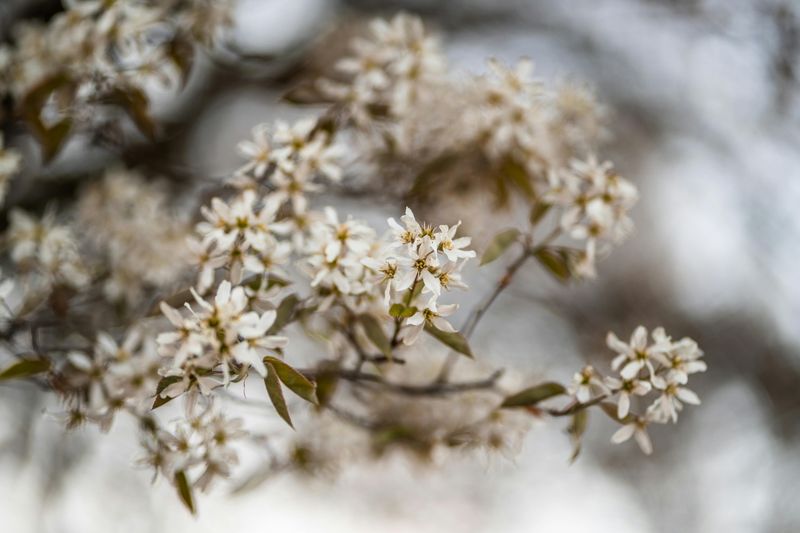
Serviceberry does not wait for winter’s permission. It blooms early, boldly, and sometimes with a light dusting of snow on its white flower clusters just to prove a point.
Amelanchier alnifolia, also called saskatoon or juneberry, is one of the first native shrubs to wake up after winter.
That early bloom makes it a lifeline for native bees and pollinators emerging on the first warm days of the year.
By early summer, the flowers give way to clusters of sweet blue-purple berries that taste somewhere between a blueberry and an apple.
Birds discover them almost instantly and compete fiercely for every ripe fruit.
If you want any for yourself, you need to act fast because robins, cedar waxwings, and thrushes are very eager competitors.
Serviceberry grows as a large shrub or small multi-stemmed tree, typically reaching eight to fifteen feet tall.
Fall color ranges from soft yellow to deep orange-red depending on the individual plant and growing conditions.
The smooth gray bark looks elegant even in winter when branches are bare.
Plant in full sun to partial shade in well-drained soil for best results.
Minimal pruning keeps the shape tidy without sacrificing next year’s berry crop.
Among Washington native plants, serviceberry stands out as a true four-season performer that feeds your yard’s wildlife from the very first week of spring.