Washington’s Fern Gardens Are A Hidden Paradise For Hikers And Plant Lovers
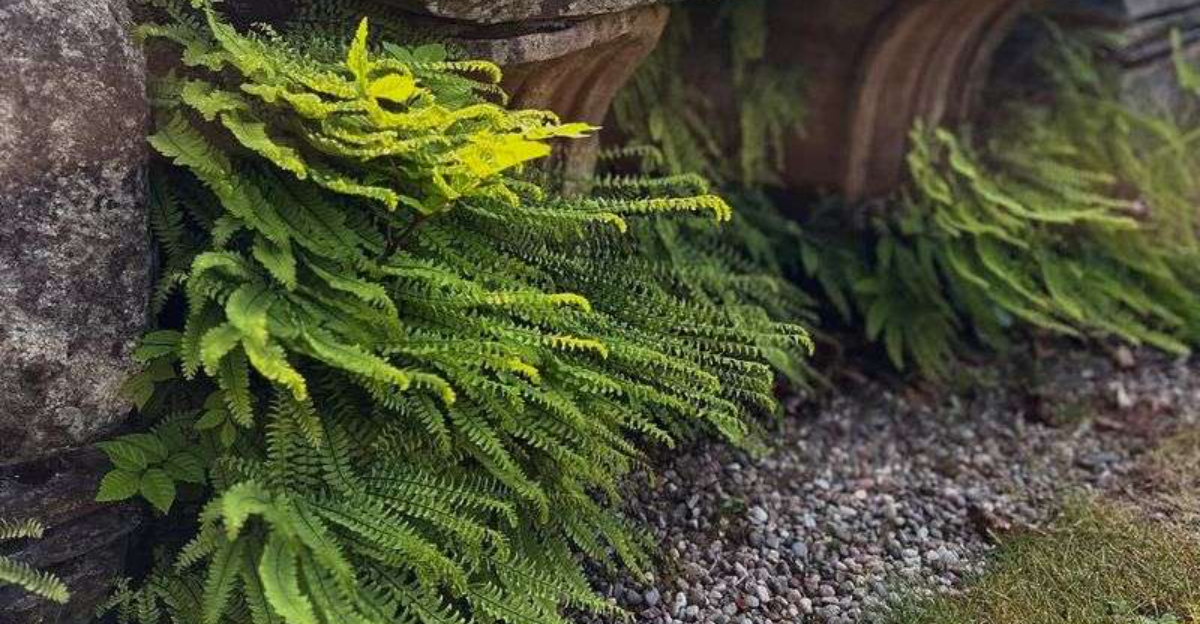
Washington State offers countless natural wonders, but few places capture the magic of the Pacific Northwest quite like its fern gardens.
These lush, green sanctuaries feel almost otherworldly, inviting visitors into cool, shaded groves where delicate fronds unfurl beneath towering evergreens.
Along these emerald trails, hikers can enjoy peaceful moments surrounded by the soft rustle of foliage, while plant enthusiasts can marvel at the diversity of fern species thriving in their natural habitat.
Whether you’re seeking a quiet afternoon walk, a scenic photography spot, or hoping to expand your botanical knowledge, Washington’s fern gardens deliver an unforgettable experience.
One that leaves you refreshed, inspired, and eager to return to the serenity of these enchanting forest hideaways.
Incredible Biodiversity In One Location
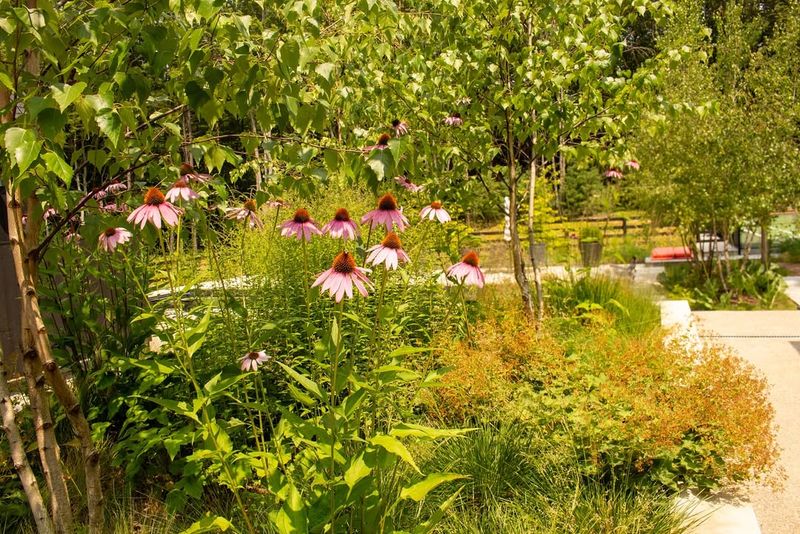
Walking through Washington’s fern gardens feels like stepping into a living museum of plant evolution.
Over thirty different fern species call these gardens home, ranging from delicate maidenhair ferns to massive sword ferns that can reach five feet tall.
Each species has adapted to specific microclimates within the gardens, creating distinct zones that showcase nature’s amazing ability to diversify and specialize.
Botanists and casual visitors alike appreciate how these gardens concentrate so many varieties in accessible locations.
You won’t need to trek miles into the backcountry to see rare specimens—many trails bring you face-to-face with ferns you’d otherwise spend hours searching for in the wild.
The gardens serve as outdoor classrooms where identification becomes easier because related species grow near each other for comparison.
Spring brings fresh fiddleheads unfurling in bright green spirals, while autumn displays mature fronds in deeper forest tones.
Photographers love capturing the textural contrasts between feathery lady ferns and the bold, architectural sword ferns.
Families find these gardens particularly educational, as children can observe how different ferns respond to varying amounts of moisture and light.
The concentration of biodiversity makes every visit a new discovery, with seasonal changes revealing different aspects of each species throughout the year.
Year-Round Accessibility For All Skill Levels
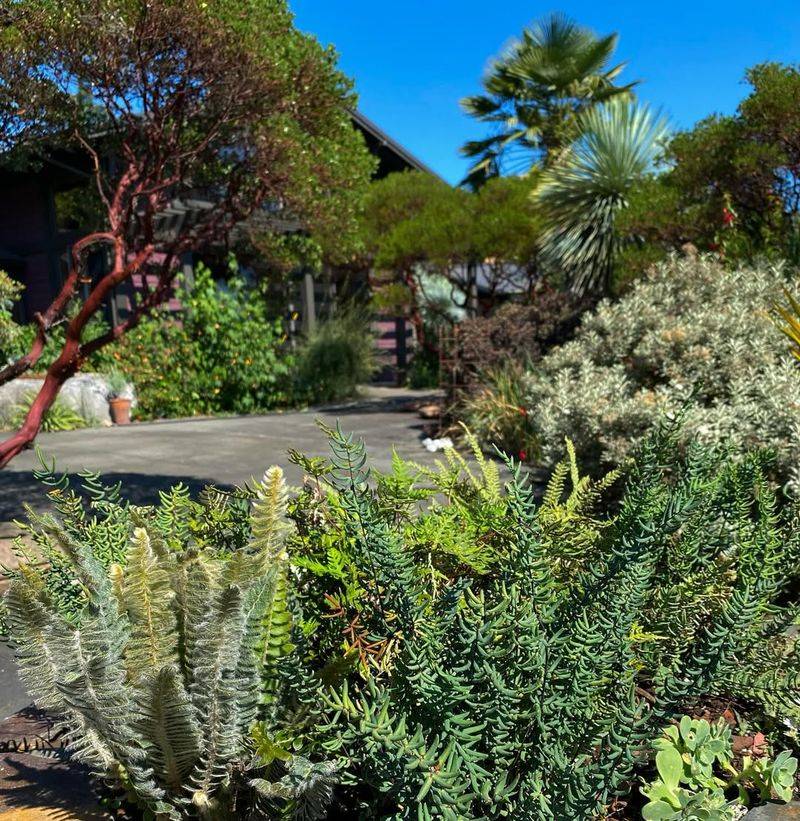
Unlike many wilderness areas that close during winter or require advanced hiking skills, Washington’s fern gardens welcome visitors throughout all seasons.
Well-maintained trails with gentle grades make these locations perfect for families with young children, older adults, and anyone who prefers a leisurely pace.
Many pathways feature boardwalks or packed gravel surfaces that remain navigable even after rainfall.
The evergreen nature of many fern species means the gardens maintain their verdant beauty even when deciduous forests look bare.
Winter visits offer a special kind of tranquility, with fewer crowds and the soft sound of rain on fronds creating a meditative atmosphere.
The mild Pacific Northwest winters rarely bring harsh conditions that would make trails dangerous or unpleasant.
Trail distances typically range from half-mile loops to three-mile circuits, giving visitors options based on their energy levels and available time.
Clear signage helps newcomers navigate confidently, while benches positioned at scenic viewpoints invite rest and contemplation.
Accessibility features at many gardens include parking areas close to trailheads and restroom facilities that meet modern standards.
This inclusivity means that plant appreciation isn’t limited to experienced outdoors enthusiasts—anyone with curiosity about ferns can explore these spaces comfortably and safely, making botanical education truly democratic and welcoming to all.
Microclimate Magic Creates Perfect Growing Conditions
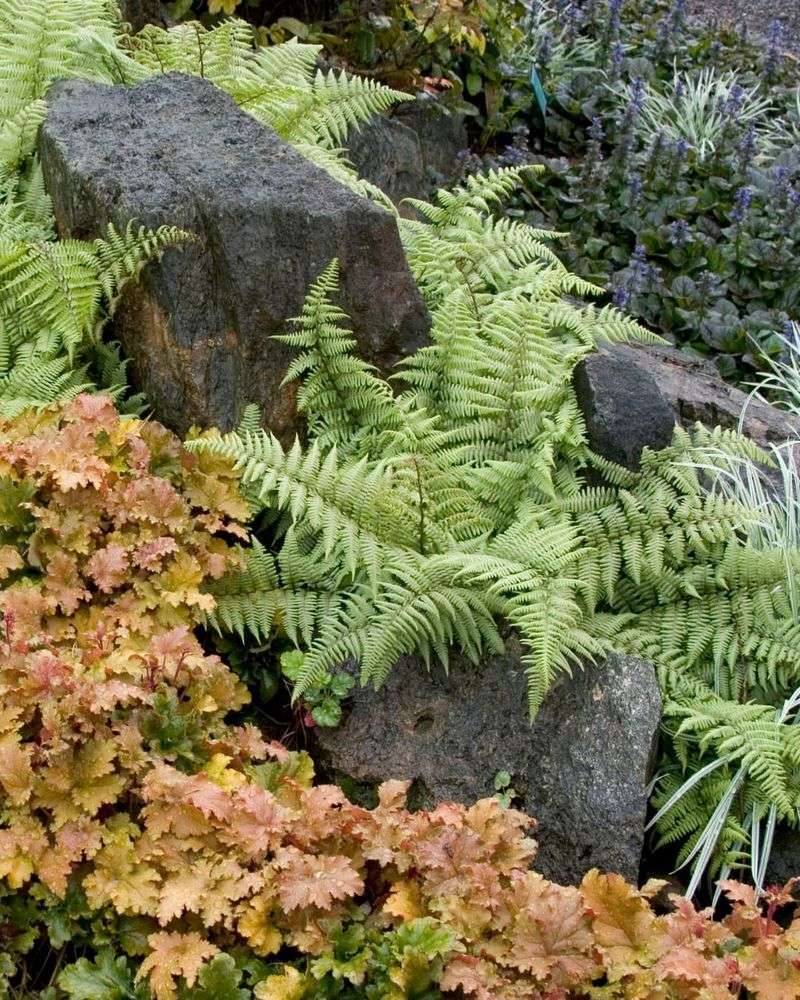
Washington’s unique geography creates pockets of ideal conditions that ferns absolutely adore.
The combination of coastal moisture, forested canopies, and volcanic soil produces microclimates where humidity stays consistently high and temperatures remain moderate.
These factors mimic the ancient environments where ferns first evolved millions of years ago.
Canyon walls and stream valleys trap moisture and create natural greenhouses that protect delicate species from harsh winds and temperature extremes.
Morning fog rolls through the gardens, coating every frond with tiny water droplets that shimmer when sunlight filters through the canopy.
This natural irrigation system means ferns receive consistent moisture without the soil becoming waterlogged.
Volcanic ash weathered over thousands of years has created nutrient-rich soil with excellent drainage properties.
The slightly acidic pH suits ferns perfectly, while the soil’s ability to retain moisture without compacting gives roots room to spread and anchor properly.
Tall Douglas firs and western hemlocks provide dappled shade that prevents direct sun from scorching tender fronds.
Plant enthusiasts visiting from drier climates often express amazement at how lush and healthy these ferns appear compared to cultivated specimens in gardens elsewhere.
Understanding these microclimate conditions helps gardeners replicate similar environments at home, though few places naturally offer such perfect combinations of moisture, shade, and soil quality.
Educational Signage Enhances Every Visit
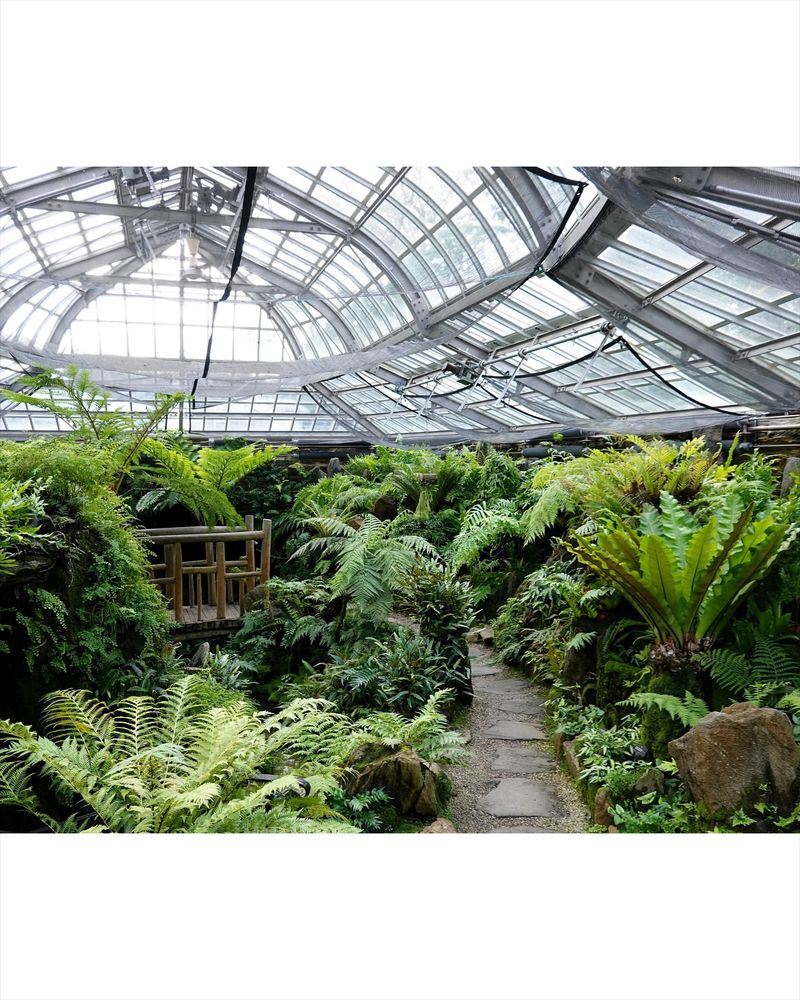
Learning about ferns becomes effortless when expert knowledge appears right beside the plants themselves.
Washington’s fern gardens feature thoughtfully designed interpretive signs that identify species, explain their ecological roles, and share fascinating botanical facts.
These educational tools transform casual walks into enriching experiences that deepen appreciation for these ancient plants.
Signs typically include both common and scientific names, helping visitors build their botanical vocabulary gradually.
Illustrations showing frond patterns, spore arrangements, and growth habits aid in identification skills that visitors can apply on future hikes elsewhere.
Some gardens organize signs by family groups, demonstrating how different ferns relate to each other evolutionarily.
Children particularly enjoy the treasure-hunt aspect of matching actual plants to their descriptions and pictures.
Many signs pose questions that encourage closer observation—asking visitors to count leaflets, examine stem colors, or notice where spores cluster on frond undersides.
This interactive approach makes learning active rather than passive.
Seasonal information alerts visitors to the best times for seeing fiddleheads emerge or spores mature.
QR codes on some newer signs link to audio guides or additional online resources for those wanting deeper information.
The combination of physical signage and digital enhancement accommodates different learning styles.
Garden volunteers often update signs to reflect new research or correct outdated information, ensuring accuracy and relevance for serious students of botany.
Peaceful Atmosphere Provides Mental Health Benefits
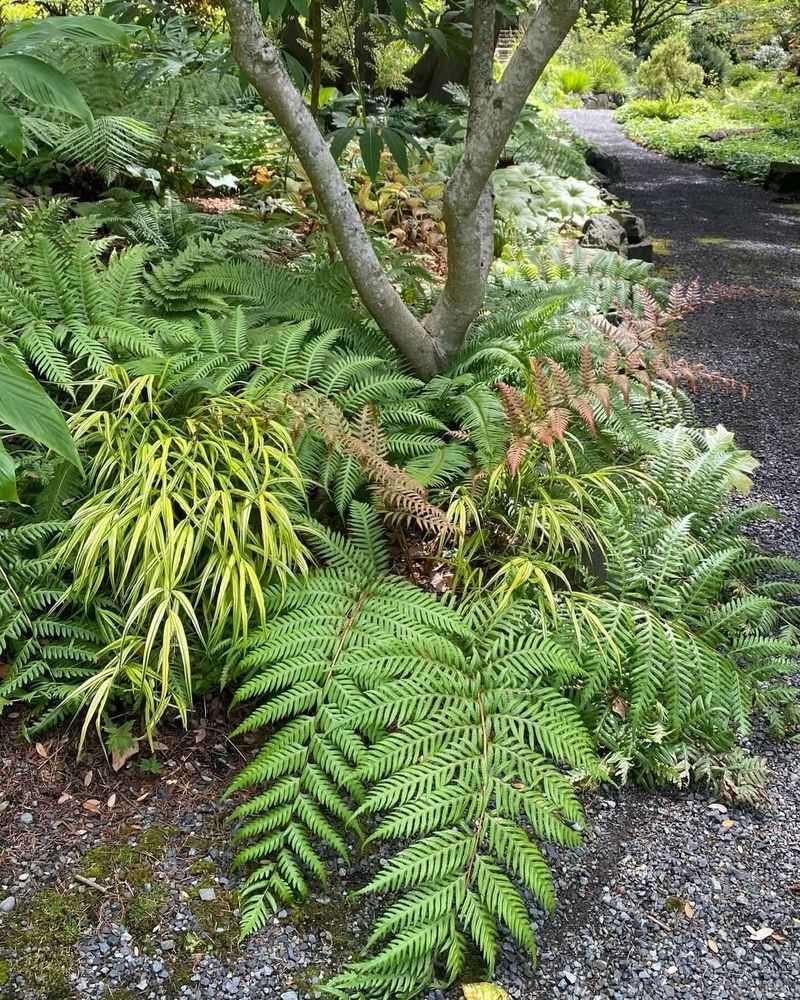
Something profound happens when you slow down and immerse yourself in the quiet greenness of a fern garden.
Research consistently shows that time spent in nature reduces stress hormones, lowers blood pressure, and improves overall mood.
The particular qualities of fern gardens—their soft textures, muted colors, and gentle rustling sounds—create especially calming environments.
Unlike flower gardens that demand attention with bright colors and strong fragrances, fern gardens offer subtle beauty that soothes rather than stimulates.
The predominance of green shades gives eyes a rest from the visual noise of daily life, while the lack of thorns or aggressive plants creates spaces where you can relax completely without watching your step constantly.
Many visitors describe feeling their shoulders drop and breathing deepen within minutes of entering these gardens.
The repetitive patterns of fronds—each one similar yet unique—provide visual interest without overwhelming the senses.
Psychologists recognize this type of pattern as particularly restful to observe.
Bird songs and trickling water often provide the only sounds, replacing the mechanical noises of urban environments.
Some people practice forest bathing or mindfulness meditation in these settings, finding the fern gardens ideal for such practices.
Others simply sit on benches and let their minds wander without agenda or schedule.
Regular visitors often report that their garden walks help them process emotions, gain perspective on problems, and return to daily life feeling refreshed and centered.
Photography Opportunities Abound In Every Season
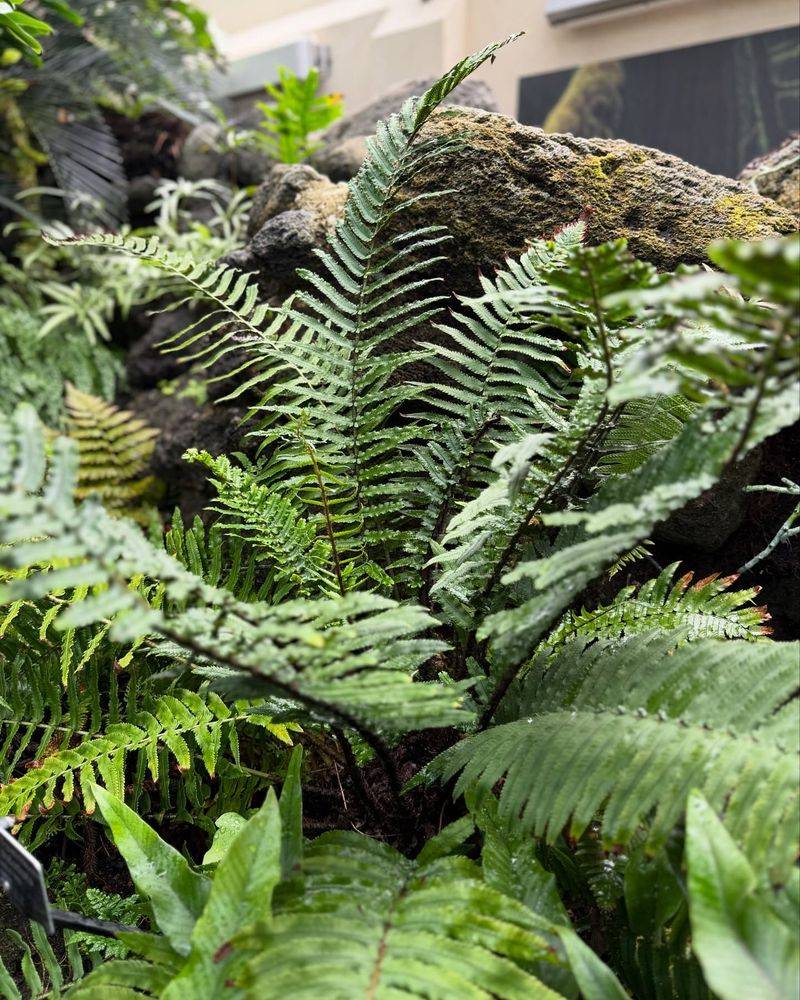
Camera enthusiasts find endless inspiration in the intricate patterns and varied textures that fern gardens provide.
From sweeping landscape shots of entire hillsides carpeted in green to intimate macro images of individual pinnae, these gardens reward photographers at every skill level.
The soft, diffused light filtering through forest canopies creates ideal conditions for capturing rich colors without harsh shadows.
Spring offers dramatic opportunities when fiddleheads emerge in tight coils, their fuzzy scales catching morning dew in sparkling displays.
Photographers race to capture these fleeting stages before fronds unfurl completely.
The bright lime-green of new growth contrasts beautifully against the darker mature fronds surrounding them.
Autumn brings warmer tones as some fern species shift toward bronze and gold before winter.
Evergreen sword ferns maintain their color, creating interesting juxtapositions with changing deciduous plants nearby.
Fallen leaves scattered across fern fronds add compositional elements that enhance visual storytelling.
Rain creates especially magical conditions, with water droplets clinging to fronds and creating natural reflections.
Mist rising from streams adds atmospheric depth to images.
Many photographers visit specifically after rainfall to capture these ephemeral moments.
The repetitive nature of fern fronds creates natural leading lines and patterns that strengthen photographic compositions.
Whether shooting with professional equipment or smartphones, visitors consistently capture images that convey the gardens’ peaceful beauty and inspire others to visit.
Wildlife Habitat Supporting Diverse Ecosystems
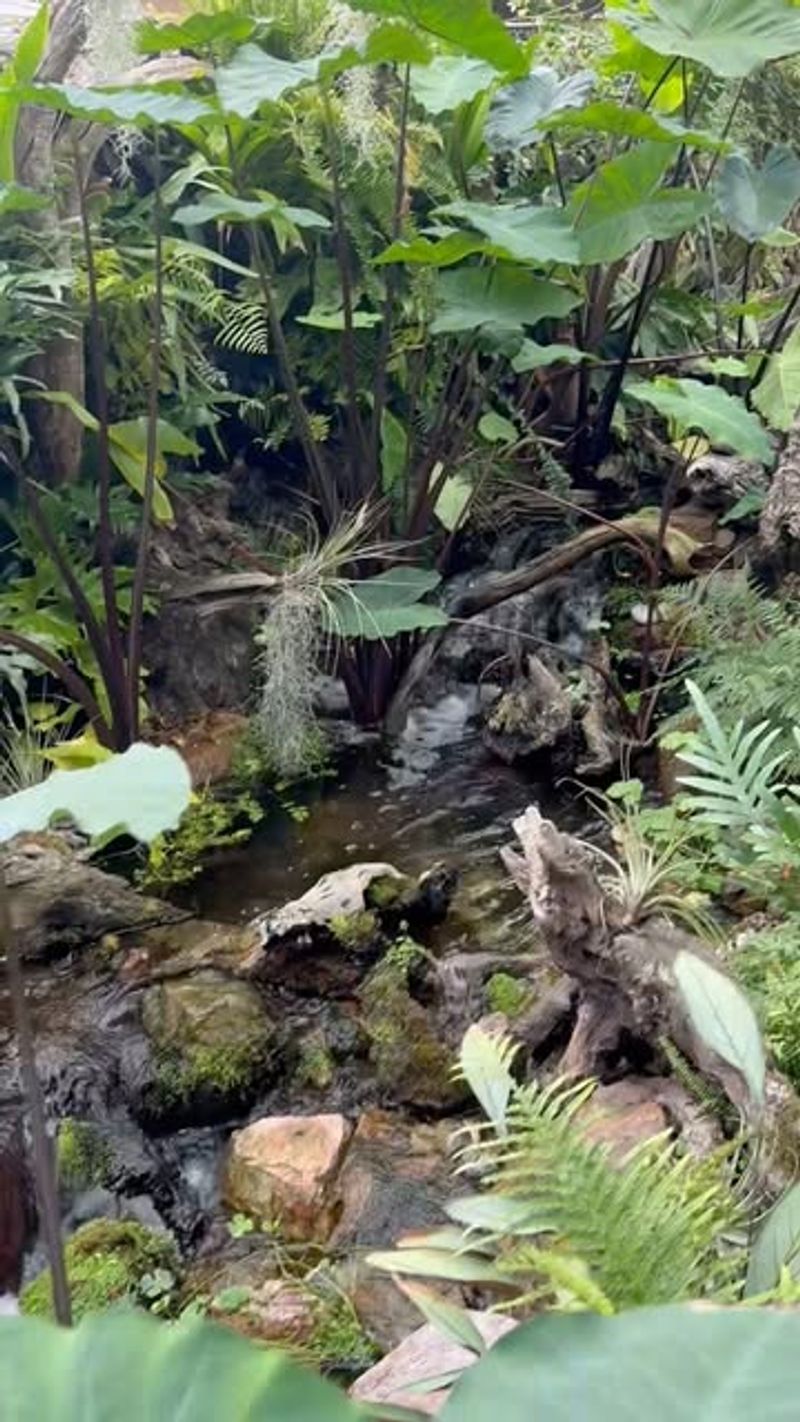
Fern gardens function as much more than plant displays—they serve as vital habitat for countless creatures.
Salamanders find shelter under the moist fronds, while insects feed on spores and decomposing plant material.
Birds nest in the surrounding trees and forage among the ferns for invertebrates, creating a complex food web that demonstrates ecological interconnection.
Banana slugs glide across fronds at night, leaving silvery trails that glisten in morning light.
These native mollusks play important roles in nutrient cycling by consuming plant material and distributing spores.
Their bright yellow color against green ferns delights children and reminds visitors that gardens support life beyond just plants.
Pacific tree frogs call from hidden perches during spring breeding season, their distinctive sounds adding an auditory dimension to garden visits.
The moist conditions ferns require also suit amphibians perfectly, making these gardens important refuges as wetlands elsewhere face development pressure.
Observant visitors might spot rough-skinned newts moving slowly through leaf litter.
Insects including beetles, springtails, and various flies depend on ferns for food and reproduction sites.
Some species have evolved specific relationships with particular fern types, demonstrating the specialization that develops over evolutionary time.
These insects in turn support larger predators like spiders and birds.
Watching these ecological relationships unfold teaches visitors about biodiversity in ways that textbooks cannot match, making conservation feel personal and urgent rather than abstract.
Ancient Plant Lineage Connects To Earth’s History
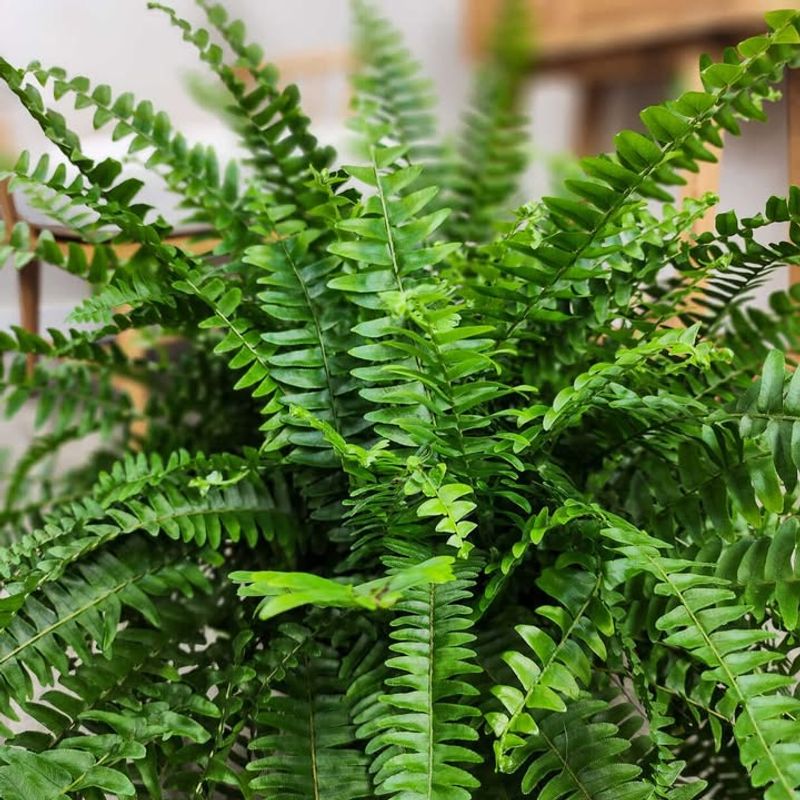
Standing among ferns means standing among some of Earth’s oldest surviving plant lineages.
Ferns appeared roughly 360 million years ago, long before flowering plants evolved.
They dominated landscapes when dinosaurs roamed, and their basic structure has remained remarkably unchanged because it works so effectively.
This deep history gives fern gardens an almost mystical quality—you’re observing living links to ancient worlds.
The reproductive strategy ferns use, releasing spores rather than producing seeds, represents an earlier evolutionary innovation.
Examining the brown dots (sori) on frond undersides reveals thousands of microscopic spores ready to disperse on wind currents, exactly as their ancestors did millions of years ago.
Some fern species in Washington’s gardens belong to groups that existed before the continents reached their current positions.
Their distribution patterns help scientists understand how landmasses once connected and later separated.
This biogeographic evidence written in plant distributions fascinates anyone interested in Earth’s dynamic history.
Children especially love learning that they’re seeing plants similar to those that shaded dinosaurs.
This connection to deep time makes history tangible in ways that fossils in museums cannot quite achieve.
Teachers frequently bring classes to fern gardens for lessons that integrate botany, geology, and paleontology.
The resilience ferns have shown—surviving mass extinctions and dramatic climate changes—offers perspective on adaptation and persistence that feels relevant to contemporary environmental challenges facing all species today.
Inspiration For Home Gardeners And Landscapers
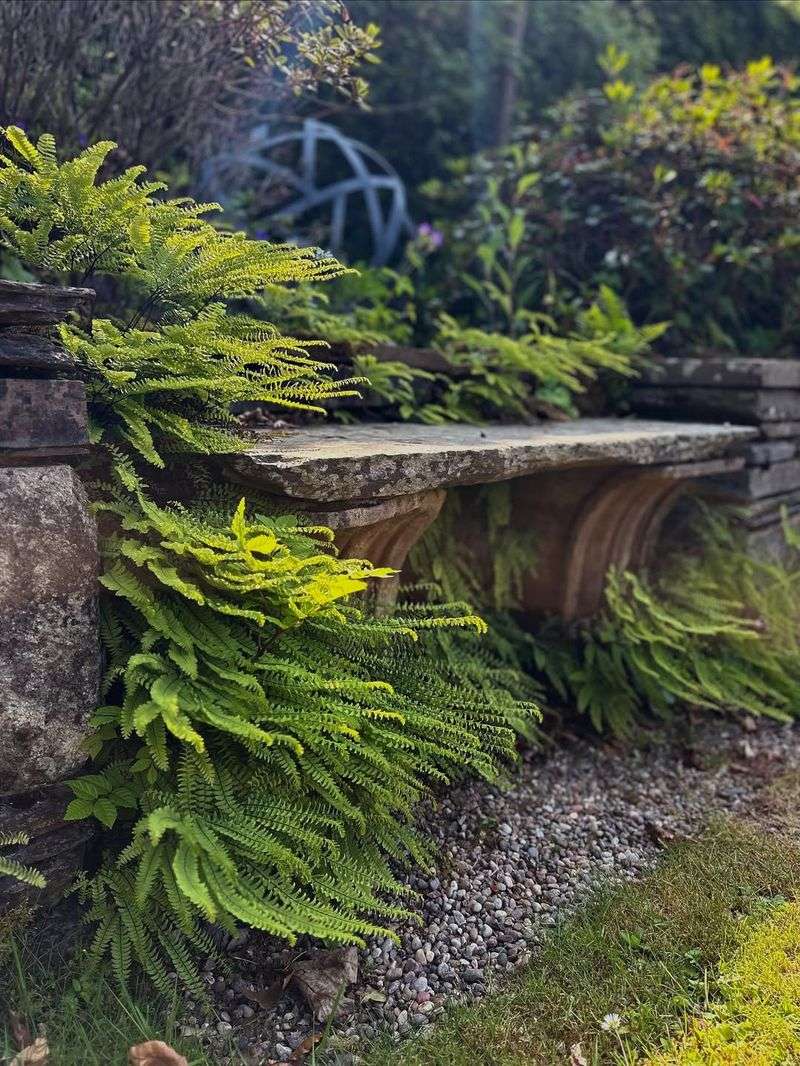
Visiting these gardens sparks countless ideas for incorporating ferns into residential landscapes and personal garden projects.
Seeing how different species combine in nature helps gardeners understand which ferns work well together and what conditions each type needs.
Many visitors photograph plant combinations and spatial arrangements to recreate at home.
The gardens demonstrate that ferns offer year-round interest without requiring the constant maintenance that perennial flower beds demand.
Once established in appropriate conditions, most ferns thrive with minimal intervention—no fertilizing schedules, pruning regimens, or pest control measures.
This low-maintenance quality appeals to busy homeowners wanting attractive landscapes without weekend-consuming upkeep.
Shade gardens present challenges for many gardeners, but ferns excel in exactly these difficult spots.
Observing how Washington’s fern gardens transform shady areas into lush showcases inspires solutions for those problematic north-facing yards or areas under dense tree canopies.
The variety of textures and heights available among fern species allows for sophisticated design despite limited sunlight.
Native plant enthusiasts appreciate learning which ferns naturally occur in the Pacific Northwest and therefore adapt most readily to local conditions.
Using native species supports local ecosystems while reducing water consumption and maintenance needs.
Garden staff often provide lists of native ferns suitable for home cultivation.
Landscape professionals study these gardens to understand plant communities and drainage patterns, knowledge that improves their commercial and residential projects throughout the region.
Community Gathering Spaces For Plant Enthusiasts
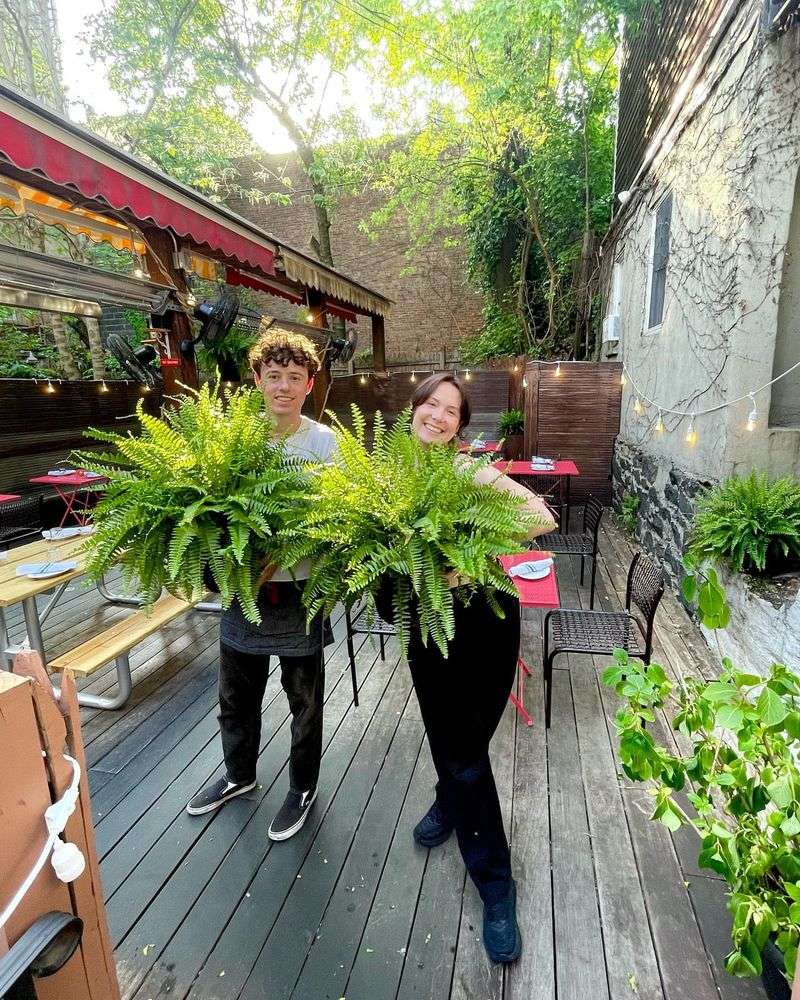
Beyond their botanical value, fern gardens serve as meeting places where people passionate about plants can connect and share knowledge.
Many gardens host regular events including guided walks, identification workshops, and seasonal celebrations that build community among visitors.
These gatherings transform solitary nature appreciation into social experiences that deepen through shared enthusiasm.
Garden clubs and native plant societies frequently organize field trips to fern gardens, where members learn from each other’s expertise.
Experienced botanists point out subtle identification features while newcomers ask questions that keep everyone engaged and learning.
The informal atmosphere encourages conversations that might not happen in more structured classroom settings.
Volunteer opportunities attract people wanting hands-on involvement in conservation and education efforts.
Trail maintenance days, invasive species removal projects, and signage installation activities give volunteers meaningful ways to contribute while spending time in beautiful surroundings.
Many lasting friendships form through these collaborative efforts.
Social media groups dedicated to Washington’s fern gardens allow virtual community building between visits.
Members share photographs, ask identification questions, report on current trail conditions, and coordinate meetups.
This online extension of the physical gardens keeps enthusiasm alive and helps newcomers feel welcomed before their first visit.
Families discover that garden visits provide screen-free quality time where conversations flow naturally while walking trails together.
The gardens’ peaceful atmosphere encourages the kind of unhurried interaction that builds relationships and creates lasting memories across generations.
Conservation Education Promotes Environmental Stewardship
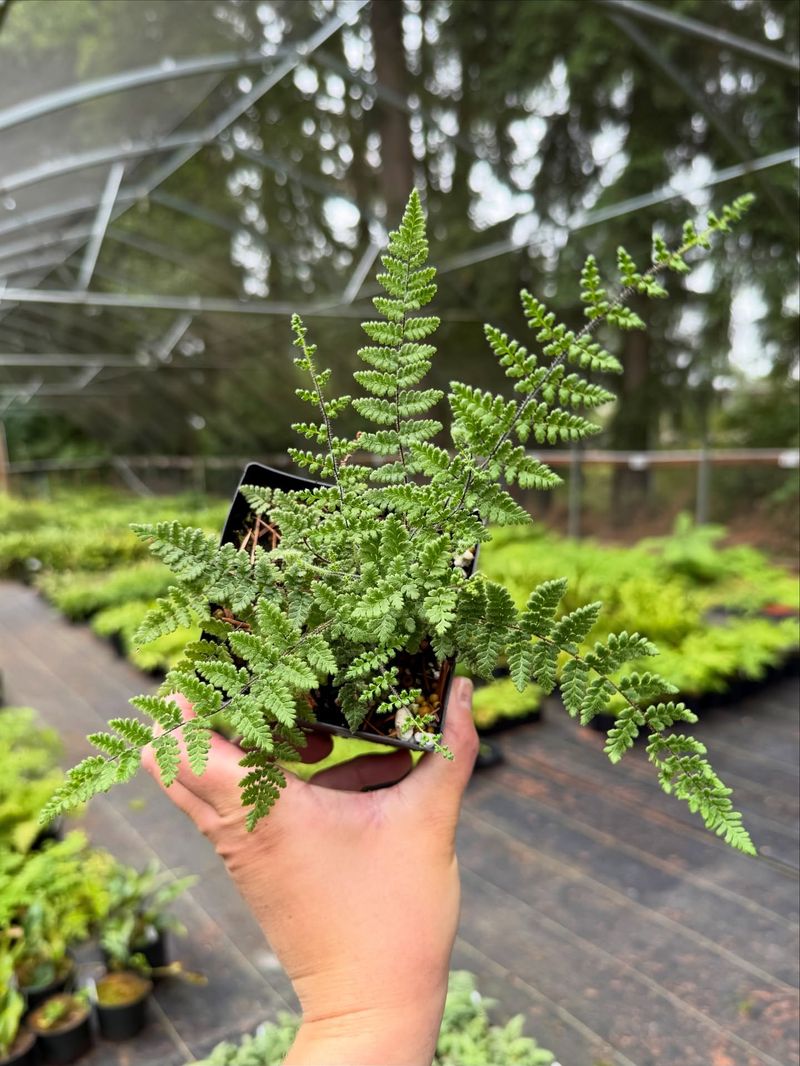
Experiencing the beauty of fern gardens naturally leads visitors toward caring about conservation of natural habitats.
These gardens function as outdoor classrooms where people learn why preserving native ecosystems matters and what actions individuals can take to help.
This experiential education proves more effective than abstract environmental messages.
Signs throughout the gardens explain threats facing native ferns, including habitat loss, invasive species competition, and climate change impacts.
Rather than feeling overwhelming, this information empowers visitors by suggesting concrete actions like planting natives at home, avoiding pesticide use, and supporting land conservation organizations.
People leave feeling motivated rather than discouraged.
Some gardens include restoration areas where visitors can observe recovery processes after invasive species removal or trail rerouting.
These living examples demonstrate that positive change is possible when communities commit to environmental healing.
Watching native plants reclaim disturbed areas provides hope and inspiration.
Children’s programs teach the next generation about ecosystem interconnections and their role as future environmental stewards.
Hands-on activities like spore observation under microscopes or fern identification games make conservation education engaging rather than preachy.
Young people who develop emotional connections to nature typically maintain pro-environmental attitudes into adulthood.
The gardens model sustainable practices including rainwater harvesting, minimal intervention management, and habitat corridors that connect protected areas.
Visitors see these principles in action and gain understanding of how conservation works practically rather than just theoretically, building literacy that supports informed environmental decision-making.