Washington’s New 2026 Composting Rules Every Gardener Needs To Know

Washington State is rolling out ambitious new composting rules that will reshape how residents handle organic waste beginning in 2026.
For gardeners, these changes bring not only fresh opportunities to improve soil health and reduce waste, but also a few important adjustments to everyday routines.
As statewide goals shift toward sustainability and methane reduction, both home composters and those who rely on municipal services will see clearer guidelines, expanded collection options, and stricter sorting requirements.
Understanding these updated regulations now ensures you’ll stay ahead of the transition, avoid contamination issues, and take advantage of the higher-quality compost entering the market.
Let’s take a closer look at what these new rules mean for Washington gardeners—and how you can turn them into practical benefits for your landscape.
The 2022 Organics Management Law Fundamentals
Washington’s 2022 Organics Management Law represents a sweeping shift in how the state handles food scraps, yard trimmings, and other biodegradable materials.
Instead of sending organics to landfills—where they produce methane—the law pushes cities, counties, and businesses toward composting and recovery systems.
For homeowners with gardens, this means your kitchen scraps and yard materials will have clearer and more consistent pathways to become compost rather than waste.
The law phases in from 2022 through 2029, giving each community time to build the collection, transportation, and processing systems needed.
Local governments must expand organics collection programs when feasible, large food-generating businesses face new diversion requirements beginning in 2024, and residents will gradually see broader access to curbside organics options as programs develop.
Gardeners benefit because more organic material will be processed into locally produced compost—often available for purchase through local retailers or distributed at community events.
This gradual statewide build-out ensures infrastructure such as composting facilities, transfer stations, collection trucks, and education programs can scale responsibly.
For your garden, expect clearer rules about what belongs in your organics bin, more consistent collection options, and increasing access to high-quality compost that supports soil health.
These fundamentals help you plan ahead—whether enhancing your home compost system or preparing to use expanded municipal services.
Washington’s commitment to organics management ultimately opens new doors for more sustainable gardening across the state.
Mandatory Yard Waste Separation Starting 2027
Beginning in 2027, many Washington jurisdictions will expand their organics collection programs, but yard waste separation will not be automatically mandatory statewide.
Instead, the requirement depends on whether a city or county has established the infrastructure to collect yard debris efficiently.
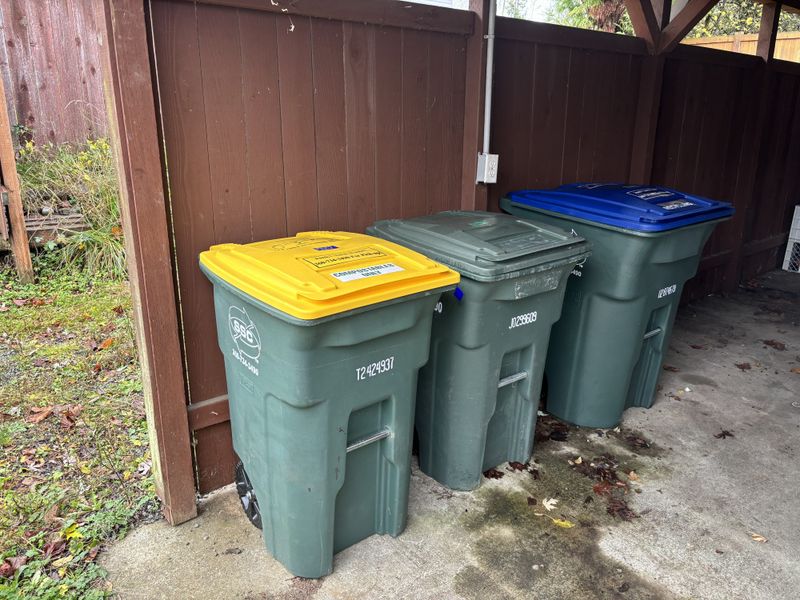
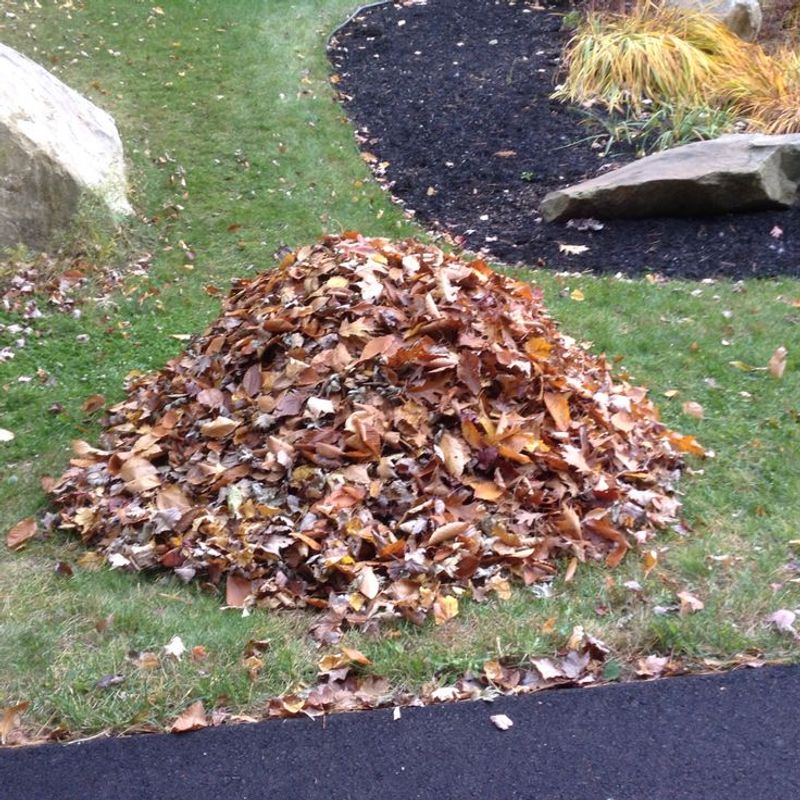
Where implemented, residents will be asked to separate leaves, grass, branches, and plant trimmings into designated organics containers so they can be composted instead of landfilled.
For gardeners, this expansion simplifies seasonal cleanups and reduces confusion about what to do with large amounts of trimmings from pruning, mowing, or fall leaf drop.
The standardized collection makes it easier to dispose of yard waste while ensuring it becomes beneficial compost rather than methane-producing landfill material.
If you already maintain a home garden, you’re likely to generate significant yard debris throughout the year.
Your local program may offer weekly or bi-weekly pickup depending on demand and facility capacity.
Some counties will allow exemptions for residents who compost all yard debris at home.
If you prefer DIY composting, check with your local solid waste authority to see whether registration is required.
Regardless of jurisdiction, the 2027 expansion ensures more yard waste across the state is recycled into valuable soil amendments rather than wasted—a win for gardeners and the environment.
Which Organic Materials Are Covered Under The Rules
Washington’s new organics regulations define “organic materials” broadly, but each local program—not the state—decides what it can accept based on its composting or digestion facilities.
While some areas accept only plant-based kitchen scraps and yard debris, others may accept meat, dairy, and certified compostable paper products when facilities are equipped to process them safely.
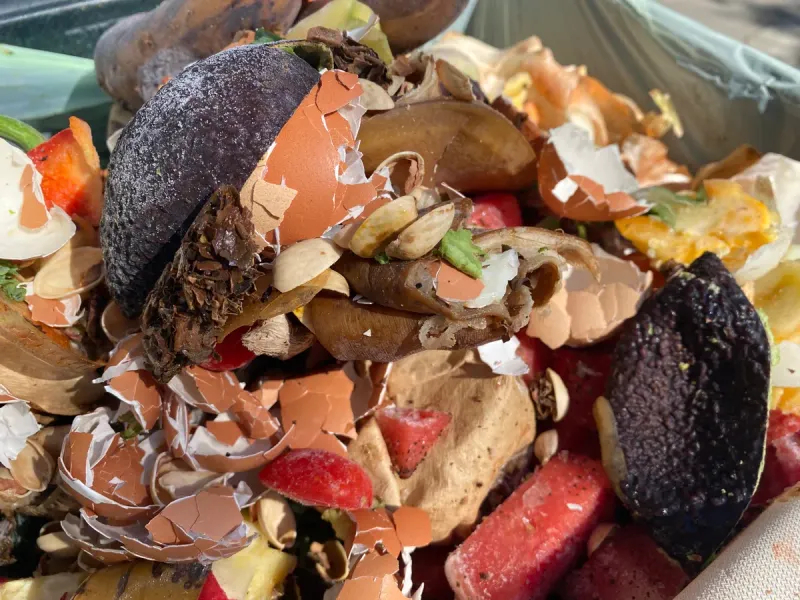
Commonly accepted items include fruit and vegetable scraps, coffee grounds, tea bags, eggshells, yard clippings, leaves, weeds, and branches.
However, acceptance of compostable paper, food-soiled paper, certified compostable packaging, and animal products varies widely between jurisdictions.
Wood waste is included under the law, but only untreated wood—such as raw lumber scraps, sawdust, or wood chips—is acceptable in organics systems.
Painted, stained, or pressure-treated wood must stay out because chemicals can contaminate finished compost.
Gardeners should follow their local hauler’s rules to keep the compost stream clean.
Contaminants—especially plastics, twist ties, produce stickers, coated paper, and synthetic garden materials—lead to rejected loads or expensive reprocessing, delaying compost availability.
Sorting correctly supports the entire composting chain, from collection crews to processing facilities to gardeners buying nutrient-rich compost for their beds.
Addressing Compost Contamination Through 2025-2026 Rulemaking
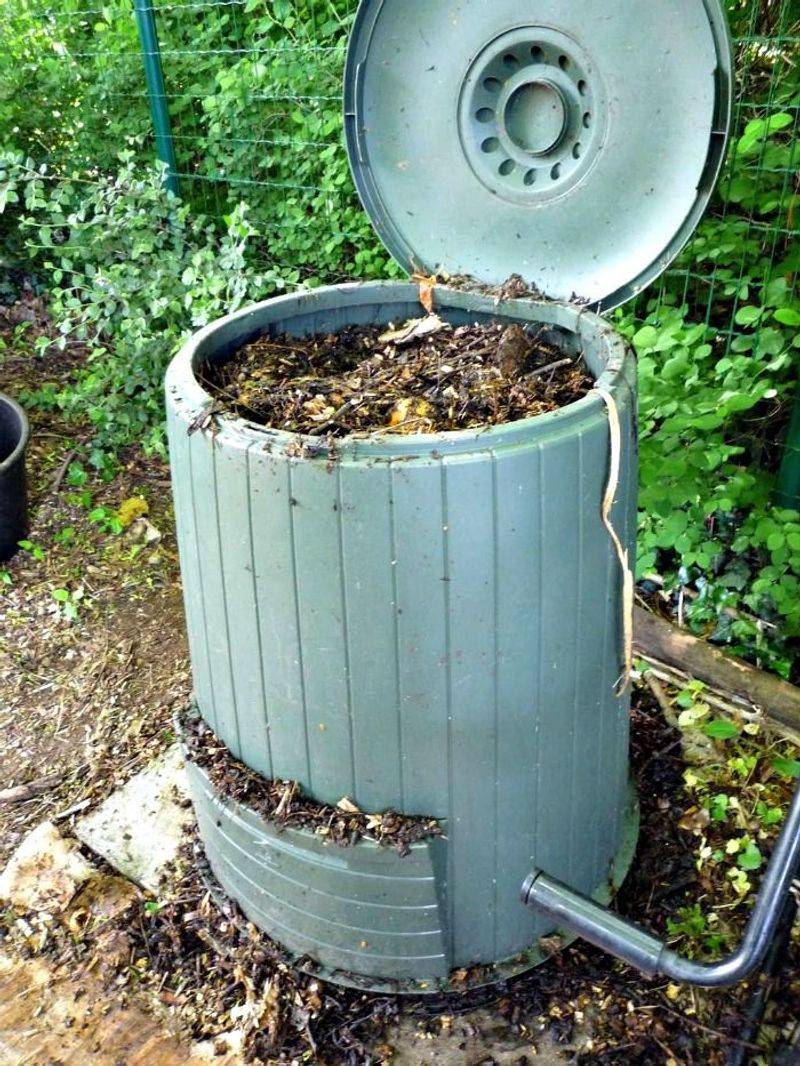
These rules will clarify acceptable feedstocks, standardize contamination thresholds, and create more consistent compost quality requirements statewide.
Plastic bags, packaging, utensils, and non-compostable materials frequently end up in organics bins, jeopardizing entire batches of compost.
Even small amounts of contamination can render finished compost unsuitable for gardening or agricultural use.
The new rulemaking will empower facilities to enforce stricter acceptance standards, reject contaminated loads, and strengthen education efforts.
For gardeners, these changes mean cleaner, safer compost and more confidence in the materials added to your soil.
Because many residents mistakenly assume “biodegradable” plastics or food-soiled containers are always safe for composting, education is central to the strategy.
Gardeners can help by learning their local program’s rules, removing produce stickers, avoiding compostable-labeled plastics unless specifically accepted, and keeping non-organic materials out of the bin.
Supporting contamination-reduction efforts directly improves the quality of compost available across Washington—benefiting home gardens, farms, and natural ecosystems.
Home Composting Versus Municipal Services: What To Consider
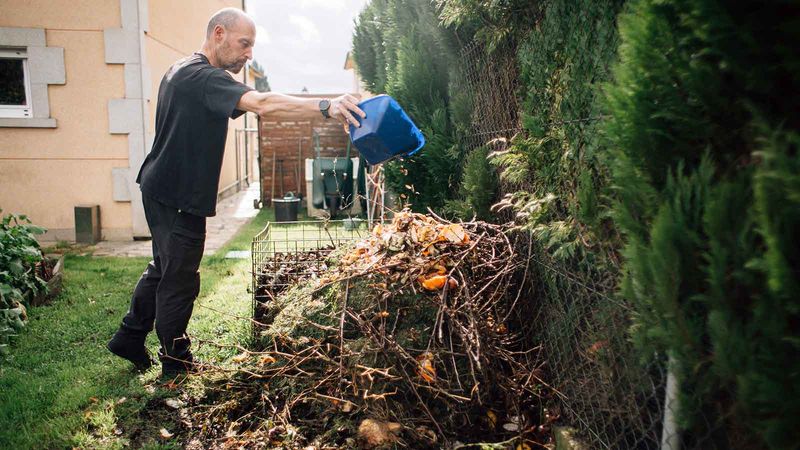
Washington’s expanded organics-management law gives gardeners a choice between composting at home or using municipal food-and-yard-waste collection services.
Each approach offers unique advantages depending on your space, goals, and comfort level with hands-on composting.
Home composting provides complete control over the process and offers direct access to finished compost for improving your soil.
Backyard systems work well for yard debris and most plant-based kitchen scraps, producing nutrient-rich amendments within a few months.
Composting at home also saves money on purchased soil products and reduces the volume of waste placed at the curb.
However, home compost systems require regular maintenance, proper carbon-to-nitrogen balance, and pest-prevention techniques to function well.
Backyard bins typically cannot reach the high temperatures needed to safely process meat, dairy, oils, or diseased plant material.
Municipal organics programs accept a broader range of materials because professional composting facilities operate at controlled high temperatures.
These facilities can break down items that home systems cannot and eliminate pathogens and weed seeds more effectively.
Municipal collection also handles large seasonal volumes effortlessly, making it ideal for gardeners who generate significant yard debris.
Many gardeners choose a hybrid approach, composting easy materials at home while sending harder-to-process items to municipal collection.
You might compost vegetable scraps and leaves yourself but use curbside service for meat scraps, large branches, and diseased plants.
This strategy maximizes convenience while preserving the benefits of producing your own compost.
Washington’s Department of Ecology provides guidance on backyard bins, tumblers, worm systems, and other home-composting methods.
The state views home composting as a complement to municipal services rather than a replacement for them.
Exploring both options helps you find the combination that best fits your gardening needs, climate, and household routine.
Compost Procurement Requirements For Local Governments

Washington now requires many cities, counties, and state agencies to adopt Compost Procurement Ordinances, which began taking effect in January 2023.
These policies mandate the purchase and use of compost in public landscaping projects whenever feasible—such as parks, roadside plantings, and municipal grounds.
This requirement significantly increases demand for locally produced compost, helping stabilize markets and encouraging facilities to expand processing capacity.
For gardeners, this increase in municipal demand often results in higher availability, more competitive pricing, and improved product consistency.
Local governments must also report their annual compost purchases, creating accountability and transparency.
These reports help track progress toward statewide goals to reduce landfill organics and build healthier soils.
Government procurement also elevates the overall quality of compost, since standards must be met for public use.
This drives processors to maintain clean feedstocks and reliable production—benefits that trickle directly down to home gardeners purchasing the same materials.
Compliance Schedule: When Requirements Take Effect
Washington’s organics-management requirements phase in gradually, with different timelines for businesses, local governments, haulers, and residents.
Large food-generating businesses began compliance in 2024, with additional tiers of medium and smaller businesses joining in 2025 and 2026.
Residential expansion is not automatically mandated statewide.
Instead, jurisdictions must expand organics collection when infrastructure, funding, and processing capacity are sufficient—a process that may extend to 2030 in some areas.
Many communities already offer curbside food and yard waste collection, while others are still developing transfer stations, composting facilities, and outreach programs.
This staggered approach prevents overwhelming local systems and allows gradual expansion of services.
For gardeners, the key is tracking your own county or city’s timeline.
Local solid waste authorities will notify residents as new collection services become available or required.
Knowing when your area joins the program helps you adjust your home composting habits, prepare for curbside service, or adopt improved sorting practices.
How Composting Supports Climate And Waste Reduction Goals
Washington aims to divert 75 percent of organic material from landfills by 2030, a statewide goal established under the 2022 Organics Management Law.
When organic waste decomposes in landfills without oxygen, it generates methane—a greenhouse gas far more potent than carbon dioxide over a century.
Composting that same material under aerobic conditions produces significantly less methane and transforms organic matter into a useful soil amendment.
For gardeners, this connection between composting and climate action adds meaningful purpose to your daily waste-sorting habits.
Every banana peel, grass clipping, or pruned branch you place in an organics bin instead of the garbage helps reduce landfill methane emissions.
When multiplied across millions of residents, these small individual actions create measurable climate benefits while improving statewide soil health.
Washington’s focus on organics management reflects growing recognition that waste reduction is one of the most effective near-term climate strategies available.
Unlike technologies that require major new infrastructure, composting uses simple, proven biological processes to turn waste into a resource.
Compost applied to gardens and farms increases soil organic matter, which can store more carbon than depleted soils for variable but meaningful periods.
Healthy soils enriched with compost also retain more moisture, reducing irrigation needs in many landscapes.
Improved soil structure supports stronger plant growth, which captures additional carbon from the atmosphere through photosynthesis.
The state prioritizes composting now because the window for meaningful climate action is narrowing and landfill organics represent a major opportunity for reduction.
Organic waste makes up roughly one-third of Washington’s landfill stream, creating tremendous potential for environmental gains through diversion.
As a gardener participating in these programs, you’re not just managing waste—you’re contributing to a statewide effort addressing one of today’s most urgent environmental challenges.
Simple Compliance Checklist For Washington Gardeners
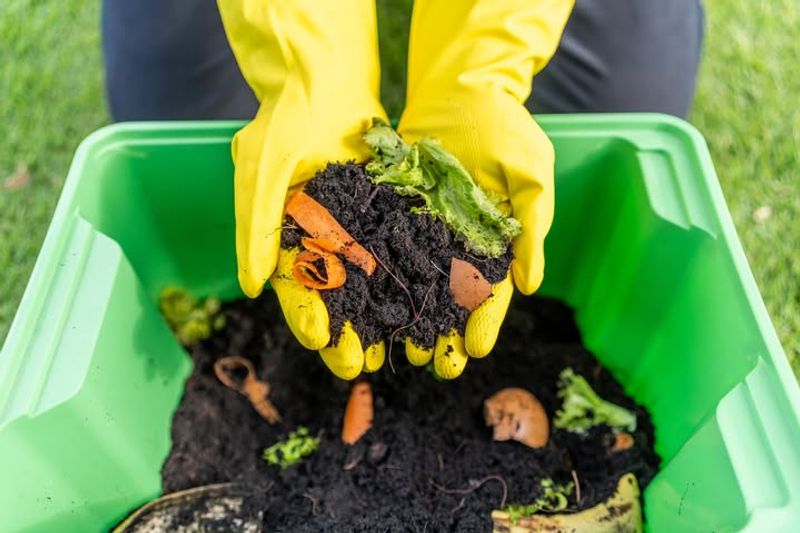
Staying compliant with Washington’s organics rules is simple once you understand what your local program specifically accepts.
Because acceptance varies, the most important step is checking your hauler’s or city’s official guidelines.
Most jurisdictions accept fruit and vegetable scraps, coffee grounds, eggshells, leaves, grass clippings, and small branches.
Some accept additional items like meat, dairy, and food-soiled paper, while others do not—so local rules always prevail.
Use a kitchen caddy with a lid for daily scraps, empty it into your organics cart every few days, and avoid liners unless approved.
Store your outdoor cart in the shade and rinse it periodically to reduce odors.
Remove produce stickers, rubber bands, twist ties, and plastic tags before disposal.
Keep yard debris within the size limits your hauler allows, and bundle branches with natural twine if required.
Following these steps ensures clean material streams, supports high-quality compost production, and makes sustainable waste management easy for gardeners across Washington.
Navigating Challenges And Concerns Under The New System
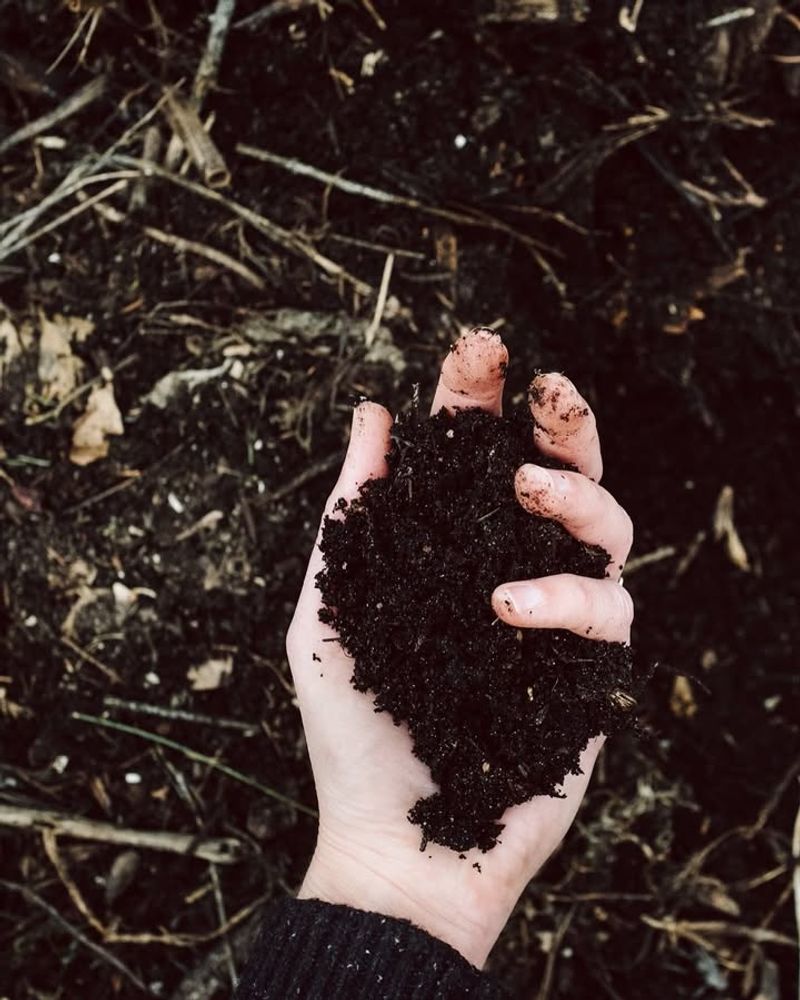
Transitioning to Washington’s expanded composting system involves a learning curve, especially while new contamination standards and compost-quality rules are finalized in 2025.
Gardeners may see occasional adjustments to what is accepted in their organics bins as local programs update equipment and policies.
Confusion between home composting and municipal collection is normal—both approaches are valid and often work best when combined.
Municipal programs handle items backyard systems cannot, while home composting provides free soil amendments and reduces reliance on collection services.
Concerns about odors or fruit flies are common but easily managed with good bin practices: keep lids closed, avoid excess liquids, and rinse containers occasionally.
As systems evolve, Washington’s Department of Ecology and local waste authorities continue offering webinars, printed guides, and online resources to help residents adapt.
With patience and awareness, gardeners become key partners in a statewide effort that benefits soil health, reduces landfill waste, and strengthens climate resilience.