Water Wise Plants Are Becoming A Go To Option For California Yards

Water-wise plants are becoming a clear favorite in California yards as homeowners adjust to longer dry spells, rising water costs, and changing landscaping expectations.
What once felt like a compromise now feels like a thoughtful design choice that balances beauty with long-term practicality.
California’s climate rewards plants that tolerate heat and drought without demanding constant watering or weekly attention.
Many homeowners are realizing that drought-tolerant landscapes can still feel lush, layered, and carefully designed rather than sparse or bare.
Water-wise plants help reduce daily maintenance while keeping yards visually consistent through long, hot summers.
Native and climate-adapted varieties often outperform traditional plantings that struggle once temperatures climb.
As lawn sizes shrink and planting styles evolve, these plants fit naturally into modern California outdoor spaces.
For many households, choosing water-wise plants now feels like a sensible response to reality rather than a passing trend.
1. Why Water Wise Plants Are Gaining Attention In California

Homeowners across California are noticing a shift in what nurseries stock and what neighbors plant along their sidewalks. Water wise plants have become the talk of garden clubs and weekend home improvement projects, not because of trends but because of necessity.
The state’s ongoing water challenges have made it clear that traditional landscaping methods are no longer sustainable or affordable.
Local governments have introduced rebate programs that encourage residents to replace grass with low-water alternatives. These incentives have made it easier for families to justify the upfront costs of replanting their yards.
Many communities now celebrate homes that showcase native grasses, succulents, and flowering perennials that need little more than occasional rain.
Social media has also played a role in spreading the word about water wise gardening. Platforms like Instagram and Pinterest are filled with images of stunning California yards that use minimal water yet look lush and inviting.
Homeowners are inspired by what they see and motivated by the practical benefits these plants offer.
Beyond aesthetics, water wise plants help address environmental concerns that matter to many Californians. Reduced water usage means less strain on reservoirs and aquifers, which benefits entire regions.
People are beginning to see their plant choices as part of a larger effort to protect natural resources.
The shift is not just happening in suburban neighborhoods. Urban areas are also embracing water wise landscaping in parks, business districts, and public spaces.
This widespread adoption has normalized the look and feel of drought-tolerant gardens.
Another reason for the surge in popularity is the growing availability of information. Garden centers now offer workshops on water wise planting, and local extension offices provide free guides tailored to California climates.
Education has empowered homeowners to make informed decisions about what to plant and where.
2. How Ongoing Drought Conditions Are Shaping Plant Choices
Rainfall patterns across California have become increasingly unpredictable, with some years bringing barely enough moisture to sustain traditional landscapes. Homeowners have watched their lawns turn brown despite regular watering, and many have decided it is time to rethink what they grow.
Drought conditions are no longer seen as temporary inconveniences but as long-term realities that require permanent solutions.
Water restrictions imposed by municipalities have forced residents to prioritize where and how they use water. Outdoor irrigation often faces the strictest limits, making it nearly impossible to maintain grass or high-water plants.
This has led many to explore alternatives that can survive on natural rainfall alone.
Nurseries have responded by stocking more drought-tolerant species and phasing out plants that require constant moisture. Shoppers now find entire sections dedicated to water wise options, complete with signage explaining care requirements and water needs.
The availability of these plants has made it easier for homeowners to make the switch.
Climate data has shown that dry spells are becoming more frequent and severe. Homeowners who once hoped for a return to wetter years are now planning for drier ones.
This mindset shift has driven demand for plants that can handle extended periods without irrigation.
Gardeners are also noticing that water wise plants often perform better during heat waves. While traditional ornamentals wilt and struggle, drought-tolerant species continue to thrive.
This resilience has made them more attractive to those who want reliable beauty without constant intervention.
3. What Defines A Water Wise Plant In Residential Landscapes
Not every plant marketed as drought-tolerant truly fits the bill, so understanding what defines a water wise plant is essential. These species are typically native to arid or semi-arid regions and have evolved features that help them conserve moisture.
Thick leaves, deep root systems, and waxy coatings are common traits that allow plants to survive with minimal water.
California’s native plants are often the best examples of water wise landscaping. Species like California poppies, buckwheat, and manzanita have adapted over centuries to the state’s dry summers and wet winters.
They require little to no supplemental watering once established, making them ideal for residential yards.
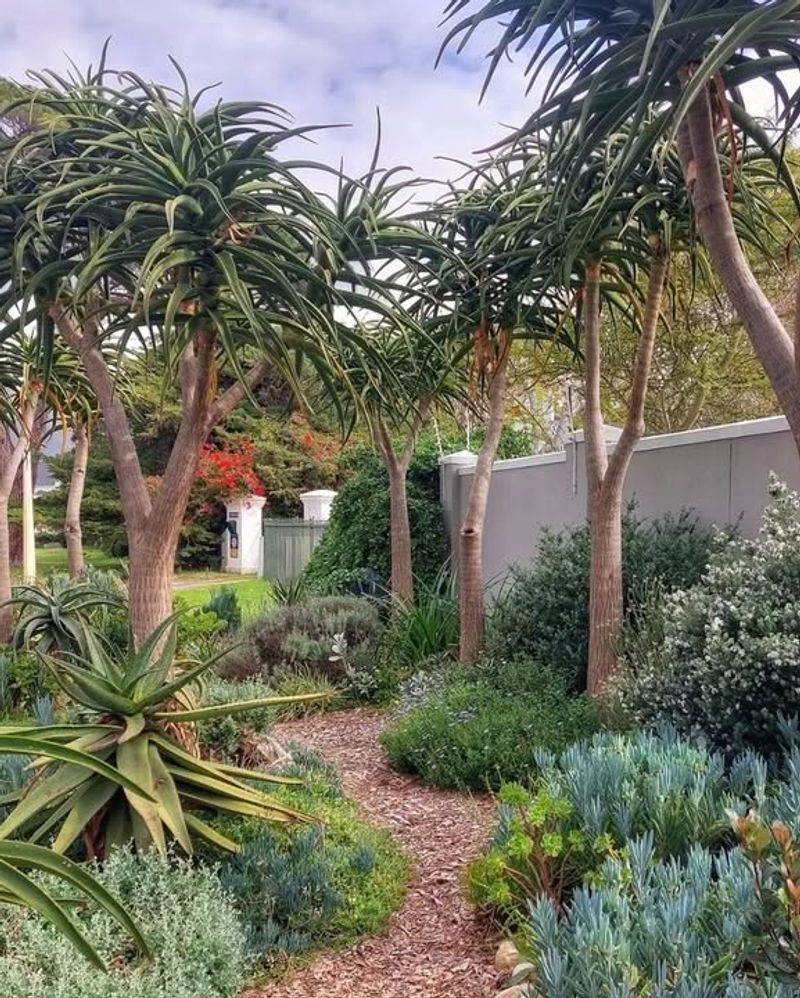
Succulents are another category that fits the water wise definition. Plants like agave, aloe, and sedum store water in their leaves and stems, allowing them to go weeks or even months without rain.
Their striking shapes and colors also add visual interest to gardens.
Mediterranean plants have become popular in California because their native climates are similar. Lavender, rosemary, and olive trees thrive in hot, dry conditions and bring fragrance and beauty to yards.
These plants are well-suited to the state’s climate and require very little maintenance.
Ornamental grasses are versatile water wise options that add movement and texture to landscapes. Species like blue fescue, fountain grass, and deer grass tolerate drought well and provide year-round structure.
They also attract beneficial insects and birds, adding life to the garden.
4. Yard Areas Where Water Wise Plants Perform Best

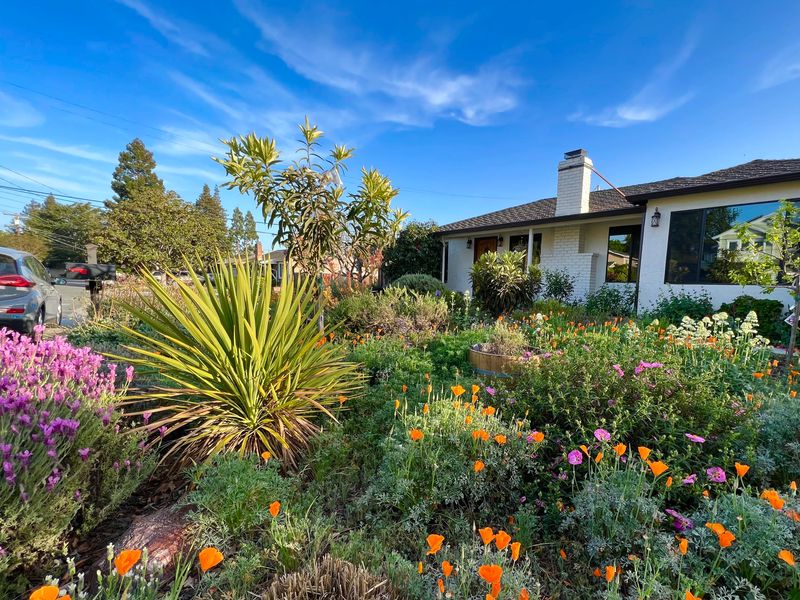
Front yards in California are prime candidates for water wise plantings because they are highly visible and often subject to strict watering regulations. Replacing grass with drought-tolerant ground covers and flowering perennials creates an attractive entryway that uses far less water.
Homeowners can design colorful, low-maintenance spaces that impress visitors and comply with local ordinances.
Side yards, which are often narrow and shaded, can be challenging to landscape with traditional plants. Water wise species that tolerate partial shade, like coral bells and ferns native to California, thrive in these spots.
These areas become functional and attractive without requiring constant irrigation.
Backyards offer the most flexibility for water wise landscaping. Homeowners can create outdoor living spaces surrounded by drought-tolerant shrubs, grasses, and trees.
Patios and seating areas can be framed with low-water plants that provide privacy and beauty without the need for frequent watering.
Slopes and hillsides are notoriously difficult to water efficiently, making them ideal for water wise plants. Deep-rooted species like California buckwheat and coyote brush stabilize soil and prevent erosion while requiring minimal moisture.
These plants thrive in conditions where traditional turf would struggle or fail.
Parkways, the narrow strips between sidewalks and streets, are often overlooked or planted with grass that fails to hold up during dry spells.
Water wise ground covers and small shrubs turn these spaces into attractive, sustainable features. They also reduce the amount of lawn that needs mowing and watering.
Courtyards and enclosed garden spaces benefit from the microclimate they create, which can be ideal for certain water wise plants. Succulents and Mediterranean herbs thrive in these protected areas, adding texture and fragrance.
These spaces become intimate retreats that require little upkeep.
5. How These Plants Fit Into Modern California Yard Design

Contemporary landscape design in California has embraced clean lines, natural materials, and sustainable plantings. Water wise plants complement these modern aesthetics perfectly, offering sculptural forms and varied textures that enhance minimalist layouts.
Grasses, succulents, and architectural shrubs create focal points without overwhelming the space.
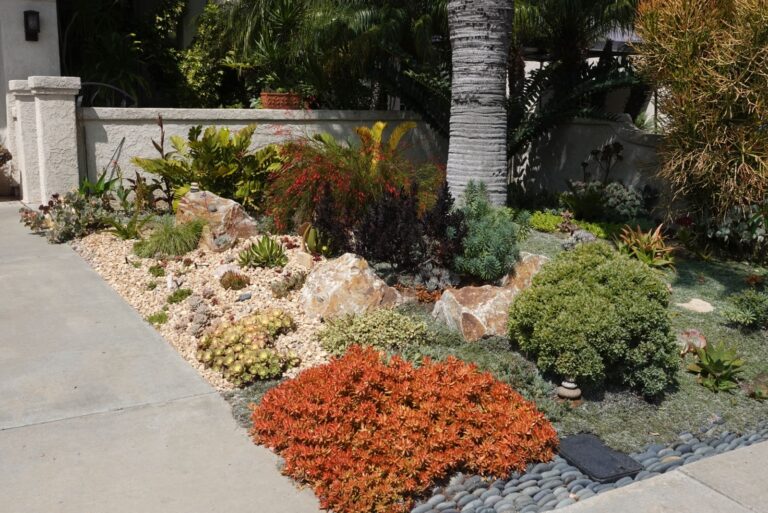
Hardscaping elements like gravel pathways, stone borders, and wooden decks pair beautifully with drought-tolerant plantings. These materials reduce the amount of planted area while adding visual interest and functionality.
The combination of hard and soft elements creates a balanced, low-maintenance yard.
Color palettes in modern California gardens often feature muted greens, silvers, and purples, which are common among water wise plants. Lavender, sage, and blue fescue provide subtle hues that blend seamlessly with natural stone and concrete.
Pops of color from flowering perennials add seasonal variety without feeling busy.
Layering plants by height and texture is a key design strategy that works well with water wise species. Tall grasses in the back, mid-height shrubs in the middle, and low ground covers in front create depth and dimension.
This approach makes yards look fuller and more intentional.
Repetition of certain plants throughout the landscape creates a cohesive, professional look. Using the same species of ornamental grass or succulent in multiple spots ties the design together.
This technique is simple but effective in making a yard feel polished.
Outdoor living spaces have become central to California yard design, and water wise plants frame these areas beautifully. Seating zones surrounded by drought-tolerant shrubs and grasses feel private and inviting.
These plants provide structure without blocking views or requiring constant trimming.
6. The Role Of Climate Patterns In Plant Selection
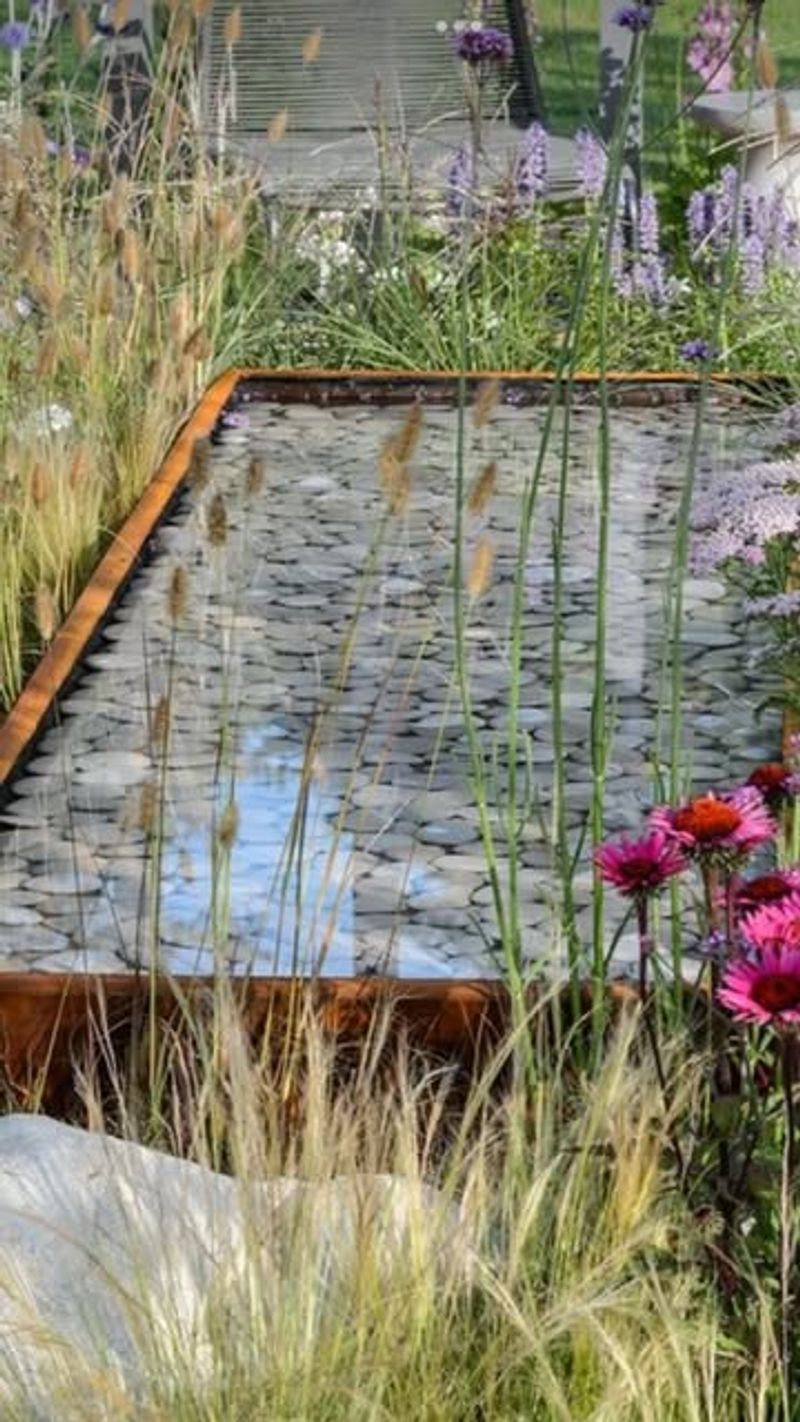
California’s climate varies dramatically from the coast to the mountains to the desert, and plant selection must reflect these differences. Coastal areas experience mild temperatures and marine fog, which allows certain water wise plants to thrive with little irrigation.
Inland valleys, however, face scorching summers and freezing winters, requiring tougher species.
Microclimates within a single yard can also influence which plants succeed. A sunny, south-facing slope will support different species than a shaded, north-facing corner.
Understanding these variations helps homeowners place plants where they will perform best.
Hardiness zones, which indicate the coldest temperatures a plant can tolerate, are essential guides for California gardeners. The state spans several zones, from the mild coastal Zone 10 to the colder mountain Zone 7.
Choosing plants rated for your specific zone ensures they will survive winter.
Heat tolerance is equally important, especially in California’s interior regions. Some water wise plants that do well near the coast may struggle in areas where summer temperatures regularly exceed 100 degrees.
Selecting species adapted to high heat prevents disappointment and wasted effort.
Rainfall timing is another factor that shapes plant choices. Most of California receives the majority of its rain between November and March, with dry summers.
Water wise plants that align with this pattern, such as native species, are better suited to the state’s natural cycles.
Wind exposure can stress plants and increase water loss through transpiration. Yards in windy areas benefit from species with tough, waxy leaves that resist drying out.
Planting windbreaks or choosing low-growing plants also helps reduce wind damage.
7. Why Homeowners Are Rethinking Traditional Lawn Spaces
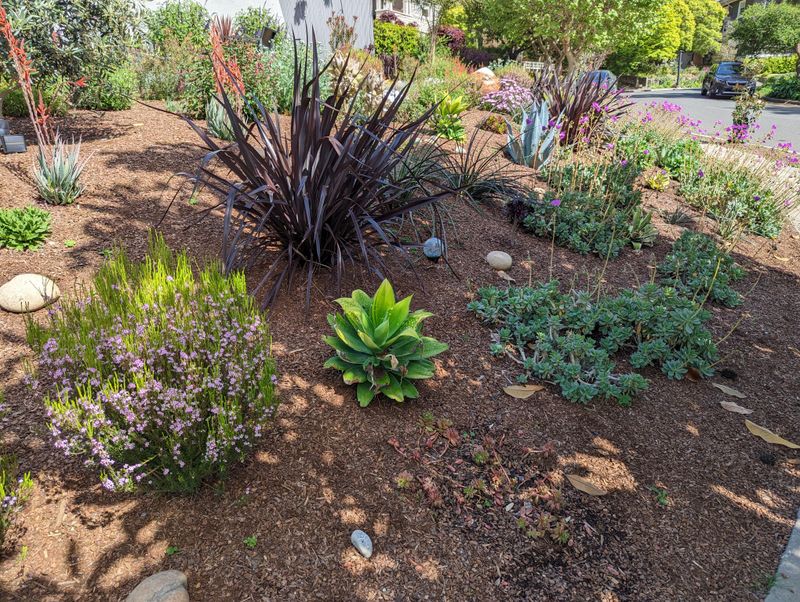
Lawns have long been the default choice for California yards, but their water demands and maintenance requirements are prompting many homeowners to reconsider. A typical grass lawn can use thousands of gallons of water per month during summer, which is unsustainable in a state facing chronic water shortages.
The realization that lawns consume such a large share of household water has sparked a major shift.
Mowing, edging, fertilizing, and aerating are time-consuming tasks that many homeowners would rather avoid. Replacing grass with water wise plants eliminates most of these chores, freeing up weekends for relaxation or other activities.
The convenience factor alone has convinced countless Californians to make the switch.
Lawns also require chemical inputs to stay green and weed-free, which can harm local ecosystems and water supplies. Pesticides and fertilizers often run off into storm drains and eventually reach rivers and oceans.
Water wise plantings, especially native species, support pollinators and beneficial insects without the need for harmful chemicals.
The visual monotony of grass is another reason homeowners are exploring alternatives. Water wise landscapes offer a variety of colors, textures, and forms that make yards more interesting and personalized.
A mix of grasses, succulents, and flowering perennials creates a dynamic, ever-changing scene.
Cultural attitudes toward lawns are shifting as well. What was once seen as a status symbol is now often viewed as wasteful and outdated.
Younger homeowners, in particular, are embracing more sustainable and creative landscaping options that reflect their values.
Local governments in California have accelerated this trend by offering turf replacement rebates. These programs provide financial incentives to remove grass and install water wise landscapes, making the transition more affordable.
Thousands of homeowners have taken advantage of these rebates, transforming neighborhoods across the state.
8. Long-Term Benefits Of Lower Water Plantings
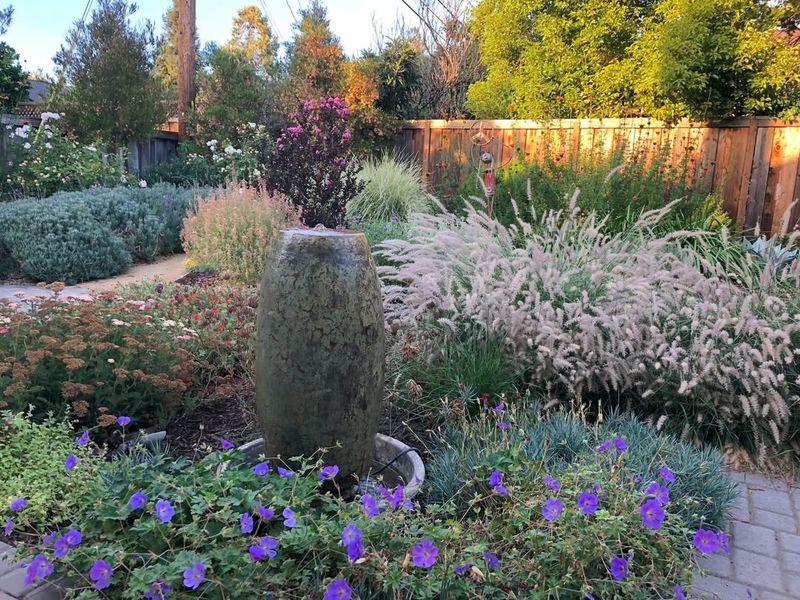
Investing in water wise plants delivers financial rewards that compound over time. Monthly water bills drop significantly once thirsty lawns and ornamentals are replaced with drought-tolerant species.
In some California households, outdoor water use accounts for more than half of the total bill, so the savings can be substantial.
Property values often increase when homes feature attractive, sustainable landscaping. Buyers in California are increasingly looking for water wise yards that will not burden them with high maintenance or water costs.
A well-designed drought-tolerant landscape can be a selling point that sets a home apart from others on the market.
Reduced maintenance means more time and less money spent on yard care. Without the need for frequent mowing, fertilizing, and pest control, homeowners can enjoy their outdoor spaces rather than constantly working on them.
This lifestyle benefit is one of the most appreciated aspects of water wise landscaping.
Environmental benefits extend beyond the individual property. Lower water use reduces strain on California’s rivers, lakes, and aquifers, helping to preserve these resources for future generations.
Every yard that transitions to water wise plantings contributes to broader conservation efforts.
Water wise plants often have longer lifespans than traditional ornamentals because they are better adapted to local conditions. This means less frequent replanting and lower costs over the years.
Homeowners can build a landscape that matures and improves with age.
Soil health improves when chemical fertilizers and pesticides are no longer needed. Water wise plants, especially natives, support beneficial microbes and insects that create a balanced ecosystem.
Healthier soil leads to stronger plants and a more resilient landscape.
Drought-tolerant gardens are more resilient during extreme weather events. Whether facing a prolonged dry spell or an unexpected heat wave, water wise plants continue to perform.
This reliability gives homeowners confidence that their investment will endure.
9. What California Gardeners Are Noticing After Making The Switch
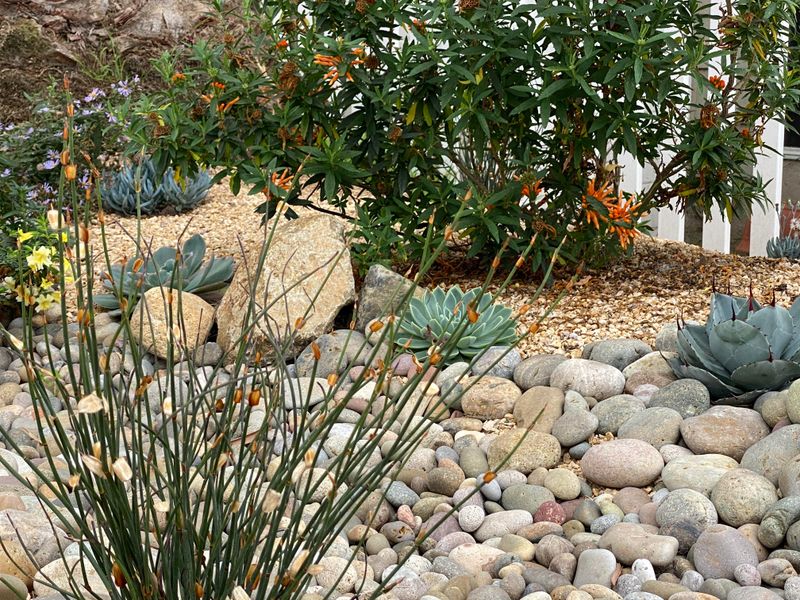
Gardeners who have transitioned to water wise plantings report a sense of relief once the initial work is done. The constant worry about watering schedules and brown patches fades, replaced by confidence that the yard will look good with minimal effort.
Many describe feeling liberated from the demands of traditional landscaping.
Wildlife activity often increases in yards planted with native and drought-tolerant species. Birds, butterflies, and beneficial insects are drawn to these plants, creating a lively, dynamic environment.
Homeowners enjoy watching the natural interactions that unfold in their gardens.
Seasonal changes become more noticeable with water wise plantings. Native California species often bloom in spring and go dormant in summer, mirroring the state’s natural cycles.
This rhythm connects gardeners to the local environment in a way that lawns and exotic plants do not.
Neighbors frequently stop to ask questions or compliment the new landscape. Water wise yards stand out in communities still dominated by traditional grass, sparking conversations and inspiring others to consider similar changes.
This social aspect adds to the satisfaction of making the switch.
Maintenance routines become simpler and more enjoyable. Instead of spending hours mowing and watering, gardeners might spend a few minutes pulling occasional weeds or trimming back overgrown plants.
The tasks feel more like tending a garden than battling to keep it alive.
Water bills drop noticeably, often within the first few months after replanting. Seeing the financial savings in black and white reinforces the decision to switch to water wise plants.
Many California homeowners wish they had made the change sooner.